Illustrations
Browse all94 images extracted

A compelling allegorical scene depicting a powerful, muscular male figure, possibly an elemental spirit or a personification of the wind (Boreas), with his hair and outstretched arms dissolving into swirling clouds. The figure stands in a verdant landscape with a body of water and distant classical architecture, suggesting a primordial or mythical setting. This illustration, Emblema I from a historical book, is deeply rooted in alchemical philosophy, referencing the Emerald Tablet's dictum 'The wind carried him in its belly,' symbolizing the generation and transformation of matter. The hand-colored woodcut technique enhances the dramatic and symbolic impact of this Renaissance-era depiction of natural forces and alchemical principles.

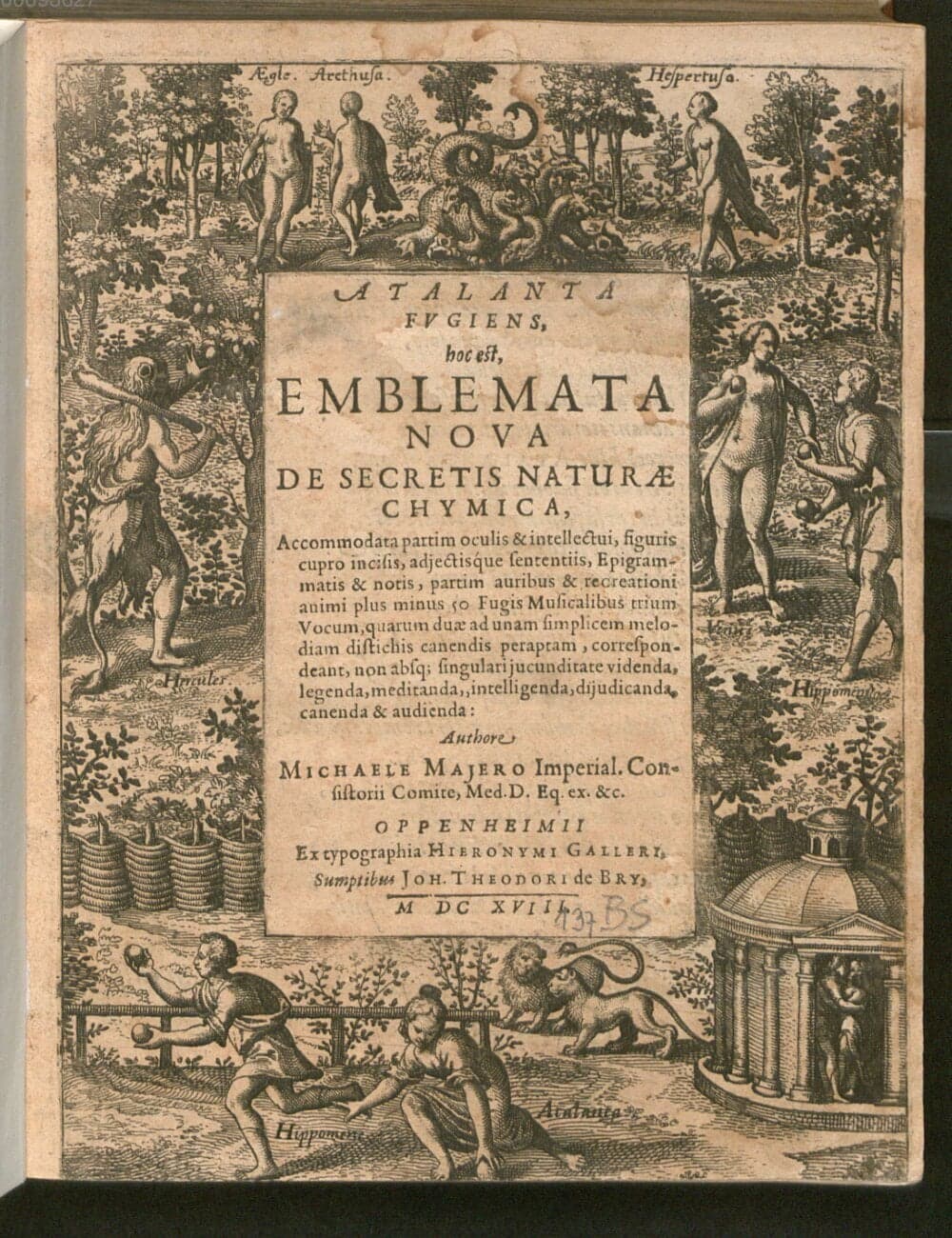
This is the title page of Michael Maier's 'Atalanta Fugiens,' a seminal work in alchemical literature. The engraving depicts scenes from the Greek myth of Atalanta and Hippomenes, interwoven with alchemical symbolism, reflecting the pursuit of transformation and perfection. Published in 1618, it exemplifies the Renaissance fascination with classical mythology and its integration with esoteric knowledge.

This intricate frontispiece for Michael Maier's 'Arcana Arcanissima' (c. 1614) presents a complex synthesis of Egyptian and Greek mythology. It depicts figures such as Osiris, Isis, and the monstrous Typhon alongside Hercules and Dionysus, framing the central text with alchemical and hermetic symbols like obelisks and sacred animals. The work exemplifies the Renaissance fascination with 'hieroglyphics' as a coded language for ancient, hidden wisdom and the origins of alchemical practice.

This intricate frontispiece serves as a symbolic entrance to Michael Maier's alchemical treatise, 'Arcana arcanissima'. At the summit, the figure of Mercury sits amidst a mountain range holding his caduceus, representing the messenger of the gods and a central figure in alchemical transformation. The flanking columns and spheres create a formal gateway, inviting the reader into the hidden secrets of the ancient world.

This intricate engraving depicts the Eleventh Key of Basil Valentine, a symbolic representation of the alchemical process of conjunction. Two women ride lions that appear to be devouring each other, signifying the union of volatile and fixed principles, while suns and moons rise from hearts held in their hands.

This intricate engraving presents a dense alchemical or philosophical allegory. At its center, a geometric diagram featuring a triangle within a circle is flanked by figures representing Justice, holding scales, and another figure with a sword, possibly representing Power or Fortitude. The composition integrates text and symbols to convey complex esoteric concepts typical of 17th-century intellectual traditions.

This elaborate frontispiece for Michael Maier's 'Arcana arcanissima' (1614) presents a synthesis of Egyptian and Greek mythology, reflecting the author's alchemical and hermetic interests. The central text is framed by figures such as Osiris, Isis, and the monstrous Typhon, alongside Hercules and Dionysus, while Egyptian symbols like obelisks and the Apis bull anchor the composition. This work exemplifies the early modern fascination with 'hieroglyphics' as a source of ancient, hidden wisdom.
Visual Art
Browse all art →60 works of visual art in this collection
 ritual-object
Ace of Swords (Minchiate Card Deck)
A. Baragioli
A human hand emerges from the left side of the frame to grasp the hilt of a vertical sword, which is encircled by a golden crown topped with two flowing red ribbons.
 allegory
Il Matto (The Fool) - Minchiate Card
A. Baragioli
A central, yellow-clad male figure wearing a blue cap with a feather holds a staff with two red spheres atop it while pulling a naked, crouching figure by the hair, as a second figure in a red robe pulls at his staff.
 object
Masonic Quart Bottle — Clasped Hands, Square & Compass
A. R. Samuels
Two mold-blown aquamarine glass bottles, one embossed with Masonic symbols including clasped hands and a square and compass, the other featuring a factory building and the name 'S. HUERSEY'.
 print
printChristelijke emblemen
Aegidius Sadeler
The Circumcision of Christ is depicted in a central panel, surrounded by an elaborate emblematic border featuring the Holy Name, a flaming heart, and butterflies.
 emblem
Alchemical Angel of Air
Anonymous
This engraving depicts a complex alchemical cosmology featuring a central sphere supported by two kneeling male figures, topped by a trinity of celestial figures, and containing within it various elemental symbols, lions, and a bird.
 drawing
Alchemical Conjunction — Donum Dei
Anonymous
A glass alchemical vessel containing a couple in coitus, surrounded by detached human heads, with an angel on the neck and a flowering plant emerging from the top.
 allegory
Fire — The Four Elements
Anonymous
An allegorical depiction of the element of Fire, featuring an elderly alchemist working at a furnace while a female figure holding a chain of gold coins leans over his shoulder.
 allegory
Hermes Trismegistus and the Emerald Tablet
Anonymous
Hermes Trismegistus is depicted seated beneath an arch, flanked by assistants, holding an open book or tablet containing alchemical celestial symbols.
 emblem
The Androgynous Rebis
Anonymous
A central winged, two-headed androgynous figure, known as the Rebis, stands upon a crescent moon above a landscape with a tree bearing human faces and a bird.
 emblem
The Green Lion Devouring the Sun
Anonymous
A green lion devouring a human-faced sun, accompanied by a banderole containing German text.
 print
printSplendor Solis - Traité d'Alchimie - Mercure - La reine bleue (Les Sept Flasques)
Artistes anonymes du XVIème siècle
A crowned woman in white robes, representing the White Queen, stands inside a glass alchemical vessel topped with a golden crown.
 emblem
The Peacock and the Hybrid Figures (from Oedipus Aegyptiacus)
Athanasius Kircher
A peacock standing on a globe surmounts an architectural arch, beneath which a canine-headed figure and a donkey-headed figure stand face-to-face.
 emblem
Emblem of Hermanubis
Athanasius Kircher
An ibis with a long, curved beak and slender legs stands within a rectangular frame, below the Greek letters alpha and delta.
 print
printSplendor Solis. Image 13 - Jupiter - Les trois oiseaux
Auteurs anonymes du XVIème siècle
An alchemical glass flask containing three birds (black, white, and red) is heated over a fire and topped with a golden crown.
 print
printSplendor Solis. Image 14 - Mars - L'oiseau à trois têtes
Auteurs anonymes du XVIème siècle
A triple-headed white bird, each head bearing a crown, contained within a crowned glass philosopher's egg heated by fire.
Michael Maier's Atalanta Fugiens paired 50 engravings with 50 musical fugues. The Mutus Liber (1677) told the entire alchemical process in images alone — no text. The Splendor Solis illuminated the stages of the Great Work in gold and color. This collection gathers the visual language of alchemy — where the image is the instruction.
Essential Reading
The foundational texts of this tradition
Atalanta Fleeing
Michael Maier, 1618
As a variant title for Atalanta Fugiens, this work is a foundational example of alchemical emblems and visual instruction, featuring 50 engravings paired with fugues.
Atalanta Fleeing
Maier, Michael, 1618
As a variant title for Atalanta Fugiens, this work is a foundational example of alchemical emblems and visual instruction, featuring 50 engravings paired with fugues.
Atalanta Fugiens (c.1625 English MS)
Michael Maier; English translator, 1618
As a variant title for Atalanta Fugiens, this work is a foundational example of alchemical emblems and visual instruction, featuring 50 engravings paired with fugues.
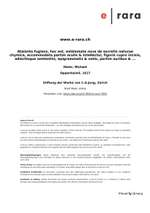
Atalanta fugiens, hoc est, emblemata nova de secretis naturae chymica, accommodata partim oculis & intellectui, figuris cupro incisis, adiectisque sententiis, epigrammatis & notis, partim auribus & recreationi animi plus minus 50 fugis musicalibus trium vocum, quarum duae ad unam simplicem melodiam distichis canendis peraptam, correspondeant, non absque singulari iucunditate videnda, legenda, meditanda, intelligenda, diiudicanda, canenda & audienda
Maier, Michael, 1617
This is the full title of Atalanta Fugiens, explicitly cited in the collection description as a foundational example of alchemical emblems and visual instruction.
Important Works
Significant texts that deepen understanding
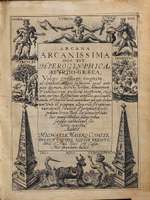
Arcana Arcanissima Hieroglyphica Aegyptio-Graeca
Michael Maier, 1614First Translation
Maier's work interprets ancient Egyptian and Greek hieroglyphs as alchemical symbols, directly aligning with the collection's focus on encoded visual language.
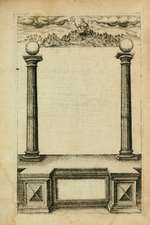
The Most Secret Secrets
Maier, Michael, 1614First Translation
This work, a translation of Maier's Arcana Arcanissima, uses ancient hieroglyphs as a visual key to alchemical secrets and processes.
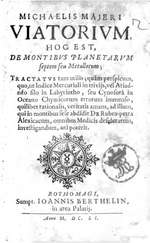
The Traveler's Guide (Viatorium)
Michael Maier, 1651First Translation
Maier's Viatorium features seven emblematic plates representing the planets and metals, serving as visual guides to alchemical processes.
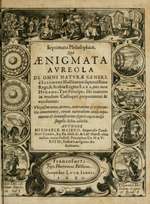
The Philosophical Week
Michael Maier, 1620First Translation
Maier's Septimana Philosophica contains numerous emblematic woodcuts that visually convey alchemical principles and stages of the Great Work.
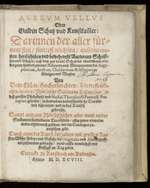
The Golden Fleece
Trissmosin, Salomon, 1598First Complete Translation
This significant alchemical text is often found with rich illustrations and emblematic content, contributing to the visual tradition of alchemical instruction.
The Twelve Keys of Philosophy
Basilius Valentinus, 1618
The 'Twelve Keys' are famously represented by a series of emblematic illustrations that are integral to understanding the alchemical process described in the text.
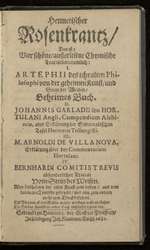
Hermetic Rosary
anonymous|Artephius|Hortulanus|Arnaldus de Villanova|Bernhardus Trevisanus, 1682First Translation
The Rosarium Philosophorum is renowned for its sequence of emblematic woodcuts that visually narrate the stages of the alchemical Great Work.
All Books
Browse Full Catalog→269 books in this collection
Atalanta Fleeing
Maier, Michael
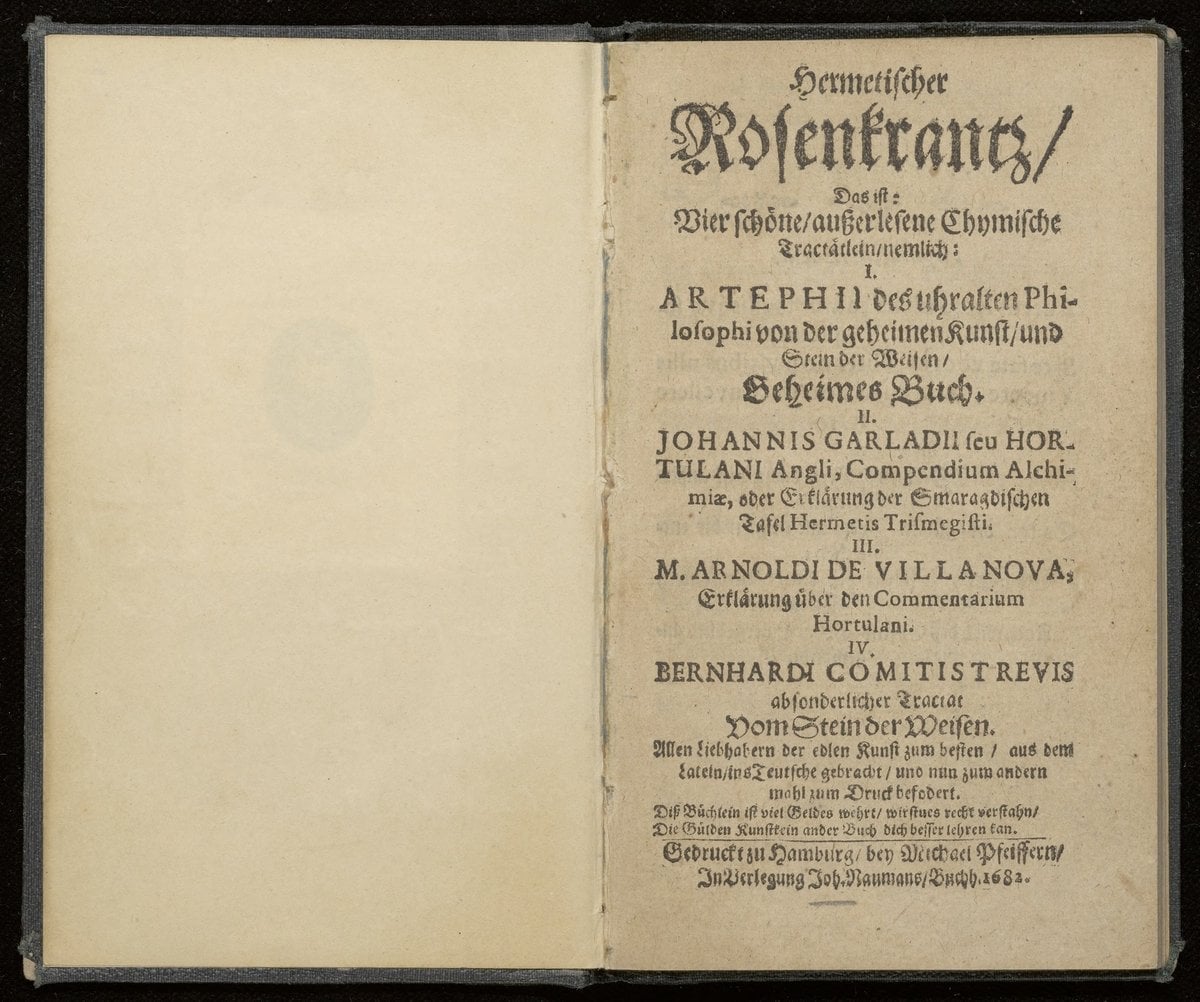
Hermetic Rosary
anonymous|Artephius|Hortulanus|Arnaldus de Villanova|Bernhardus Trevisanus
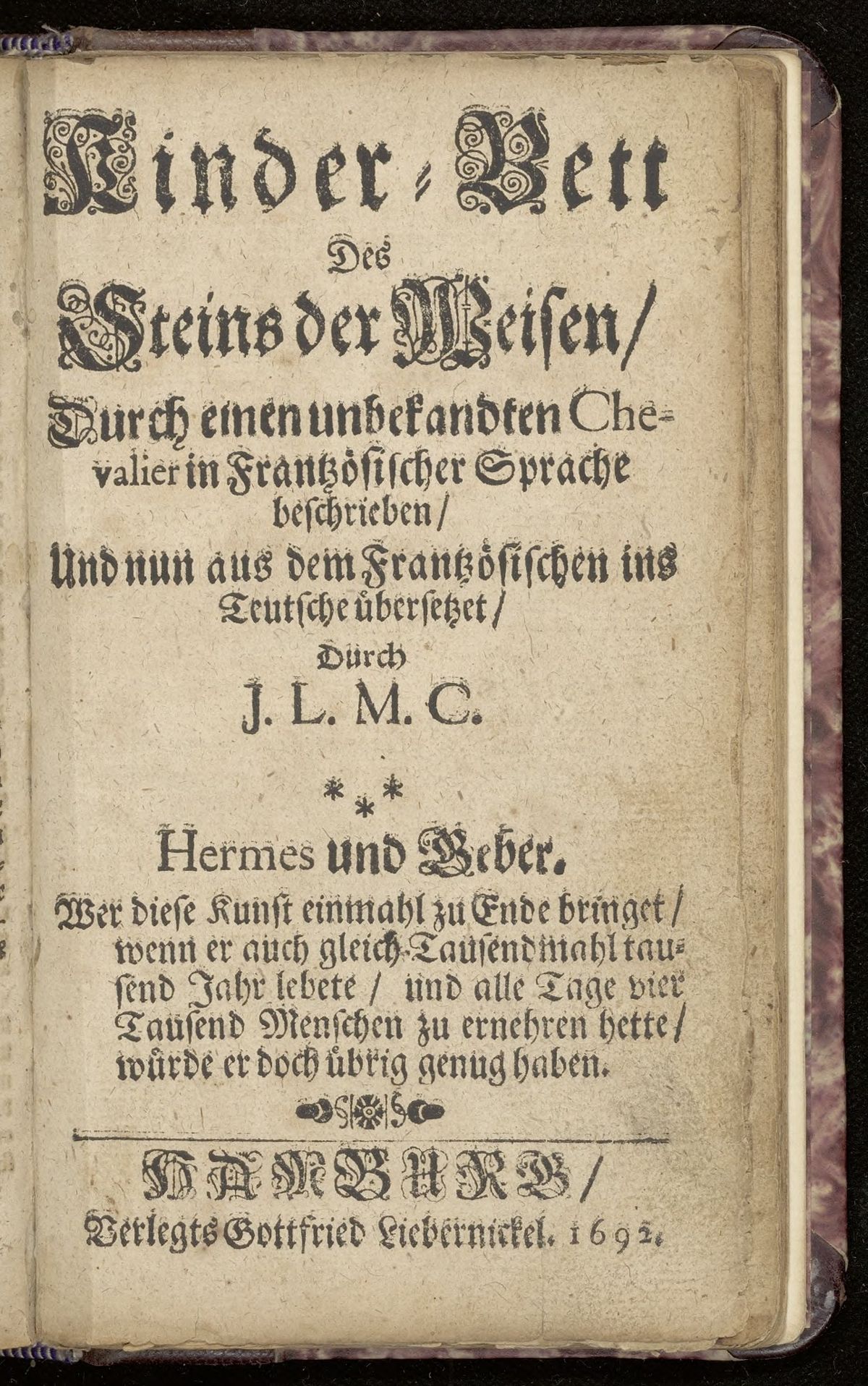
The Child-Bed of the Philosopher's Stone
Anonymous
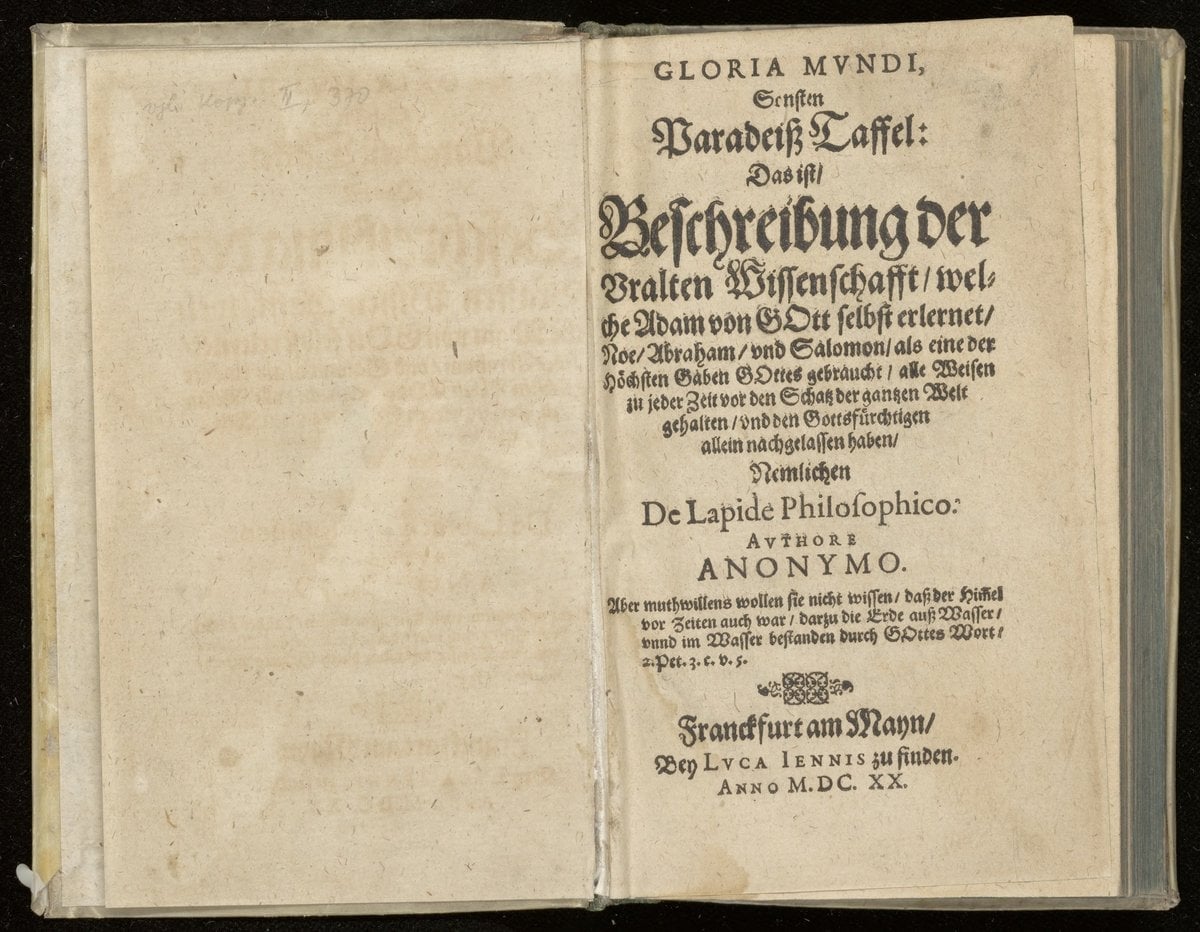
The Glory of the World
Anonymous
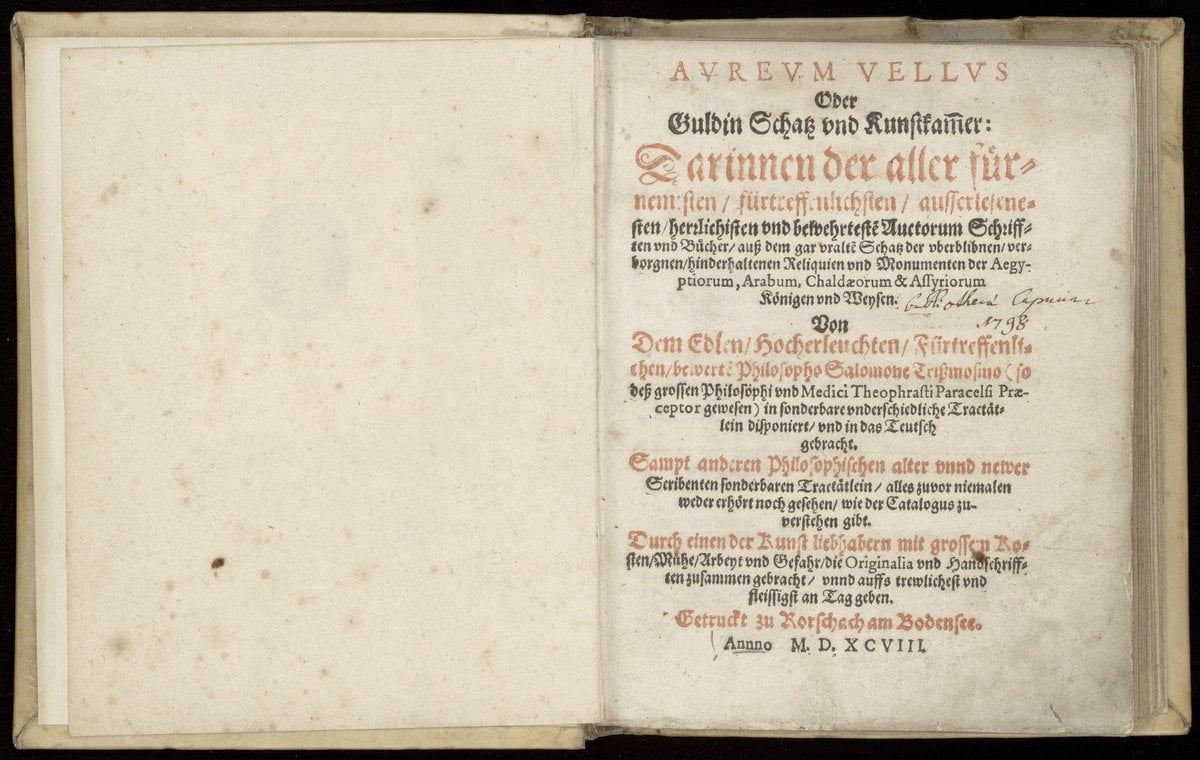
The Golden Fleece
Trissmosin, Salomon
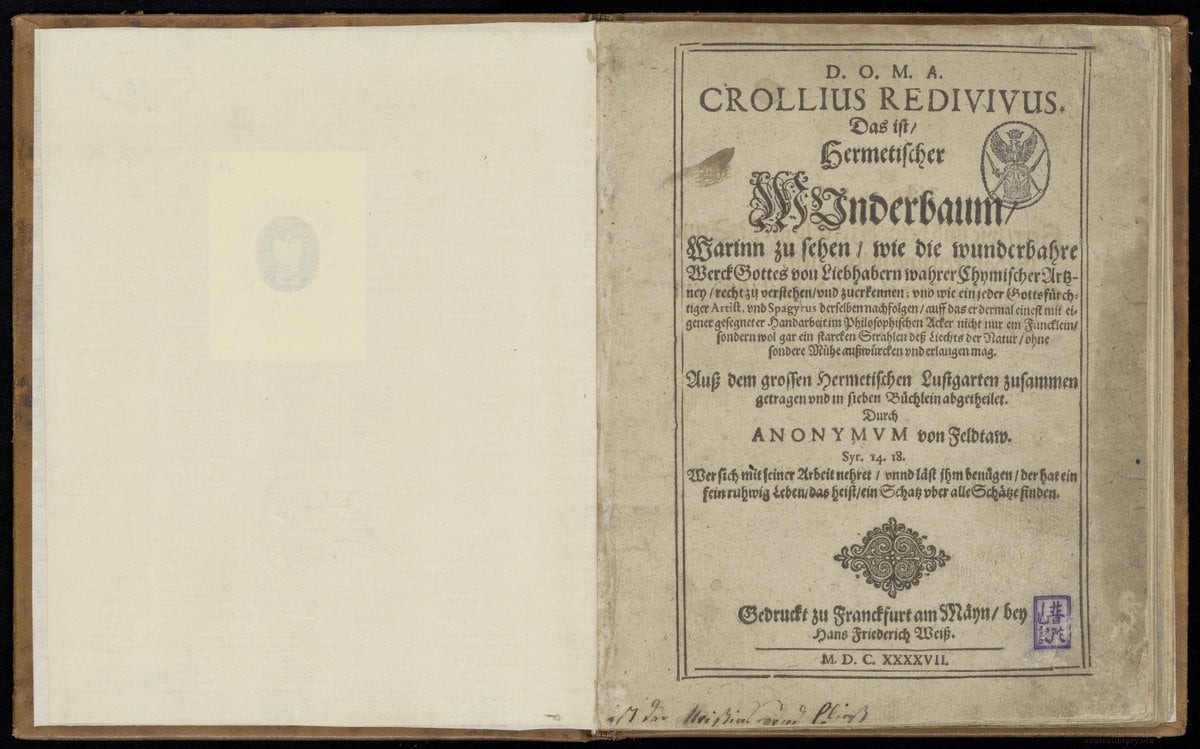
Crollius Revived: The Hermetic Wonder-Tree
Unknown

Explanation of the Center in the Triangle of the Center through a Dream
Monte Hermetis, Johann de
Ariadne's Thread
attr. Reibehand, Christoph
Ariadne's Thread: A New Chemical Discourse
attr. Reibehand, Christoph
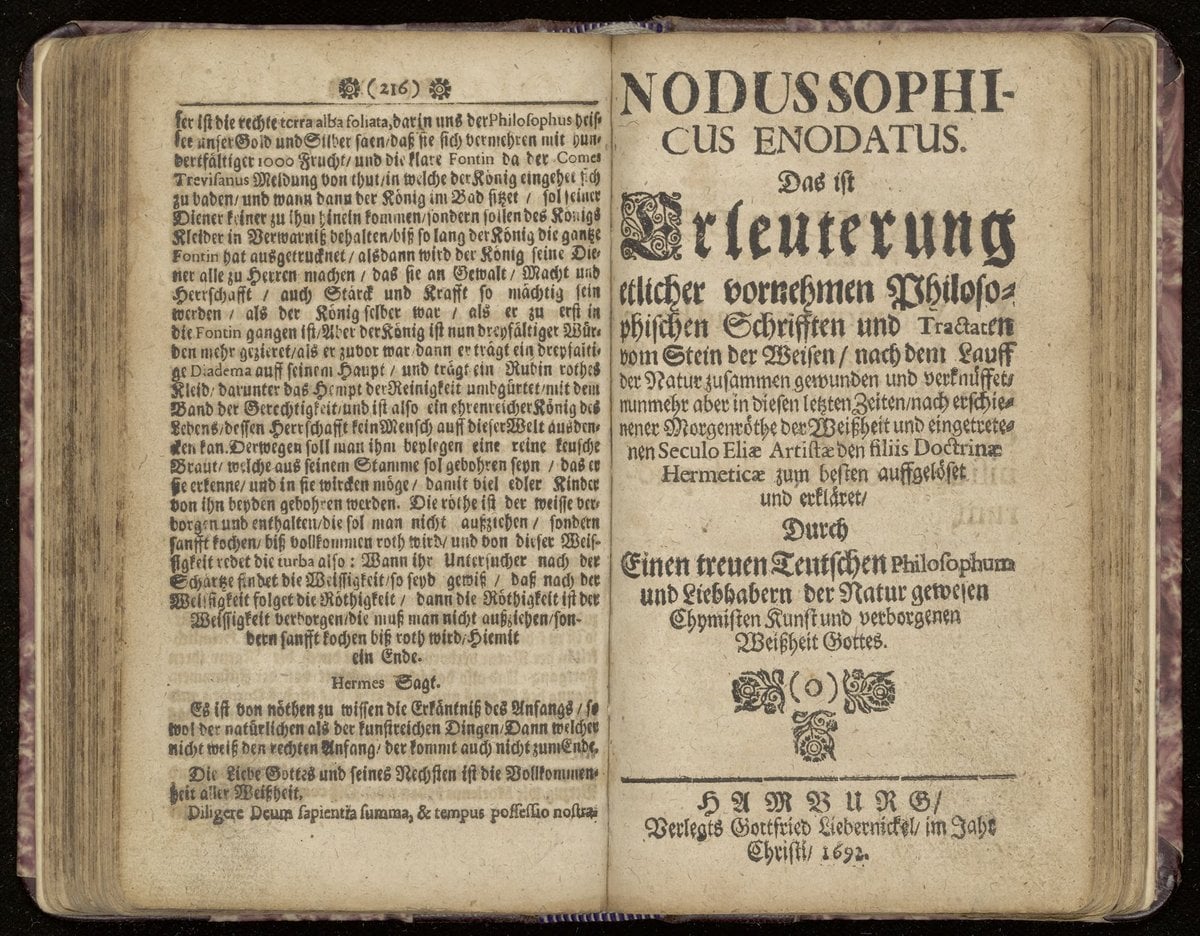
The Sophic Knot Untied
Anonymous