A New Renaissance of Ancient Wisdom
Welcome to the world’s largest library
of AI-translated ancient sources.
Collections
10,948 translations · 5,901 for the first time · 7,068 artworks · 87,878 illustrations
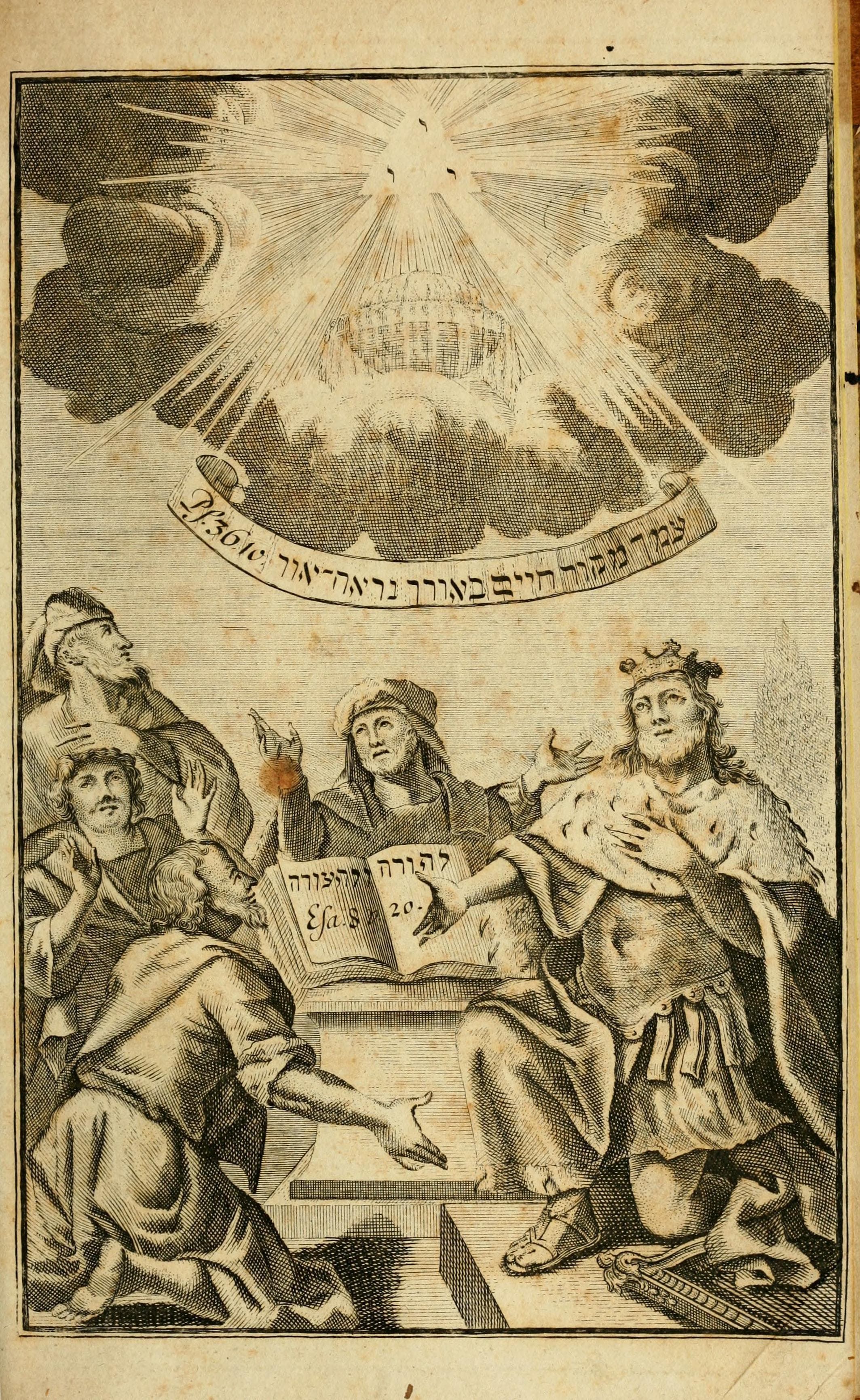
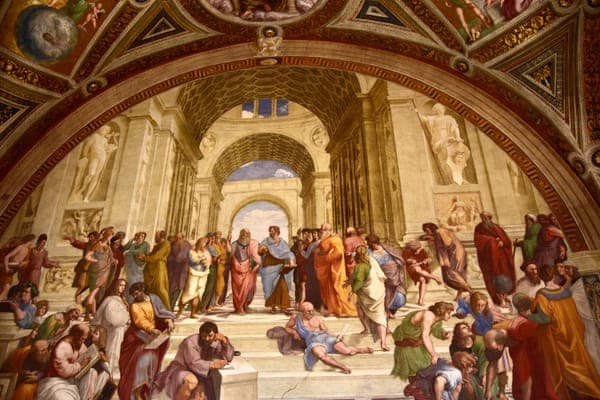
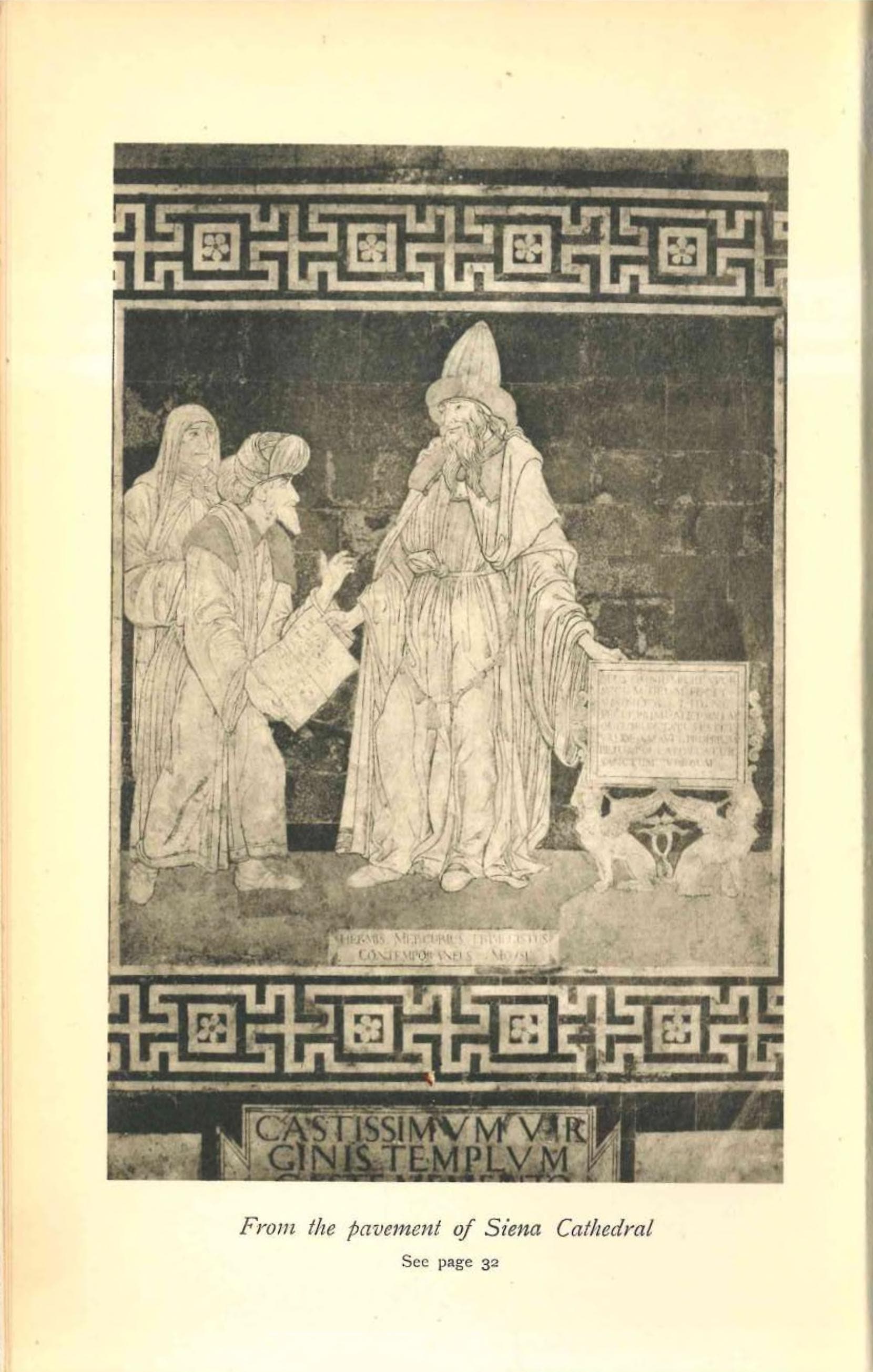
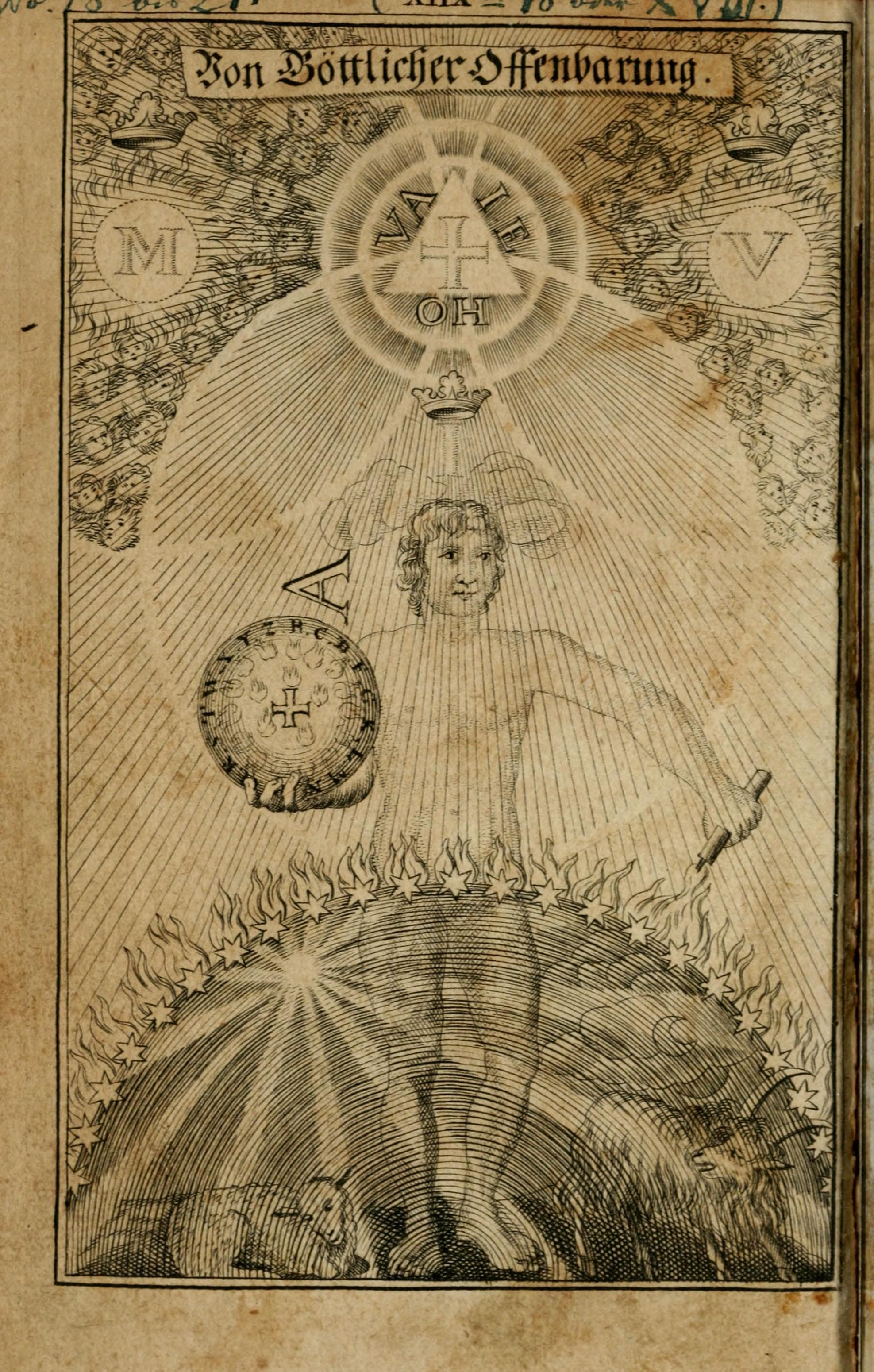


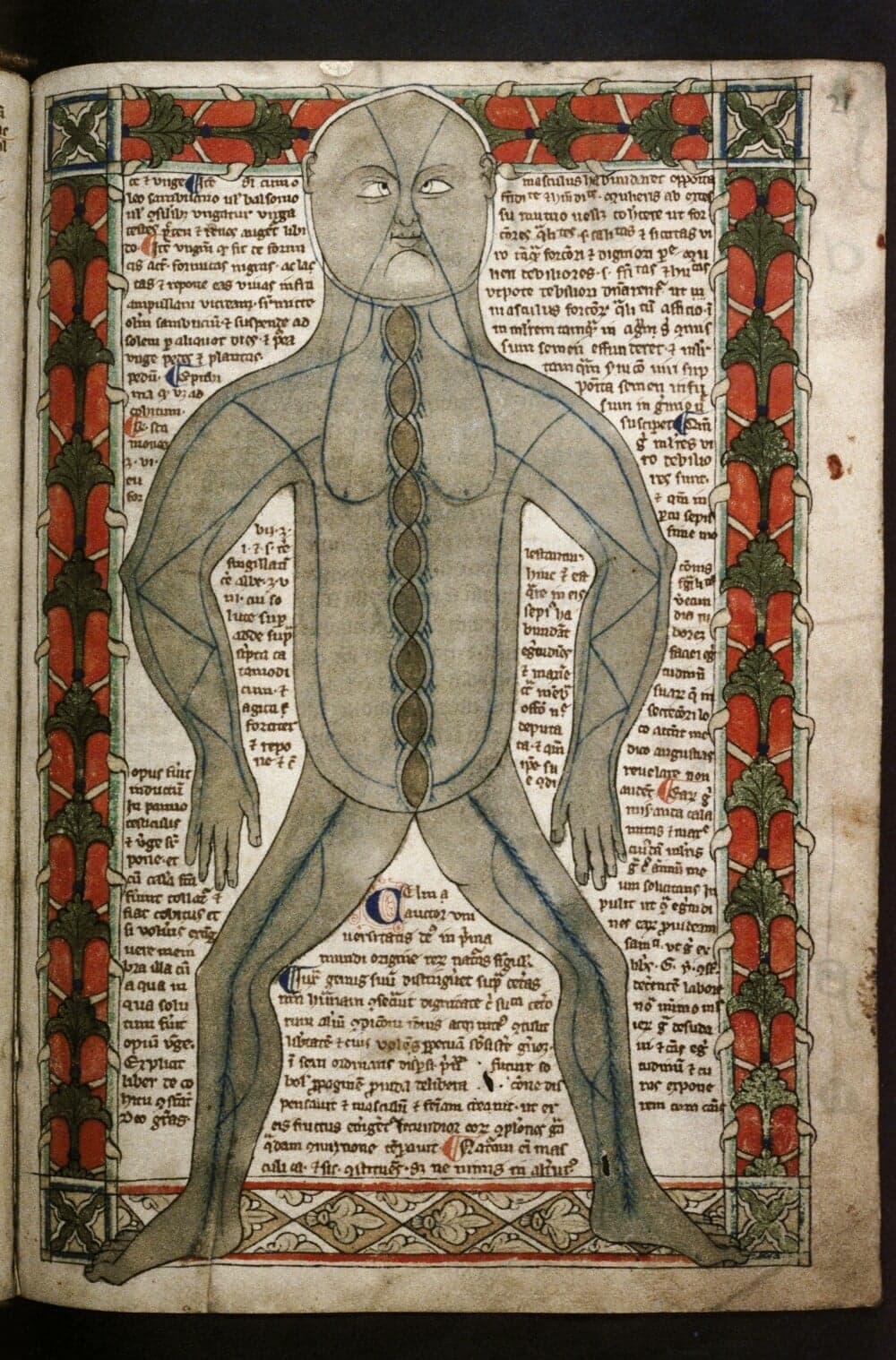
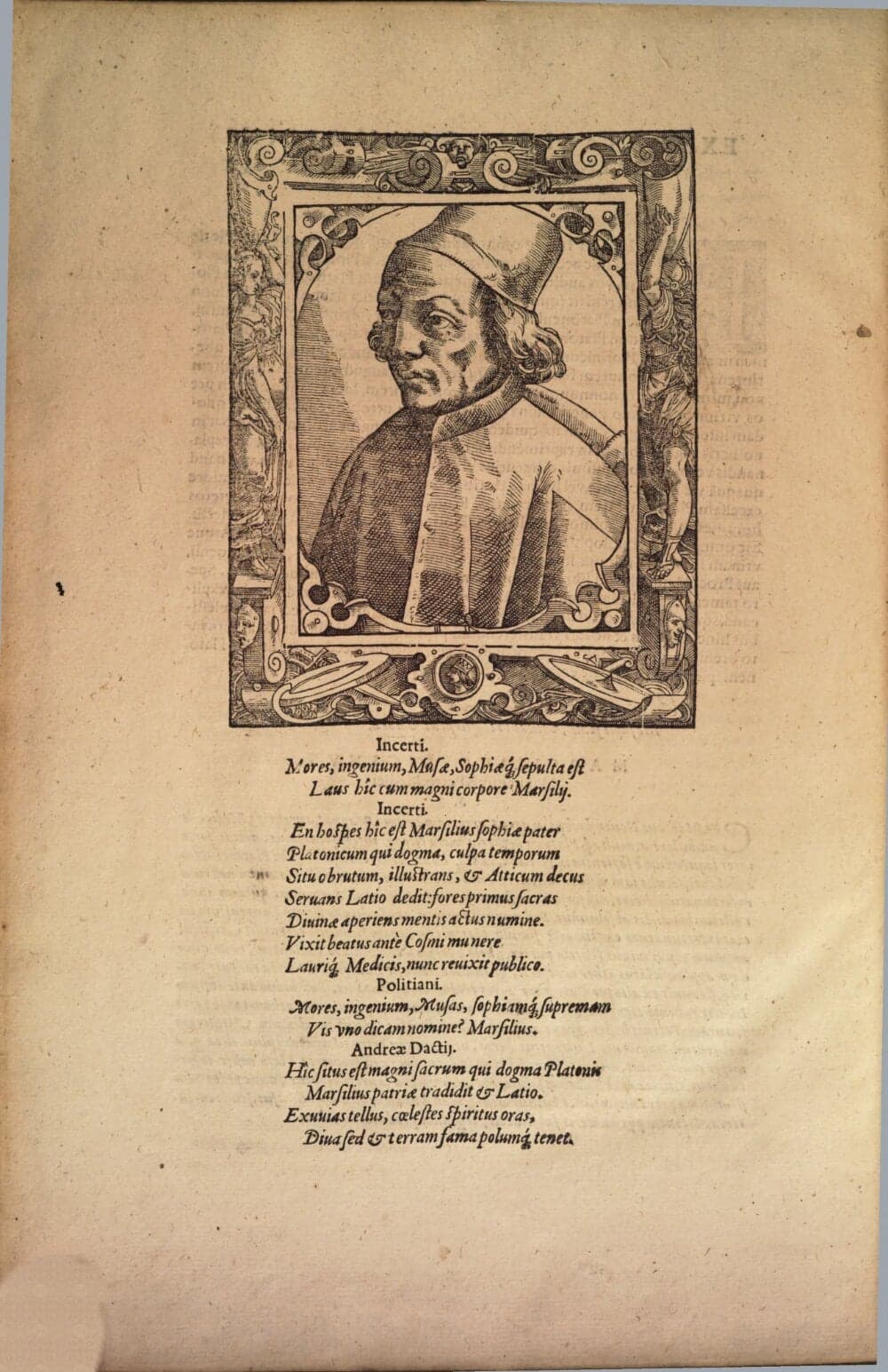

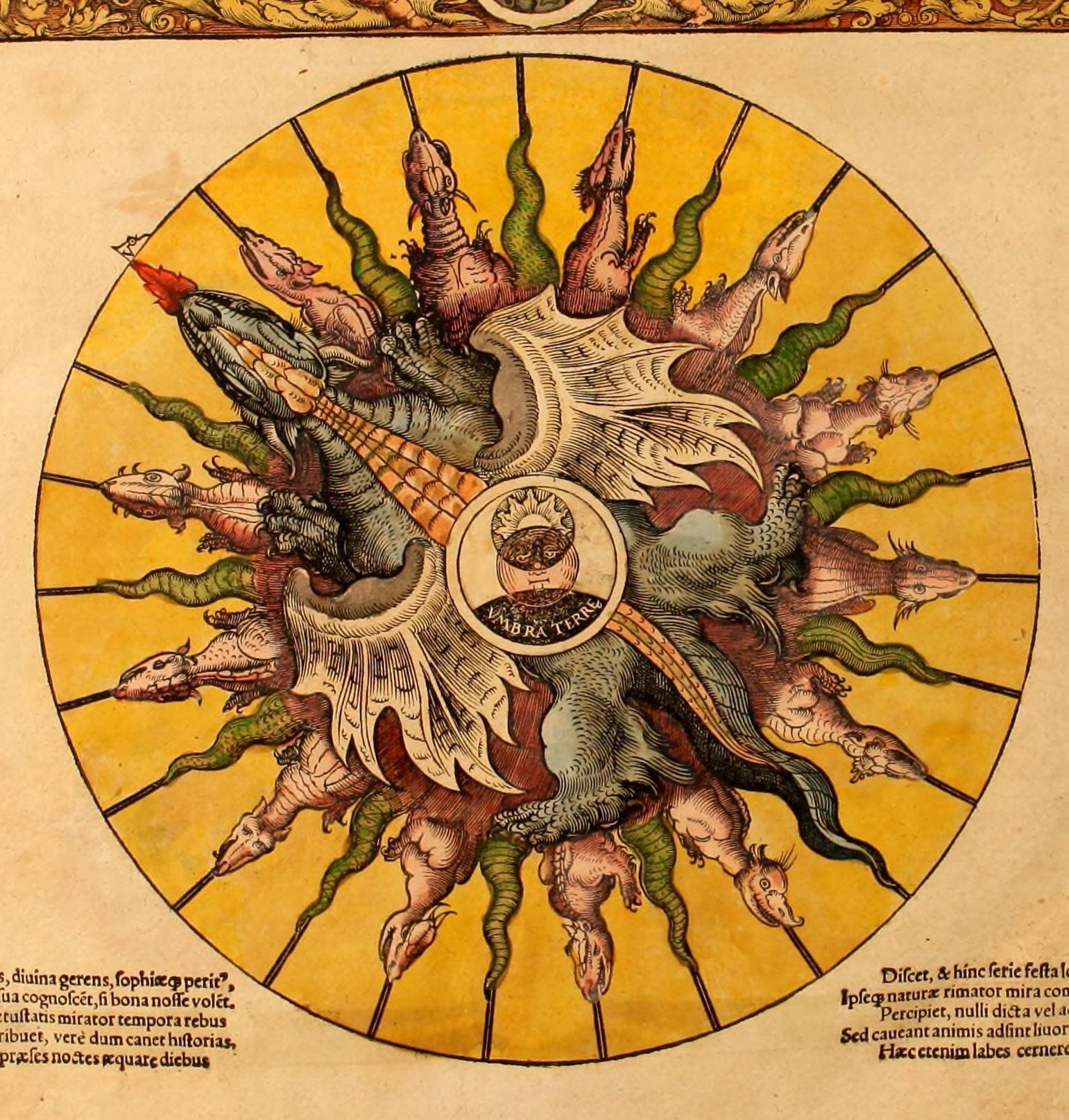
Renaissance Philosophy
Humanism, Neoplatonism & the Dignity of Man
The philosophical revival of the 15th-17th centuries — Ficino, Pico della Mirandola, Bruno, Campanella, the Florentine Academy, Renaissance Neoplatonism, and the humanist recovery of ancient learning.
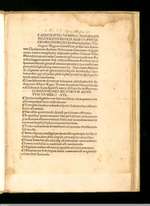
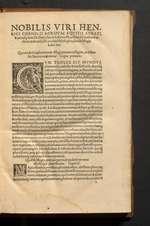
Explore 1099 books
Discover
Translated primary sources from the collection.
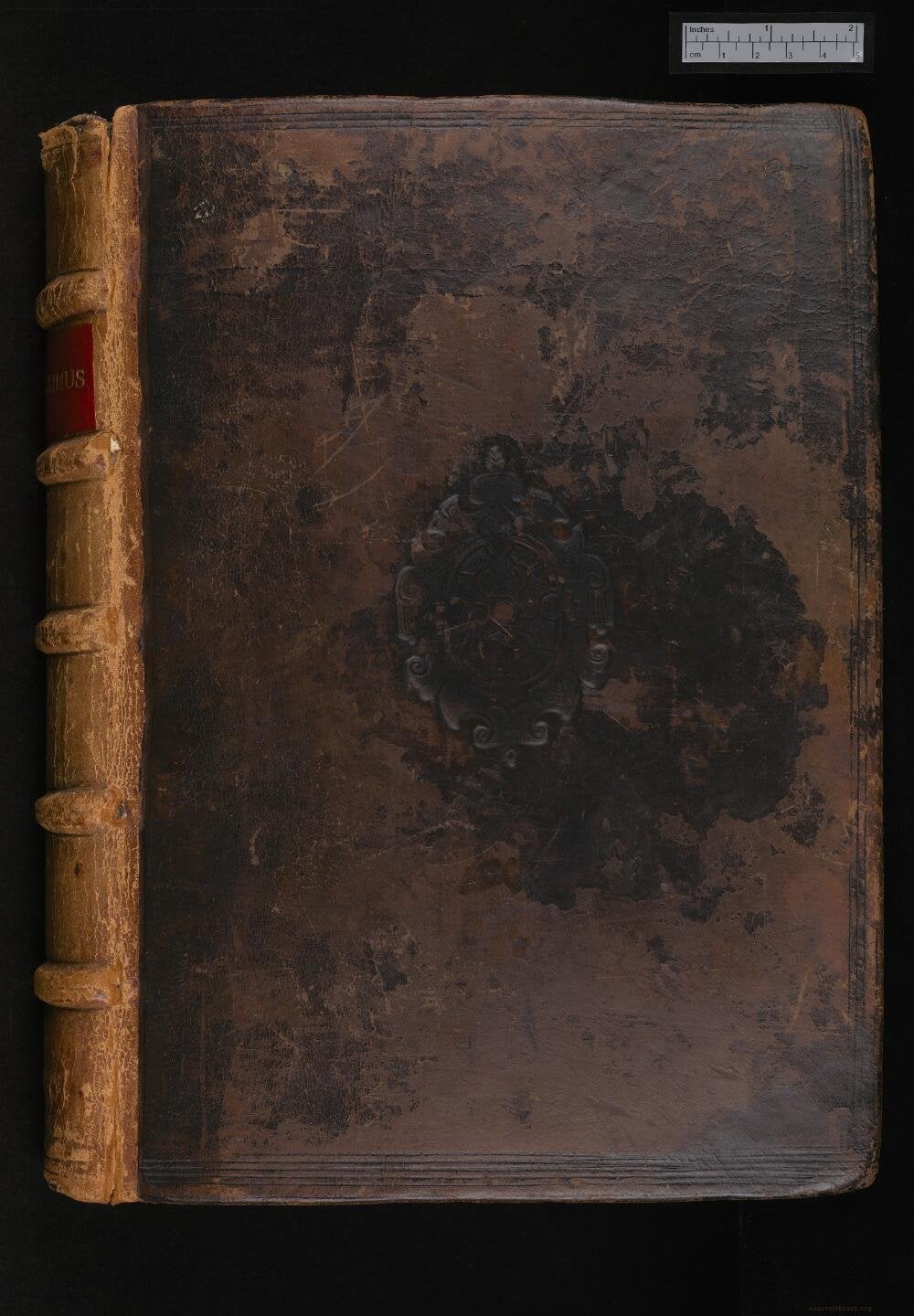
Maximos the Confessor, treatises and letters (Cambridge, University Library, MS Dd.2.22)
Maximus Confessor
Codex on the Flight of Birds
Leonardo da Vinci
Works of Karamzin, Vol. 4: Letters of a Russian Traveler
Карамзин, Николай Михайлович
Meister Eckhart and His Disciples
Meister Eckhart
Historical Account of the Lodge by Brother Lerouge
Lerouge
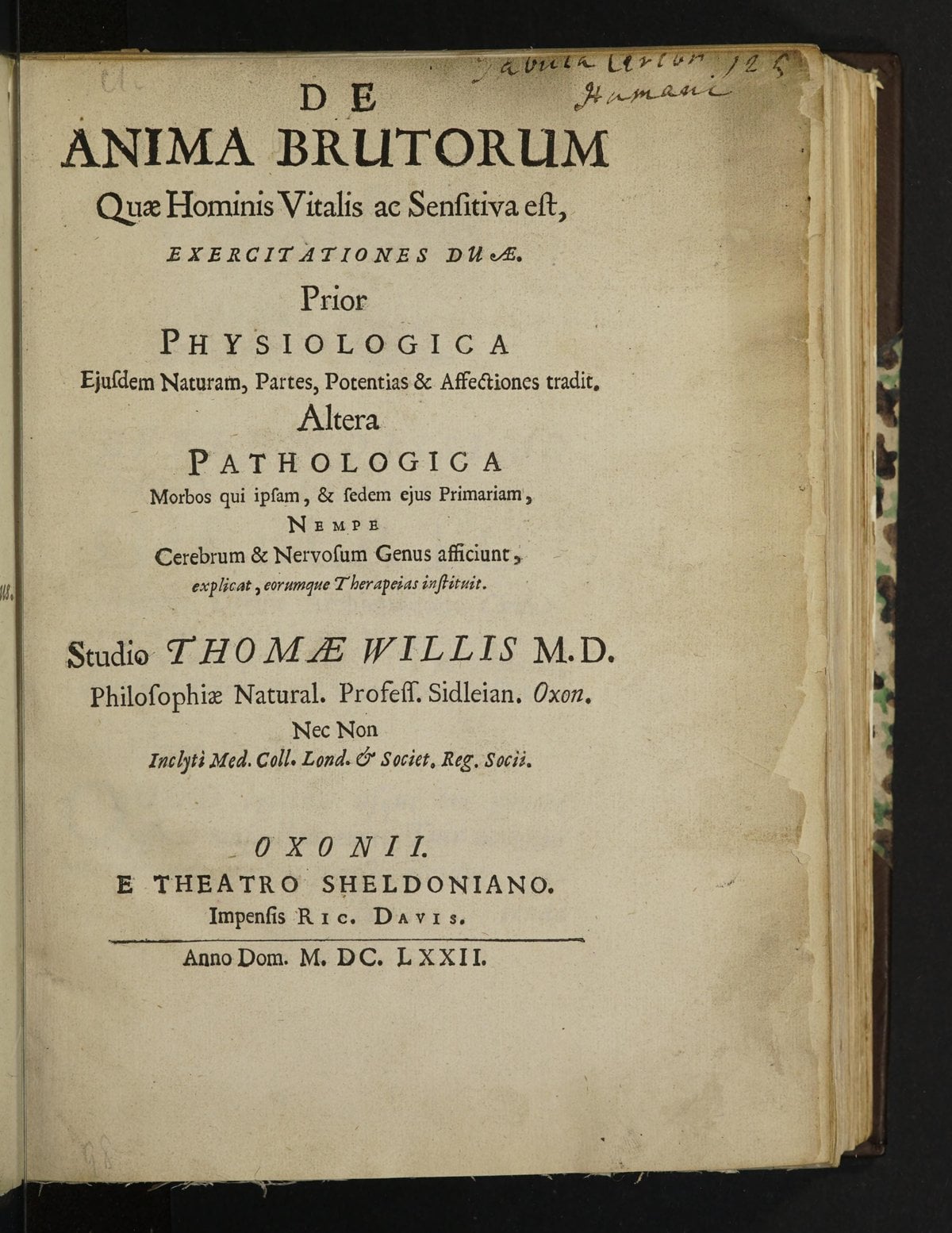
On the Soul of Brutes
Thomas Willis
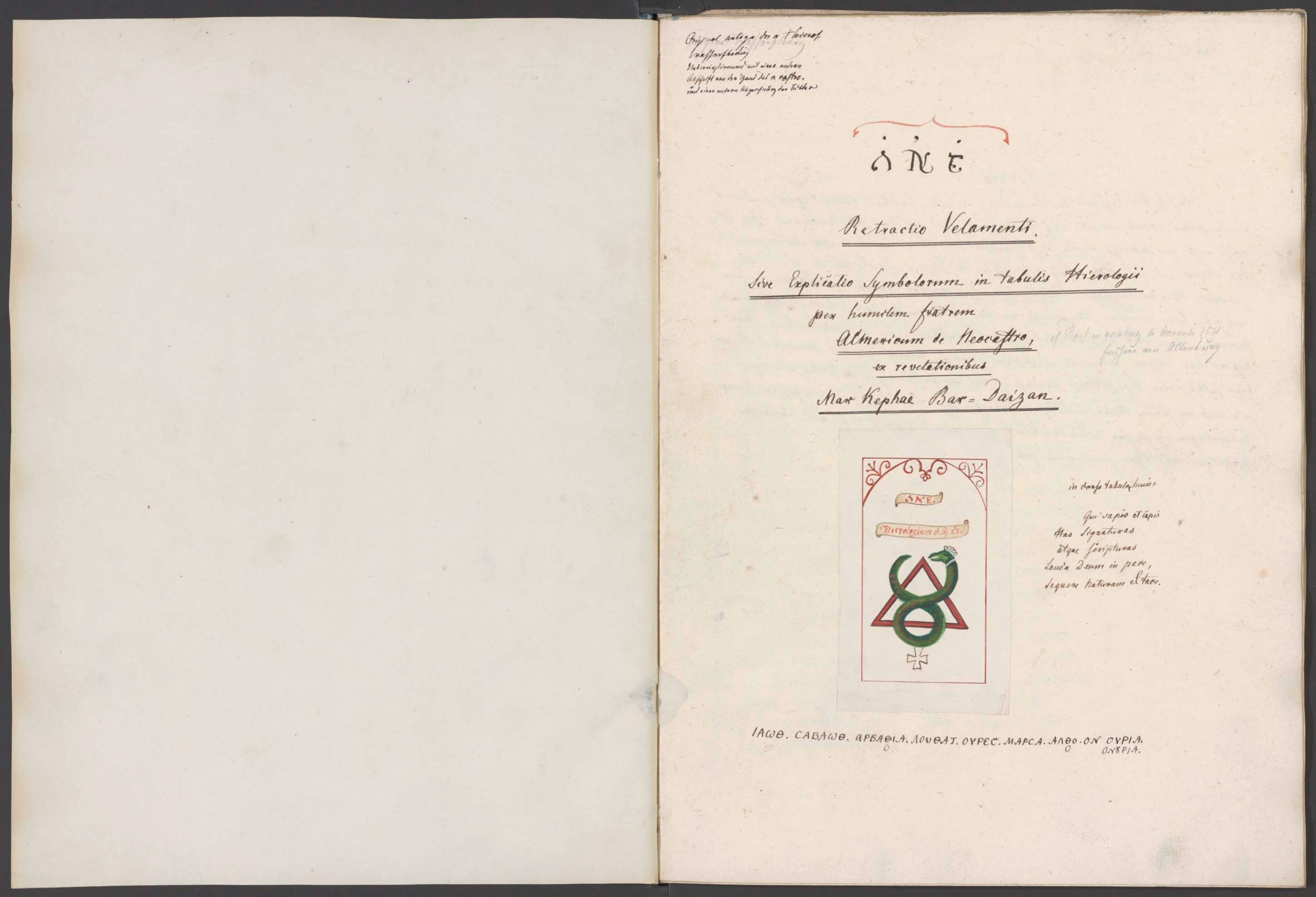
The Drawing Back of the Veil: An Explanation of Symbols in the Hierologium
Unknown
Continuation of the General Preparation for Cabalistic Works
Unknown
![Sammlung von Ritualstücken und geheimen Notizen über das Clericat [Omslagtitel]](/_next/image?url=https%3A%2F%2Fimages.sourcelibrary.org%2Fbooks%2F69c266ebb82ba5d5beda0cc2%2Fpages%2F0010.jpg&w=3840&q=85)
Collection of Ritual Pieces and Secret Notes on the Clericate
Unknown
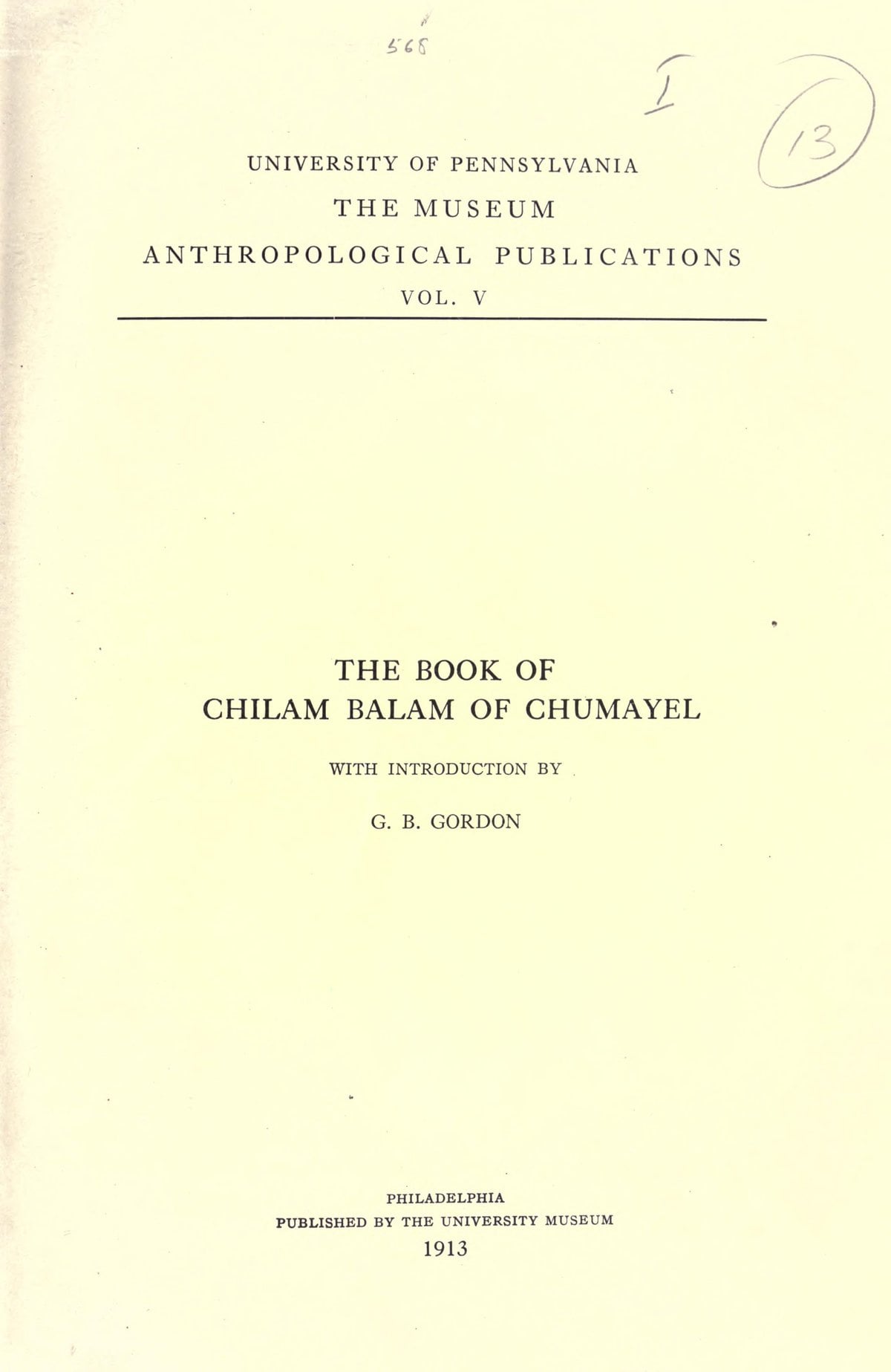
The Book of Chilam Balam of Chumayel
Juan Jose Hoil (trans. G.B. Gordon)
Research Notes
AI-assisted research on the collection and its history
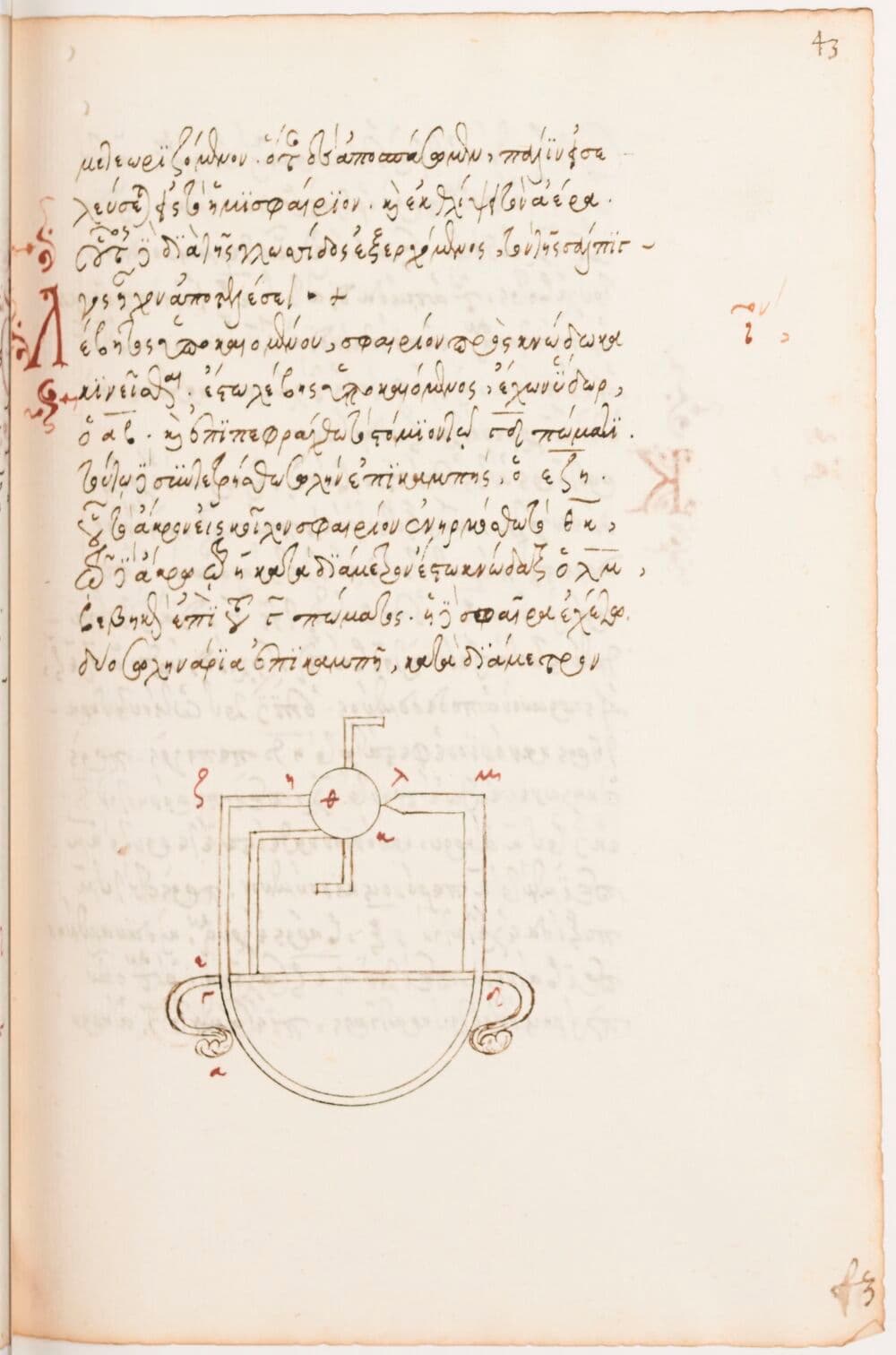
The Hidden Engineers: Steam Engines in Spell Books, Automata in Alchemy
Before engineering was a discipline, its knowledge lived inside alchemy, natural magic, and mystical philosophy.
27 February 2026 · 22 min read

What Is the Philosopher's Stone? Eight Answers from the Primary Sources
An allegorical emblem sequence, a universal salt, a red powder found in a bishop's tomb — eight primary sources, eight different answers.
27 February 2026 · 20 min read
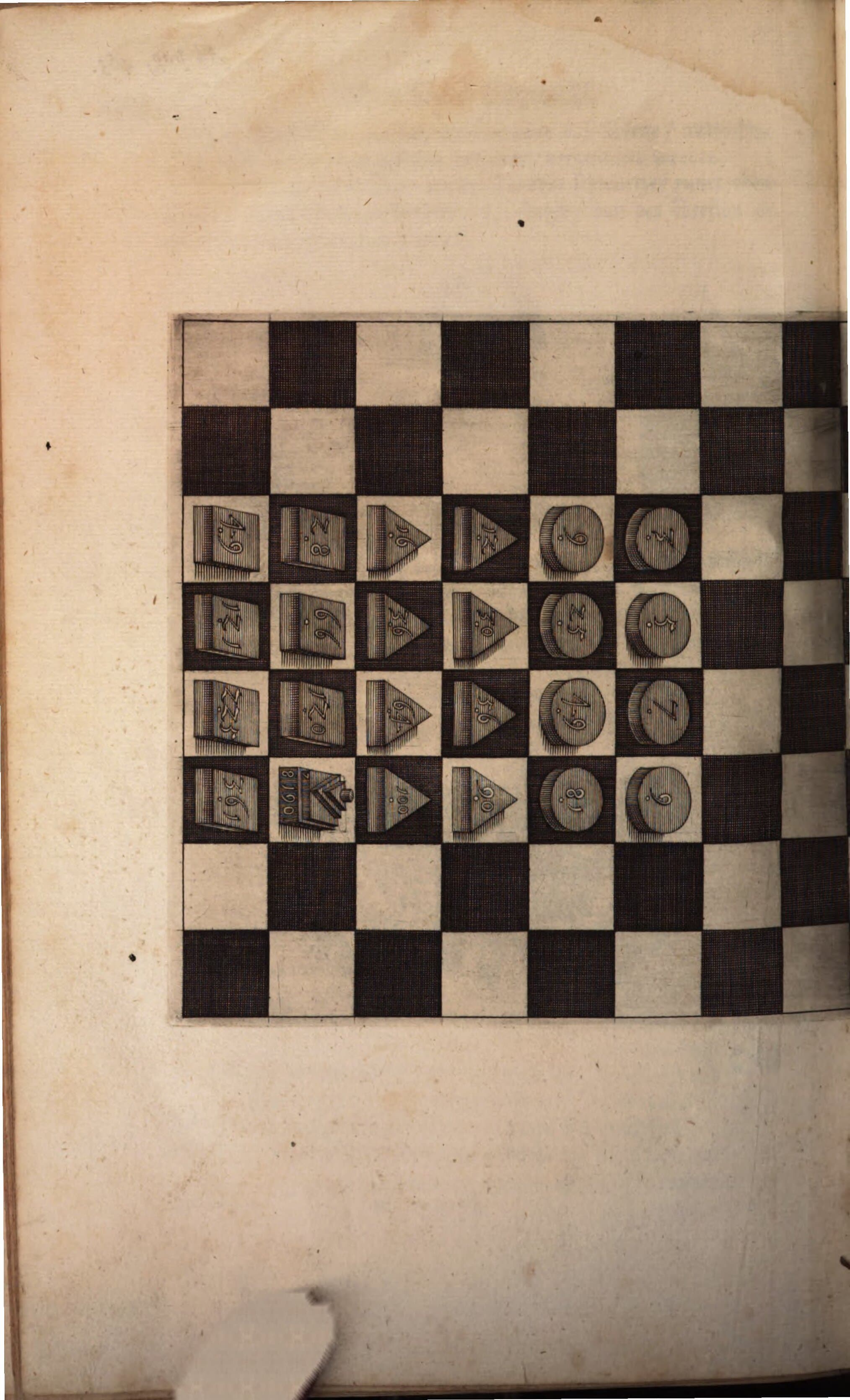
Rithmomachia: The Forgotten Game That Taught Europe to Think Like Pythagoras
Five treatises in five languages document a mathematical board game played across Europe for six centuries.
2 March 2026 · 18 min read

Over 500 First English Translations
Alchemical lab manuals, radical theology, women alchemists, Sanskrit astrology manuscripts — all previously inaccessible in English.
20 February 2026 · 14 min read
The rediscovery of ancient wisdom helped spark the Renaissance. It's time for another.
Centuries of humanity's deepest thinking sit locked in Latin and other inaccessible languages. These aren't just inaccessible to humans; contemporary AI systems were trained on Reddit but not the Renaissance. Millions of books and manuscripts are unscanned and untranslated. These aren't obscure footnotes. They are the roots of modern science, psychology, philosophy of mind, and the perennial questions about what it means to be human.
The Source Library uses scholarship and AI systems to recover this knowledge and make it accessible to all. We are building the world's largest open-access collection of translated primary sources—so that scholars, seekers, and AI systems can draw on the full depth of the human intellectual tradition. This work is sustained by the people who use and value it.
The Source Library is an initiative of the Embassy of the Free Mind in Amsterdam, home to the Bibliotheca Philosophica Hermetica: one of the world's most important collections of Hermetic, alchemical, and esoteric books.
Be part of this
Help recover the lost intellectual heritage of humanity.
Support the Library
Thousands of texts from the ancient and early modern world remain untranslated and unread. Your support funds the digitization, OCR, and AI-assisted translation of these works—making them freely available to scholars, seekers, and the public for the first time.