


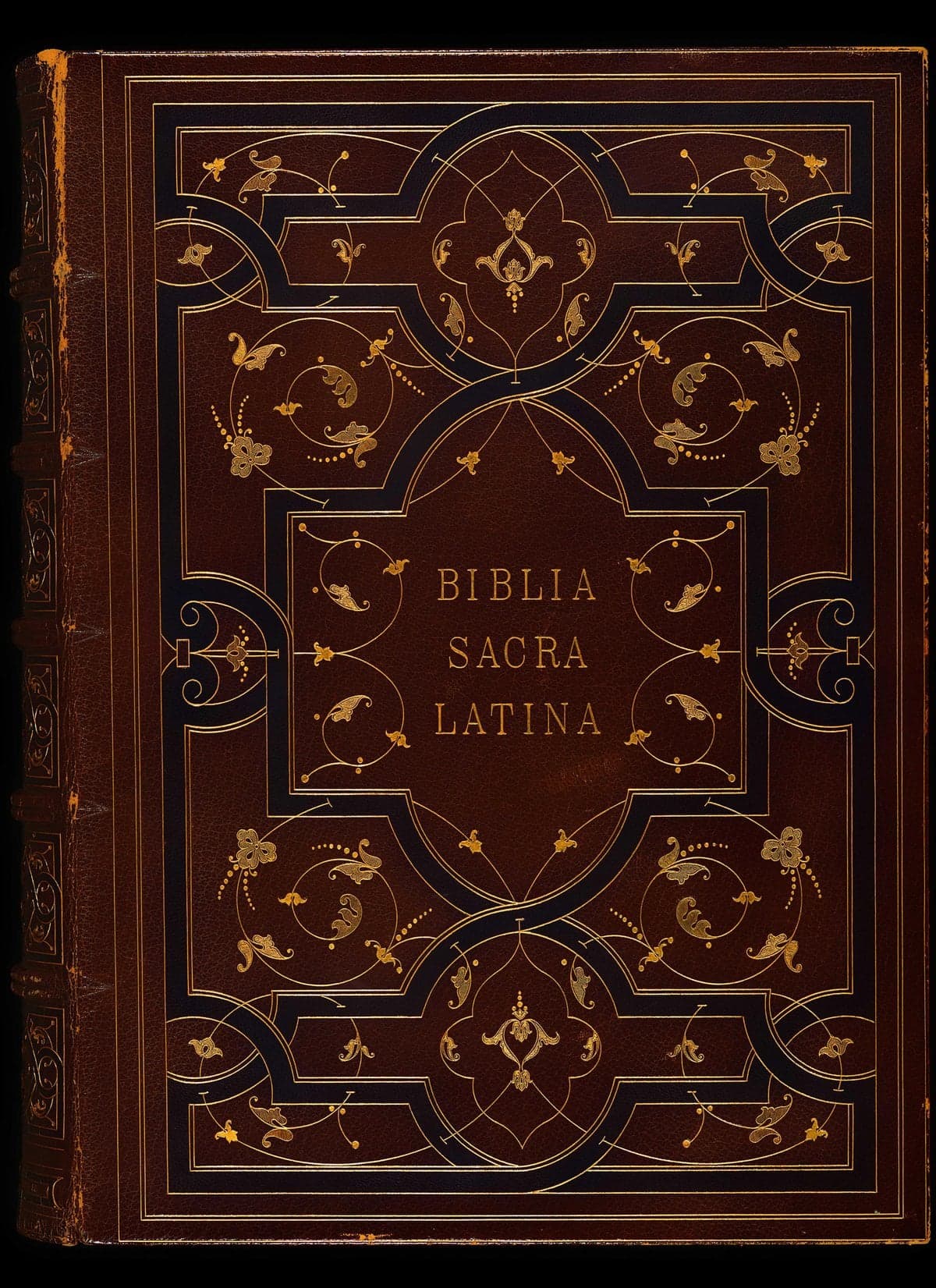
Illustrations
Browse all27 images extracted from 5 books
This intricate woodcut illustrates the 'Credo' or Apostles' Creed, with Christ enthroned at the center holding an orb, surrounded by his disciples. Each figure is identified by name and accompanied by a scroll containing a portion of the Creed, framed by the symbolic representations of the Four Evangelists in the corners.
This intricate woodcut from the 1493 Nuremberg Chronicle illustrates the formal structure of the Holy Roman Empire, depicting the spiritual and secular electors alongside the Emperor. The composition serves as a visual record of the political and heraldic landscape of late medieval Germany, emphasizing the legitimacy and order of the imperial system.
This 19th-century bookplate for Joannis Nencini features the Latin maxim 'Otium sine literis mors est' (Leisure without literature is death), attributed to Seneca. The elaborate engraving incorporates scholarly symbols such as a terrestrial globe and writing implements, framed by putti engaged in reading, reflecting the owner's dedication to the agricultural and philosophical texts of Cato, Varro, and Columella contained within this 1514 Aldine edition.
This intricate woodcut serves as a visual preface to the 1611 King James Bible, mapping the lineage from God to Noah. At its center, Adam and Eve stand beside the Tree of Knowledge, entwined by the serpent, while a skeleton in a sarcophagus below represents the 'sting of death' overcome by the promise of redemption. The composition masterfully blends genealogical data with moral allegory, reflecting the Jacobean era's obsession with lineage and biblical literalism.
This elaborate map from the 1611 Authorized Version of the Bible illustrates the geography of the Holy Land, tracing the route of the Exodus from Egypt to Canaan. Surrounding the central map are detailed vignettes of Jerusalem and sacred objects from the Tabernacle, such as the golden lampstand and the Ark of the Covenant. The inclusion of maritime elements like sea monsters and galleons reflects the contemporary 17th-century interest in cartography and exploration.
This circular woodcut emblem features a seated female figure, traditionally identified as Europa, framed by lush foliage. The surrounding Greek inscription 'ΠΑΝΕΠΙΣΤΗΜΙΟ ΚΡΗΤΗΣ' (University of Crete) links the work to Cretan heritage, reflecting the cultural identity of the book's editor, Markos Mousouros, and the Cretan workforce at the Aldine Press.

This woodcut depicts the biblical story of Tobias and the Angel, where the Archangel Raphael provides guidance and protection to the young Tobias on his journey. Such imagery was frequently employed in early modern printing to symbolize divine oversight, even in secular works like this grammar by Aldus Manutius.
The Gutenberg Bible (1455). The Complutensian Polyglot (1514) — the first printed polyglot Bible. Aldus Manutius's pocket editions that created the modern book. The Eliot Algonquian Bible (1663) — the first Bible printed in North America. This collection gathers the landmark printed books that demonstrate how the press transformed knowledge, religion, and power.
Essential Reading
The foundational texts of this tradition
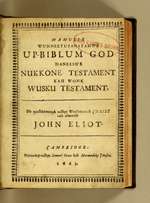
Mamusse Wunneetupanatamwe Up-Biblium God (Eliot Indian Bible)
John Eliot, 1663First Complete Translation
This is the first Bible printed in North America, demonstrating the global reach and transformative power of the printing press.
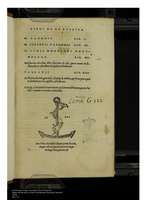
Books on Agriculture: Cato, Varro, Columella, and Palladius
Cato; Varro; Columella; Palladius; Aldus Manutius, 1514
This Aldine edition of classical texts exemplifies Aldus Manutius's innovations in creating portable, scholarly books that shaped modern publishing.
Important Works
Significant texts that deepen understanding

Robert Estienne Bible
Robert Estienne (ed.), 1545
Robert Estienne's scholarly editions were crucial for standardizing biblical texts and introducing modern verse numbering.
The Geneva Bible (1560, Facsimile)
William Whittingham et al., 1560
This highly influential English translation, known for its marginal notes, significantly impacted English Protestantism and society.
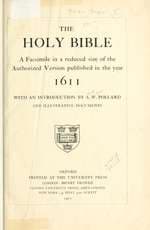
The Holy Bible: Authorized Version 1611 (Facsimile)
King James / A.W. Pollard (ed.), 1611
The King James Bible is a monumental and highly influential English translation that profoundly shaped religious and literary discourse.
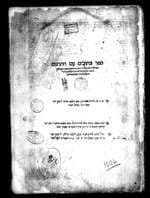
First Rabbinic Bible (Mikraot Gedolot)
Daniel Bomberg (printer) / Felix Pratensis (ed.), 1517First Complete Translation
This landmark edition represents the printing press's significant impact on Hebrew scholarship and the dissemination of Jewish religious texts.
Letters of Various Philosophers, Orators, and Rhetoricians
Aldus Manutius (editor), 1499First Translation
This Aldine edition of Greek classics was crucial for the revival and widespread dissemination of classical learning during the Renaissance.
Greek Psalter
Aldus Manutius (ed.), 1498
As an early Aldine Greek text, this Psalter contributed significantly to the spread of Greek scholarship and religious texts.
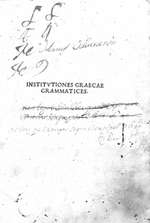
Institutiones graecae grammaticae
Urbano Bolzanio; Aldus Manutius (printer), 1498
This Aldine Greek grammar was foundational for the study of Greek in the Renaissance, enabling wider access to classical knowledge.

The Great Etymological Dictionary
Anonymous Byzantine (ed. Markos Mousouros; Aldus Manutius), 1499First Translation
This monumental Aldine scholarly work showcases the printing press's capacity for producing complex reference texts and advancing Greek scholarship.
All Books
Browse Full Catalog→18 books in this collection