


Illustrations
Browse all60 images extracted from 3 books
This sophisticated engraving depicts Minerva, the goddess of wisdom, standing alongside a veiled figure holding a book, together crowning a central pedestal inscribed with a monogram. The presence of the burning brazier and the classical figures underscores the synthesis of ancient wisdom and Campanella's 'instauratio' or restoration of philosophy, symbolizing the illumination of knowledge through divine and rational inquiry.
This elaborate engraving is the bookplate of the Electoral Library of the Dukes of Bavaria. It features the Bavarian coat of arms, characterized by its distinctive blue and white lozenges and the Palatine lion, surmounted by an electoral crown supported by four putti. The Latin inscription at the bottom identifies the volume as belonging to the prestigious library of the 'Serenissimi Utriusque Bavariae Ducum' (Most Serene Dukes of both Bavarias).
This woodcut depicts the fictional island of Utopia, the setting for Thomas More's seminal work of political philosophy. The map illustrates the capital city of Amaurotum and the river Anyder, with the traveler Raphael Hythloday shown in the foreground sharing his account. It serves as a vital visual companion to More's exploration of an ideal society.
This intricate woodcut illustrates a pivotal biblical moment, likely the Raising of Lazarus, showing Christ performing a miracle before a group of witnesses. The composition is typical of late 15th-century printmaking, utilizing bold line work and symbolic architecture to convey a powerful spiritual narrative. As an illustration from Ficino's 'Theologia Platonica', it reflects the synthesis of Christian theology and Platonic philosophy prevalent in Renaissance humanism.
This intricate engraving serves as an allegorical frontispiece, depicting the union of secular wisdom and religious truth. On the left, Minerva stands with her spear and owl, representing human knowledge, while on the right, a veiled figure holding a book symbolizes divine revelation. Together they flank a central monument, suggesting that the philosophical work within is guided by both reason and faith.
Visions of ideal societies and political philosophy from Thomas More's Utopia to Campanella's City of the Sun — Renaissance thinkers imagining how philosophy could reshape the world.
All Books
Browse Full Catalog→32 books in this collection

A Juridical-Political Dissertation on the Growth and Care of the Republic
Rauscher, Joan.-Martinus
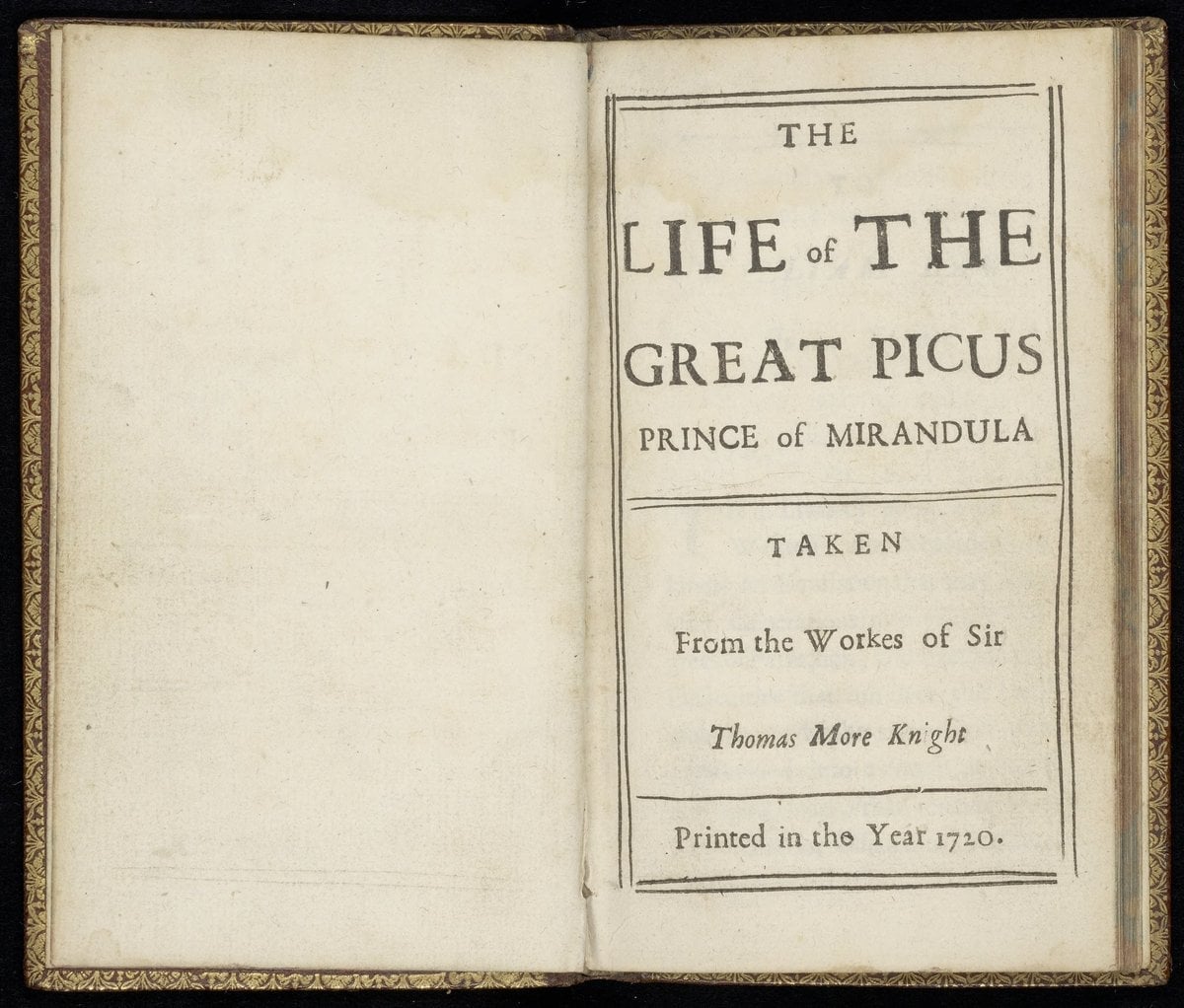
The life of the great Picus prince of Mirandula
More, Thomas
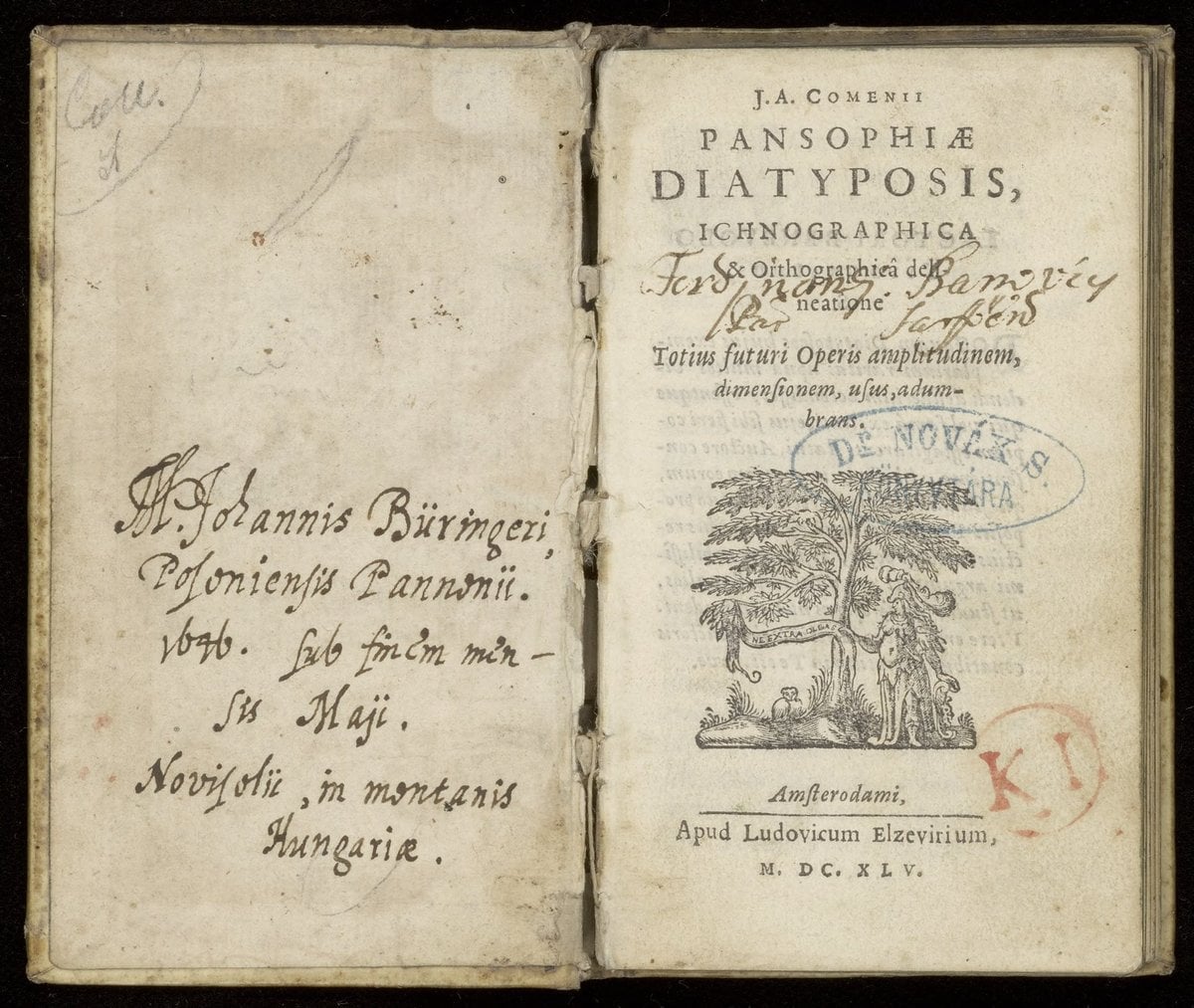
A Sketch of Universal Wisdom
Comenius, Jan Amos
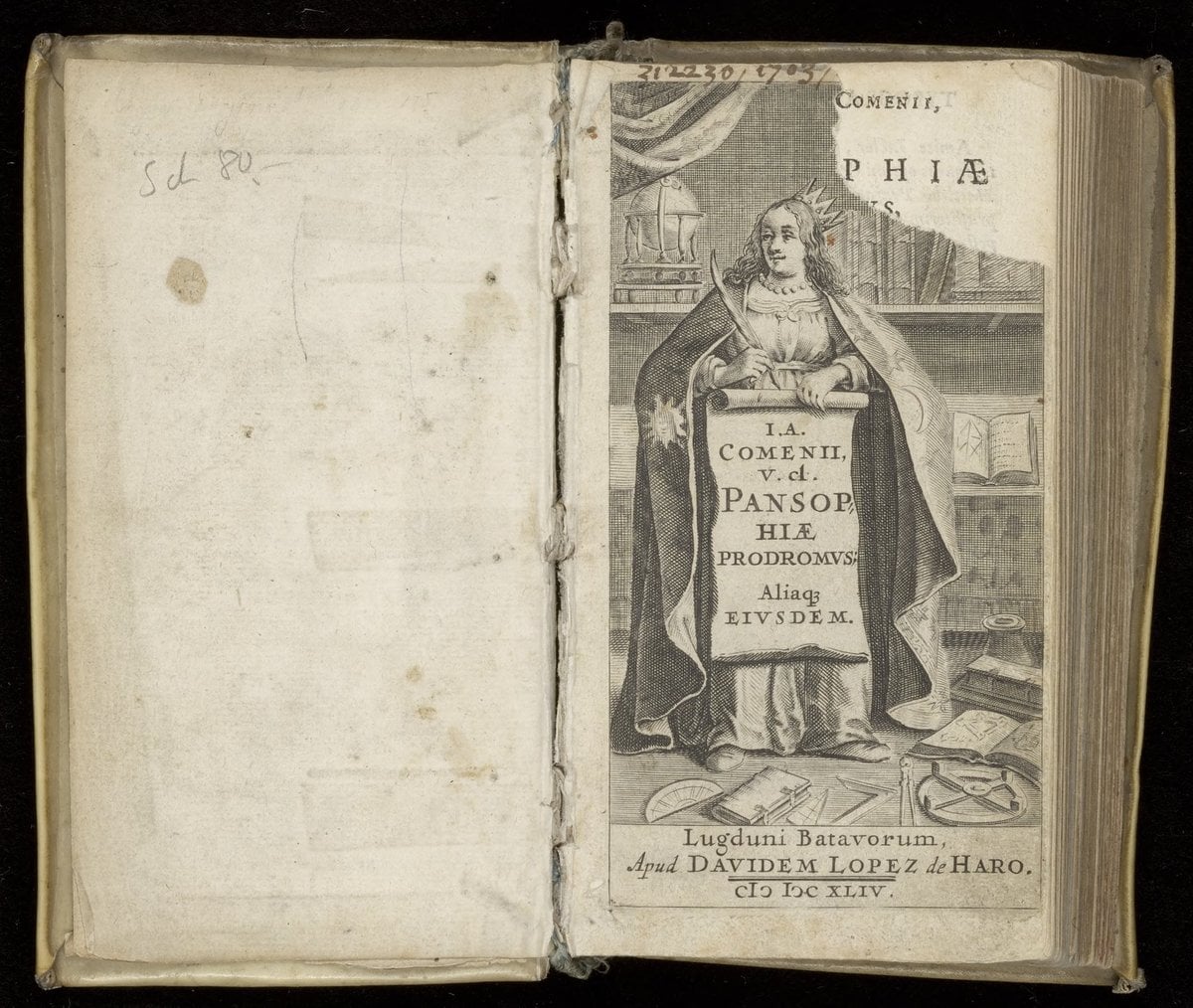
A Forerunner of Universal Wisdom
Comenius, Jan Amos