Illustrations
Browse all500 images extracted

This intricate alchemical emblem depicts a crowned, multi-colored figure representing the union of opposites, standing upon the celestial bodies of the Sun and Moon. Surrounded by planetary and elemental symbols, the figure embodies the 'Great Work' of transformation and the harmony of the microcosm with the macrocosm. The vibrant hand-coloring and detailed iconography are characteristic of 17th or 18th-century hermetic manuscripts.

This sophisticated engraving serves as the frontispiece portrait of Elias Ashmole (1617–1692), the renowned English antiquary, politician, and student of alchemy. Ashmole is presented in a classical bust format, set within a deep architectural niche that emphasizes his intellectual stature. Below the bust, a complex structure resembling a miniature temple or tomb bears his name, further elevating his status as a man of significant learning and achievement.

This detailed engraving depicts the alchemist and physician Heinrich Khunrath at the age of 42. He is shown in his study with various attributes of his learning, including books, scientific instruments, and a dog representing fidelity, framing him as a serious scholar of both medicine and theosophy.

This compelling hand-colored woodcut, titled 'EMBLEMA II. De secretis Natura. Nutrix ejus terra est.' (Emblem II. On the secrets of Nature. The Earth is its nurse.), serves as a powerful allegory for the nurturing and life-giving essence of Mother Earth. A central, monumental female figure embodies Nature, her torso transformed into a globe from which human infants emerge, symbolizing humanity's origin and dependence on the planet. Flanking her are scenes of animalistic nurturing: a goat suckling two infants, and a dog or wolf (alluding to classical myths like Romulus and Remus) also providing sustenance to infants. This emblem beautifully encapsulates Renaissance thought on the interconnectedness of all life and the Earth's role as the universal provider, a theme central to early modern natural philosophy and emblem books.

This elaborate title page from Heinrich Khunrath's 'Amphitheatrum Sapientiae Aeternae' (1602) encapsulates the syncretic nature of late 16th-century occult philosophy, blending Christian Kabbalah with alchemy. The central text is framed by two obelisks inscribed with 'Orando' (praying) and 'Laborando' (working), symbolizing the dual path of spiritual and physical transmutations. Rich in Hermetic iconography, the engraving features the Tetragrammaton in a celestial glory and the famous Emerald Tablet maxim 'As above, so below,' reflecting the correspondence between the divine and material worlds.

This formal portrait depicts Michael Maier (1568–1622), the celebrated German physician, alchemist, and counselor to Holy Roman Emperor Rudolf II. Engraved in 1617 for his work 'Symbola aureae mensae', the image captures Maier at age 49, emphasizing his intellectual authority through the inclusion of a book and his noble status via the imperial coat of arms. The Latin inscription below reflects on his titles and his ultimate devotion to living and dying in Christ.

This profound engraving illustrates the divine command 'FIAT' (Let there be) as the catalyst for the creation of the universe. From Robert Fludd's monumental work on the macrocosm and microcosm, the image depicts the emergence of light and spirit from the primordial darkness, symbolized by the radiant ring and the descending dove of the Holy Spirit.

This intricate emblem represents the iconography associated with the higher degrees of Freemasonry, specifically the Supreme Council of the 33rd degree. It incorporates a wealth of symbolic imagery, including the double-headed eagle, the Rose Cross, and memento mori elements like the skeleton, reflecting the complex philosophical and initiatory traditions of the order.

This woodcut emblem serves as a symbolic mark for the printer Erasmus Kempffer, whose initials 'EK' appear on the pedestal. It depicts a knight in full armor on a rearing horse, brandishing a sword beneath the motto 'BONAM MILITIAM' (The Good Fight), suggesting a theme of spiritual or intellectual struggle. The image is framed by an elaborate oval border featuring decorative figures and architectural elements typical of the period.
All Books
Browse Full Catalog→71 books in this collection
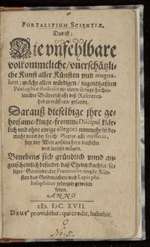
Fortress of Science
attr. Grick, Friedrich
Echo of the Rosicrucian Colloquy
Hilarionus, Benedictus
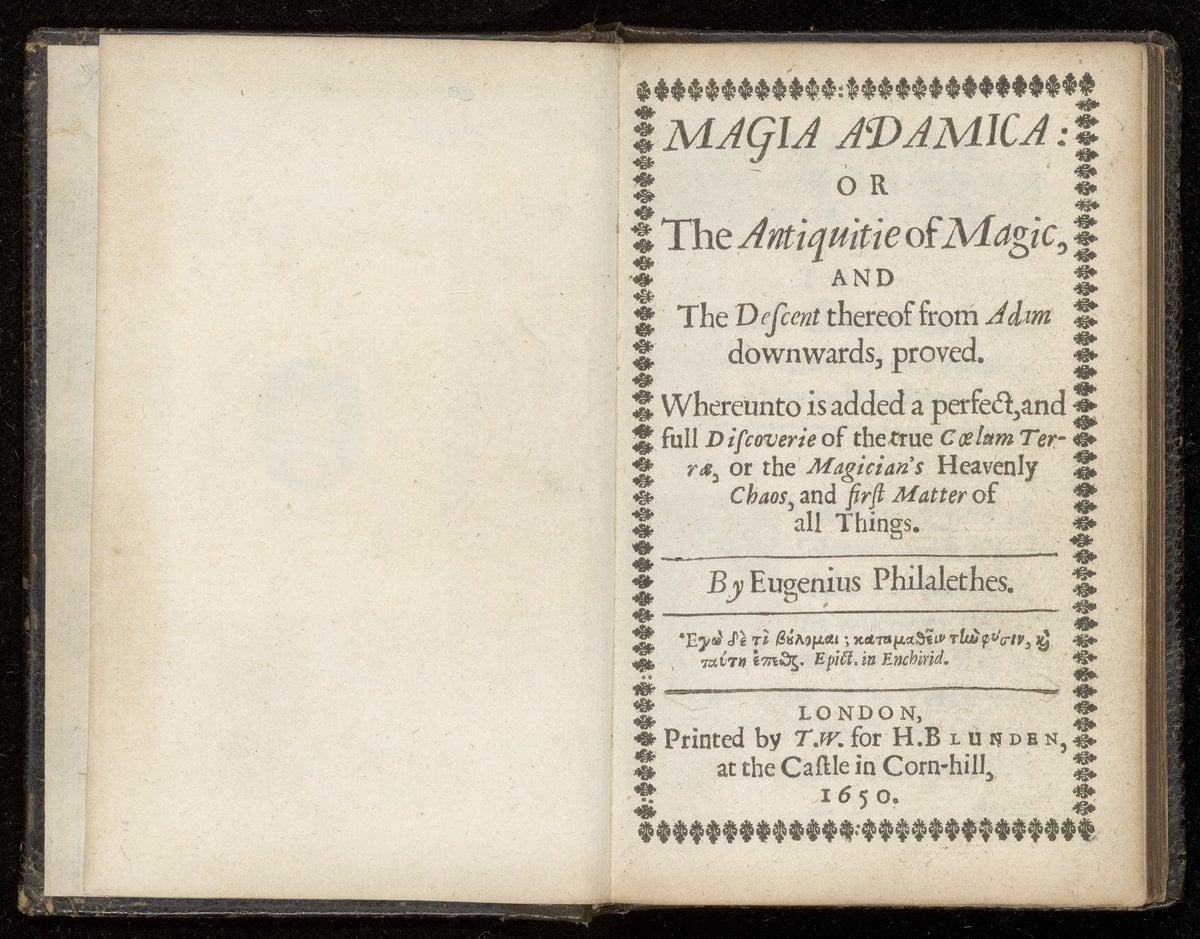
Adamic Magic, or the Antiquity of Magic
attr. Vaughan, Thomas
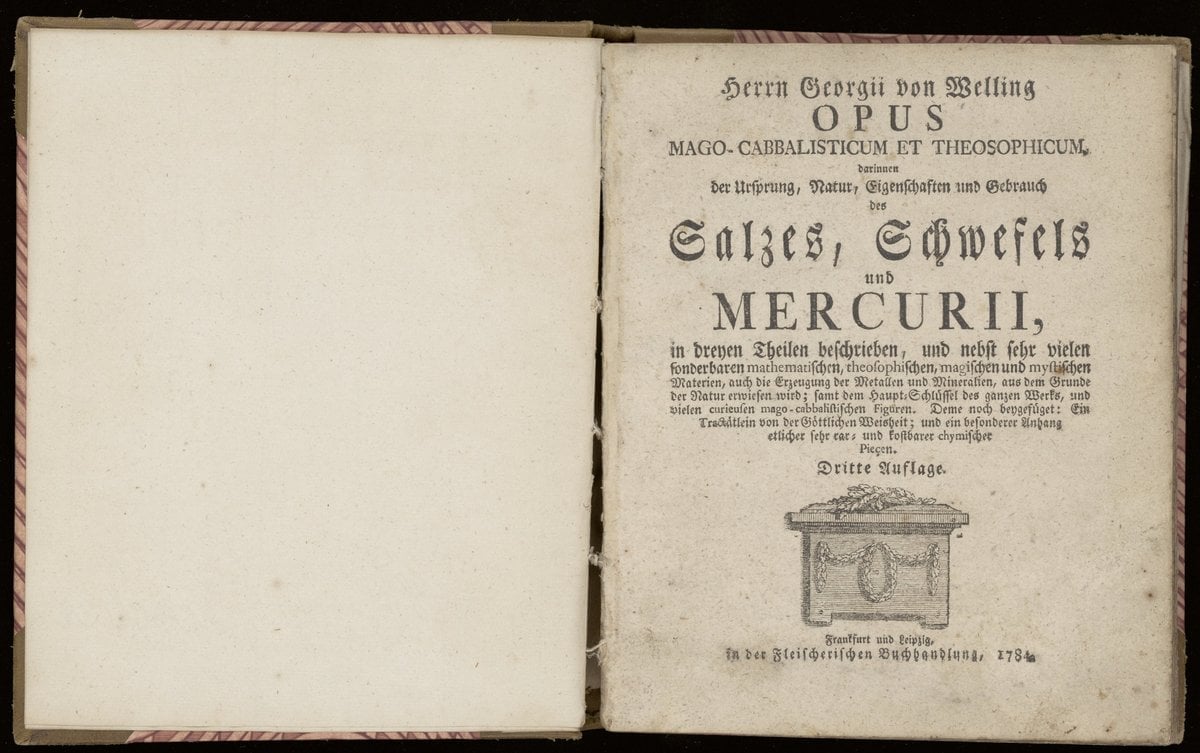
Magico-Cabbalistic and Theosophical Work
Welling, Georg von
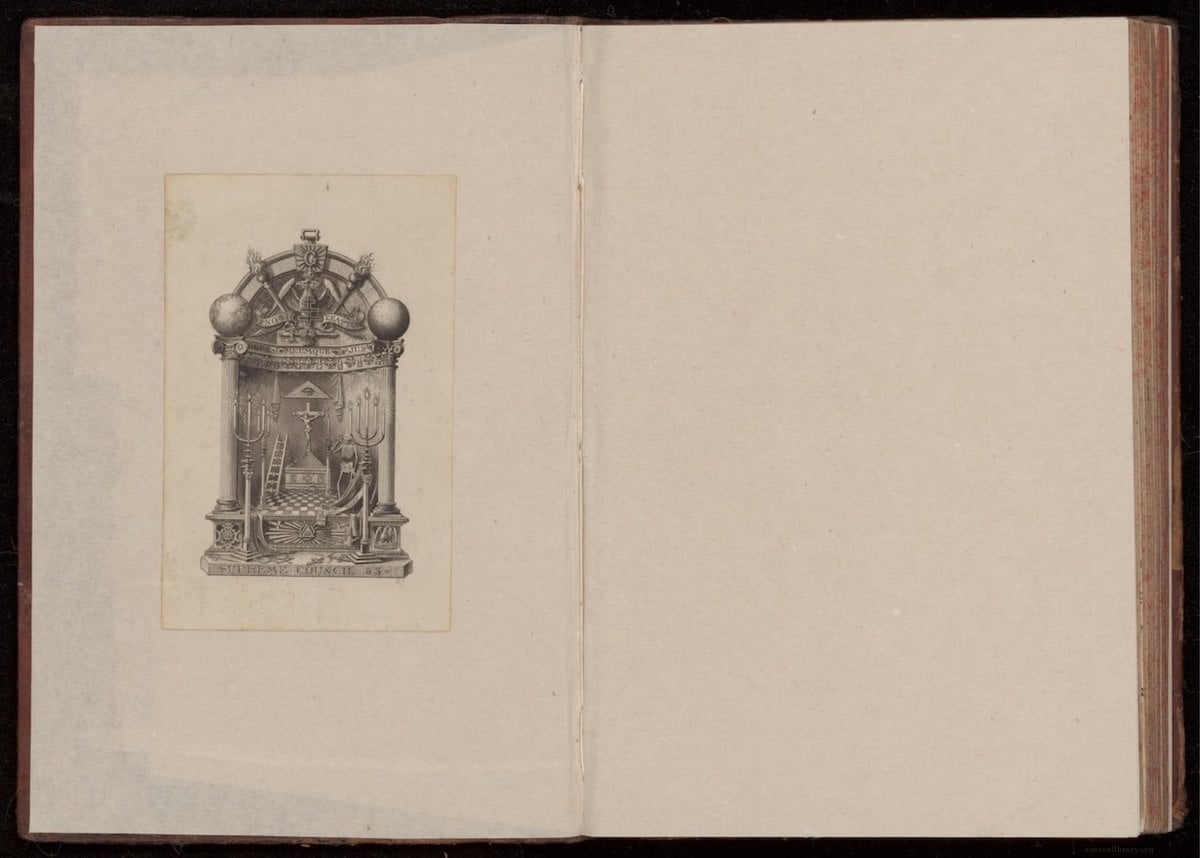
Incipit: From a certain manuscript of the Philosopher R.C.
Anonymous
Analogy of Physical and Spiritual Birth
attr. Oswald, Heinrich Siegmund
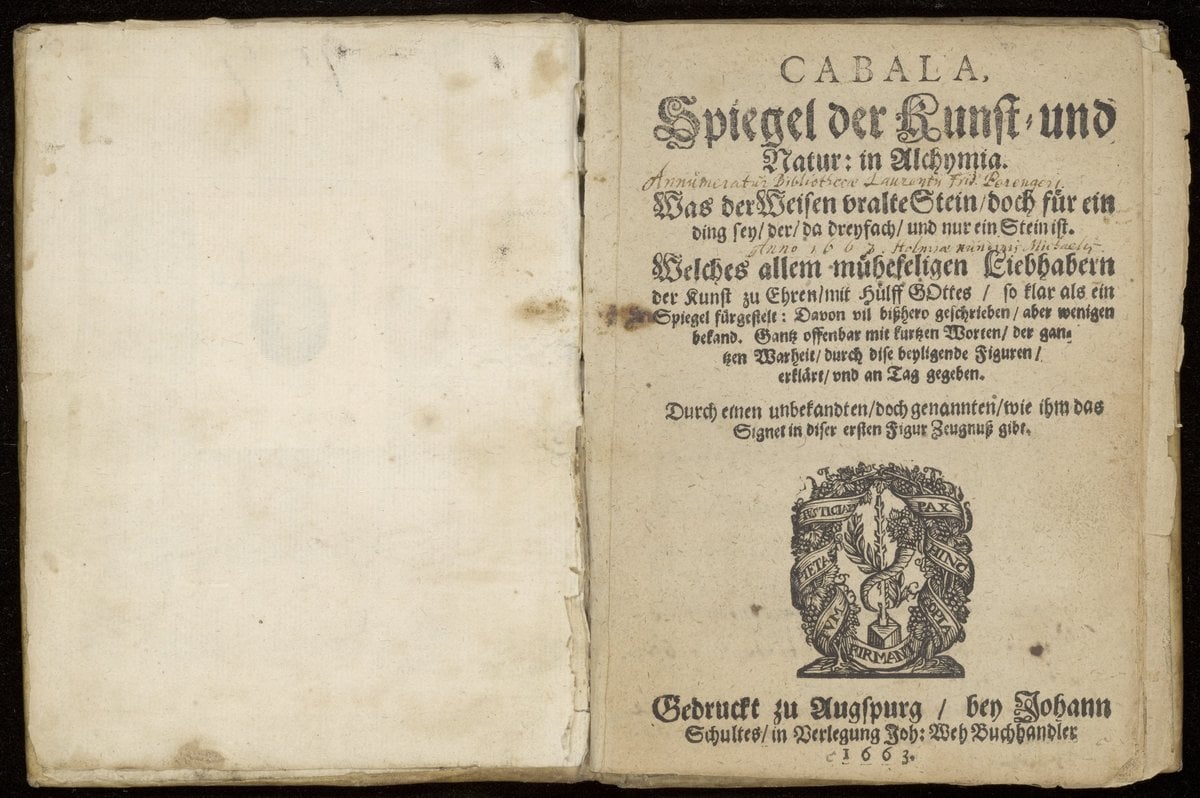
Cabala: Mirror of Art and Nature in Alchemy
attr. Michelspacher, Stephan
Introduction to the True Knowledge of the Triune God and Nature
Sperber, Julius
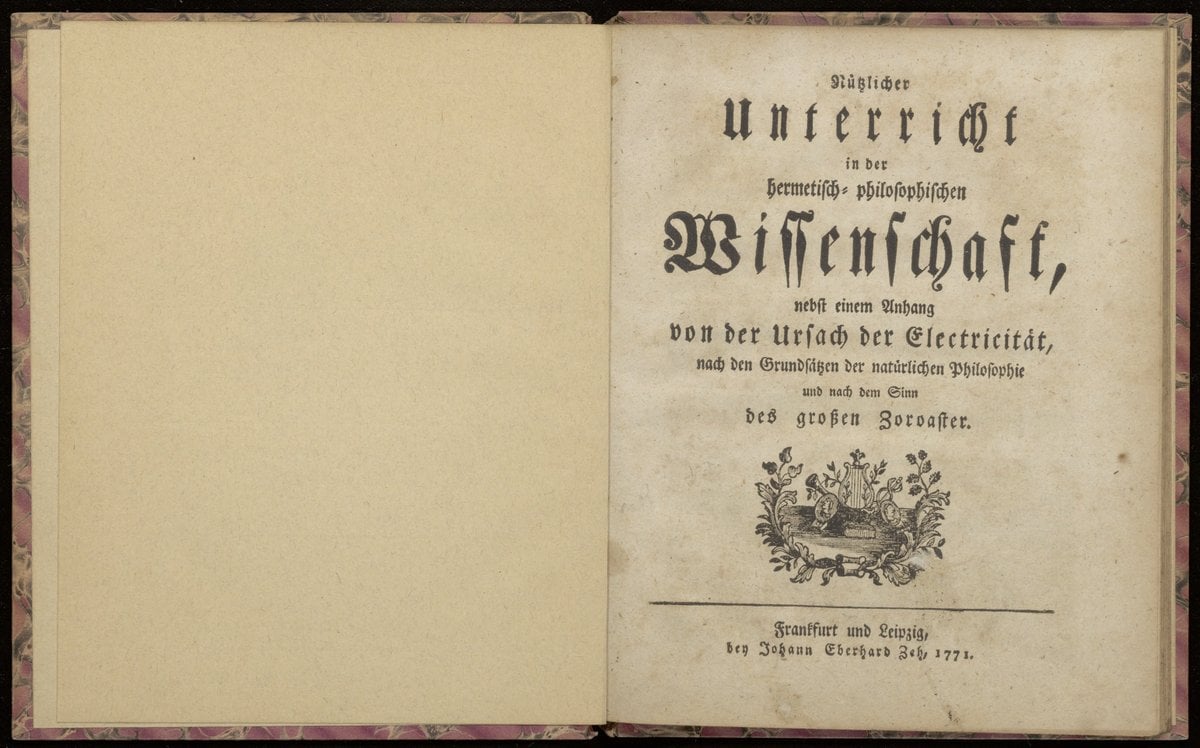
Useful Instruction in Hermetic-Philosophical Science
attr. Moscherosch, Johann Anton
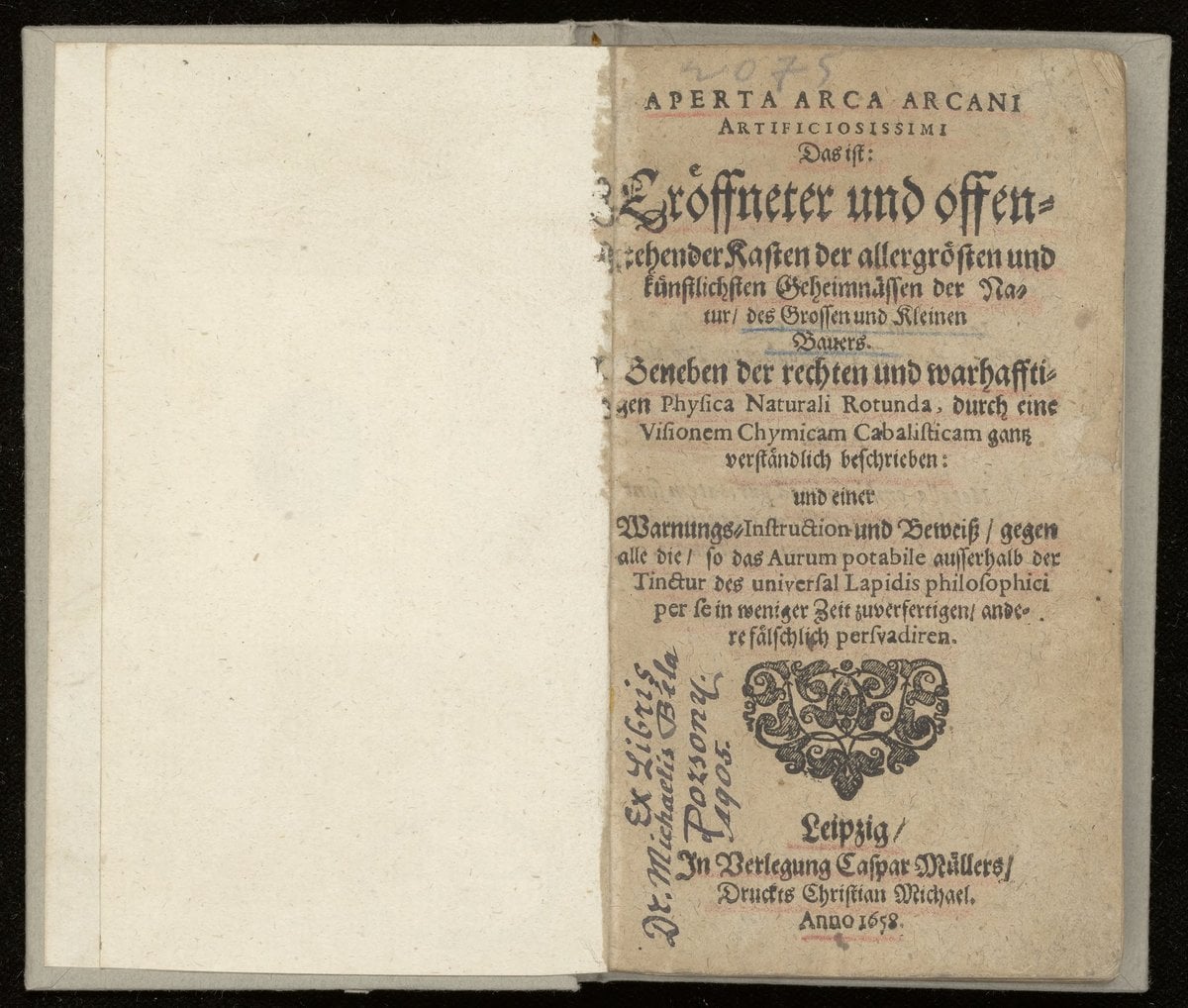
The Opened Ark of the Most Artful Secret
attr. Grasshoff, Johann
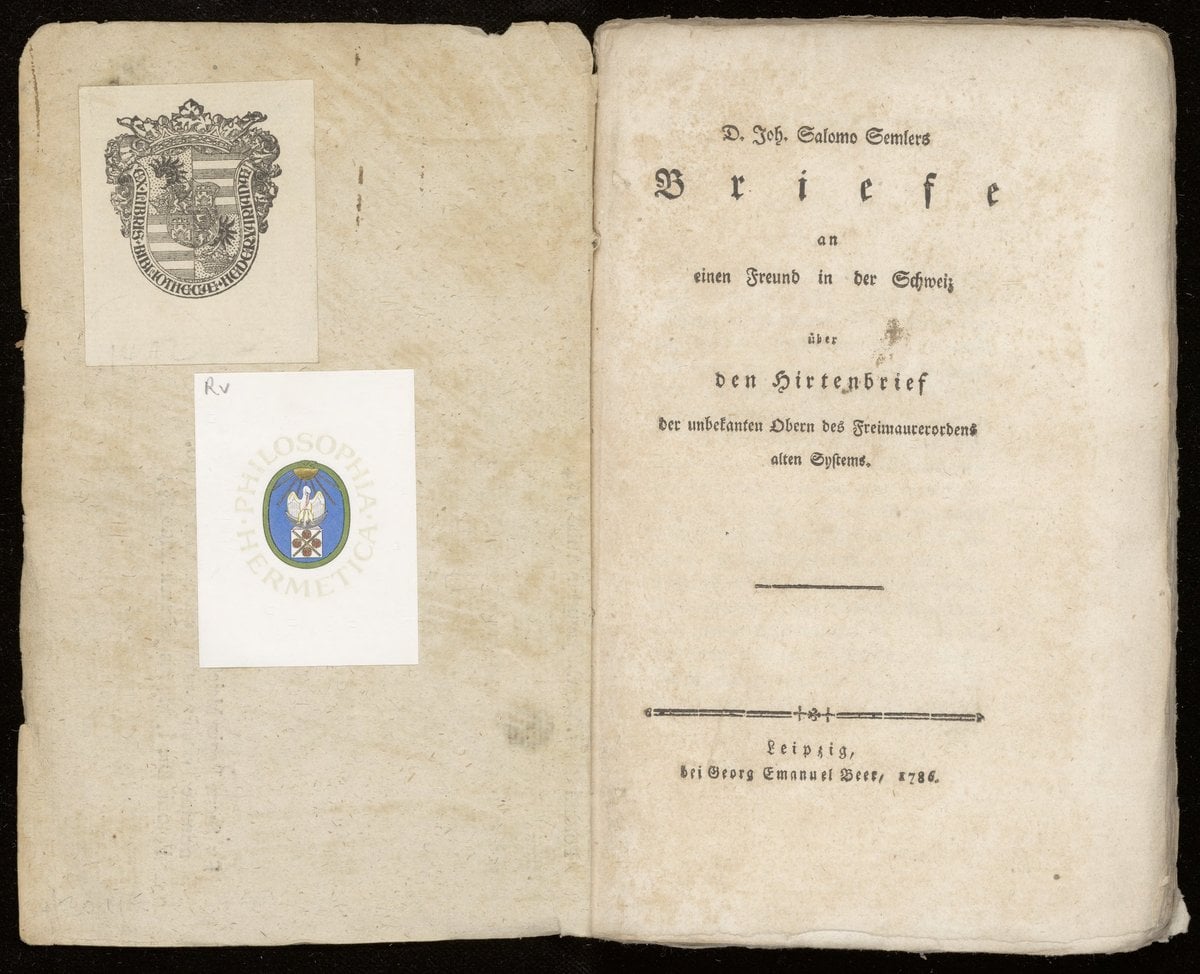
Letters to a Friend in Switzerland
Semler, Johann Salomo
Shield of Truth
attr. Grick, Friedrich
Communication of an Excellent Chemical Medicine
Gualdus, Fridericus
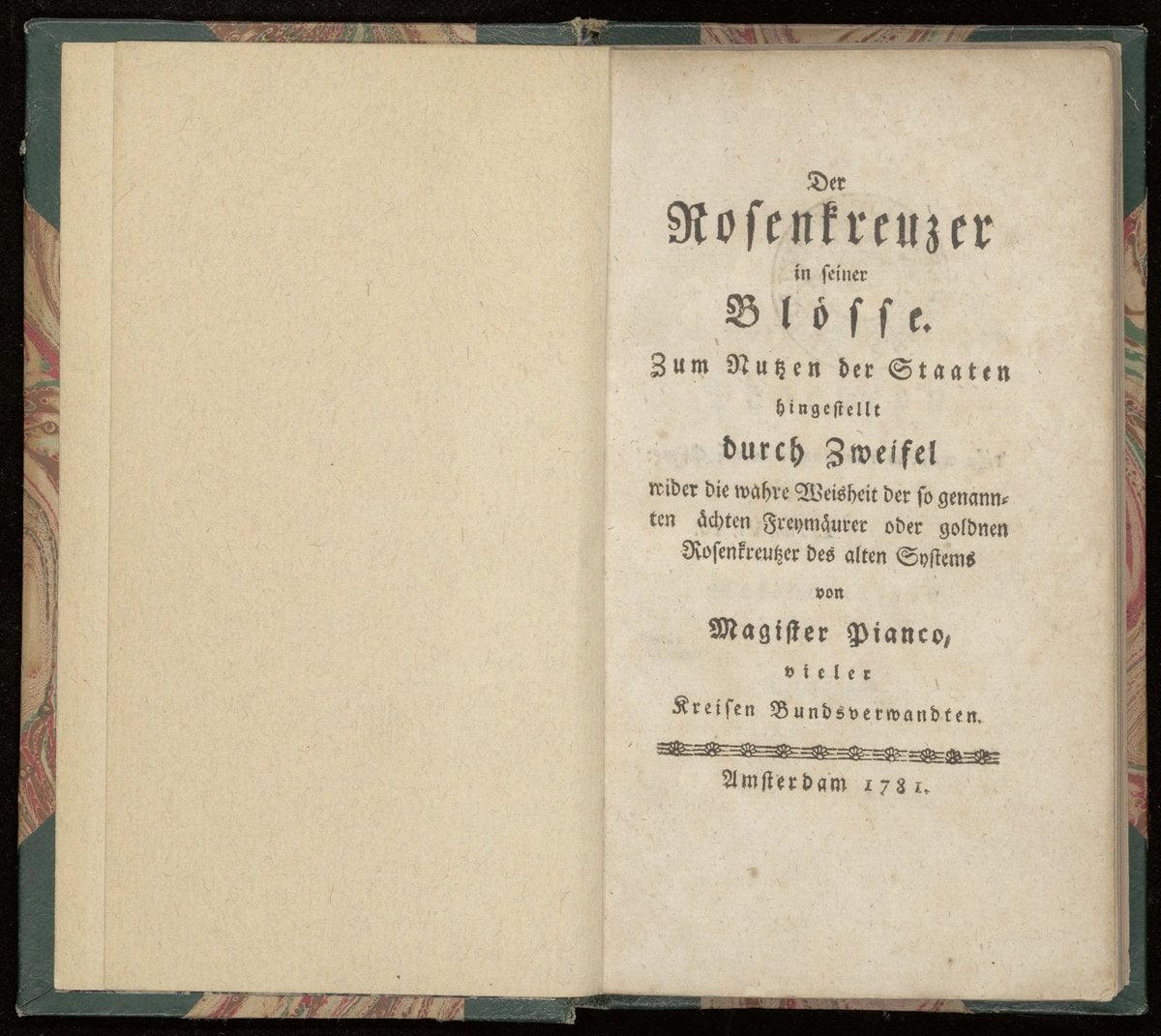
The Rosicrucian Exposed
attr. Ecker und Eckhoffen, Hans Carl von