


Illustrations
Browse all9 images extracted
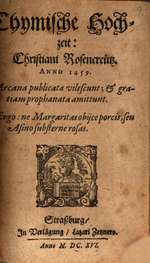
This is the title page of the 1616 first edition of 'The Chymical Wedding of Christian Rosenkreutz', a seminal manifesto of the Rosicrucian movement published in Strasbourg. The central woodcut emblem depicts a figure in classical armor leaning over an open book inscribed with 'SCIENTIA IMMUTABILIS' (Unchangeable Knowledge), set before a landscape featuring a prominent tower. The surrounding Latin text provides an esoteric warning against the profanation of sacred mysteries, instructing the seeker not to 'cast pearls before swine'.
This woodcut depicts the infant Christ triumphantly treading upon a dragon, symbolizing the victory of divine light over darkness and sin. The figure holds a cross-staff, reinforcing the redemptive nature of the scene, which is framed by scriptural references from Timothy and Ephesians. Such imagery was central to the mystical and alchemical traditions of the early 17th century, including those of the Rosicrucian order.
This symbol is the Monas Hieroglyphica, a complex alchemical sign devised by John Dee to represent the unity of the cosmos. Its inclusion here in the 'Chymische Hochzeit' (Chemical Wedding) underscores the book's deep roots in Rosicrucian and Hermetic philosophy, serving as a visual seal for the mystical journey described.
Title page of a 1615 edition of the 'Fama Fraternitatis', the first Rosicrucian manifesto, printed in Danzig by Andreas Hünefeldt. The central woodcut emblem features an hourglass and flowering plants, accompanied by the Latin motto 'SICVT FLOS AGRI SIC FLORET HOMO' (As a flower of the field, so man flourishes), a common vanitas motif. This publication announced the existence of a secret brotherhood to the scholars of Europe, initiating a significant era of intellectual and spiritual inquiry known as the Rosicrucian Enlightenment.
Visual Art
Browse all art →60 works of visual art in this collection
 print
printMichael Maier. Atalanta Fugiens 1618 Emblem XXVII
Kupferstecher Matthäus Merian
A traveler in classical attire walks past a walled garden toward a hill where Apollo and the Muses are seated.
 print
printMichael Maier. Atalanta Fugiens 1618 Emblem XXVII
Kupferstecher Matthäus Merian
An alchemical seeker walks past a walled circular garden with an elaborate gate, while Apollo and the Muses sit on a distant mountain.
 print
printKeizer kust de voeten van de paus
Lucas Cranach
A woodcut depicting a kneeling Emperor kissing the feet of a seated Pope who is labeled as the Antichrist.
 print
printPaus spreekt banvloek uit over keizer
Lucas Cranach
Pope Leo X, depicted as the Antichrist, sits on a throne issuing a papal bull of excommunication that casts lightning upon secular rulers.
 print
printVerdrijving van de wisselaars uit de tempel
Lucas Cranach
Jesus Christ driving the moneychangers and merchants out of the Temple with a scourge.
 print
printAtalanta Fugiens
Maier, Michael, 1568?-1622; Merian, Matthaeus, 1593-1650
A printed page of Latin text from Discourse XV of Michael Maier's alchemical emblem book, Atalanta Fugiens.
 print
printAtalanta Fugiens
Maier, Michael, 1568?-1622; Merian, Matthaeus, 1593-1650
A man in classical dress raises a sword to strike a large egg resting on a table within an architectural courtyard.
 print
printAtalanta Fugiens
Maier, Michael, 1568?-1622; Merian, Matthaeus, 1593-1650
A printed page of Latin text from Michael Maier's 'Atalanta Fugiens' (1617) containing the discourse for Emblem 24.
 print
printAtalanta Fugiens
Maier, Michael, 1568?-1622; Merian, Matthaeus, 1593-1650
A potter works at a kick-wheel to shape a clay vessel in a workshop, serving as an alchemical allegory for the manipulation of prime matter.
 print
printAtalanta Fugiens
Maier, Michael, 1568?-1622; Merian, Matthaeus, 1593-1650
A printed page of Latin text from 'Discursus XV' of Michael Maier's alchemical emblem book, 'Atalanta Fugiens'.
 print
printAtalanta Fugiens
Maier, Michael, 1568?-1622; Merian, Matthaeus, 1593-1650
A printed page of Latin text titled 'DISCURSUS XLIII' from the 1617 edition of Michael Maier's alchemical emblem book, Atalanta Fugiens.
 print
printAtalanta Fugiens
Maier, Michael, 1568?-1622; Merian, Matthaeus, 1593-1650
The alchemical 'squaring of the circle' featuring an alchemist with a compass, a square, a triangle, and a central man and woman.
 print
printAtalanta Fugiens
Maier, Michael, 1568?-1622; Merian, Matthaeus, 1593-1650
A printed page of Latin text comprising the thirty-eighth discourse (Discursus XXXVIII) from Michael Maier's alchemical work Atalanta Fugiens.
 print
printAtalanta Fugiens
Maier, Michael, 1568?-1622; Merian, Matthaeus, 1593-1650
A printed page from Michael Maier's 'Atalanta Fugiens' (1617) featuring the musical score and German epigram for Emblem 6.
 print
printAtalanta Fugiens
Maier, Michael, 1568?-1622; Merian, Matthaeus, 1593-1650
A page of Latin text containing 'Discursus VIII' (Discourse 8) from Michael Maier’s alchemical emblem book, Atalanta Fugiens.
In 1614, a pamphlet appeared in Kassel announcing the existence of a secret brotherhood — the Fraternity of the Rose Cross. Nobody knew if they were real. Hundreds of response pamphlets followed. Johann Valentin Andreae may or may not have been the author. This collection gathers the Fama Fraternitatis, the Confessio, the Chymische Hochzeit, and the storm of reactions.
Essential Reading
The foundational texts of this tradition
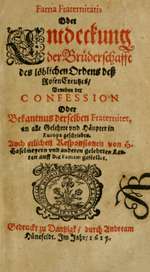
The Fame of the Brotherhood
Johann Valentin Andreae (attr.), 1614
As the initial pamphlet that sparked the 'viral media event,' this text is foundational to the collection's narrative.
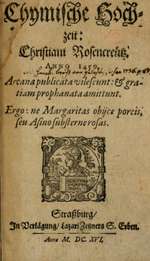
The Chemical Wedding
Johann Valentin Andreae, 1616
This is one of the three foundational Rosicrucian manifestos, crucial for understanding the movement's core allegorical and alchemical narrative.
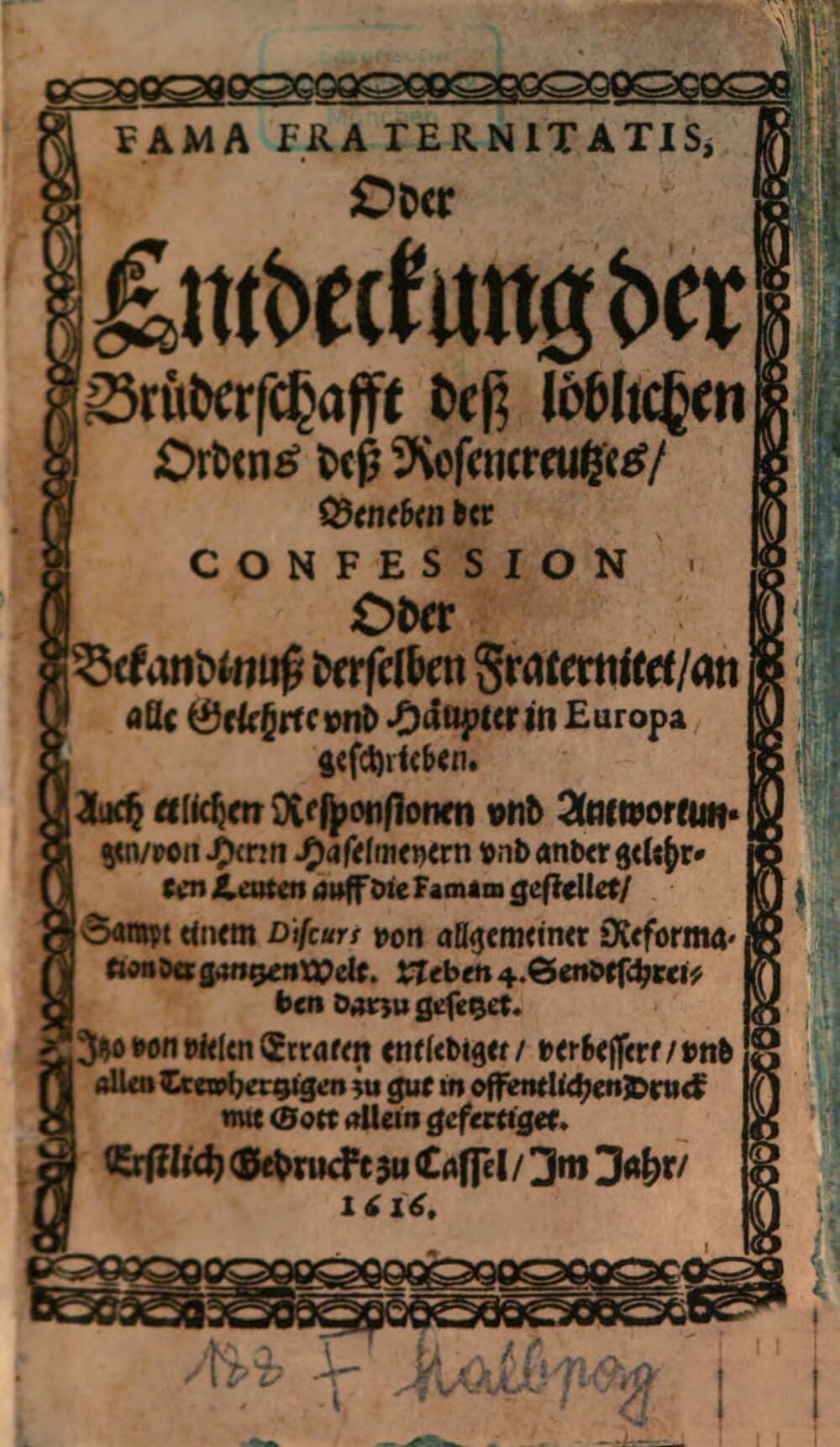
Fama Fraternitatis : oder Entdeckung der Brüdersch. des Ordens d. Rosen Creutzes
Fama Fraternitatis, 1616
As a key edition of the initial pamphlet that sparked the 'viral media event,' this text is foundational to the collection's narrative.
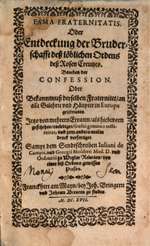
Fama Fraternitatis and Confessio Fraternitatis
Anonymous (Rosicrucian), 1615
This volume contains both the Fama Fraternitatis and the Confessio Fraternitatis, two of the three core manifestos that initiated the Rosicrucian phenomenon.
The Fame and Confession of the Brotherhood of the Rosy Cross
Anonymous, 1617
This edition presents both the Fama Fraternitatis and the Confessio Fraternitatis, two essential manifestos that defined the Rosicrucian moment.
Important Works
Significant texts that deepen understanding
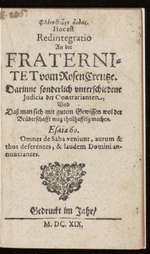
Restoration to the Fraternity of the Rosy Cross
Anonymous, 1619
This pamphlet represents a direct response and continuation of the Rosicrucian discourse during the immediate aftermath of the manifestos.
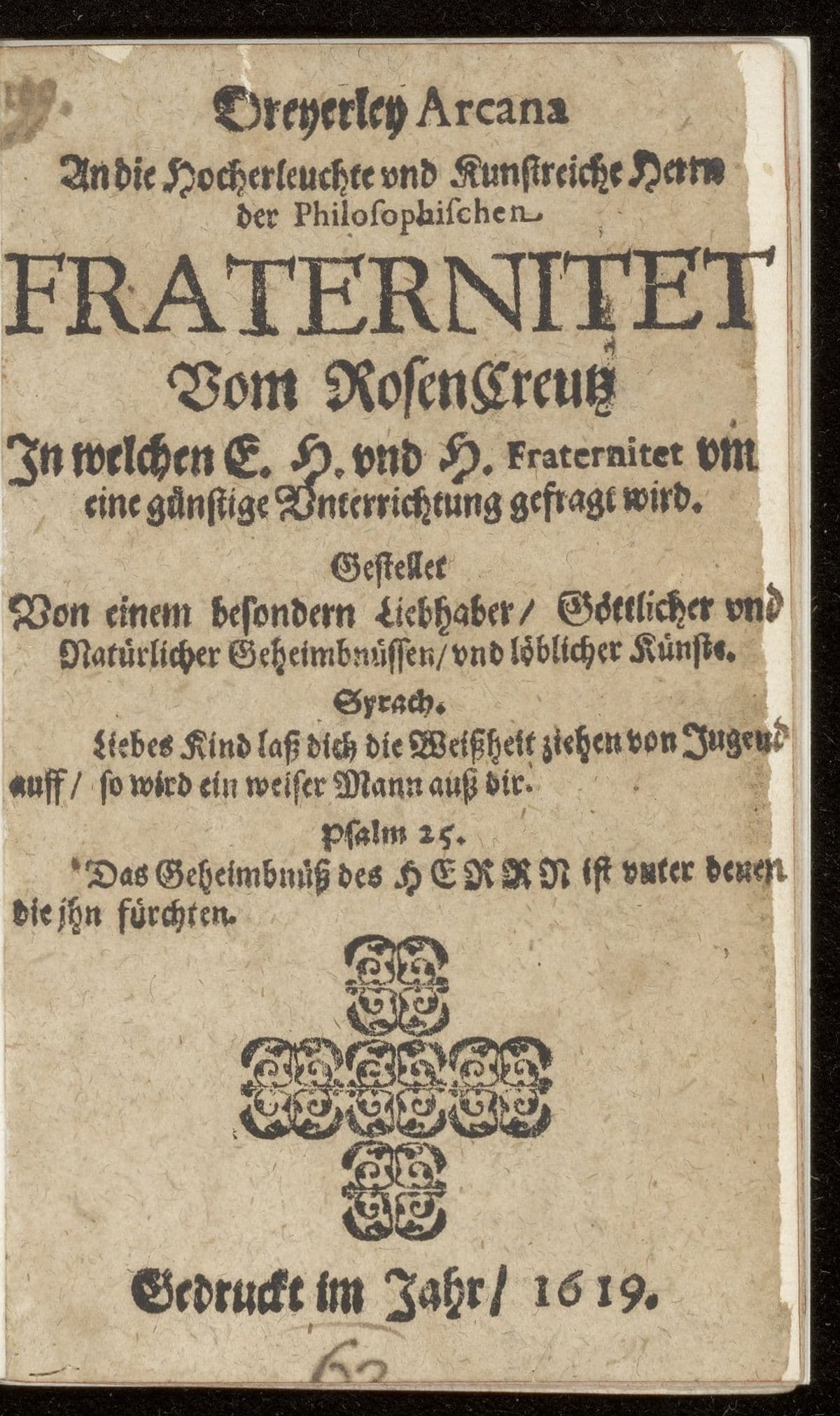
Threefold Arcana to the Rosicrucian Fraternity
Anonymous, 1619First Translation
This pamphlet is a direct commentary or elaboration on the Rosicrucian Fraternity, reflecting the ongoing public debate.
Golden Themis: On the Laws and Ordinances of the Rosicrucian Fraternity
Maier, Michael, 1618
Michael Maier was a significant figure in the Rosicrucian controversy, and this work directly engages with the Fraternity's principles and laws.
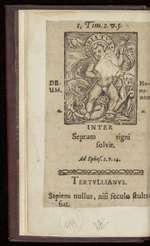
Echo of the God-Enlightened Fraternity of the Order of the Rosy Cross
[Sperber, Julius], 1616First Translation
This work directly responds to and echoes the claims of the Rosicrucian Fraternity, illustrating the immediate public reaction.
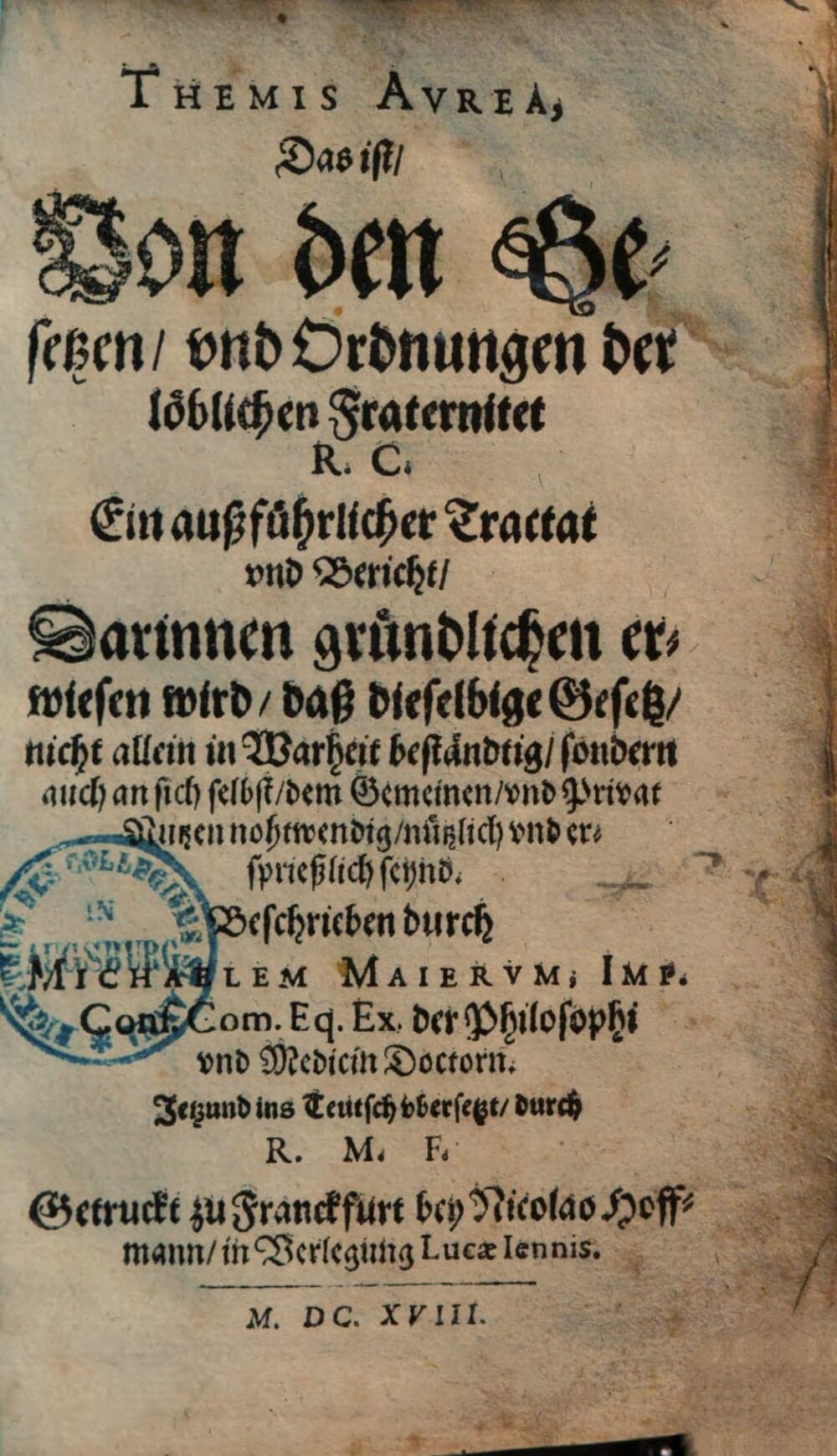
The Golden Themis: On the Laws and Ordinances of the Laudable Fraternity of the Rosy Cross
Maier, Michael, 1618
Michael Maier was a significant figure in the Rosicrucian controversy, and this work directly engages with the Fraternity's principles and laws.
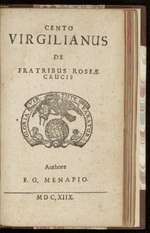
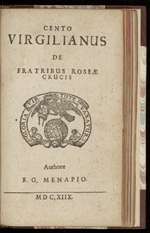
A Virgilian Cento on the Brothers of the Rosy Cross
[Grick, Friedrich], 1618First Translation
This poetic work directly addresses the Brothers of the Rosy Cross, showcasing the diverse literary reactions to the manifestos.
Shield of Truth
[Grick, Friedrich], 1618First Translation
This work by a known respondent, Grick, likely offers a defense or commentary on the Rosicrucian claims, contributing to the public debate.
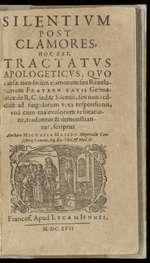
Silence After the Clamors: An Apology and Defense
[Maier, Michael], 1617First Translation
Michael Maier's apology and defense is a crucial part of the intellectual 'storm of reactions' surrounding the Rosicrucian manifestos.
Silence After the Clamor
Maier, Michael, 1617First Translation
Michael Maier's apology and defense is a crucial part of the intellectual 'storm of reactions' surrounding the Rosicrucian manifestos.
All Books
Browse Full Catalog→126 books in this collection
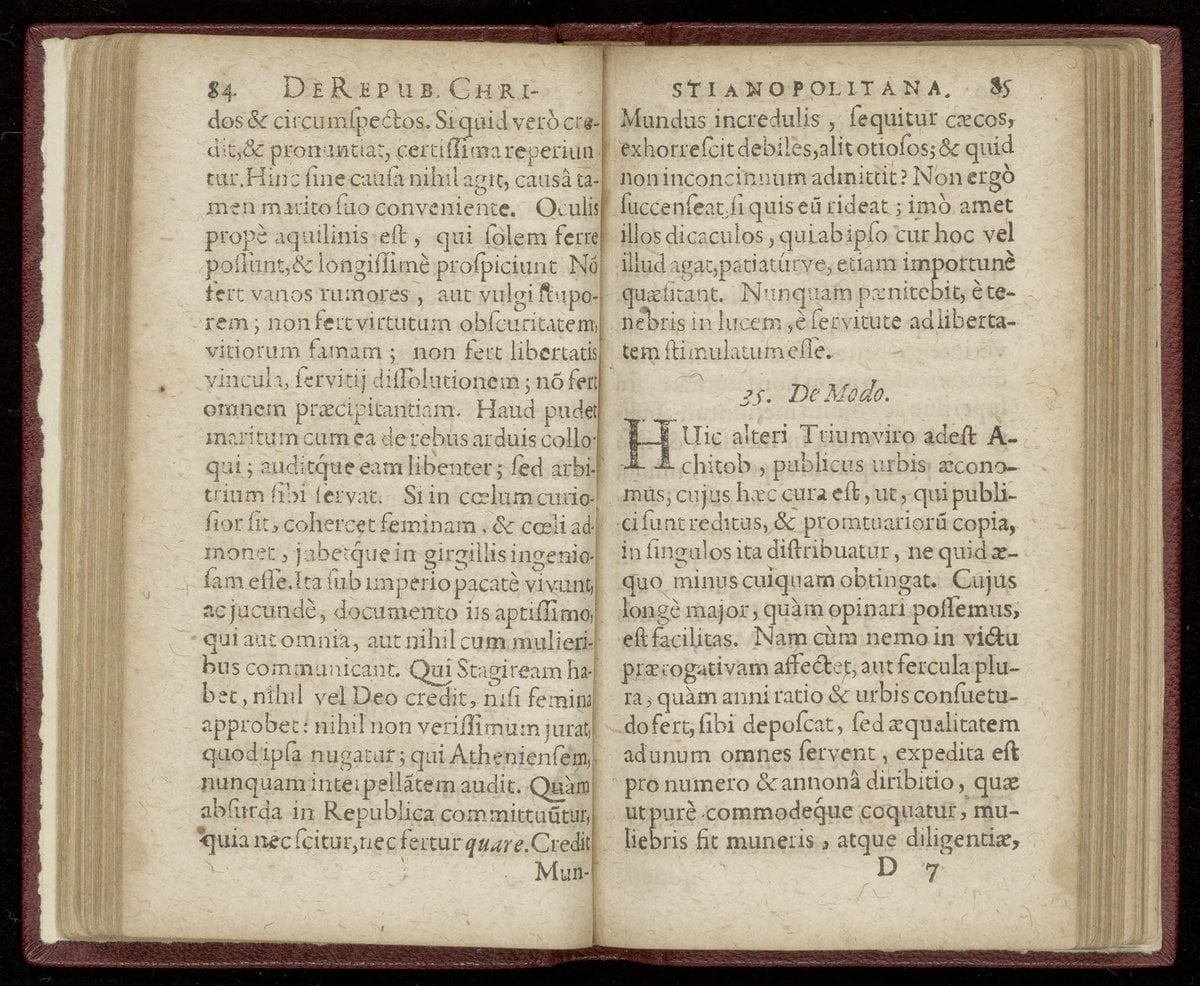
Description of the Republic of Christianopolis
attr. Andreae, Johann Valentin
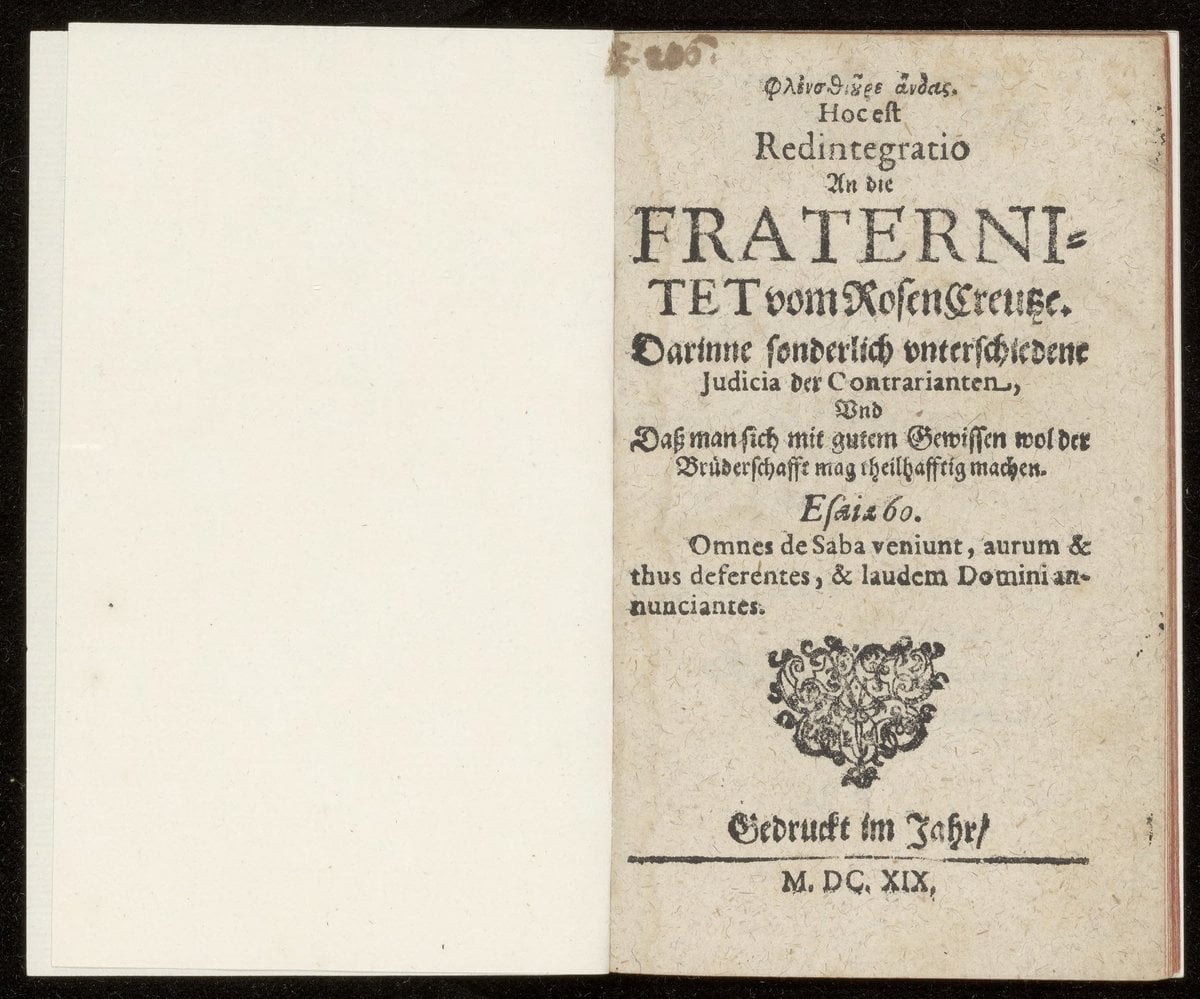
Restoration to the Fraternity of the Rosy Cross
Anonymous
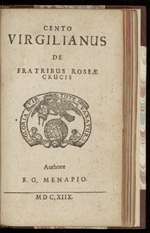
Shield of Truth
attr. Grick, Friedrich
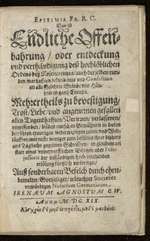
Epitimia Fr.R.C.: Final Revelation and Defense of the Rosicrucian Order
attr. Grick, Friedrich
Silence After the Clamors: An Apology and Defense
attr. Maier, Michael
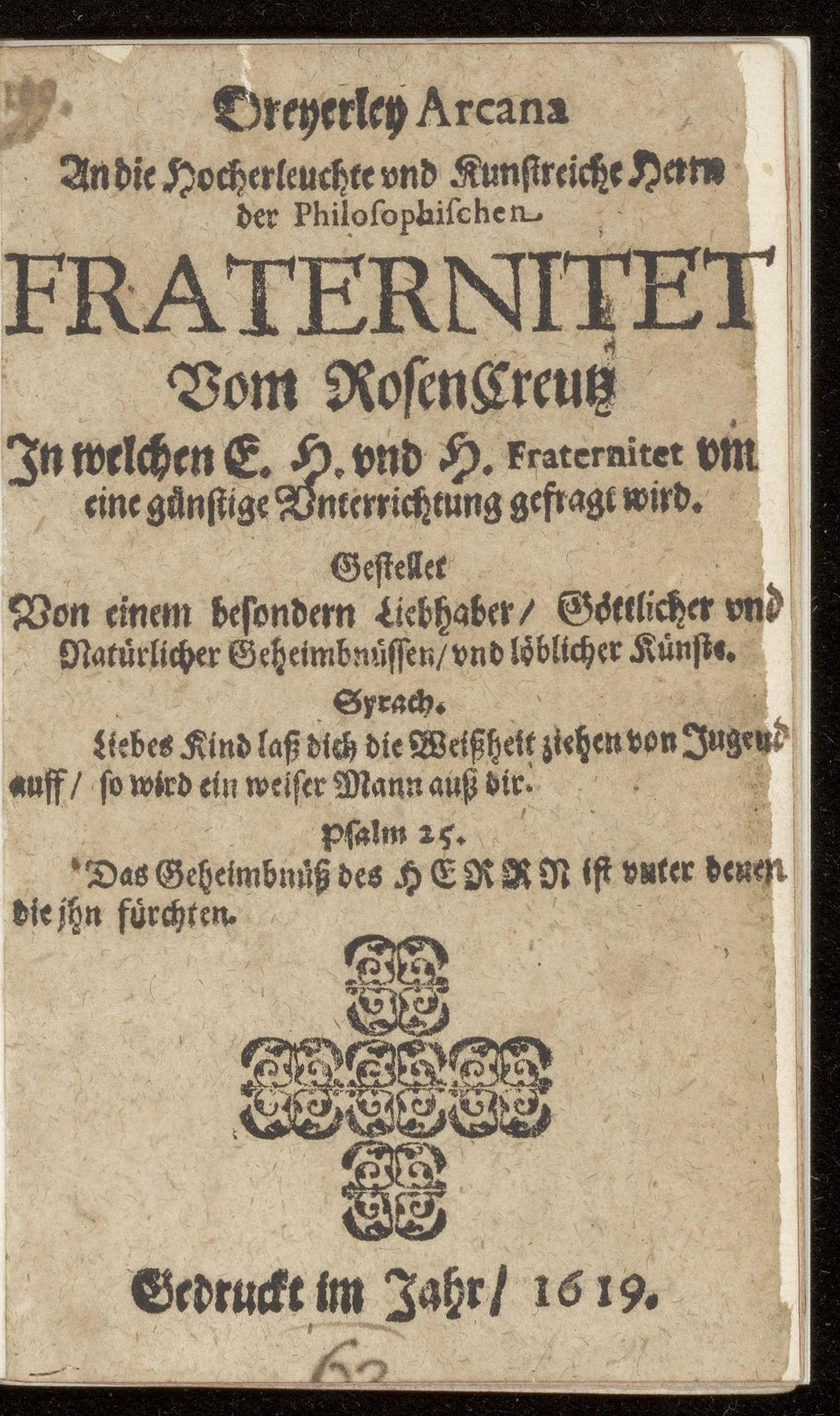
Threefold Arcana to the Rosicrucian Fraternity
Anonymous
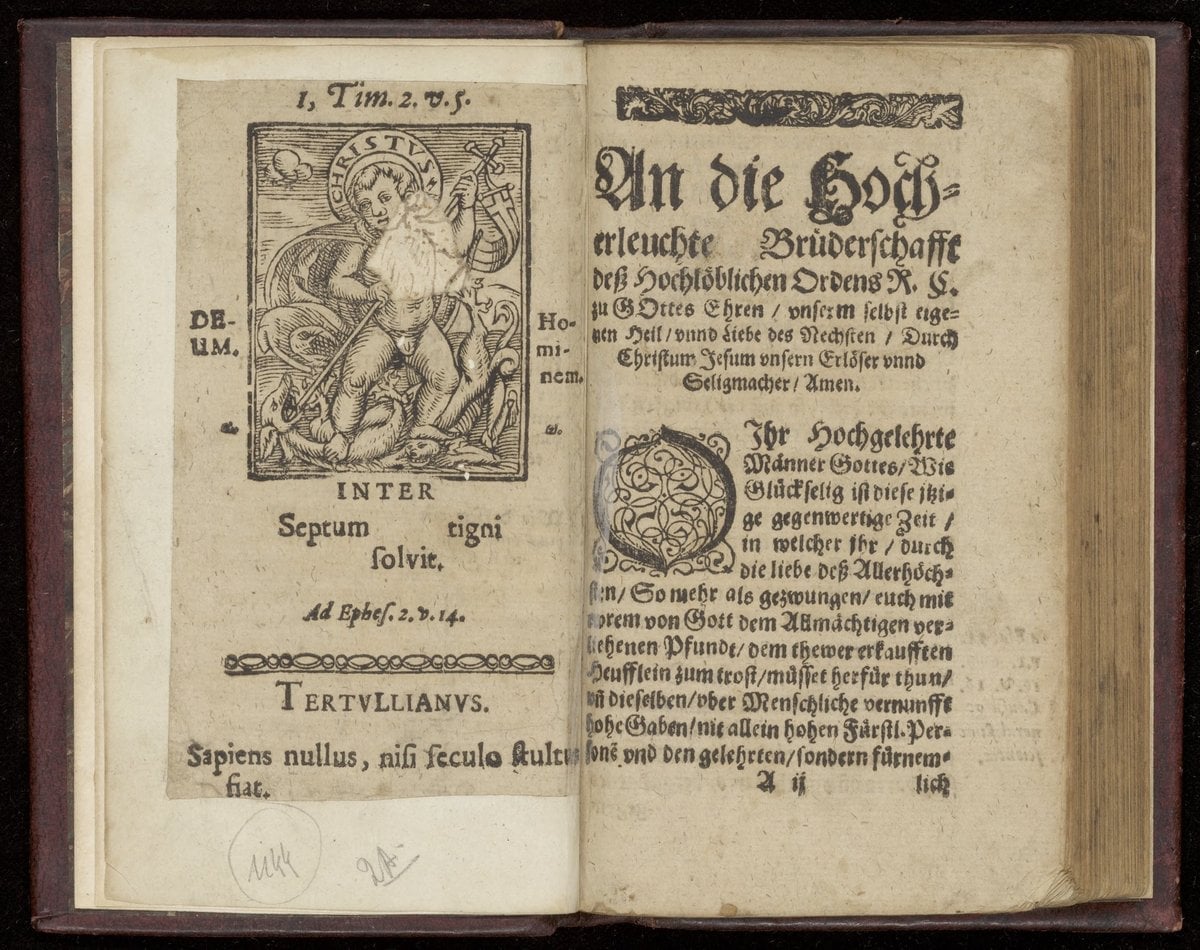
Echo of the God-Enlightened Fraternity of the Order of the Rosy Cross
attr. Sperber, Julius
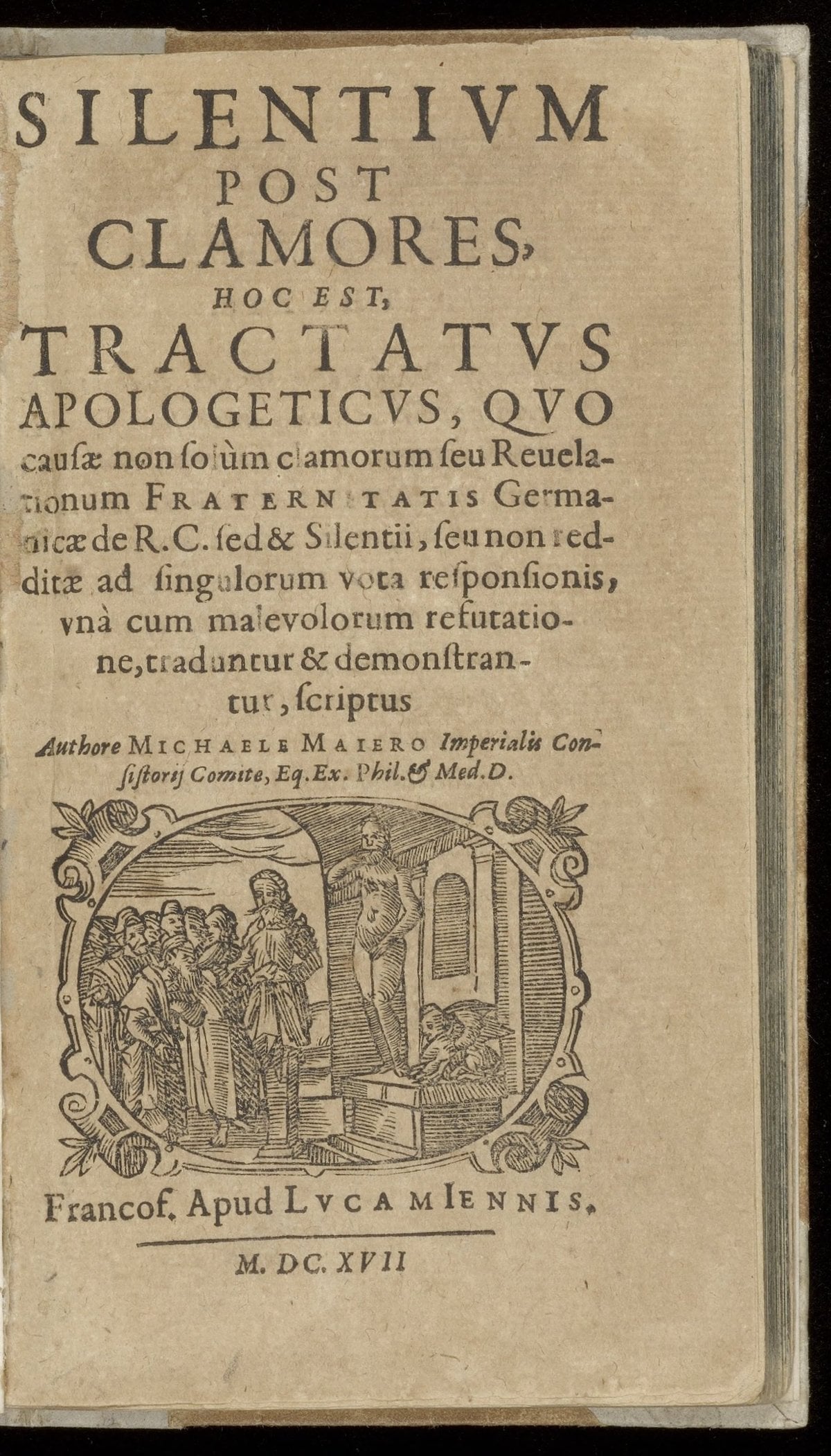
Silence After the Clamor
Maier, Michael
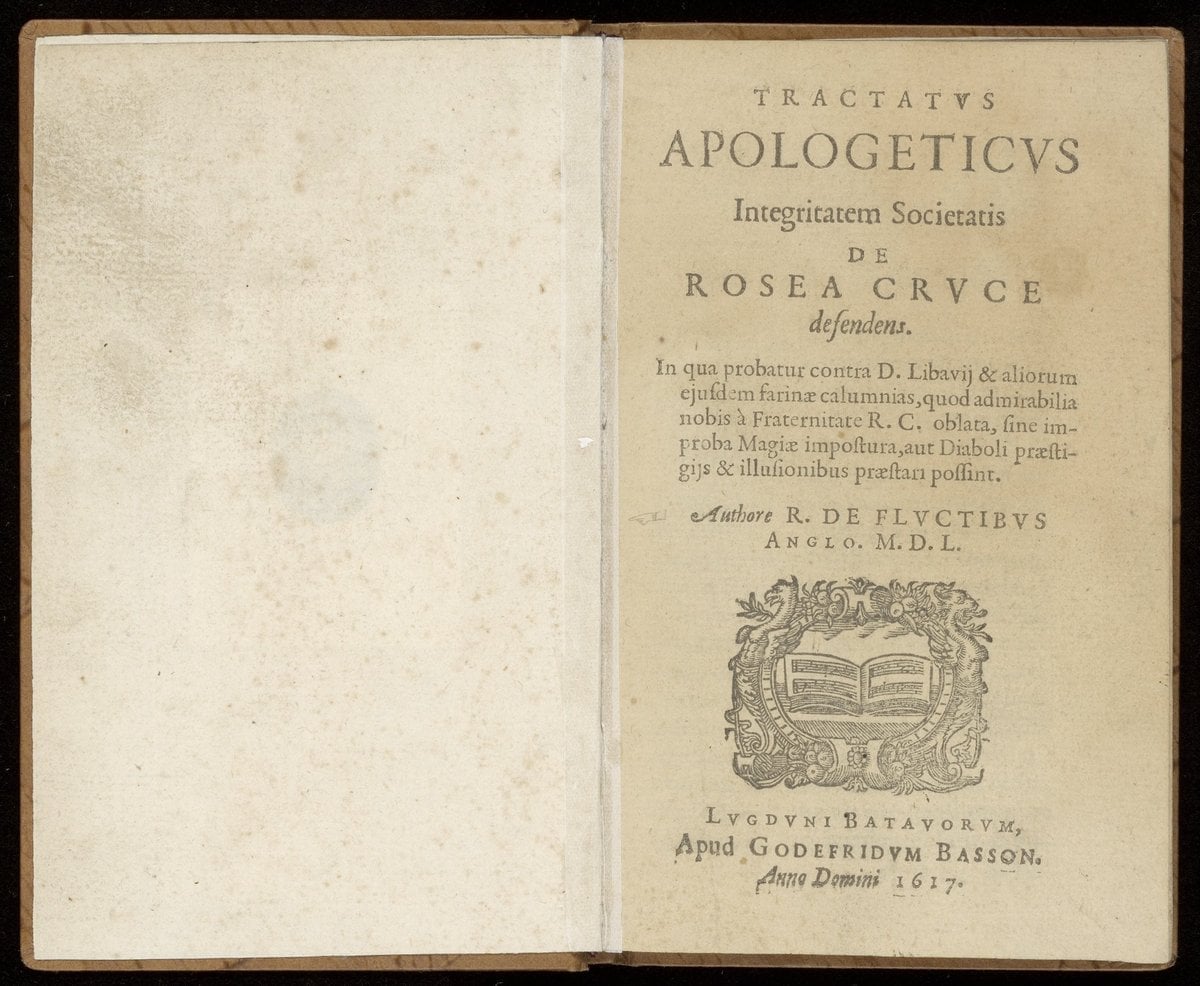
Apologetic Treatise Defending the Integrity of the Society of the Rose Cross
Fludd, Robert
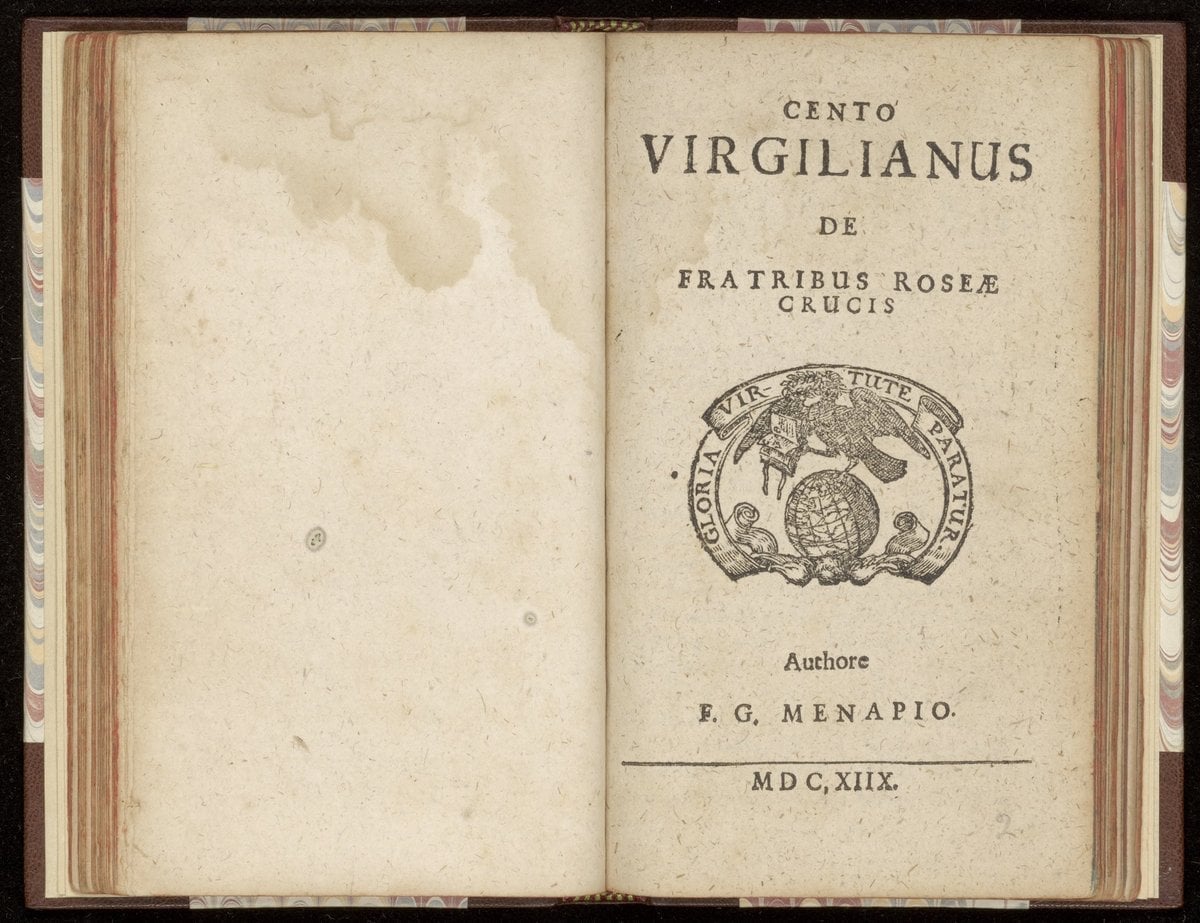
A Virgilian Cento on the Brothers of the Rosy Cross
attr. Grick, Friedrich
The Little Peasant
attr. Grasshoff, Johann
The Fame and Confession of the Brotherhood of the Rosy Cross
Anonymous
Menippus, or a Century of Satirical Dialogues
attr. Andreae, Johann Valentin
Golden Themis: On the Laws and Ordinances of the Rosicrucian Fraternity
Maier, Michael