


Slavic Esoteric Translations
Western mystical and Masonic works in Russian translation — Eckartshausen, Saint-Martin, and the Masonic underground
Illustrations
Browse all11 images extracted from 4 books
This intricate engraving serves as the title illustration for the 1804 Russian edition of Karl von Eckartshausen's 'Key to the Mysteries of Nature'. It depicts a central figure, likely representing divine harmony, holding the celestial spheres of the sun and earth while resting a lyre upon a foundation of books, symbolizing the synthesis of spiritual wisdom and earthly knowledge. The pedestal is inscribed with 'LIRA ZARABTALAM', further emphasizing the mystical and musical themes central to Eckartshausen's theosophical works.
This intricate engraving serves as an allegorical frontispiece, featuring the figure of Father Time (or Saturn) with his characteristic scythe and wings. Above him, a radiant triangle within a circle symbolizes divine providence or the ultimate secret of nature, reflecting the mystical themes of Karl von Eckartshausen's work.
This emblem for 'Philosophia Hermetica' features the 'pelican in its piety,' a powerful symbol of self-sacrifice and transformation in both Christian and alchemical traditions. Below the pelican, four roses are arranged on a shield, a motif frequently associated with Rosicrucianism, representing the unfolding of spiritual consciousness.
This emblem for 'Philosophia Hermetica' features a pelican in her piety, a traditional symbol of self-sacrifice and alchemical transformation. Below the pelican, a square containing a saltire and four roses indicates a strong Rosicrucian influence, aligning with the book's exploration of ancient secret societies and Egyptian priesthood.
This intricate allegorical engraving serves as a visual guide to the 'inner church,' a central concept in the mystical philosophy of Iwan Lopukhin. The central vertical axis represents the 'thorny path of the Cross,' leading the soul through various stages of spiritual purification, while the surrounding landscape is filled with symbols of natural law, civil law, and the animalistic passions that must be overcome. The inclusion of the word 'VITRIOL' in a central medallion links this Christian imagery to alchemical traditions of internal transformation.
This emblem for 'Philosophia Hermetica' (Hermetic Philosophy) depicts a pelican in its piety, a symbol of self-sacrifice and the alchemical process of purification. Below it, four roses are arranged on a square, likely referencing Rosicrucian symbolism and the intersection of the spiritual and material worlds.
All Books
Browse Full Catalog→5 books in this collection
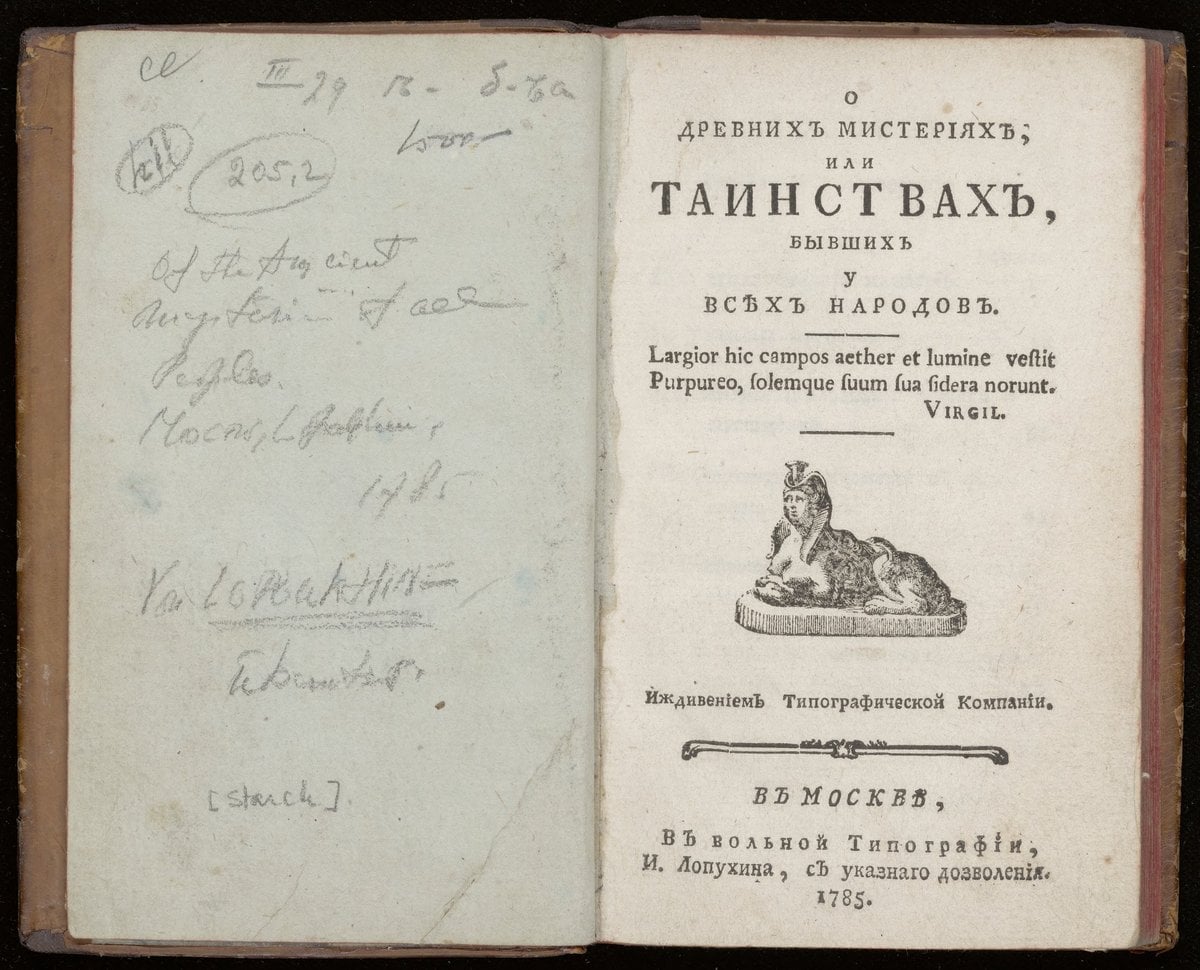
Of the Ancient Mysteries
attr. Starck, Johann August von
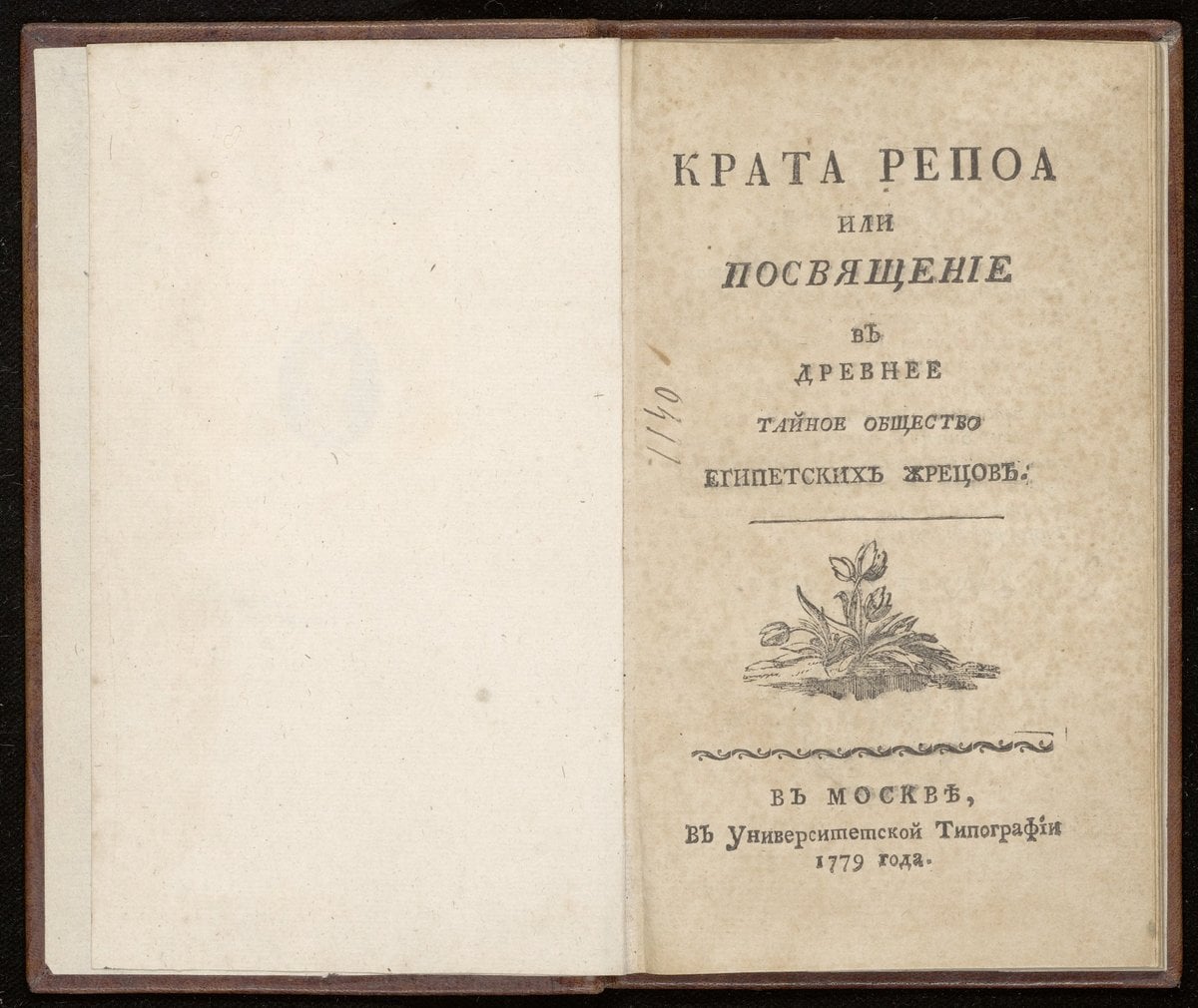
Initiation into the Ancient Secret Society of Egyptian Priests
attr. Köppen, Karl Friedrich
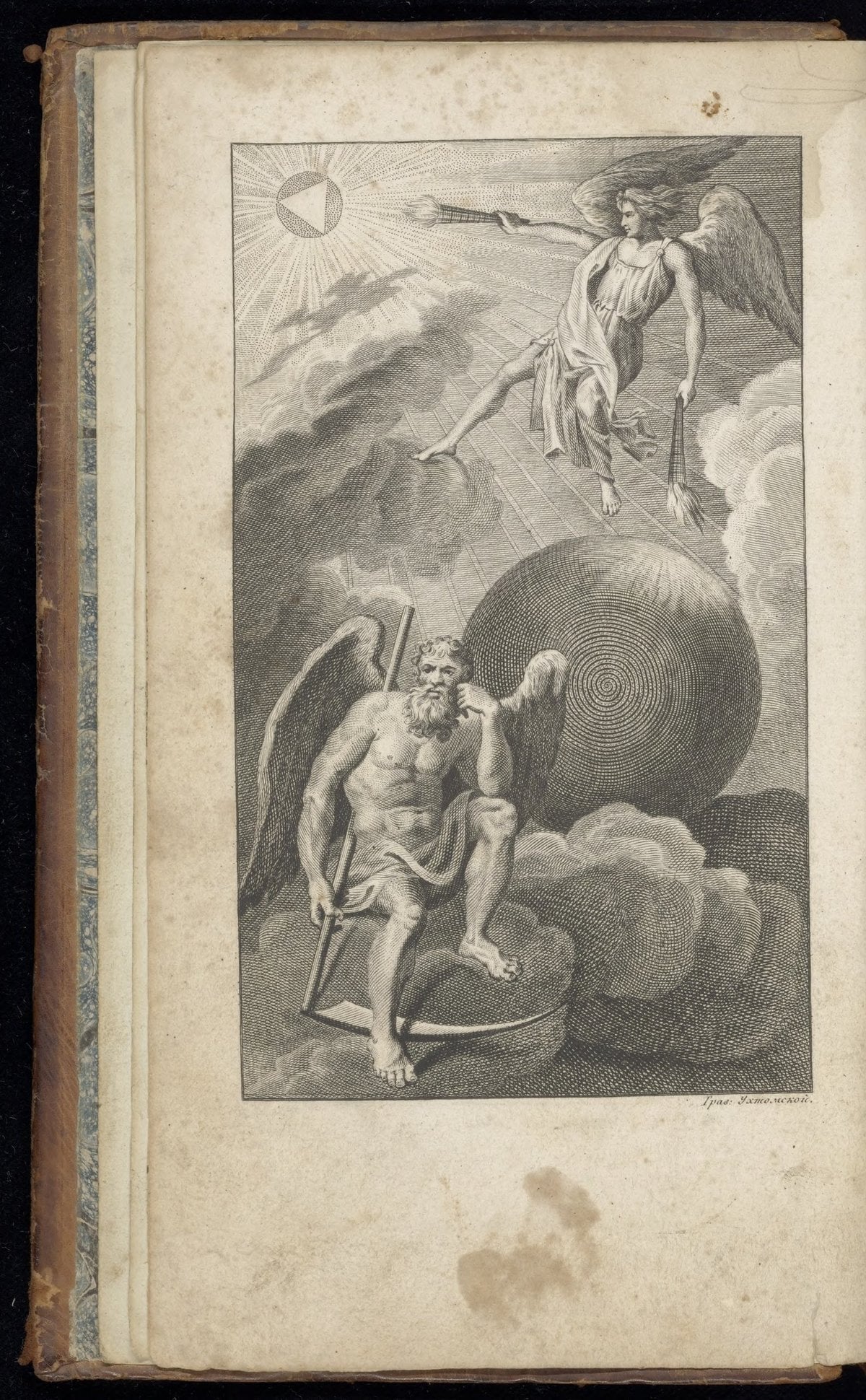
Key to the Secrets of Nature
Eckartshausen, Karl von
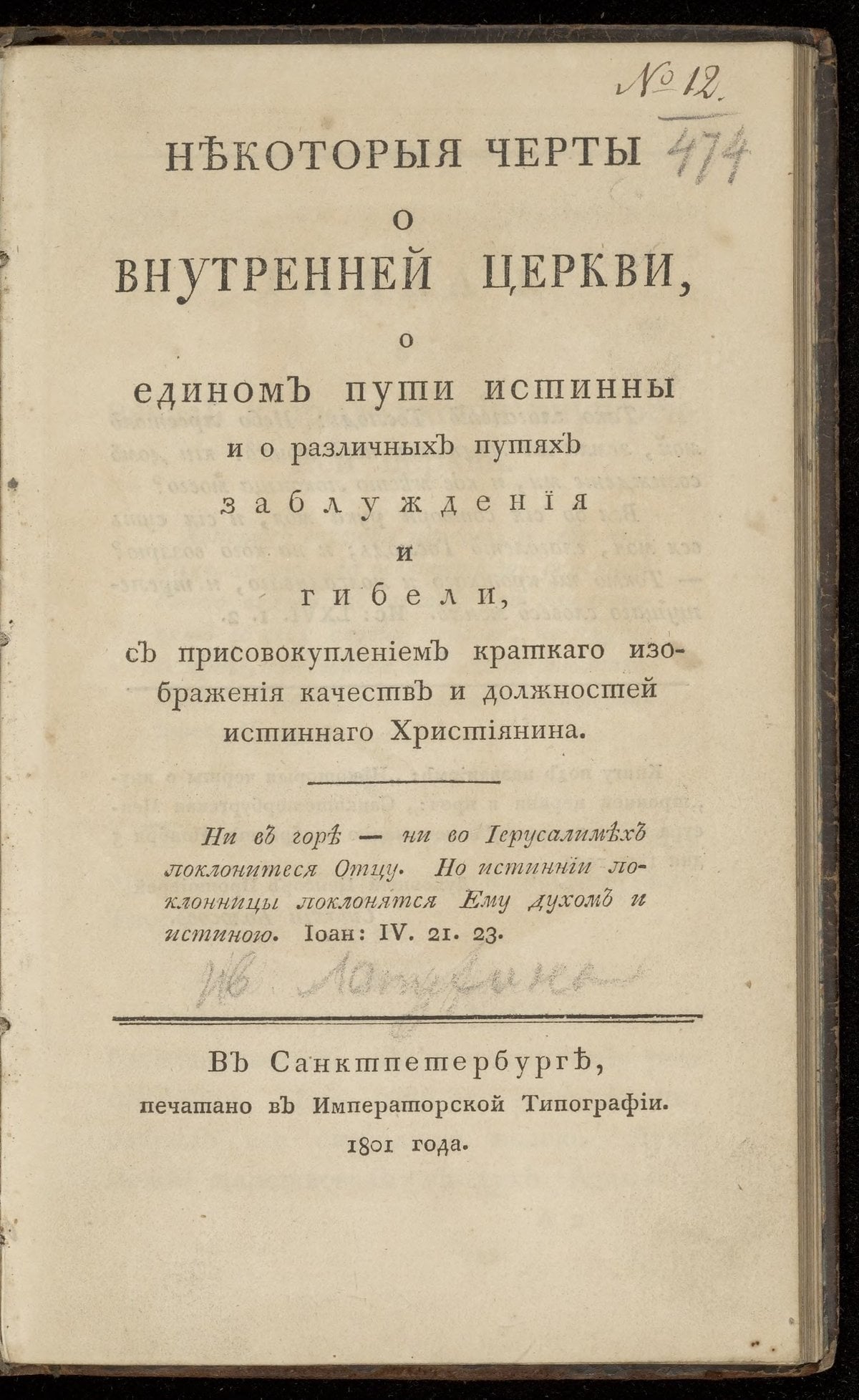
Some Characteristics of the Interior Church
attr. Lopukhin, Iwan Vladimirovitch