


Illustrations
Browse all276 images extracted
This emblem, known as 'The Knight of the Double Fountain,' represents the initial stages of the alchemical Great Work. The knight stands crowned with seven stars, symbolizing the celestial influence over the terrestrial elements, while the double fountain signifies the union of opposites—the 'two waters' or the solar and lunar principles required for transmutation.
This intricate hand-colored diagram from Georg von Welling's 1719 work illustrates the complex relationship between the planetary spheres and the celestial hierarchy of angels. At the top, a hexagram is surrounded by the seven classical planets, while the lower section maps out the various orders of angels, from Seraphim to Angeli, within a series of concentric circles representing the structure of the universe.
This intricate illustration depicts the Rebis, a central symbol in alchemy representing the union of male and female principles, often associated with the completion of the 'Great Work.' The two-headed, winged figure stands within a lush landscape, holding an egg—a symbol of potential and the philosopher's stone—while framed by a vibrant border of flora and fauna. This image exemplifies the rich, symbolic visual language used in early modern alchemical manuscripts to convey complex philosophical and chemical transformations.
This third figure from 'The Book of Lambspring' illustrates the alchemical concept of the Soul and Spirit, represented by a deer and a unicorn. They are shown within a forest, which symbolizes the human body where these two spiritual forces must be recognized and eventually unified. The fine engraving captures the symbolic meeting of these mythical and natural creatures in a serene, allegorical landscape.
This woodcut depicts the 'Hieroglyphic Monad,' a complex symbol designed by the Elizabethan polymath John Dee to represent the mystical unity of the cosmos. The central glyph synthesizes the symbols for the sun, moon, elements, and the zodiac sign Aries into a single, unified form, framed here by the four classical elements: Fire (Ignis), Air (Aer), Earth (Terra), and Water (Aqua). First published in 1564, this emblem serves as the visual thesis for Dee's work, remaining one of the most influential and enigmatic images in the history of Western alchemy and hermetic philosophy.
This intricate woodcut serves as an alchemical allegory, featuring a central figure supporting a celestial globe inscribed with zodiacal and planetary symbols. A winding banner carries the famous hermetic acronym V.I.T.R.I.O.L., instructing the seeker to 'Visit the interior of the earth; by rectification thou shalt find the hidden stone.' Flanking the base are personifications of Prudence (an elder's head) and Simplicity (a child), representing the dual virtues required for the alchemical Great Work.

This intricate allegorical scene centers on a crowned alchemical vessel containing a reclining figure, symbolizing a stage of the Great Work. Above, a chariot drawn by peacocks represents the 'cauda pavonis' or peacock's tail stage, while surrounding vignettes depict scenes of coronation and scholarly study, linking alchemical transformation to both worldly power and intellectual pursuit.

This intricate alchemical frontispiece for 'La Toyson d'Or' (The Golden Fleece) presents a comprehensive visual summary of the Hermetic Great Work. At its center is the VITRIOL acronym—'Visita Interiora Terrae Rectificando Invenies Occultum Lapidem'—surrounded by planetary symbols and allegorical figures representing the stages of transmutation. The imagery, including the green lion devouring the sun and the alchemist holding a flask, serves as a symbolic map for the practitioner seeking the philosopher's stone.

This elaborate frontispiece for Michael Maier's 'Arcana arcanissima' (1614) presents a synthesis of Egyptian and Greek mythology, reflecting the author's alchemical and hermetic interests. The central text is framed by figures such as Osiris, Isis, and the monstrous Typhon, alongside Hercules and Dionysus, while Egyptian symbols like obelisks and the Apis bull anchor the composition. This work exemplifies the early modern fascination with 'hieroglyphics' as a source of ancient, hidden wisdom.
Alchemy was never only about metals. From its earliest Arabic and Latin sources, the art carried a double meaning: the transformation of matter and the transformation of the soul. By the late medieval period, a distinct tradition of spiritual alchemy had emerged, reading the laboratory operations of calcination, dissolution, and coagulation as stages in an interior journey. The anonymous Buch der heiligen Dreifaltigkeit (c. 1420), one of the oldest German alchemical manuscripts, wove Christian trinitarian theology directly into the alchemical process, describing the birth of the Philosopher's Stone as an allegory of death and resurrection. The Rosarium Philosophorum, circulating widely in manuscript and print from the fifteenth century onward, depicted the union of Sol and Luna — King and Queen, sulfur and mercury — as a sacred marriage whose consummation required the death and rebirth of both partners.
The sixteenth and seventeenth centuries saw this tradition flower into some of the most remarkable works of early modern thought. Heinrich Khunrath's Amphitheatrum Sapientiae Aeternae (1609) presented the alchemical laboratory and the prayer chapel as two halves of a single practice, insisting that the outer work was meaningless without inner illumination. Michael Maier's Atalanta Fugiens (1618) set alchemical emblems to fugal music, creating a multimedia meditation on the Great Work. John Dee's Monas Hieroglyphica (1564) compressed the whole of alchemical, astronomical, and kabbalistic knowledge into a single hieroglyphic symbol. And the Splendor Solis, among the most visually stunning of all alchemical manuscripts, unfolded the stages of the opus through a sequence of painted allegories culminating in the triumph of the inner sun.
Jakob Boehme stands as the towering figure of this tradition. A cobbler from Goerlitz who wrote from direct visionary experience, Boehme's Morgenroete im Aufgang (Aurora, 1612) and De Signatura Rerum (1635) recast the entire alchemical vocabulary as a map of divine self-revelation: the dark fire of God's wrath, the light-fire of love, the seven source-spirits (Quellgeister) through which nature and soul alike take form. His work influenced two centuries of theosophical and esoteric thought, from the Cambridge Platonists to German Romanticism. This collection gathers the primary sources of this inner tradition — the emblem books, mystical treatises, and visionary texts that understood the philosopher's stone not as an object to be fabricated, but as a state of being to be achieved.
Essential Reading
The foundational texts of this tradition
Amphitheater of Eternal Wisdom
Heinrich Khunrath, 1609First Complete Translation
Khunrath's masterpiece depicting the alchemical amphitheatre of eternal wisdom. Its famous engraving of the alchemist's laboratory-oratory makes the case, visually and textually, that prayer and labwork are inseparable halves of the Great Work. First English translation.
The Hieroglyphic Monad
John Dee, 1564
Dee's compressed, enigmatic treatise reduces alchemy, astronomy, and kabbalah to a single hieroglyphic symbol. A foundational text for understanding the unity of the occult sciences in the Renaissance.
The Splendour of the Sun
Solomon Trismosin, 1582
One of the most beautifully illustrated alchemical manuscripts, the Splendor Solis depicts the stages of the opus through a sequence of elaborate painted allegories, from putrefaction to the triumph of the golden sun.
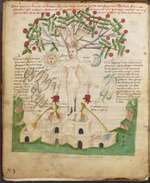
Book of the Holy Trinity
Anonymous, 1420First Translation
Among the earliest German alchemical manuscripts (c. 1420), this anonymous text fuses Christian trinitarian theology with the alchemical process. The Philosopher's Stone is born as a "King of Fire" through death and resurrection. First English translation.
Important Works
Significant texts that deepen understanding
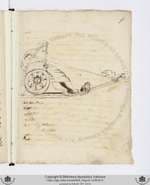
The Rosary of the Philosophers
Anonymous, 1200
The "Rose Garden of the Philosophers," one of the most widely circulated alchemical texts of the late medieval period. Its woodcut sequence of the conjunction, death, and rebirth of King and Queen became the definitive visual language of spiritual alchemy.
Atalanta Fleeing
Maier, Michael, 1618
Maier's extraordinary multimedia work pairs fifty alchemical emblems with fugal musical compositions and explanatory discourses, creating a synesthetic meditation on the Great Work.
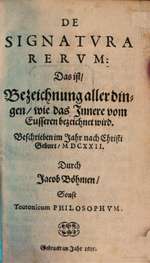
The Signature of All Things
Jakob Böhme, 1635
Boehme's mature philosophical treatise on the signature of all things — how the inner nature of every being is written on its outward form, and how the alchemical process mirrors the self-revelation of God in nature.
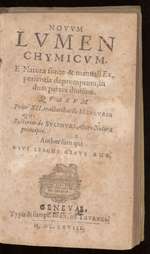
A New Light of Alchemy
[Sendivogius, Michael], 1628
Sendivogius's influential treatise on the "New Chemical Light," bridging practical and spiritual alchemy through its doctrine of the aerial nitre — a universal spirit pervading all nature.
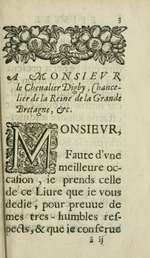
The Twelve Keys of Philosophy
Basilius Valentinus, 1618
The Twelve Keys of Basil Valentine in a 1618 French edition dedicated to Sir Kenelm Digby. Each key describes a stage of the alchemical process in richly allegorical language. First English translation.
Theatrum Chemicum Vol. III (1602)
Various; ed. Lazarus Zetzner, 1659First Translation
The great Latin anthology of alchemical writings, gathering texts from across the tradition into a single reference. First English translation of this edition.
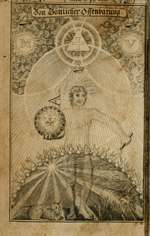
Theosophy Revealed, Volume 5
Jakob Böhme, 1730First Translation
Volume 5 of Boehme's collected Theosophia Revelata, containing mature writings on divine wisdom, the three principles, and the spiritual meaning of alchemical processes. First English translation.
Also Notable
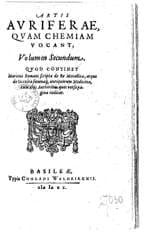
The Art of Gold-Making
Various (Turba Philosophorum, Pseudo-Lull, Albertus Magnus, etc.), 1609First Complete Translation
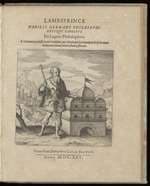
On the Philosopher's Stone
Lambspringk, 1625
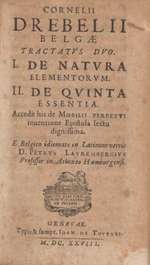
Two Treatises on the Nature of the Elements and the Fifth Essence
Drebbel, Cornelius , 1628First Translation
Works of Jacob Behmen (William Law Edition, 4 vols)
Jakob Böhme; ed. William Law, 1781
High and Deep Grounds of the Threefold Life of Man
Boehme, Jacob, 1660
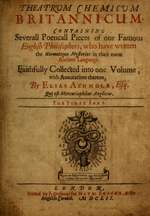
Theatrum Chemicum Britannicum
Elias Ashmole (compiler), 1652
Mytho-Hermetic Archive
Clavier Duplessis, 1780First Translation
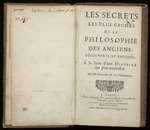
The Most Hidden Secrets of the Philosophy of the Ancients
[Colonne, François-Marie-Pompée], 1722First Translation
All Books
Browse Full Catalog→128 books in this collection
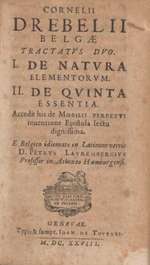
Two Treatises on the Nature of the Elements and the Fifth Essence
Drebbel, Cornelius
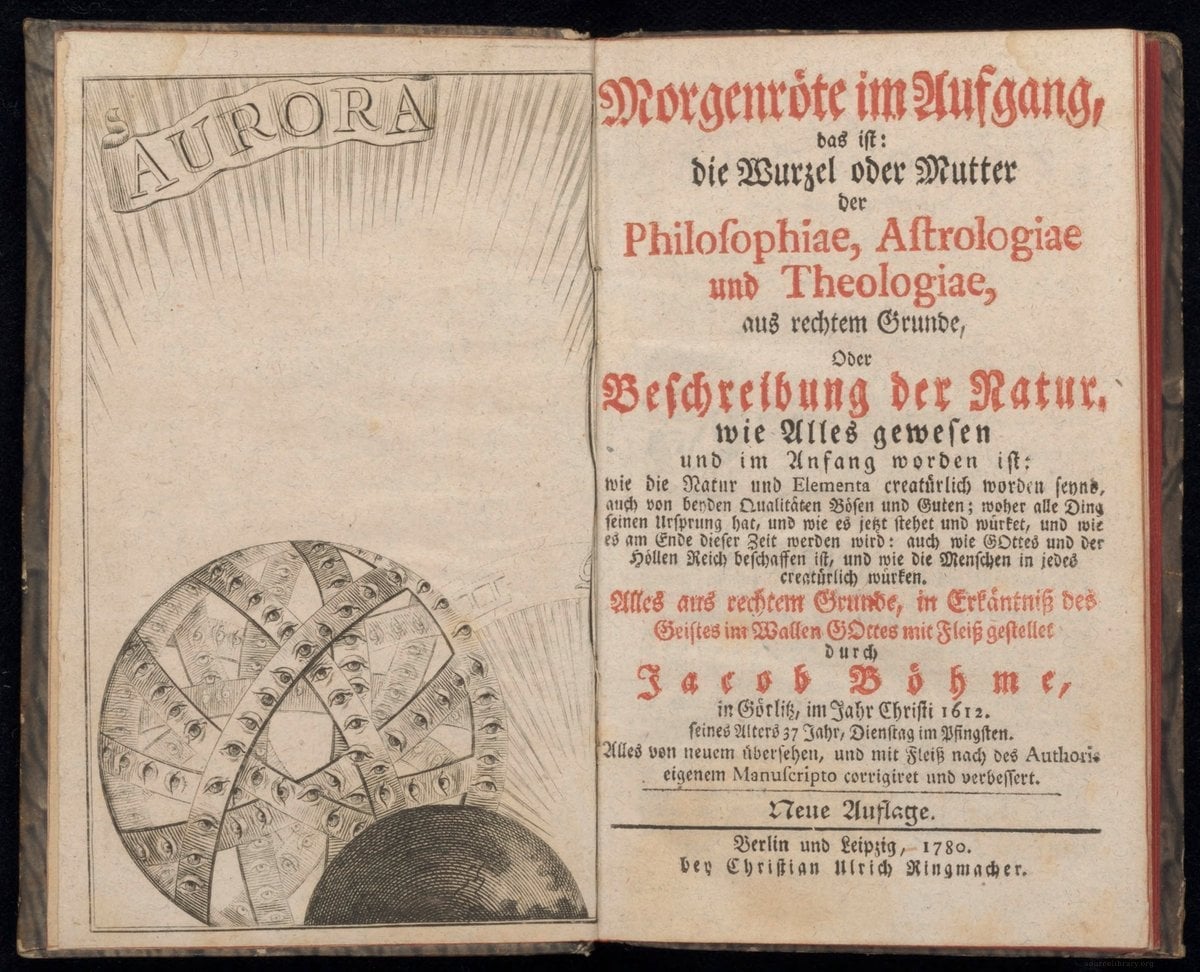
Dawn rising
Boehme, Jacob
A New Light of Alchemy
attr. Sendivogius, Michael
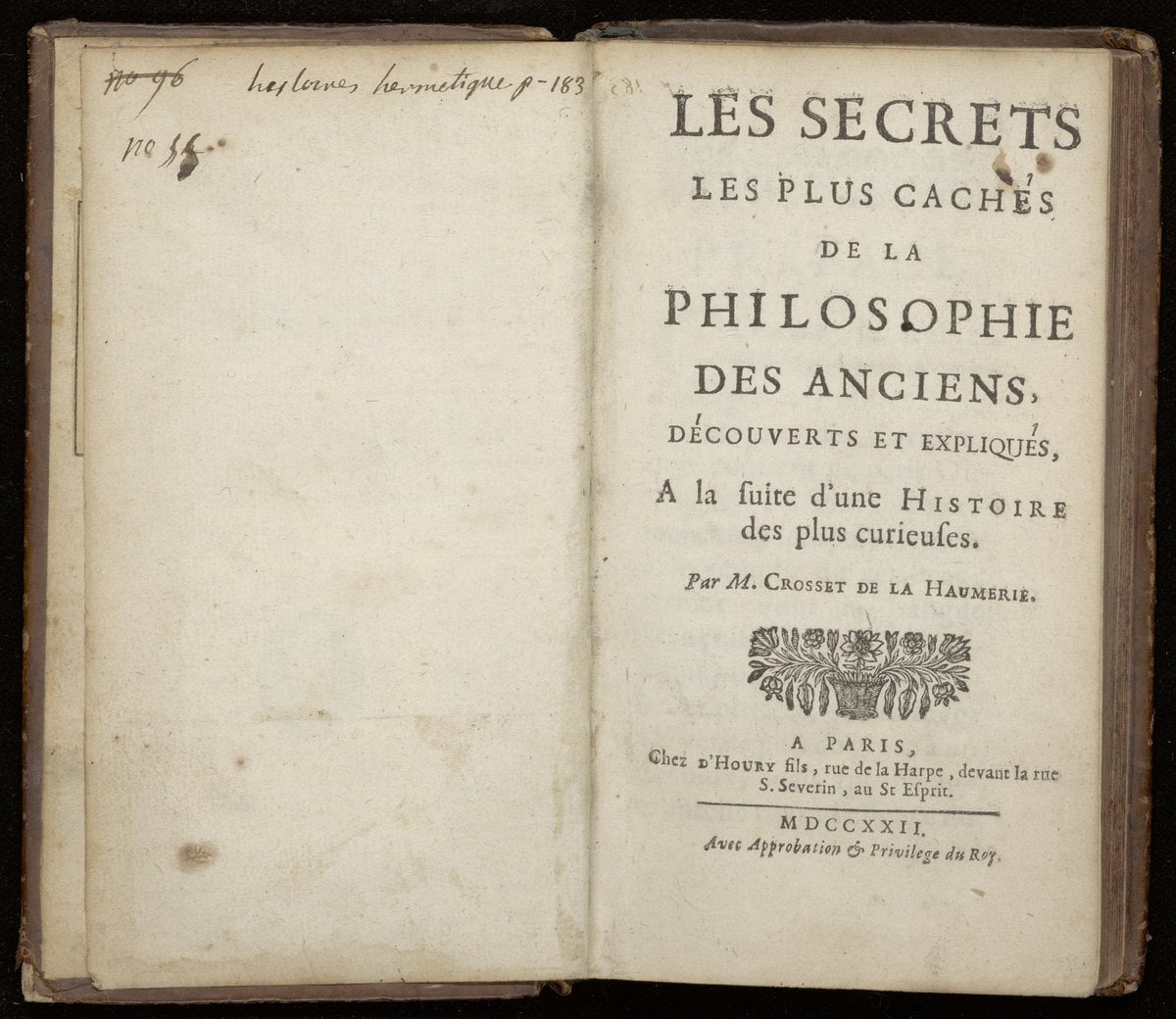
The Most Hidden Secrets of the Philosophy of the Ancients
attr. Colonne, François-Marie-Pompée
High and Deep Grounds of the Threefold Life of Man
Boehme, Jacob

Atalanta Fleeing
Maier, Michael
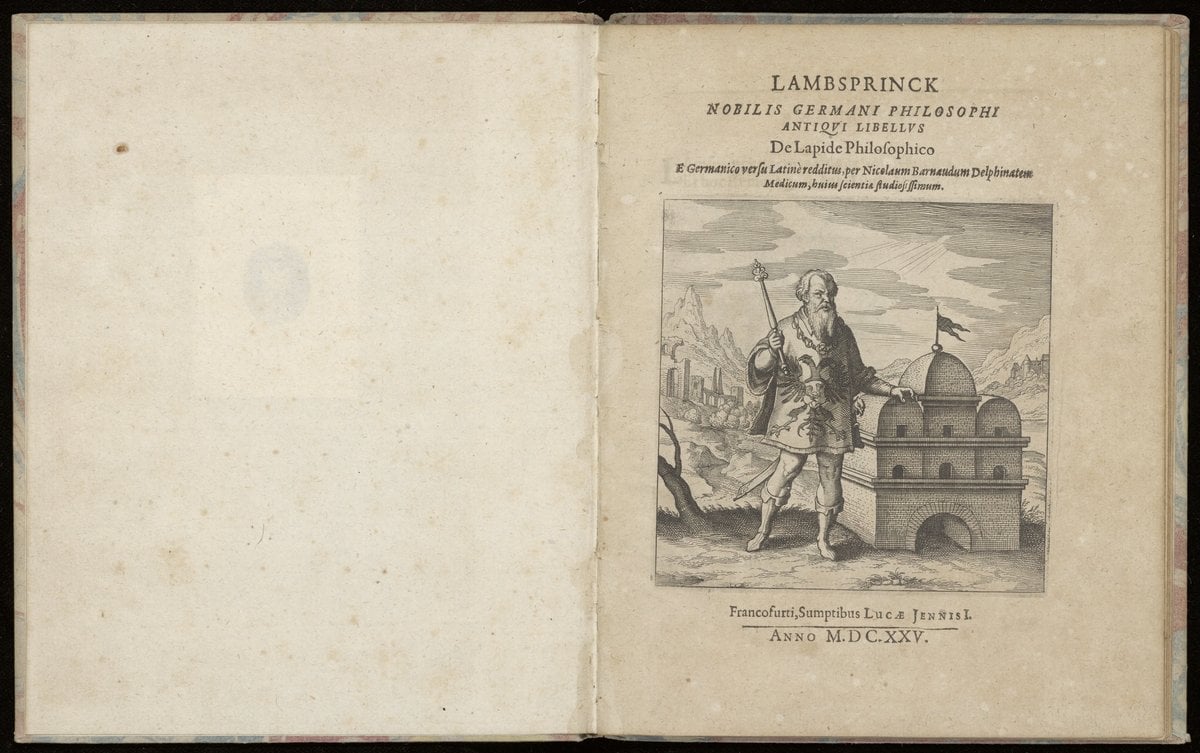
On the Philosopher's Stone
Lambspringk
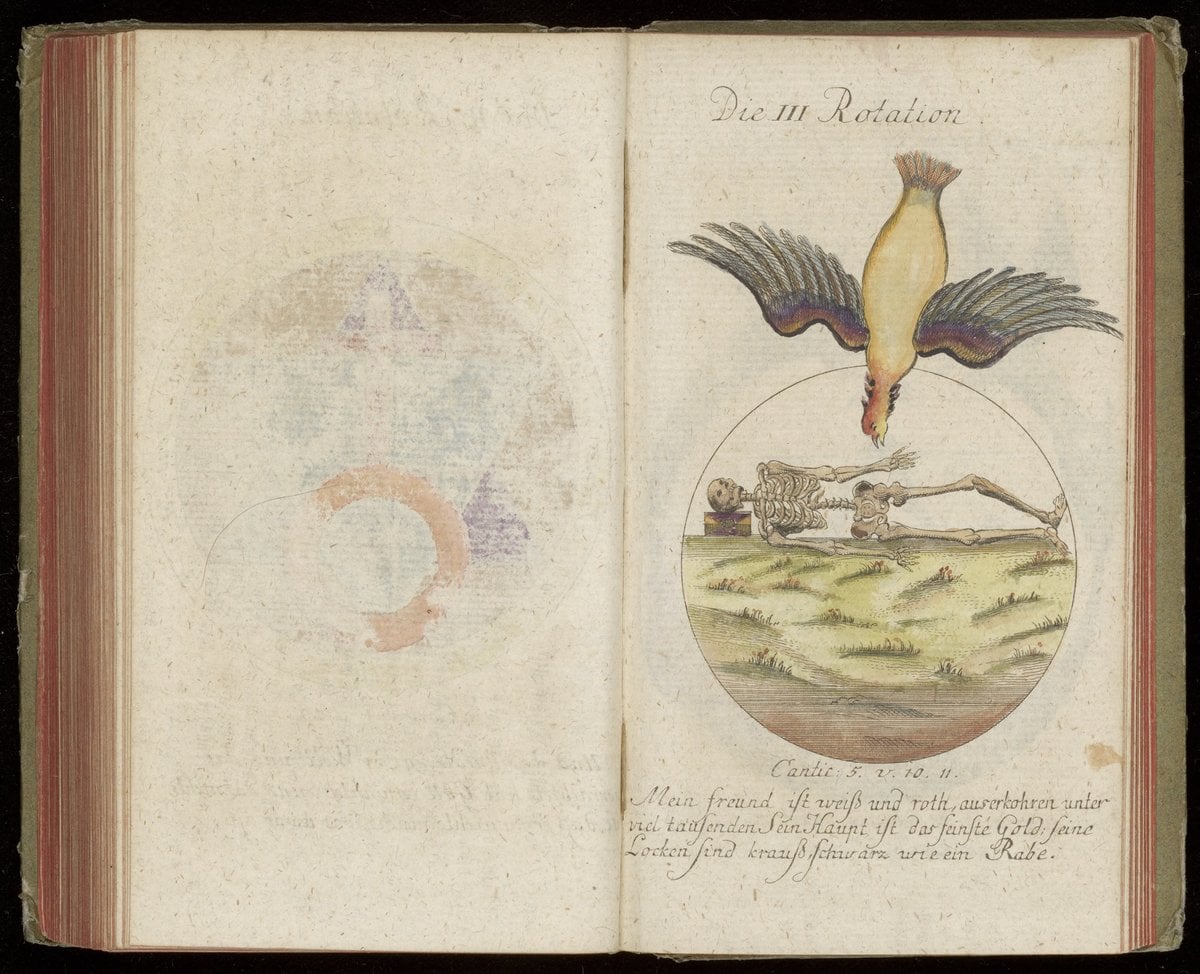
The Compass of the Wise
attr. Jolyfief, Augustin Anton Pocquieres de
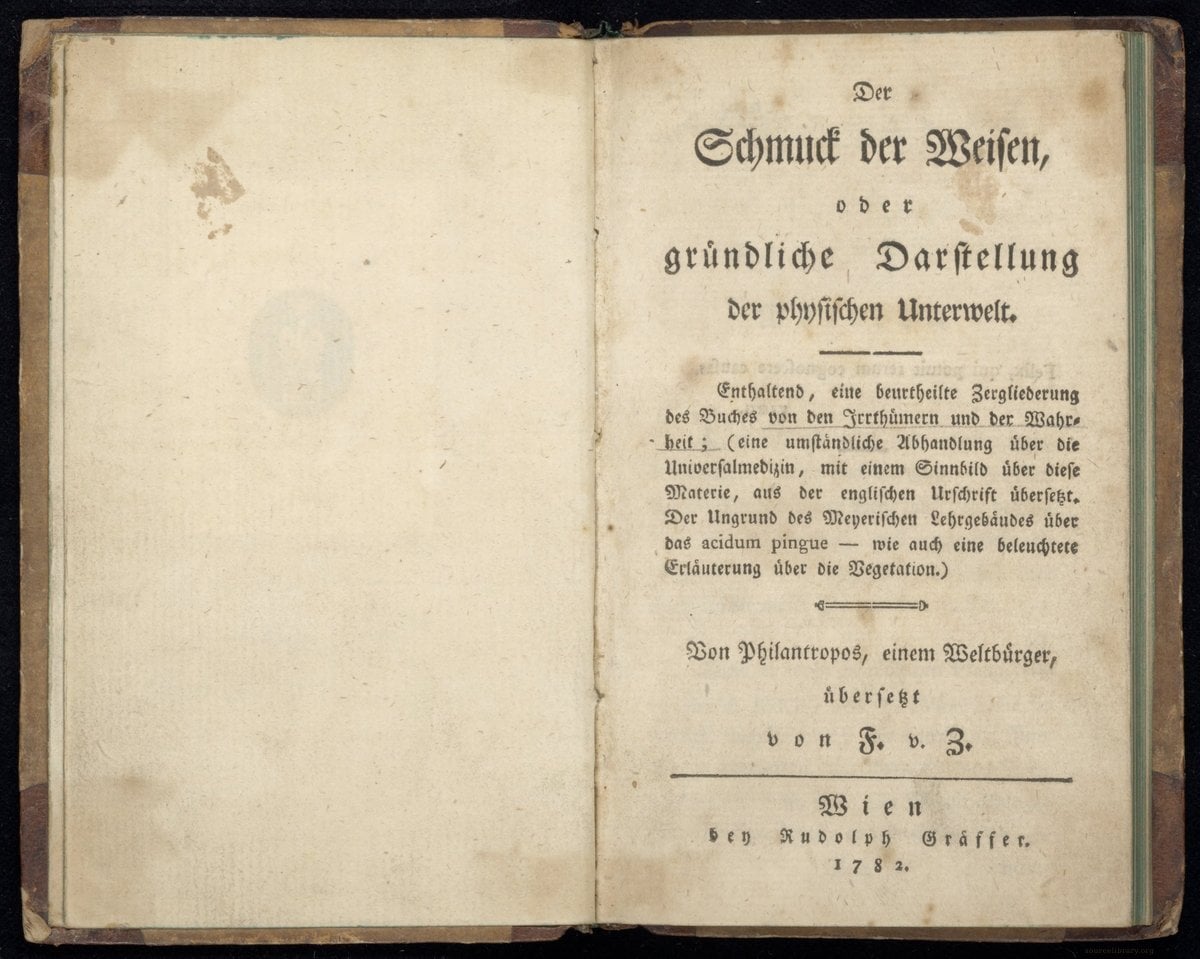
The Jewel of the Sages
attr. Loos, Onesime Henri de
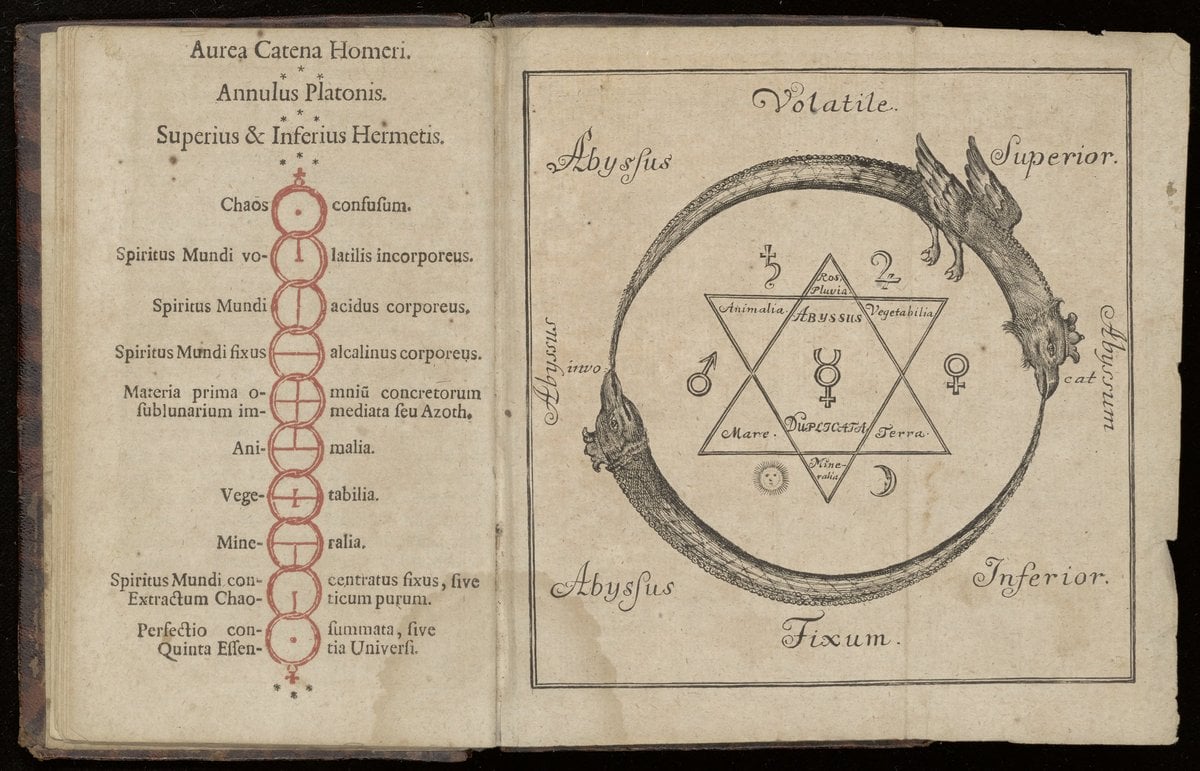
Homer's Golden Chain
attr. Kirchweger, Anton Joseph
Mytho-Hermetic Archive
Clavier Duplessis
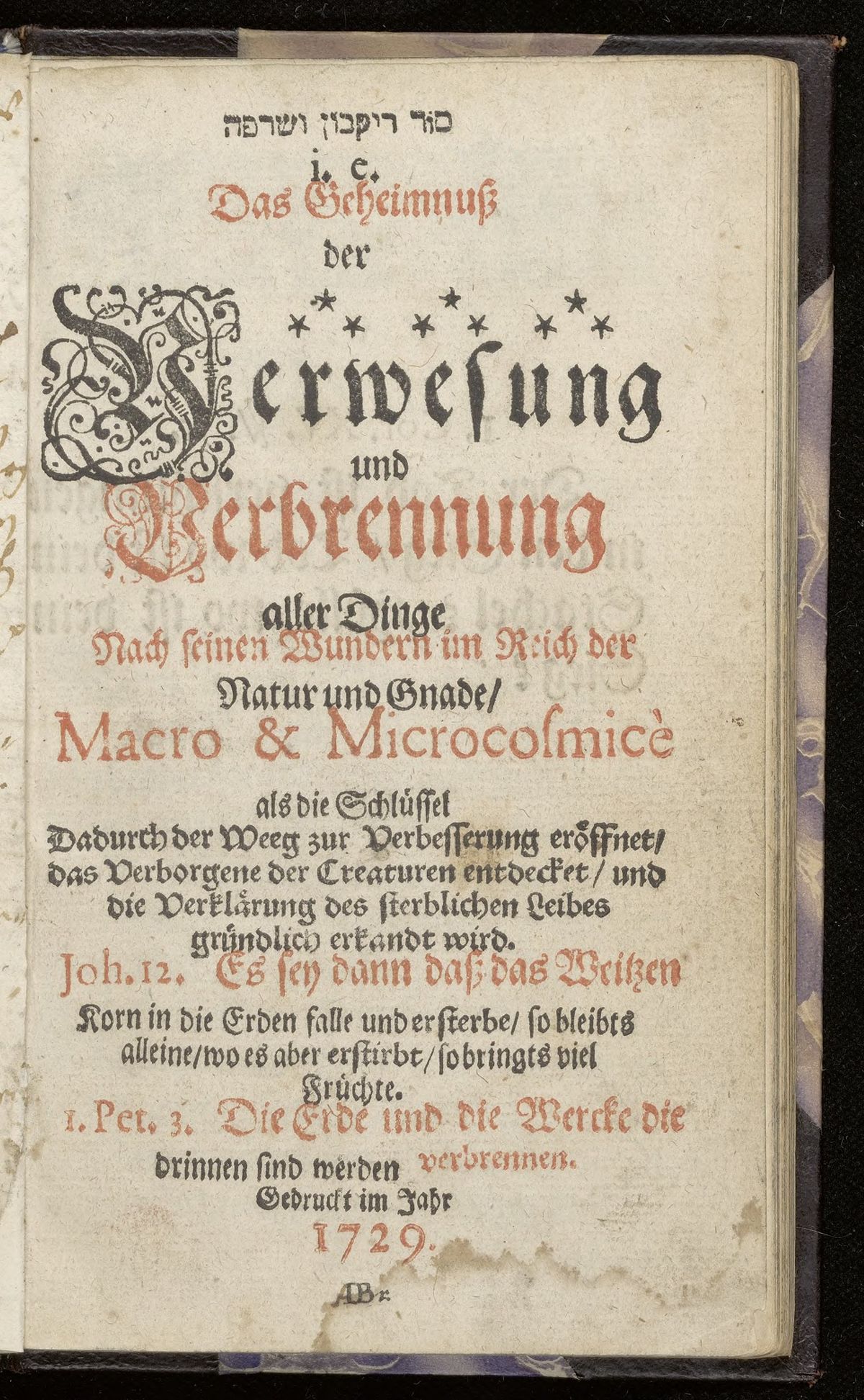
The Secret of the Decay and Combustion of All Things
attr. Loen, Johann Michael von?
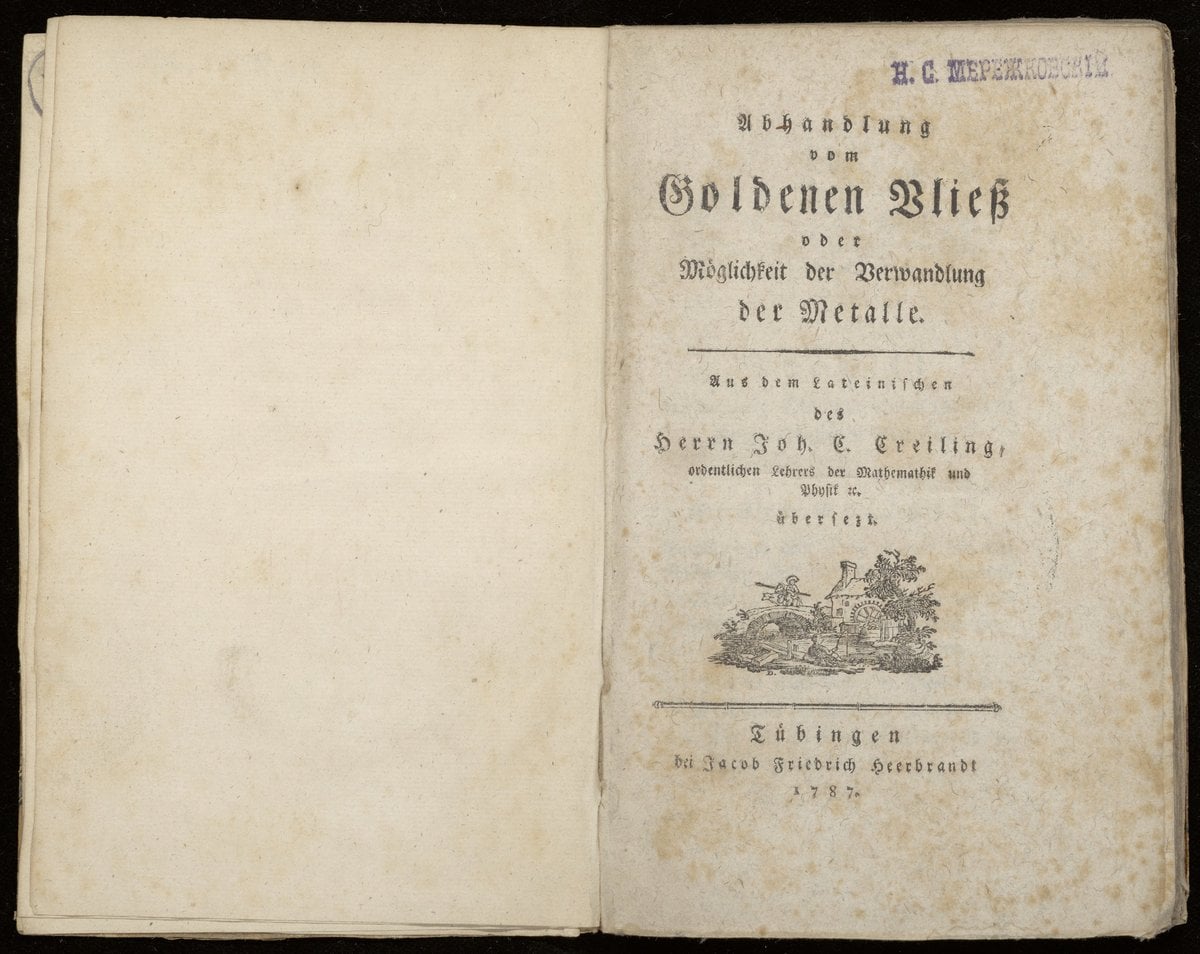
Treatise on the Golden Fleece
Creiling, Johann Conrad
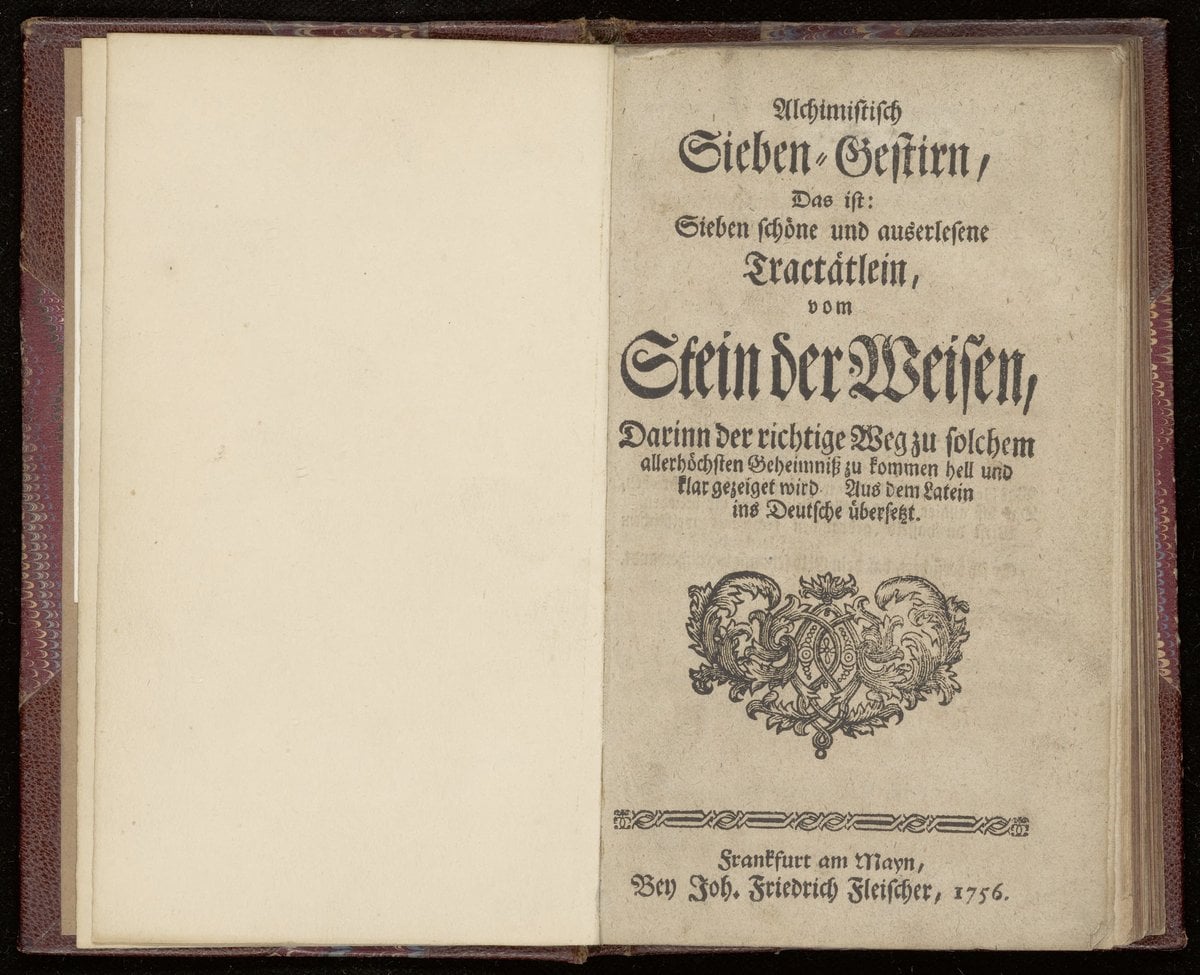
The Alchemical Seven Stars
Anonymous