


Theosophical & Occult Societies
The Modern Theosophical Movement (1875–1930)
Illustrations
Browse all51 images extracted from 24 books
This intricate woodcut, reproduced from the 1493 'Liber Chronicorum' (Nuremberg Chronicle), depicts the apocalyptic 'Reign of Antichrist.' The scene shows the Antichrist preaching to a diverse crowd while being prompted by a demon, as divine retribution looms above in the form of an angel with a sword. It serves as a powerful example of late medieval eschatological imagery and the masterful printmaking of Michael Wolgemut's workshop.
Title page of a 1615 edition of the 'Fama Fraternitatis', the first Rosicrucian manifesto, printed in Danzig by Andreas Hünefeldt. The central woodcut emblem features an hourglass and flowering plants, accompanied by the Latin motto 'SICVT FLOS AGRI SIC FLORET HOMO' (As a flower of the field, so man flourishes), a common vanitas motif. This publication announced the existence of a secret brotherhood to the scholars of Europe, initiating a significant era of intellectual and spiritual inquiry known as the Rosicrucian Enlightenment.
This intricate publisher's device for J.W. Bouton features a personification of learning alongside symbols of stability and growth. The seated figure with a book and the anchor entwined with a sea monster represent the firm's commitment to scholarly pursuits and enduring quality, marking the establishment of the business in 1857.
This frontispiece introduces Jacob Böhme's 'Aurora', a foundational text of Christian theosophy. The central image of an armillary sphere covered in eyes represents divine omniscience and the spiritual insight required to understand the mysteries of nature and God. The composition illustrates the transition from darkness to light, mirroring the book's title and its themes of spiritual awakening.
This intricate engraving depicts the 'College of the Fraternity,' a central symbol of the Rosicrucian movement. The mobile, winged temple represents the elusive and spiritual nature of the brotherhood, surrounded by a landscape filled with allegorical figures and symbols of divine wisdom and human endeavor. It serves as a visual manifesto for the Rosicrucian ideals of spiritual reformation and hidden knowledge.
This hand-colored emblem, titled 'PHILOSOPHIA HERMETICA,' depicts the alchemical symbol of the pelican in its piety, feeding its young with its own blood. This imagery represents self-sacrifice, purification, and the transformative process of the Great Work in Hermetic traditions. The emblem is likely a later addition or a bookplate pasted into this copy of Wuensch's work.

This vibrant emblem, titled 'PHILOSOPHIA HERMETICA,' serves as a symbolic frontispiece or key illustration for the Rosicrucian text 'Colloquium Rhodostauroticum'. It depicts the pelican in its piety—a bird believed to feed its young with its own blood—symbolizing the alchemical process of purification and the spiritual sacrifice required for transformation. Below the pelican, a shield bearing four roses arranged in a cross pattern directly references the 'Rose Cross' (Rhodostauroticum) tradition of the work's author.

A vibrant hermetic emblem titled 'PHILOSOPHIA HERMETICA,' featuring a pelican in its piety atop a crescent moon, framed by an ouroboros. This complex allegorical image represents themes of self-sacrifice, cyclical renewal, and the pursuit of hidden wisdom central to 17th-century alchemical thought. The inclusion of roses and radiant light further underscores the spiritual and transformative goals of the Hermetic tradition.

This vibrant plate illustrates Claude Fayette Bragdon's theory of 'Projective Ornament,' which derives decorative patterns from the mathematical projections of four-dimensional figures. The intricate, interlocking shapes and bold color palette reflect Bragdon's attempt to create a new visual language for the modern era, grounded in both higher-space geometry and spiritual symbolism.
Founded in a New York apartment in 1875 by Helena Petrovna Blavatsky and Colonel Henry Steel Olcott, the Theosophical Society became one of the most influential spiritual movements of the modern era. Blavatsky's Isis Unveiled and The Secret Doctrine synthesized Hindu, Buddhist, Neoplatonic, and Hermetic thought into a vast cosmological system that claimed to recover the ancient wisdom underlying all religions. The movement drew scientists, artists, and social reformers into its orbit, establishing centers from Adyar to Point Loma and publishing a torrent of books, journals, and pamphlets that reshaped Western engagement with Eastern philosophy.
The Society's impact extended far beyond religion. Annie Besant and C. W. Leadbeater's illustrated clairvoyant investigations — mapping thought-forms as colored geometries, charting the human aura and the chakras — directly inspired the birth of abstract art. Kandinsky read Thought-Forms and painted the first non-representational canvases. Bragdon projected fourth-dimensional Theosophical geometry into architectural ornament. The movement's California chapter, centered at Point Loma under Katherine Tingley, created a utopian community that merged education, theater, and printing. This collection gathers the primary sources of that movement: the foundational texts, the illustrated esoteric investigations, and the publications of the California Theosophists who carried the tradition into the twentieth century.
Essential Reading
The foundational texts of this tradition

Isis Unveiled: A Master-Key to the Mysteries of Ancient and Modern Science and Theology
Helena Blavatsky, 1877
Blavatsky's first major work (1877), a sprawling attack on scientific materialism and religious dogma that drew on Hermetic, Kabbalistic, and Hindu sources to argue for a universal ancient wisdom tradition.
The Key to Theosophy
Helena Blavatsky, 1889
Written in dialogue form, the Key (1889) is Blavatsky's most accessible exposition of Theosophical principles — karma, reincarnation, the sevenfold constitution of man, and the Society's three objects.
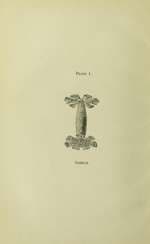
Occult Chemistry: Clairvoyant Observations on the Chemical Elements
Annie Besant and C.W. Leadbeater, 1919
Besant and Leadbeater claimed to observe chemical elements clairvoyantly, producing detailed diagrams of atomic structure that eerily prefigured some aspects of particle physics. A landmark of illustrated esoteric science.
Important Works
Significant texts that deepen understanding
Theosophical Glossary
H.P. Blavatsky, 1906
Blavatsky's posthumous glossary (1892) defines hundreds of terms from Sanskrit, Tibetan, Kabbalistic, and Hermetic traditions — an essential reference for reading her major works.
Death--and After?
Annie Besant, 1893
Besant's compact treatise on the Theosophical understanding of death, the afterlife, and the journey through kama-loka and devachan.
The chakras. A monograph
Leadbeater, Charles Webster, 1927
Leadbeater's illustrated monograph (1927) on the chakra system, with color plates that became the standard Western visualization of the energy centers.
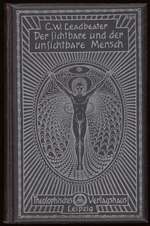
Der sichtbare und der unsichtbare Mensch. Darstellung verschiedener Menschentypen, wie der geschulte Hellseher sie wahrnimmt
Leadbeater, Charles Webster, 1908
Leadbeater's visual guide to the human aura and subtle bodies, with color plates showing different types of people as seen by trained clairvoyance. German edition.

An Introduction to Yoga
Annie Besant, 1908
Besant's lectures (1908) on the practice and philosophy of yoga from a Theosophical perspective, bridging Hindu tradition with Western esoteric psychology.
From the caves and jungles of Hindostan
Blavatsky, H.P., 1892
Blavatsky's travel writing from India — vivid accounts of yogis, fakirs, and temple mysteries, serialized in Russian newspapers before her Theosophical fame.
Also Notable
Secret Doctrine Vol. III - Esoterica
H.P. Blavatsky, 1897
The stanzas of Dzyan (From The Secret Doctrine)
Unknown, 1892
Transactions of the Blavatsky Lodge of the Theosophical Society. Discussions on the stanzas of the first volume of The secret doctrine
Unknown, 1890
Die uralte Weisheit. Eine kurzgefasste Darstellung der Lehren der Theosophie
Besant, Annie, 1780
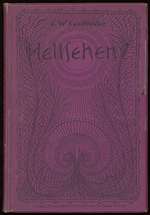
Hellsehen (Clairvoyance)
Leadbeater, Charles Webster, 1910
All Books
Browse Full Catalog→74 books in this collection
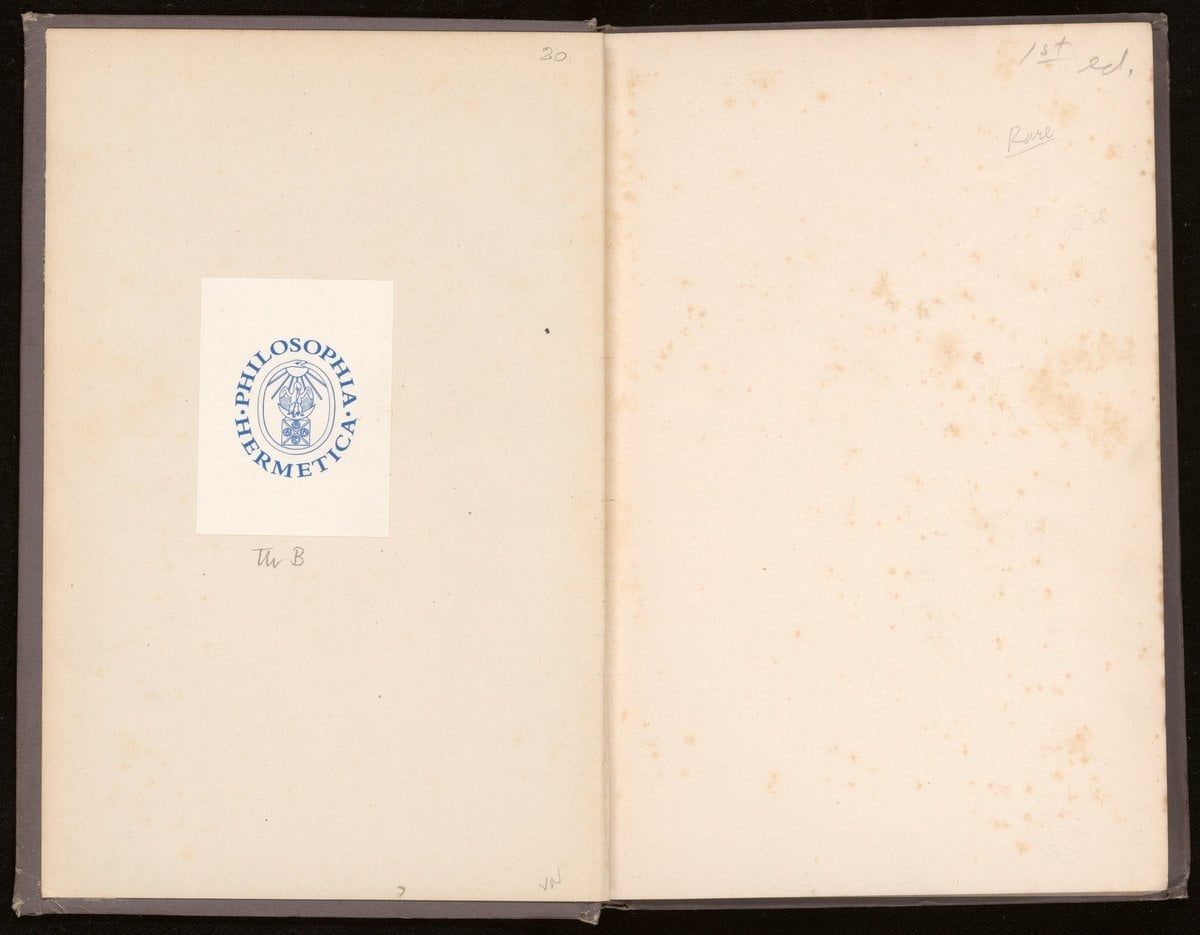
From the caves and jungles of Hindostan
Blavatsky, H.P.
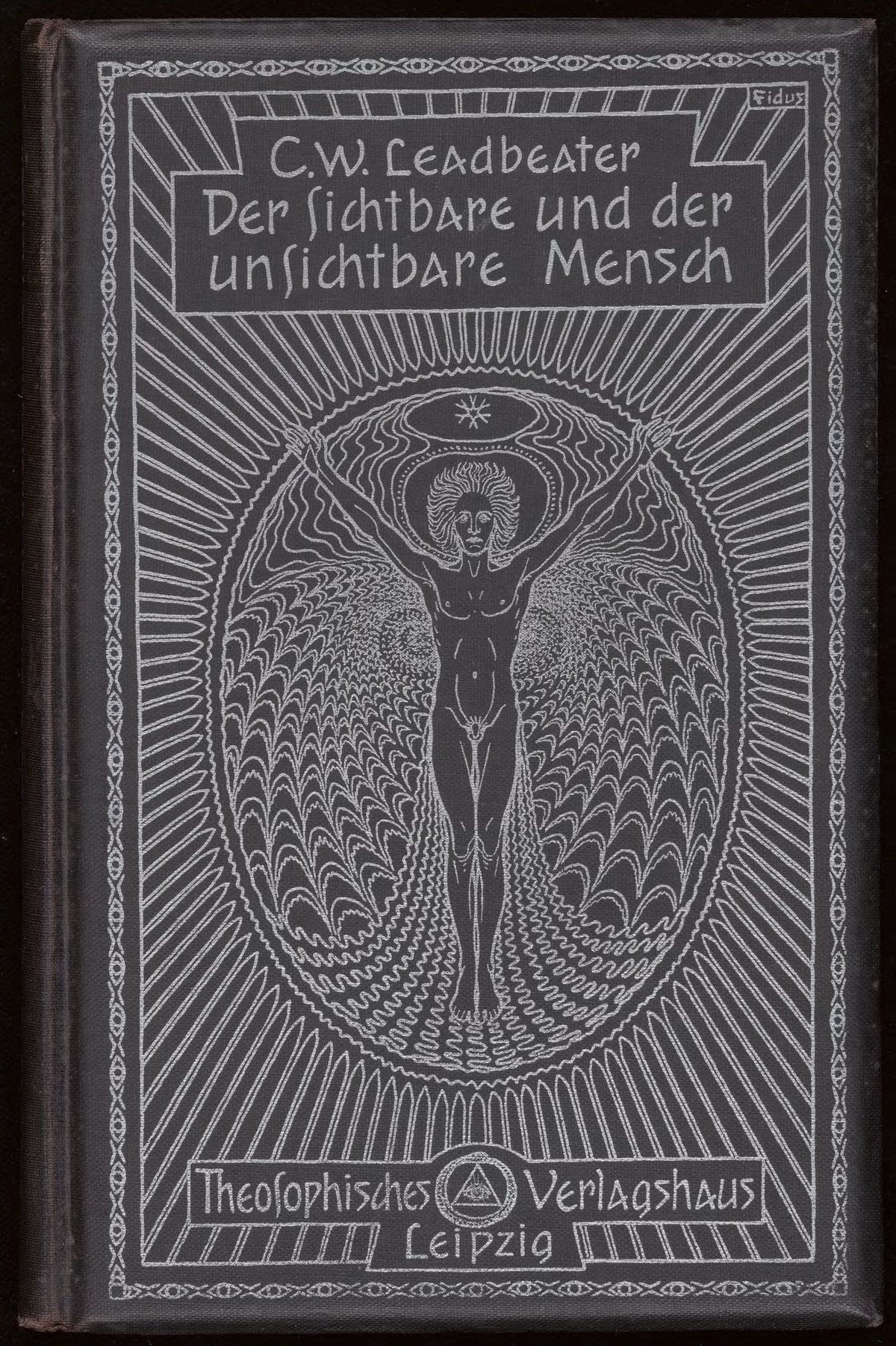
Der sichtbare und der unsichtbare Mensch. Darstellung verschiedener Menschentypen, wie der geschulte Hellseher sie wahrnimmt
Leadbeater, Charles Webster
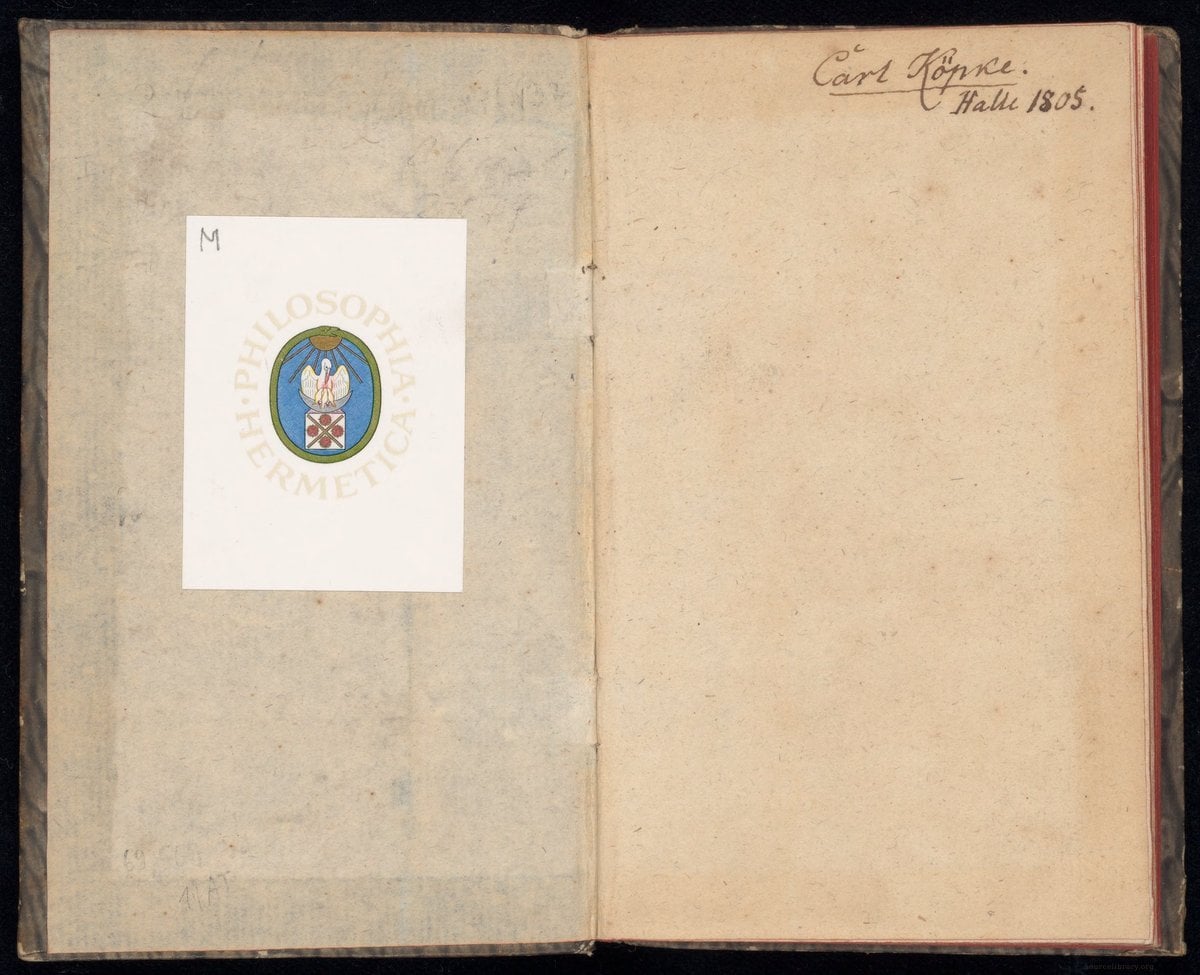
Die uralte Weisheit. Eine kurzgefasste Darstellung der Lehren der Theosophie
Besant, Annie
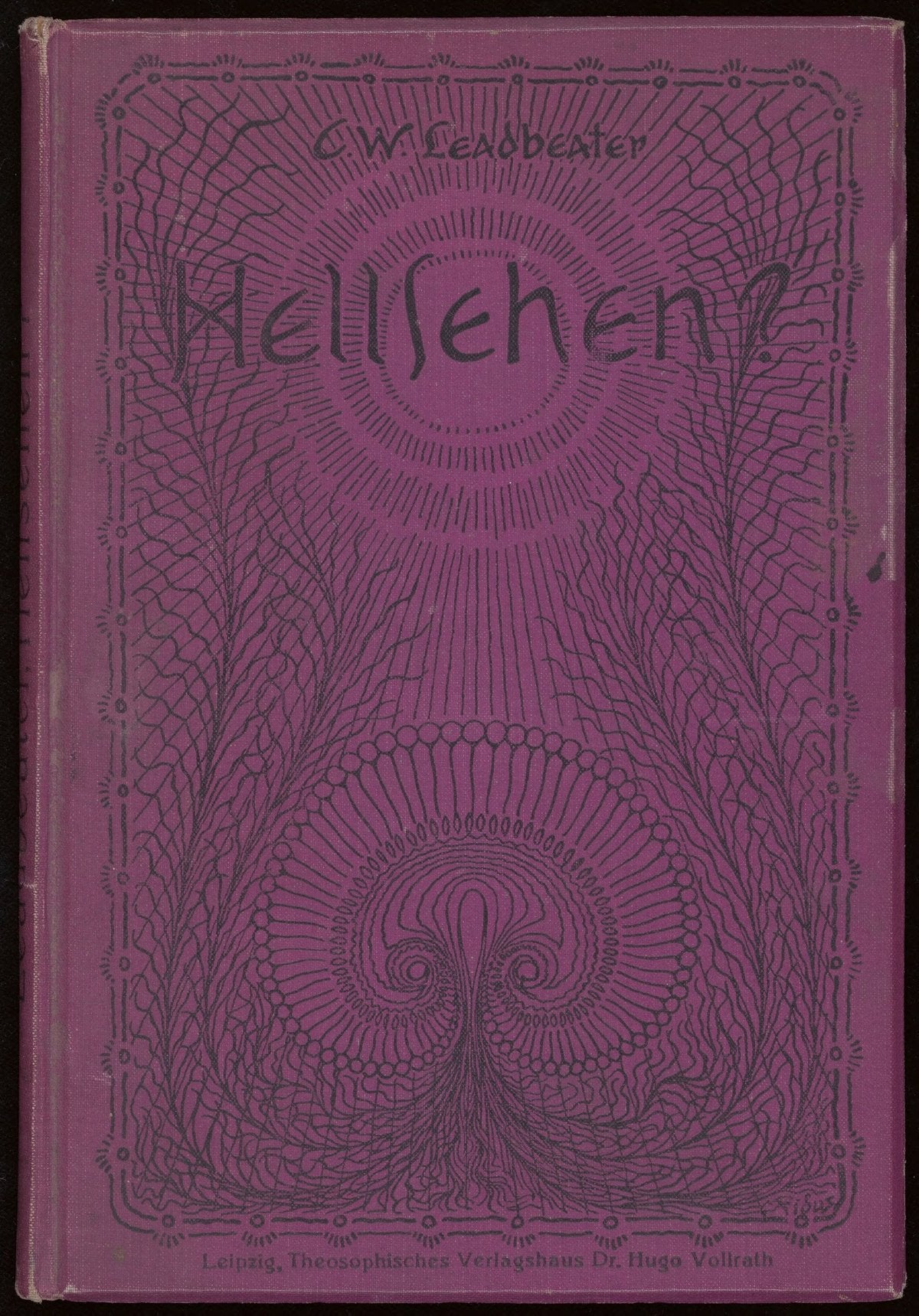
Hellsehen (Clairvoyance)
Leadbeater, Charles Webster
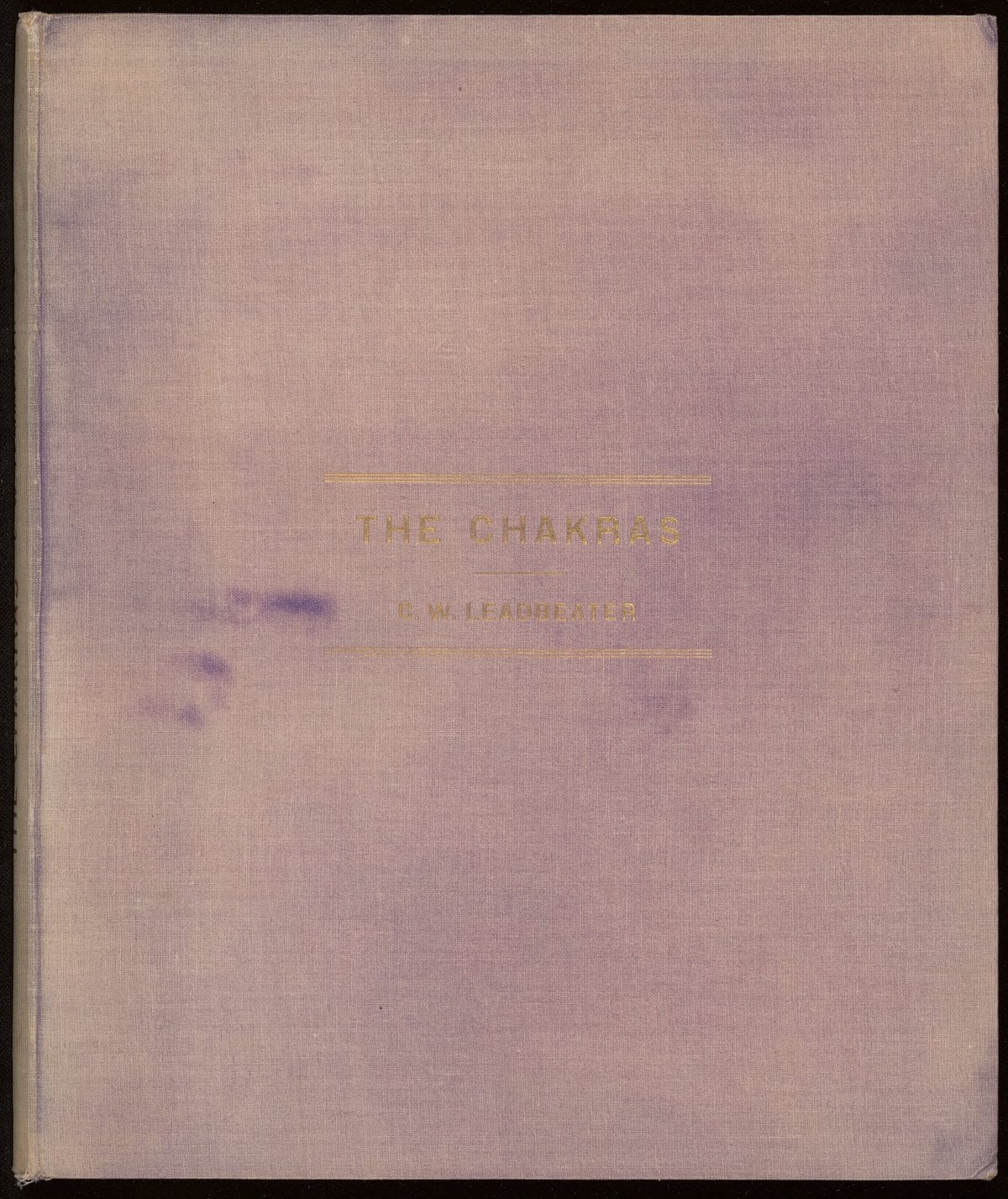
The chakras. A monograph
Leadbeater, Charles Webster
The stanzas of Dzyan (From The Secret Doctrine)
Unknown
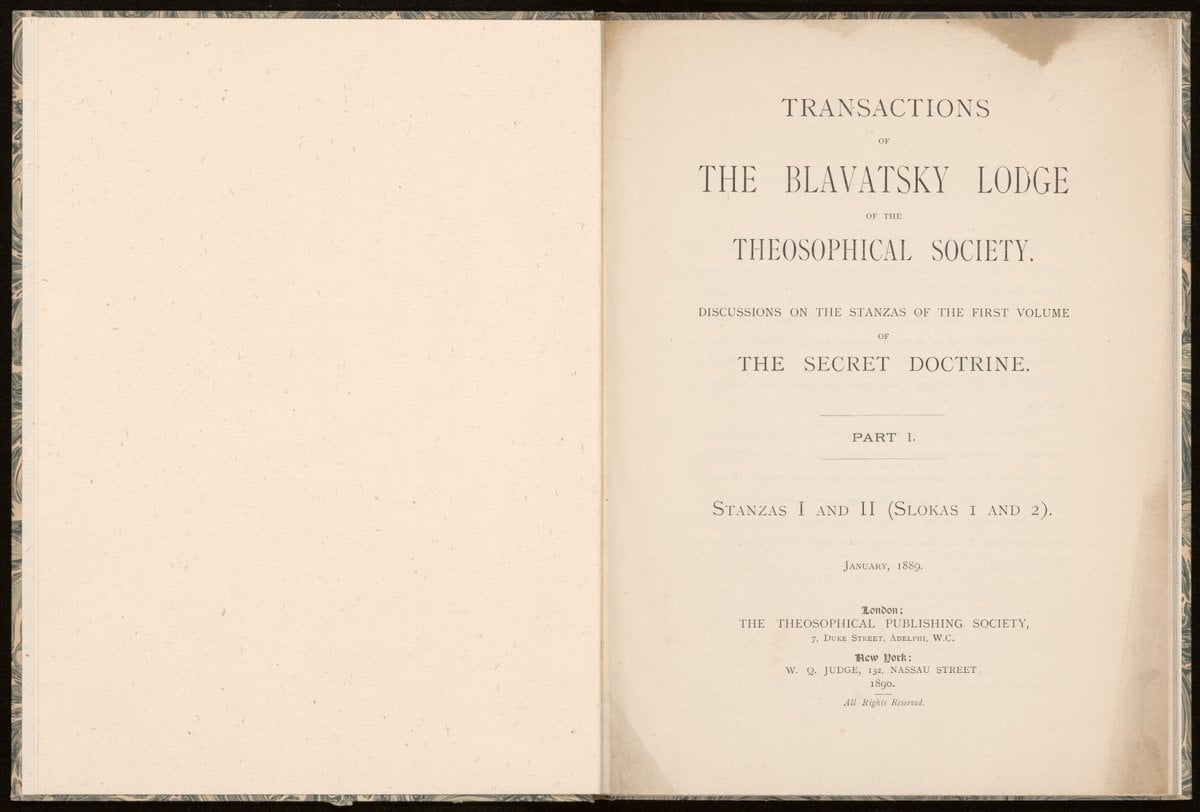
Transactions of the Blavatsky Lodge of the Theosophical Society. Discussions on the stanzas of the first volume of The secret doctrine
Unknown