Illustrations
Browse all332 images extracted

This detailed engraving depicts the German Christian mystic and theologian Jacob Böhme (1575–1624). Set within an oval frame, the portrait captures Böhme in simple attire, reflecting his humble origins as a shoemaker before his spiritual revelations. The inscription below provides a poetic reflection on his work, emphasizing the inner spiritual journey and the 'center of nature' as described in his influential writings.

This woodcut depicts the Swiss physician and alchemist Paracelsus (Theophrastus von Hohenheim) at the age of 45. The portrait is accompanied by his famous motto, 'Alterius non sit, qui suus esse potest' (Let no man belong to another who can belong to himself), reflecting his fiercely independent spirit and revolutionary approach to medicine and science during the Renaissance.

This intricate memorial engraving commemorates the German mystic Jacob Böhme (1575–1624). It features a central cartouche with biographical details surrounded by three medallions representing the stages of spiritual life through the mottos 'Vidi' (I saw), 'Vici' (I conquered), and 'Veni' (I came), culminating in a radiant cross bearing the Hebrew name of God.

This intricate publisher's device for J.W. Bouton features a personification of learning alongside symbols of stability and growth. The seated figure with a book and the anchor entwined with a sea monster represent the firm's commitment to scholarly pursuits and enduring quality, marking the establishment of the business in 1857.

This detailed engraving depicts a seventeenth-century sickroom scene, illustrating the medical practices of the era. A physician, seen from behind, consults with attendants and family members at the bedside of an ailing man, surrounded by the tools of his trade. This image serves as a key illustration for Robert Fludd's treatise on the 'mystery of all diseases,' reflecting the intersection of clinical observation and mystical philosophy in early modern medicine.

This iconic engraving from Robert Fludd's 'Utriusque Cosmi Historia' presents a visual summary of the universe as a 'Mirror of Nature.' At the top, the hand of God holds a chain linked to the female personification of Nature, who in turn guides a monkey representing human Art or ingenuity. The surrounding concentric circles detail the hierarchy of existence, from the terrestrial elements and biological kingdoms to the celestial spheres of the planets and fixed stars.

This hand-colored woodcut depicts the Roman goddess Juno, identified by her crown and central position, flanked by two figures in a symbolic landscape. The inclusion of the sun, moon, and stars suggests her celestial domain, while the surrounding architecture grounds the scene in a contemporary Renaissance setting. This illustration is characteristic of early printed mythographies that sought to visualize classical deities for a vernacular audience.

This profound engraving illustrates the divine command 'FIAT' (Let there be) as the catalyst for the creation of the universe. From Robert Fludd's monumental work on the macrocosm and microcosm, the image depicts the emergence of light and spirit from the primordial darkness, symbolized by the radiant ring and the descending dove of the Holy Spirit.

This intricate diagram presents the 'Seven Seals' as interpreted by Rudolf Steiner, drawing on apocalyptic imagery from the Book of Revelation. Each seal represents a stage of cosmic and human evolution, featuring complex symbolism such as the Lamb of God, the seven trumpets, and the angel with the book. This work illustrates the intersection of traditional Christian mysticism and early 20th-century Western esotericism.
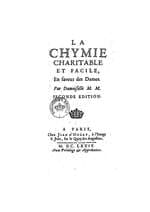
For centuries, the pursuit of hidden knowledge was a path fraught with peril, particularly for women who dared to claim direct communion with the divine or explore the secrets of the natural world. This collection, Women of the Secret Tradition, honors the scholars, visionaries, and alchemists who navigated the treacherous waters between heresy and revelation. From the quiet cells of medieval anchorites to the bustling salons of the 19th-century occult revival, these texts represent a persistent undercurrent of female intellectual and spiritual authority. The stakes were often life or death; while Marguerite Porete was condemned for the radical theology in The mirror of simple souls, later figures like Marie Meurdrac sought to democratize hermetic knowledge through practical application in Easy and Charitable Chemistry for Ladies in 1666.
The collection traces the evolution of this secret wisdom through the ecstatic visions of the Middle Ages and the quietist movements of the Reformation. In Das fliessende Licht der Gottheit (The Flowing Light of the Godhead), Mechthild of Magdeburg recorded her intimate dialogues with the divine, a tradition echoed in the Visions of Sister Hadewijch and the profound optimism of Sixteen revelations of divine love by Julian of Norwich. As the centuries progressed, this interior light began to inform complex philosophical systems. The 17th century saw Jane Lead offer a 1st and 2nd Message to the Philadelphian Society and explore the cosmic symbolism of The Tree of Faith, or The Tree of Life, while Madame Guyon faced imprisonment for the ideas found in her Collection of Various Treatises on Mystical Theology in 1699.
By the late 1800s, this tradition of hidden knowledge shifted toward a grand synthesis of global spirituality and ancient science, spearheaded by Helena Petrovna Blavatsky. Her foundational works, including Isis Unveiled: A Master-Key to the Mysteries of Ancient and Modern Science and Theology and The Secret Doctrine Vol. I, sought to unify the fractured paths of human understanding. Whether through the ascetic discipline of The way of perfection by Teresa of Ávila or the dense esoteric architecture of Secret Doctrine Vol. II, the women in this archive shared a common conviction: that the ultimate truths of the universe are accessible to those brave enough to look behind the veil. These texts serve as a testament to the enduring power of the female voice in the history of the Western esoteric tradition.
Essential Reading
The foundational texts of this tradition

The mirror of simple souls
Marguerite Porete, 1927
This book is explicitly mentioned in the collection's essay as a radical theological work by a woman who was persecuted and burned at the stake for her beliefs.
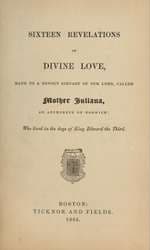
Sixteen revelations of divine love
Julian of Norwich, 1864
This is a foundational text by Julian of Norwich, explicitly mentioned in the collection's essay as a key work of ecstatic vision and profound optimism.

The Flowing Light of the Godhead
Mechthild of Magdeburg, 1869
This is the central work by Mechthild of Magdeburg, explicitly mentioned in the collection's essay as a key text of ecstatic visions and intimate divine dialogue.
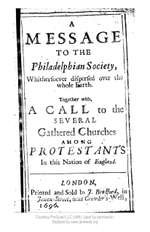
1st and 2nd Message to the Philadelphian Society
Jane Lead, 1696
This work by Jane Lead is explicitly mentioned in the collection's essay as a key text from a figure exploring cosmic and spiritual systems within the Philadelphian Society.
Collection of Various Treatises on Mystical Theology
Madame Guyon (Jeanne-Marie Bouvier de La Motte), 1699First Translation
This collection represents the mystical theology of Madame Guyon, a key figure in the quietist movement mentioned in the collection's description.
Important Works
Significant texts that deepen understanding
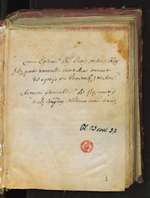
Trotula, Rules of Medicine for Women (13th-century copy)
Trota of Salerno, 1295
This work by Trota of Salerno represents a significant contribution by a woman to specialized medical knowledge, aligning with the collection's theme of female intellectual authority.

Comfortable words for Christ's lovers: being the visions and voices vouchsafed to Lady Julian
Julian of Norwich, 1901
This edition of Julian of Norwich's visions further exemplifies her significant contributions to medieval mystical literature and direct communion with the divine.
Revelations of Divine Love
Julian of Norwich, 1907
This edition of Julian of Norwich's central work reinforces her role as a pivotal figure in the tradition of female ecstatic visions and divine love.
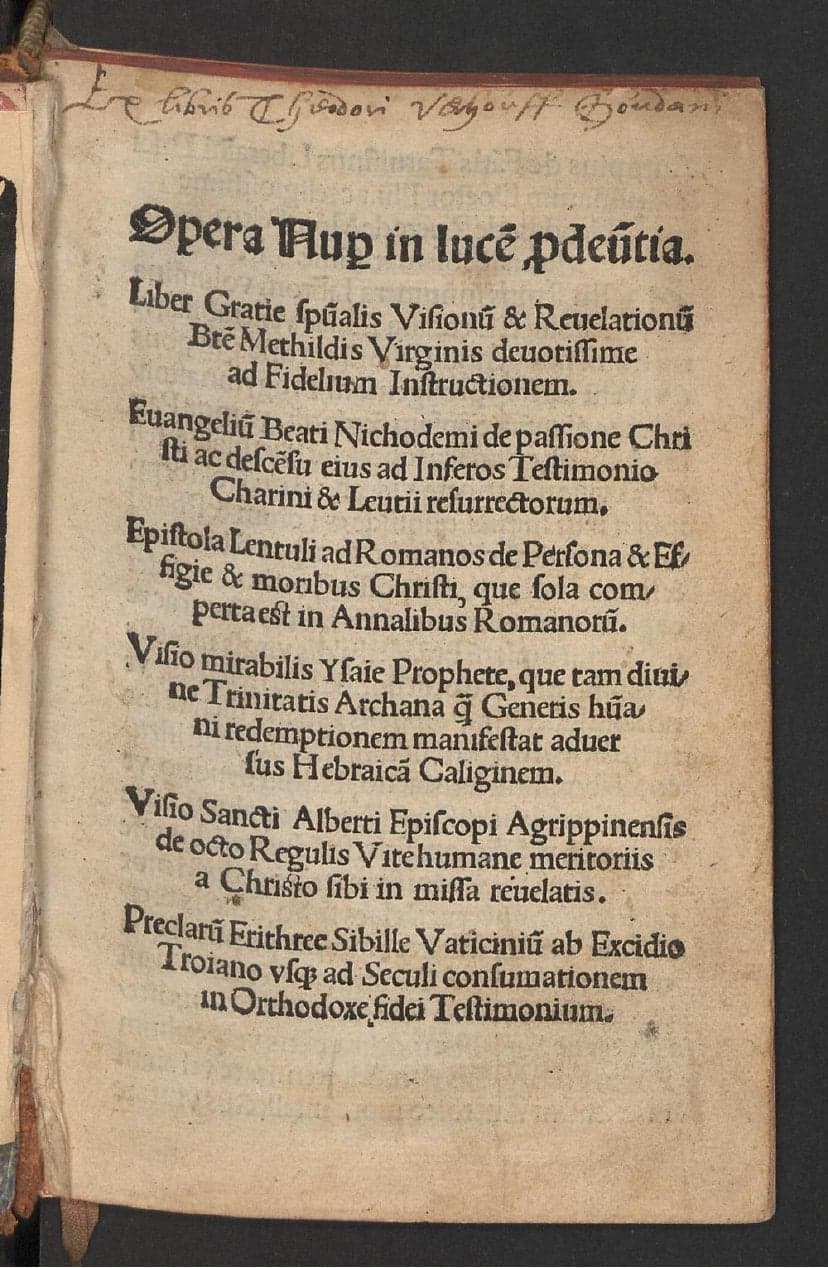
Opera nuper in lucem prodeuntia
Mechthild, 1522
This collection of Mechthild of Magdeburg's works further exemplifies her significant contributions to medieval mystical literature and intimate dialogues with the divine.
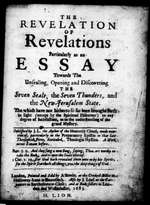
The Revelation of Revelations
Jane Lead, 1683
This prophetic work by Jane Lead offers her unique interpretations of divine revelation, a core aspect of female spiritual authority in the collection.
A Fountain of Gardens, Vol. 3
Jane Lead, 1699
This volume from Jane Lead's multi-part 'A Fountain of Gardens' series is a significant contribution to her extensive mystical and visionary writings.
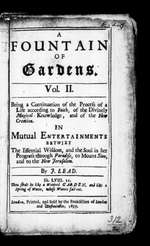
A Fountain of Gardens, Vol. 2
Jane Lead, 1697
This volume from Jane Lead's multi-part 'A Fountain of Gardens' series is a significant contribution to her extensive mystical and visionary writings.
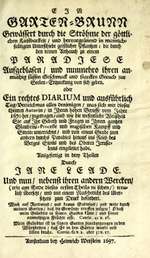
Ein Garten-Brunn (German Fountain of Gardens)
Jane Lead, 1700
This German translation of Jane Lead's 'A Fountain of Gardens' demonstrates the international reach and importance of her mystical works.
A Fountain of Gardens, Vol. 1
Jane Lead, 1696
This volume from Jane Lead's multi-part 'A Fountain of Gardens' series is a significant contribution to her extensive mystical and visionary writings.
All Books
Browse Full Catalog→134 books in this collection
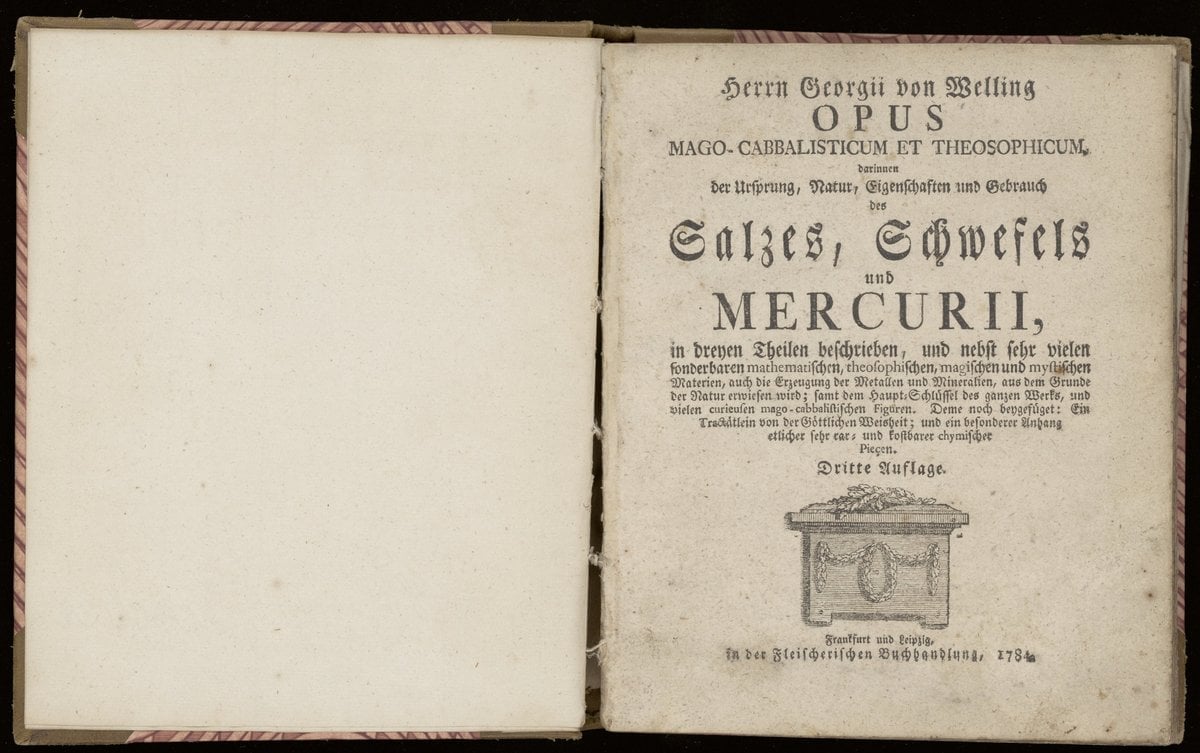
Magico-Cabbalistic and Theosophical Work
Welling, Georg von
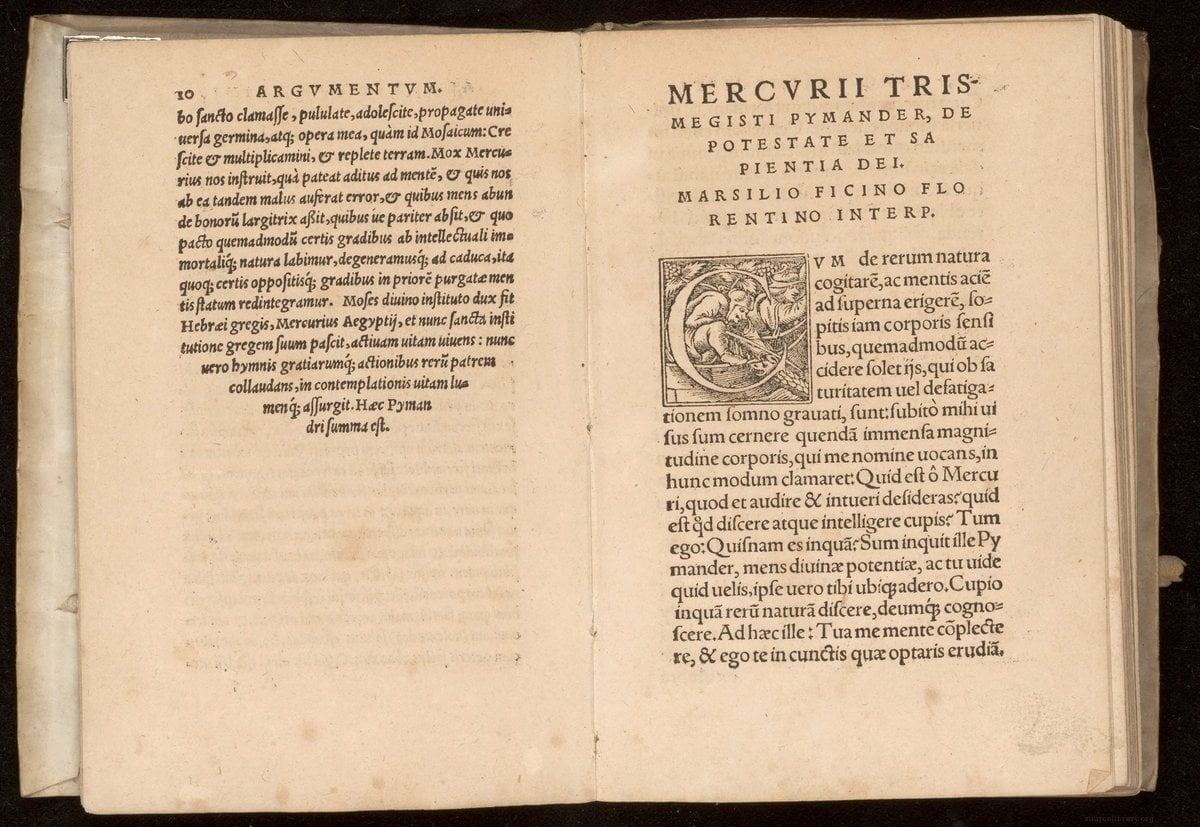
Pymander. Asclepius. On the Mysteries of the Egyptians. On Plato's Alcibiades, on the Soul and the Daemon. On Sacrifice.
Hermes Trismegistus|Jamblichus|Proclus
On the secrets of women. On the virtues of herbs, stones, and animals. On the wonders of the world. On falcons, goshawks, and hawks.
Albertus Magnus

Atalanta Fleeing
Maier, Michael
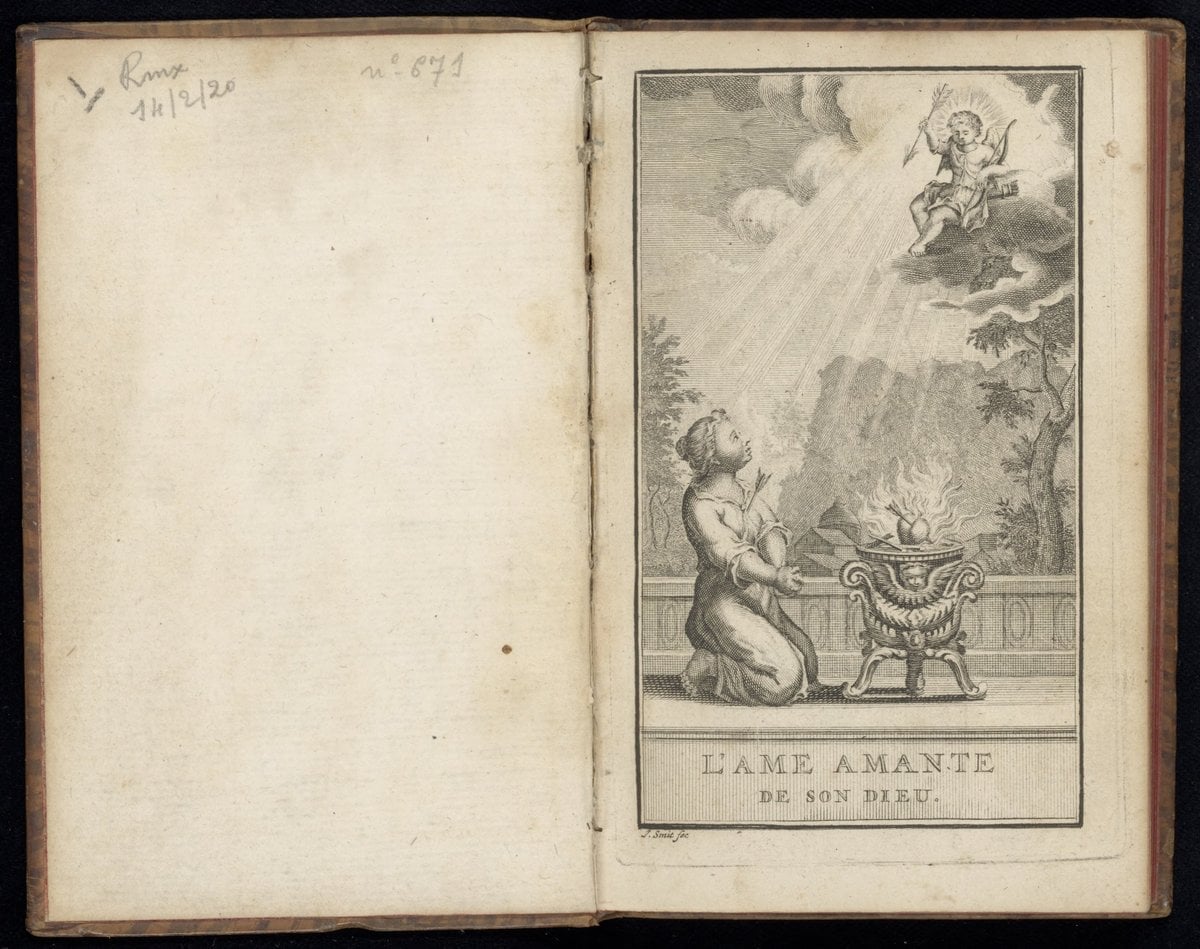
The Soul in Love with her God
Guyon, Jeanne-Marie
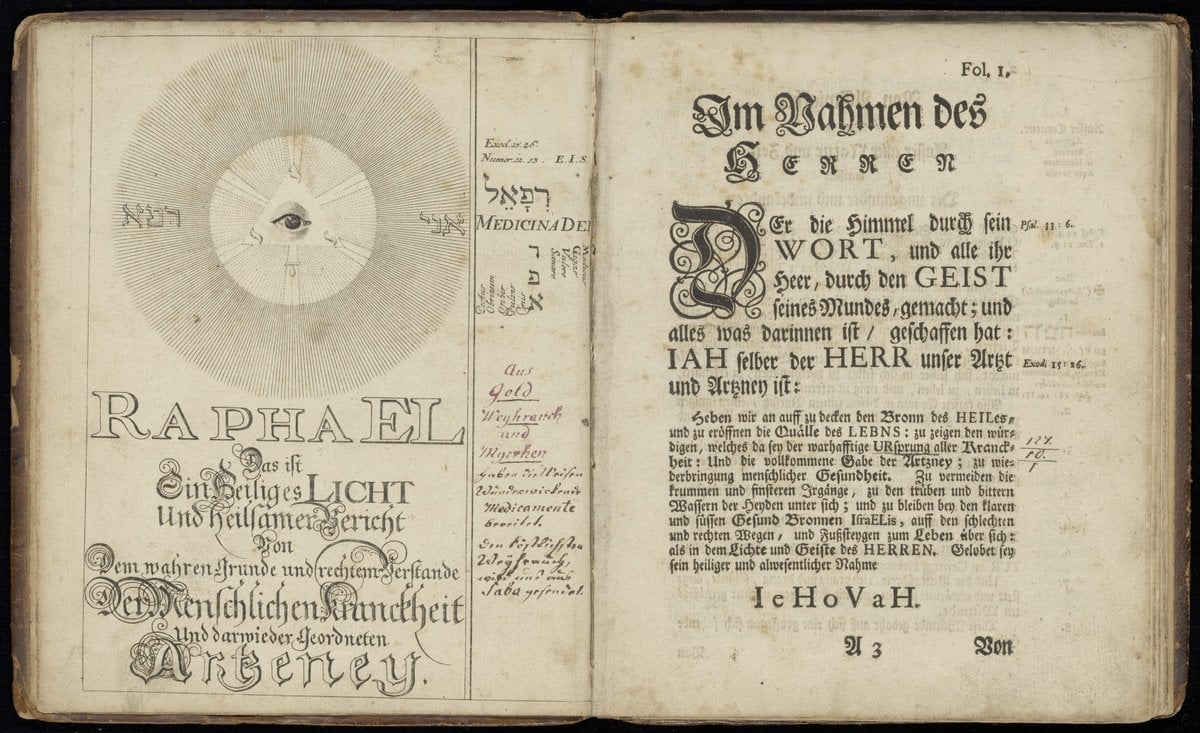
Raphael, or the Physician-Angel
Franckenberg, Abraham von
The Book of Meteors; Fourth Book of Paramirum on the Matrix
Paracelsus, Theophrastus
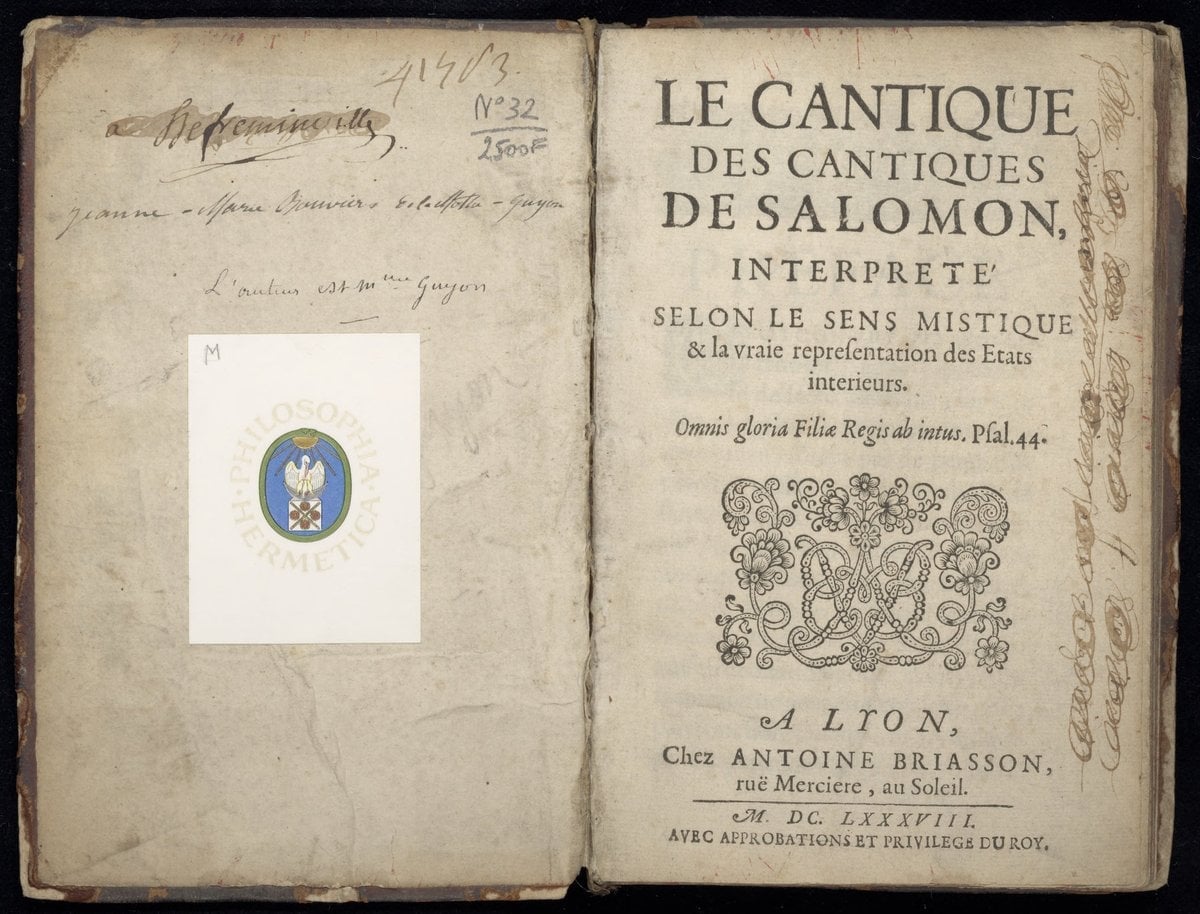
The Song of Solomon, Interpreted According to the Mystical Sense
attr. Guyon, Jeanne-Marie
Mytho-Hermetic Archive
Clavier Duplessis
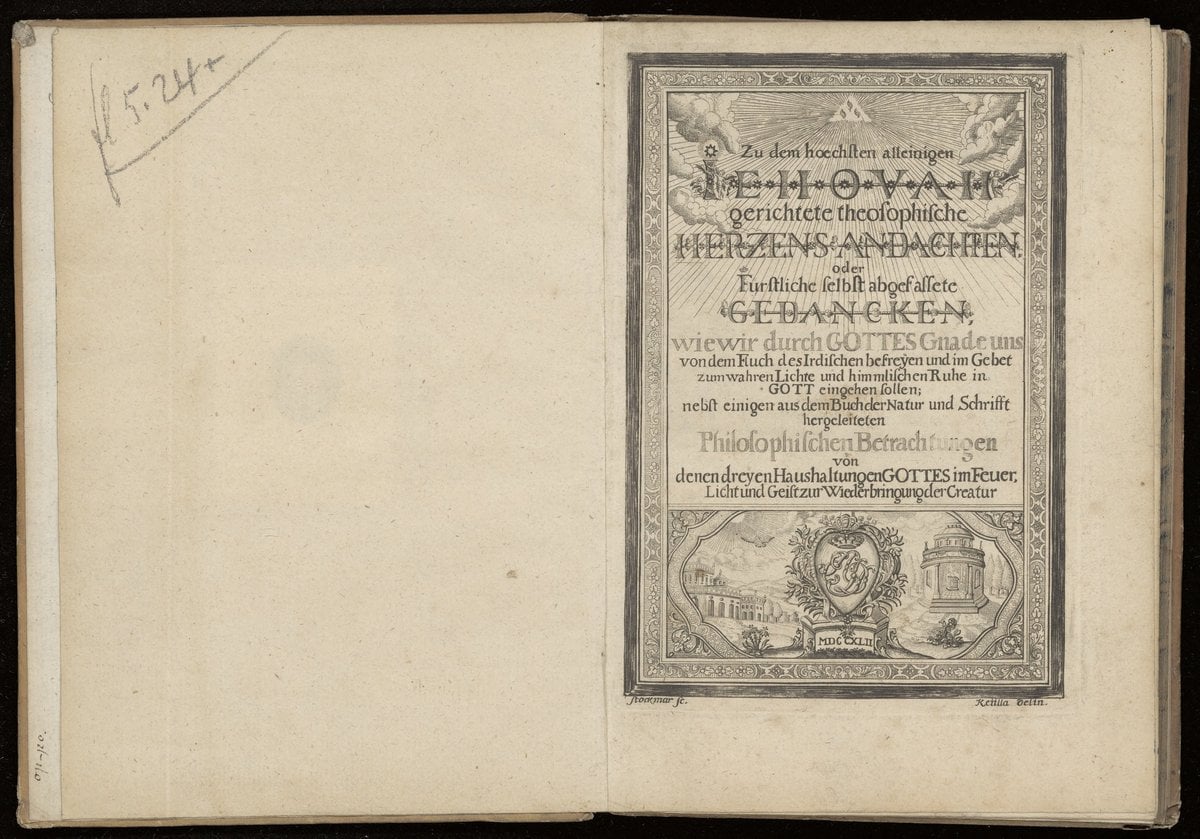
Theosophical Heart-Devotions Directed to the Highest Sole Jehovah
attr. Ernst August, Herzog von Sachsen Weimar
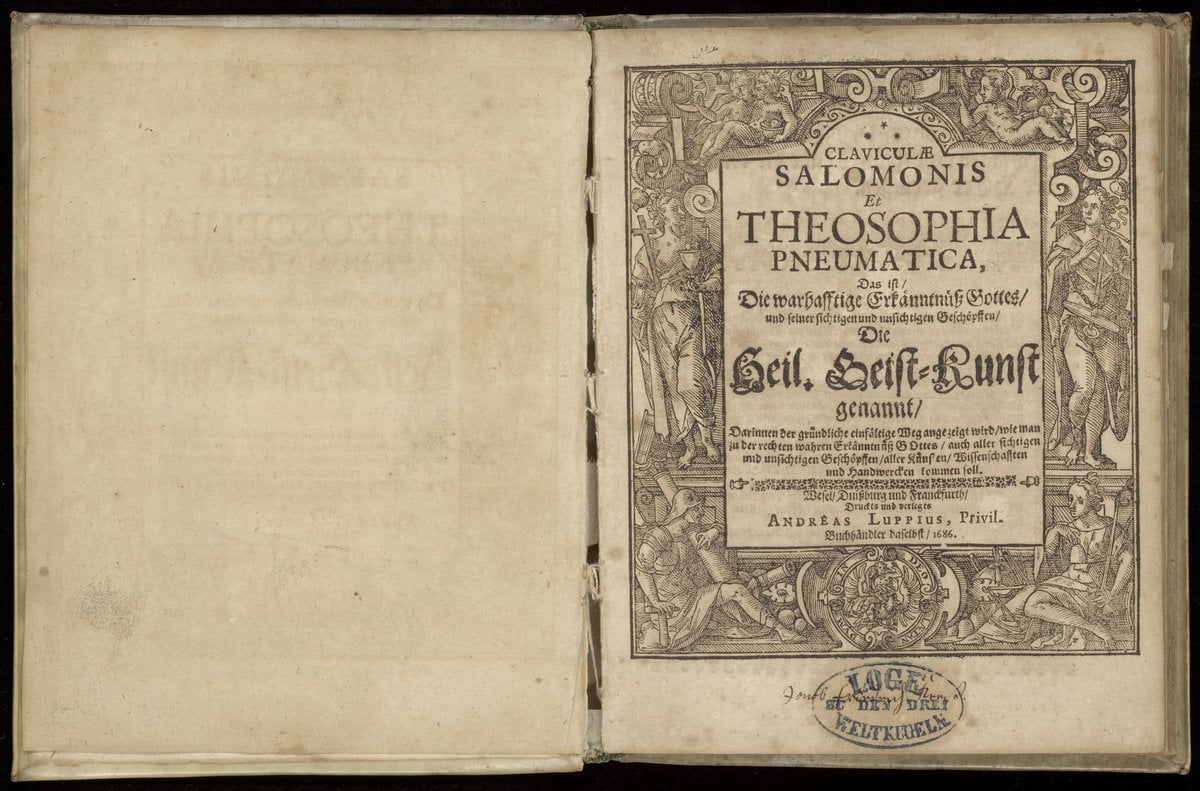
The Key of Solomon and Pneumatic Theosophy
Anonymous
The revelation of revelations
Lead, Jane
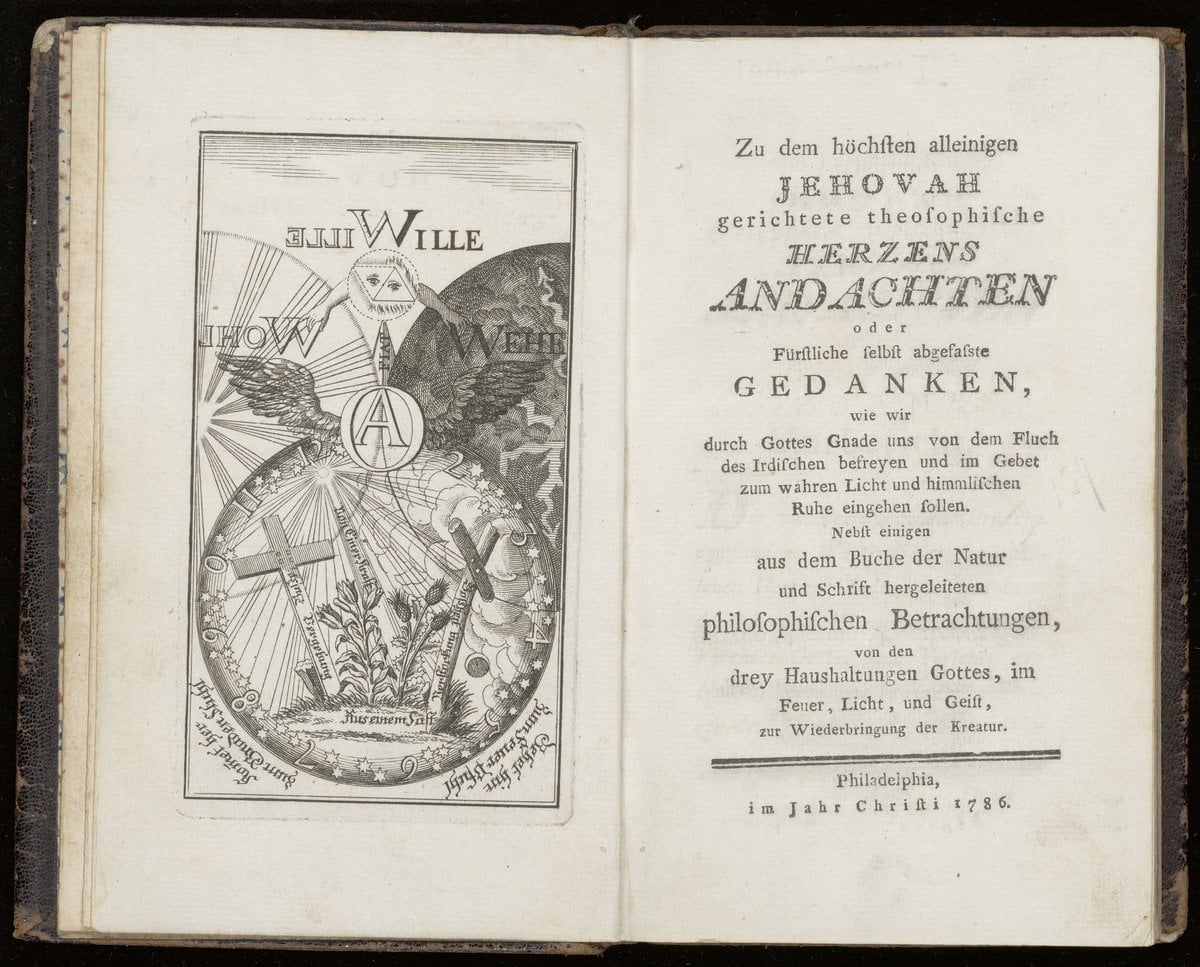
Theosophical Devotions of the Heart
attr. Ernst August, Herzog von Sachsen Weimar
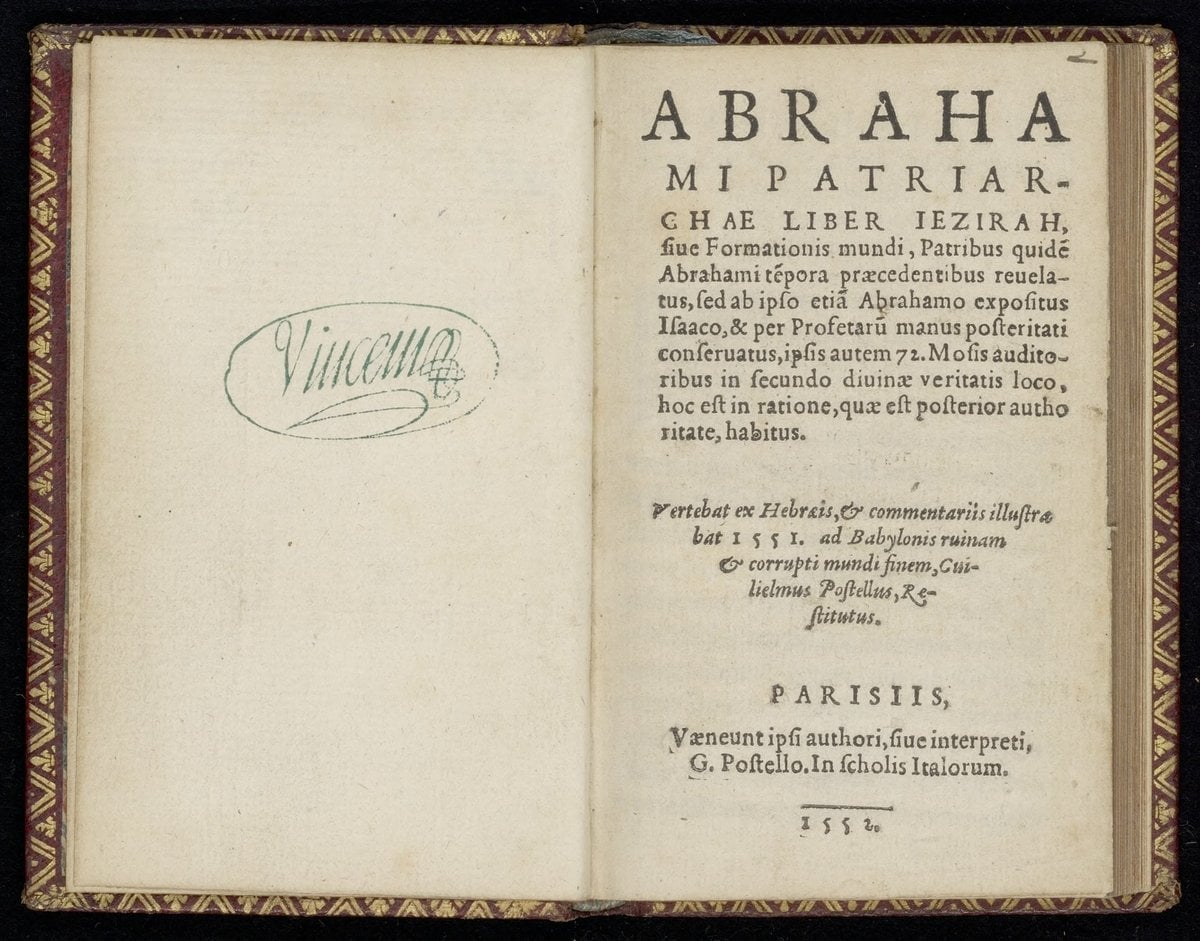
The Book of Formation of the Patriarch Abraham
Postel, Guillaume