


Illustrations
Browse all212 images extracted
This woodcut depicts a male figure inscribed within a square, illustrating the Renaissance concept of the human body as a perfectly proportioned microcosm. The figure is marked with a cross on the abdomen and surrounded by symbolic elements, including an eye above and a serpent to the left, suggesting a deeper alchemical or philosophical meaning. This image reflects the early modern fascination with the intersection of geometry, divinity, and the human form as described in occult and anatomical treatises.
This woodcut from Albrecht Dürer's 'Four Books on Human Proportion' illustrates his rigorous, mathematical approach to depicting the human body. The page shows a female figure from both frontal and profile perspectives, overlaid with a complex system of measurements and labels that define ideal anatomical ratios. Published posthumously in 1528, this work represents the culmination of Dürer's lifelong quest to find a geometric basis for beauty and form.
This woodcut portrait depicts Gabriel de Collange, the French translator of Trithemius's 'Polygraphia,' at the age of 37. He is shown surrounded by the tools of his trade—mathematical instruments and scrolls with moralizing Latin mottos—emphasizing the intellectual and scientific nature of his work on secret writing.
This intricate diagram illustrates the concept of the 'Microcosm,' representing the human being as a reflection of the greater universe. The male figure is precisely positioned within a circle, square, and pentagram, with planetary symbols placed at key points to demonstrate the perceived harmonic correspondences between the human body, geometry, and the celestial spheres. Such imagery was central to Renaissance and early modern philosophical and alchemical thought.
This woodcut depicts the human figure as a microcosm, a central theme in Renaissance occult philosophy. Standing on a cube (representing the material world) and enclosed within a circle (representing the celestial realm), the figure holds pentagrams, symbolizing the harmony between the human form and the divine order of the universe. This illustration is famously associated with Heinrich Cornelius Agrippa's influential work on occult philosophy, illustrating how the human body reflects the proportions of the cosmos.
This engraving illustrates the concept of 'La Philosophie' through the lens of human proportion and sacred geometry. A male figure is depicted within a circle, his outstretched arms holding pentagrams, symbolizing the microcosm's relationship to the macrocosm. The accompanying French text discusses the 'square measure' of the human body, a theme common in Renaissance and early modern architectural and philosophical treatises that sought to find divine order in the human form.

This woodcut from Heinrich Cornelius Agrippa’s seminal work, 'De Occulta Philosophia', illustrates the concept of man as a microcosm. A male figure is depicted within a circle, standing upon a cube and holding pentagrams, symbolizing the divine proportions and the integration of the human form with the celestial and terrestrial realms. This image is a quintessential example of Renaissance occult thought, blending geometry, anatomy, and mysticism.

This woodcut depicts a male figure inscribed within a circle and a pentagram, illustrating the Renaissance concept of the human body as a microcosm of the universe. Astrological symbols are placed at the extremities and center, linking human anatomy to celestial influences and geometric perfection. This image is a quintessential example of early modern efforts to harmonize science, art, and occult philosophy.

This woodcut from Albrecht Dürer's seminal 1528 treatise on human proportion demonstrates his rigorous, mathematical approach to anatomical study. By presenting the female form in both frontal and profile views with precise measurement scales, Dürer sought to establish a scientific basis for artistic representation. This plate is a prime example of how Renaissance artists used empirical observation and geometry to understand the natural world.
Heinrich Cornelius Agrippa, Johannes Trithemius, Paracelsus, Albrecht Dürer — the network of Renaissance polymaths around the upper Rhine. Agrippa's De Occulta Philosophia synthesized the entire Western magical tradition. Trithemius invented steganography. Paracelsus reinvented medicine. This is their world.
Essential Reading
The foundational texts of this tradition
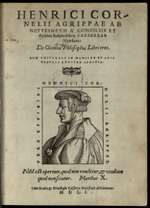
Three Books of Occult Philosophy
Heinrich Cornelius Agrippa, 1551
This complete edition of 'De Occulta Philosophia' is essential for understanding Agrippa's synthesis of the Western magical tradition.
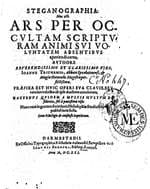
Steganography: The Art of Secret Writing
Johannes Trithemius, 1621
This is a foundational work by Trithemius, directly related to his invention of steganography, a key aspect of the collection's theme.
Polygraphy and the Seven Secondary Intelligences
Johannes Trithemius, 1600First Complete Translation
This foundational work by Trithemius explores polygraphy, a related field to steganography, further solidifying his contribution to cryptography.
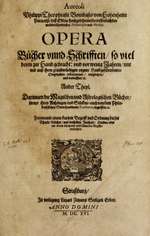
Paracelsus Opera (Huser Edition)
Paracelsus / Johannes Huser, 1589First Complete Translation
The Huser Edition is a critical and comprehensive collection of Paracelsus's works, vital for studying his medical and alchemical theories.
Paracelsus — On the Transmutation of Metals
Paracelsus, 1562
This work by Paracelsus is foundational for understanding his alchemical theories, which were integral to his revolutionary approach to medicine.
Important Works
Significant texts that deepen understanding
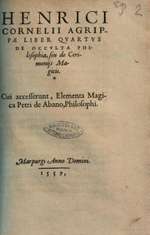
Magical Elements (Heptameron) and Agrippa's Fourth Book
Pietro d'Abano; Agrippa, 1559
This work, though pseudo-Agrippa, was widely circulated under his name and significantly influenced the perception of his magical philosophy.
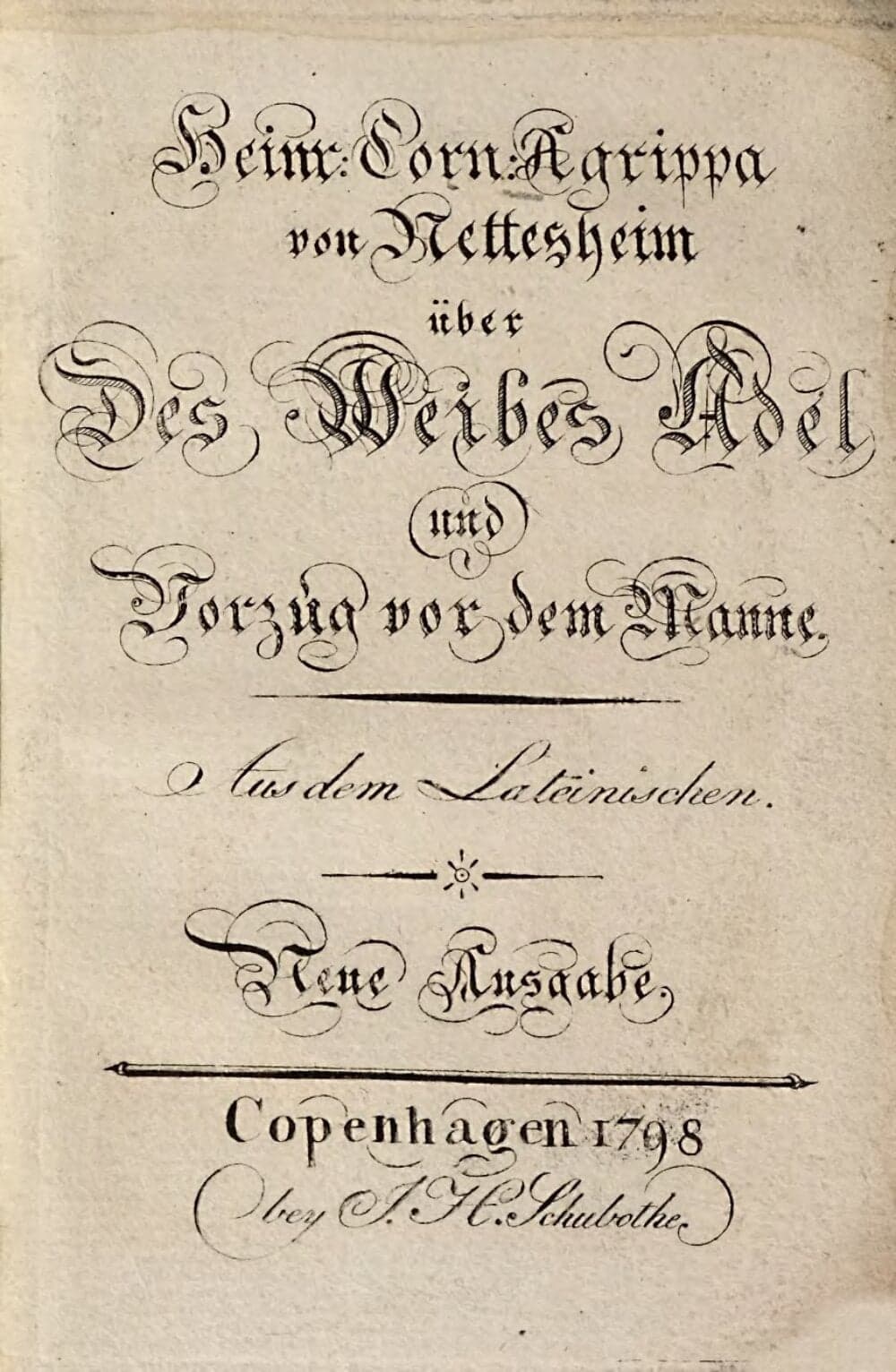
Heinr. Corn. Agrippa von Nettesheim über Des Weibes Adel und Vorzug vor dem Manne
Agrippa von Nettesheim, Heinrich Cornelius, 1798First from German
This work demonstrates Agrippa's intellectual range beyond occult philosophy, engaging with social and philosophical topics of his time.
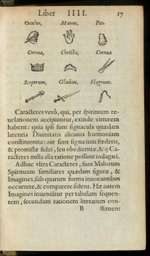
The Fourth Book of Occult Philosophy
Pseudo-Agrippa (Heinrich Cornelius Agrippa, attributed), 1559
Though pseudo-Agrippan, this work was widely attributed to him and became an integral part of the magical tradition associated with his name.
On the Nobility and Excellence of the Female Sex
Heinrich Cornelius Agrippa, 1529
This work demonstrates Agrippa's intellectual range beyond occult philosophy, engaging with social and philosophical topics of his time.
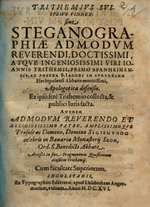
Trithemius His Own Defender: An Apologetic Defense of the Steganography of the Most Reverend Johannes Trithemius
Dullinger, Siegmund, 1616First Translation
This defense highlights the contemporary reception and controversies surrounding Trithemius's groundbreaking work on steganography.
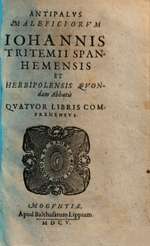
The Enemy of Witchcraft
Johannes Trithemius, 1508
This work by Trithemius, a critique of witchcraft, provides important context for the intellectual debates surrounding magic during the Renaissance.
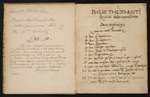
Paracelsus — On Occult Philosophy, 16th-Century German MS
Paracelsus, 1560
This work by Paracelsus directly addresses occult philosophy, a central theme of the collection and his own unique approach to medicine.
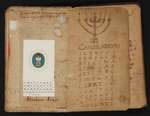
Three Faculties & Magical Invention — Suchten & Paracelsus, 16th C.
Alexander von Suchten; Paracelsus, 1570First Translation
This work, co-authored with Paracelsus, touches upon 'magical invention,' directly aligning with the collection's theme of magic and medicine.
Hermetical and Alchemical Writings of Paracelsus
Paracelsus; ed. A.E. Waite, 1894
This collection of Paracelsus's hermetical and alchemical writings is essential for understanding his unique approach to medicine and natural philosophy.
All Books
Browse Full Catalog→51 books in this collection
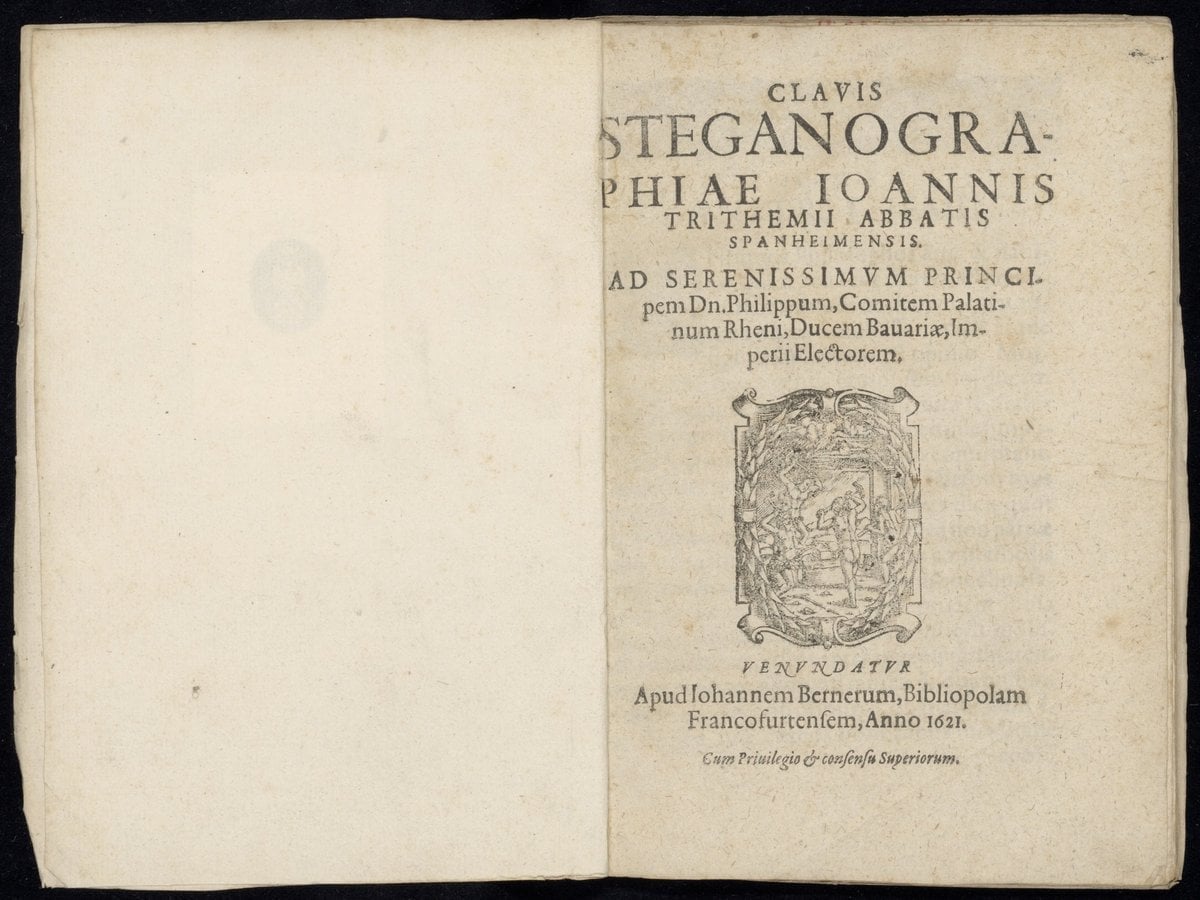
The Key to Steganography
Tritheim, Johann
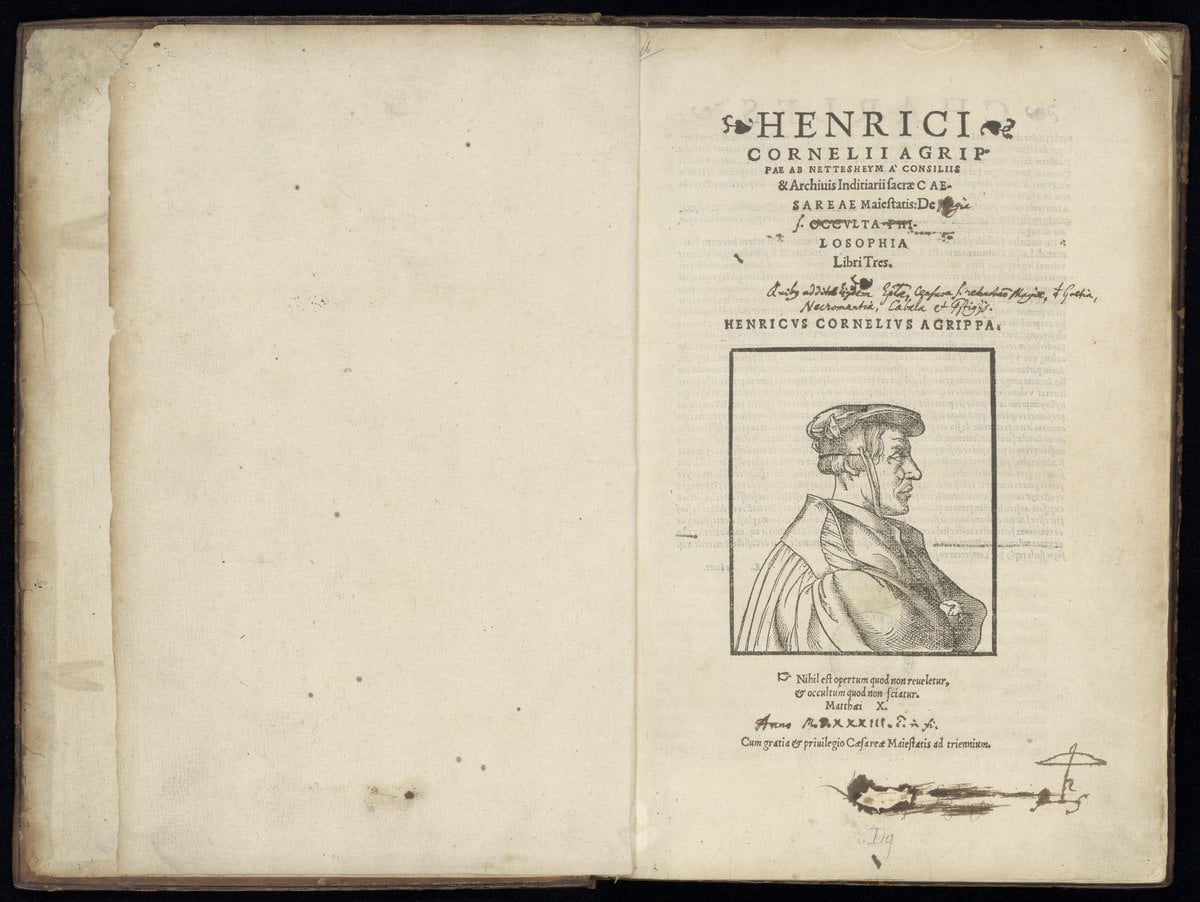
Three Books of Occult Philosophy
Agrippa, Henricus Cornelius
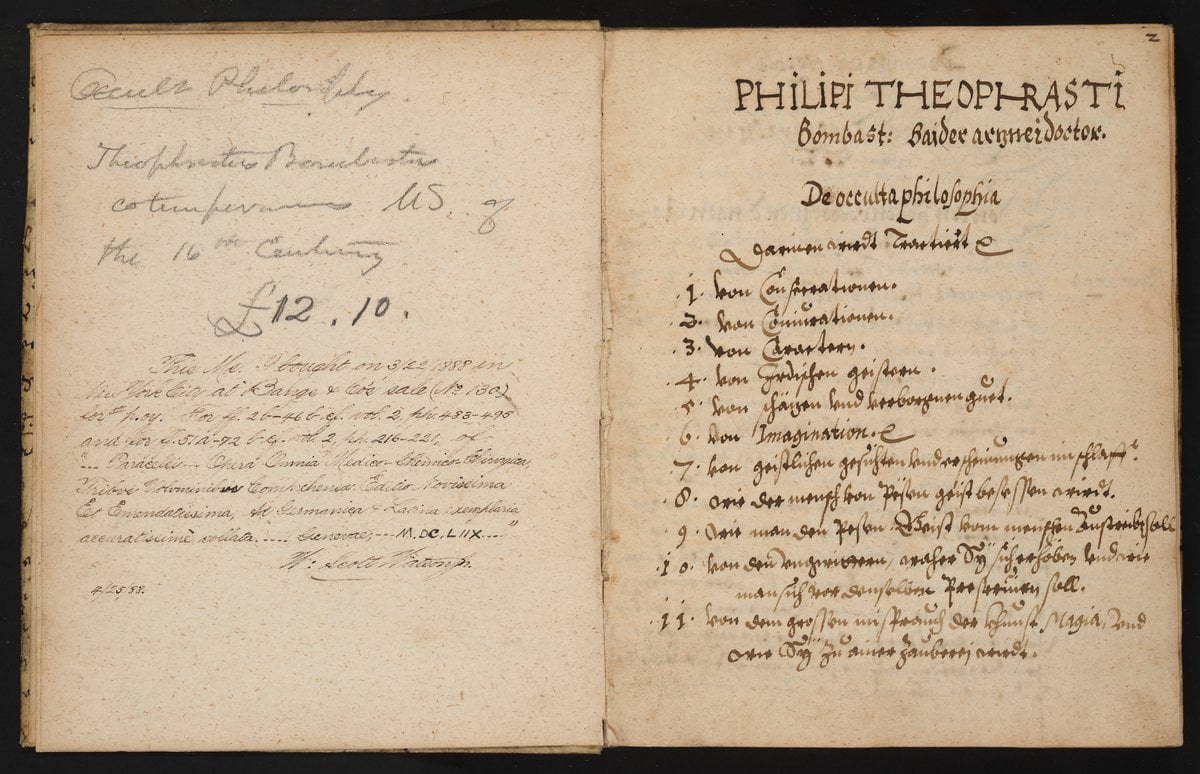
Paracelsus — On Occult Philosophy, 16th-Century German MS
Paracelsus
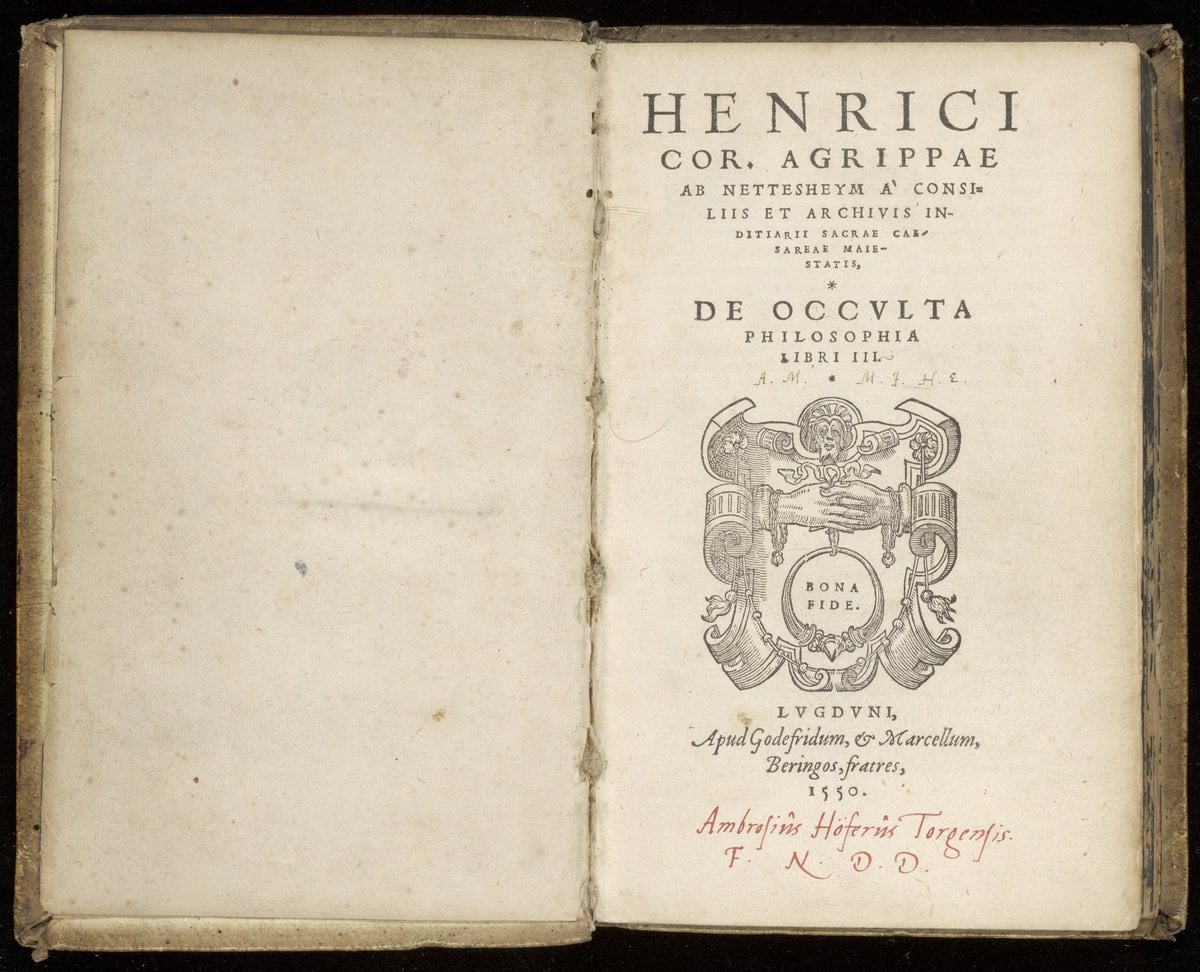
Three Books of Occult Philosophy
Agrippa, Henricus Cornelius
Trithemius — Steganography, post-1787 French Translation MS
Johannes Trithemius
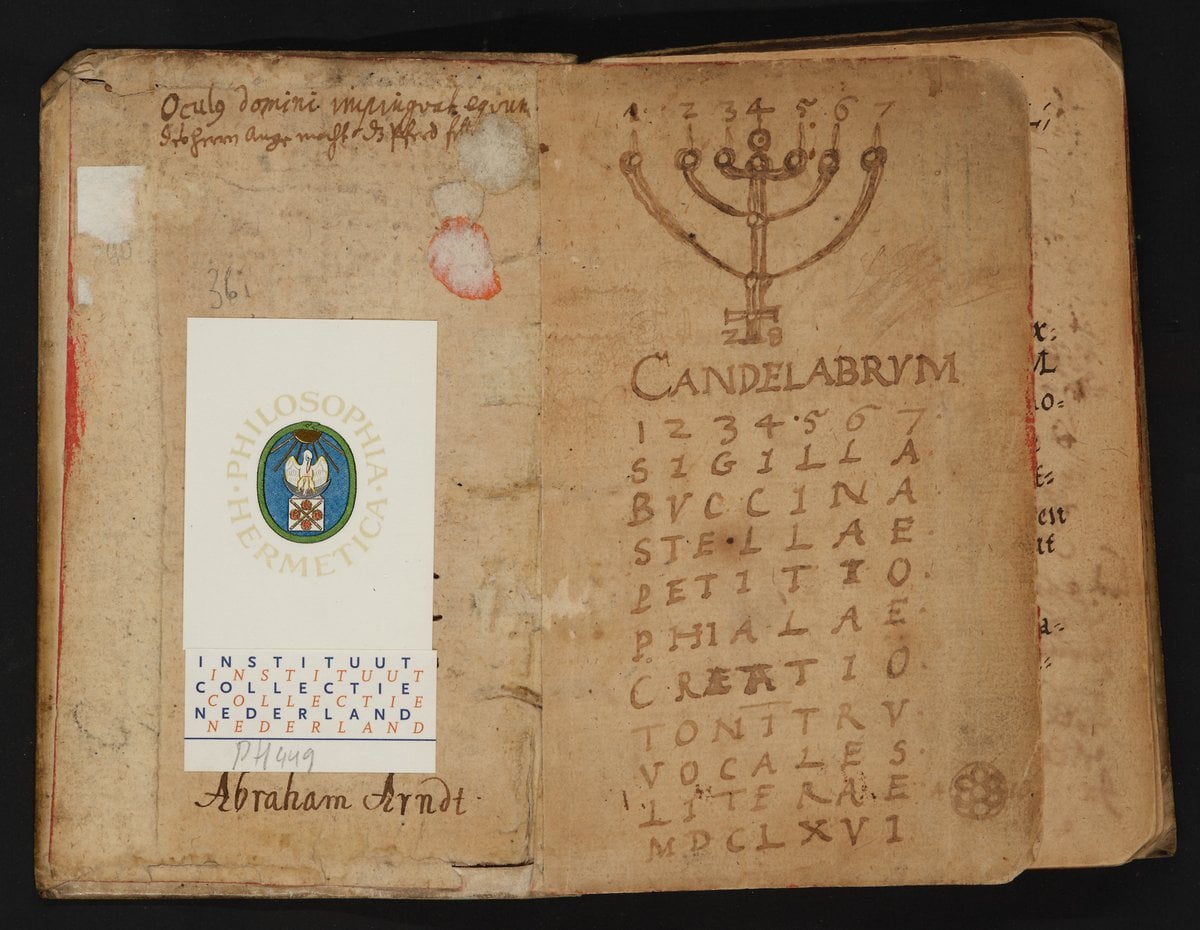
Three Faculties & Magical Invention — Suchten & Paracelsus, 16th C.
Alexander von Suchten; Paracelsus
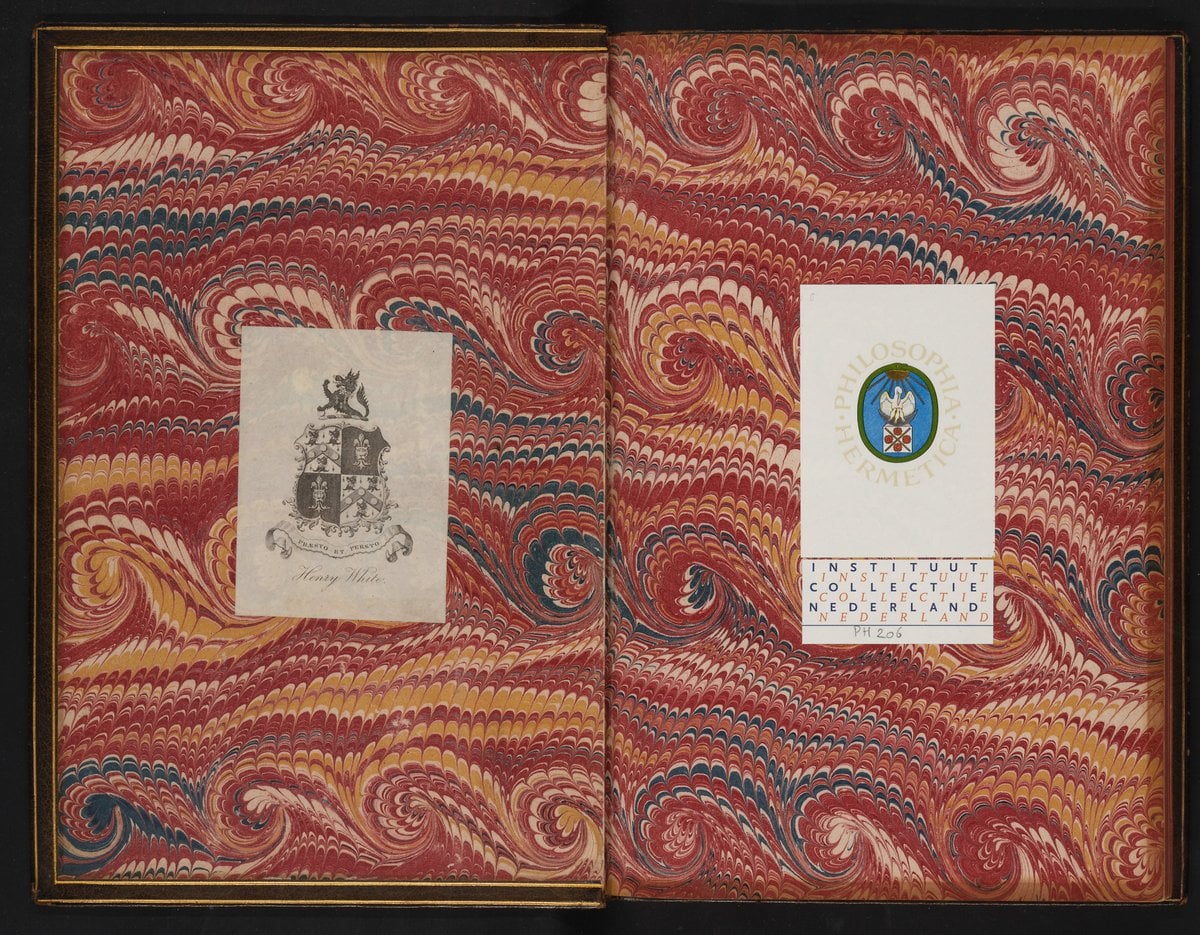
Trithemius — Book of Experiments, 17th-Century Latin MS
Johannes Trithemius
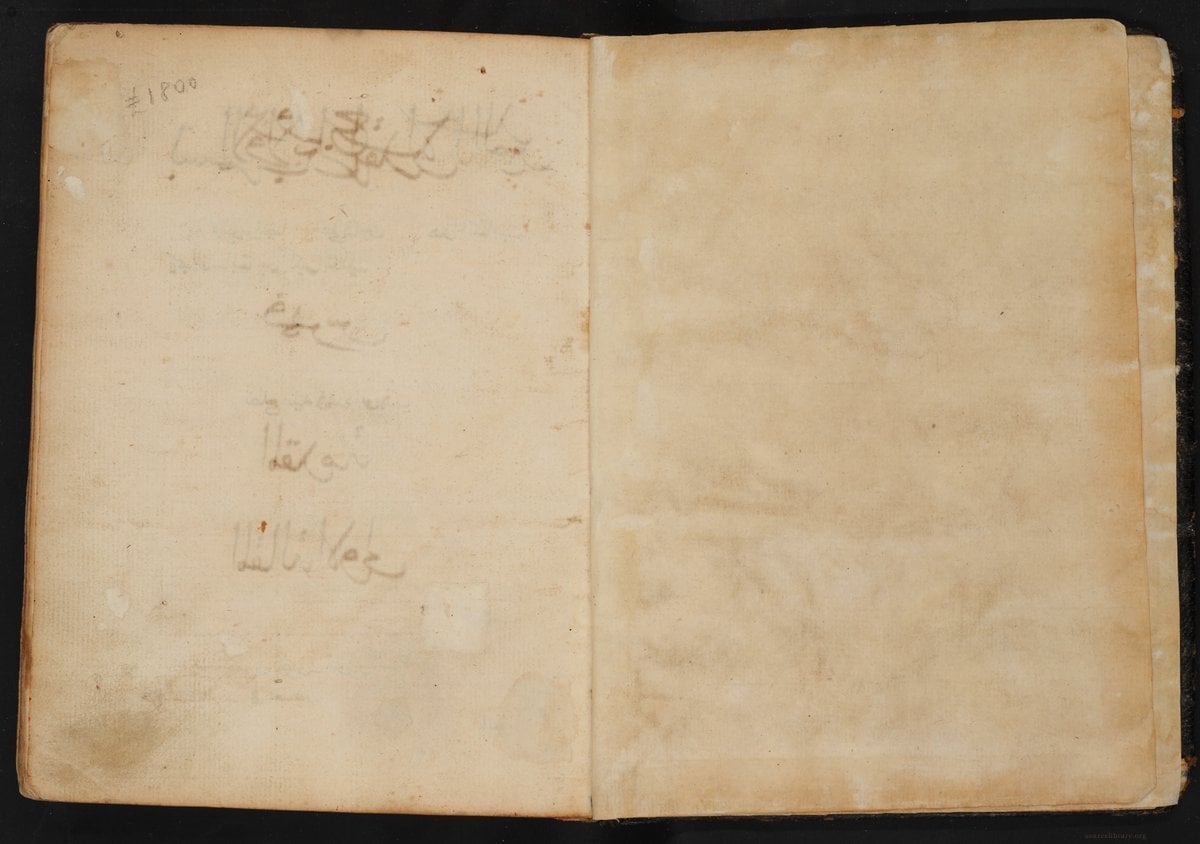
Paracelsus in Arabic — Kīmiyā al-Malakīyah (Royal Chemistry)
Paracelsus; Salih ibn Nasrallah ibn Sallum
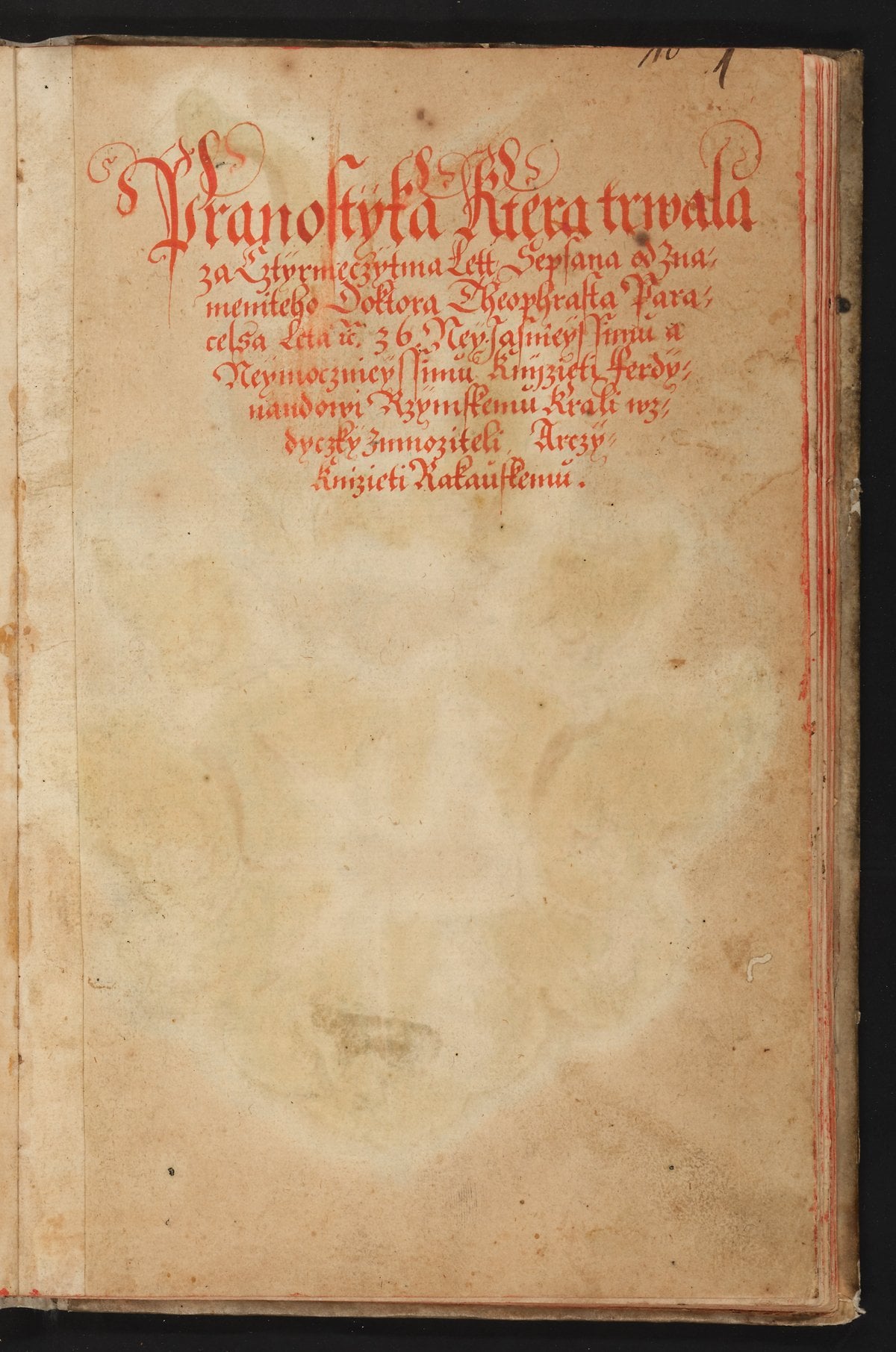
Paracelsus — Czech Prognostication for Ferdinand I, post-1536
Paracelsus
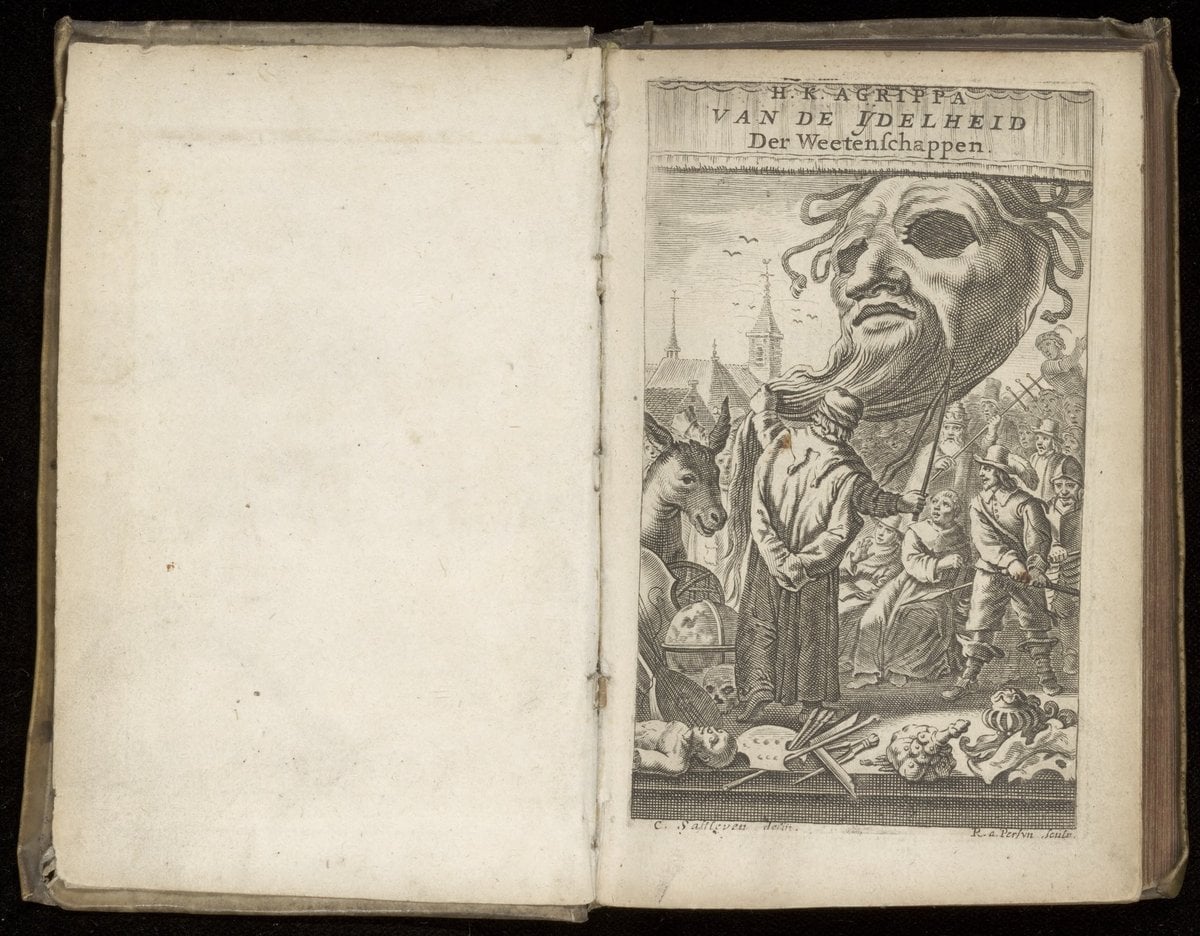
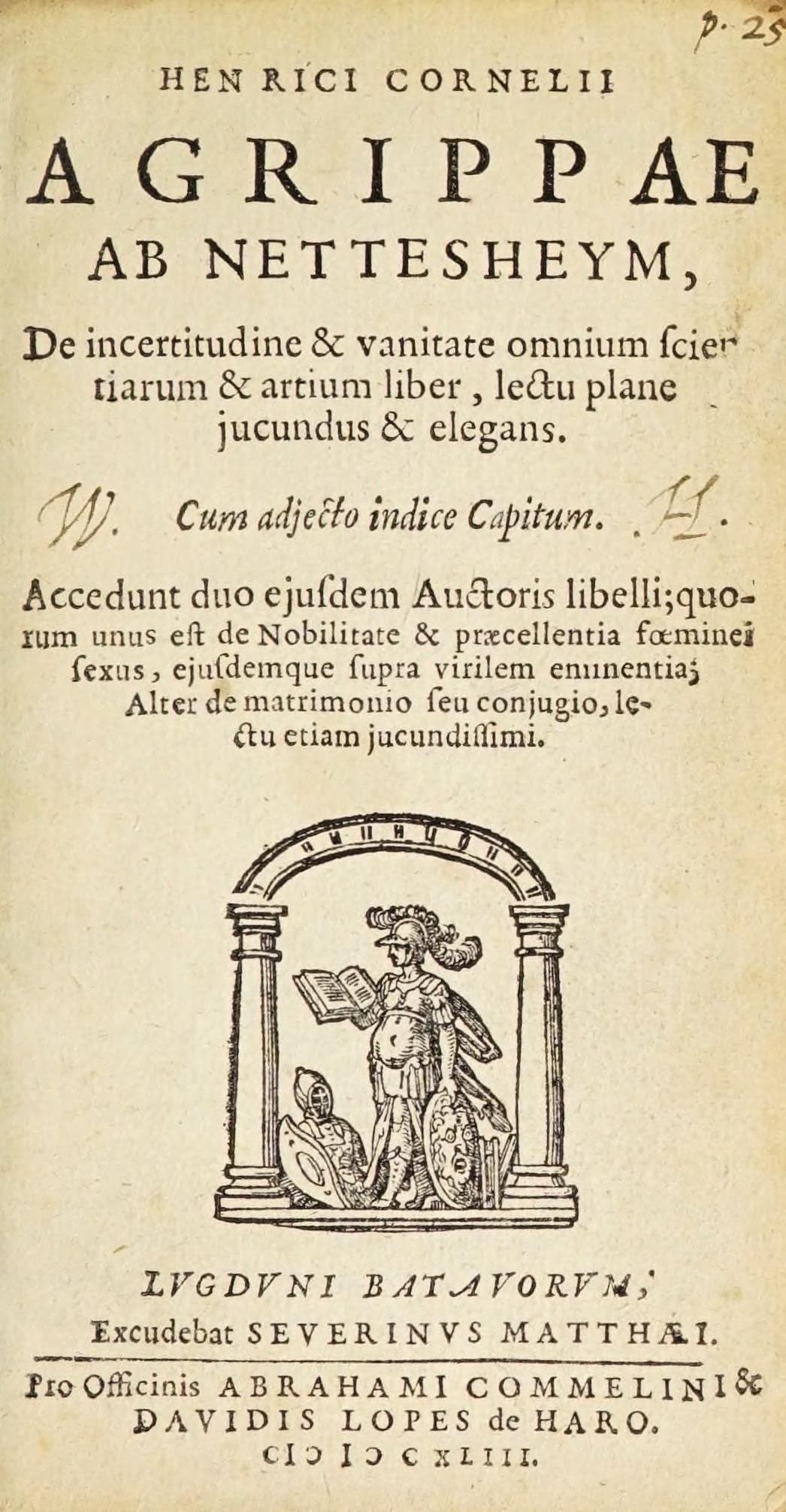
Of the Uncertainty and Vanity of the Sciences and Arts
Agrippa, Henricus Cornelius