


Ancient Egypt
Hieroglyphs, transliterations, and translations from the world's oldest literary tradition
Illustrations
Browse all29 images extracted
This page displays a 'pterygoma' or wing-shaped magical arrangement of Greek letters, a characteristic feature of ancient magical papyri. The diminishing lines of text were intended to focus or dissipate magical energy, serving as a visual component of a spoken or written incantation.
This vibrant illustration is a facsimile from the Papyrus of Ani, a version of the Egyptian Book of the Dead. It depicts the critical 'Weighing of the Heart' ceremony, where the deceased's heart is balanced against the feather of Maat (truth and justice) to determine their eligibility for the afterlife. The scene features the deceased and his wife entering the Hall of Judgment, overseen by a tribunal of gods and the jackal-headed Anubis at the scales.
This illustration depicts the 'Akephalos' or headless deity, a powerful figure frequently invoked in ancient magical rituals for protection, exorcism, or divination. The figure's body and the surrounding space are inscribed with magical names and symbols, demonstrating the essential role of visual diagrams in the performance of Greco-Egyptian magic.
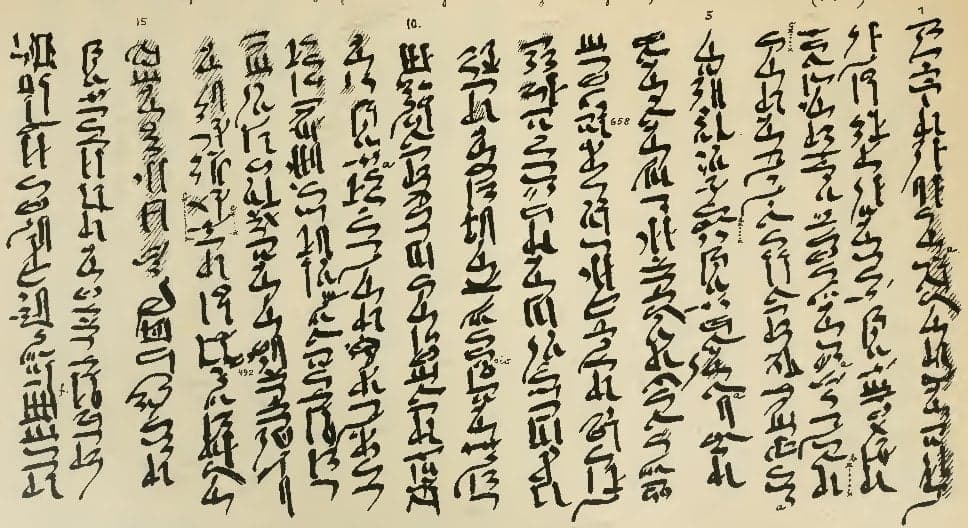
This plate displays a segment of the Papyrus of Ani, an exquisite example of the Egyptian Book of the Dead dating to approximately 1250 BCE. The columns of hieroglyphs shown here comprise a hymn to the sun-god Ra at his rising, intended to assist the scribe Ani in his journey through the Duat, or underworld. Such manuscripts were essential funerary equipment for the elite, providing the spells and knowledge necessary to achieve eternal life.
Visual Art
Browse all art →48 works of visual art in this collection
 papyrus
Amduat Papyrus of Henettawy, Daughter of Isetemkheb
Anonymous (Egyptian)
A section of the Amduat papyrus depicting scenes from the nocturnal journey of the sun god Ra through the underworld, including solar barks and numerous deities.
 object
Anubis Amulet
Anonymous (Egyptian)
A small, turquoise-colored faience amulet depicting the jackal-headed Egyptian god Anubis standing in a traditional frontal pose.
 object
Anubis Fetish (Imiut)
Anonymous (Egyptian)
This object is an Imiut fetish, a ritual device consisting of a cedar pole wrapped in linen bandages and set within a travertine basin containing solidified ointment.
 papyrus
Book of the Dead for the Chantress of Amun, Nauny
Anonymous (Egyptian)
The Weighing of the Heart scene from the Book of the Dead, depicting Nauny before Anubis and Osiris.
 papyrus
Book of the Dead of Khamhor
Anonymous (Egyptian)
A funerary papyrus scroll containing excerpts from the Book of the Dead, specifically inscribed in Hieratic script for the deceased individual Khamhor.
 papyrus
Book of the Dead of the Priest of Horus, Imhotep (Imuthes)
Anonymous (Egyptian)
A funerary papyrus scroll containing the Book of the Dead for the priest Imhotep, featuring hieroglyphic registers of spells and vignettes depicting afterlife judgments, solar barques, and deities.
 object
Canopic Chest of Khonsu
Anonymous (Egyptian)
A wooden canopic chest painted with images of the protective goddesses Isis and Nephthys, flanked by columns of hieroglyphic text.
 object
Canopic Jar with a Lid Depicting a Queen
Anonymous (Egyptian)
A funerary canopic jar carved from travertine, featuring a lid sculpted in the likeness of an Egyptian queen.
 object
Coffin and Corn Mummy with Osiris Mask
Anonymous (Egyptian)
This object is an Egyptian 'corn mummy' coffin, a funerary figure molded from grain, sand, and soil, shaped in the form of the god Osiris and featuring a falcon-headed mask.
 object
Coffin of Khnumnakht
Anonymous (Egyptian)
The rectangular wooden outer coffin of Khnumnakht, decorated with vertical bands of hieroglyphic funerary spells, the Wedjat eyes of Horus, and the goddess Maat.
 object
Coffin of Nesmin
Anonymous (Egyptian)
This is an anthropoid coffin belonging to a man named Nesmin, featuring a gilded face, a broad collar, and a vertical column of hieroglyphic text.
 object
Floral Collar from Tutankhamun's Embalming Cache
Anonymous (Egyptian)
A floral collar constructed from concentric rows of plant materials and faience beads, discovered in a cache near the tomb of Tutankhamun.
 object
Funerary Figure of Akhenaten
Anonymous (Egyptian)
A granite shabti funerary figurine depicting the pharaoh Akhenaten.
 papyrus
Funerary Papyrus of Nauny — Judgment Scene
Anonymous (Egyptian)
A line of deities, identified as the gods of the Ennead, standing in profile with hieroglyphic text above them.
 object
Germinating Osiris Brick
Anonymous (Egyptian)
A terracotta mold in the shape of the mummified god Osiris, intended for creating grain-filled 'Osiris beds' or 'corn mummies'.
The literature of ancient Egypt is among the oldest in the world. The Tale of Sinuhe, composed around 1875 BCE, is a masterpiece of narrative prose — the story of a courtier who flees Egypt after the assassination of Amenemhat I and builds a new life in Syria-Palestine before longing draws him home. The Admonitions of Ipuwer describes a world turned upside down: "the rich are in lamentation" while "the plunderer is everywhere." The Teaching of Ptahhotep, addressed from an aging vizier to his son, offers maxims on speech, humility, and conduct that remained influential for over a thousand years.
Source Library presents these texts in a way that has never existed before: the original hieroglyphic script (rendered in Unicode: 𓃀𓇋𓎡𓅄 𓂝𓐍𓆃 𓆑), Egyptological transliteration (bjk ꜥḫi̯ =f — "the falcon flew up"), and English translation — aligned side by side with photographs of the actual manuscripts. The transliterations come from the ORAEC corpus (Open Richly Annotated Egyptian Corpus), a peer-reviewed scholarly database maintained by the Berlin-Brandenburgische Akademie der Wissenschaften. The manuscript photographs are sourced from Wikimedia Commons, the British Museum, and the Bibliothèque nationale de France.
The collection also includes the great funerary literature: multiple editions of the Book of the Dead (including the celebrated Papyrus of Ani facsimile from 1894), the Demotic Magical Papyrus of London and Leiden, and the Greek Magical Papyri. For those beginning to explore Egyptian literature, start with Sinuhe for narrative, Ptahhotep for wisdom literature, and the Westcar Papyrus for wonder tales told at the court of Khufu.
Essential Reading
The foundational texts of this tradition
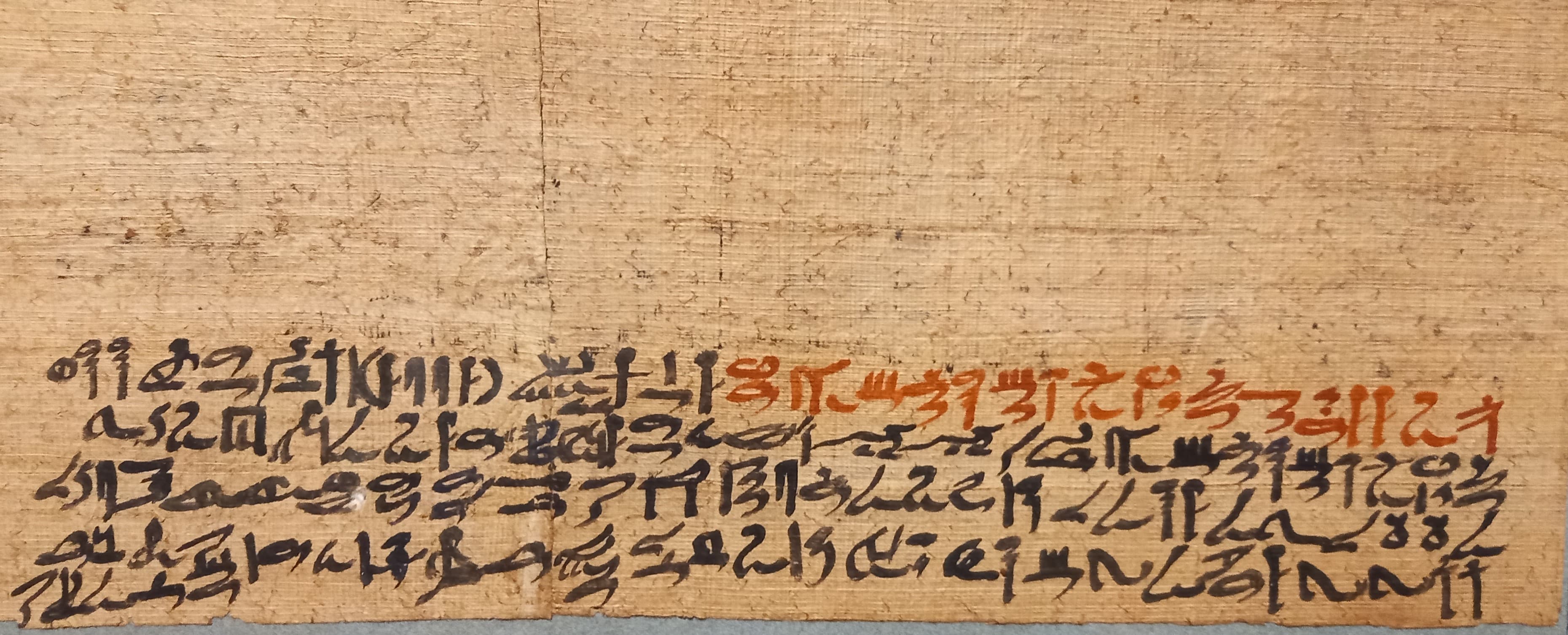
The Instruction of Ptahhotep
westliches Ufer (papyrus scroll)
The oldest wisdom text in the world (~2400 BCE). Maxims from a vizier to his son on speech, humility, and leadership.
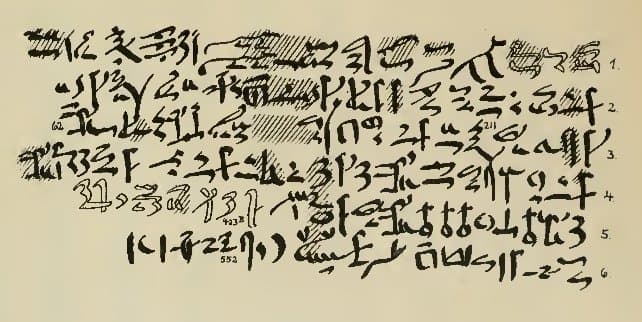
The Eloquent Peasant
westliches Ufer (papyrus scroll)
The first recorded argument about justice. A peasant pleads his case so eloquently that officials keep him talking just to hear him.
The Instruction of Amenemope
westliches Ufer (papyrus scroll)
The Egyptian wisdom text that influenced the biblical Book of Proverbs (22:17-24:22). Thirty chapters on conduct, humility, and the good life.
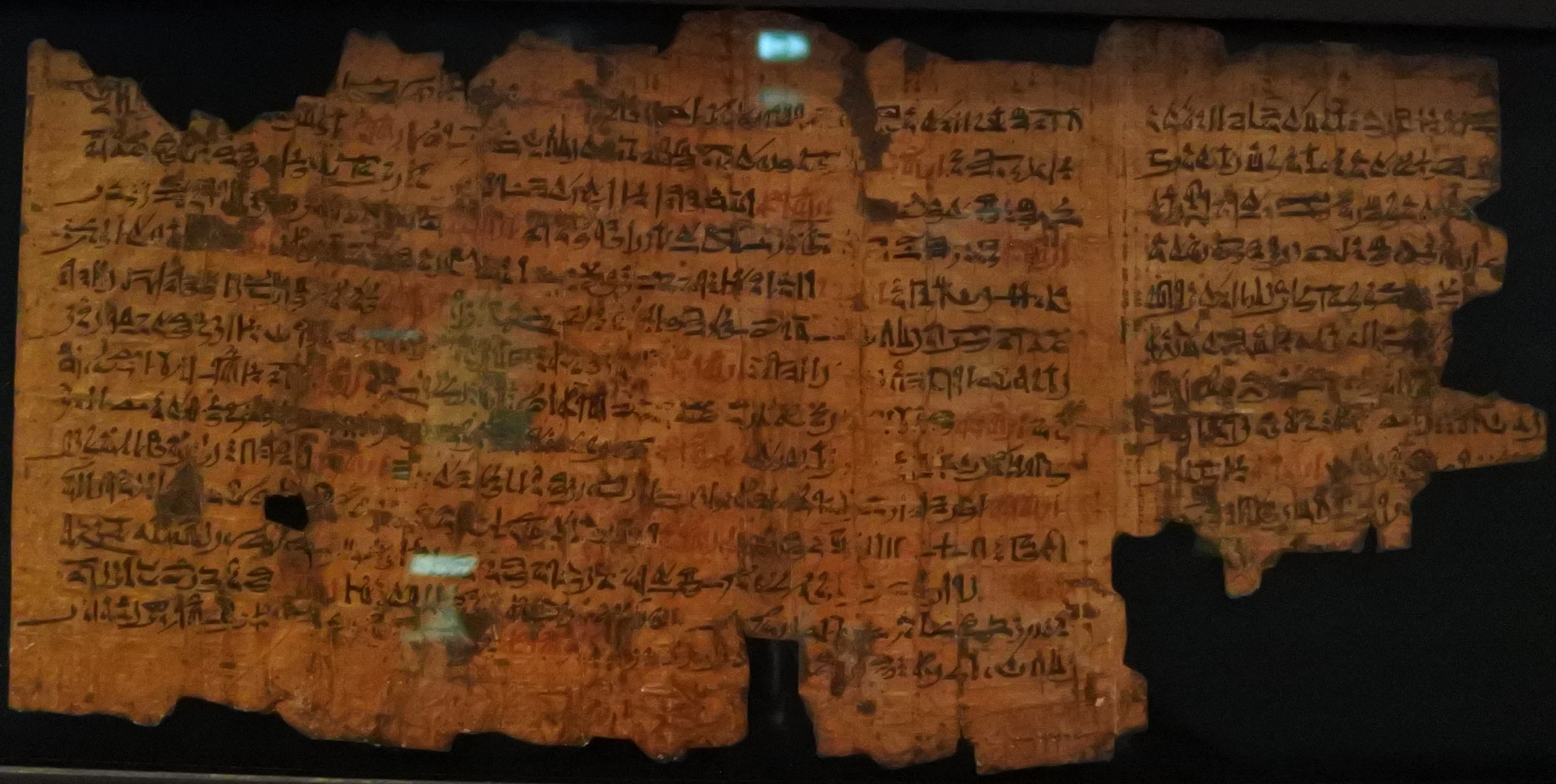
The Admonitions of Ipuwer
Nekropolen (papyrus scroll)
A prophetic lament over social collapse: "There is no man of yesterday." Social critique, royal propaganda, or literary fiction?
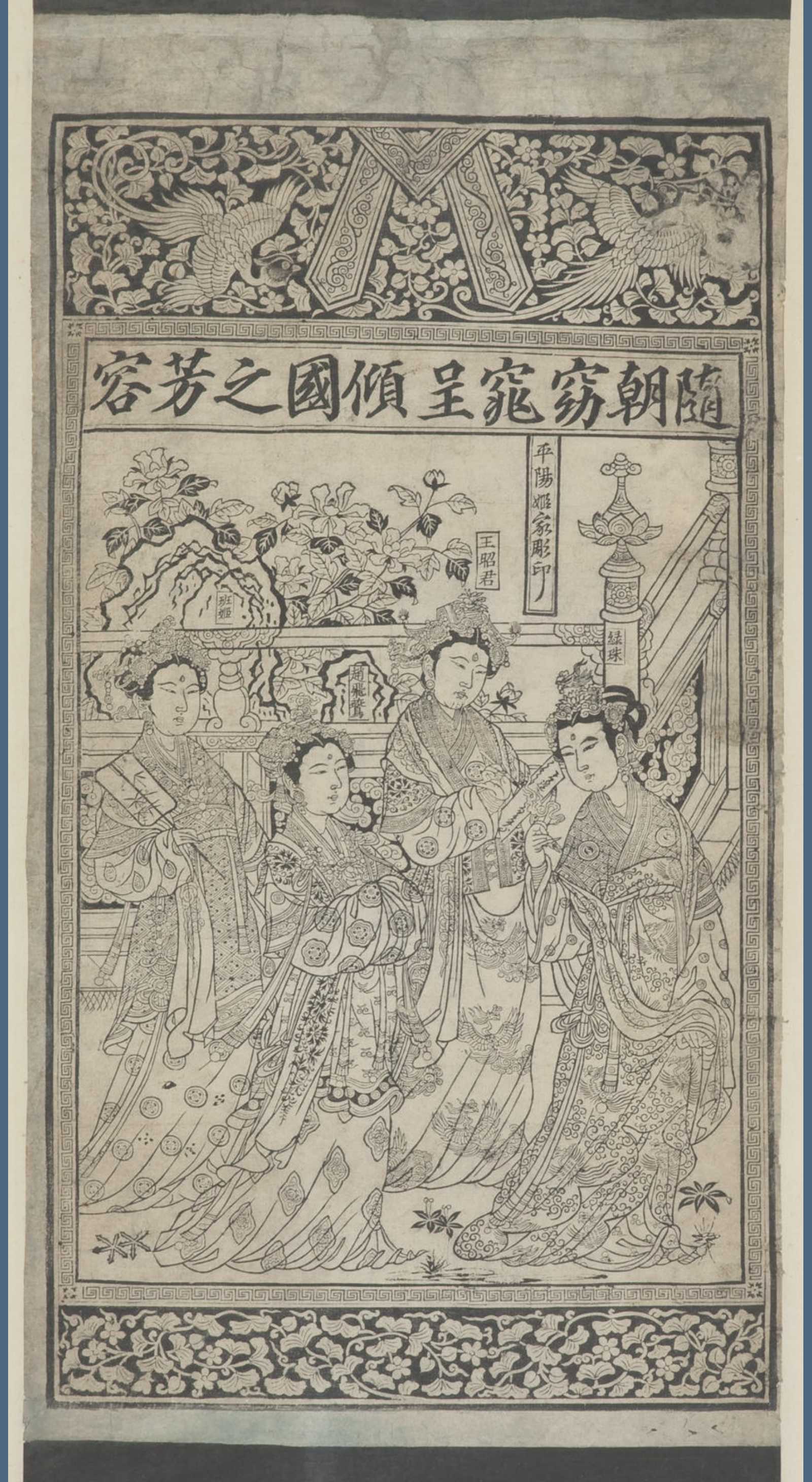
The Shipwrecked Sailor
(unbestimmt) (papyrus scroll)
A sailor stranded on a magical island meets a giant serpent god who tells him: "You will embrace your children, and kiss your wife." Classic adventure wisdom.
Important Works
Significant texts that deepen understanding
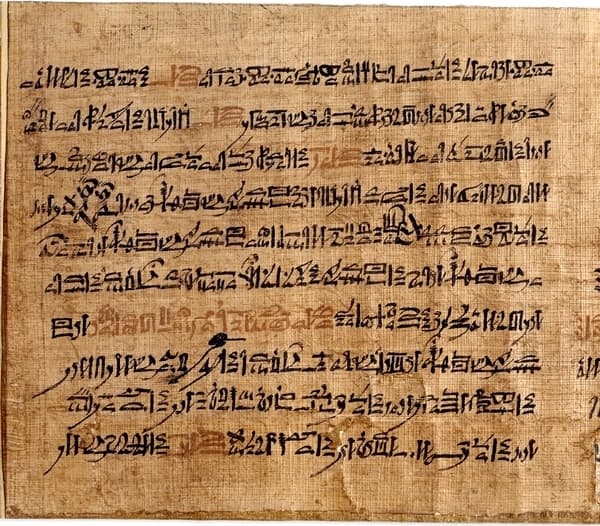
The Tale of Two Brothers
Saqqara (papyrus scroll)
The oldest fairy tale in the world (~1185 BCE). Two brothers, a scheming wife, and a hero who dies and is reborn as a sacred bull.
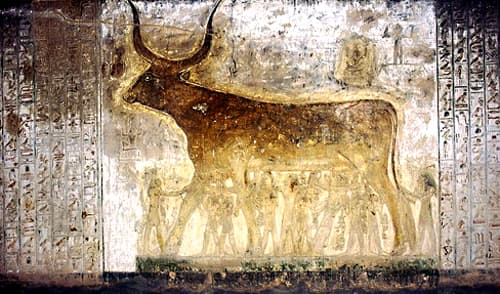
The Book of the Heavenly Cow
Tal der Könige (Biban el-Muluk) (wall inscription)
Humanity nearly destroyed by the gods, saved only when Ra tricks the goddess Hathor-Sekhmet with beer dyed to look like blood.
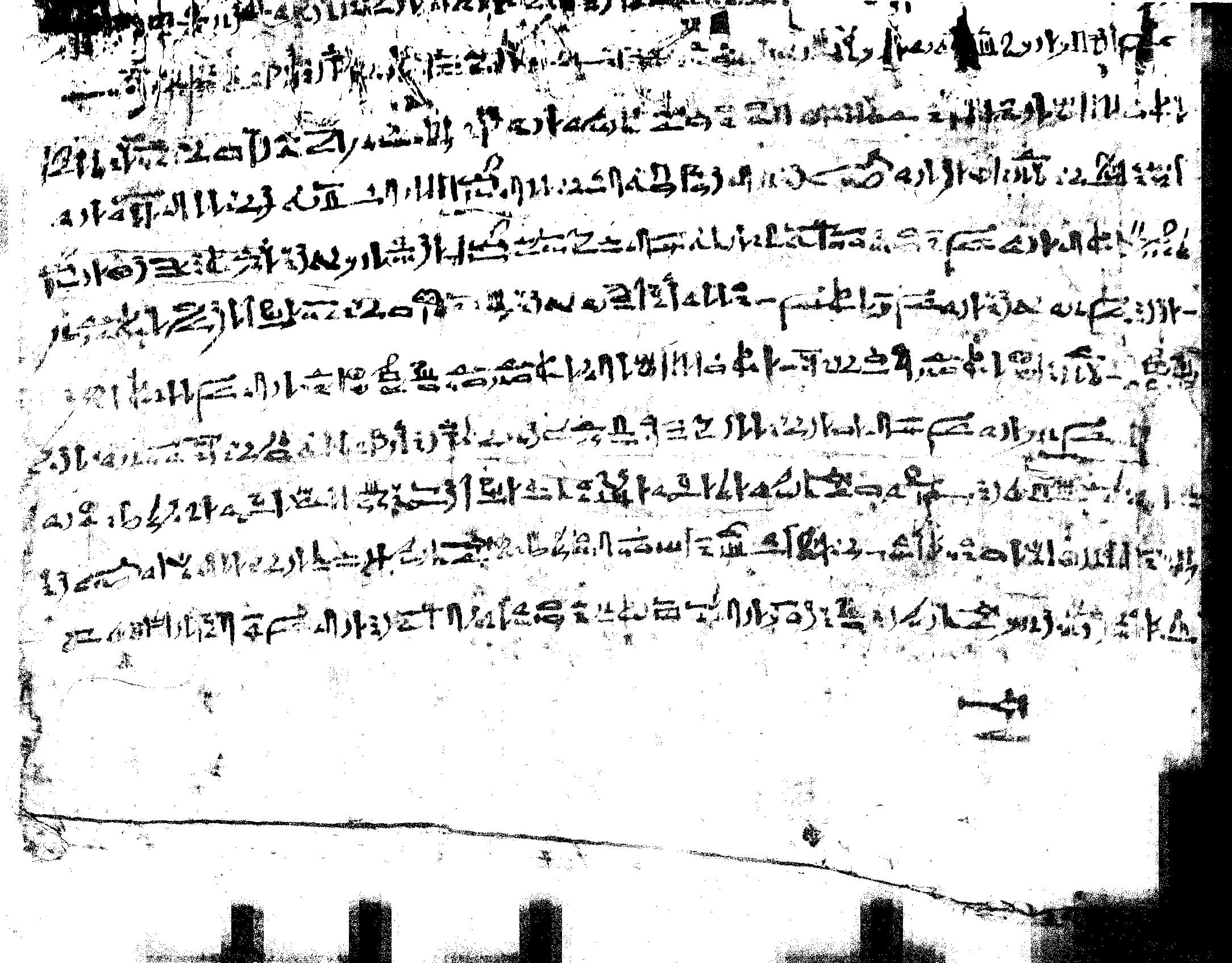
The Report of Wenamun
el-Hibe (papyrus scroll)
An Egyptian official's misadventures in Phoenicia during the decline of the New Kingdom. International relations around 1100 BCE.
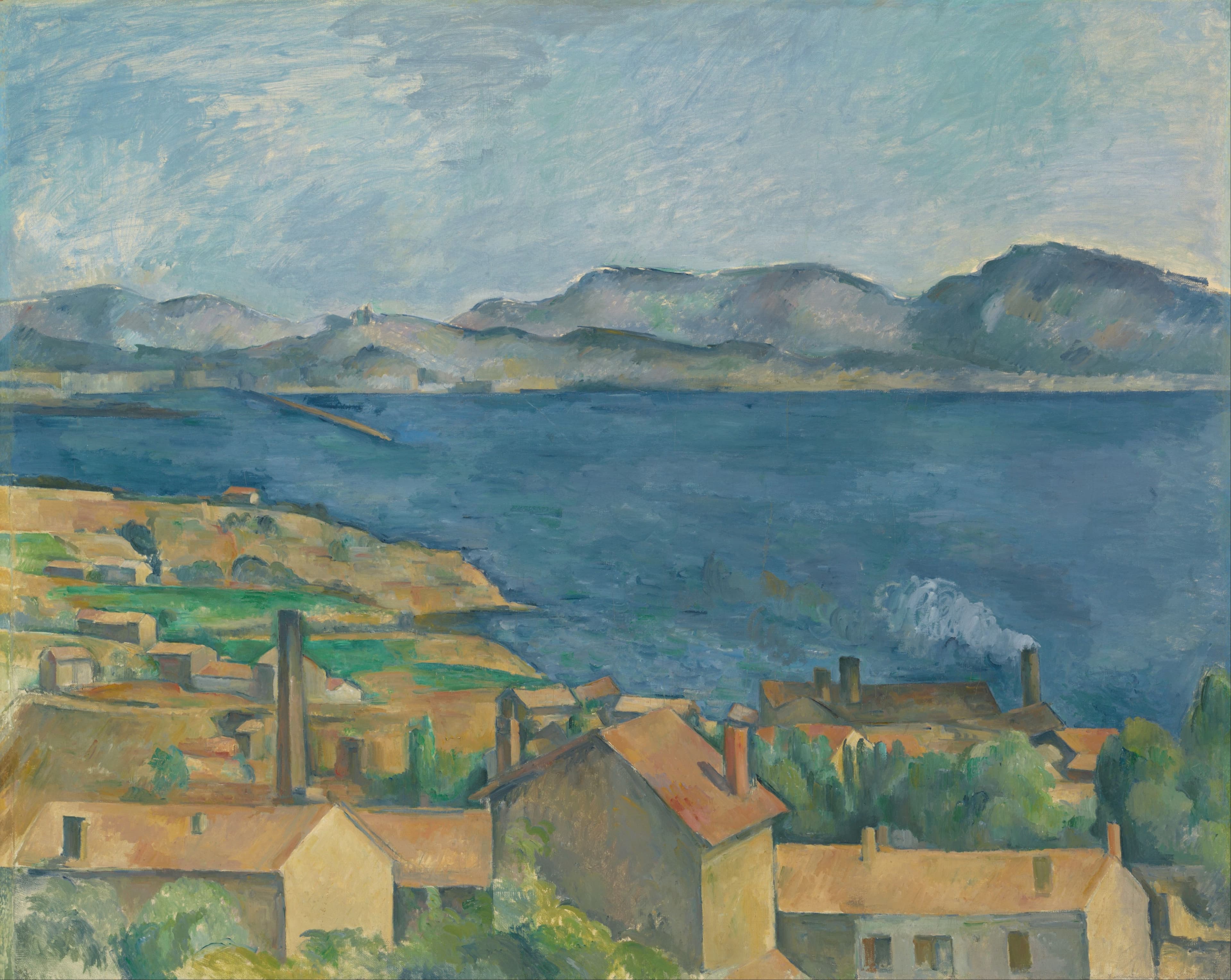
The Instruction for Merikare
Saqqara (papyrus scroll)
Royal instruction literature. Advice from a king to his heir on governing during troubled times.
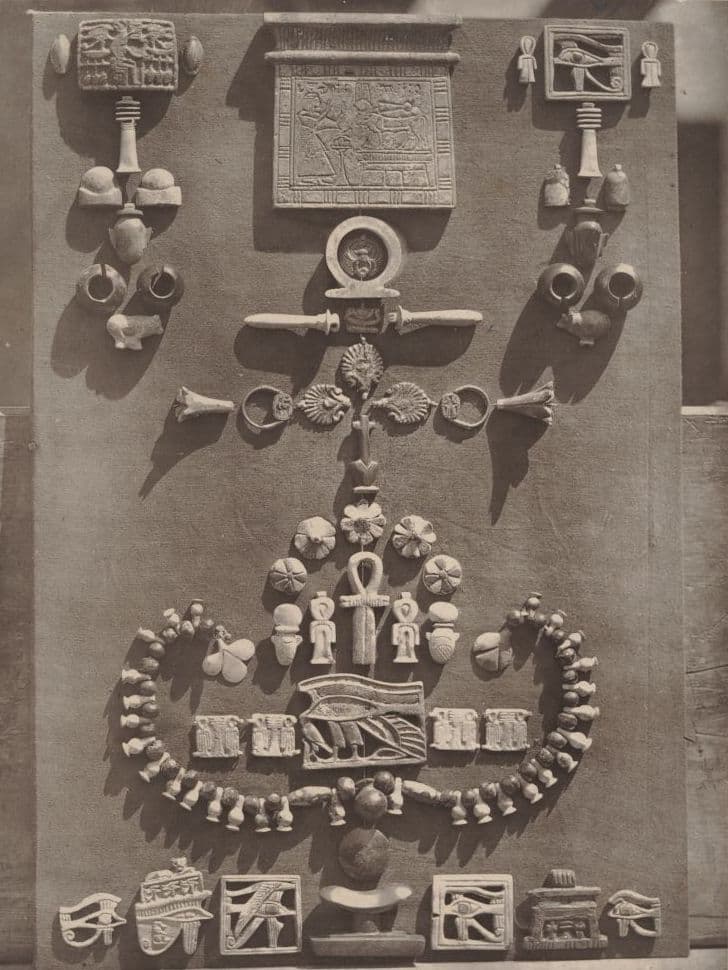
The Instruction of Ani
westliches Ufer (papyrus scroll)
A father instructs his son in proper conduct, marriage, and piety. Ani's son talks back, making this a rare dialogue on wisdom.
The Prophecies of Neferti
Saqqara (papyrus scroll)
Prophecy of social chaos and the coming of a savior-king. Model for the genre of Egyptian "pessimistic literature."
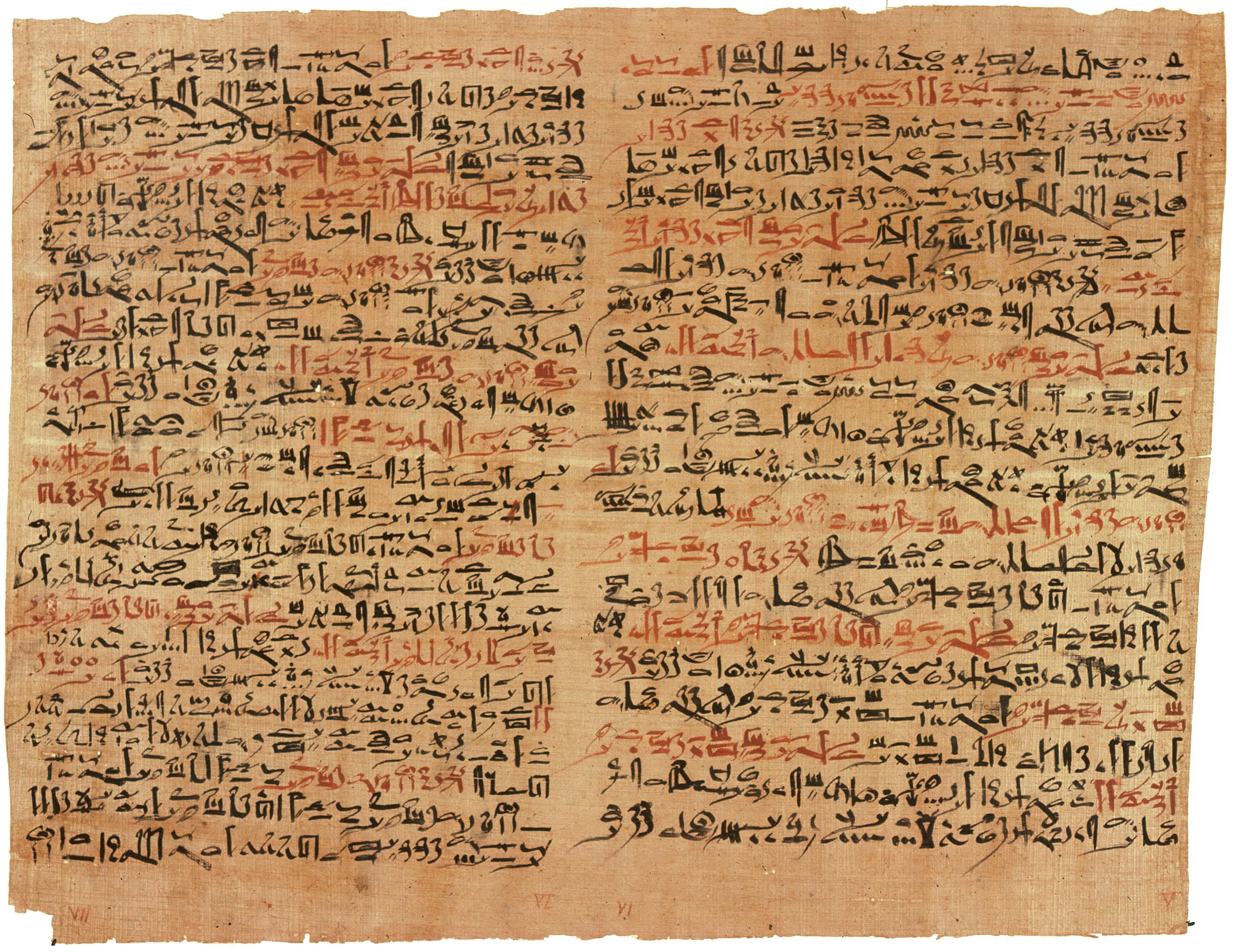
The Edwin Smith Surgical Papyrus
westliches Ufer (papyrus scroll)
The world's oldest surgical treatise (~1600 BCE). 48 case studies of injuries to the head, neck, and thorax, with rational diagnosis.
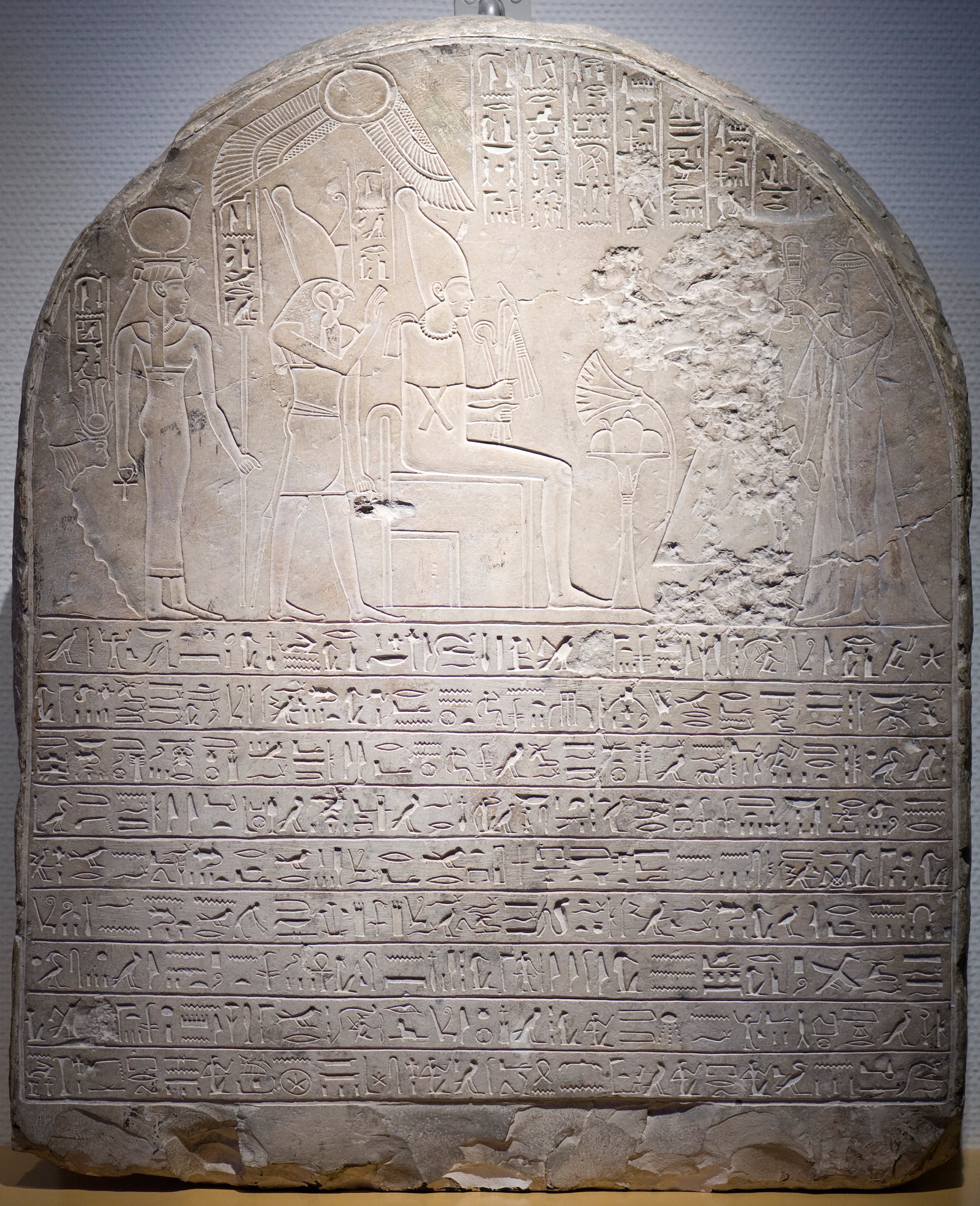
Hymns to Amun-Re
Deir el-Medineh (papyrus scroll)
The "monotheistic" hymns to Amun-Re from Leiden Papyrus I 350. Among the most elevated religious poetry of ancient Egypt.
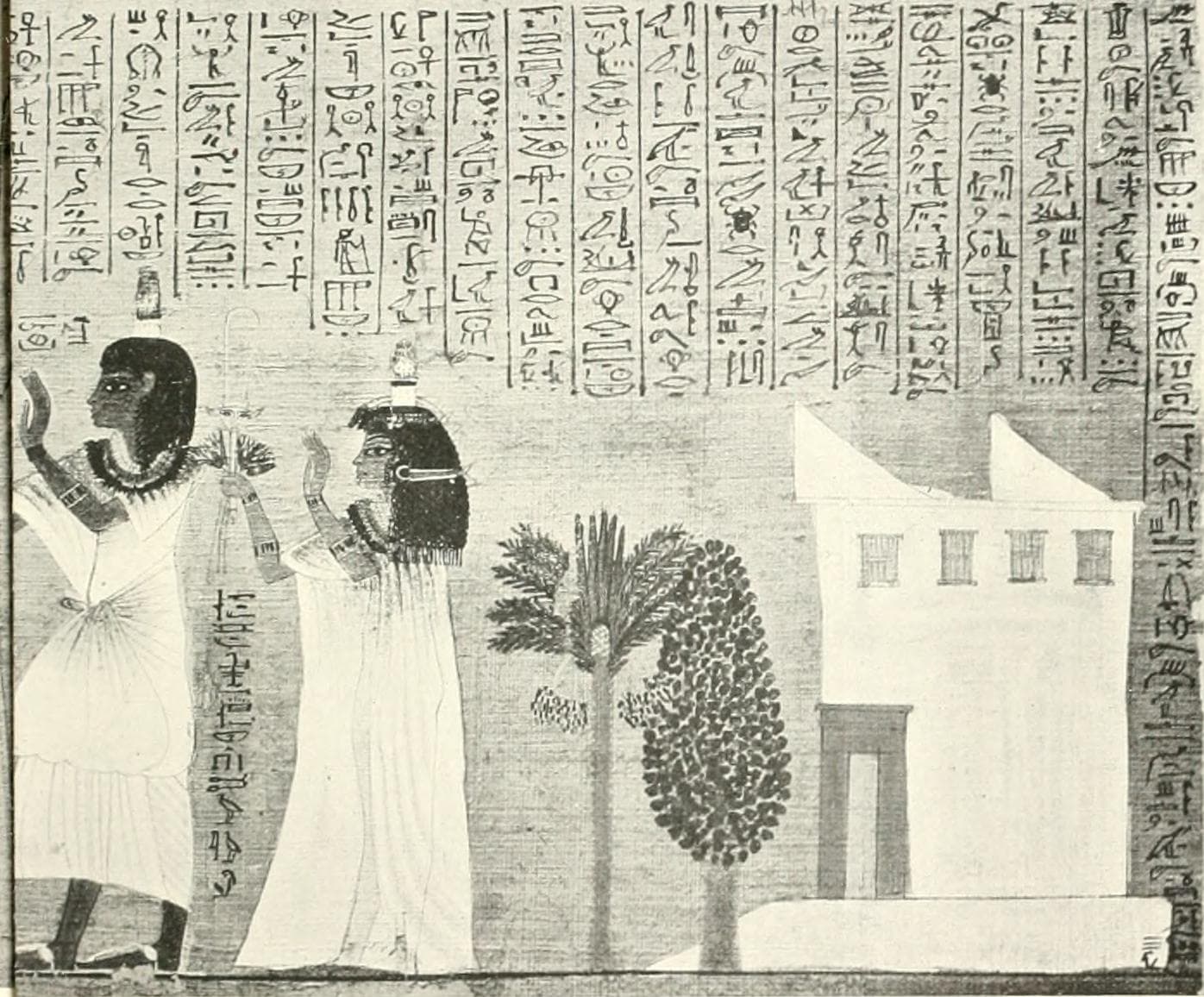
The Great Hymn to the Nile
Deir el-Medineh (ostracon)
A hymn celebrating the Nile's annual flood as the source of all life. "If the Nile is sluggish, noses are stopped up."
Also Notable
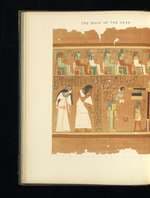
Book of the Dead - Papyrus of Ani Facsimile
British Museum, 1895
Demotic Magical Papyrus of London and Leiden, Vol. 3
F. Ll. Griffith & Herbert Thompson, 1904First Translation
The Instruction of Ptah-hotep and the Instruction of Kegemni
Battiscombe Gunn, 1912
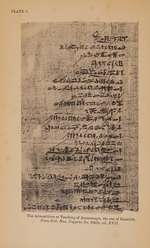
The Teaching of Amen-em-apt, Son of Kanekht
E. A. Wallis Budge, 1924
Greek Magical Papyri (Papyri Graecae Magicae)
Karl Preisendanz (ed.), 1928
The Admonitions of an Egyptian Sage
Alan H. Gardiner, 1909
Obeliscus Aegyptiacus
Athanasius Kircher, 1666First Translation
All Books
Browse Full Catalog→255 books in this collection