


Sacred Texts
Foundational Scriptures of the World's Traditions
Sub-collections

Indic Traditions

Christianity

Middle East & Africa

Sumerian & Mesopotamian

Wrathful Deities

Judaism

Ancient Egypt

Gnostic Texts

Hinduism

Buddhism

Islam

Puranas & Epics

Indigenous Traditions

Daoist Classics
Americas

Hermetica & Gnostic Texts

Vajrayana & Tibetan Buddhism

Daoism

Sacred Books of the East

Buddhist & Jain Texts

Armenian Golden Age

Zoroastrian Tradition

Manichaeism

The Apocrypha

Confucian Classics

Mahayana Scriptures

Chinese Buddhist Texts

African Traditions

Celtic

Orphism & Mystery Religions

Confucianism

Mithraism

Sacred Objects

Jainism

Buddhist Studies & Reception

Theravada & Pali Canon

Shinto

Polynesian & Pacific
Illustrations
Browse all496 images extracted
This grand engraving presents a portrait of the philosopher Confucius, standing prominently within a vast library filled with traditional Chinese texts. Above him, a decorative pediment adorned with dragons and calligraphic inscriptions underscores his intellectual and moral authority. This work is a prime example of how early modern European scholars and artists sought to visualize and interpret Chinese culture and its foundational figures.
This intricate diagram illustrates celestial geometry from Bhaskaracharya II's 12th-century treatise, Siddhanta Shiromani. It depicts a sphere with various intersecting planes and arcs, used to calculate planetary positions and astronomical phenomena. Such diagrams were essential for visualizing the complex mathematical models of ancient Indian astronomy.
An expertly executed engraved portrait of the Genevan theologian Benedict Pictet (1655–1724) at the age of 52. Created by the celebrated Dutch engraver Jacobus Houbraken, this image captures the scholarly dignity of the author, reflecting his status as a prominent figure in Reformed theology.
This fine engraving depicts the English Puritan minister Christopher Love, who was executed for his involvement in a plot to restore the monarchy. He is shown in traditional clerical dress, holding a book that signifies his theological work, framed by a classical architectural niche. The detailed Dutch text at the bottom serves as both a memorial and an introduction to his collected works, 'Theologia Practica'.
This full-page miniature depicts Christ Enthroned, a central image from the 8th-century Book of Kells. He is shown holding a book of the Gospels, flanked by celestial beings and peacocks, which in early Christian art symbolized incorruptibility and resurrection. The composition is a masterwork of Insular design, utilizing dense Celtic knotwork and stylized zoomorphic patterns to create a sacred, rhythmic space.
This portrait depicts Gray Hawk, a Teton Sioux man, in full ceremonial attire, including an eagle-feather headdress and a traditional bone breastplate. He is shown holding a bow and arrow, elements that signify his status and cultural heritage. Published in 1918 by the Bureau of American Ethnology, this image is a crucial document of Lakota life and identity during a period of significant cultural transition.

This formal portrait depicts Mary Baker Eddy (1821–1910), the author of 'Science and Health with Key to the Scriptures' and the founder of the Christian Science movement. The detailed engraving presents Eddy in a dignified manner, reflecting her status as a prominent religious leader and author in the late 19th century.

A detailed woodcut illustration of the Thousand-Hand Thousand-Eye Avalokiteshvara (Guanyin) Bodhisattva, a central figure in the Great Compassion Mantra. The deity is depicted with multiple heads and arms holding various symbolic objects, standing upon a lotus throne amidst celestial clouds and turbulent waves, representing the bodhisattva's infinite capacity to save all sentient beings.

This vibrant illustration is a facsimile from the Papyrus of Ani, a version of the Egyptian Book of the Dead. It depicts the critical 'Weighing of the Heart' ceremony, where the deceased's heart is balanced against the feather of Maat (truth and justice) to determine their eligibility for the afterlife. The scene features the deceased and his wife entering the Hall of Judgment, overseen by a tribunal of gods and the jackal-headed Anubis at the scales.
Visual Art
Browse all art →39 works of visual art in this collection
 papyrus
Amduat Papyrus of Henettawy, Daughter of Isetemkheb
Anonymous (Egyptian)
A section of the Amduat papyrus depicting scenes from the nocturnal journey of the sun god Ra through the underworld, including solar barks and numerous deities.
 papyrus
Book of the Dead for the Chantress of Amun, Nauny
Anonymous (Egyptian)
The Weighing of the Heart scene from the Book of the Dead, depicting Nauny before Anubis and Osiris.
 papyrus
Book of the Dead of Khamhor
Anonymous (Egyptian)
A funerary papyrus scroll containing excerpts from the Book of the Dead, specifically inscribed in Hieratic script for the deceased individual Khamhor.
 papyrus
Book of the Dead of the Priest of Horus, Imhotep (Imuthes)
Anonymous (Egyptian)
A funerary papyrus scroll containing the Book of the Dead for the priest Imhotep, featuring hieroglyphic registers of spells and vignettes depicting afterlife judgments, solar barques, and deities.
 object
Coffin of Khnumnakht
Anonymous (Egyptian)
The rectangular wooden outer coffin of Khnumnakht, decorated with vertical bands of hieroglyphic funerary spells, the Wedjat eyes of Horus, and the goddess Maat.
 object
Coffin of Nesmin
Anonymous (Egyptian)
This is an anthropoid coffin belonging to a man named Nesmin, featuring a gilded face, a broad collar, and a vertical column of hieroglyphic text.
 papyrus
Funerary Papyrus of Nauny — Judgment Scene
Anonymous (Egyptian)
A line of deities, identified as the gods of the Ennead, standing in profile with hieroglyphic text above them.
 papyrus
Papyrus Fragments from the Book of the Dead of the Scribe Roy
Anonymous (Egyptian)
These are scattered fragments of a papyrus manuscript containing columns of Egyptian hieratic script from the Book of the Dead.
 object
Sarcophagus of Harkhebit
Anonymous (Egyptian)
The anthropoid sarcophagus of the Egyptian official Harkhebit, crafted from greywacke.
 painting
Bahram Chubineh Captured by Khusrau Parviz — Shahnama
Anonymous (Ilkhanid)
A dense block of Persian calligraphy from the Shahnama, detailing the capture of the usurper Bahram Chubineh by the Sasanian King Khusrau Parviz.
 painting
Khusrau Parviz Fleeing Bahram Chubineh, Saved by Angel Sarush — Shahnama
Anonymous (Ilkhanid)
This painting depicts the Persian king Khusrau Parviz fleeing from the rebel general Bahram Chubineh, while the angel Sarush appears to guide and protect him.
 painting
Illuminated Frontispiece — Bustan of Sa'di
Anonymous (Safavid)
This is an illuminated frontispiece (sarlawh) from a 1514 CE manuscript of the 'Bustan' by the Persian poet Sa'di.
 painting
Illuminated Qur'an Page — Safavid Herat
Anonymous (Safavid)
An illuminated paper page featuring a central gold cartouche surrounded by an intricate vegetal arabesque pattern.
 painting
Combat of the Khaqan of China with the Haitalians — Shahnama
Anonymous (Timurid)
A page of Persian text from the Shahnama, likely part of an illuminated manuscript featuring the narrative of the Khaqan of China and the Haitalians.
 painting
Muhammad's Call to Prophecy and the First Revelation
Anonymous (Timurid)
The Prophet Muhammad receives the first revelation from the Archangel Gabriel on Mount Hira.
The Human Attempt to Transcribe the Voice of the Divine
From the oldest Sumerian fragments to the 13th-century 'Devil’s Bible', these 717 texts map the evolution of human spiritual consciousness across five millennia.
The Sacred Texts collection at Source Library preserves the foundational scripts that have shaped civilizations, ranging from the mathematical precision of Sanskrit Jyotisha to the ecstatic visions of Western mystics. This digital archive brings together rarities like the Codex Sinaiticus, recovered by Constantin von Tischendorf, and the primary Hebrew Kabbalistic commentaries such as Essence of Pomegranates by Samuel Gallico. These books represent more than just religious history; they are the records of individuals attempting to bridge the gap between the finite and the infinite.
The collection is particularly strong in the works of Emanuel Swedenborg, whose Heavenly Arcana redefined 18th-century cosmology, and the profound mystical theology of Jakob Böhme, whose The Way to Christ offered a path to internal revelation. We also house significant Eastern foundational works, including the Yi Jing - 64 Hexagram Diagrams and the massive Taoist Canon. By placing the The Book of Splendor alongside the Upanishads and the earliest Greek New Testament fragments, we invite a comparative study of how the 'sacred' has been defined, defended, and experienced.

The Primordial Pulse: Eastern Foundations
900s–1900sThe earliest attempts to align human life with cosmic order through astrology, mathematics, and philosophy.
The Great Compendium of Horoscopy
Varahamihira, 966
A 10th-century Sanskrit cornerstone of horoscopy that links planetary movements to human destiny.
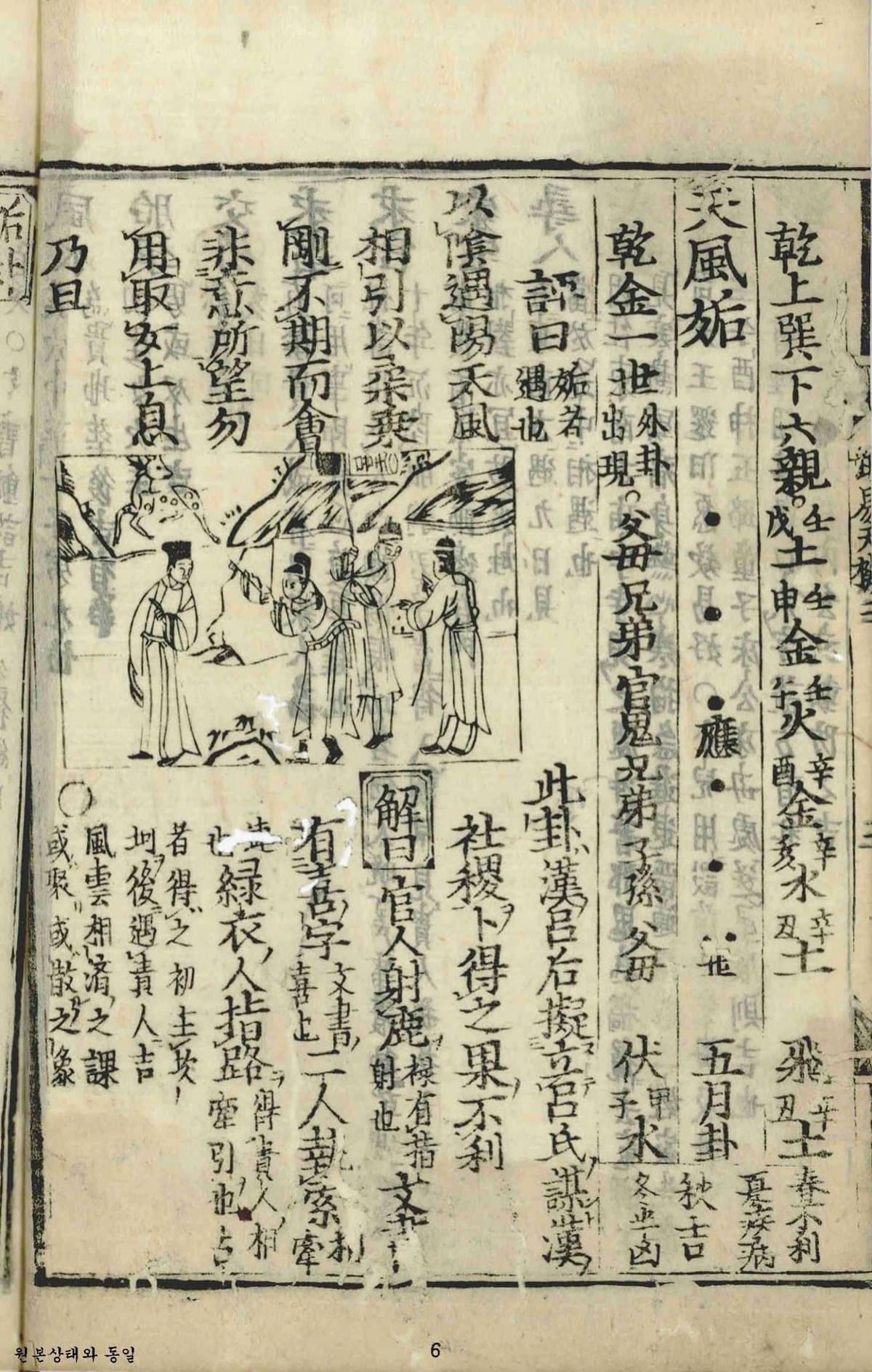
Yi Jing - 64 Hexagram Diagrams
Anonymous, 1550First Translation
The foundational Chinese system of 64 hexagrams used for divination and understanding change.
Fifteen Principal Upanishads
Anonymous, 800
The core philosophical texts of Hinduism exploring the nature of ultimate reality (Brahman).
The Textual Fortress: Biblical Codices & Scholarship
900s–1880sThe physical history of the Bible, from fragments of the 10th century to the great polyglot editions of the Enlightenment.
Codex Sinaiticus
Constantin von Tischendorf, 1860
One of the most important Greek manuscripts of the New Testament, dating to the 4th century and rediscovered in the 1800s.
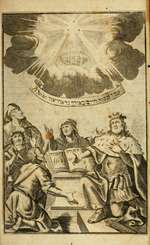
The Hebrew Bible
Various (ed. Michaelis), 1720First Translation
A definitive 18th-century Hebrew edition of the Old Testament used for scholarly cross-reference.
Codex Alexandrinus (Greek)
British Museum, 1883
The British Museum's facsimile of the 5th-century manuscript containing the majority of the Septuagint.
The Interior Castle: Mysticism & Kabbalah
1200s–1750sTexts that move beyond the literal word to seek a direct, personal encounter with the divine.
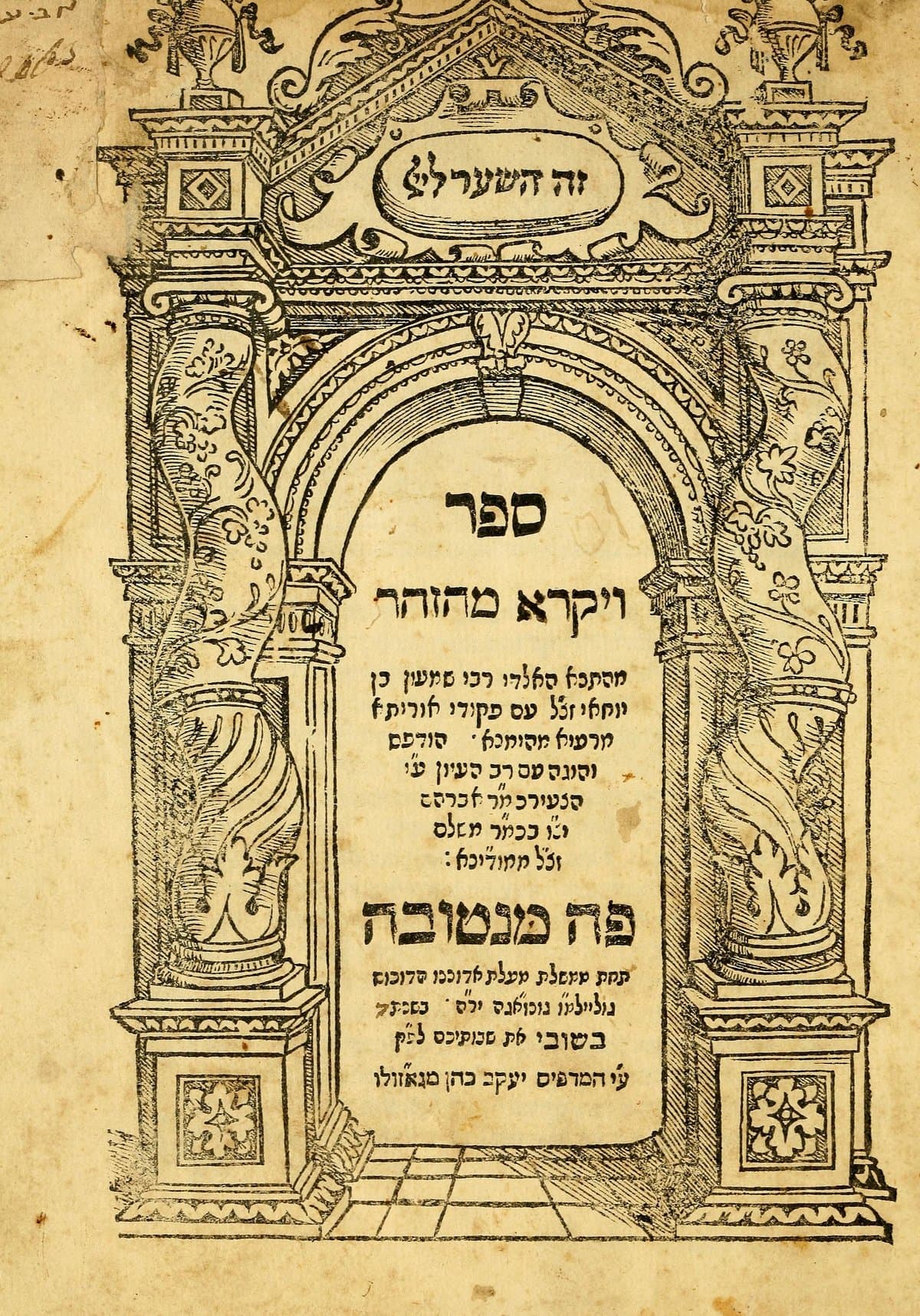
The Book of Splendor
Moses de León (attributed), 1558
The central text of the Kabbalah, providing a mystical interpretation of the Torah.
Heavenly Arcana
Emanuel Swedenborg, 1749
Swedenborg's massive exposition on the internal sense of Genesis and Exodus.
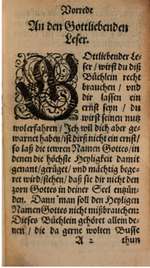
The Way to Christ
Jakob Böhme, 1635
The core devotional work of the 'Teutonic Philosopher' seeking the birth of Christ within the soul.
Key Figures
Emanuel Swedenborg
1688–1772
A Swedish scientist turned visionary who claimed to have spoken with angels and spirits for nearly thirty years.
Heavenly ArcanaConstantin von Tischendorf
1815–1874
The biblical scholar who traveled the Levant to find the oldest manuscripts, securing the Codex Sinaiticus.
Codex SinaiticusVarahamihira
505–587 CE
The Indian astronomer and polymath whose compendiums standardized the study of auspicious timing and planetary influence.
The Great Compendium of Horoscopy“The intellect shall comprehend spiritual things which are not corporeal at all. The intellect shall comprehend eternal things which the senses cannot comprehend.”


Timeline
Related Collections
All Books
Browse Full Catalog→1,513 books in this collection
Essence of Pomegranates
Gallico, Samuel
The History of Barlaam and Josaphat
anonymous, Konstanz
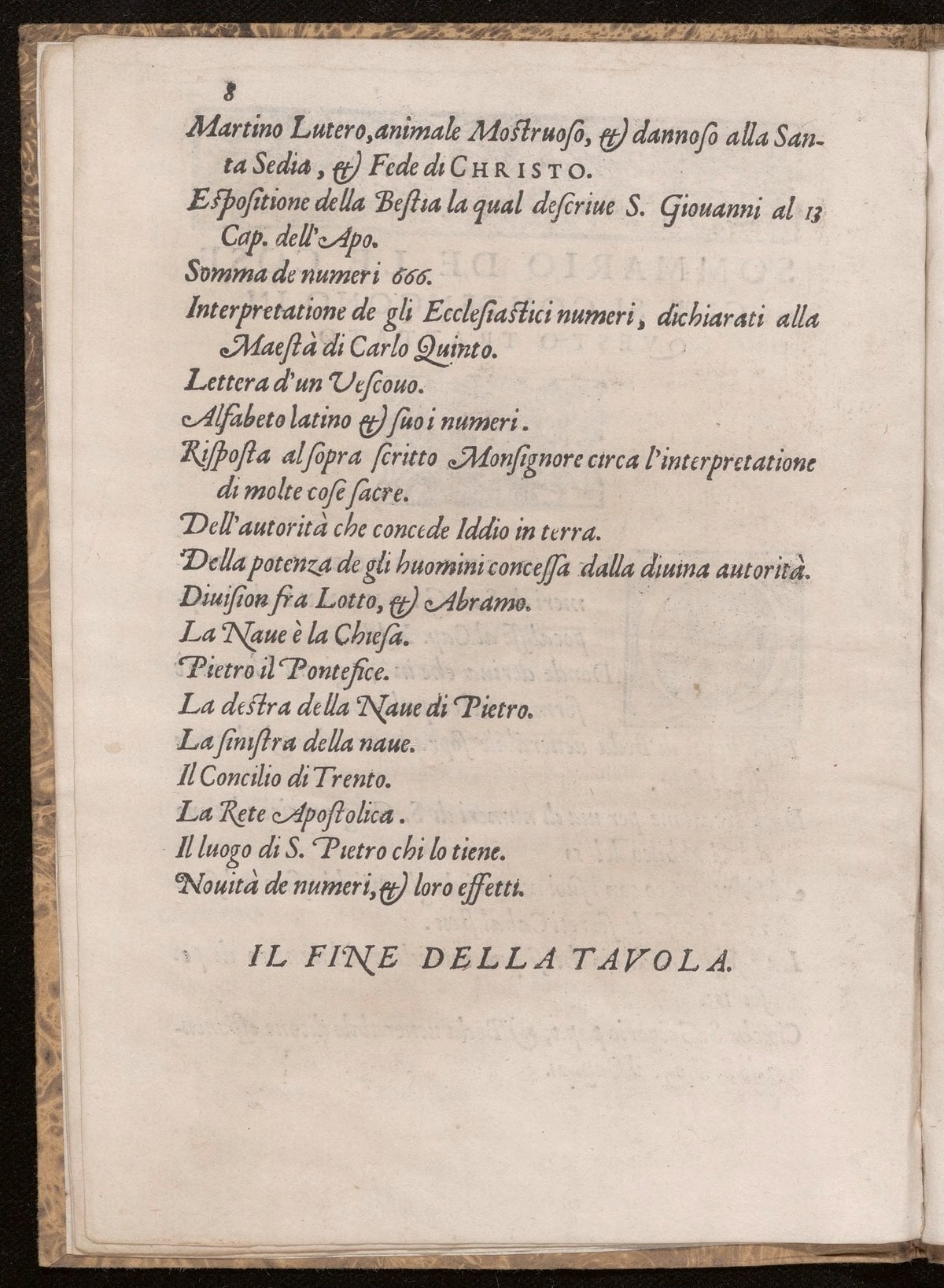
Declaration on the 13th Chapter of the Apocalypse
Doni, Antonio Francesco
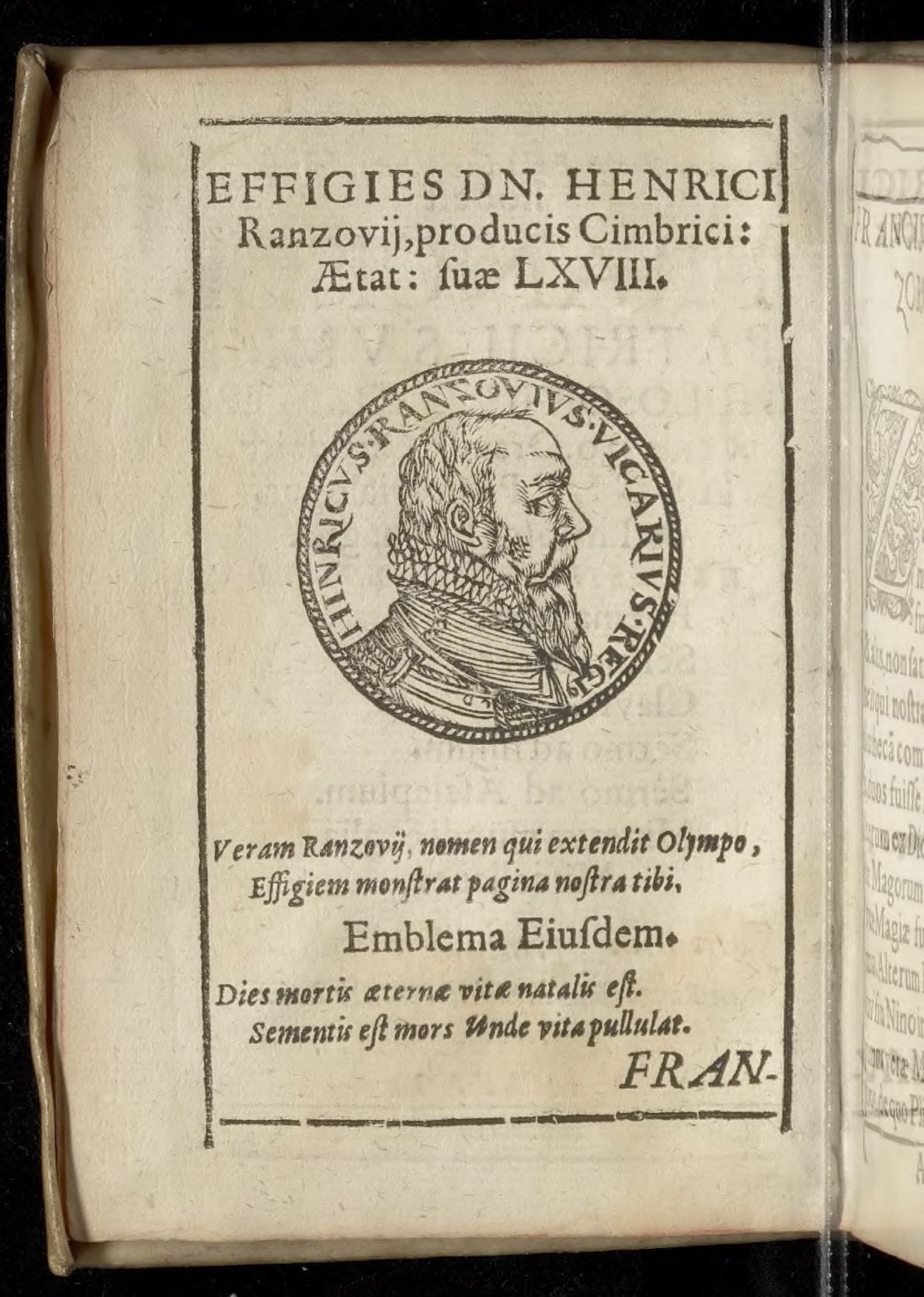
Philosophical Magic
Patrizi, Francesco|Zoroaster|Hermes Trismegistus
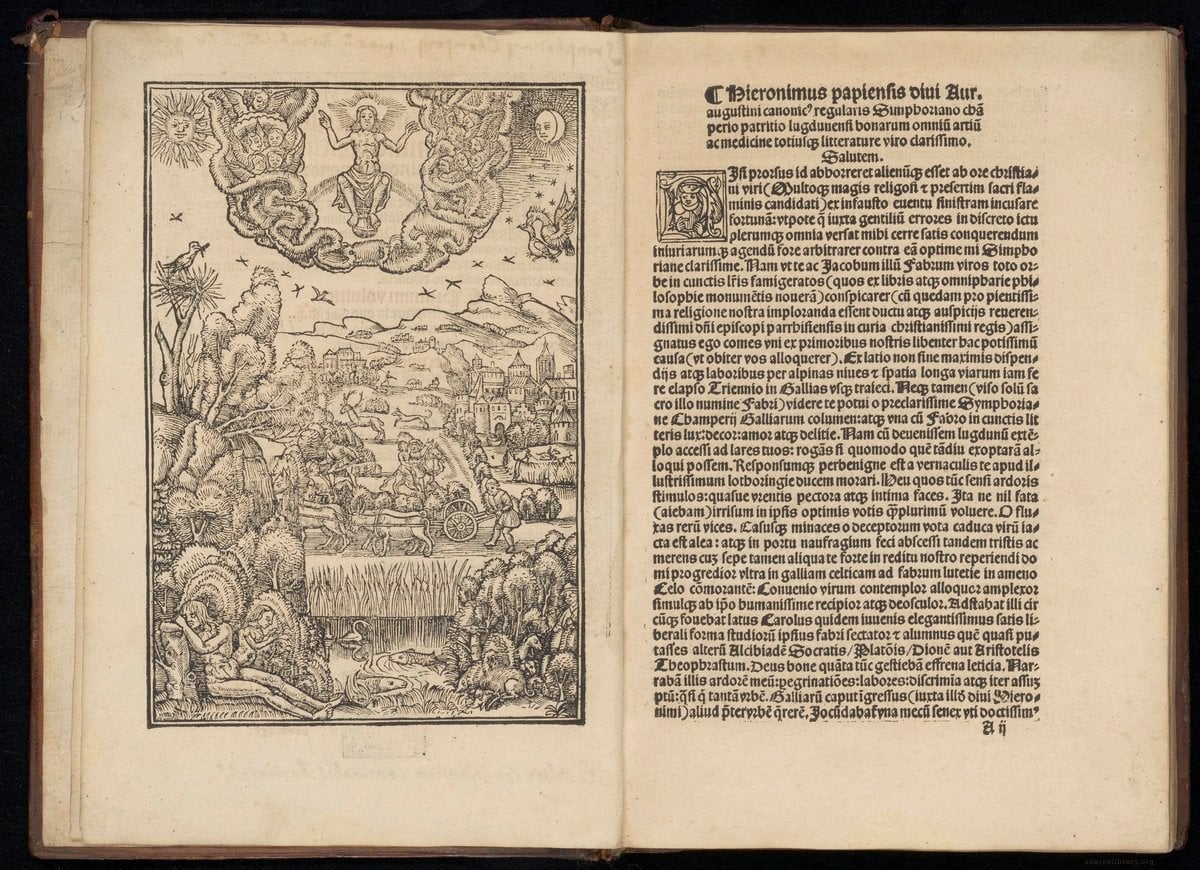
Four Volumes of Divine and Human Marvels
Champier, Symphorien
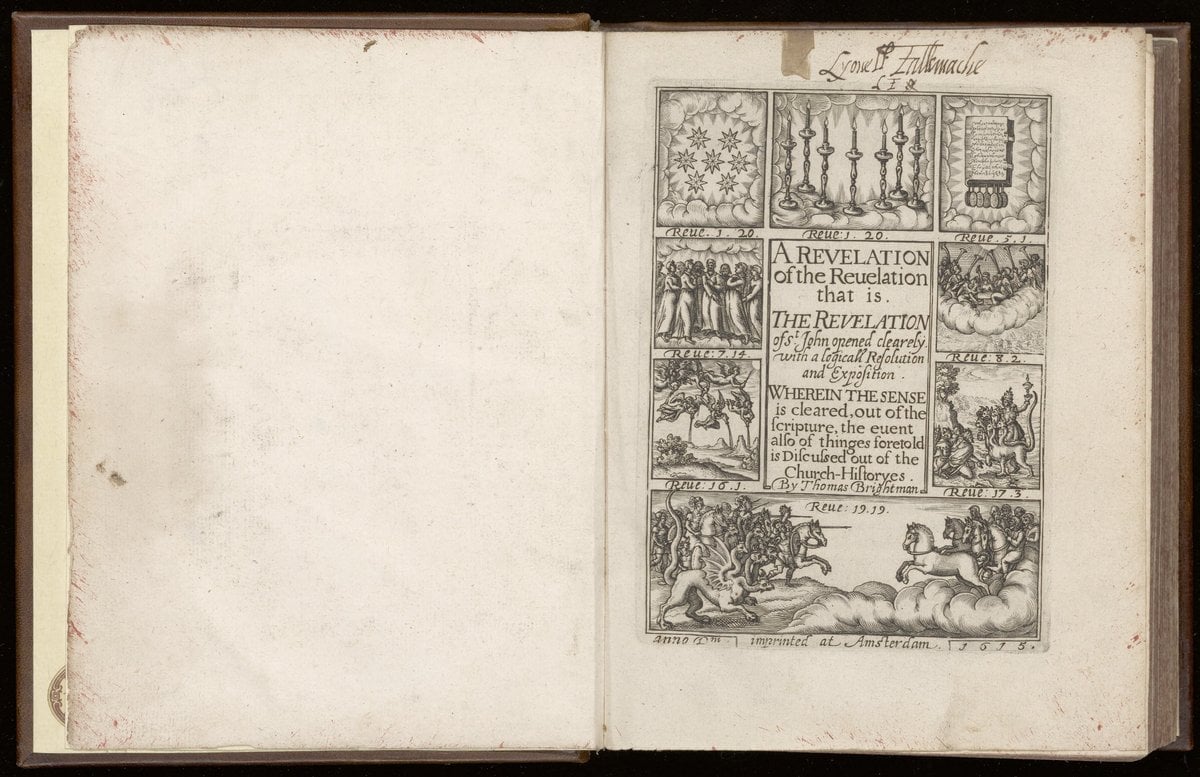
A revelation of the revelation
Brightman, Thomas
Abraham, the Blessing of All Nations
attr. Müller, Johann Daniel
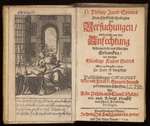
Three Christian Sermons on Temptations
Spener, Philipp Jacob
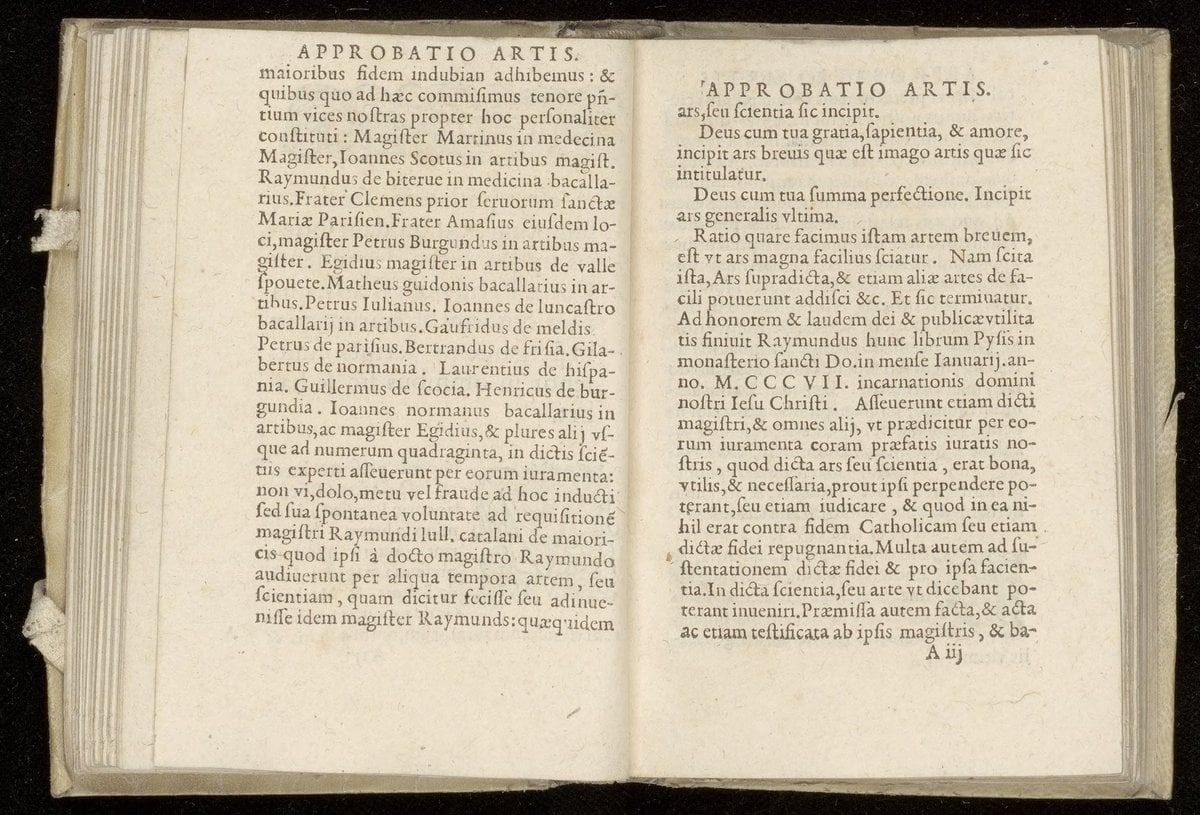
The Argonautica
Apollonius Rhodius
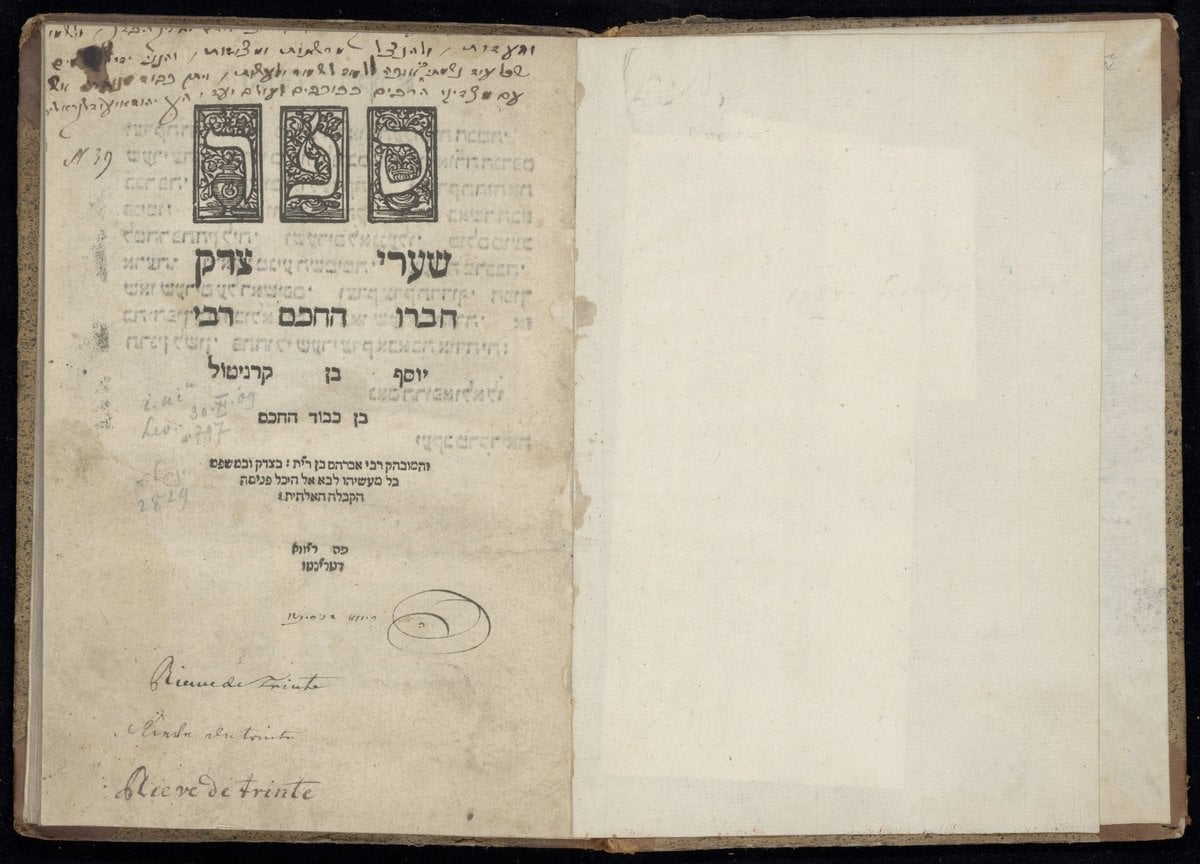
Gates of Righteousness
Gikatilla, Joseph ben Abraham
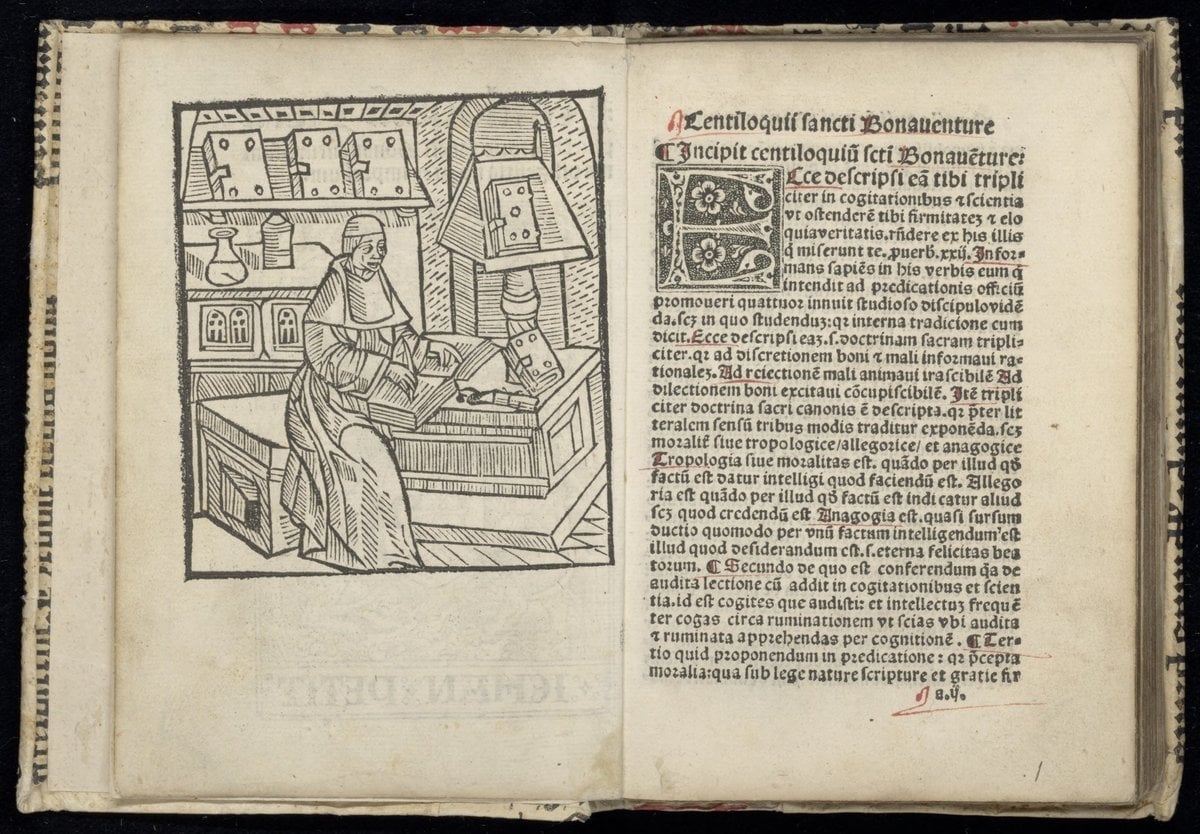
The Hundred Sayings
Bonaventura
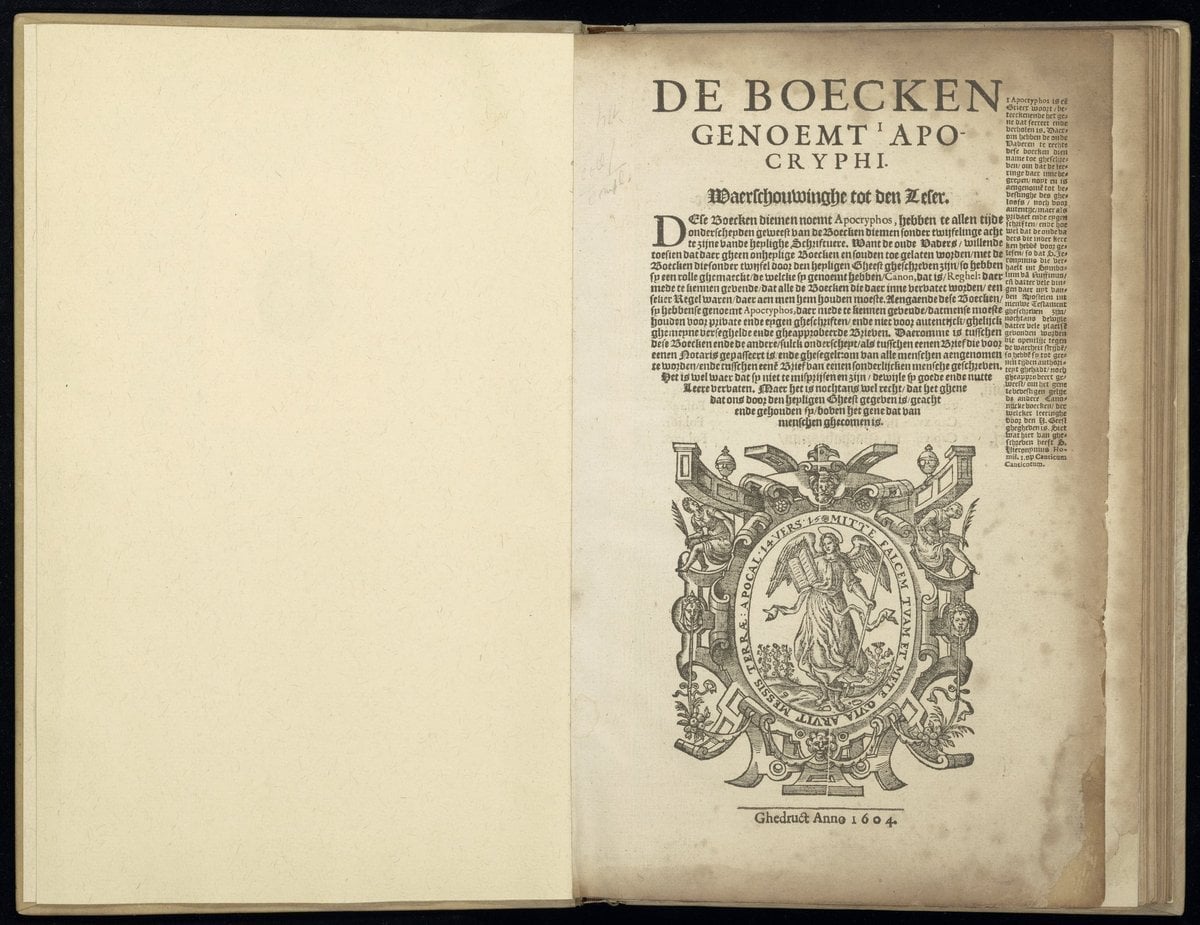
The Apocrypha
Unknown
Most Lucid Expositions on the Four Gospels
Theophylactus of Ochrid
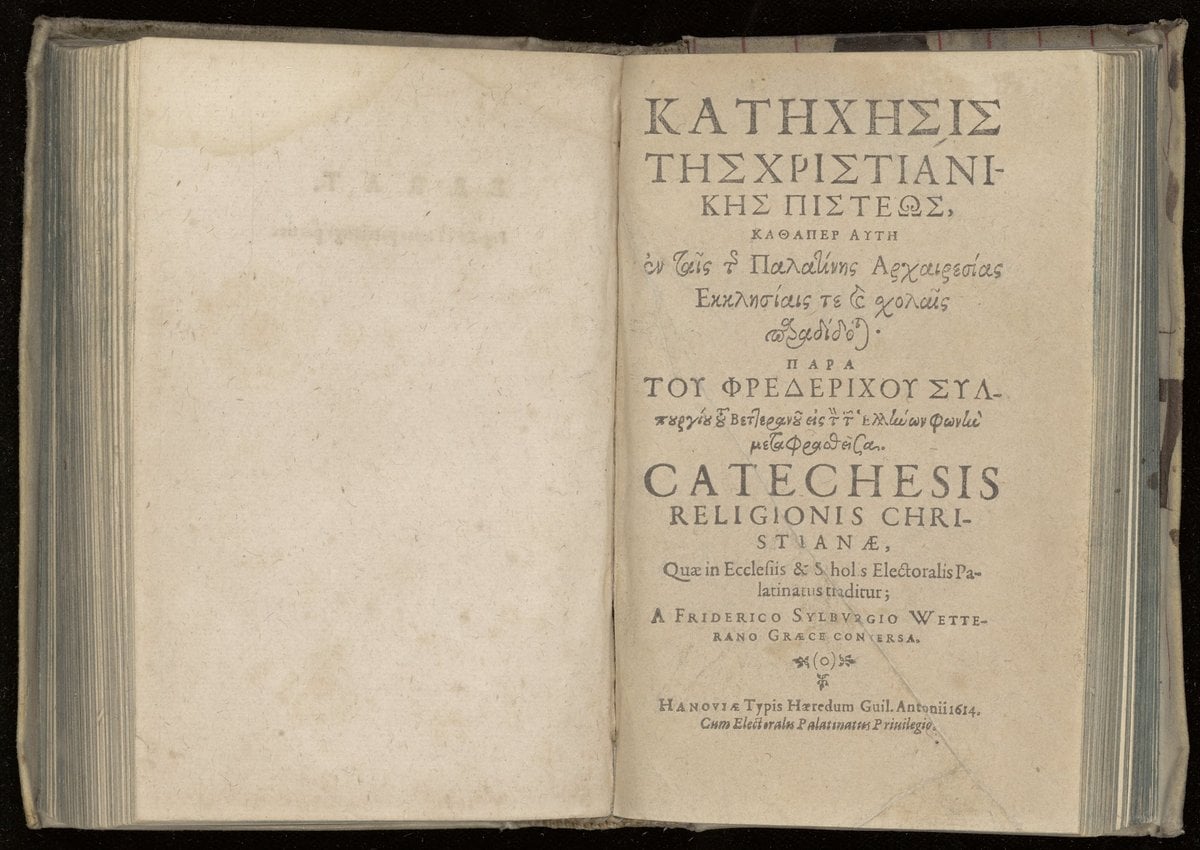
Heidelberg Catechism
Unknown