
Illustrations
Browse all1 images extracted
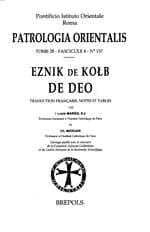
Armenia adopted Christianity in 301 AD — before Rome. Mesrop Mashtots invented the Armenian alphabet. The literature that followed — Agathangelos, Eznik of Kolb, Gregory of Narek's Book of Lamentations, Sebeos's history — is one of the world's great literary traditions, shaped by the experience of being a small Christian nation surrounded by empires.
Essential Reading
The foundational texts of this tradition

History of the Armenians
Agathangelos, 1835
Agathangelos is explicitly named as a foundational author of the Armenian Golden Age.
The Life of Mashtots
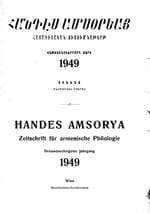
Koriwn, 1949First from Armenian
Koriwn's biography of Mesrop Mashtots is foundational for understanding the invention of the Armenian alphabet.

Life of Mashtots
Koriwn, 1833
Koriwn's biography of Mesrop Mashtots is foundational for understanding the invention of the Armenian alphabet.
History of Vardan and the Armenian War
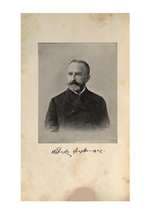
Eghishe, 1903
Eghishe is a major 5th-century Armenian historian whose work is central to the Golden Age narrative of Christian identity.
New Testament
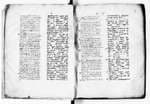
Various, 1100First from Armenian
Represents the foundational translation of Christian scripture into Armenian, crucial for the development of Armenian literature.
Important Works
Significant texts that deepen understanding
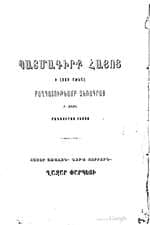
History of Armenia
Ghazar Parpetsi (Lazarus of Pharp), 1904
Ghazar Parpetsi is a significant 5th-century Armenian historian whose work is crucial for understanding the Golden Age.

History of the Armenians
P'awstos Buzand, 1883First Translation
P'awstos Buzand is an important 5th-century Armenian historian whose work contributes to the Golden Age historical narrative.
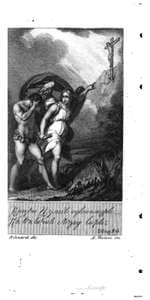
Metrical Verses
Nerses Shnorhali, 1830
Nerses Shnorhali is a prominent classical Armenian poet and theologian, representing a key part of the broader literary tradition.
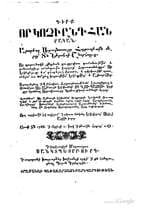
The General Epistle
Nerses Shnorhali, 1788First Translation
Nerses Shnorhali is a prominent classical Armenian theologian and writer, whose epistle reflects the ongoing literary tradition.
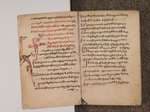
Armenian Psalter
Various, 1200First Translation
An Armenian Psalter is a foundational liturgical text, directly reflecting the Armenian Christian literary tradition.
Ecclesiastical History
Eusebius of Caesarea, 1877First from Armenian
An essential early Christian history, translated into Armenian, which significantly shaped Armenian ecclesiastical and historical thought.

Ecclesiastical History
Socrates Scholasticus (trans. Philo of Tirak), 1897First Translation
A significant early Christian history translated into Armenian by Philo of Tirak, a key figure in the Golden Age of Armenian translation.
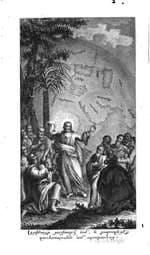
Armenian Bible, New Testament (Zohrab)
Hovhannes Zohrab (ed.), 1805First Complete Translation
This edition contains the foundational Armenian Bible translation, which was crucial for establishing the Armenian literary tradition.
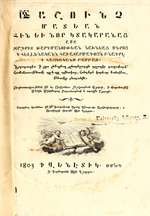
The Holy Bible
Yovhannēs Zōhrapean (ed.), 1805First from Armenian
This edition contains the foundational Armenian Bible translation, which was crucial for establishing the Armenian literary tradition.
All Books
Browse Full Catalog→38 books in this collection