

Ayurveda: The Science of Life
Indian medicine's foundational texts, including the world's first descriptions of surgery.

Illustrations
Browse all2 images extracted
This emblem is the printer's mark for Wilkins Press, a publishing house based in Calcutta. It features the famous motto 'Knowledge is Power' inscribed on a scroll surrounding a central heraldic crest, symbolizing the press's commitment to the dissemination of information. Such marks were essential for establishing a publisher's brand and authority in the burgeoning print market of the early 20th century.
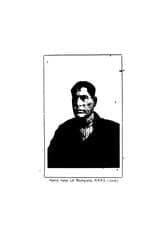
This portrait depicts Kaviraj Kunja Lal Bhishagratna, the scholar who translated and edited this monumental English edition of the Sushruta Samhita. His efforts were pivotal in making ancient Indian surgical and medical traditions accessible to the Western world during the early 20th century.
The Charaka Samhita systematized internal medicine. The Sushruta Samhita described surgical procedures — including rhinoplasty — two millennia before modern surgery. The Rasaratna Samuccaya catalogued medicinal uses of metals and minerals. This collection gathers the foundational texts of Ayurveda, the Indian medical tradition that is both ancient and living.
Essential Reading
The foundational texts of this tradition
Important Works
Significant texts that deepen understanding
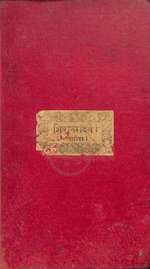
The Science of Breath
Unknown, 1898
This text on breath practices is directly relevant to yogic and Ayurvedic principles of holistic health and vital energy.
The Science of Body Signs
Unknown, 1905First Translation
Diagnostic methods based on body signs are a core aspect of Ayurvedic practice for understanding a patient's constitution and ailments.

Discourse on the Rising of the Breath
Unknown, 1800First Translation
This discourse on breath is directly relevant to yogic and Ayurvedic practices like pranayama, which are integral to the holistic approach of Indian medicine.

Rare Asiatic Plants, Vol. 1
Nathaniel Wallich, 1830
As Ayurveda heavily relies on herbal medicine, a botanical text focusing on Asian plants is highly relevant to its pharmacological aspects.
Treatise on Physiognomy
Unknown, 1800
Physiognomy, the art of assessing health and character from facial and body features, is a traditional diagnostic tool in Indian medicine.
All Books
Browse Full Catalog→15 books in this collection