Illustrations
Browse all10 images extracted

This hand-colored engraving depicts the 'Theosophical Man,' a central concept in the mystical teachings of Johann Georg Gichtel. The figure serves as a spiritual diagram, mapping divine principles—such as Sophia, Jesus, and the Holy Spirit—onto the human anatomy to illustrate the soul's internal struggle and potential for transformation.

This engraving depicts John Pordage (1607–1681), an English physician and mystic who was a prominent follower of Jakob Böhme. He is presented in a formal oval frame resting on a pedestal that identifies him as a 'Med: Doctor,' reflecting his dual role as a man of science and spirit. The portrait serves as the frontispiece to his work on metaphysics, establishing the author's authority and intellectual stature.

This hand-colored engraving depicts the 'entirely earthly, natural, dark man' as described by theosophist Johann Georg Gichtel. The figure is mapped with planetary symbols representing spiritual centers or 'wheels,' illustrating the perceived connection between the macrocosm of the stars and the microcosm of the human soul and body in 17th-century mystical thought.

This set of three symbols represents the 'Tria Prima' or three primary principles of Paracelsian alchemy: Sulphur, Mercury, and Salt. In Jakob Böhme's mystical philosophy, these represent the spiritual qualities of the 'Spirit of Nature' and the foundational forces of the material and spiritual worlds.

This hand-colored engraving depicts a portion of the 'Wheel of Birth,' a central concept in Johann Georg Gichtel's theosophical system. The diagram integrates astrological signs and numerical degrees with mystical symbols, representing the spiritual development of the human soul through three divine principles. The central radiant triangle with the Hebrew letter 'He' signifies the divine presence at the core of existence.

This hand-colored engraving presents a complex allegorical figure representing the spiritual state of man within a mystical or alchemical framework. The figure is divided between light and dark, symbolizing internal transformation, while the radiant heart containing a dove signifies divine presence and the 'new birth' described in the German text. Such imagery was central to early modern esoteric traditions, illustrating the microcosm of the human soul as a site of cosmic struggle and enlightenment.

This diagram illustrates the 'Magnum Opus Philosophicum' or Great Philosophical Work, a central concept in Jakob Böhme’s mystical theology. It depicts the three realms—Celestial (triangle), Astral (square), and Elemental (circle)—united through the 'Tria juncta in UNO' (Three joined in One). The illustration serves as a visual mnemonic for the spiritual and physical transformation required to understand the nature of God and the universe.
After the Silesian shoemaker saw the divine light reflected in a pewter dish, he wrote books that spawned a secret tradition across Protestant Europe. Pordage, Jane Lead, Gichtel, William Law, Dionysius Freher — each drew intricate diagrams of spiritual anatomy and founded invisible churches. This collection traces the Behmenist network over two centuries.
Essential Reading
The foundational texts of this tradition
The revelation of revelations
Lead, Jane, 1683
A foundational visionary work by Jane Lead, directly reflecting the collection's theme of spiritual insight.
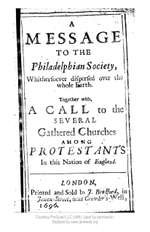
1st and 2nd Message to the Philadelphian Society
Jane Lead, 1696
Direct communication to the Philadelphian Society, a key 'invisible church' founded by Behmenist figures.
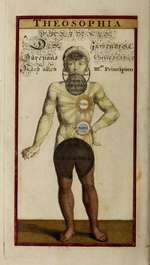
A Short Opening of the Three Principles and Worlds in Man
Johann Georg Gichtel, 1693First Translation
A foundational work by Gichtel, directly addressing Böhme's 'three principles' and spiritual anatomy.
Works of Jacob Behmen (William Law Edition, 4 vols)
Jakob Böhme; ed. William Law, 1781
The foundational works of Jakob Böhme, edited by a key Behmenist figure, essential for understanding the tradition.
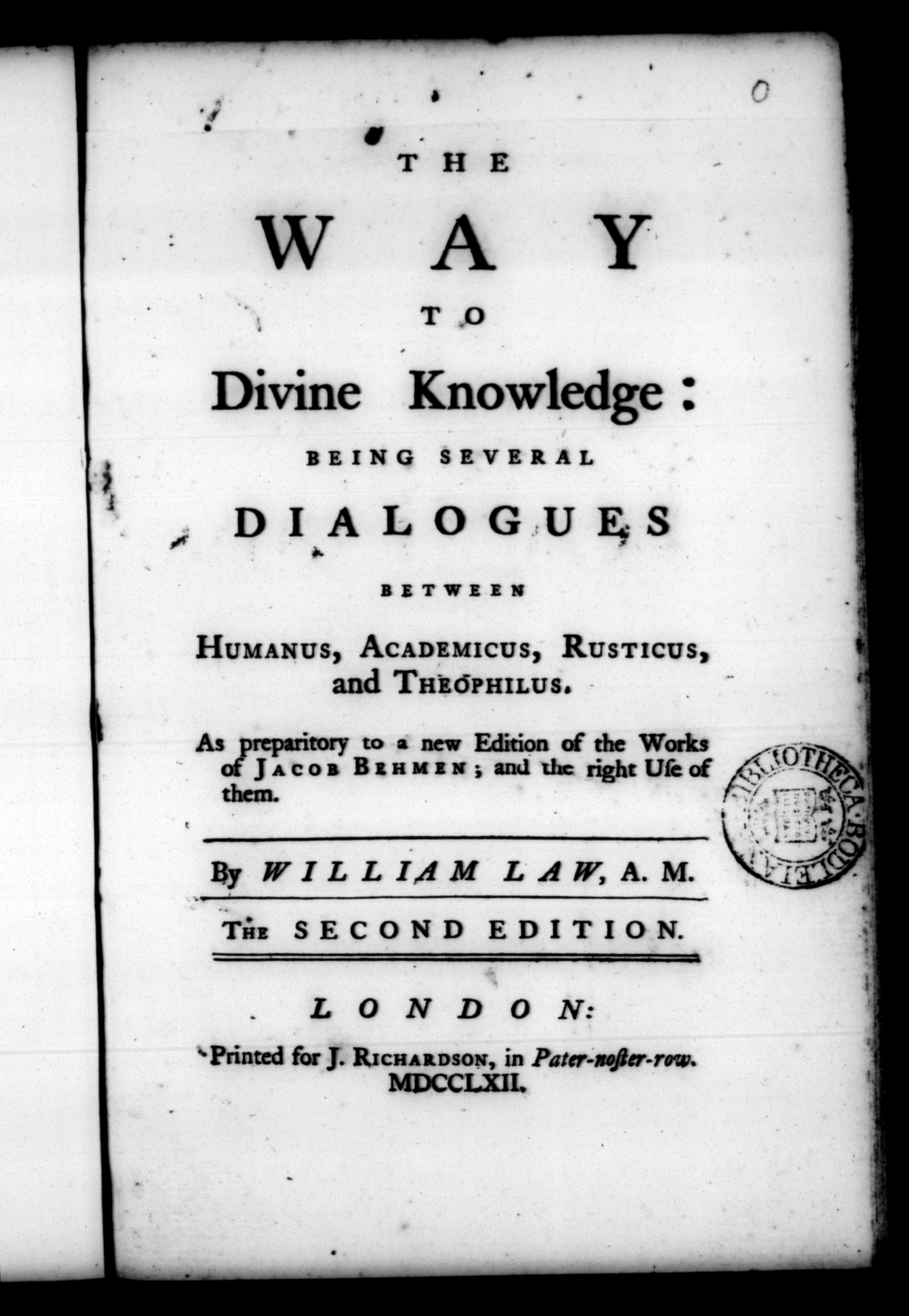
The Way to Divine Knowledge: Dialogues Preparatory to Jacob Behmen
William Law, 1757
A direct guide by William Law to understanding Jakob Böhme, crucial for tracing the Behmenist intellectual lineage.
Important Works
Significant texts that deepen understanding
Ein gründlich philosophisch Sendschreiben vom Steine der Weissheit
John Pordage, 1698
A significant philosophical work by the key Behmenist figure John Pordage.
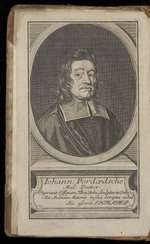
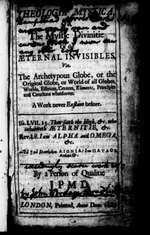
Divine and True Metaphysics
Pordage, John, 1715First Translation
A significant metaphysical work by the key Behmenist figure John Pordage.
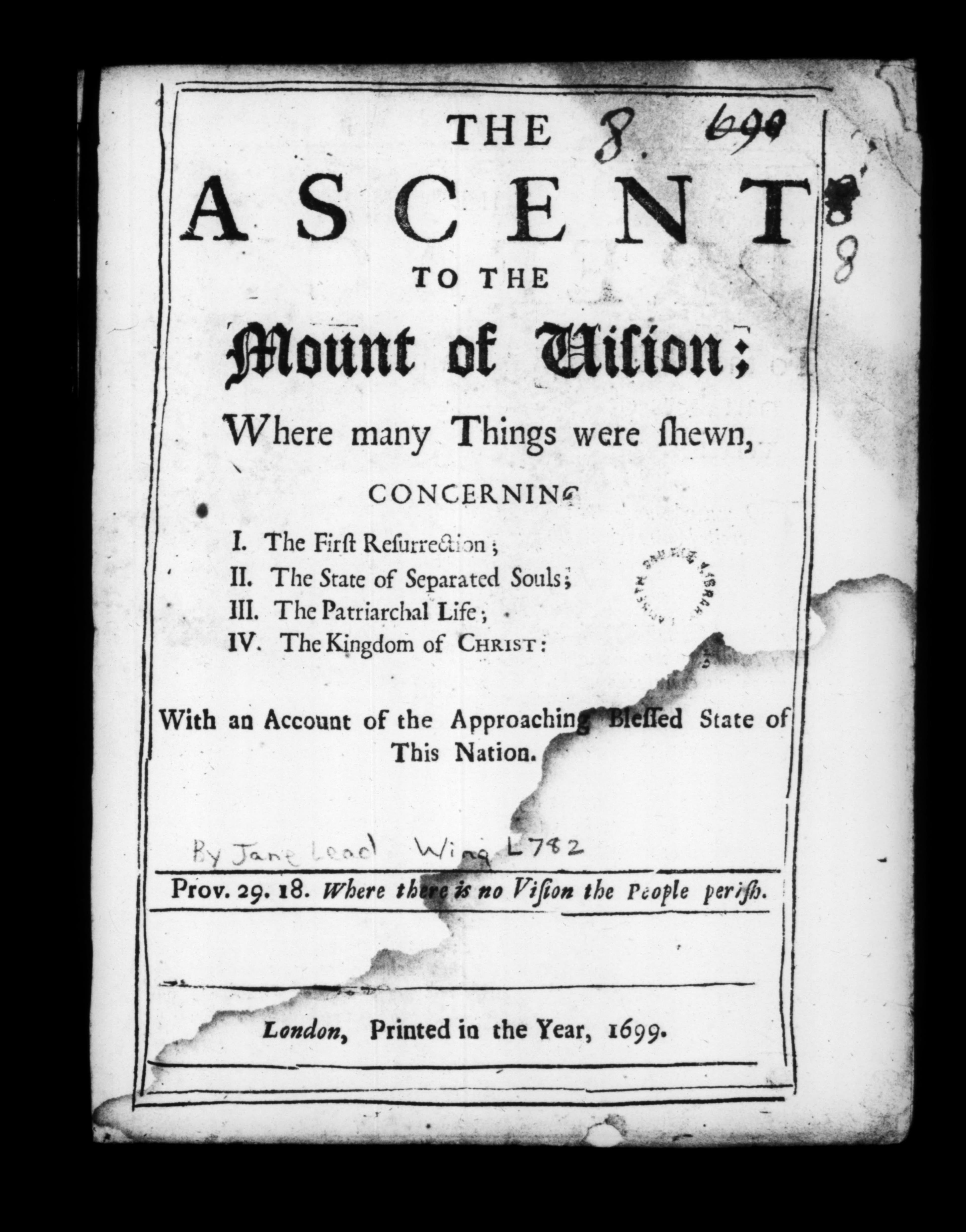
The Ascent to the Mount of Vision
Jane Lead, 1699
A significant visionary work by Jane Lead, directly relating to spiritual ascent and insight.
Six Invaluable Mystical Tracts
Lead, Jane, 1696First Translation
A collection of important mystical writings by the key Behmenist figure Jane Lead.
The Tree of Faith, or The Tree of Life
Jane Lead, 1696
A significant mystical work by Jane Lead, employing a key spiritual motif.
A Fountain of Gardens, Vol. 1
Jane Lead, 1696
The first volume of 'A Fountain of Gardens,' a major mystical work by Jane Lead.
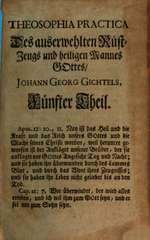
Practical Theosophy - Volume I
Johann Georg Gichtel, 1722First Complete Translation
The first volume of 'Theosophia Practica,' a major work by Gichtel embodying practical Behmenist philosophy.
A Brief Opening of the Three Principles and Worlds in Man
Johann Georg Gichtel, 1736
A significant edition of Gichtel's work, directly addressing Böhme's 'three principles' and spiritual anatomy.

Practical Theosophy - Volume II
Johann Georg Gichtel, 1722
The second volume of 'Theosophia Practica,' a major work by Gichtel embodying practical Behmenist philosophy.
All Books
Browse Full Catalog→33 books in this collection
Four Little Treatises
Pordage, John
The revelation of revelations
Lead, Jane
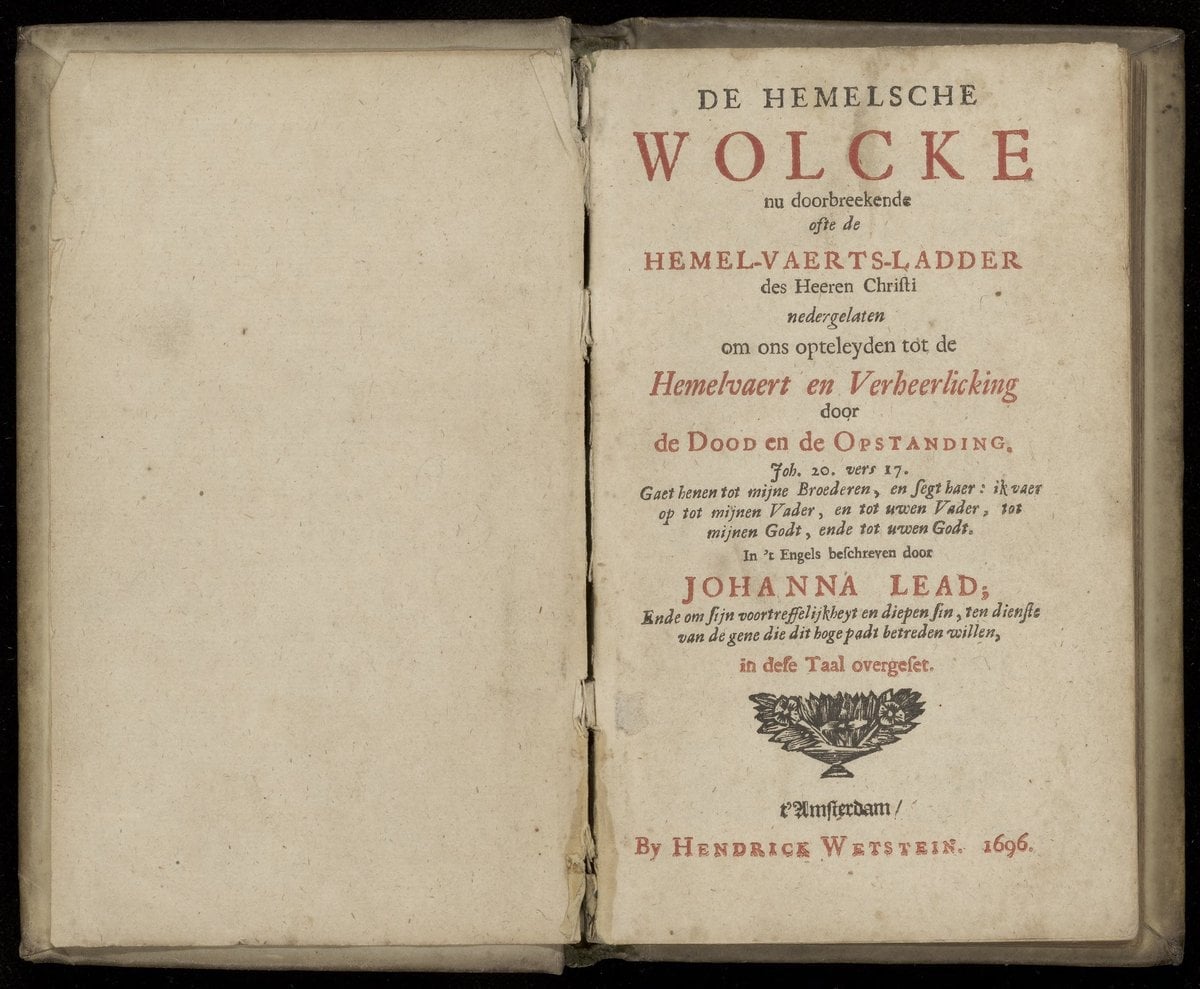
The Heavenly Cloud Now Breaking
Lead, Jane
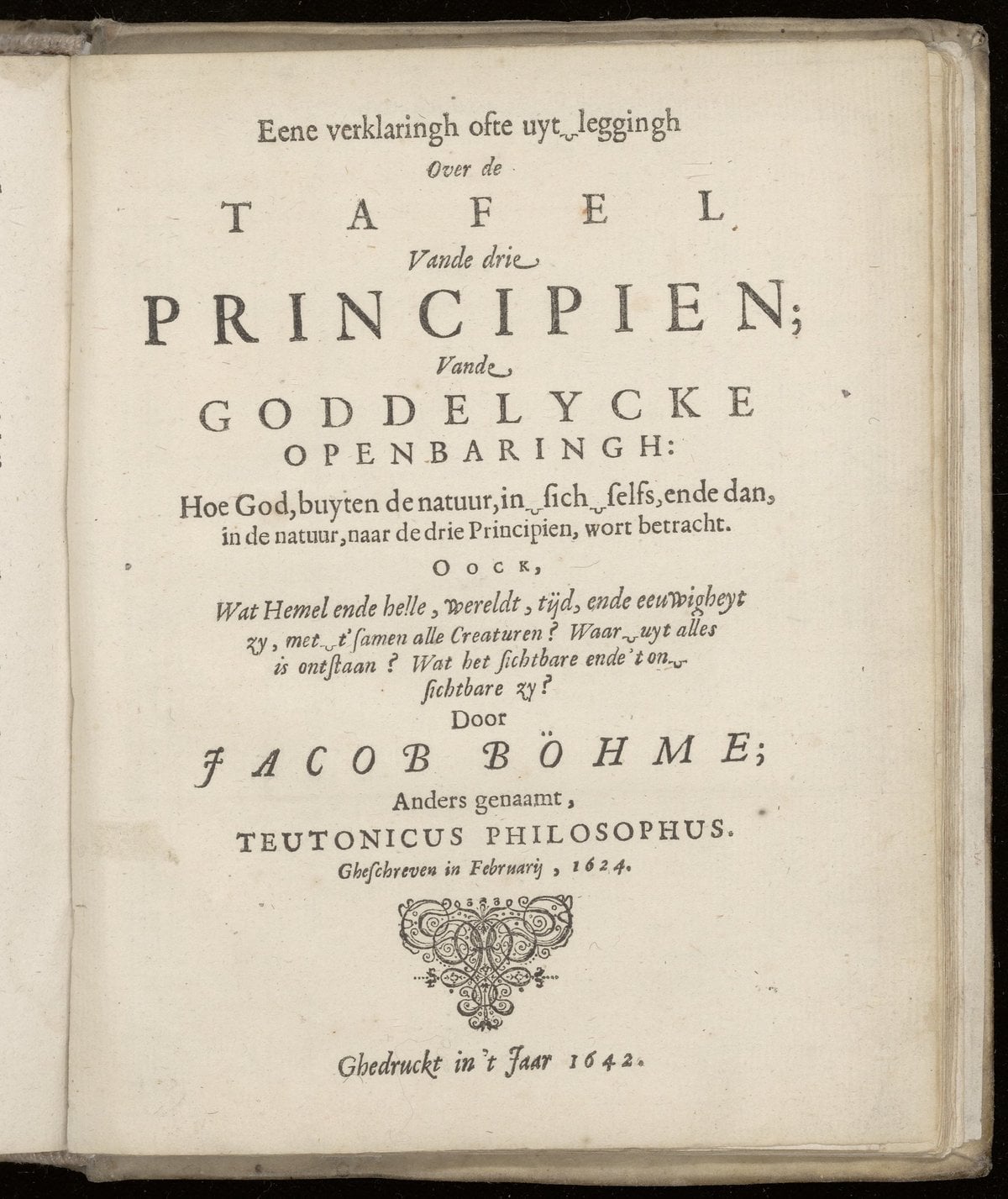
An Explanation of the Table of the Three Principles
Böhme, Jacob|
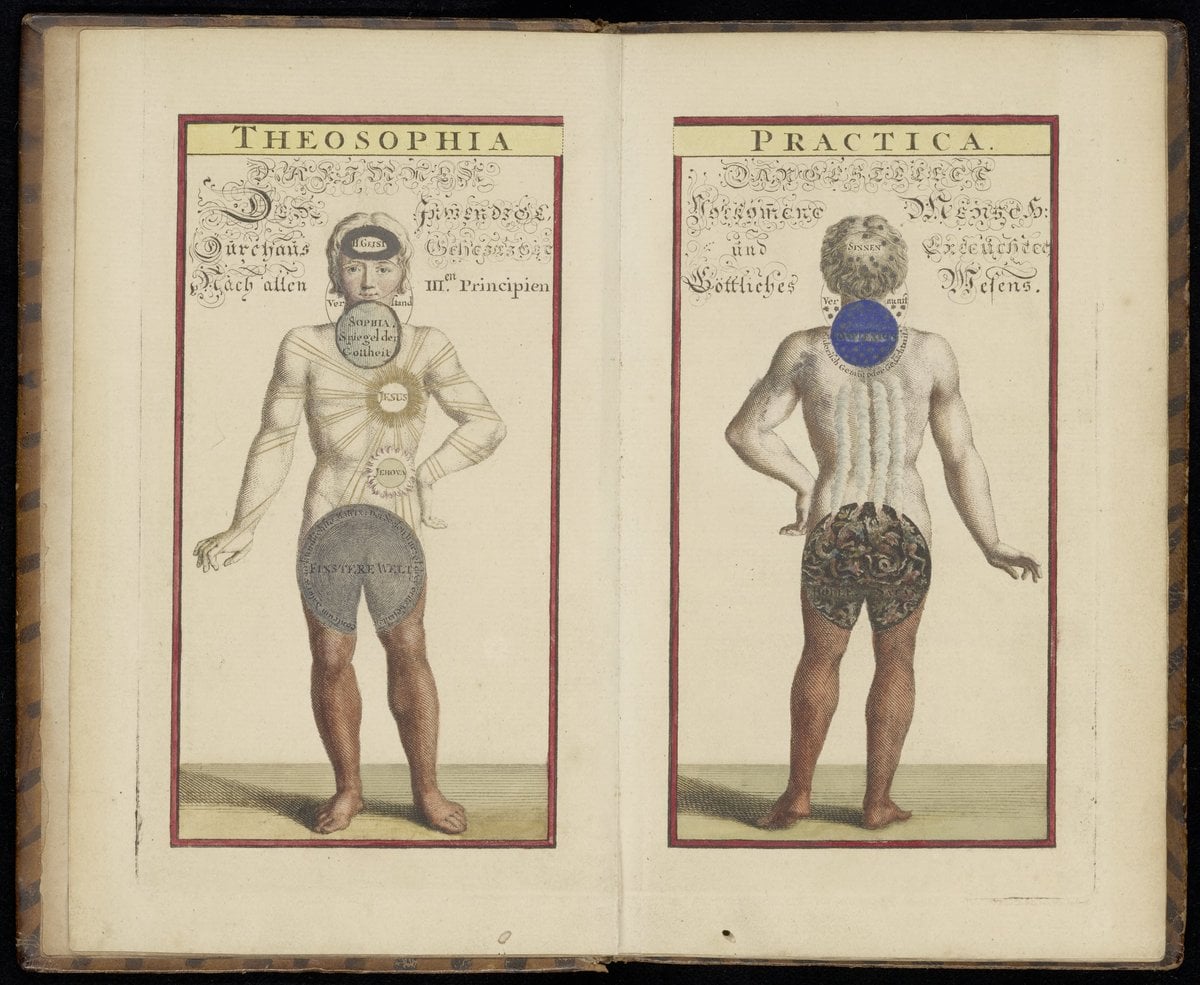
A Brief Opening and Instruction on the Three Principles and Worlds in Man
Gichtel, Johann Georg
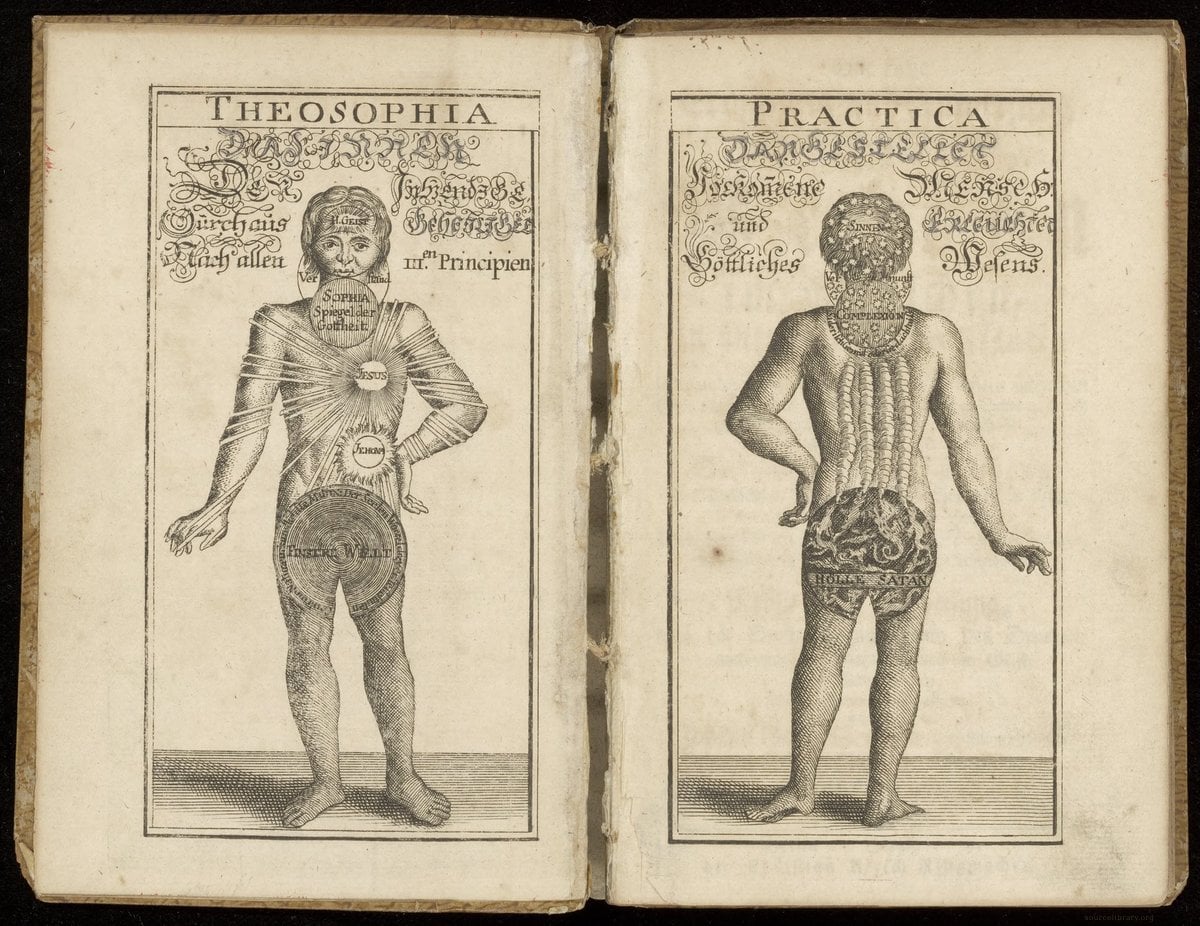
A Brief Opening and Instruction on the Three Principles
Gichtel, Johann Georg|Graber, Johann Georg
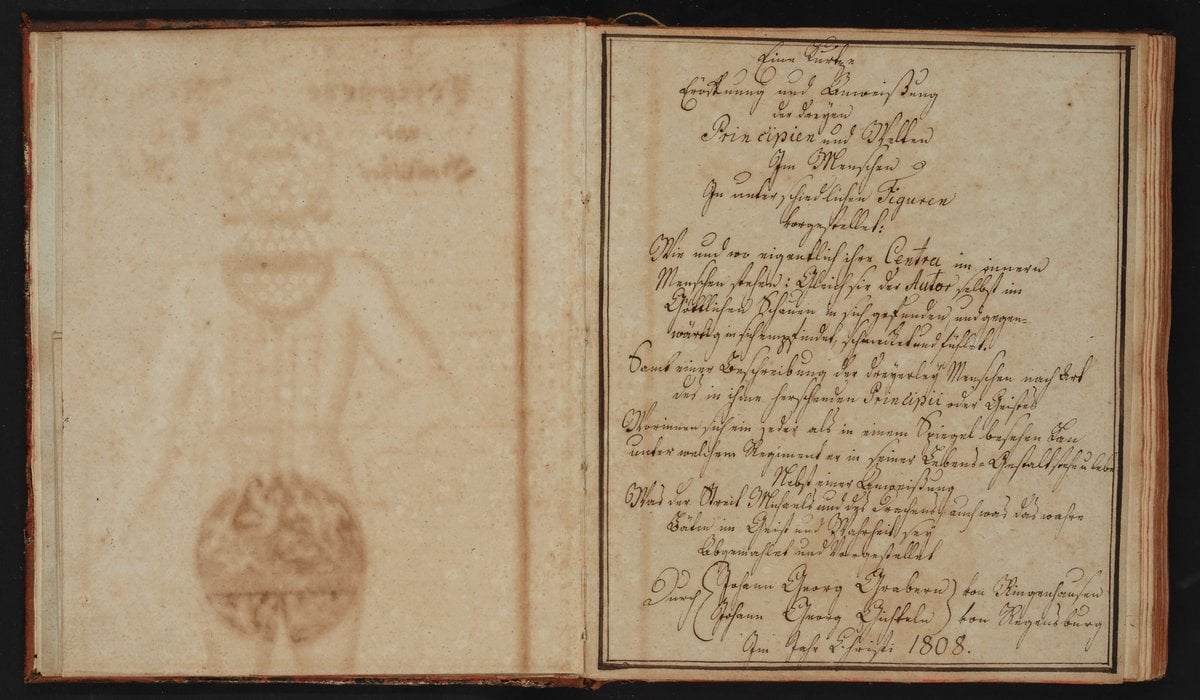
Opening of the Three Principles — Graber & Gichtel, 1808
Johann Georg Graber; Johann Georg Gichtel
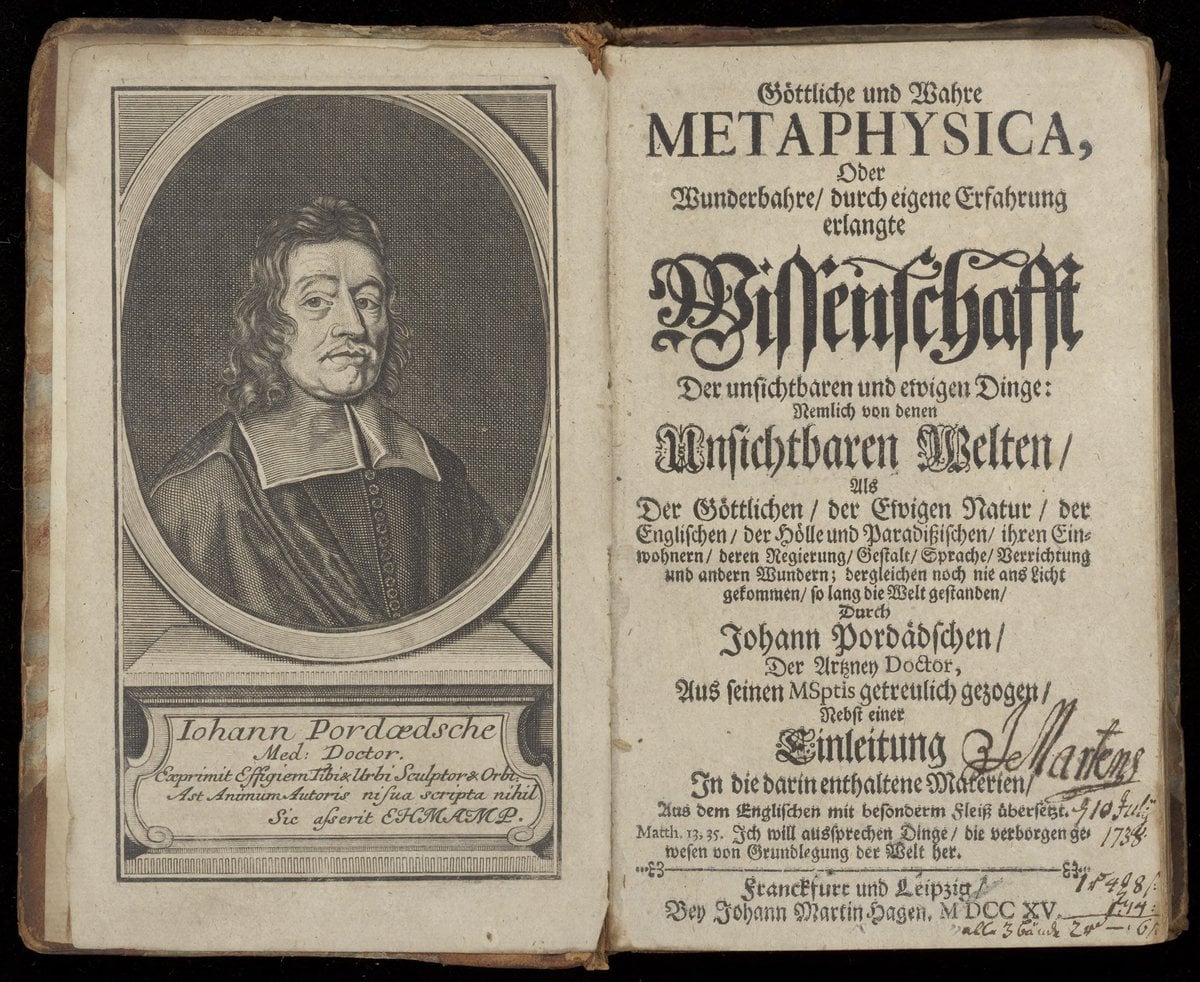
Divine and True Metaphysics
Pordage, John
Revelations Concerning the Last Times
Lead, Jane
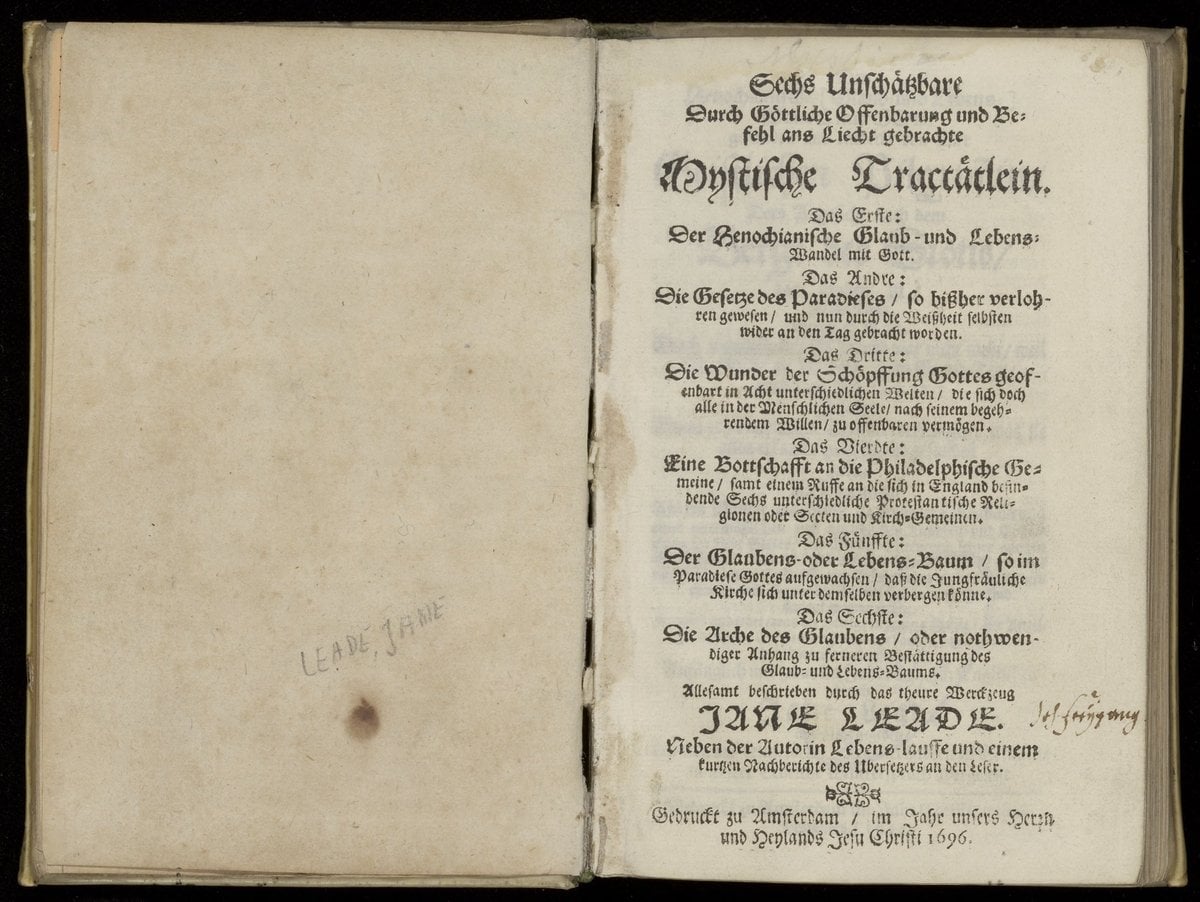
Six Invaluable Mystical Tracts
Lead, Jane