


The Byzantine Bridge
Greek scholars flee Constantinople and ignite the Renaissance.
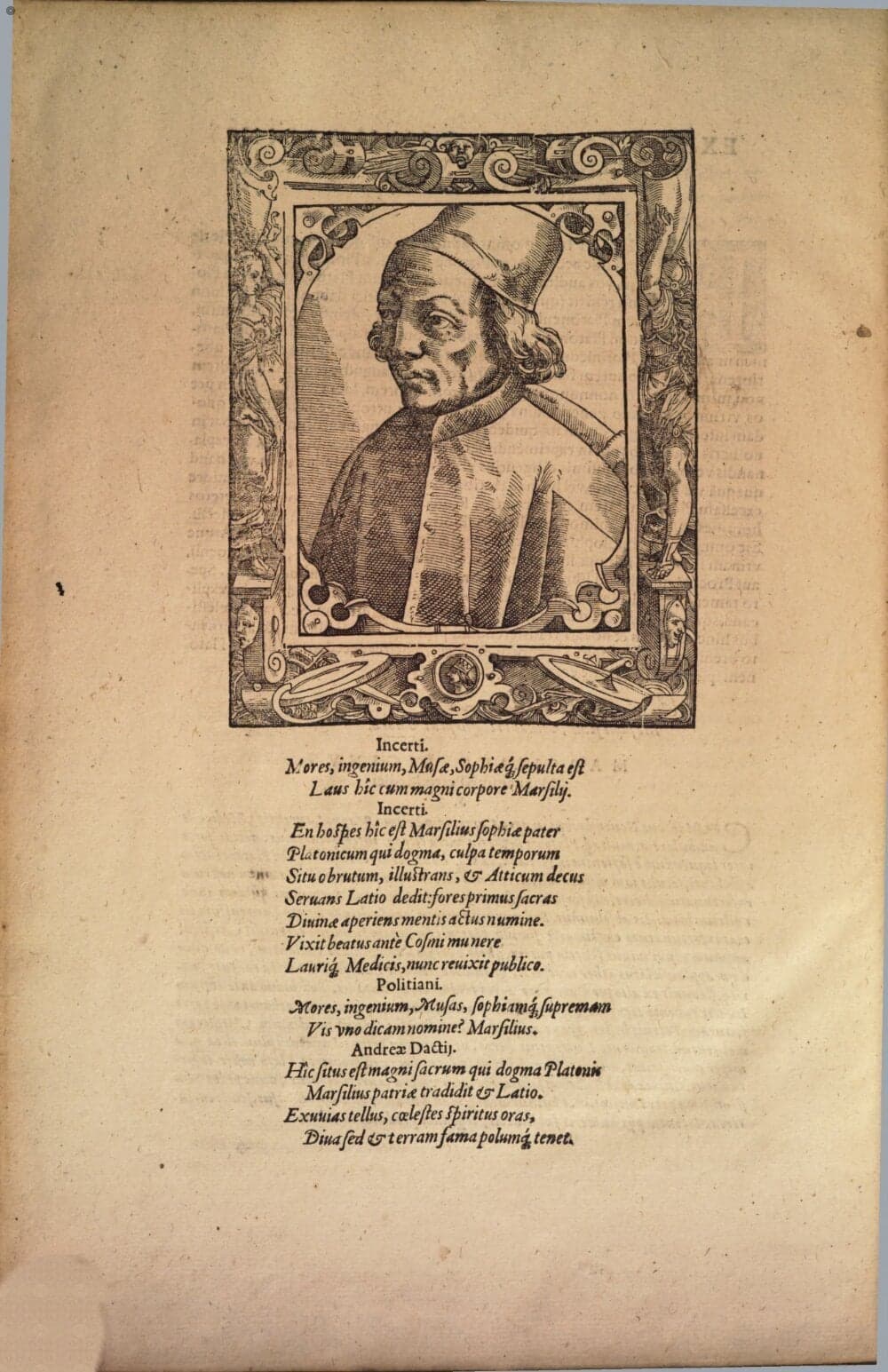
Illustrations
Browse all13 images extracted
This diagram represents a square horoscope chart for the sign of Leo, a standard format for calculating celestial influences in the 15th century. It features the traditional twelve-house division used by astronomers like Regiomontanus to map the positions of planets and stars at specific moments.
This 1546 woodcut provides a detailed architectural reconstruction of the Tabernacle as described in the Book of Exodus. The diagram uses alphabetical labels to identify specific structural elements and sacred objects, reflecting the Renaissance interest in precise biblical scholarship and visual representation of ancient texts.
This intricate woodcut illustrates the prophet Ezekiel's vision of the divine chariot, known as the Merkabah. At the top, God sits enthroned within a radiant mandorla, while below, the four living creatures and the 'wheels within wheels' are depicted amidst a whirlwind of fire. This image serves as a visual guide to one of the most complex and influential mystical passages in the Old Testament, reflecting the 16th-century interest in biblical literalism and visual exegesis.
This woodcut depicts the renowned printer's mark of Robert Estienne, showing a bearded man standing beside an olive tree. A banner entwined in the branches carries the Latin motto 'NOLI ALTVM SAPERE' (Be not high-minded), referencing a passage from the Epistle to the Romans. The image symbolizes the importance of humility and the grafting of new faith onto ancient roots.
This technical diagram, titled 'Argumenti lune Signa', illustrates the geometric calculation of lunar positions. It features a diamond-shaped grid labeled with astrological symbols, including Aquarius, serving as a computational tool for 15th-century astronomers like Regiomontanus and Peuerbach.
This diagram illustrates a hierarchical division of 'Ens' (Being), a common logical tool in Renaissance philosophy known as a Porphyrian Tree. It traces the descent from universal substance through various dichotomies—such as corporeal and incorporeal, animate and inanimate—down to specific individuals like Socrates and Plato, reflecting the period's deep engagement with Aristotelian logic.

This emblem is the celebrated printer's mark of Robert Estienne, one of the most influential scholar-printers of the 16th century. It depicts a philosopher standing beside an olive tree, with a banner bearing the Latin motto 'NOLI ALTVM SAPERE' (Be not high-minded), a warning against intellectual arrogance derived from the Epistle to the Romans. The imagery of the falling branches serves as a poignant reminder of the consequences of pride and the necessity of humility in the pursuit of wisdom.
When Constantinople fell in 1453, Greek scholars carried manuscripts west. Manuel Chrysoloras, George of Trebizond, Theodore Gaza, Cardinal Bessarion, George Gemistos Plethon — their translations and teachings introduced Plato, the Neoplatonists, and Greek science to an Italy ready to receive them. This collection documents the knowledge transfer that made the Renaissance possible.
Essential Reading
The foundational texts of this tradition
Against the Calumniator of Plato; Correction of Plato's Laws
Cardinal Bessarion, 1503First Translation
This foundational work by Cardinal Bessarion, a named key scholar, directly defends Plato and promotes Greek philosophy in the Renaissance.

Greek Grammar
Manuel Chrysoloras, 1484First Complete Translation
Manuel Chrysoloras's Greek Grammar was the essential tool for learning Greek in Renaissance Italy, directly enabling the knowledge transfer.
Poimandres
Hermes Trismegistus, 1554
The first printed Greek edition of a core Hermetic text, whose translation by Ficino was hugely influential in the Renaissance intellectual landscape.
Erotemata (Questions)
Manuel Chrysoloras; Guarino Veronese, 1548First Translation
Chrysoloras's grammar, expanded by a leading Italian humanist, was fundamental for Greek language acquisition and the study of Greek texts in the Renaissance.
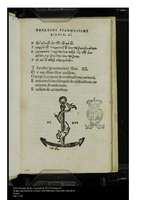
Greek Grammar
Theodore Gaza, 1525First Translation
A key Greek grammar by Theodore Gaza, a named scholar, printed by the Aldine Press, essential for the study of Greek in the Renaissance.
Important Works
Significant texts that deepen understanding

The Greek Manuscripts in the Old Seraglio at Constantinople
Stephen Gaselee, 1916
This work documents Greek manuscripts, which are the core physical artifacts of the knowledge transfer from Byzantium to the West.
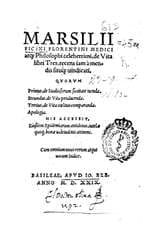
Three Books on Life
Marsilio Ficino, 1529
Ficino's own work, deeply influenced by the Neoplatonic texts he translated, showcases the direct impact of Greek thought on Renaissance philosophy.
Pal.lat.1375
Regiomontanus, Peuerbach, Hermes Trismegistus, et al., 1480First Translation
This Renaissance manuscript contains Hermetic texts and works by astronomers who built upon Greek science, reflecting the influx of Greek knowledge.
Greek philosophical miscellany (Cambridge, University Library, MS Dd.4.16)
Aristotle, 1450First Translation
A Greek manuscript of Aristotle from the time of Constantinople's fall, representing the type of philosophical text carried west.
Greek texts on mathematics, astronomy and geography (Cambridge, University Library, MS Gg.2.33)
Ptolemy; Euclid, 1350First Translation
Byzantine-era Greek manuscripts of foundational Greek science (Ptolemy, Euclid) that were rediscovered and studied in the Renaissance.
Greek texts on music, mathematics and astronomy (Cambridge, University Library, MS Kk.5.26)
Aristoxenus, 1500
An early Renaissance Greek manuscript demonstrating continued interest in and copying of ancient Greek scientific and musical texts.
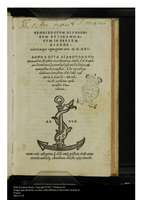
The Greek Anthology (Florilegium Epigrammatum)
Various Greek Poets, 1521
An Aldine Press printing of a major Greek literary work, illustrating the crucial role of printing in disseminating Greek texts in the Renaissance.
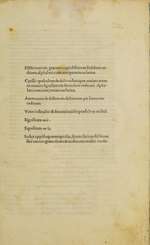
Greek-Latin Dictionary
Johannes Crastonus, 1497First Translation
A crucial tool from the early Renaissance for translating and learning Greek, directly supporting the knowledge transfer and study of Greek texts.
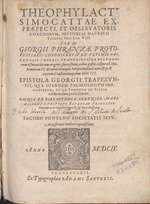
Historiae Byzantinae scriptores tres
Theophylact Simocatta; George Sphrantzes; George of Trebizond, 1604
This work includes a text by George of Trebizond, a named key scholar, providing context for Byzantine history and scholarship relevant to the transfer.
All Books
Browse Full Catalog→49 books in this collection
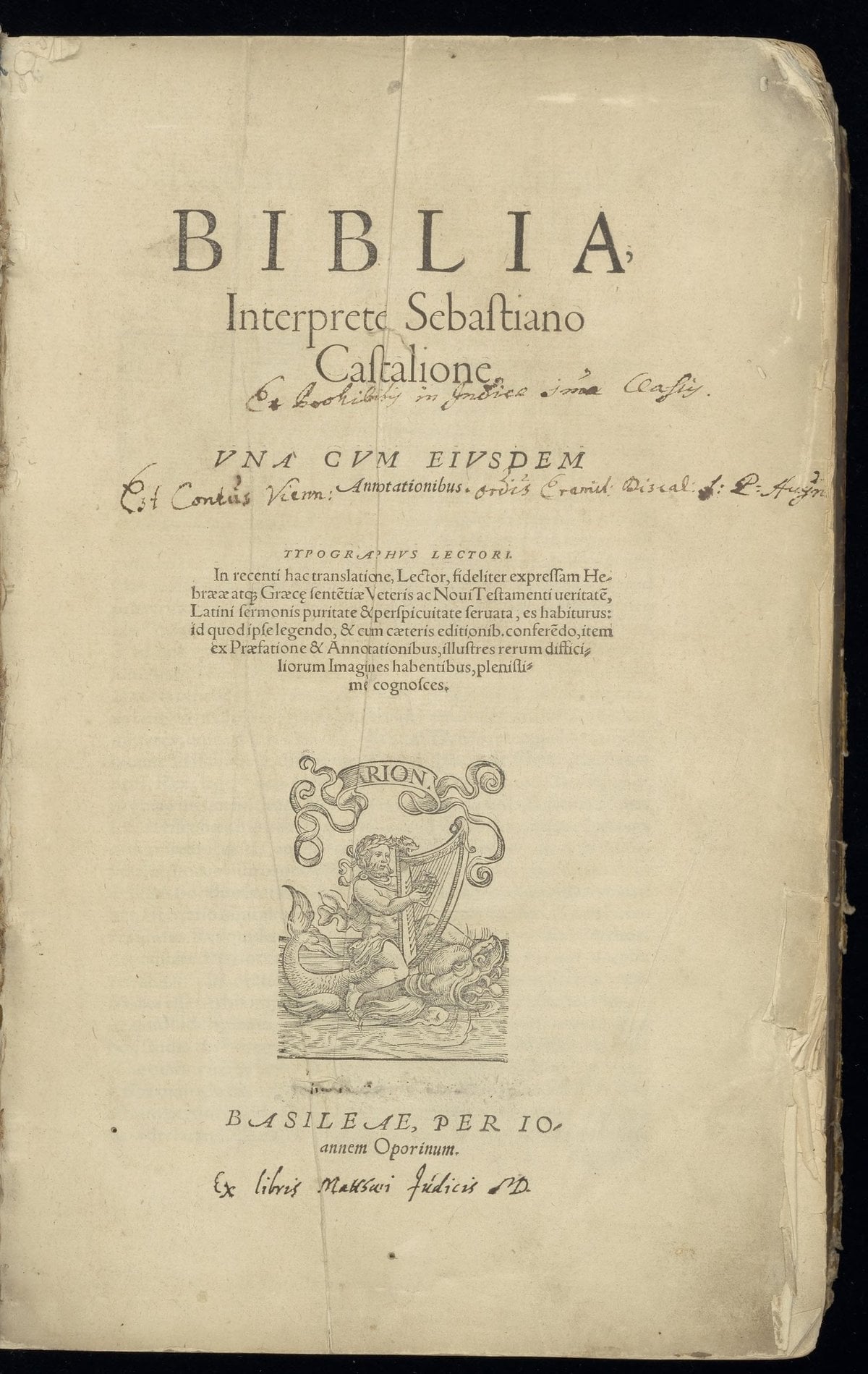
Greek Concordance of the New Testament
Unknown
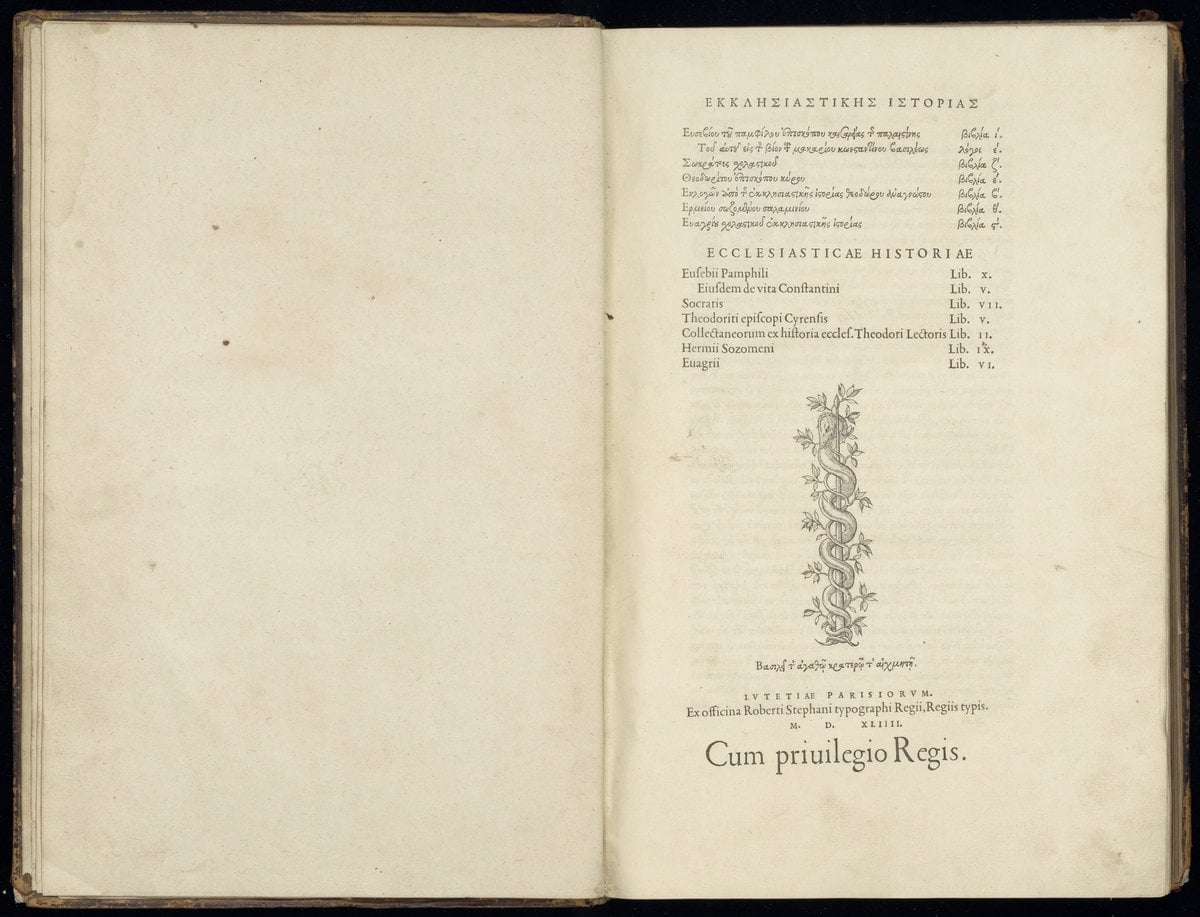
Ecclesiastical History
Eusebius Caesariensis
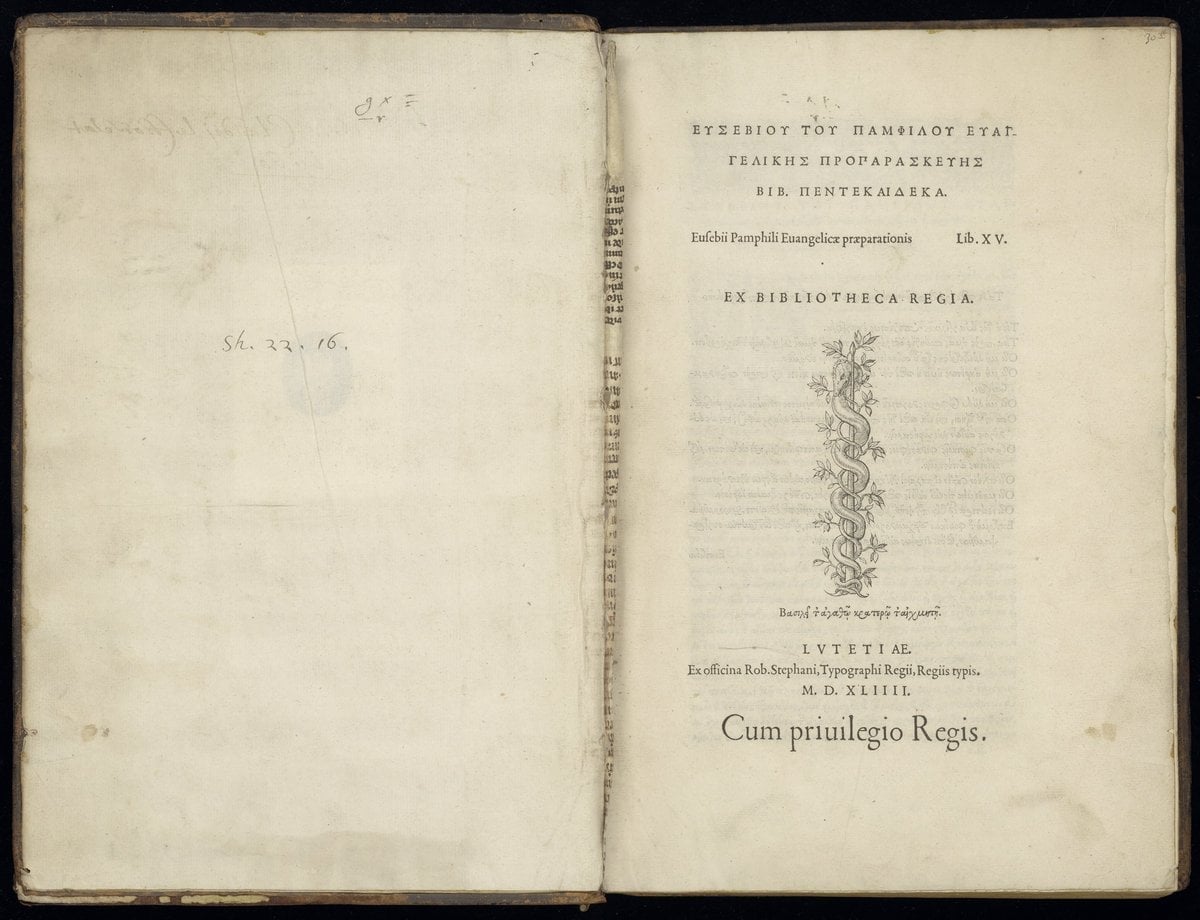
Preparation for the Gospel
Eusebius Caesariensis
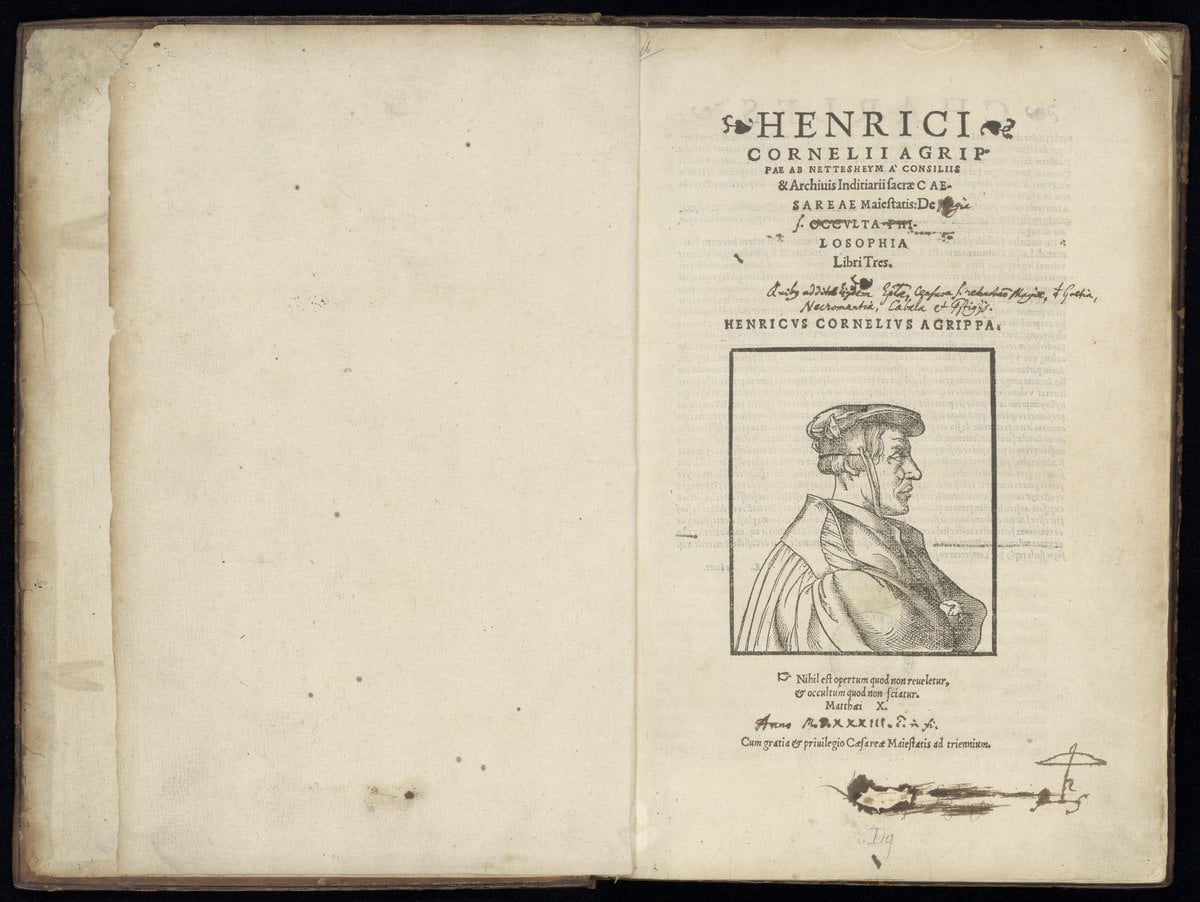
Three Books of Occult Philosophy
Agrippa, Henricus Cornelius
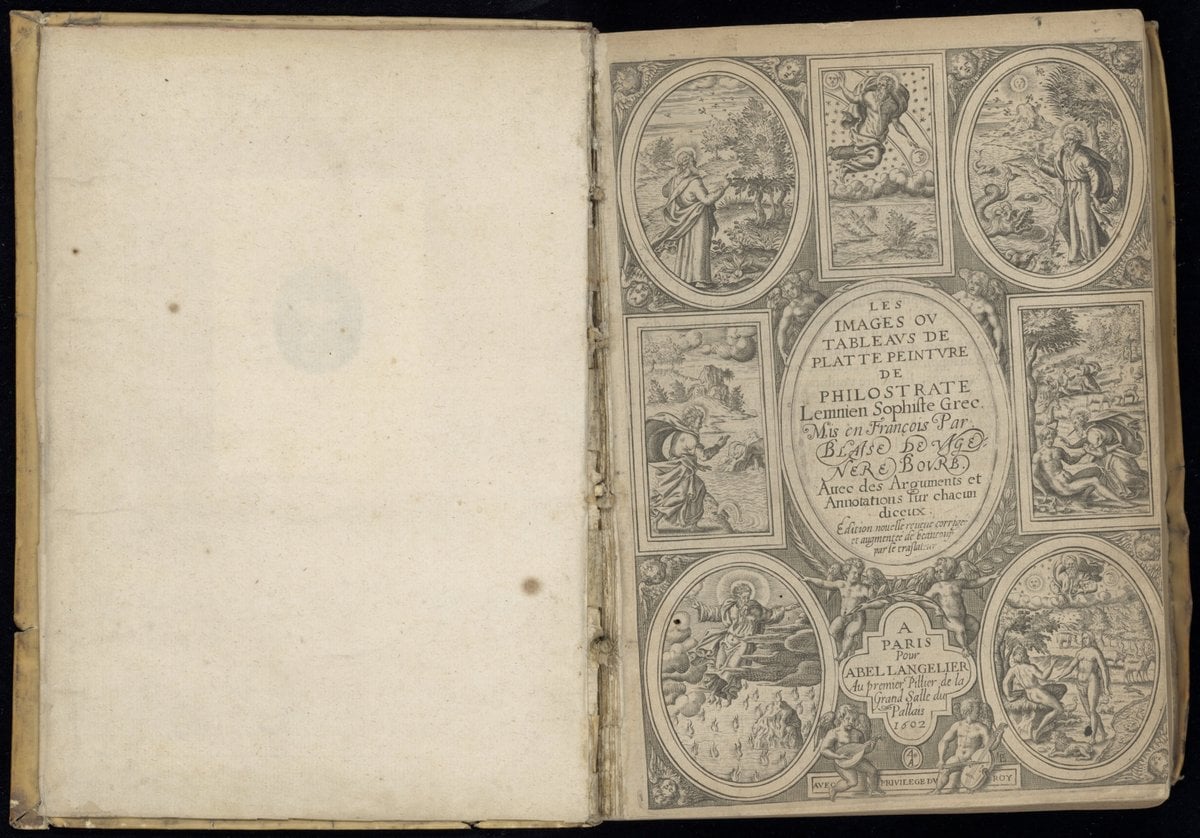
The Images of Philostratus
Philostratus