


Christian Theology
Scholasticism, Reformation & Apologetics


Illustrations
Browse all499 images extracted
This detailed woodcut serves as the author portrait for Pierio Valeriano's 'Hieroglyphica'. Valeriano is surrounded by an elaborate frame containing Mercury and Minerva, the Roman deities of communication and wisdom, highlighting his role as a bridge between ancient symbolism and Renaissance scholarship.
This iconic frontispiece for Thomas Hobbes’s 'Leviathan' (1651) visually represents his theory of the social contract. The 'Leviathan' is a giant sovereign whose body is composed of the individual citizens who have surrendered their rights to him for protection. Flanking the title are panels contrasting civil power (left) with ecclesiastical power (right), illustrating the absolute authority of the state over both realms.
This vibrant illumination depicts the legendary Peridexion tree, a staple of medieval bestiaries. According to lore, the tree's shadow protects doves from the dragons lurking below, serving as an allegory for the protection offered by the Church against spiritual danger. The masterful use of burnished gold and rich pigments marks this as a premier example of 13th-century English manuscript art.
This engraving illustrates the 'Experimentum mirabile' (miraculous experiment) regarding the imagination of a hen, as described in the accompanying Latin text. It depicts the phenomenon of tonic immobility, where a chicken remains paralyzed after a straight line is drawn on the ground starting from its beak. This image is a classic representation of early modern scientific inquiry into animal psychology and the perceived effects of 'magnetism' or imagination on living creatures.
This woodcut illustrates the opening scene of Dante Alighieri's Inferno. Dante is depicted lost in a dark forest, where he encounters three allegorical beasts—a leopard, a lion, and a she-wolf—before being rescued by the Roman poet Virgil, who will serve as his guide through the afterlife.
This complex circular diagram, known as a 'nota', is a central element of the Ars Notoria, a medieval grimoire. It served as a visual focus for practitioners who sought to gain instantaneous knowledge of the liberal arts through a combination of prayer, meditation on these figures, and divine intervention.

This vibrant illumination from a medieval bestiary depicts a monoceros, a legendary creature often identified with the unicorn. Shown with a blue body and a single long horn, it stands amidst stylized trees against a shimmering gold background, illustrating the medieval fascination with the wonders of the natural and mythical world.

This intricate engraving serves as the central visual argument for Robert Fludd's 'Philosophia Moysaica' (1638). It presents a complex cosmological diagram illustrating the relationship between the divine, the celestial, and the terrestrial realms through a series of interlocking circles and symbolic figures. Fludd, a prominent Hermetic philosopher and physician, used such imagery to synthesize biblical narrative with contemporary scientific and mystical thought, representing the unfolding of creation from the divine unity.

This elaborate frontispiece for Athanasius Kircher's 'Ars Magna Sciendi' depicts Wisdom (Sophia) enthroned amidst the clouds, presiding over the 'Alphabeta Artis'—a system of universal knowledge. The imagery combines divine providence, represented by the Eye of God, with the terrestrial world below, illustrating Kircher's ambitious attempt to create a combinatorial art that could encompass all human understanding.
Visual Art
Browse all art →7 works of visual art in this collection
 religious
Four Horsemen of the Apocalypse
Albrecht Dürer
A woodcut depicting the Four Horsemen of the Apocalypse trampling humanity, as described in the Book of Revelation.
 object
Standing Shiva Mahadeva
Anonymous (Kashmir)
A gold solidus coin featuring the Byzantine Emperor Justinian I on the obverse and a winged Victory holding a cross on the reverse.
 print
printPilgrimage of Jesus Christ
Doetecum, Joannes van, de Jongere
A 17th-century cartographic depiction of the Holy Land, featuring the coastline of the Levant, the Jordan River, the Sea of Galilee, and the Dead Sea, decorated with sailing ships, sea monsters, and ornate cartouches.
 allegory
Youth (Midday) — The Four Ages of Man
Hieronymus Wierix
This engraving depicts a procession representing 'Youth' as the midday stage of human life, filled with allegorical figures and symbols of worldly pursuits and virtues.
 allegory
Faith — from The Seven Virtues
Jacob Matham (after Hendrick Goltzius)
This engraving depicts a personification of Faith as a seated woman holding a crucifix in one hand and an open book in the other.
 print
printAbrahami patriarchae peregrinatio et vita Abrahamo Ortelio Antverpiano auctore
Ortelius, Abraham
This print depicts the geographical journey of the biblical patriarch Abraham, centered on a map of Mesopotamia and the Levant, surrounded by twenty-two circular medallions illustrating key biographical episodes from his life.
 print
printNew Map of Palestine
Stella, Tilemann
This is a 16th-century cartographic print depicting the Holy Land (Palestine), featuring a central map oriented with the Mediterranean coast on the left, flanked by elaborate cartouches containing inscriptions and ornamental figures.
From Renaissance Neoplatonism to the Visionary Worlds of Jakob Böhme
Giovanni Pico della Mirandola famously argued that no science better proves the divinity of Christ than the practice of magic and the study of Kabbalah.
When Marsilio Ficino translated the works of Plato and the Hermetic Corpus for the Medici, he intended to revitalize Christianity by anchoring it in a 'prisca theologia' or ancient theology. This collection captures the fallout of that Renaissance explosion, where the boundaries between theology, natural magic, and philosophy were porous. From the high-stakes intellectualism of Pico della Mirandola and his 'The 900 Theses' to the intricate 'Egyptian Oedipus, Volume 1' by the Jesuit polymath Athanasius Kircher, these books represent a quest for a unified field of divine knowledge.
The collection also houses the radical 'inner light' tradition, most notably the works of the Görlitz cobbler Jakob Böhme. His 'Dawn rising' and 'Theosophy Revealed, Volume 5' bypassed church hierarchy to describe a direct, often terrifying experience of the divine nature. This lineage of 'Theosophy'—distinct from the 19th-century movement—influenced everyone from the English Behmenists like John Pordage to the later 'New Jerusalem' visions found in Emanuel Swedenborg’s 'Heavenly Arcana'.
Finally, this library provides the essential tools of the trade: early critical editions of the 'Greek New Testament' by Tischendorf and the 'Hebrew Bible'. These are the texts that fueled the Reformation and the subsequent age of Apologetics, where scholars like Henry More and Ralph Cudworth attempted to defend the existence of the soul against the rising tide of materialism using the very 'Mosaicall Philosophy' Robert Fludd had championed decades earlier.

Key Figures
Marsilio Ficino
1433–1499
The priest and philosopher who led the Platonic Academy in Florence and reconciled Hermeticism with Christian doctrine.
Platonic Theology on the Immortality of SoulsJakob Böhme
1575–1624
A German mystic whose complex, dialectical visions of God's 'wrath' and 'love' founded modern theosophy.
Dawn risingAthanasius Kircher
1602–1680
The 'Master of a Hundred Arts,' a Jesuit who sought to decode Egyptian hieroglyphs as remnants of patriarchal theology.
The Great Art of Light and ShadowEmanuel Swedenborg
1688–1772
A scientist-turned-seer who claimed to have visited Heaven and Hell to record the spiritual meaning of the Bible.
Heavenly ArcanaThe Florentine Bridge
1480–1560The rediscovery of Neoplatonism provided a new language for Christian mysteries, emphasizing the soul's ascent to the One.
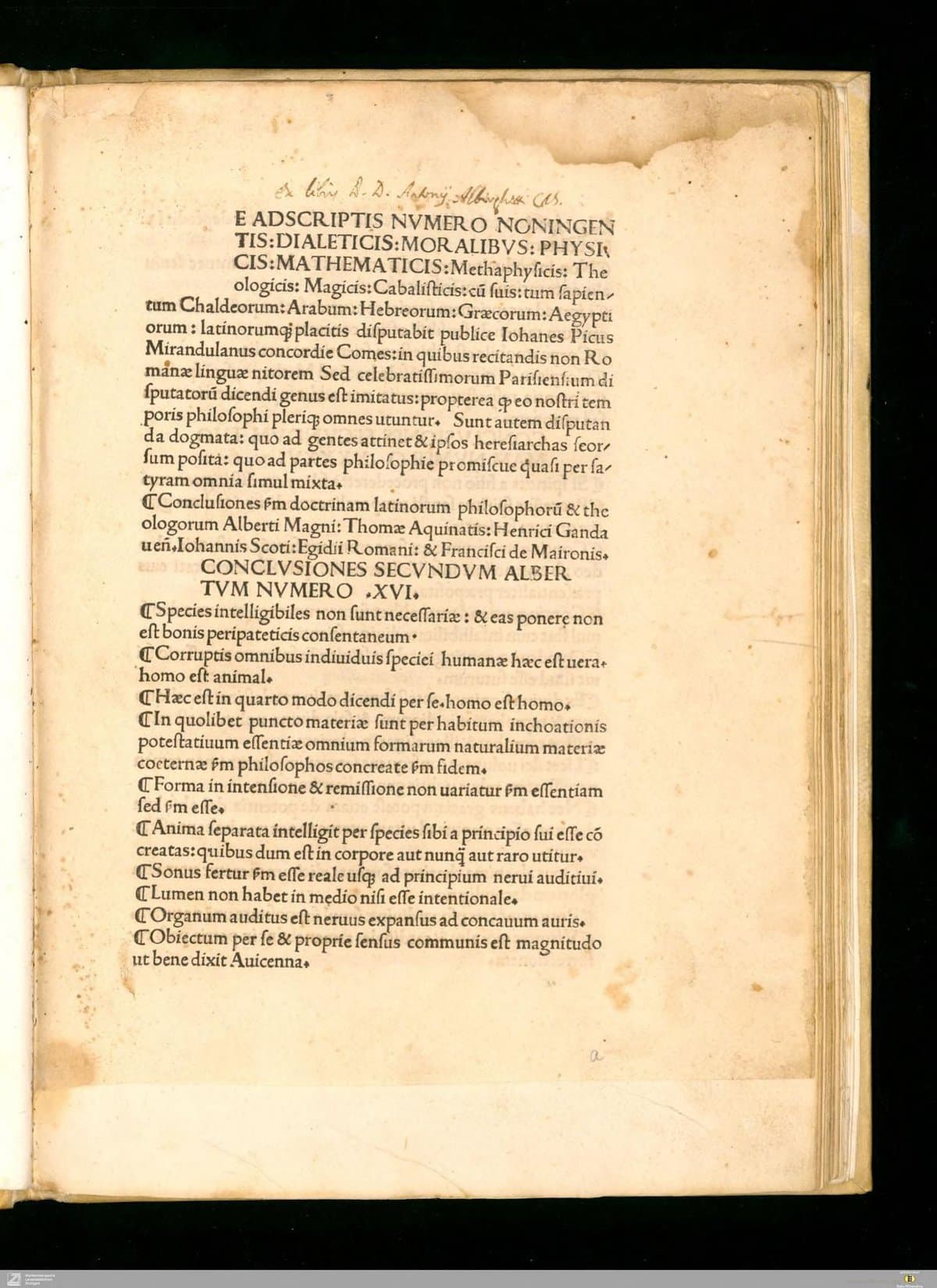
The 900 Theses
Pico della Mirandola, Giovanni (1463-1494), 1486
The provocative text that attempted to harmonize all known philosophies into 900 conclusions.
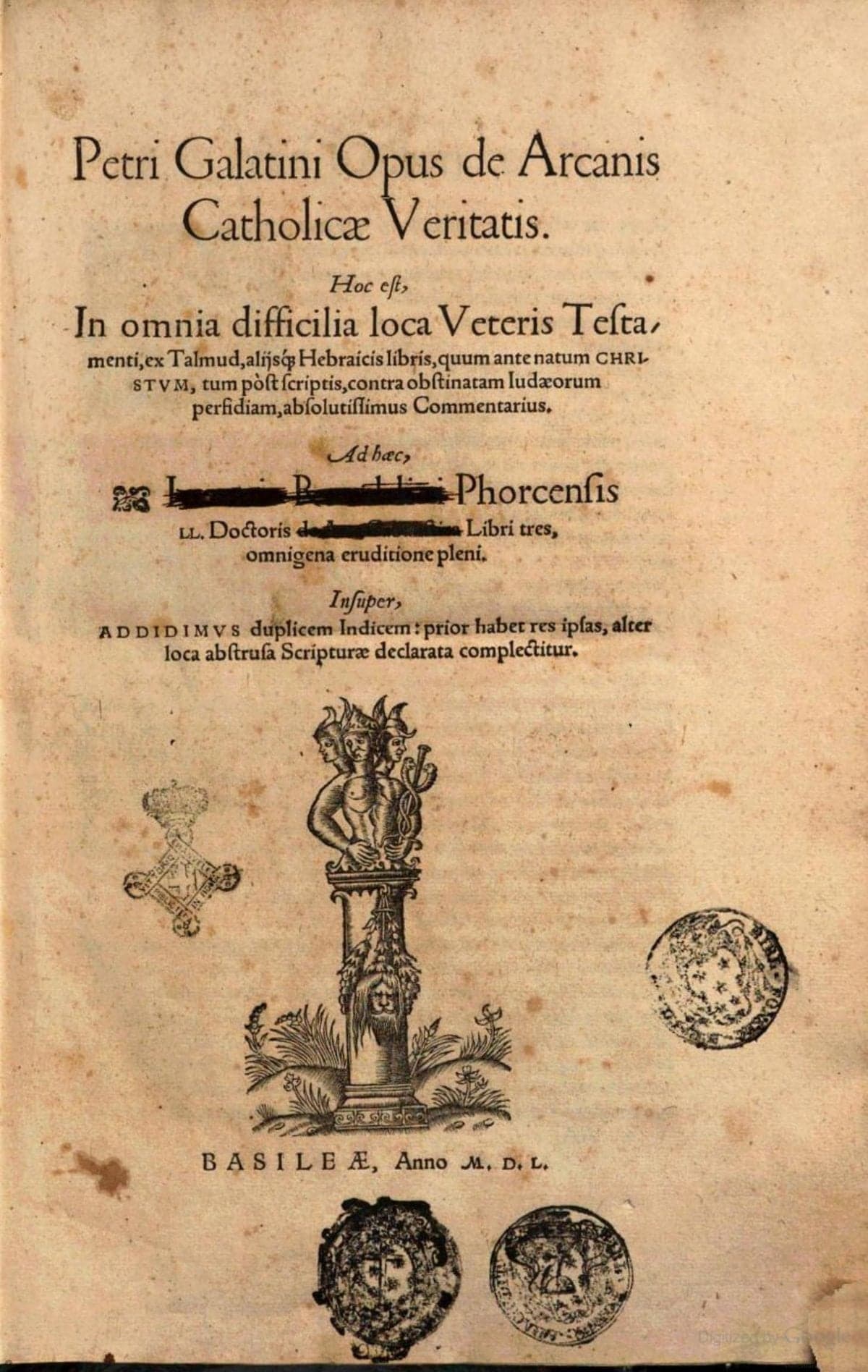
On the Art of the Kabbalah
Johann Reuchlin, 1517
A foundational work of Christian Kabbalah, arguing that Hebrew is the language of God's direct revelation.
Celestial Hierarchy / Divine Names (Ficino)
Pseudo-Dionysius (trans. Marsilio Ficino), 1501First from Latin
Ficino’s translation of the mysterious author who defined the hierarchy of angels for the medieval world.
The Teutonic Theosophy
1610–1780The radical Reformation produced a mystical theology focused on the 'inner Christ' and the organic nature of the universe.
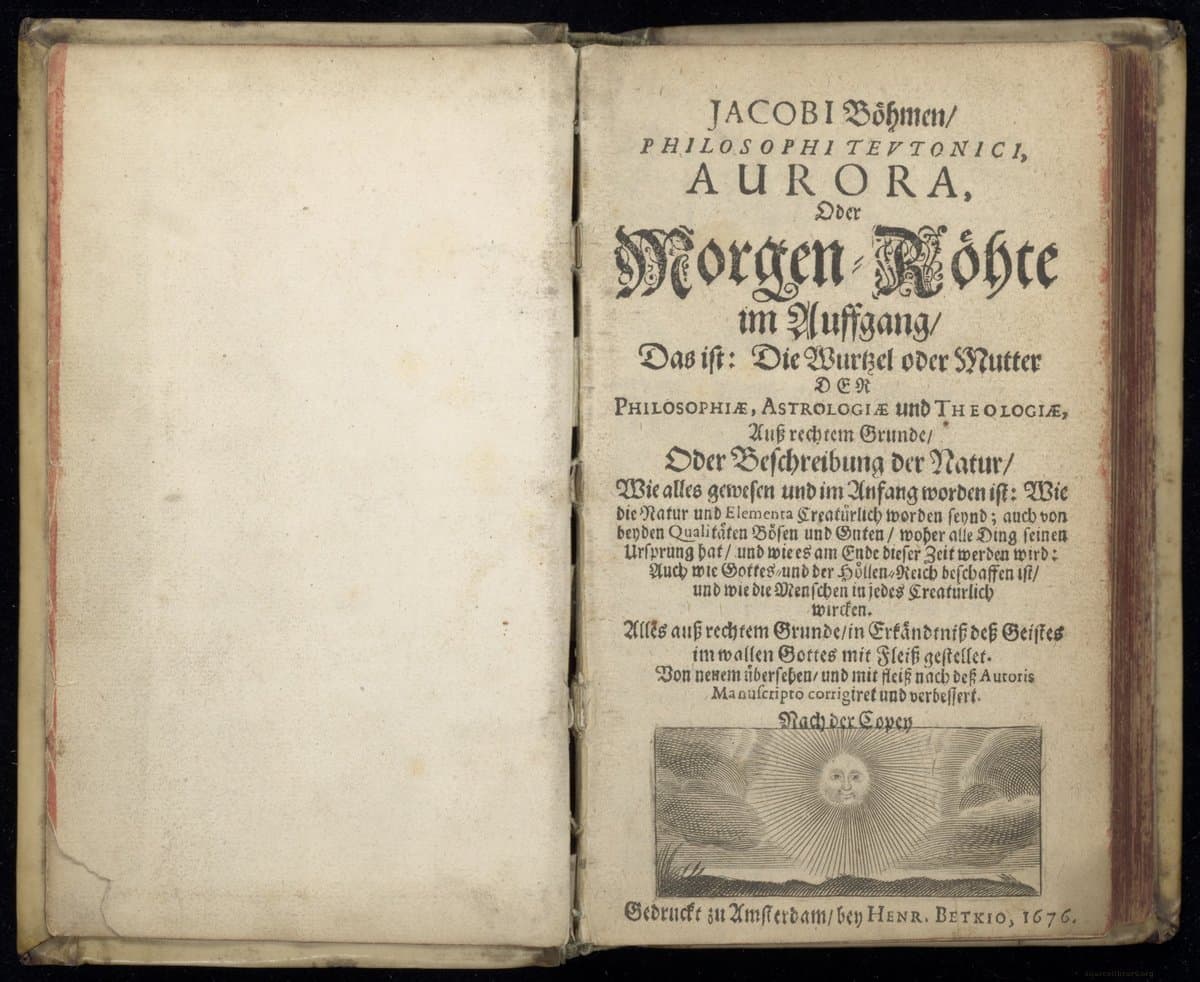
Aurora, or the Day-Spring
Boehme, Jacob, 1676
Boehme's first work, written in a state of 'astral' illumination, describing the birth of light from the dark abyss.
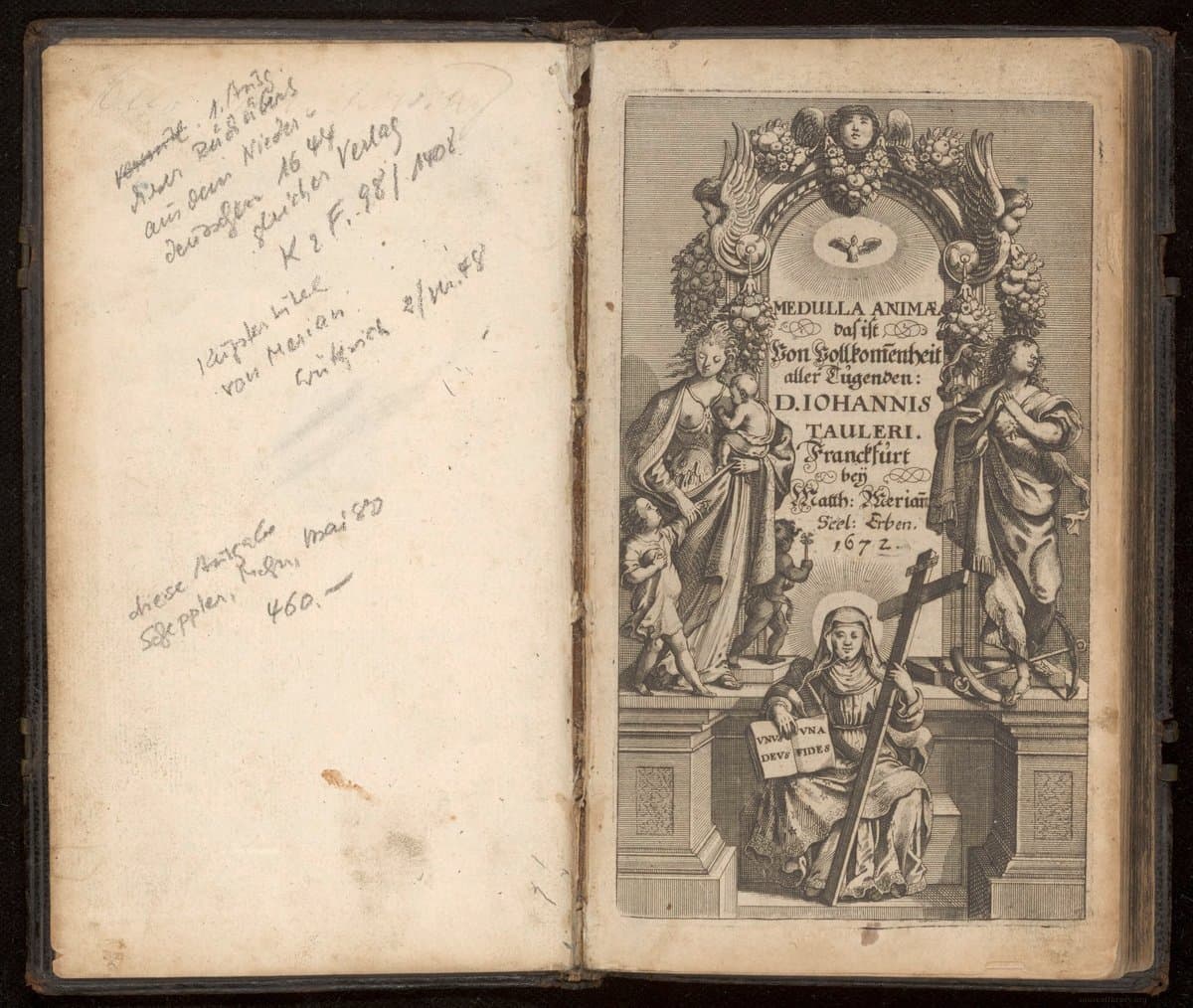
The Marrow of the Soul
Tauler, Johannes, 1672First Translation
The essential medieval source for the German mystical tradition that Böhme would eventually inherit.
Four Little Treatises
Pordage, John, 1704First Translation
A key work by the English physician who led a community of 'Behmenists' in the late 17th century.
The Universal Library
1640–1680Jesuit polymaths and Protestant pansophists attempted to categorize every aspect of creation as a form of divine communication.
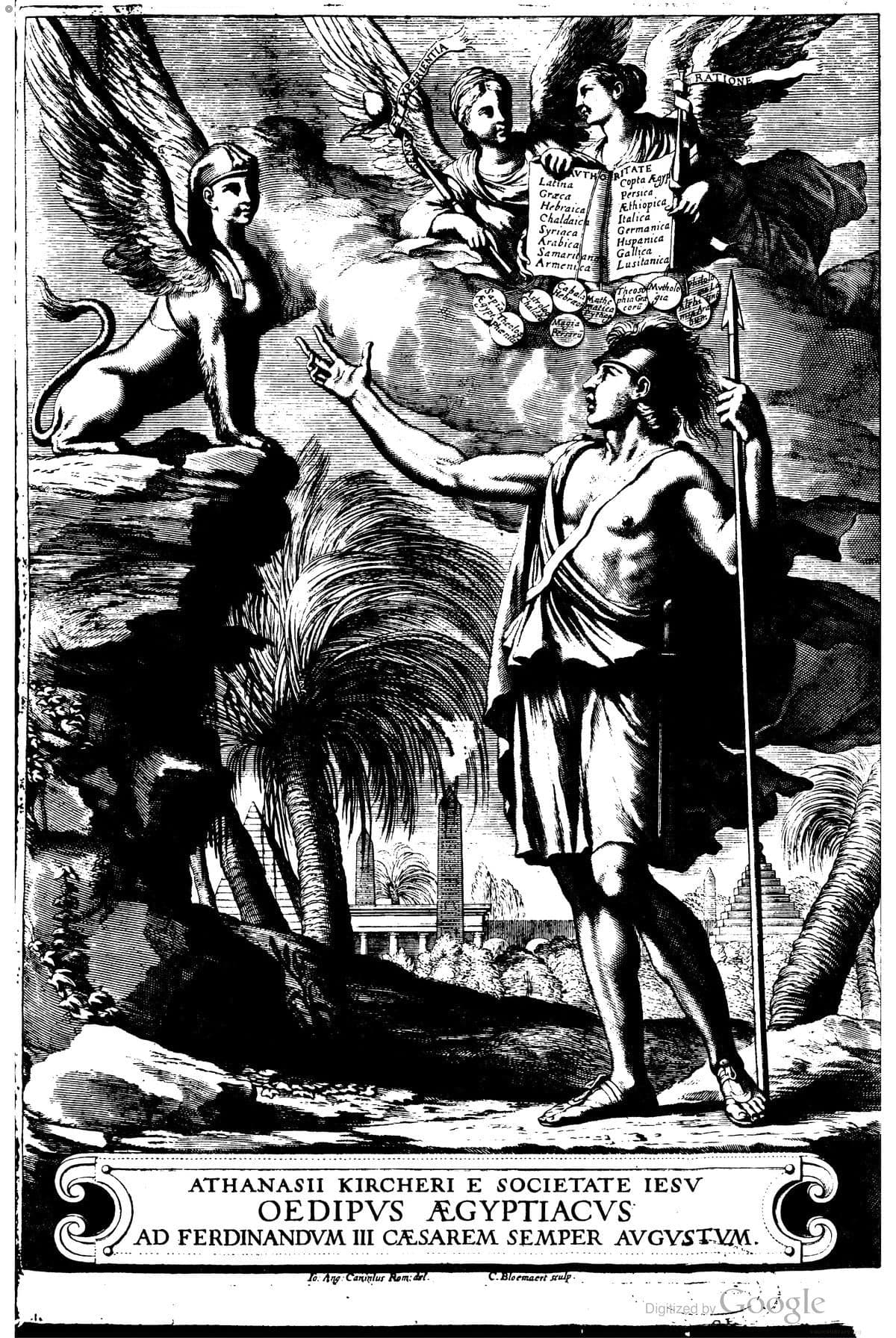
Egyptian Oedipus, Volume 1
Athanasius Kircher, 1652First Complete Translation
A massive attempt to reconstruct the 'Universal Wisdom' of the ancient world through Egyptian artifacts.
A Sketch of Universal Wisdom
Jan Amos Comenius, 1645First Modern Translation
The blueprint for a universal education system where all knowledge leads to the fear of God.
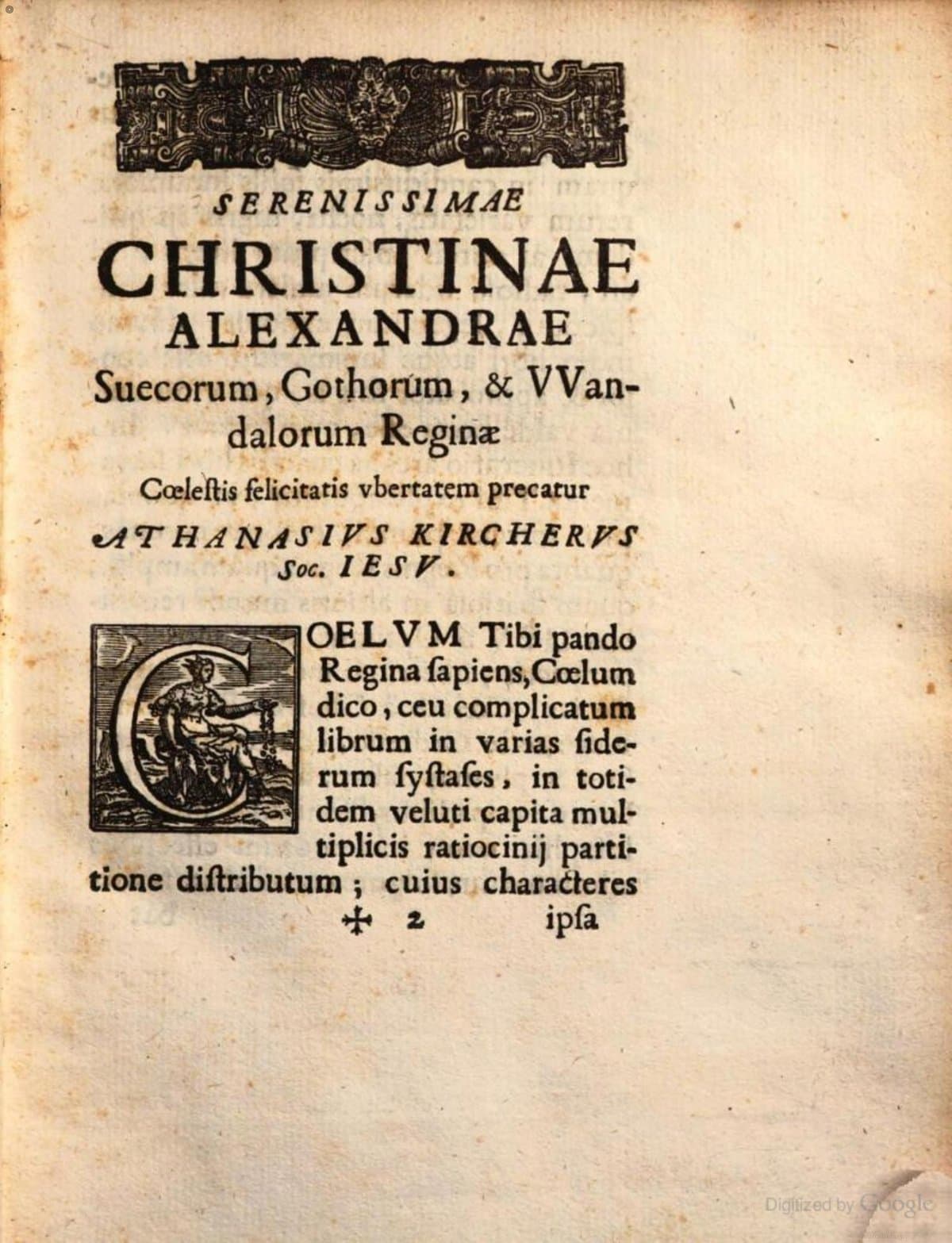
The Ecstatic Journey
Athanasius Kircher, 1656First Translation
A cosmic 'science fiction' where a Jesuit father travels through the planetary spheres to discuss theology.
“There is no science that better certifies us of the divinity of Christ than magic and Kabbalah.”
“Nature, however, has two qualities within it until the Judgment of God: one lovely, heavenly, and holy; and one fierce, hellish, and thirsty.”
Where to Start
The Mystical Seeker
Trace the path of the 'Inner Light' from the medieval mystics to modern esoteric thought.
- 1
- 2
- 3
The Academic Historian
Explore the tension between established church doctrine and the 'Universal Wisdom' of the polymaths.
- 1
- 2
- 3
Illustrations from the Collection


All Books
Browse Full Catalog→2,535 books in this collection
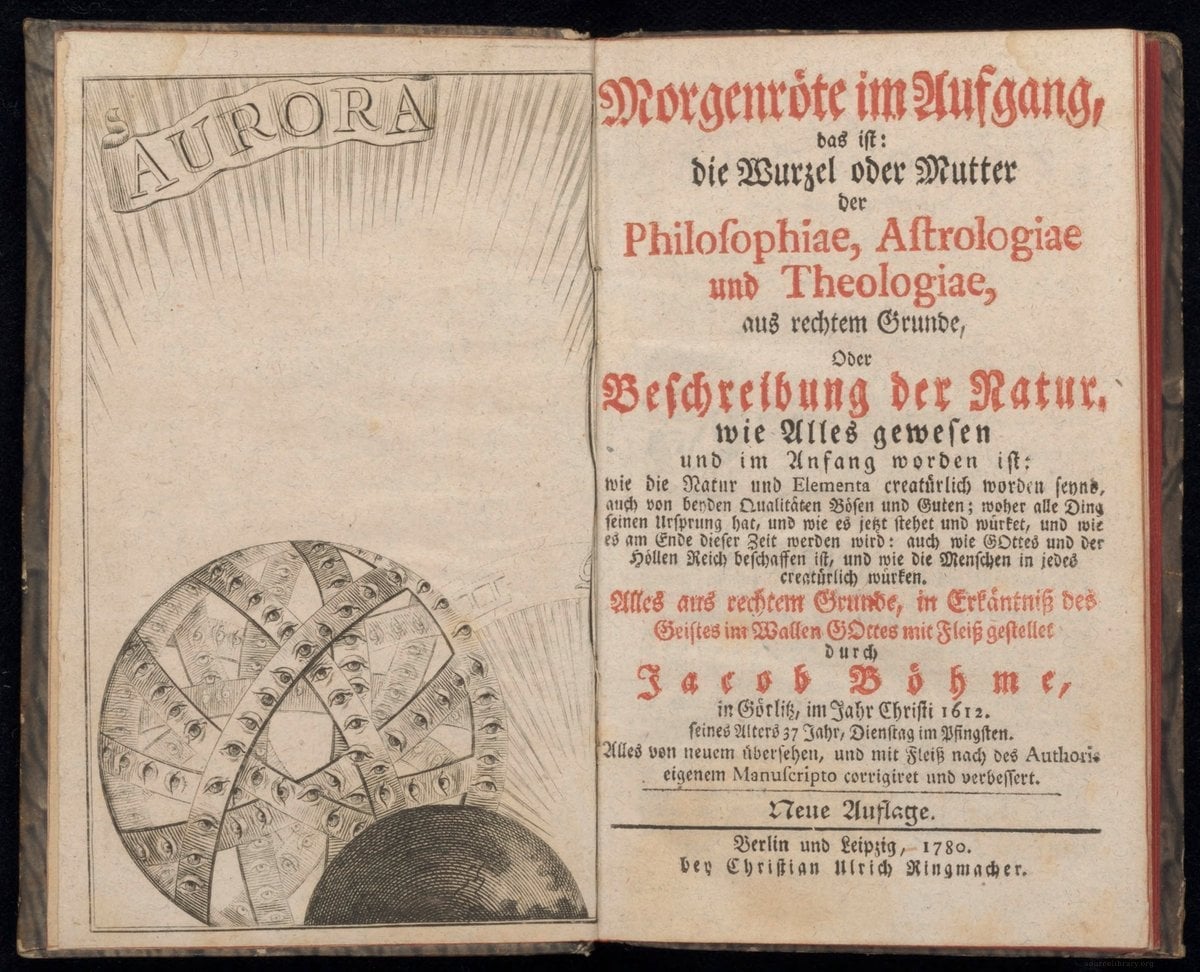
Dawn rising
Boehme, Jacob
Know Thyself
attr. Reger von Ehrenhart, Ernestus Aurelius
Essence of Pomegranates
Gallico, Samuel
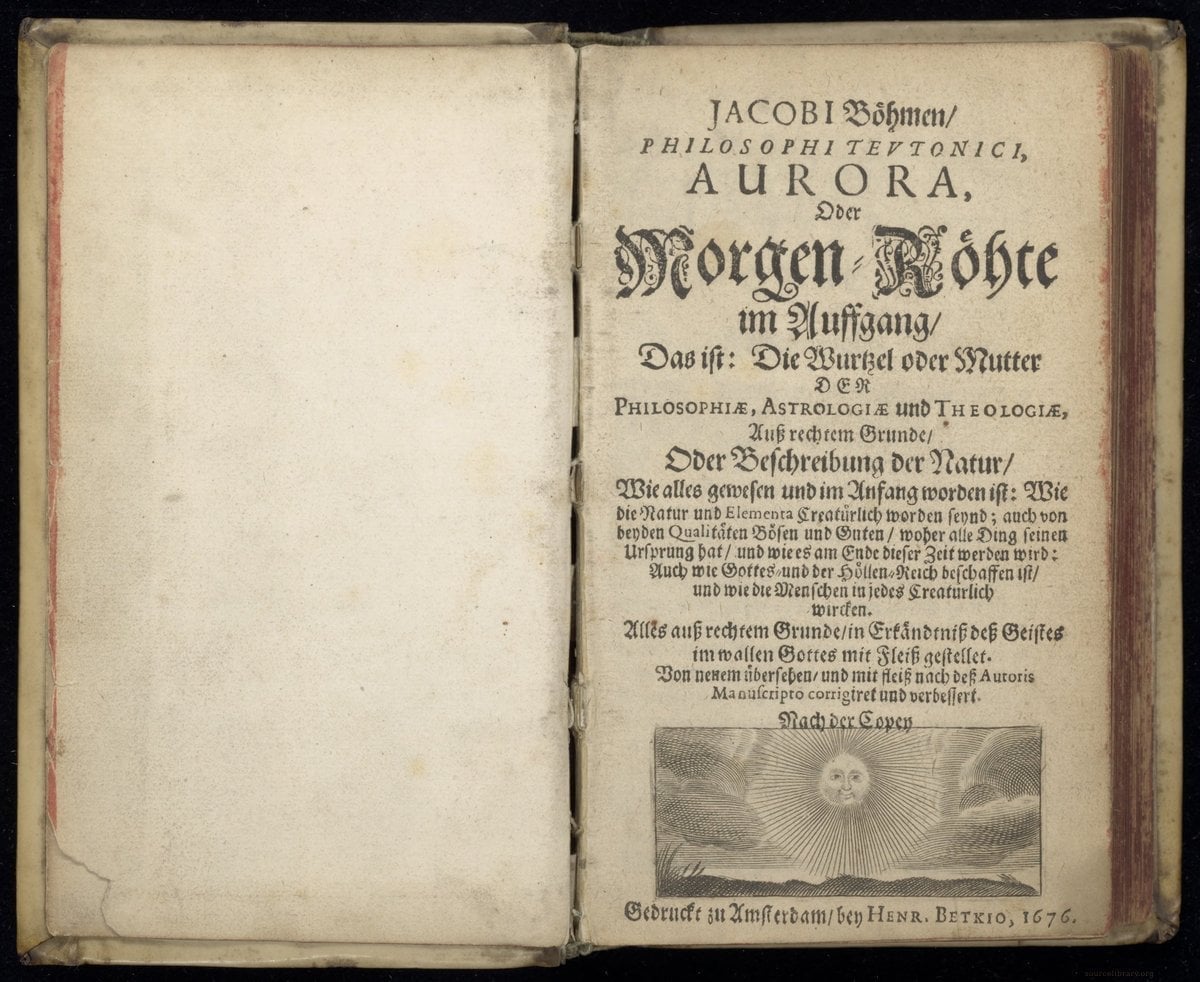
Aurora, or the Day-Spring
Boehme, Jacob
The History of Barlaam and Josaphat
anonymous, Konstanz
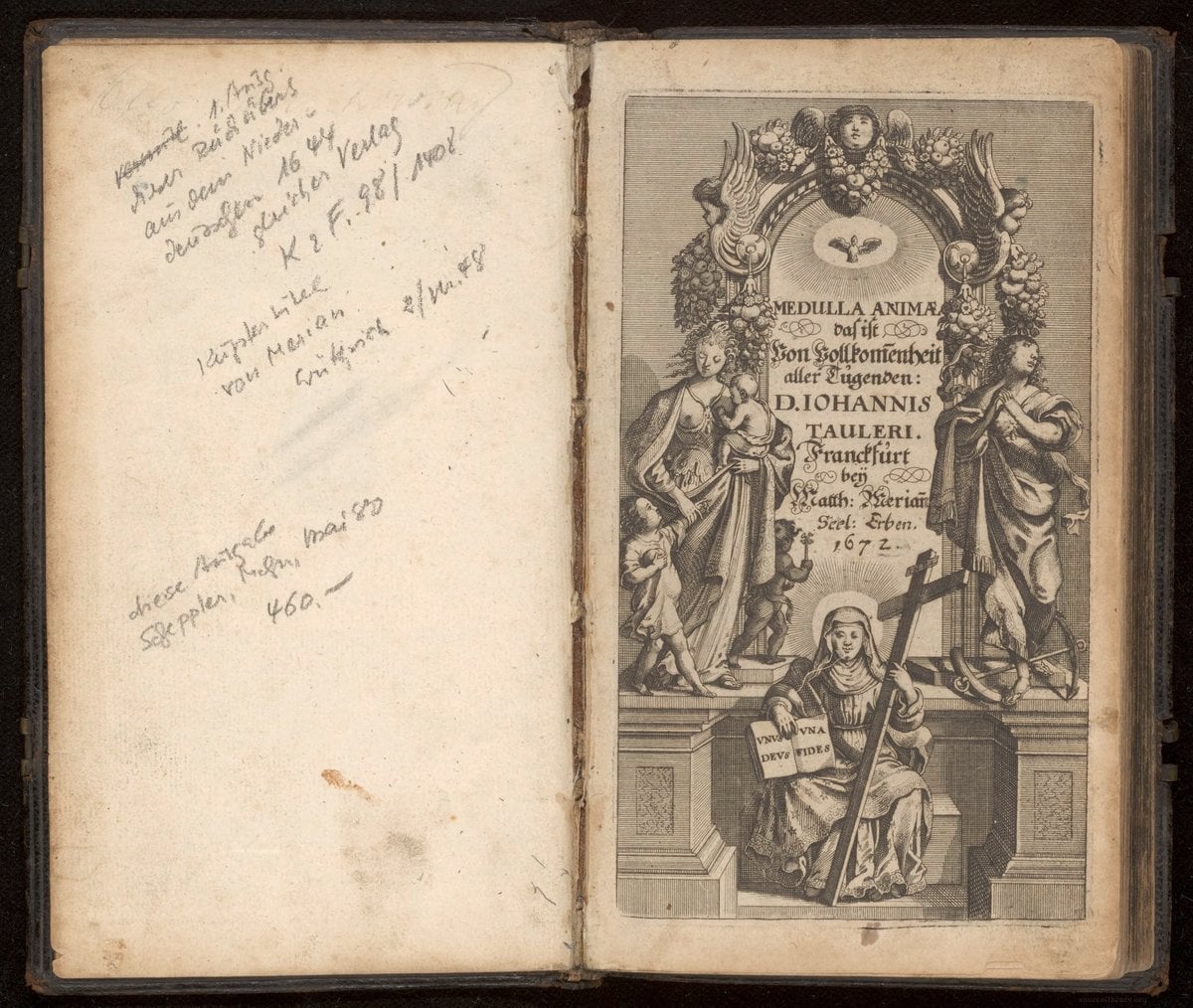
The Marrow of the Soul
Tauler, Johannes
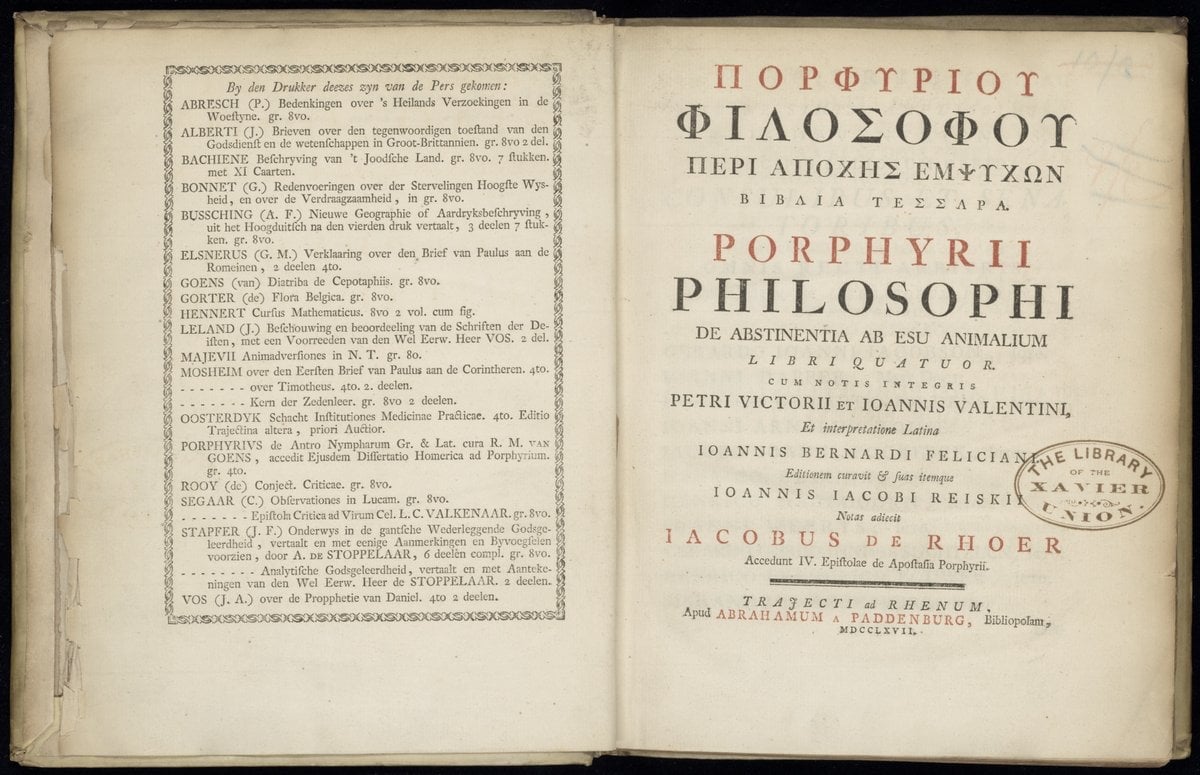
On Abstinence from Animal Food
Porphyrius
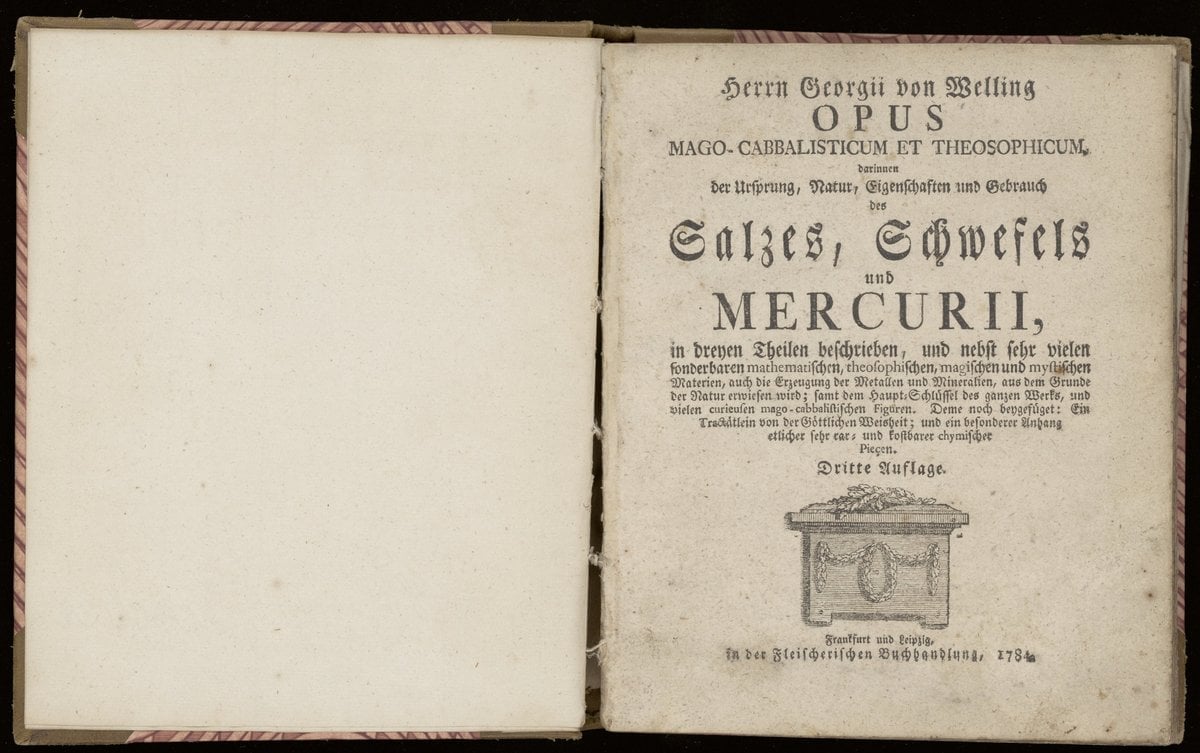
Magico-Cabbalistic and Theosophical Work
Welling, Georg von
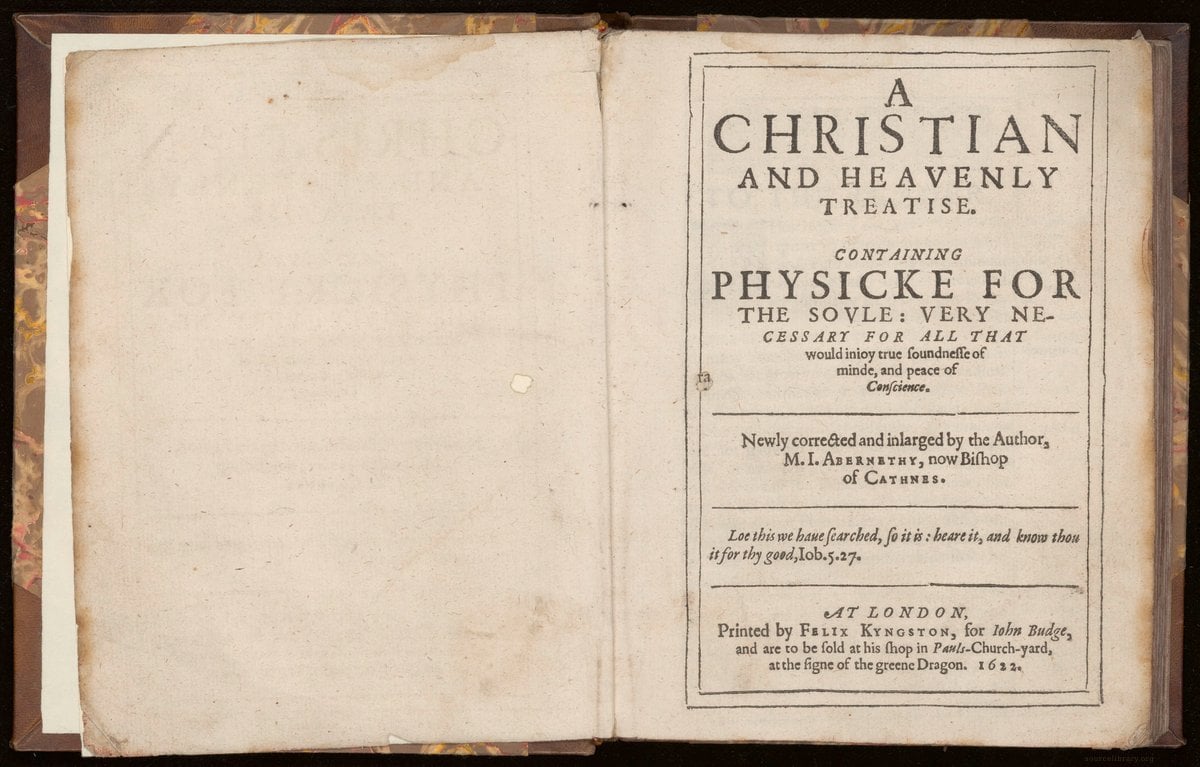
A Christian and Heavenly Treatise: Containing Medicine for the Soul
Abernethy, M.I

Anatomy or Disembowelment of the Fanatical Dragon
Ulricus, Paulus
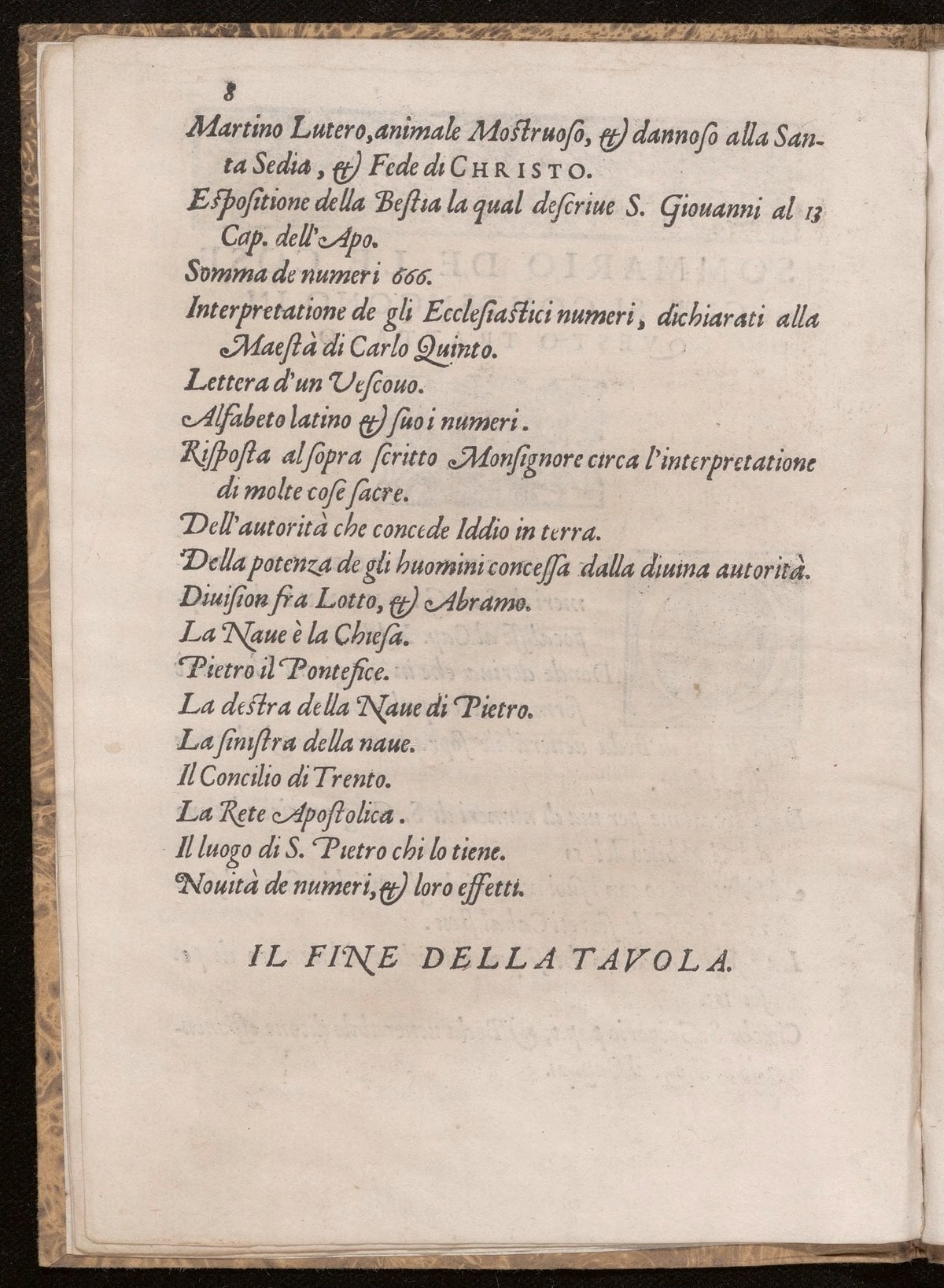
Declaration on the 13th Chapter of the Apocalypse
Doni, Antonio Francesco
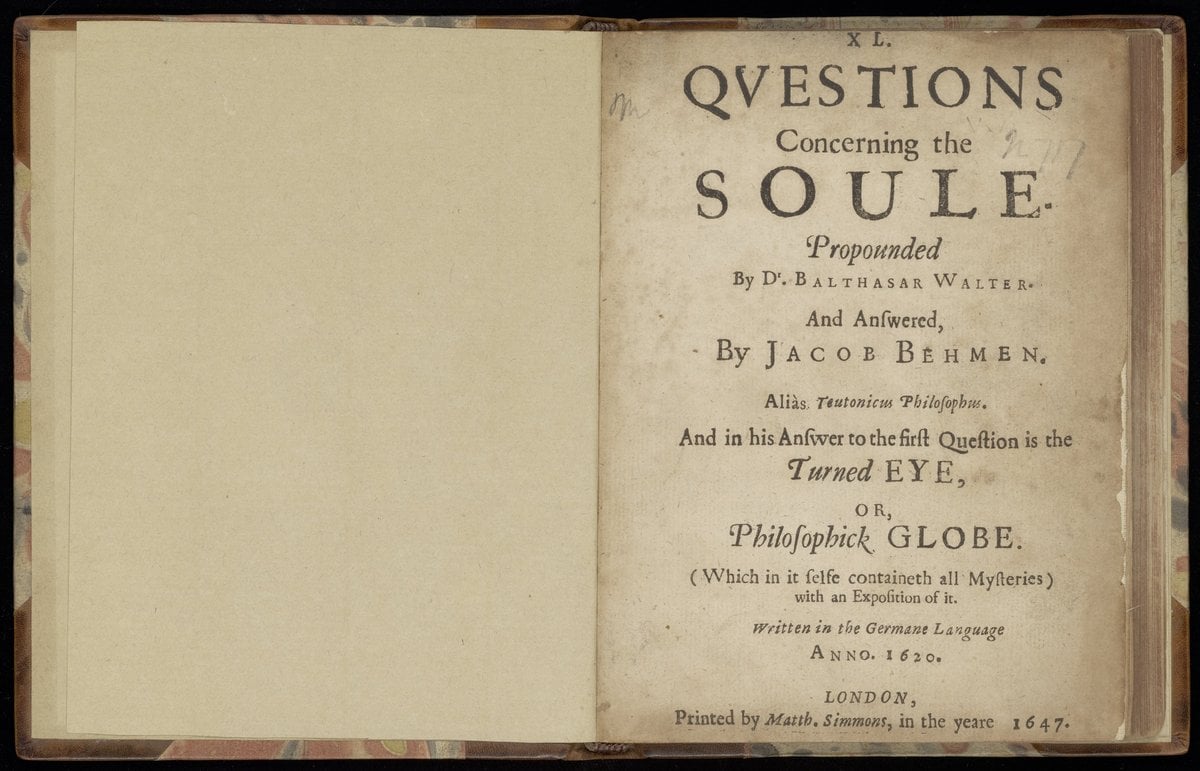
40 questions concerning the soule. Propounded by dr. Balthasar Walter
Boehme, Jacob
Raphael Explaining the Art of Medicine
Hafenreffer, Samuel
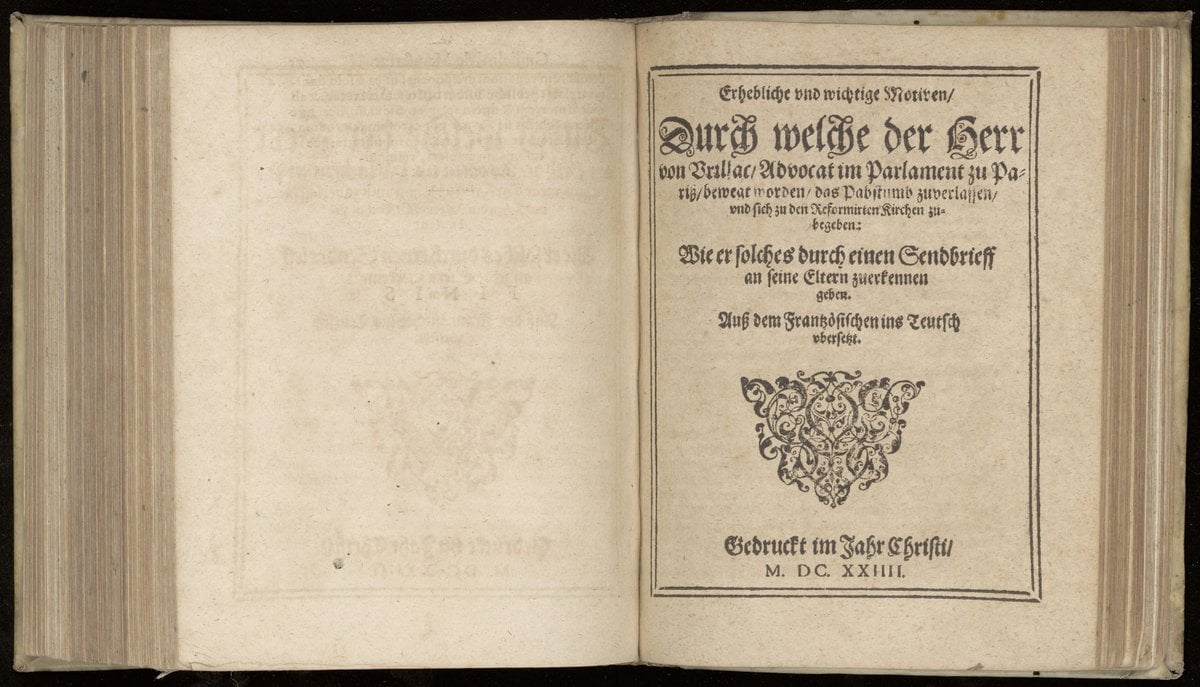
Significant Motives for Leaving the Papacy
Vrillac, Pierre de