


Courts of Wonder
Rulers who collected alchemists the way others collected paintings.
Illustrations
Browse all500 images extracted
This intricate engraving serves as the central visual argument for Robert Fludd's 'Philosophia Moysaica' (1638). It presents a complex cosmological diagram illustrating the relationship between the divine, the celestial, and the terrestrial realms through a series of interlocking circles and symbolic figures. Fludd, a prominent Hermetic philosopher and physician, used such imagery to synthesize biblical narrative with contemporary scientific and mystical thought, representing the unfolding of creation from the divine unity.
This engraving illustrates the concept of the 'Microcosm,' depicting the human body as a reflection of the larger universe. Inscribed within a perfect circle, the figure demonstrates the harmonious proportions believed to link man to the divine order of the macrocosm. This image is central to early modern philosophical and alchemical texts exploring the relationship between the physical and spiritual realms.
This intricate illustration from Michael Scot’s 'Liber Introductorius' depicts the planet Saturn as a crowned king holding a scythe, seated alongside his consort. Below them, the 'children of Saturn'—those whose lives and temperaments are governed by the planet—are shown in various states, reflecting the astrological belief in planetary influence over human destiny. The work serves as a vital record of medieval cosmological thought and the visual tradition of personifying celestial bodies.
This elaborate frontispiece for Robert Fludd's 'Utriusque Cosmi Historia' (1617) serves as a visual manifesto for the Renaissance concept of the correspondence between the human body and the universe. At the center, a man is depicted as the 'Microcosmus' within the 'Macrocosmus,' surrounded by concentric circles representing the celestial spheres, the zodiac, and the elements. The engraving, likely by Johann Theodor de Bry, masterfully integrates text and image to illustrate the complex metaphysical theories of the period.
This intricate engraving from Robert Fludd's 'Meteorologia Cosmica' illustrates the divine origin of meteorological phenomena. At the top, the Tetragrammaton radiates light, while below, various celestial and atmospheric events are depicted, including the sun, stars, and unusual occurrences like rains of frogs and stones, all governed by divine and angelic forces.
This woodcut emblem serves as a symbolic mark for the printer Erasmus Kempffer, whose initials 'EK' appear on the pedestal. It depicts a knight in full armor on a rearing horse, brandishing a sword beneath the motto 'BONAM MILITIAM' (The Good Fight), suggesting a theme of spiritual or intellectual struggle. The image is framed by an elaborate oval border featuring decorative figures and architectural elements typical of the period.

This profound engraving illustrates the divine command 'FIAT' (Let there be) as the catalyst for the creation of the universe. From Robert Fludd's monumental work on the macrocosm and microcosm, the image depicts the emergence of light and spirit from the primordial darkness, symbolized by the radiant ring and the descending dove of the Holy Spirit.

This intricate engraving from Robert Fludd’s 'Philosophia Moysaica' (1638) presents a complex cosmological model of the universe based on the interplay of light and darkness. At the base, the figures of Dionysus and Apollo represent the dualistic forces of destruction and creation, while the central diagram maps the emanation of divine light into the material world. Fludd’s work sought to reconcile biblical scripture with Hermetic philosophy and early scientific observation, making this image a key artifact of the 17th-century intellectual landscape.

This iconic engraving from Robert Fludd's 'Utriusque Cosmi Historia' presents a visual summary of the universe as a 'Mirror of Nature.' At the top, the hand of God holds a chain linked to the female personification of Nature, who in turn guides a monkey representing human Art or ingenuity. The surrounding concentric circles detail the hierarchy of existence, from the terrestrial elements and biological kingdoms to the celestial spheres of the planets and fixed stars.
Visual Art
Browse all art →60 works of visual art in this collection
 print
printZeichnung - Skizzenbuchblatt - Marx Ulstat und Die schöne Jungfrau zu Antwerpen - Albrecht Dürer - um 1520
A. Dürer
A detailed design for an ornate, multi-tiered silver table fountain decorated with rustic figures, intertwined vines, and clusters of grapes.
 print
printAcht landschappen in Bohemen
Aegidius Sadeler
A river landscape in Bohemia featuring travelers on a stone path and various covered boats on the water.
 print
printBoog van Septimius Severus en de Curia Julia
Aegidius Sadeler
A view of the Roman Forum featuring the Arch of Septimius Severus and the Curia Julia, converted into the church of Sant'Adriano al Foro.
 print
printChristus wordt ontkleed door soldaten
Aegidius Sadeler
Jesus Christ is stripped of his garments by soldiers within an elaborate Mannerist ornamental frame, while laborers dig a hole below.
 print
printDavid's Life: Jonathan and David's Covenant
Aegidius Sadeler
Four scenes from the life of King David illustrating the virtues of generosity, fortitude, and prudence, and the vice of avarice.
 print
printEx fumo in lucem
Aegidius Sadeler
A printing press and inking balls inside a decorative cartouche, serving as an emblem for a political treatise.
 print
printFabel van de neushoorn en de olifanten
Aegidius Sadeler
A rhinoceros, based on Albrecht Dürer’s famous 1515 woodcut, stands in a landscape with four elephants in the background.
 print
printGvndeberga regina Longobard. boia
Aegidius Sadeler
The print depicts the judicial duel fought to prove the innocence of Gundeberga, Queen of the Lombards, after she was falsely accused of adultery and treason.
 print
printHertenjacht bij een bosmeer
Aegidius Sadeler
A stag hunt taking place at the edge of a forest lake, viewed through a screen of massive, gnarled trees.
 print
printKan met een oor gevormd door het bovenlichaam van een naakte vrouw
Aegidius Sadeler
An ornate Mannerist ewer or jug featuring a handle in the shape of a nude woman and a central frieze depicting a mythological scene.
 print
printKan met rechts een oor, uitlopend in een vogelkop
Aegidius Sadeler
An ornate decorative jug featuring a handle shaped like a bird's neck and a central mask of a bearded deity.
 print
printKeizer Ferdinand II te paard (bovenste blad)
Aegidius Sadeler
An allegorical portrait of Holy Roman Emperor Ferdinand II on horseback, surrounded by celestial virtues and personifications of his divine right to rule.
 print
printLandschap met een rotsgewelf
Aegidius Sadeler
A rugged landscape featuring a massive natural rock arch or cavern overlooking a path with travelers and a distant cottage.
 print
printMessen, telkens twee op één blad
Aegidius Sadeler
An engraving depicting two designs for ornamental knives with sculptural handles featuring a griffin and a grotesque head.
 print
printPortret van Gebhard Truchsess von Waldburg-Trauchburg
Aegidius Sadeler
An engraving of Gebhard Truchsess von Waldburg, Archbishop-Elector of Cologne, presented in a highly decorative architectural frame.
Rudolf II's Prague was a magnet for astronomers, alchemists, and occult philosophers. James I's London hosted the Dee-Fludd circle while condemning witchcraft. Frederick II's Sicily employed Michael Scot as court astrologer. This collection gathers the texts produced in and around these courts of wonder — where patronage, power, and the occult intersected.
Essential Reading
The foundational texts of this tradition
King James: Daemonologie (1597 First Edition)
King James I of England, 1597
Written by King James I, a central figure, directly addressing witchcraft, a key theme of the collection.

Daemonologie, in Forme of a Dialogue
King James VI/I, 1597
Written by King James I, a central figure, directly addressing witchcraft, a key theme of the collection.
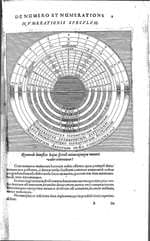
History of the Macrocosm and Microcosm
Robert Fludd, 1617First Complete Translation
Robert Fludd's magnum opus, central to the 'Dee-Fludd circle' and his comprehensive occult philosophy.
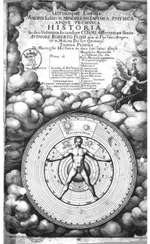
Utriusque Cosmi Historia (1617)
Robert Fludd, 1617First Complete Translation
Robert Fludd's magnum opus, central to the 'Dee-Fludd circle' and his comprehensive occult philosophy.
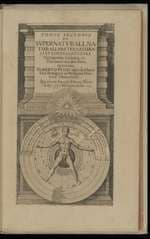
Second Volume of the History of the Microcosm
Fludd, Robert, 1619First Translation
This foundational volume of Fludd's magnum opus on cosmic philosophy is central to the Dee-Fludd circle and the collection's themes.
Important Works
Significant texts that deepen understanding

Reg.lat.1300
Raziel (attributed), 1250
A medieval magical text, relevant to the 'occult intersected' theme and the mention of Frederick II's court astrologer Michael Scot.

Collection of Alchemical Treatises
Various, 1700First Translation
A collection of alchemical treatises, directly addressing a core occult science patronized by rulers like Rudolf II.
Invictissimi Rudolphi II. Electi Romanor. Imperatoris, et In Hungaria Boemiaque Regis, pro libero exercitio religionis Augustanae confessionis in Silesia, clementissima confirmatio
Rudolf, 1609
A primary document from Rudolf II, a central figure, providing political context for his court of wonder.
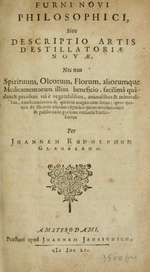
New Philosophical Furnaces
Johann Rudolf Glauber, 1651
A significant work by a 17th-century alchemist/chemist, reflecting the practical side of alchemy patronized by courts.
The Lion of the North
[Felgenhauer, Paulus], 1625First Translation
A work by a German mystic and alchemist, reflecting the broader intellectual and occult currents of the period.
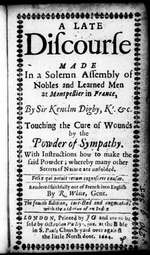
Discourse on the Powder of Sympathy
Kenelm Digby, 1658
A work on sympathetic magic by a prominent courtier, illustrating the intersection of magic, science, and courtly circles.
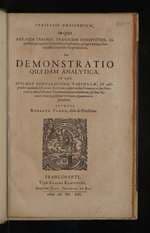
The Proscenium of Truth
Robert Fludd, 1621First Translation
A primary work by Robert Fludd, a key figure in the 'Dee-Fludd circle' and occult philosophy.
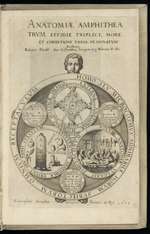
On the Triple Anatomy
Fludd, Robert, 1623First Translation
A primary work by Robert Fludd, contributing to the understanding of his comprehensive occult philosophy.
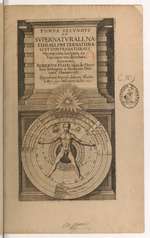
History of the Microcosm, Volume II
Robert Fludd, 1619First Complete Translation
Part of Robert Fludd's major work, essential for understanding his comprehensive occult system.
All Books
Browse Full Catalog→663 books in this collection
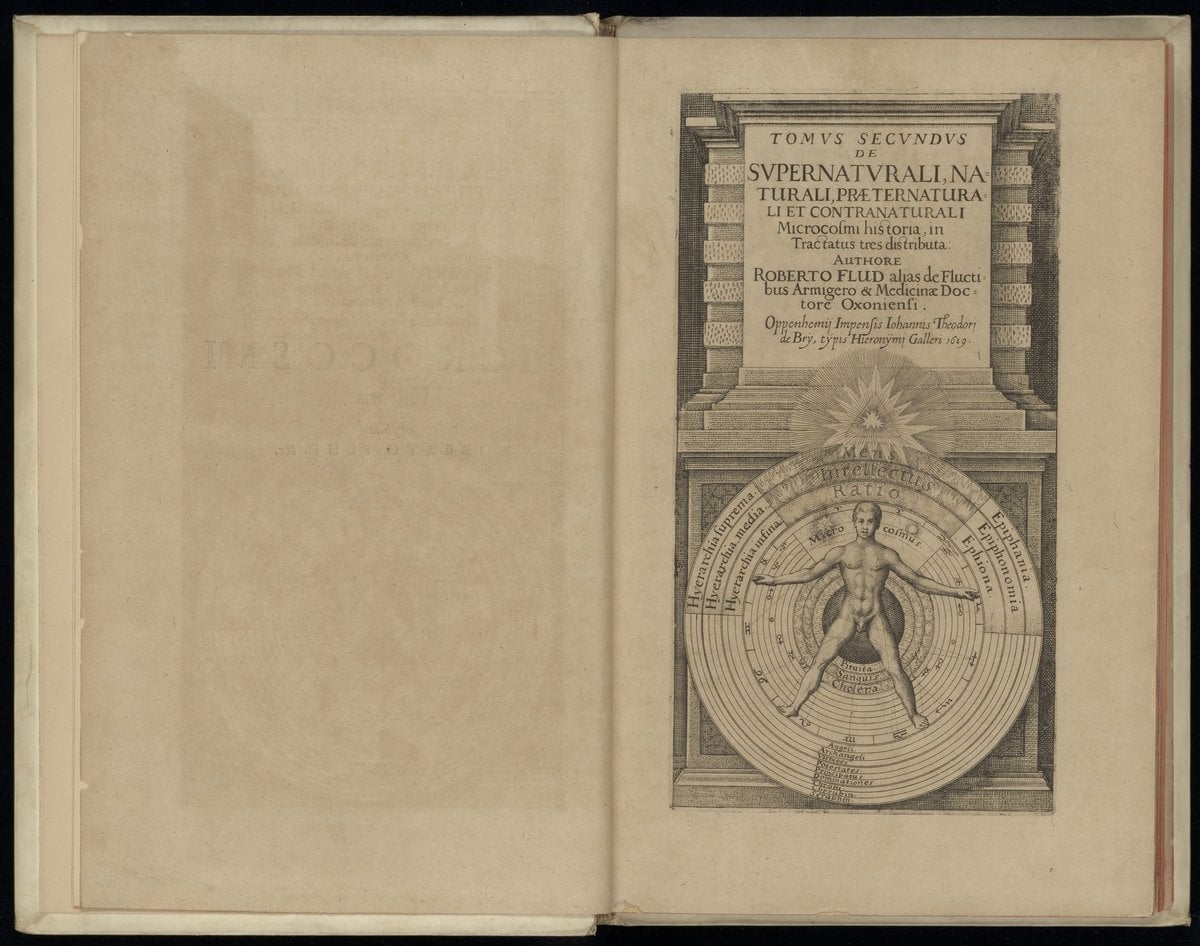
Second Volume of the History of the Microcosm
Fludd, Robert
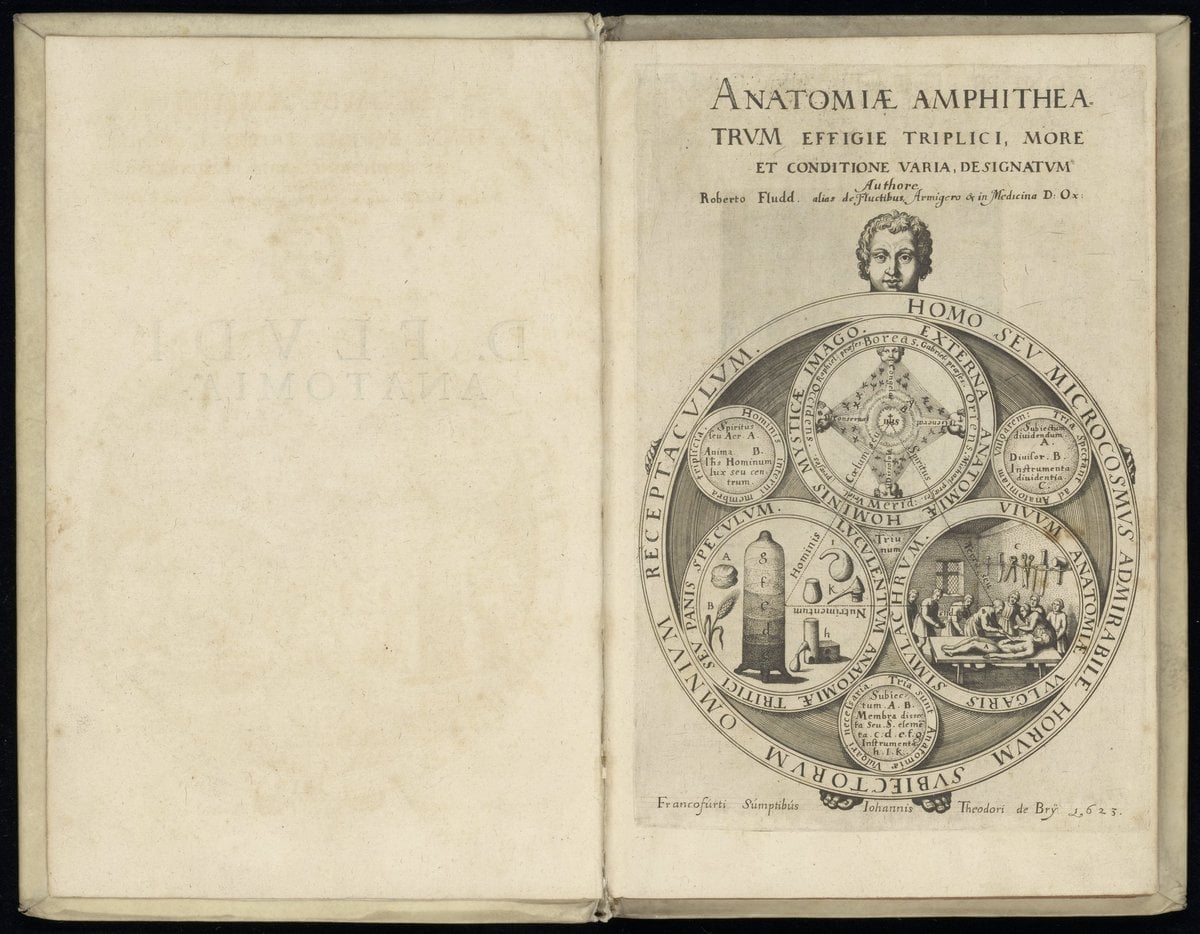
On the Triple Anatomy
Fludd, Robert
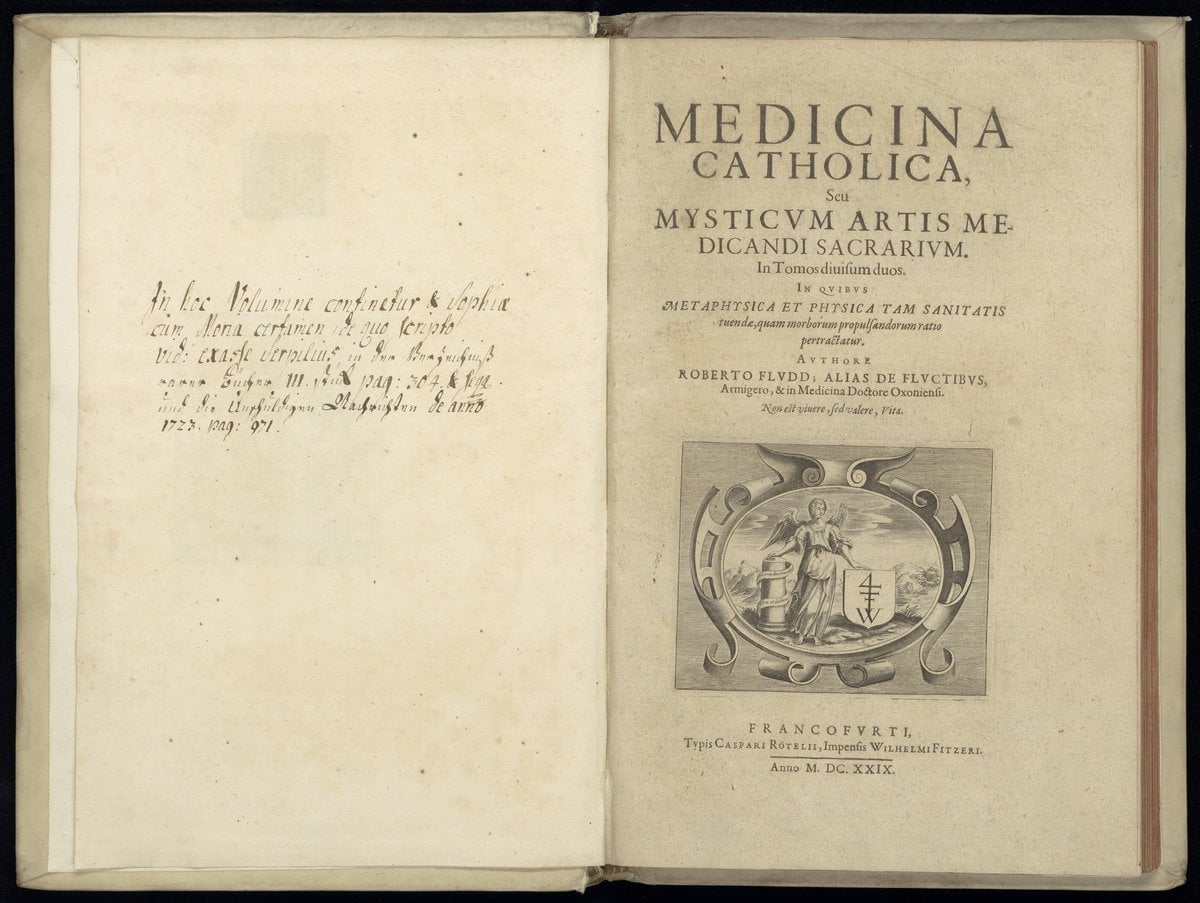
Universal Medicine, or the Mystic Sanctuary of the Healing Art
Fludd, Robert
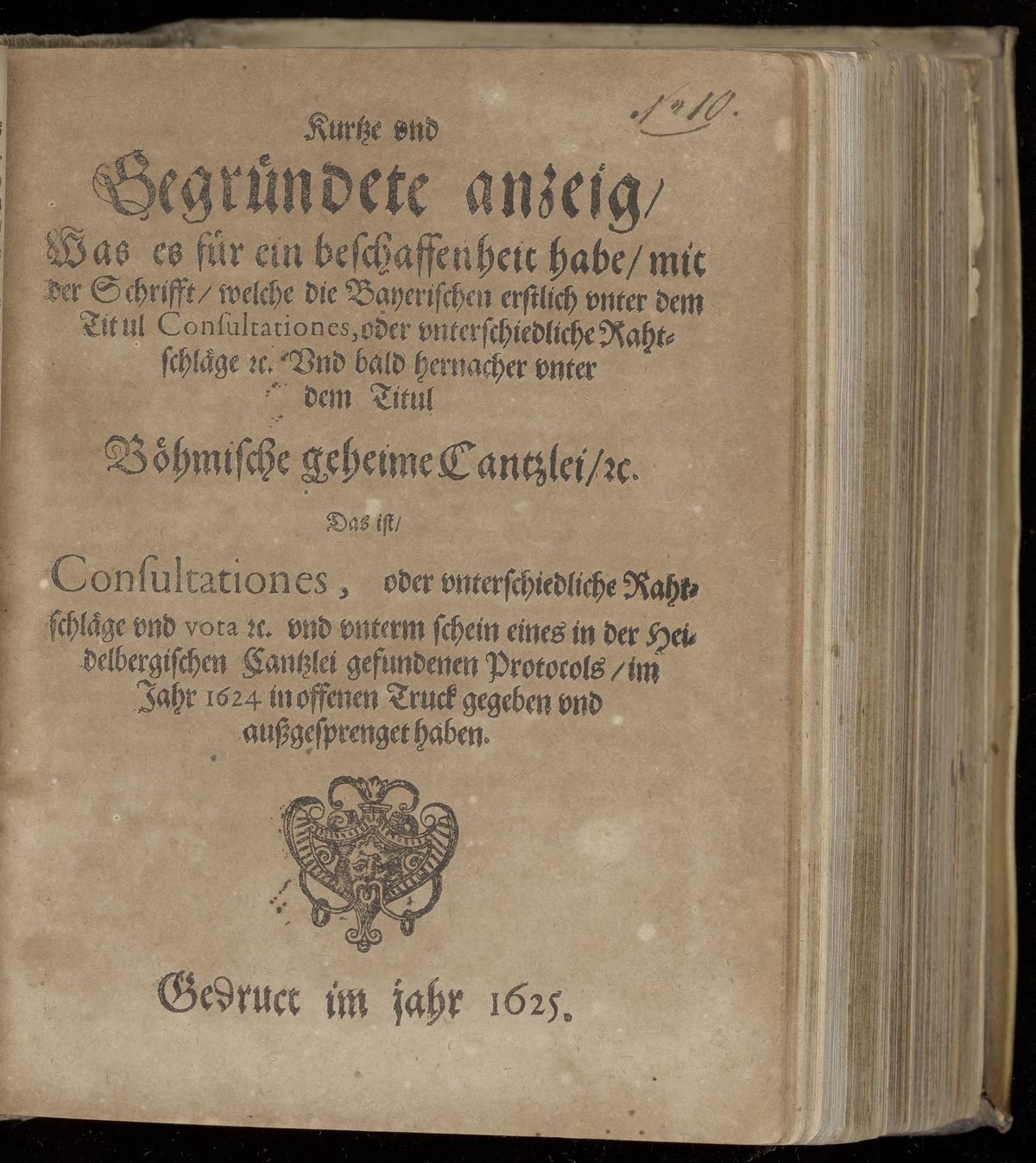
Brief and Well-Founded Account of the Bohemian Secret Chancery
Anonymous
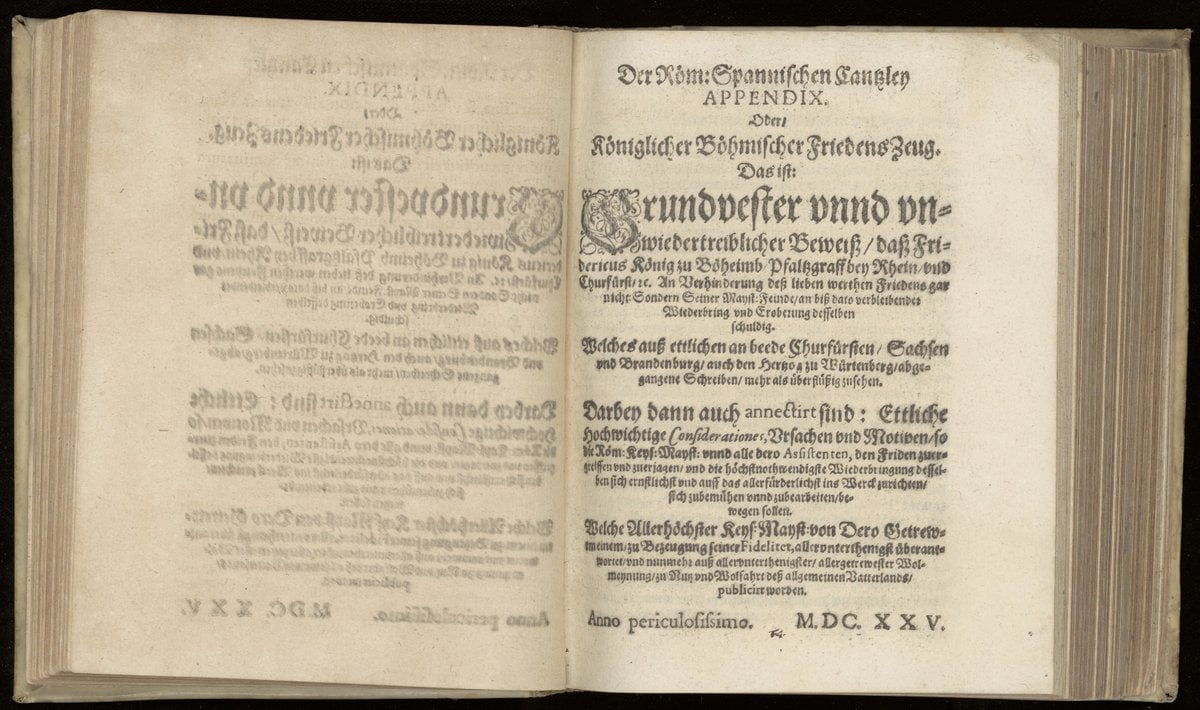
Appendix to the Roman-Spanish Chancellery
Anonymous
Mosaicall philosophy
Fludd, Robert
Sacred and Truly Christian Philosophy, or Cosmic Meteorology
Fludd, Robert
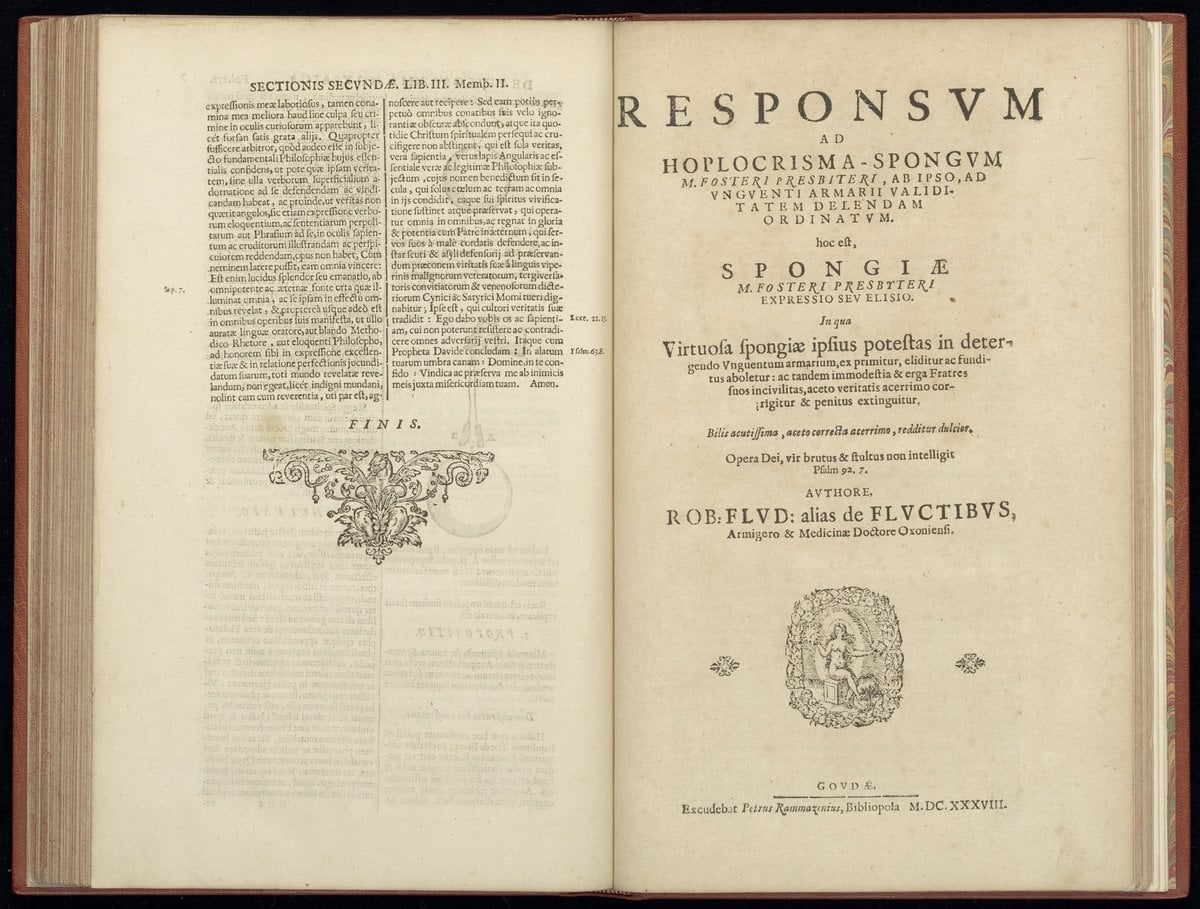
Response to Foster's Weapon-Salve Sponge
Fludd, Robert
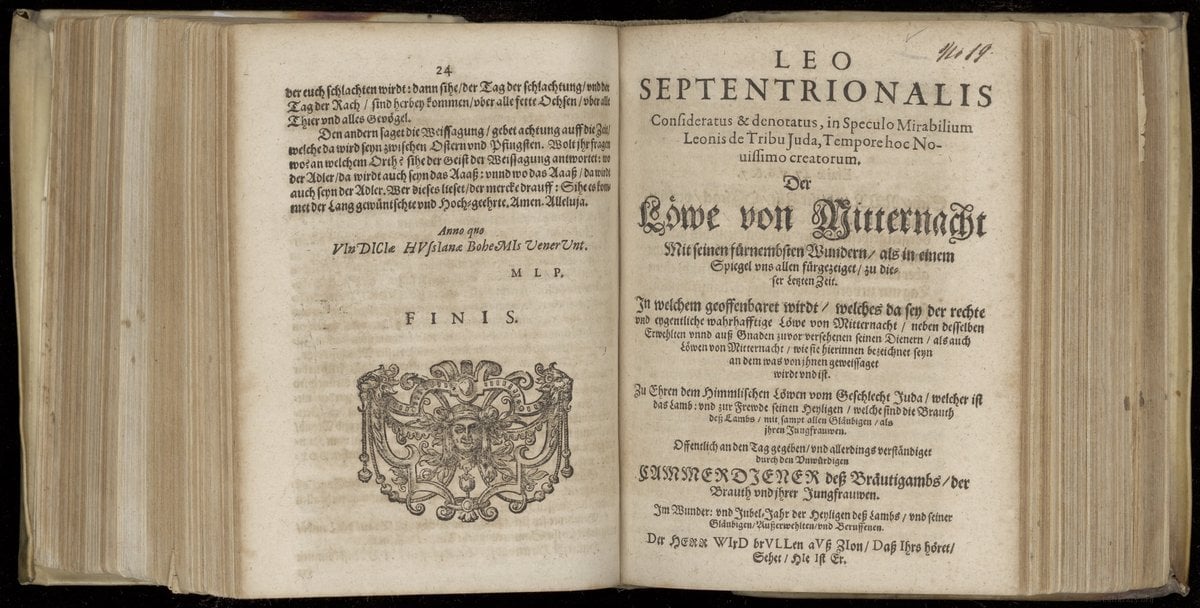
The Lion of the North
attr. Felgenhauer, Paulus
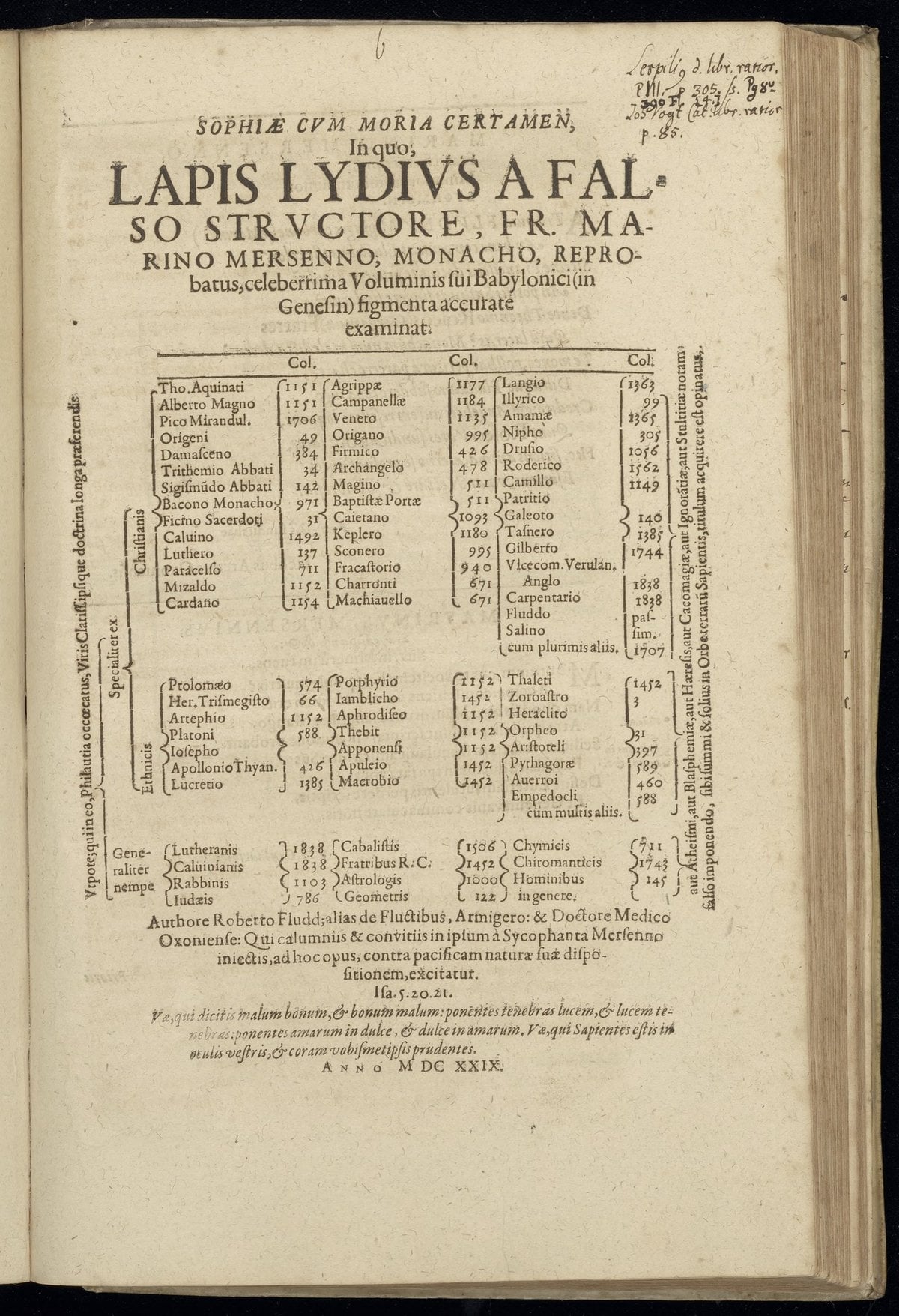
The Contest of Wisdom with Folly
Fludd, Robert
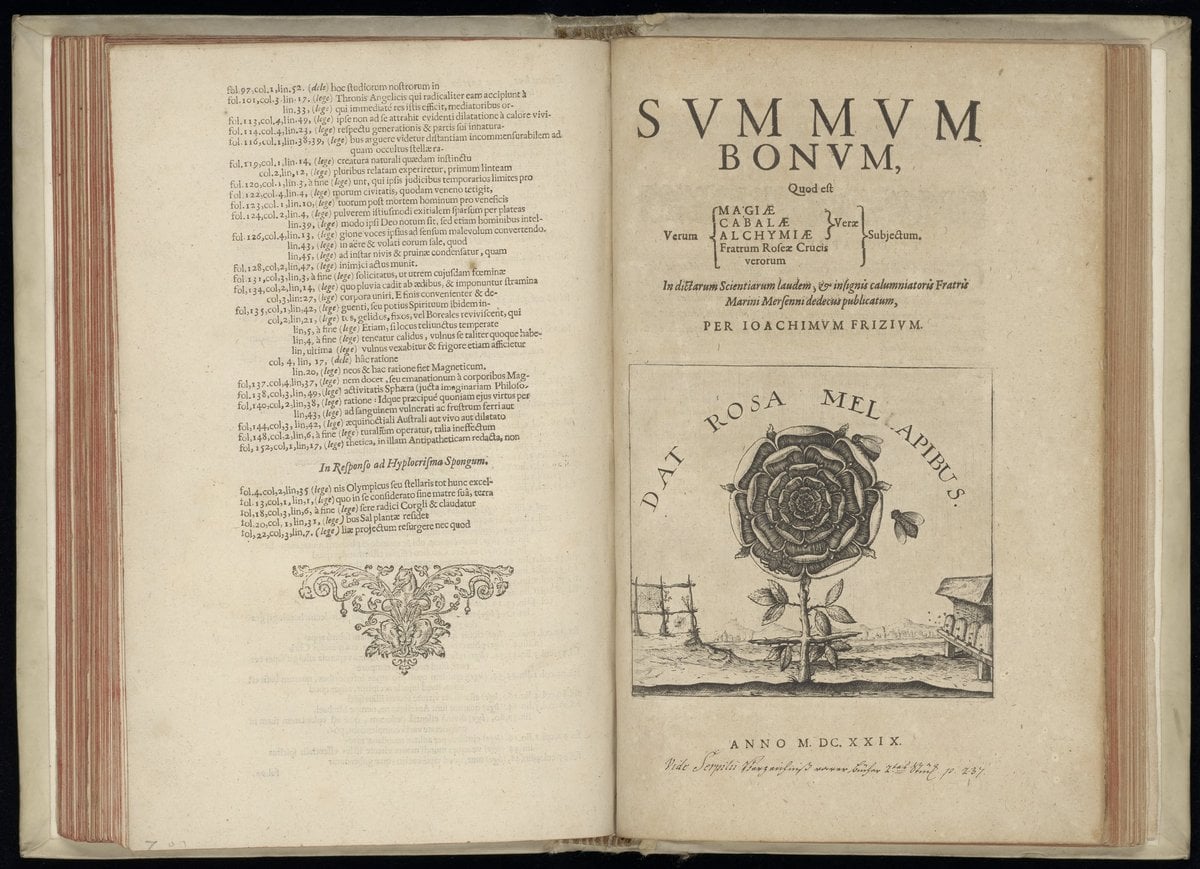
The Highest Good
attr. Fludd, Robert
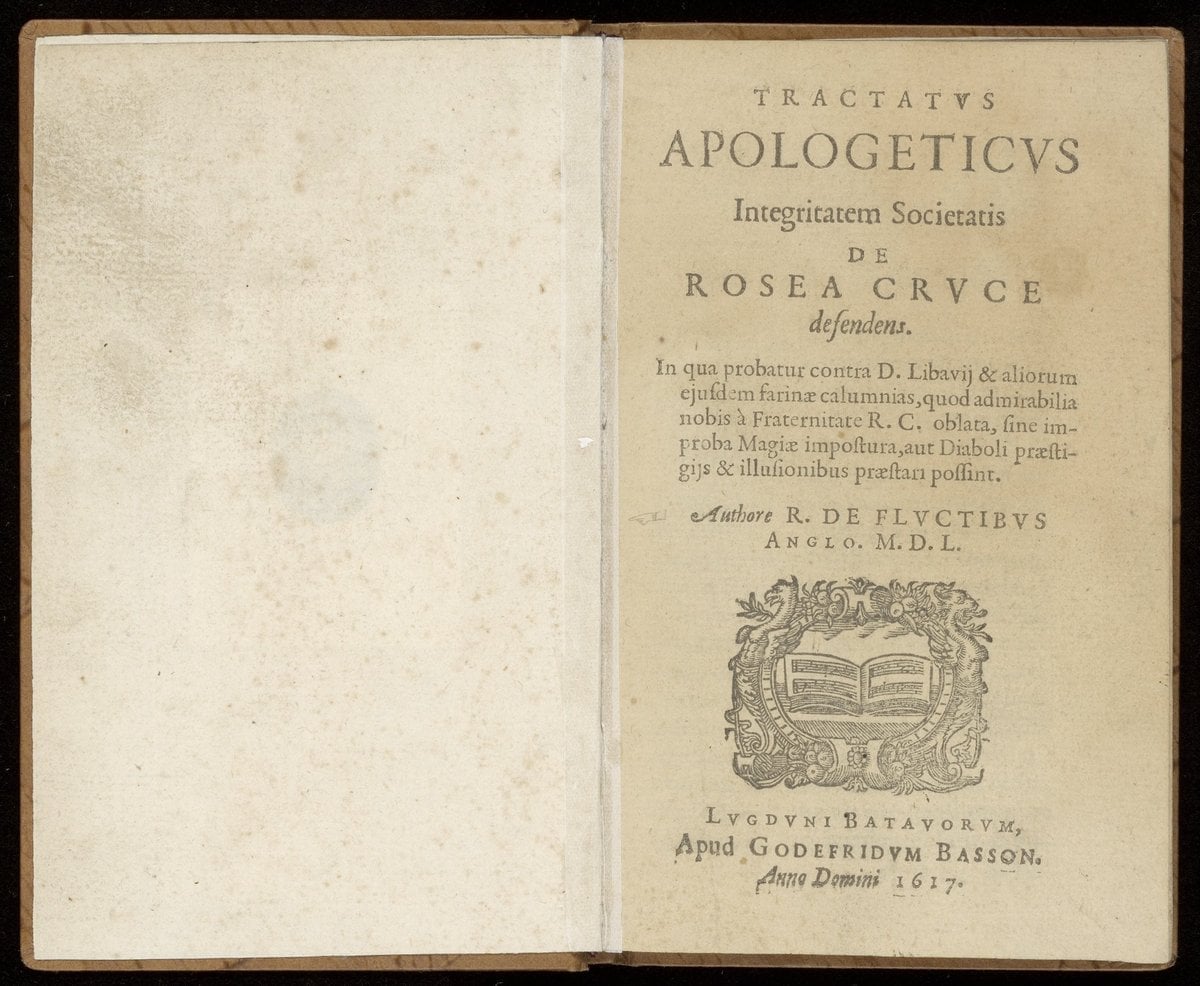
Apologetic Treatise Defending the Integrity of the Society of the Rose Cross
Fludd, Robert
The Roaring Lion: Prophetic Decision on the Bohemian War
attr. Felgenhauer, Paulus
Mosaic Philosophy
Fludd, Robert