


The Dutch Golden Age of Science
Perhaps the most concentrated site of innovation in human history.
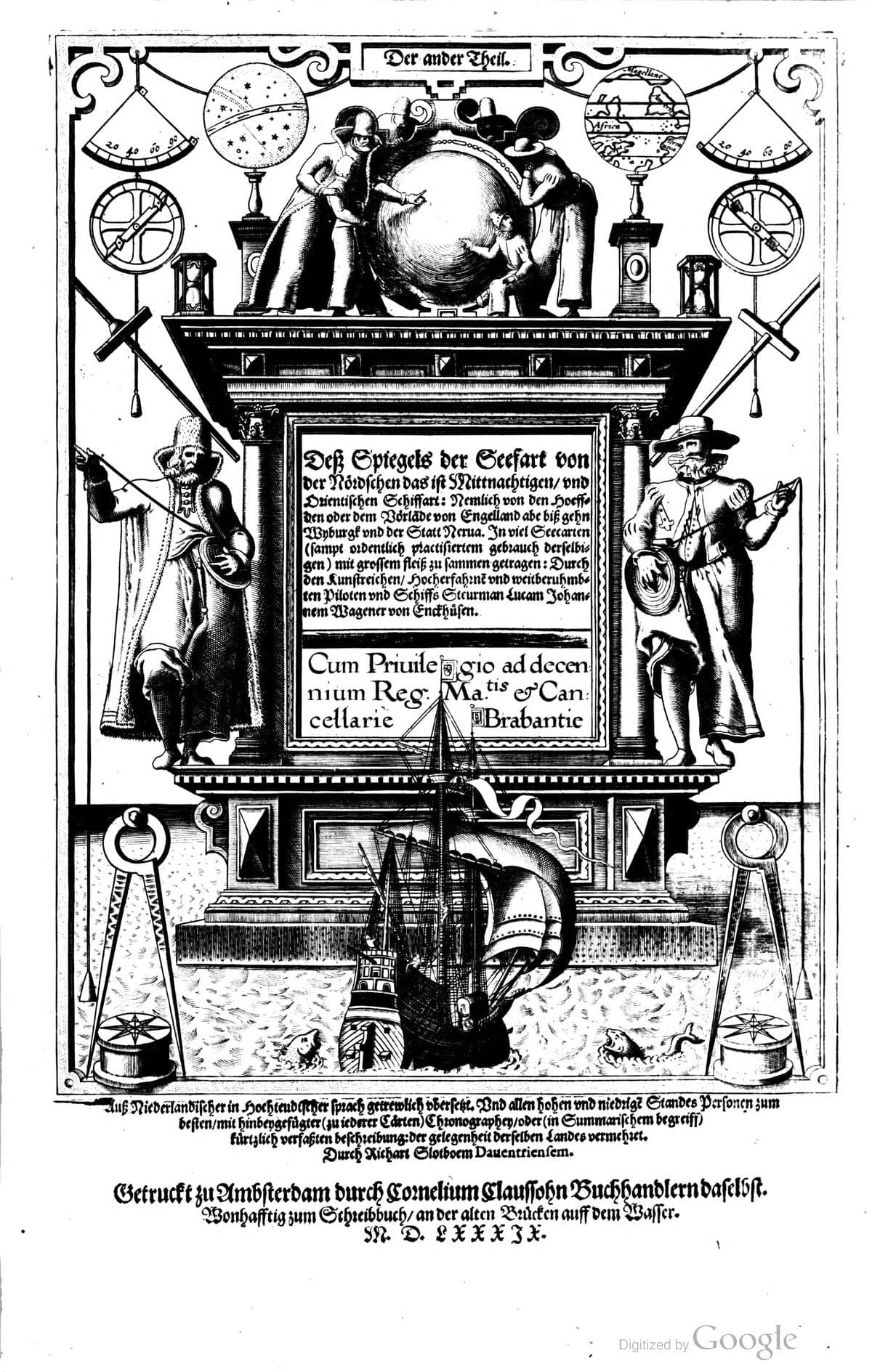
Illustrations
Browse all109 images extracted
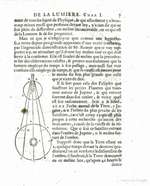
This geometric diagram illustrates a scientific argument regarding the speed of light and the relative motion of the Earth and Moon. Labeled points and lines demonstrate the spatial relationships and timing of light transmission, reflecting the era's rigorous mathematical approach to natural philosophy and its attempt to reconcile Copernican theory with observed phenomena.
These diagrams from Christiaan Huygens' 1673 treatise 'Horologium Oscillatorium' illustrate the revolutionary mechanics of the pendulum clock. The plates detail the internal gearwork, the external housing, and the crucial cycloidal cheeks that allowed for precise timekeeping by ensuring the pendulum's period remained constant regardless of its swing amplitude.
This title page features the royal coat of arms of France, signifying the patronage of King Louis XIV. The presence of the fleurs-de-lis and the royal crown underscores the official support for Huygens' groundbreaking scientific research into the motion of pendulums and their application to timekeeping.
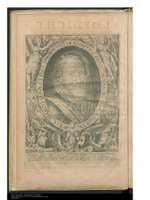
This masterful engraving portrays Maurice, Prince of Orange (1567–1625), the preeminent military strategist of the Dutch Republic. Surrounded by an array of military trophies and heralded by putti, the portrait celebrates his pivotal role in the modernization of warfare and the defense of the United Provinces during the Eighty Years' War.
This diagram depicts the geometric reasoning used by Ole Rømer in 1676 to prove that light travels at a finite speed. By tracking the eclipses of Jupiter's moon Io as Earth moved toward and away from Jupiter in its orbit (represented by the circle A-B-C-D), Rømer observed discrepancies in timing that could only be explained by the time light takes to travel across space. This illustration is a foundational document in the history of modern physics, marking the first successful measurement of a fundamental constant of the universe.
This engraving depicts a specialized glass apparatus used for scientific observation, as detailed in the accompanying Latin text 'Experimenta & Contemplationes'. The diagram, featuring a large bulb connected to a graduated tube, likely represents an early instrument for studying fluid dynamics or microscopic particles, reflecting the era's burgeoning interest in empirical experimentation and the development of the scientific method.

This engraving depicts a specialized glass vessel used in scientific experiments, as described in the accompanying Latin text 'Experimenta & Contemplationes.' The diagram is meticulously labeled with letters A through L, likely corresponding to specific measurements or components discussed in the author's observations on fluid dynamics or biological generation. Such illustrations were crucial for early modern scientists to communicate their experimental setups and findings with precision.
Visual Art
Browse all art →1 work of visual art in this collection

Simon Stevin invented decimal fractions. Huygens discovered Saturn's rings. Leeuwenhoek found bacteria. Swammerdam dissected insects with glass needles. Waghenaer published the first sea atlas. Linschoten broke the Portuguese monopoly on East Indies navigation. De Gheyn standardized military drill. All in one small, wet country. Why the Netherlands?
Essential Reading
The foundational texts of this tradition
The Principles of Statics
Simon Stevin, 1586
This work by Stevin is foundational to the field of statics, showcasing his pioneering contributions to physics and engineering.
The Mathematical Works
Simon Stevin, 1634First Translation
This collection represents Stevin's significant mathematical contributions, including his pioneering work on decimal fractions.
The Elements of Hydrostatics
Simon Stevin, 1586
This work by Stevin is a foundational text in hydrostatics, showcasing his important contributions to physics.
Treatise on Light
Christiaan Huygens, 1690
This is Huygens' groundbreaking work establishing the wave theory of light, a cornerstone of classical optics.
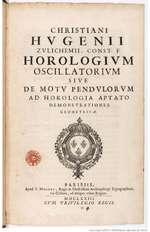
The Pendulum Clock
Christiaan Huygens, 1673
This is Huygens' seminal work detailing his invention and theory of the pendulum clock, a major advance in timekeeping.
Important Works
Significant texts that deepen understanding
Castrametation, or the Measurement of a Camp
Simon Stevin, 1617First Translation
This work by Stevin demonstrates his contributions to military engineering and the practical application of mathematics.
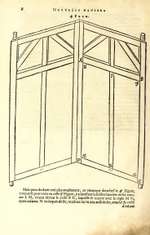
New Method of Fortification by Sluices
Simon Stevin, 1618
Stevin's work on fortification demonstrates his innovative application of engineering principles to military defense.
Complete Works of Christiaan Huygens, Volume 14: Calculus of Probabilities and Pure Mathematics
Christiaan Huygens, 1920First Complete Translation
This volume showcases Huygens' important contributions to mathematics, including calculus of probabilities.

Complete Works, Volume 19: Theoretical and Physical Mechanics
Christiaan Huygens, 1967First Translation
This volume details Huygens' significant work in theoretical mechanics and physics during a key period of his career.
Complete Works, Volume 12: Mathematical Works 1652-1656
Christiaan Huygens, 1910First Complete Translation
This volume compiles Huygens' important mathematical works from a productive period of his career.
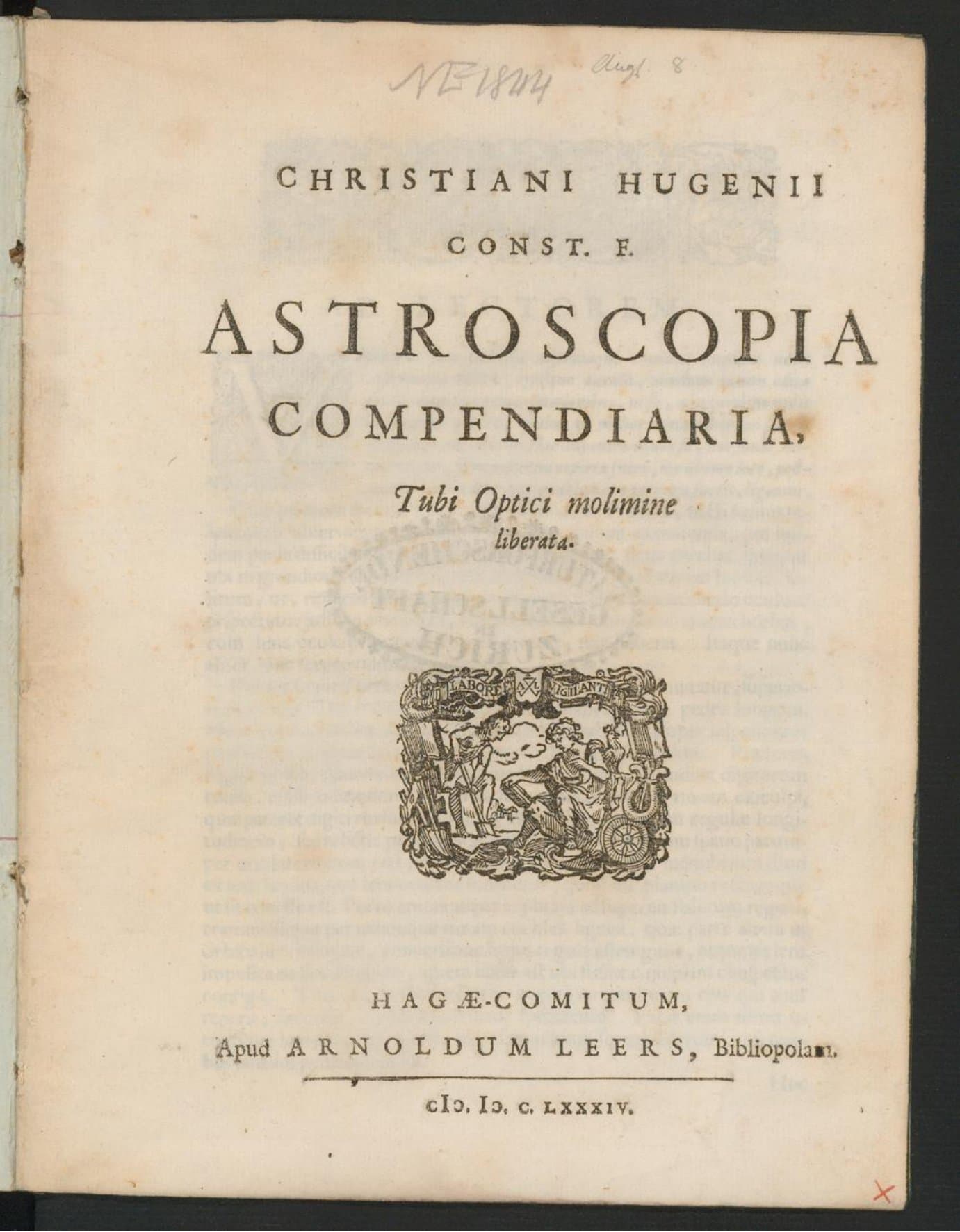
Christiani Hugenii Const. F. Astroscopia Compendiaria, Tubi Optici molimine liberata
Huygens, Christiaan, 1684
This work by Huygens details his innovations in astronomical observation, particularly regarding optical instruments.
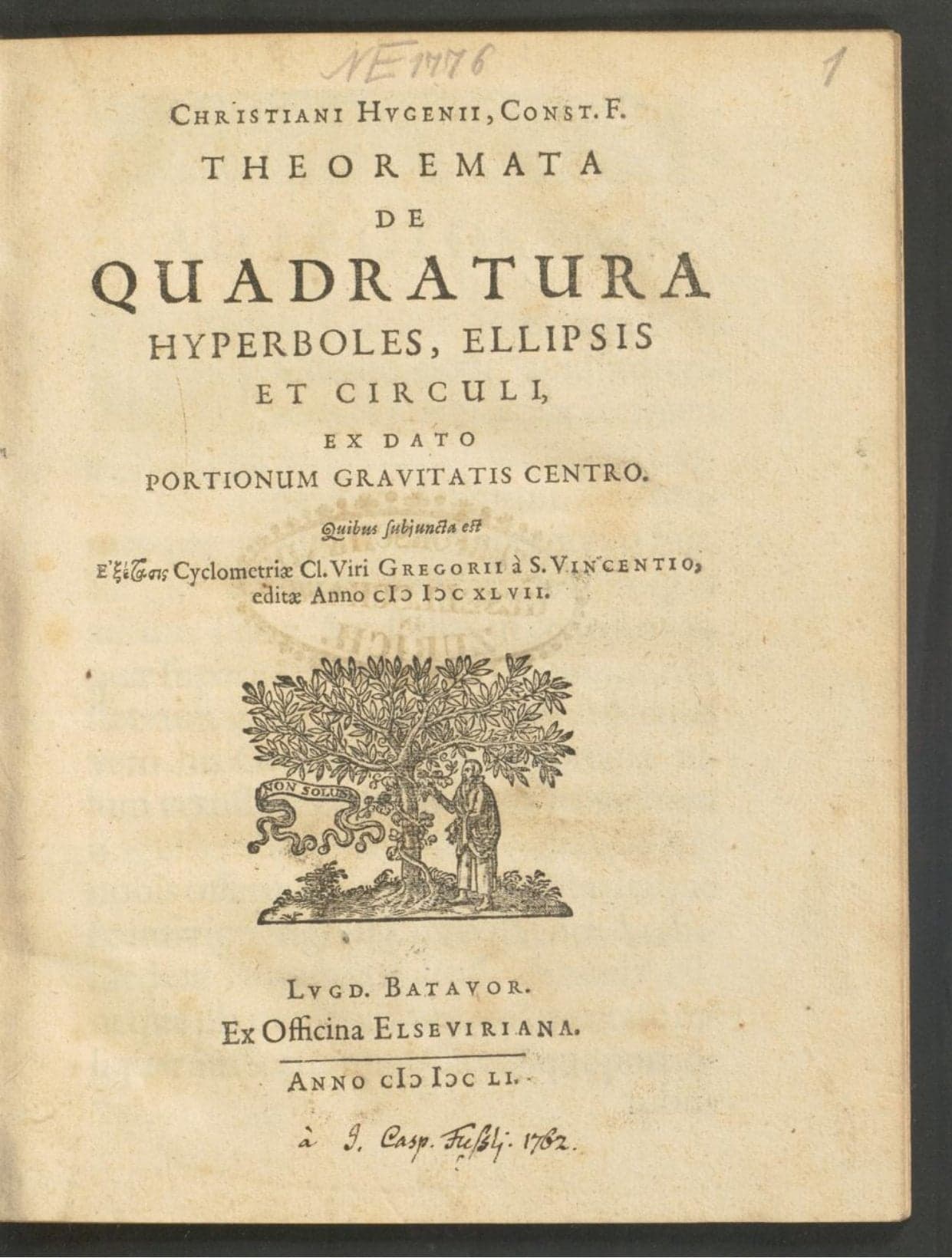
Christiani Hugenii ...Theoremata De Quadratura Hyperboles, Ellipsis Et Circuli, Ex Dato Portionum Gravitatis Centro
Huygens, Christiaan, 1651
This work demonstrates Huygens' advanced mathematical prowess, particularly in geometry and calculus.
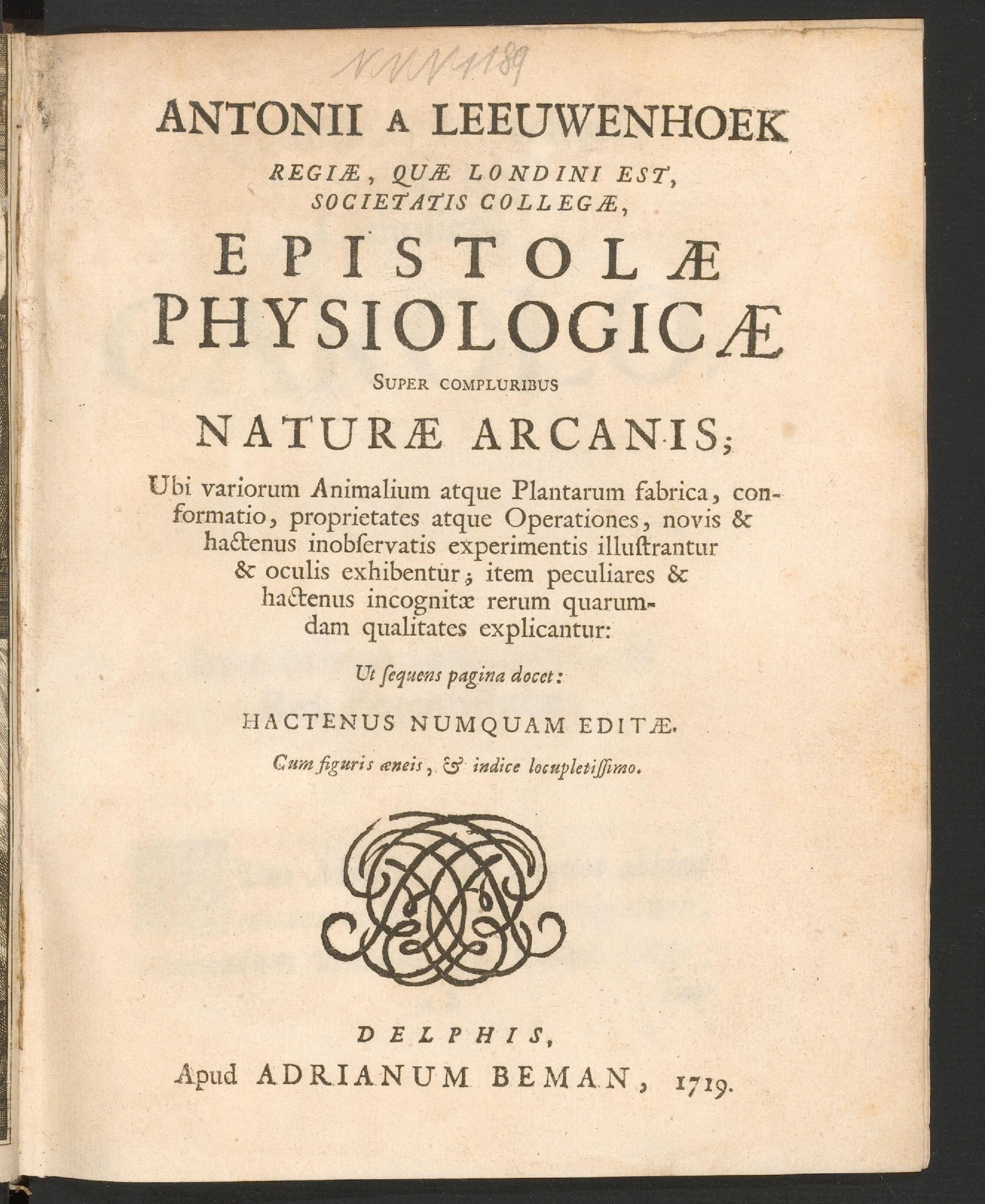
Antonii a Leeuwenhoek ... Epistolae physiologicae super compluribus naturae arcanis
Leeuwenhoek, Antoni van, 1719
This collection of letters details Leeuwenhoek's pioneering microscopic observations and discoveries in physiology.
Letters
Antoni van Leeuwenhoek, 1718
This collection of letters documents Leeuwenhoek's groundbreaking microscopic observations and discoveries in his native language.
All Books
Browse Full Catalog→37 books in this collection