


Esoteric Capitalism
The hidden connections between occult thought and economic theory.
Illustrations
Browse all67 images extracted
This printer's device for the London publishing house Bell and Daldy features a bell and an anchor, serving as a visual pun on the partners' names. The fine detail of the engraving is characteristic of the high-quality book production in mid-19th-century Britain.
This ground plan illustrates the urban fabric of Florence during the 13th and 14th centuries, a period of significant growth and guild influence. The map identifies the territories and residences of the city's principal families, highlighting the social and political geography of the medieval city alongside its natural features like the Arno river.
This woodcut emblem features a palm tree, a traditional symbol of endurance and triumph, enclosed within an ornate cartouche. The inscription 'PALMA BEB.' likely refers to a printer's motto or a specific allegorical meaning associated with the palm. Such marks were used by early modern printers to identify their work and convey their intellectual or moral values.
This intricate woodcut tailpiece marks the conclusion of a section in Athanasius Kircher's monumental work on Egyptian hieroglyphs. It features a central winged figure, possibly a genius or spirit, flanked by two smaller figures integrated into a dense arrangement of scrolls and architectural motifs. Such ornaments were a hallmark of early modern printing, serving both to fill empty space and to provide a sophisticated visual flourish at the end of a scholarly discourse.
This illustration depicts a 'Serving Youth' (Fameio) from the 15th century, showcasing the intricate details of contemporary Italian costume. The figure is captured in a dynamic pose, carrying a vessel, reflecting the social hierarchies and daily life of the Renaissance period.
This woodcut illustrates the 'doctrine of signatures,' a historical medical theory suggesting that plants resembling human body parts can treat ailments of those parts. On the left, the Antora plant's heart-shaped roots are linked to cardiac health, while on the right, the Pulmonaria's lung-like features suggest its use for respiratory issues.

This title page from a 1565 Venetian edition of Leone Ebreo's 'Dialoghi di Amore' showcases the elaborate printer's mark of Giorgio dei Cavalli, featuring an elephant carrying a castle-like tower. Accompanied by the Latin motto 'TARDE SED TVTO' (Slowly but surely), the mark is framed by a rich woodcut cartouche populated by female herms and grotesque figures. The composition reflects the sophisticated integration of philosophical text and allegorical imagery characteristic of 16th-century Italian publishing.
The Medici bank and the Platonic Academy shared a building. Double-entry bookkeeping and Neoplatonic metaphysics emerged from the same Florentine culture. Weber's Protestant ethic sits alongside the Rosicrucian manifestos. This collection explores the unlikely entanglement of esoteric thought and the birth of modern economics.
Essential Reading
The foundational texts of this tradition
Platonic Theology
Marsilio Ficino, 1482
Marsilio Ficino's magnum opus is the foundational text of Florentine Neoplatonism, explicitly mentioned as a core theme of the collection.
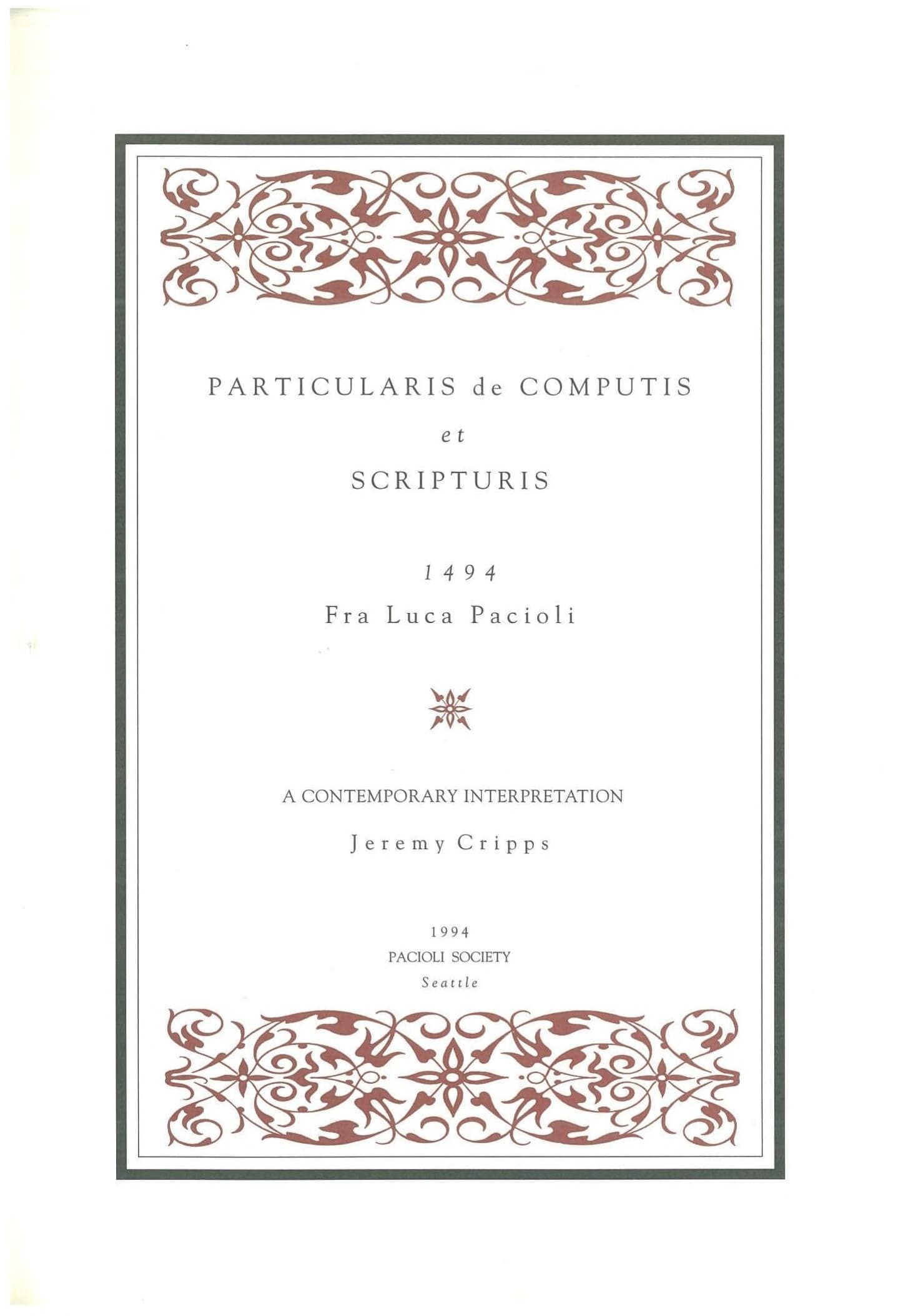
Summary of Arithmetic, Geometry, Proportions and Proportionality
Luca Pacioli, 1494
This work contains the first printed treatise on double-entry bookkeeping, a key economic development that emerged from the same Florentine culture as Neoplatonism.
On the Mysteries of the Egyptians
Iamblichus (ed. Marsilio Ficino), 1497First from Latin
Iamblichus's work on theurgy, translated by Ficino, is crucial for understanding the practical magical aspects of Florentine Neoplatonism.
Celestial Hierarchy / Divine Names (Ficino)
Pseudo-Dionysius (trans. Marsilio Ficino), 1501First from Latin
Ficino's translation of Pseudo-Dionysius was a major source for Christian Neoplatonism and mystical thought in the Renaissance, influencing the esoteric landscape.
De Vita Libri Tres (Three Books on Life)
Marsilio Ficino, 1489
Ficino's major work on Neoplatonic magic, astrology, and medicine directly links esoteric thought to practical life and well-being in Florence.
Important Works
Significant texts that deepen understanding
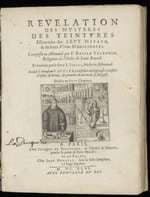
Revelation of the Mysteries of the Essential Tinctures of the Seven Metals
Basilius Valentinus, 1646
An important alchemical text by a renowned figure, representing a significant branch of early modern esoteric thought.
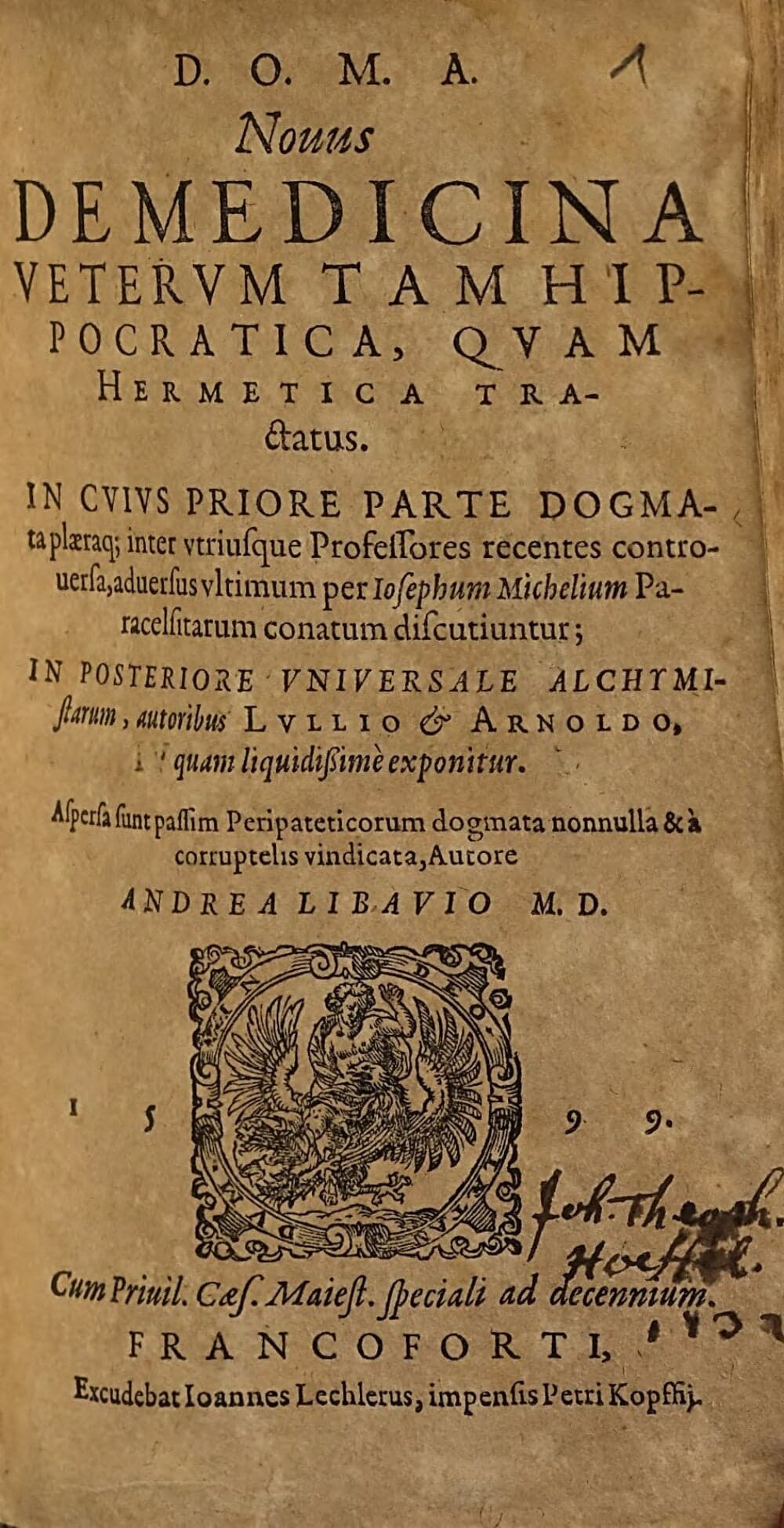
New Treatise on the Medicine of the Ancients, both Hippocratic and Hermetic
Libavius, Andreas, 1599First Translation
This work on Hermetic medicine illustrates the practical application of esoteric ideas in the early modern period.

A Precious Collection on Alchemy
Jabir ibn Hayyan, 800First Translation
A foundational alchemical text, demonstrating the deep historical roots of esoteric traditions that influenced later European thought.
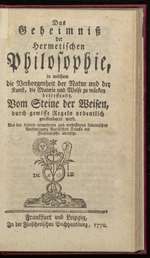
The Secret of Hermetic Philosophy
Anonymous, 1770First Translation
This explicitly Hermetic philosophical work demonstrates the enduring presence of esoteric ideas into the Enlightenment era.
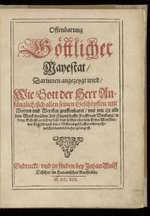
Revelation of Divine Majesty
[Gutman, Aegidius], 1619First Translation
A significant mystical and theosophical work, contributing to the broader landscape of esoteric thought in the early modern period.
Porphyry Isagoge & Neoplatonic Commentaries (Proclus, Ammonius)
Porphyry; Proclus; Ammonius, 1350
These foundational Neoplatonic texts provided the philosophical bedrock for the Florentine Platonic Academy and its esoteric pursuits.
Letters
Synesius of Cyrene, 1605
The letters of a Neoplatonist bishop, illustrating the integration of Neoplatonic thought into Christian contexts.
On Plato and the Chaldaean Oracles
Michael Psellos, 1525First Translation
This work preserves and comments on key Neoplatonic and Chaldaean Oracles, important sources for Renaissance esotericism.
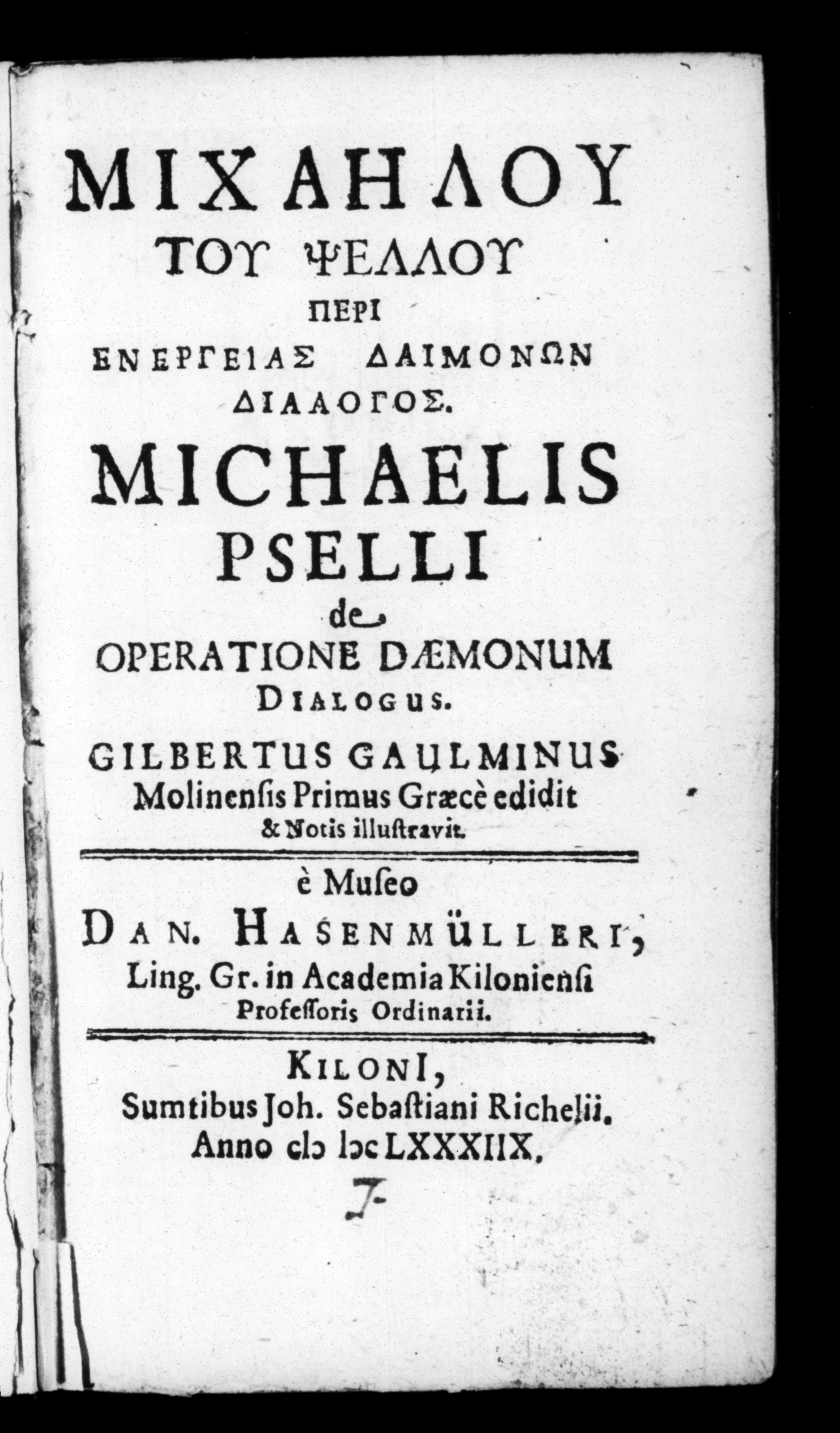
Dialogue on the Operation of Daemons
Michael Psellos, 1688First from Greek-Latin
A work on demons, directly relevant to the study of magic and esoteric beliefs within the broader intellectual history.
All Books
Browse Full Catalog→49 books in this collection
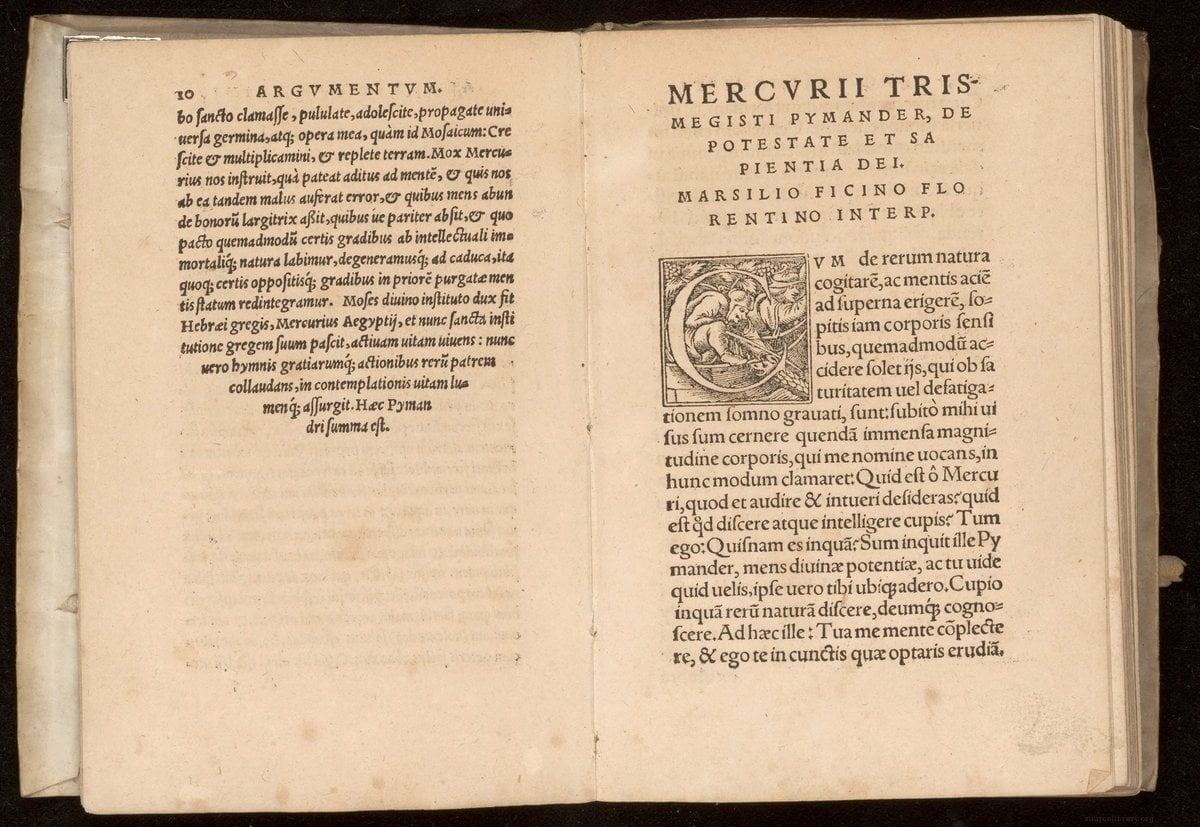
Pymander. Asclepius. On the Mysteries of the Egyptians. On Plato's Alcibiades, on the Soul and the Daemon. On Sacrifice.
Hermes Trismegistus|Jamblichus|Proclus
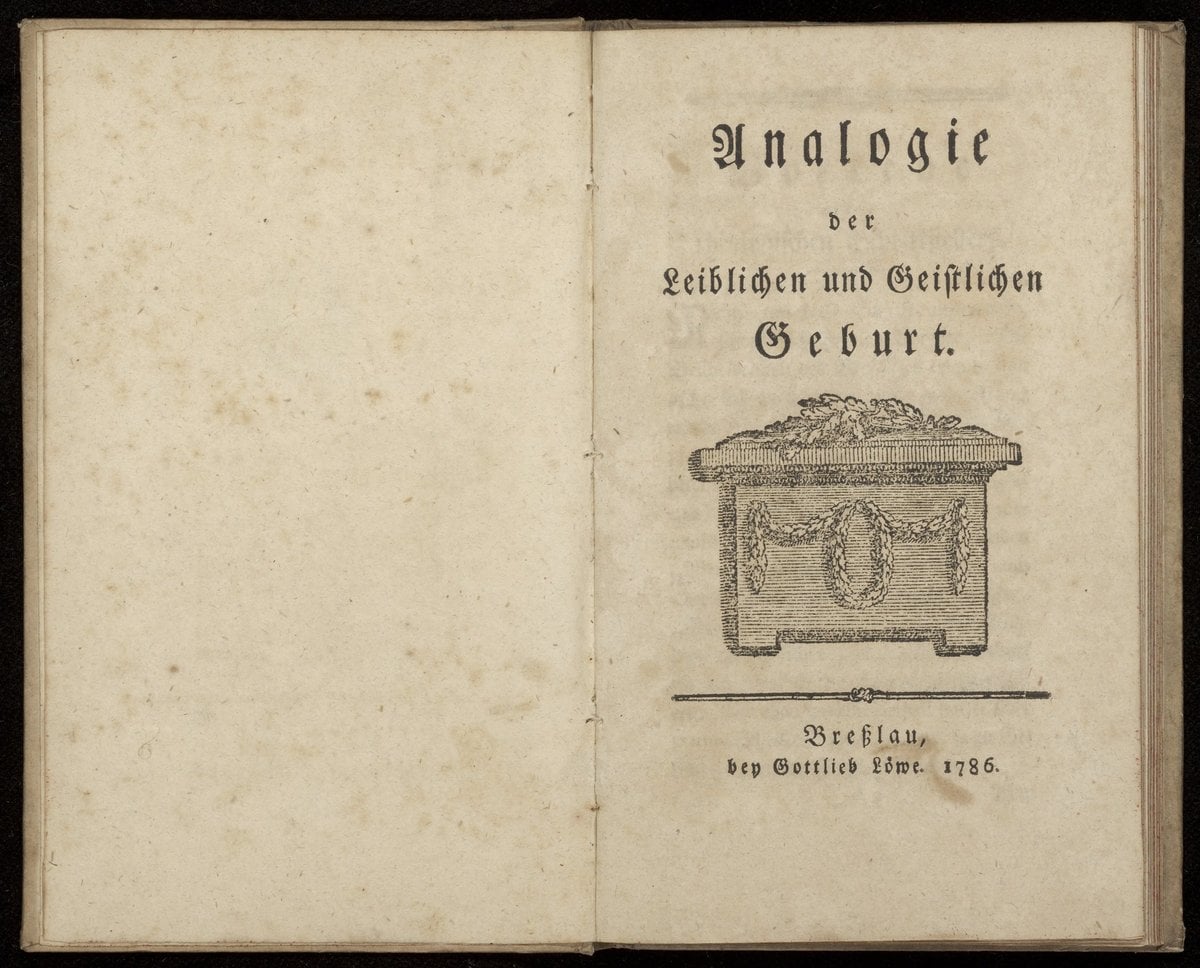
Analogy of Physical and Spiritual Birth
attr. Oswald, Heinrich Siegmund
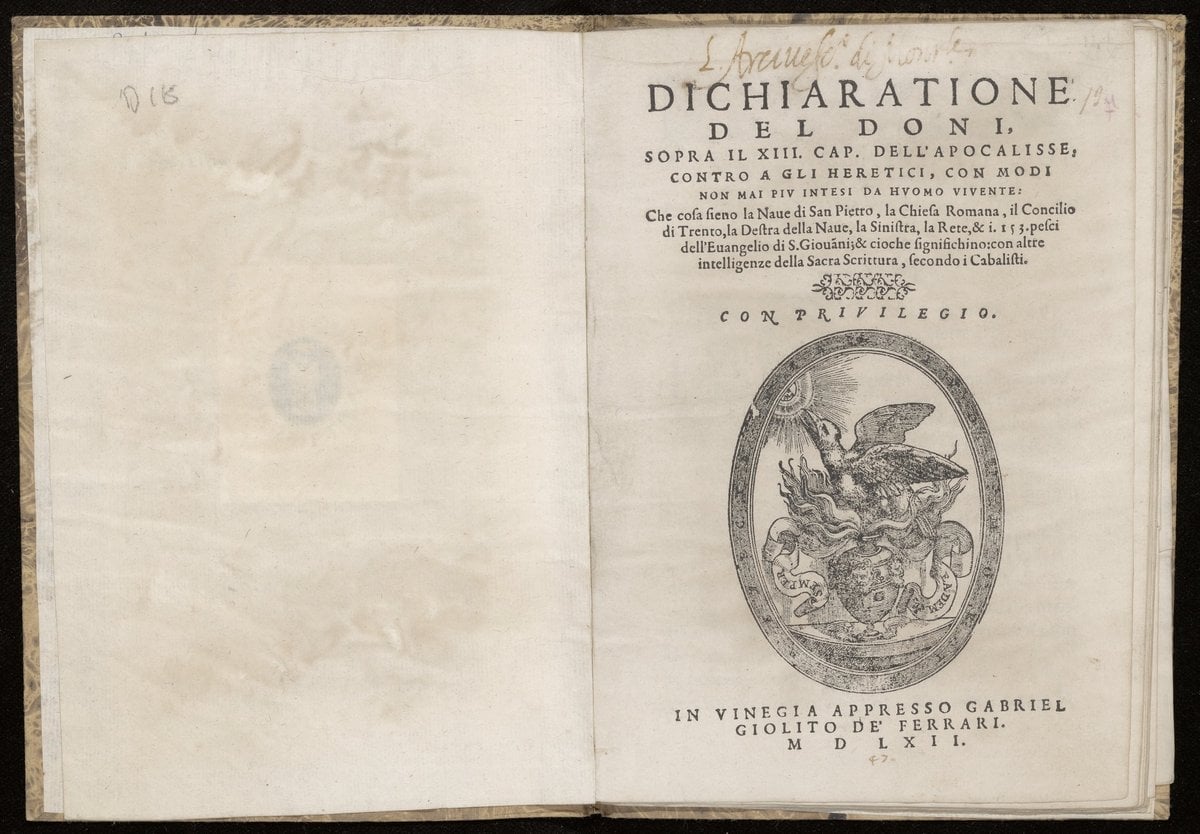
Declaration on the Thirteenth Chapter of Revelation
Doni, Antonio Francesco
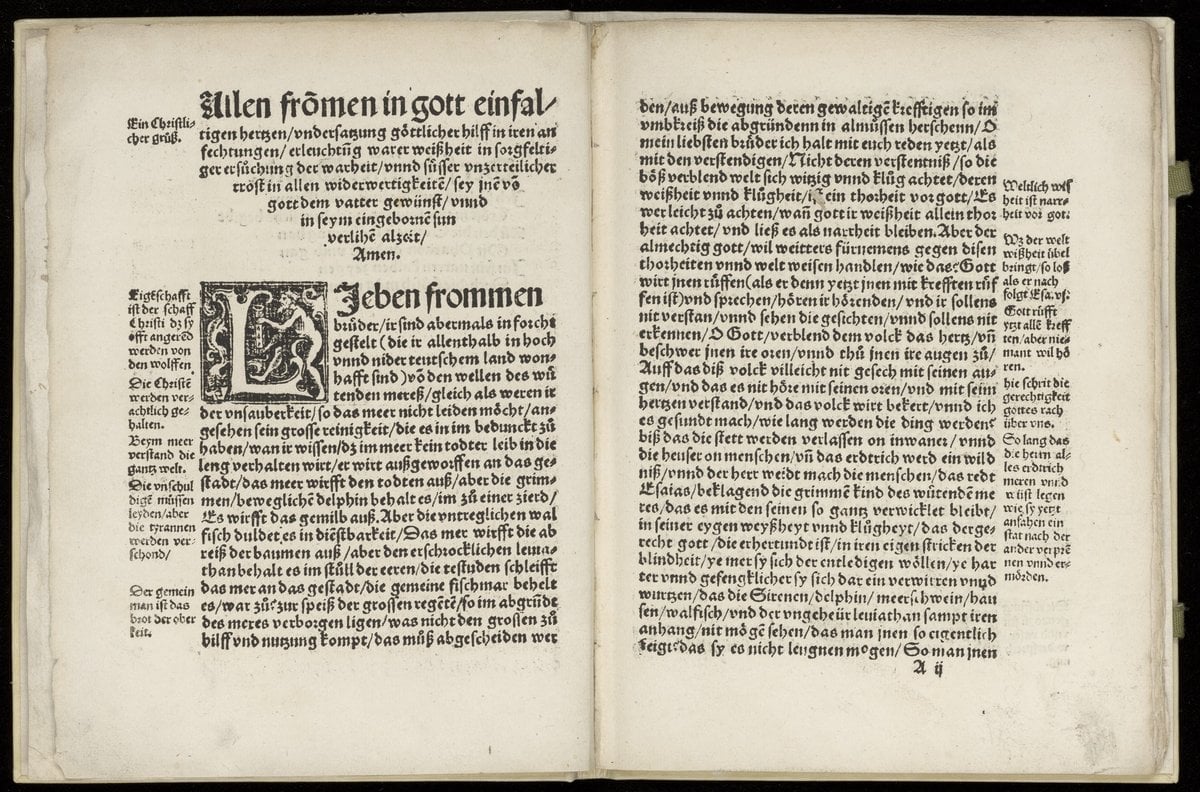
The Key of David
attr. Vadianus, J.
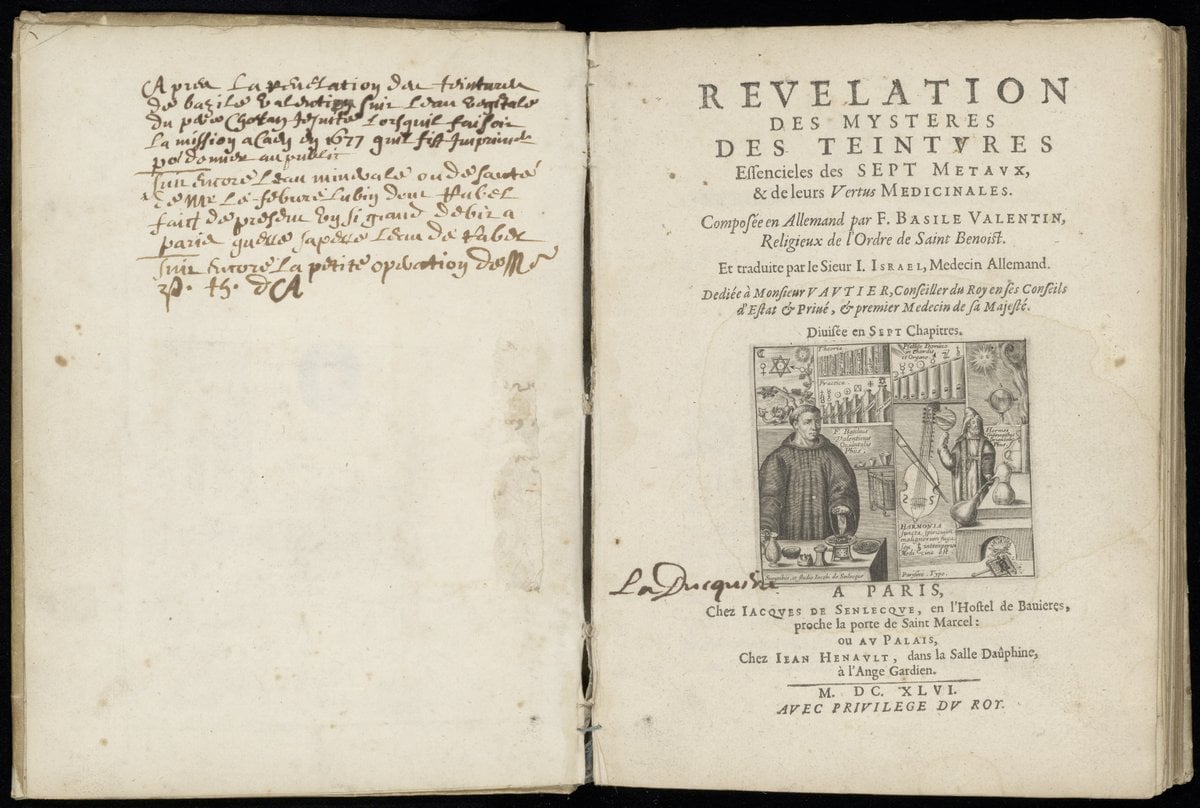
Revelation of the Mysteries of the Essential Tinctures of the Seven Metals
Basilius Valentinus
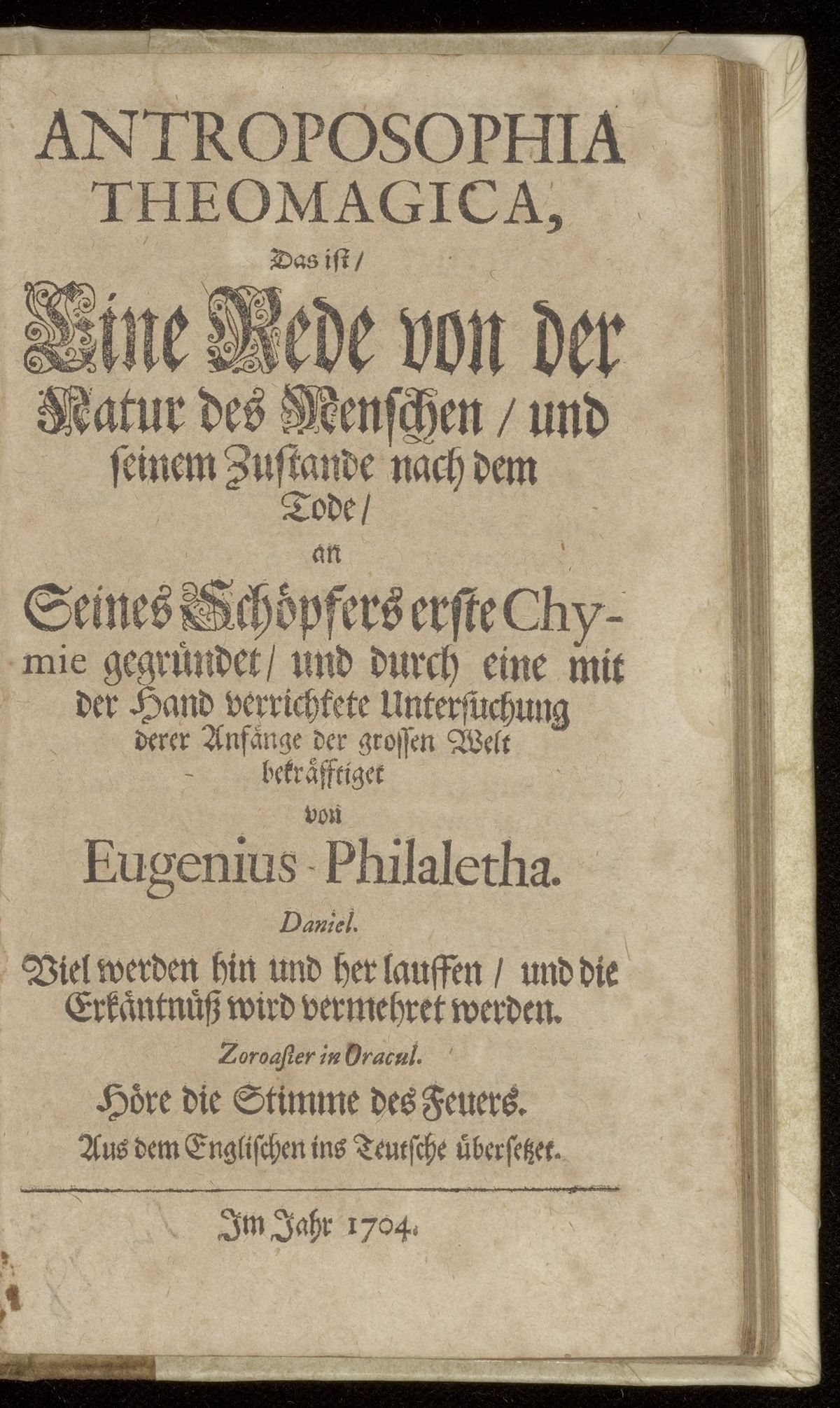
Antroposophia theomagica, das ist, eine Rede von der Natur des Menschen
attr. Vaughan, Thomas
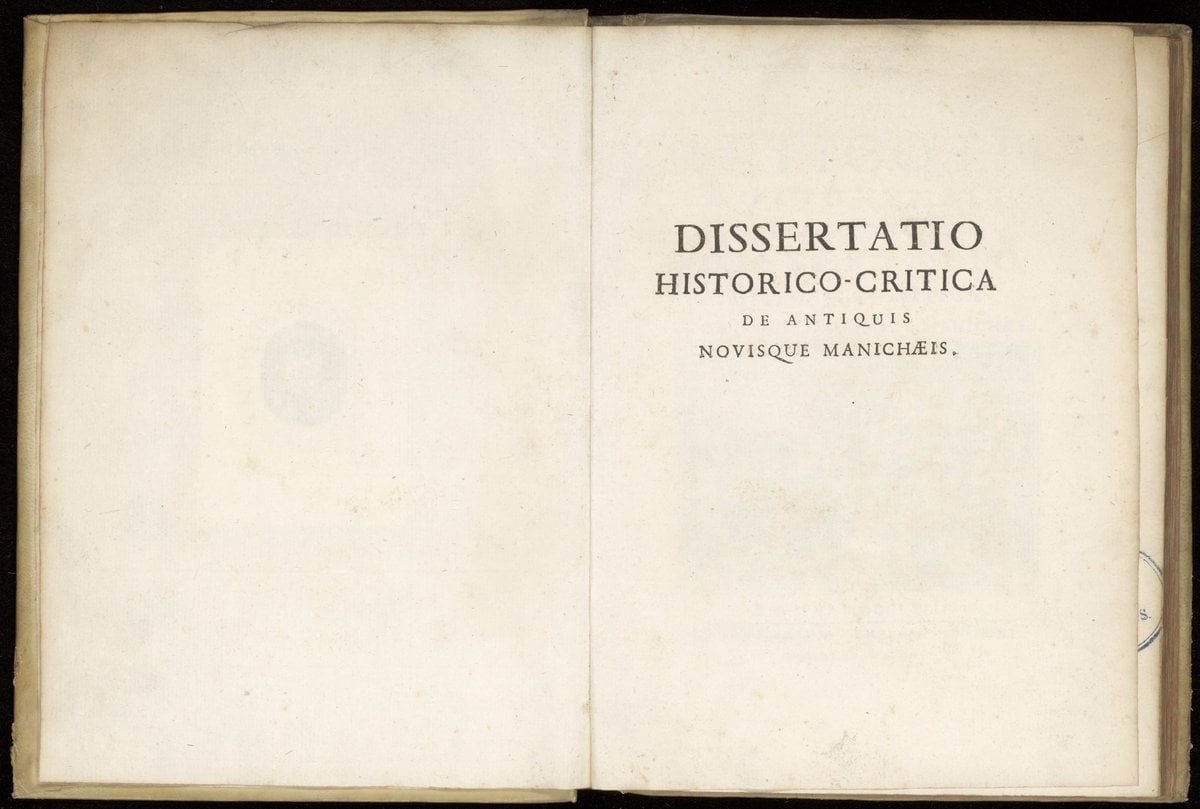
Historical-Critical Dissertation on the Ancient and New Manichaeans
Alticotius, Laurentius
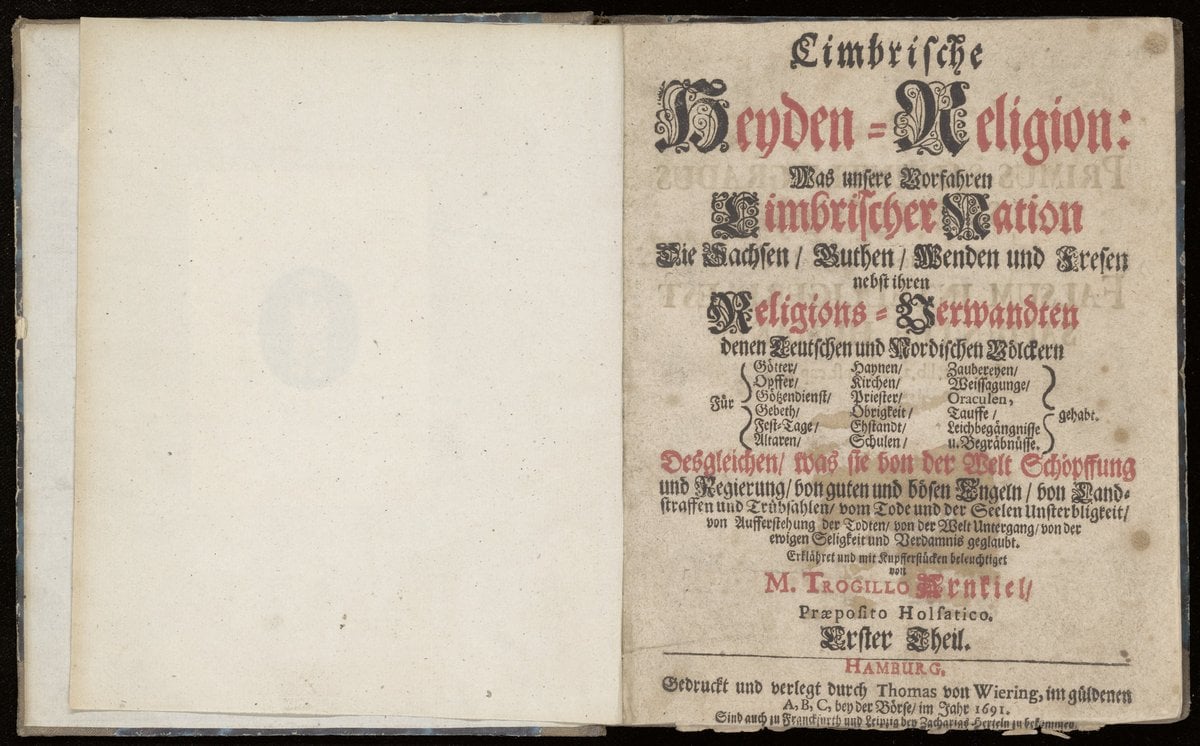
Cimbrian Pagan Religion
Arnkiel, Trogillus
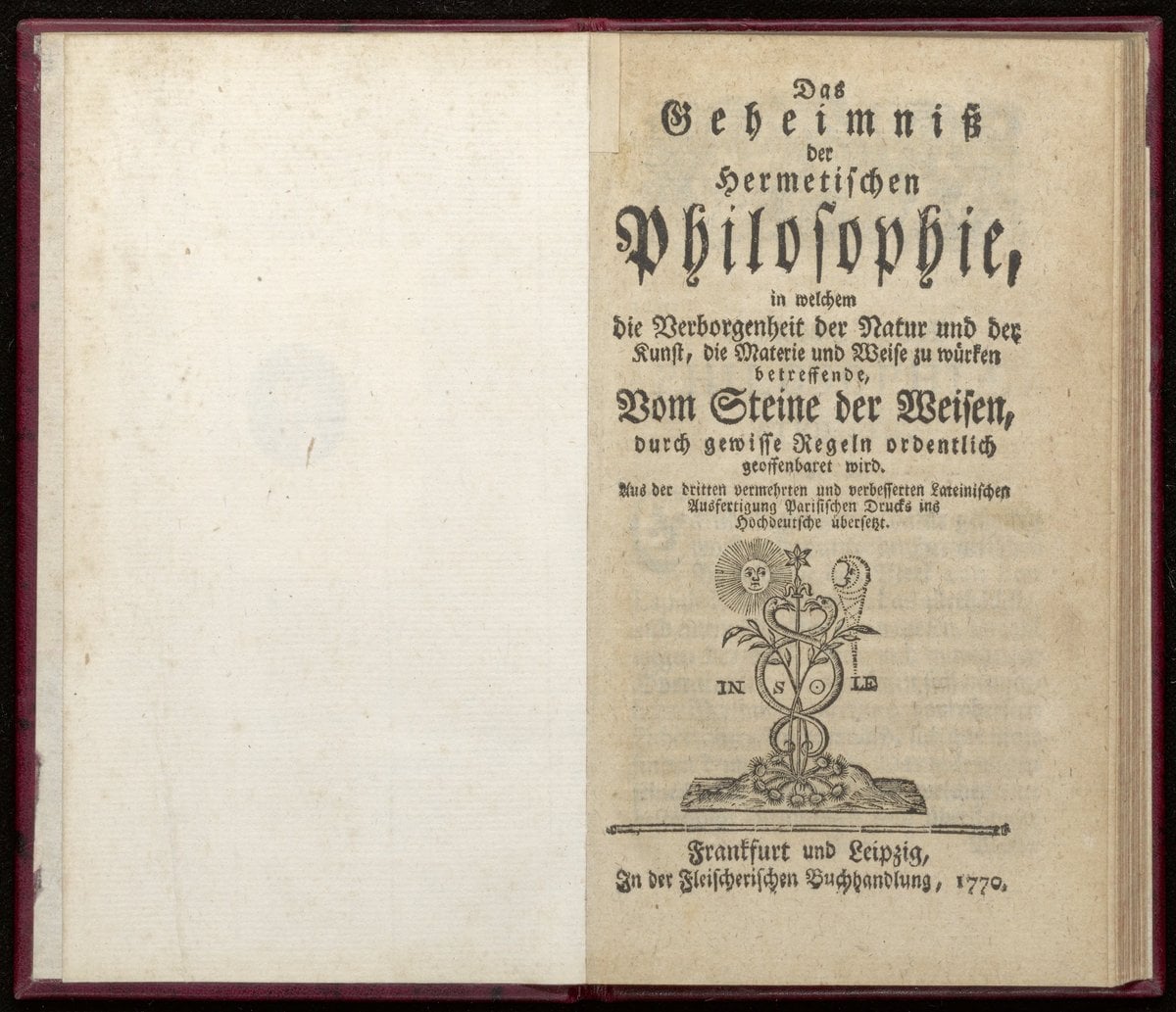
The Secret of Hermetic Philosophy
Anonymous
The Roaring Lion: Prophetic Decision on the Bohemian War
attr. Felgenhauer, Paulus
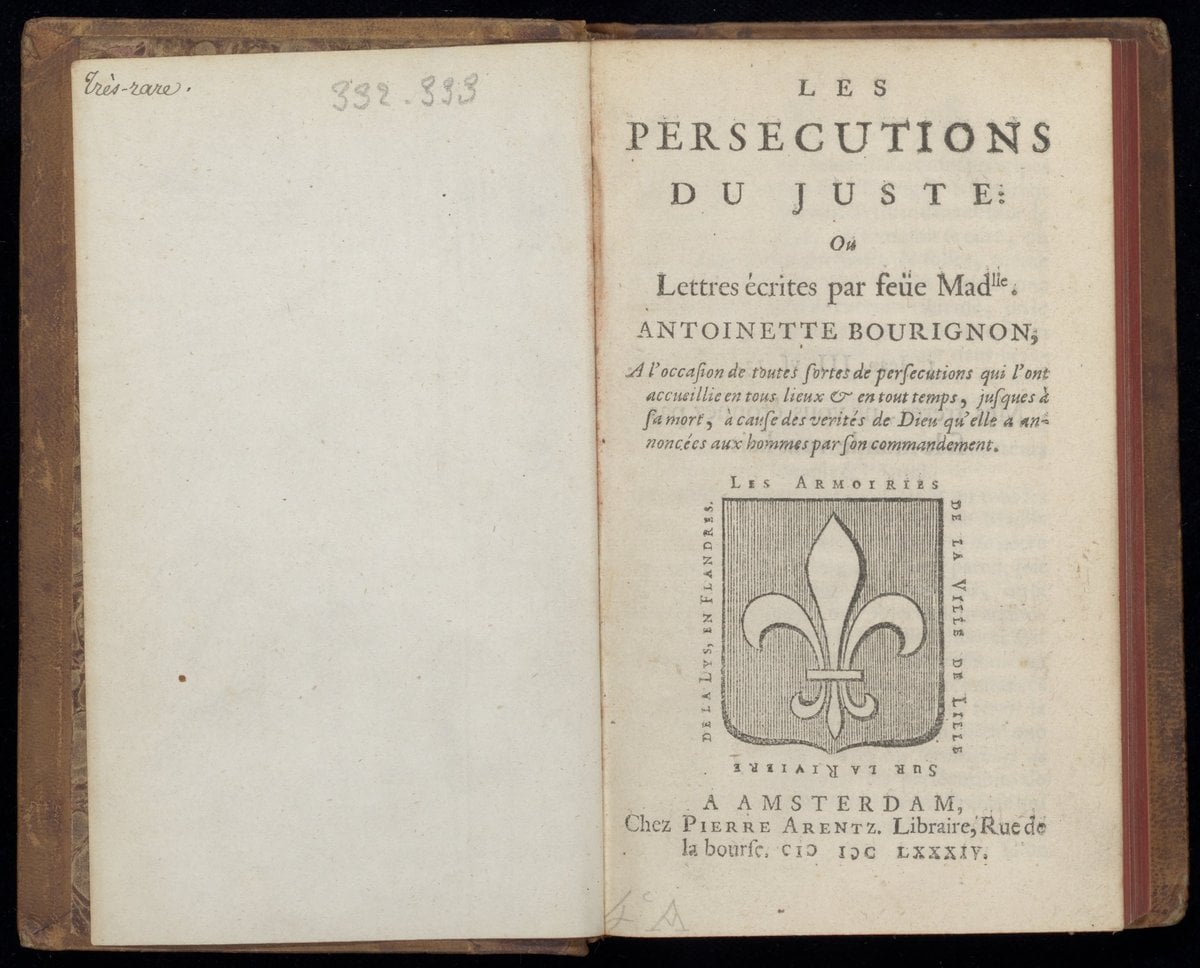
The Persecutions of the Righteous
Bourignon, Antoinette
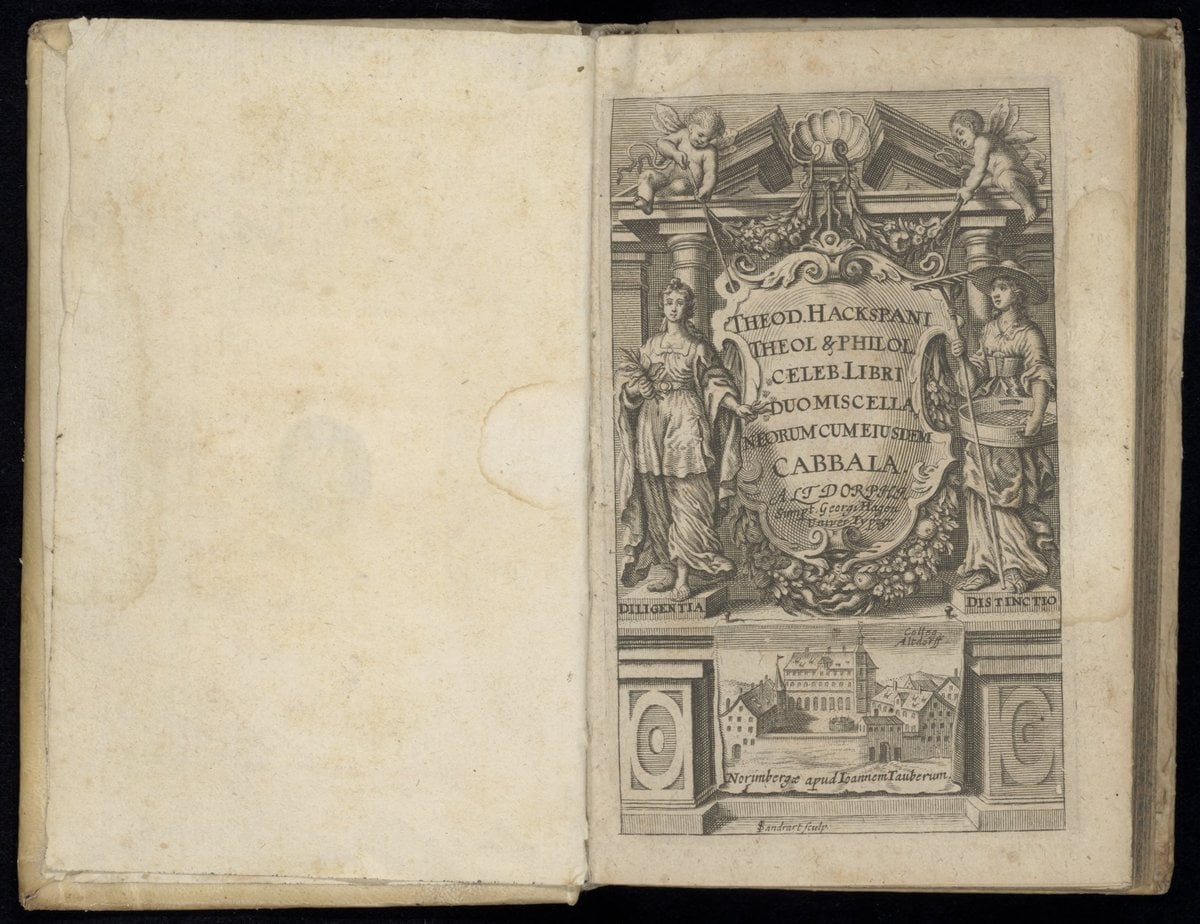
Two Books of Sacred Miscellanies and a Treatise on the Jewish Kabbalah
Hackspan, Theodor

Revelation of Divine Majesty
attr. Gutman, Aegidius