


Illustrations
Browse all500 images extracted
This intricate engraving from Robert Fludd's 'Meteorologia Cosmica' illustrates the divine origin of meteorological phenomena. At the top, the Tetragrammaton radiates light, while below, various celestial and atmospheric events are depicted, including the sun, stars, and unusual occurrences like rains of frogs and stones, all governed by divine and angelic forces.
This woodcut diagram from Chapter 1 of Kepler's 'Astronomia Nova' illustrates the traditional geocentric view of the celestial sphere. It depicts the apparent daily motion of the stars and the sun relative to the cardinal directions, serving as the starting point for Kepler's revolutionary investigation into the elliptical orbit of Mars.
This intricate typographical chart serves as the 'Synopsis Totius Operis' (Synopsis of the Whole Work) for Johannes Kepler’s 1609 landmark publication, *Astronomia Nova*. The branching logical structure outlines the book’s five-part investigation into the motion of Mars, marking the revolutionary transition from purely geometric models to a new 'celestial physics.' It highlights the critical comparison between the planetary systems of Ptolemy, Copernicus, and Tycho Brahe, which eventually led Kepler to the discovery of elliptical orbits.
This woodcut, titled 'Area Democriti' (The Area of Democritus), illustrates Giordano Bruno's theories on the 'minimum' or the fundamental building blocks of the universe. The arrangement of seven circles demonstrates the geometric packing of atoms, reflecting Bruno's synthesis of Pythagorean geometry and ancient Greek atomism. The four stars in the corners anchor the diagram within a celestial or metaphysical framework typical of Bruno's hermetic philosophy.
This intricate engraving from Robert Fludd’s 'Philosophia Moysaica' (1638) presents a complex cosmological model of the universe based on the interplay of light and darkness. At the base, the figures of Dionysus and Apollo represent the dualistic forces of destruction and creation, while the central diagram maps the emanation of divine light into the material world. Fludd’s work sought to reconcile biblical scripture with Hermetic philosophy and early scientific observation, making this image a key artifact of the 17th-century intellectual landscape.
This woodcut diagram, titled 'Antiphontis Tetragonismus' (Antiphon's Quadrature), illustrates Giordano Bruno's philosophical approach to the problem of squaring the circle. Found in his 1591 treatise 'De Triplici Minimo et Mensura', the image synthesizes Euclidean geometry with Hermetic symbolism to represent the relationship between the finite and the infinite. The central figure integrates a circle, square, and star, serving as both a mathematical proof and a mnemonic device for Bruno's complex cosmological system.

This intricate engraving depicts Johannes Kepler's revolutionary cosmological model from his 1596 work, Mysterium Cosmographicum. Kepler proposed that the distances between the six known planets could be explained by nesting the five Platonic solids within a series of spheres. This image represents a pivotal moment in the history of astronomy, blending classical geometry with early modern scientific inquiry.

This intricate engraving serves as the central visual argument for Robert Fludd's 'Philosophia Moysaica' (1638). It presents a complex cosmological diagram illustrating the relationship between the divine, the celestial, and the terrestrial realms through a series of interlocking circles and symbolic figures. Fludd, a prominent Hermetic philosopher and physician, used such imagery to synthesize biblical narrative with contemporary scientific and mystical thought, representing the unfolding of creation from the divine unity.

This detailed engraving depicts Robert Fludd (1574–1637), the English Paracelsian physician and mystic philosopher. He is shown in formal attire, flanked by his family coat of arms and rays of divine light inscribed with biblical verses, symbolizing his pursuit of spiritual and scientific knowledge. The portrait, executed by Matthäus Merian, serves as an authoritative introduction to Fludd's monumental work on the macrocosm and microcosm.
In 1619, Kepler published Harmonices Mundi. Fludd published Utriusque Cosmi. Both claimed to explain cosmic harmony. Kepler used mathematics and astronomical data; Fludd used hieroglyphics and macrocosm-microcosm analogies. Their published exchange (1619-1623) is the moment Western thought chose between two ways of knowing.
Essential Reading
The foundational texts of this tradition
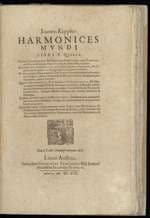
The Harmony of the World
Kepler, Johannes, 1619
This is Kepler's central work in the debate, explaining cosmic harmony through mathematics and astronomical data, directly opposing Fludd's approach.
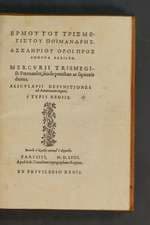
Poimandres
Hermes Trismegistus, 1554
This original Greek edition of the foundational Hermetic text, Poimandres, is essential for understanding the ancient tradition that informed Fludd's philosophy.
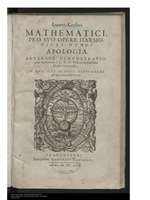
Defense of The Harmony of the World
Johannes Kepler, 1622
This work represents Kepler's direct response to critics, including Fludd, during their published exchange, defending his mathematical approach to cosmic harmony.
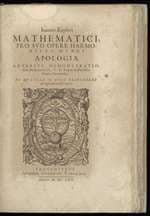
Apology for The Harmony of the World
Kepler, Johannes, 1622First Complete Translation
This is another of Kepler's direct responses to critics, including Fludd, published during the debate to defend his scientific methodology and findings.
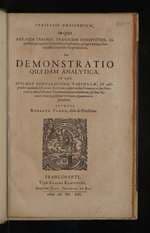
The Proscenium of Truth
Robert Fludd, 1621First Translation
This work is Fludd's direct response to Kepler, central to their published exchange and articulating his Hermetic perspective on cosmic harmony.
Important Works
Significant texts that deepen understanding

The Metamorphosis
Paracelsus, Theophrastus, 1584First Translation
Paracelsus was a major figure in Hermetic and alchemical thought, directly influencing Fludd's worldview and the tradition he represented.

Missive to All Who Have Read of the New Brotherhood of the Rosy Cross
[Sperber, Julius], 1615First Translation
This contemporary Rosicrucian text provides crucial context for Fludd's intellectual milieu and the broader Hermetic environment of the debate.
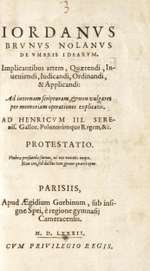
Giordano Bruno: De Umbris Idearum (1582 First Edition)
Giordano Bruno, 1582
Giordano Bruno was a key Renaissance Hermetic philosopher, representing an important intellectual precursor to Fludd's cosmology and way of knowing.

Three Books of Occult Philosophy
Heinrich Cornelius Agrippa von Nettesheim, 1550
This is a foundational text for Renaissance occult philosophy and Hermeticism, directly influencing Fludd's understanding of the cosmos.
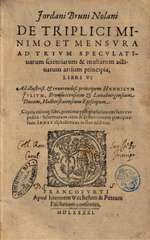
On the Threefold Minimum and Measure
Giordano Bruno, 1591
Another significant work by Bruno, this text is relevant to the Hermetic intellectual context that shaped Fludd's philosophical approach.

Brother Not Brother: A Warning to the Disciples of the Rosy Cross
[Grick, Friedrich], 1619First Translation
This contemporary text from the Rosicrucian debate is directly relevant to the intellectual environment surrounding Fludd and his defense of Hermeticism.
Description of the Republic of Christianopolis
[Andreae, Johann Valentin], 1619
Andreae was a key figure in the Rosicrucian movement, and this work provides crucial context for Fludd's intellectual environment and the Hermetic tradition.

New Astronomy
Johannes Kepler, 1609
This foundational astronomical work demonstrates Kepler's mathematical and empirical approach to understanding the cosmos, contrasting with Fludd's mystical methods.
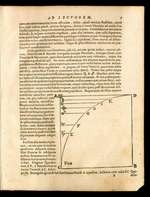
The Cosmographic Mystery
Johannes Kepler, 1596
Kepler's early work on cosmic harmony laid the groundwork for his later *Harmonices Mundi*, showcasing his developing scientific methodology.
All Books
Browse Full Catalog→45 books in this collection
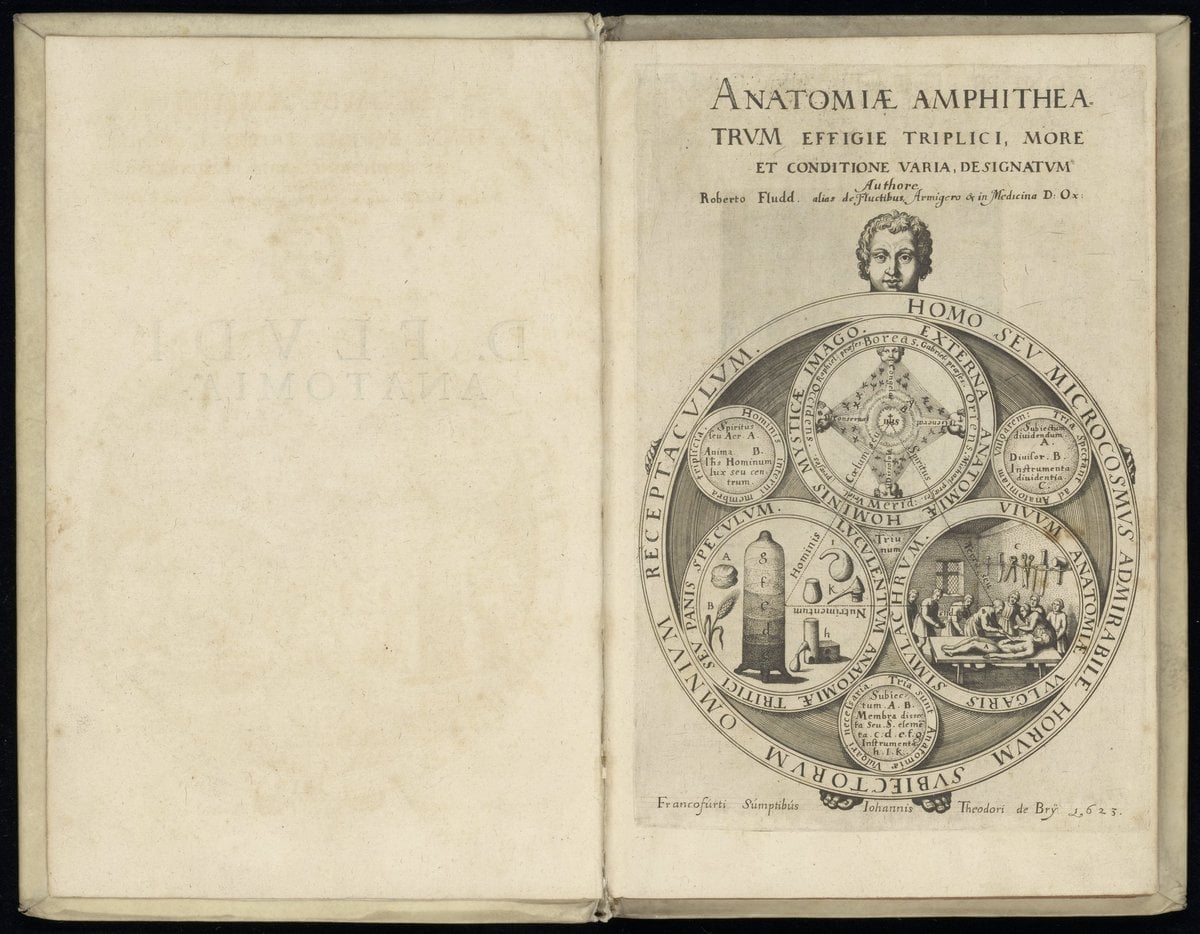
On the Triple Anatomy
Fludd, Robert
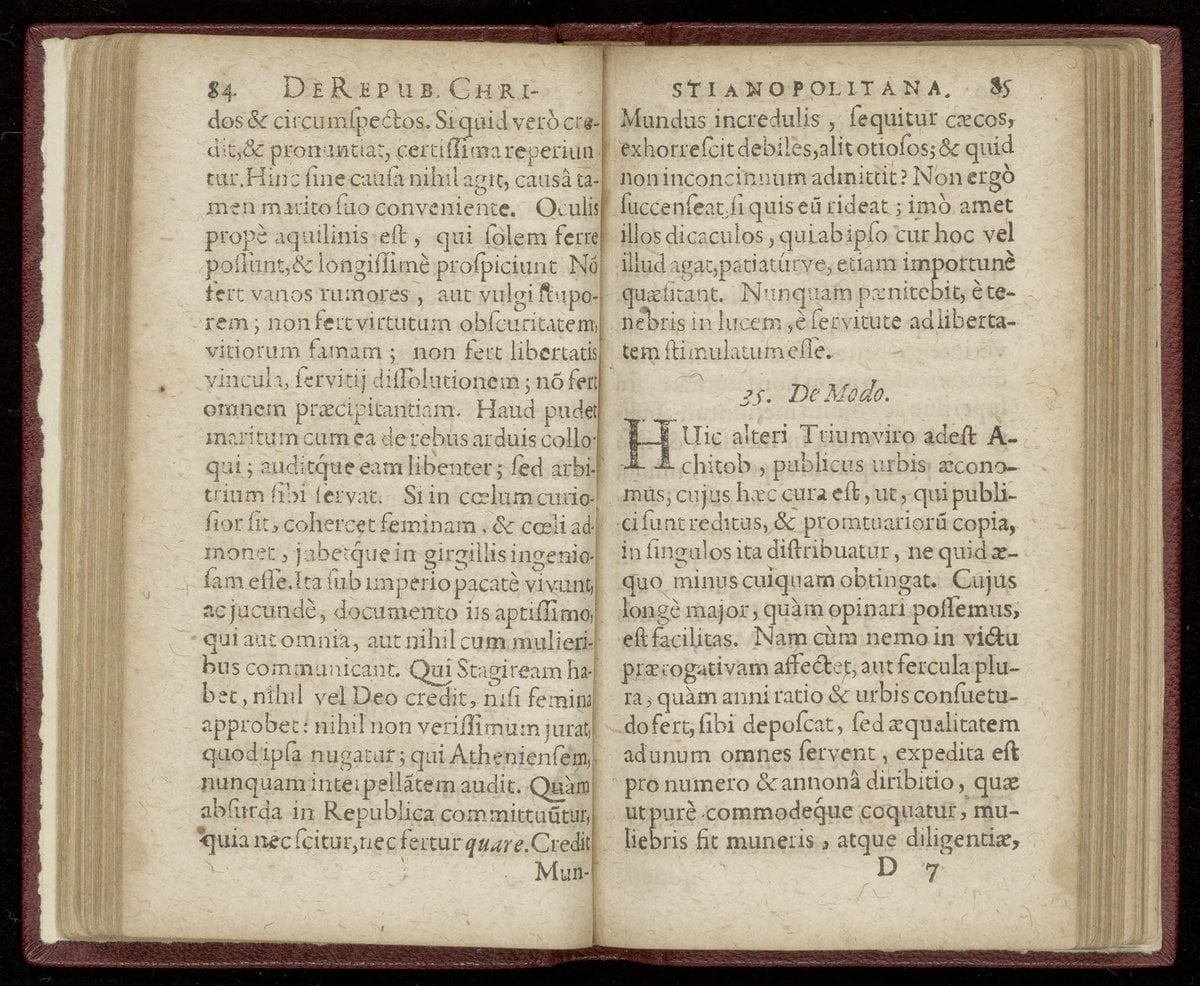
Description of the Republic of Christianopolis
attr. Andreae, Johann Valentin
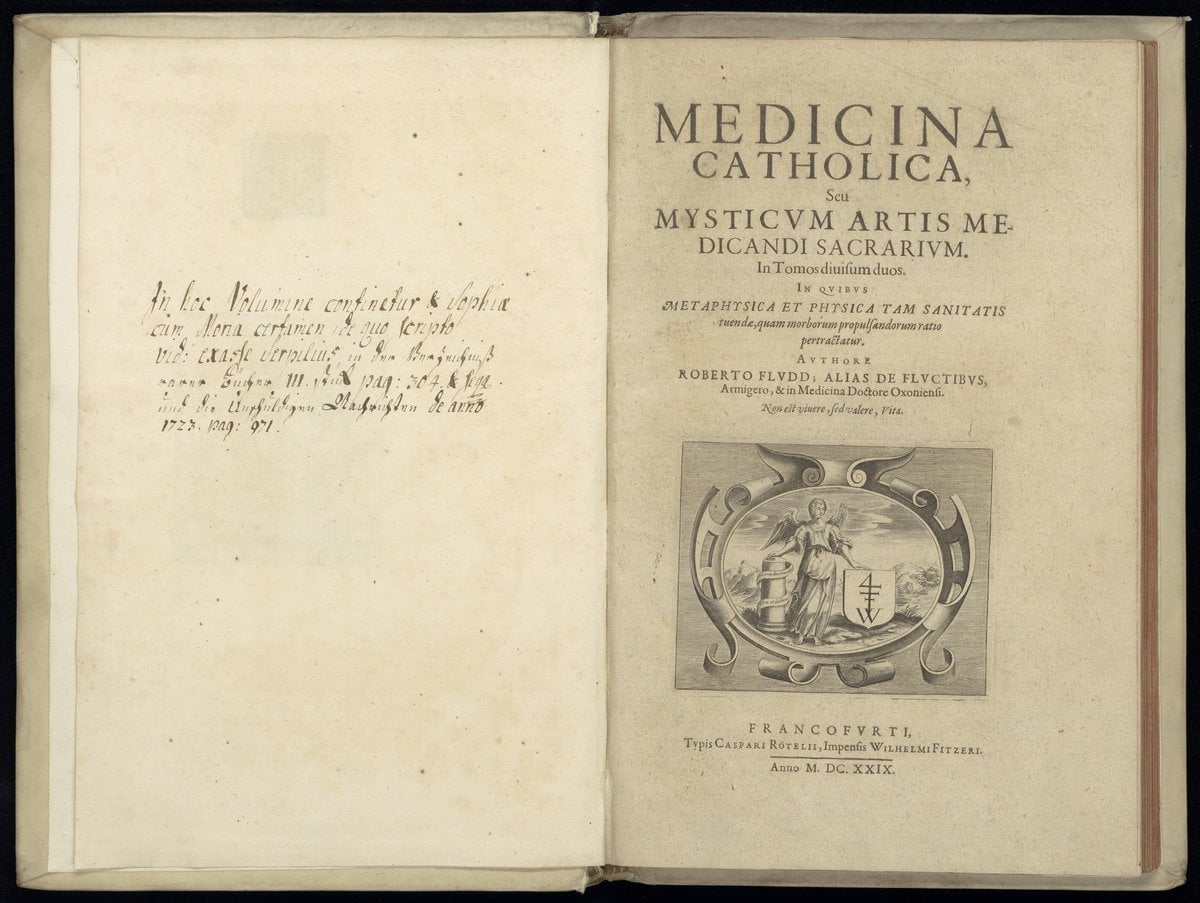
Universal Medicine, or the Mystic Sanctuary of the Healing Art
Fludd, Robert
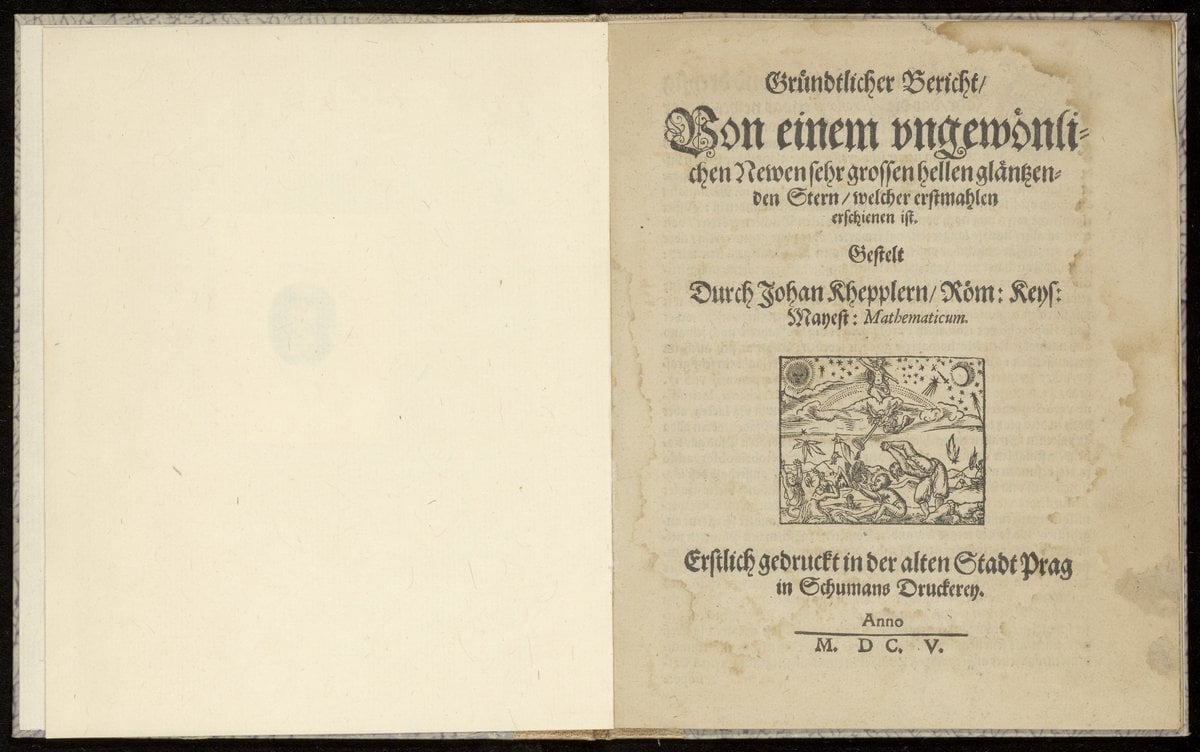
Thorough Report on a New and Unusual Star
Kepler, Johannes
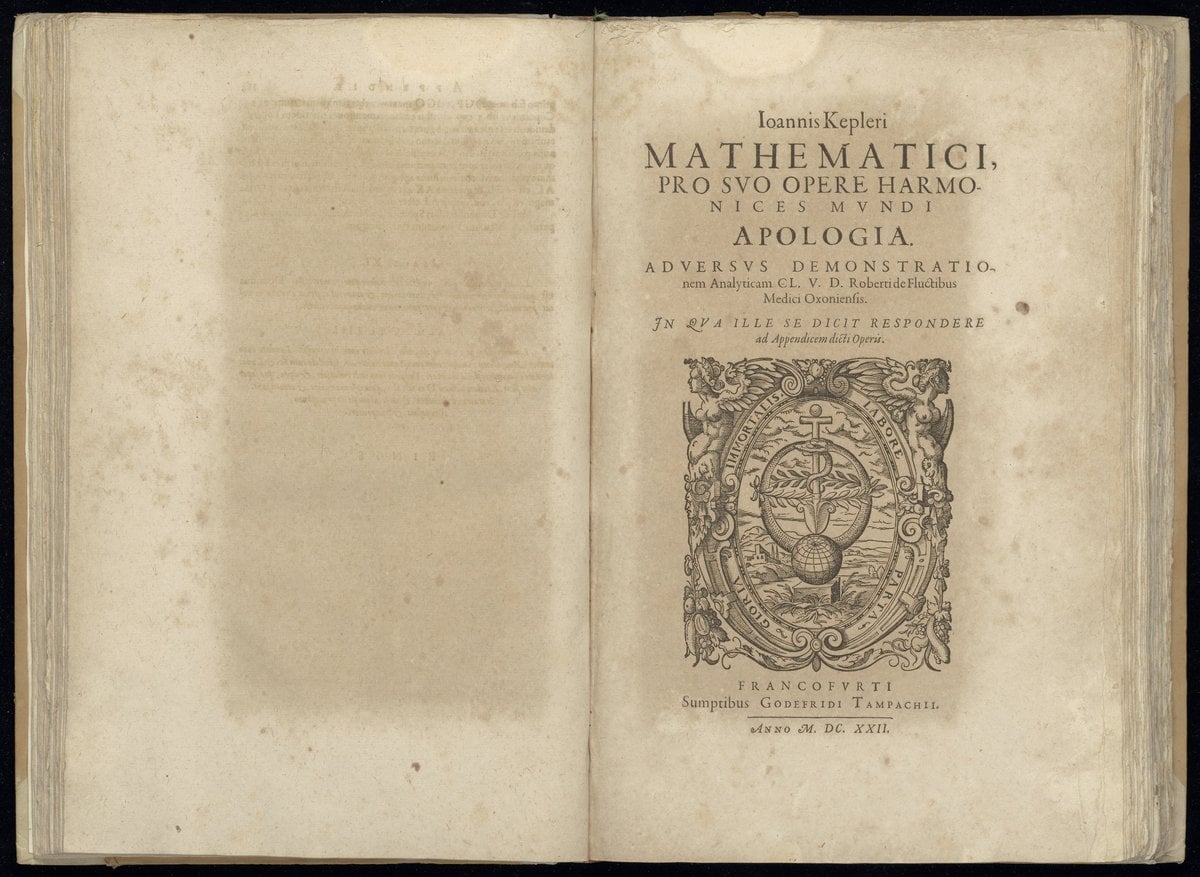
Apology for The Harmony of the World
Kepler, Johannes
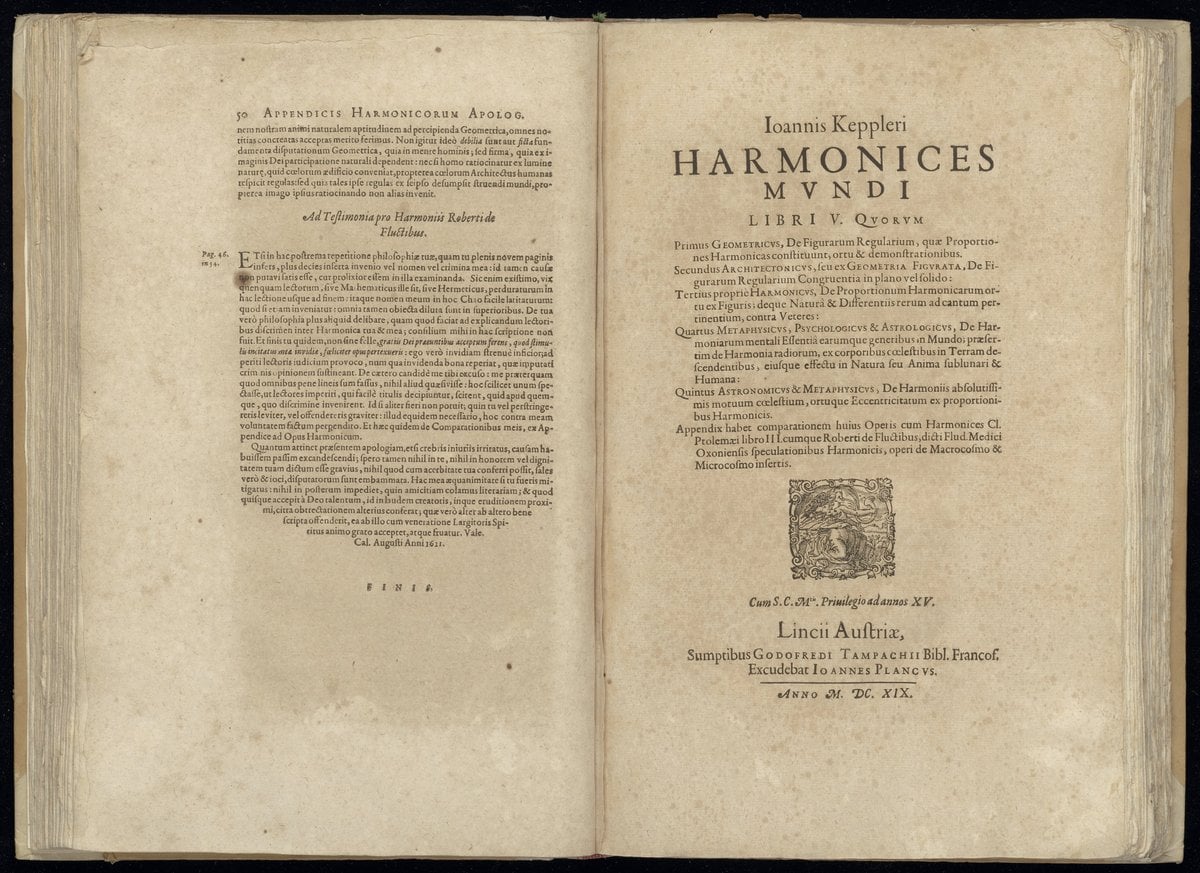
The Harmony of the World
Kepler, Johannes
The Wonder-Working Word
Reuchlin, Johann
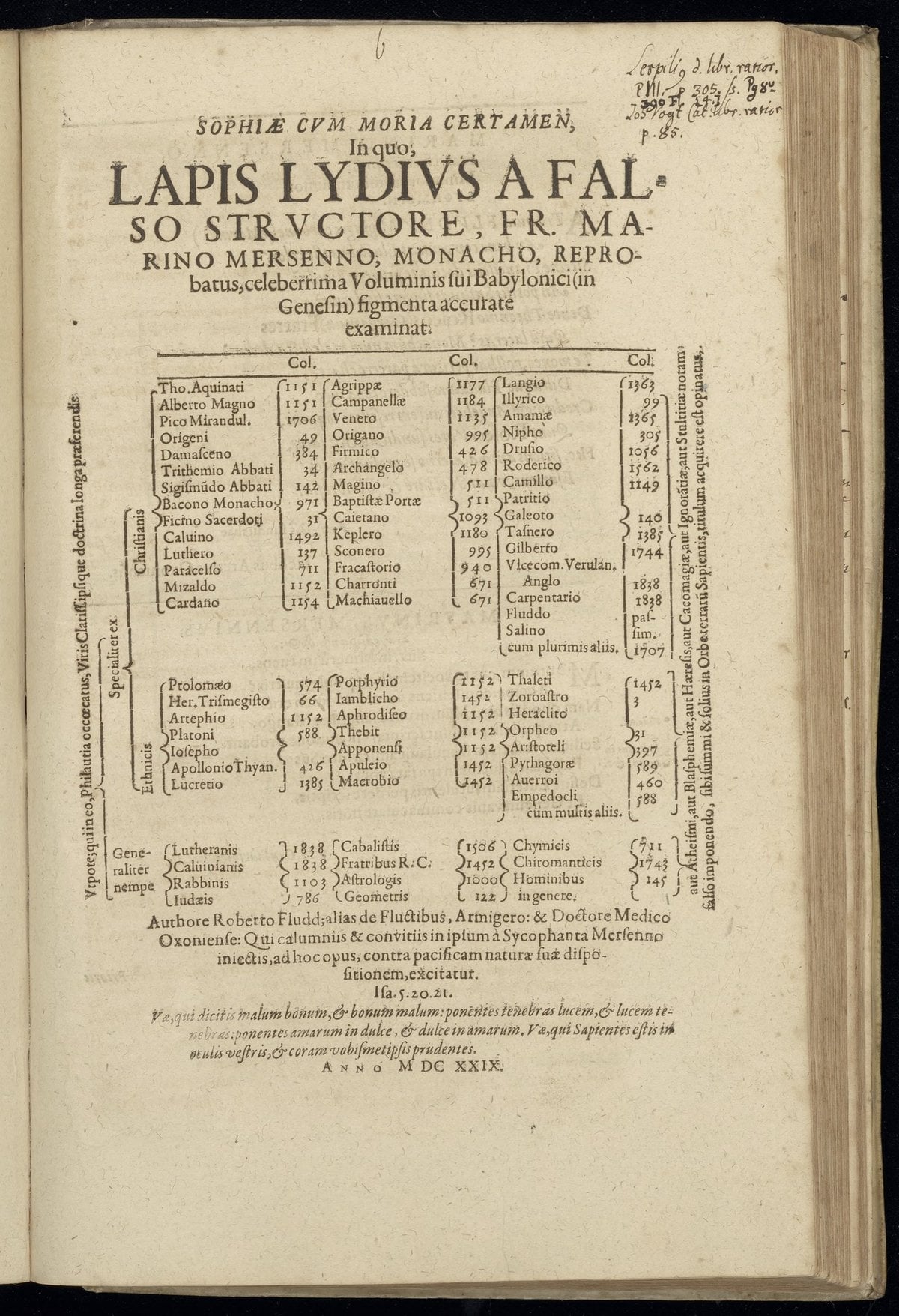
The Contest of Wisdom with Folly
Fludd, Robert
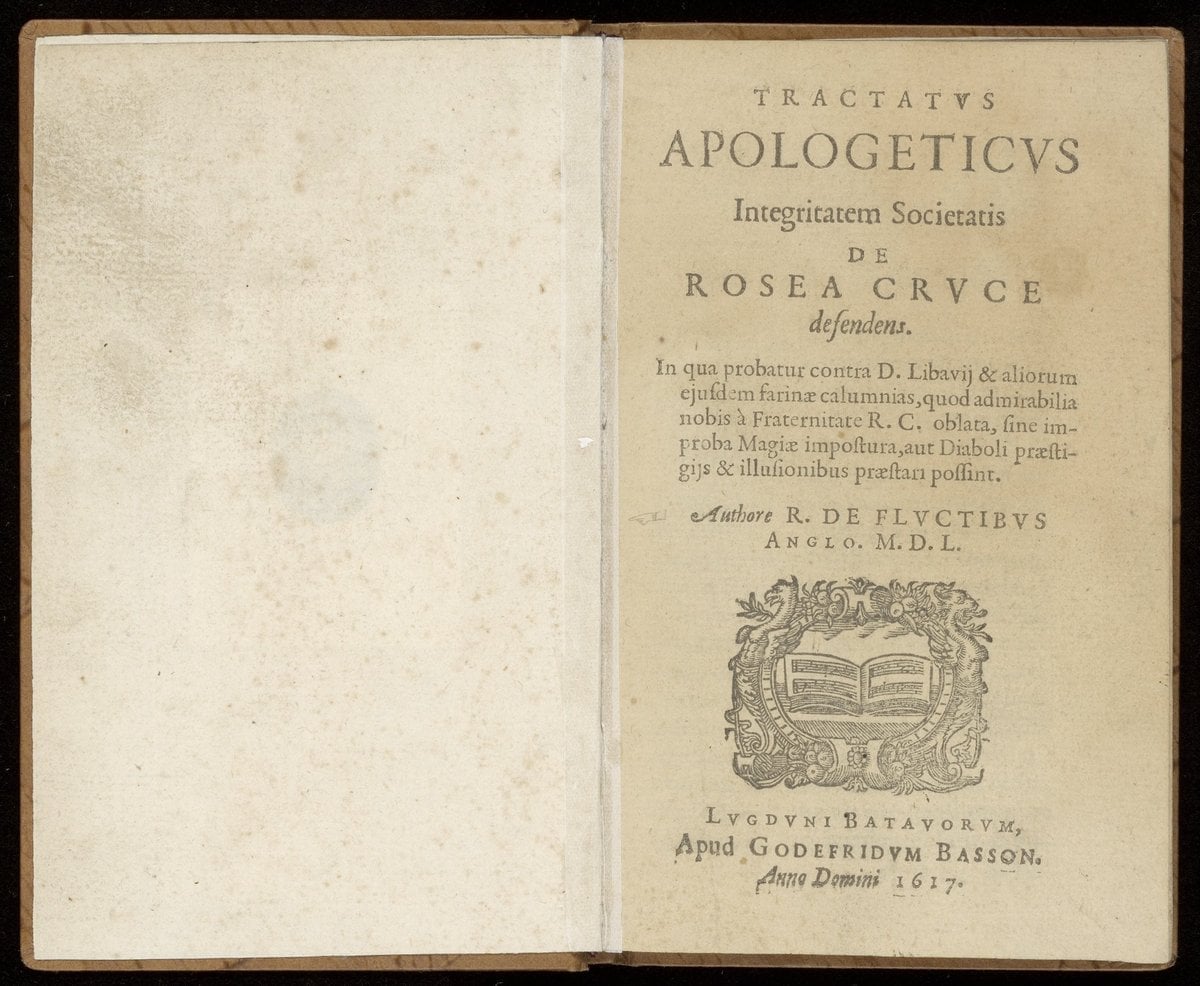
Apologetic Treatise Defending the Integrity of the Society of the Rose Cross
Fludd, Robert
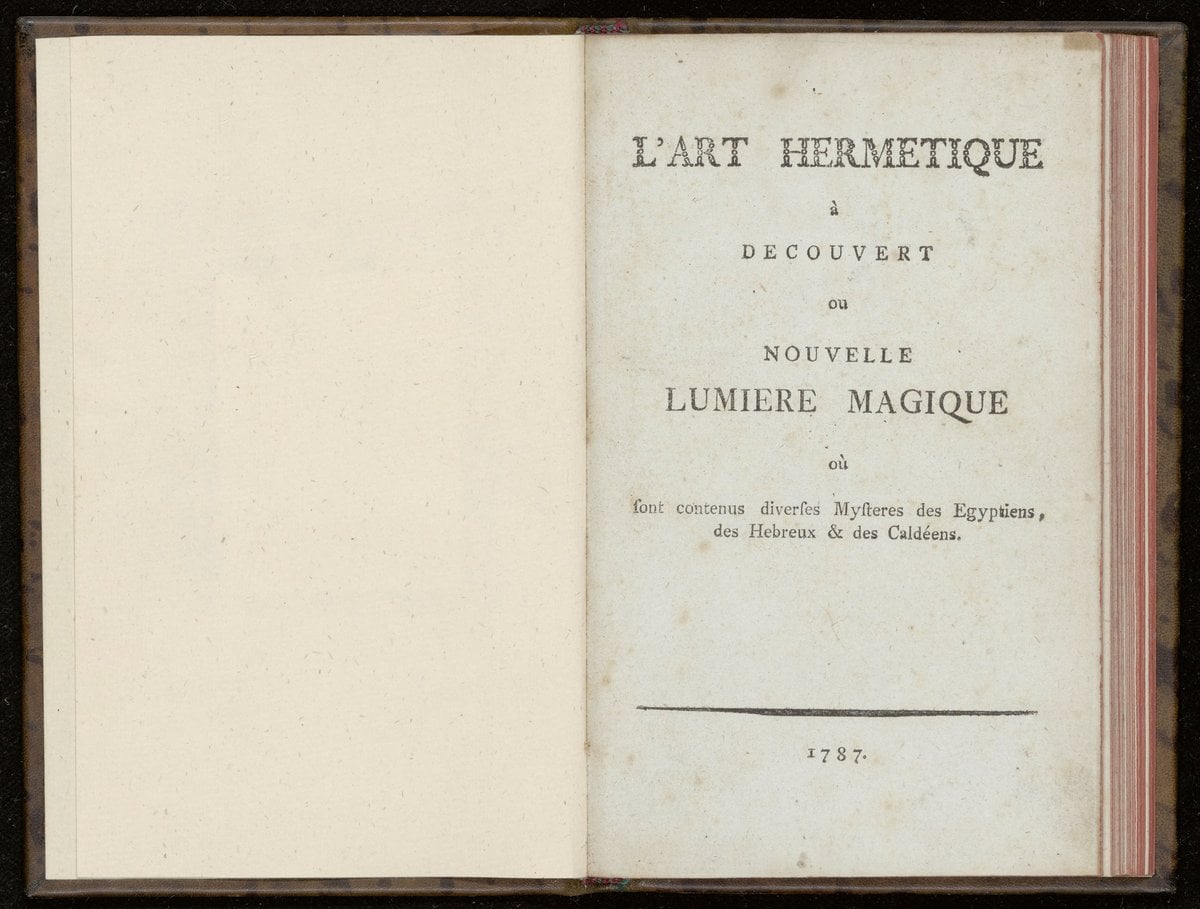
A new light of alchymie. Of the nature of things. Chymicall dictionary
Sendivogius, Michael|Paracelsus, Theophrastus|anonymous
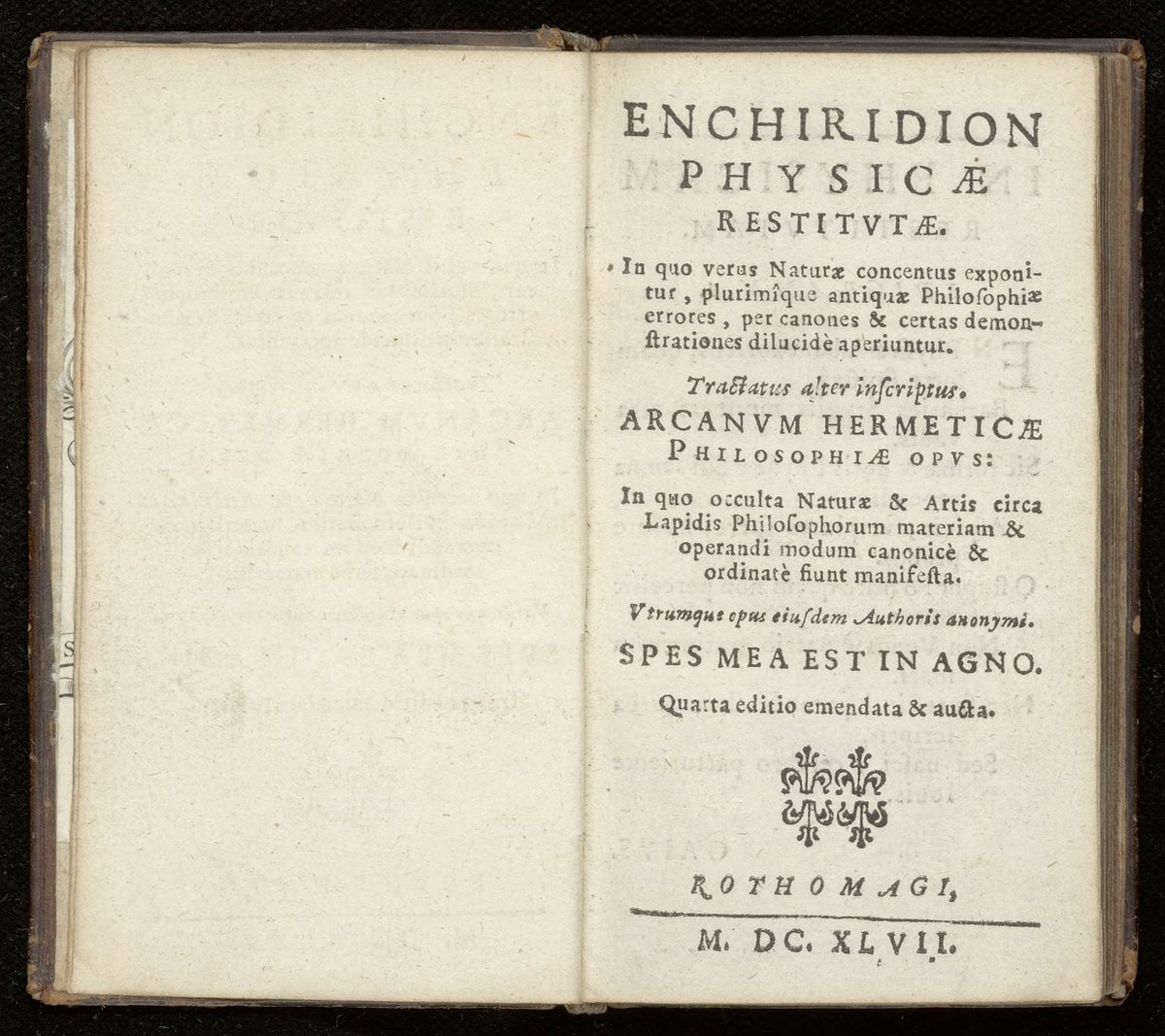
Handbook of Restored Physics and the Secret Work of Hermetic Philosophy
attr. Espagnet, Jean d'

Brother Not Brother: A Warning to the Disciples of the Rosy Cross
attr. Grick, Friedrich
A Thorough Report on the Brotherhood of the Rosy Cross
Anonymous
The Metamorphosis
Paracelsus, Theophrastus