


Illustrations
Browse all60 images extracted from 29 books
This intricate alchemical emblem presents a visual summary of Hermetic philosophy, centered on the concept of unity ('All in One'). It features the 'squaring of the circle'—a geometric representation of the philosopher's stone—and a salamander in flames, symbolizing the purifying power of fire and the final stage of the Great Work, Rubedo. The Latin mottos emphasize the interconnectedness of the universe and the singular path to spiritual and material transformation.
This intricate frontispiece from Ambroise Bachot's 'Le Gouvernail' (1598) showcases the elaborate Mannerist style of late 16th-century French engraving. The central coat of arms, supported by lions and framed by an architectural monument with caryatids and celestial globes, reflects the book's dedication to the French monarchy and its themes of governance and engineering.
A powerful engraving by William Blake depicting the 'Christian Triumph.' A central, radiant figure of Christ rises with arms outstretched, flanked by two kneeling figures in a scene of spiritual transcendence. This illustration exemplifies Blake's unique visionary style and his mastery of line in interpreting Edward Young's meditative poetry.
This emblem from Adam Michael Birkholz's 1783 work depicts an owl wearing spectacles, a traditional symbol of spiritual blindness or the 'false' philosopher who cannot see the light of truth despite being surrounded by it. The accompanying German verse and Latin motto 'Volenti non fit iniuria' warn that external tools like torches and books are useless in the study of alchemy ('Chemia') without proper divine insight and inner understanding. It serves as a moralizing critique of those who pursue the Great Work through purely mechanical or ego-driven methods.
This illustration depicts the iconic bronze statue of Siva Nataraja, the Lord of the Dance, from the Colombo Museum. Siva is shown performing the cosmic dance of creation and destruction within a circle of flames, trampling the demon of ignorance. This image is central to the Tamil Saivite tradition, representing the divine energy that sustains the universe.
This celebrated woodcut depicts the allegory of the 'Good Architect' from Philibert de l'Orme's influential 1567 treatise. The wise architect is shown with three hands—symbolizing his multifaceted capabilities—standing in a flourishing garden filled with classical structures that represent the harmony and intellectual depth of his craft. This image serves as a moral and professional ideal, contrasting with the 'Bad Architect' depicted elsewhere in the volume.

This engraving depicts Thomas Willis (1621–1675), a pioneering English physician and a founding member of the Royal Society, at the age of 45. Willis is celebrated for his foundational contributions to the anatomy of the brain and nervous system, and this formal portrait serves as the frontispiece to his influential medical treatise.

This intricate woodcut from Luis Collado's 1606 treatise on artillery depicts the complex mechanical operation of a heavy cannon mounted on a revolving platform atop a defensive tower. The scene captures the collaborative effort of numerous figures using levers and winches, illustrating the sophisticated engineering required for early modern siege warfare and coastal defense.

This woodblock illustration from a 1573 edition of Tang Dynasty tales depicts a serene scene on Hangzhou's famous West Lake. Two scholars are shown in boats, reflecting the literati culture of the Ming Dynasty and its appreciation for scenic beauty and poetic composition. The fine lines and detailed composition are characteristic of the sophisticated printing techniques developed during the Wanli period.
Visual Art
Browse all art →2 works of visual art in this collection
 print
printAsiae nova descriptio / Henricus F. à Langren fecit.
Langren, Hendrik Florisz. van, c. 1574-na 1604
This print depicts a 16th-century map of Asia, featuring geographic outlines, major river systems, mountain ranges, and two vertical rectangular vignettes on the right side showing stylized figures dressed in local costumes.
 print
printAccuratissima totius regni Hispaniae tabula / per Gerardvm a Schagen.
Schagen, Gerrit van, 1677-1690 fl
This is a 17th-century copperplate map depicting the Iberian Peninsula, featuring a large allegorical cartouche in the lower right corner showing figures representing the Spanish monarchy.
Uncategorized texts awaiting classification — manuscript fragments, single editions, and books that cross too many boundaries to sit comfortably in one collection. Browse here for unexpected discoveries.
All Books
Browse Full Catalog→2,216 books in this collection
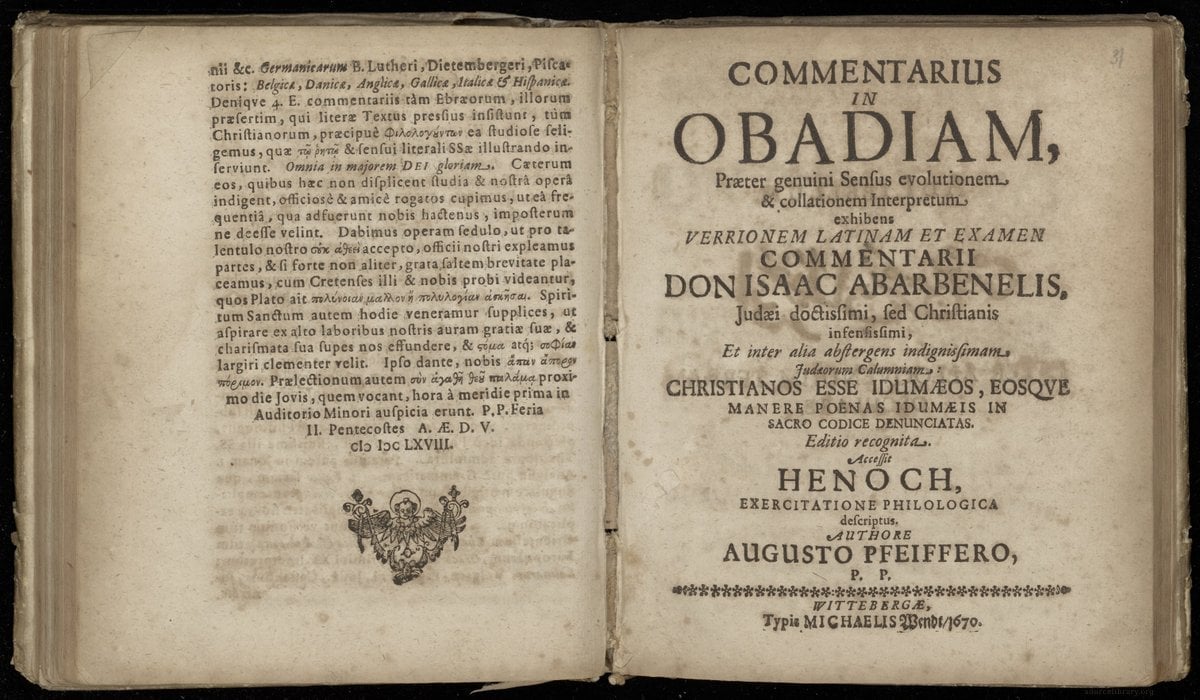
Commentary on Obadiah and a Philological Study of Enoch
Pfeiffer, August
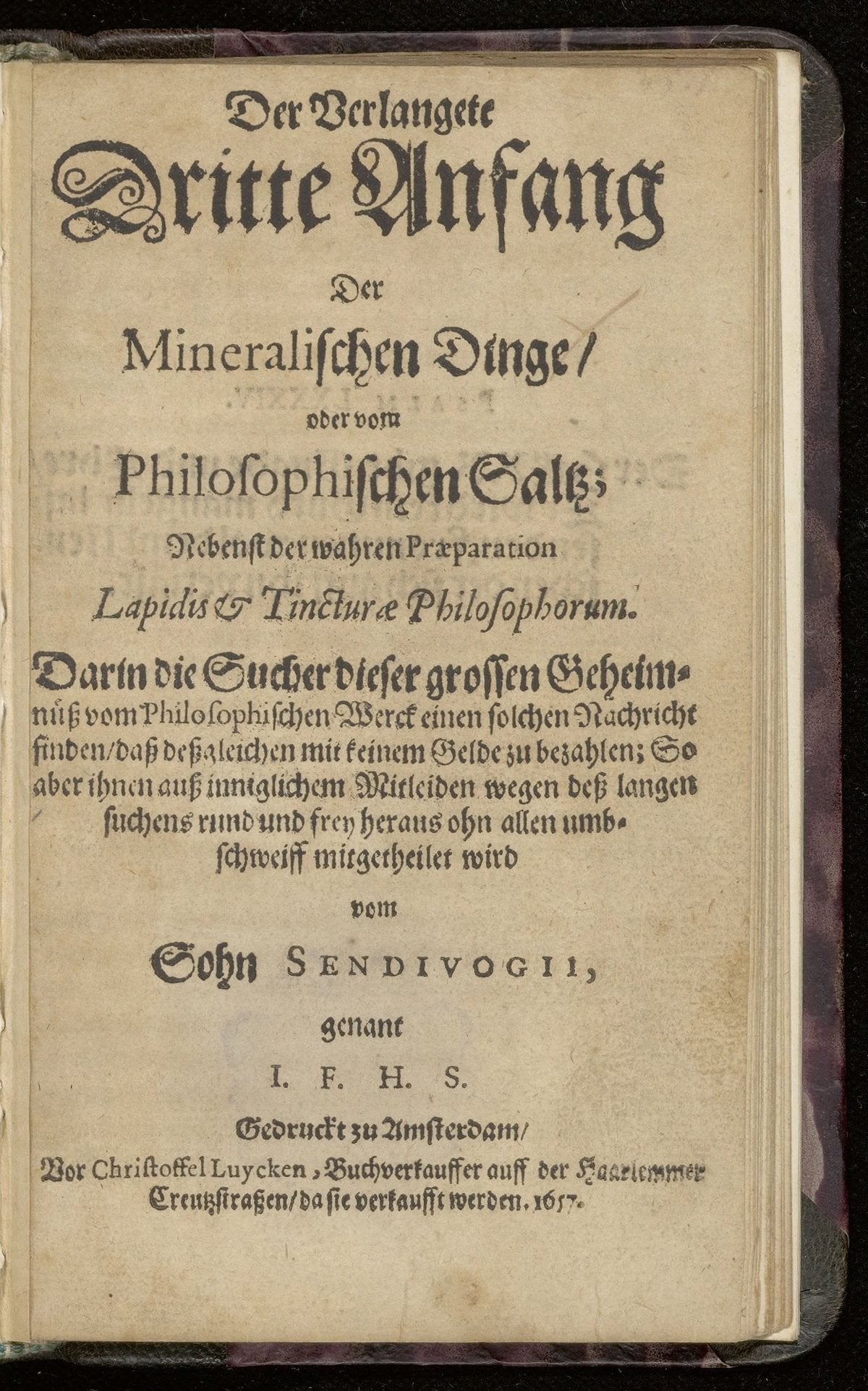
Der verlangete dritte Anfang der mineralischen Dinge
attr. Hautnorthon, Josaphat Friederich
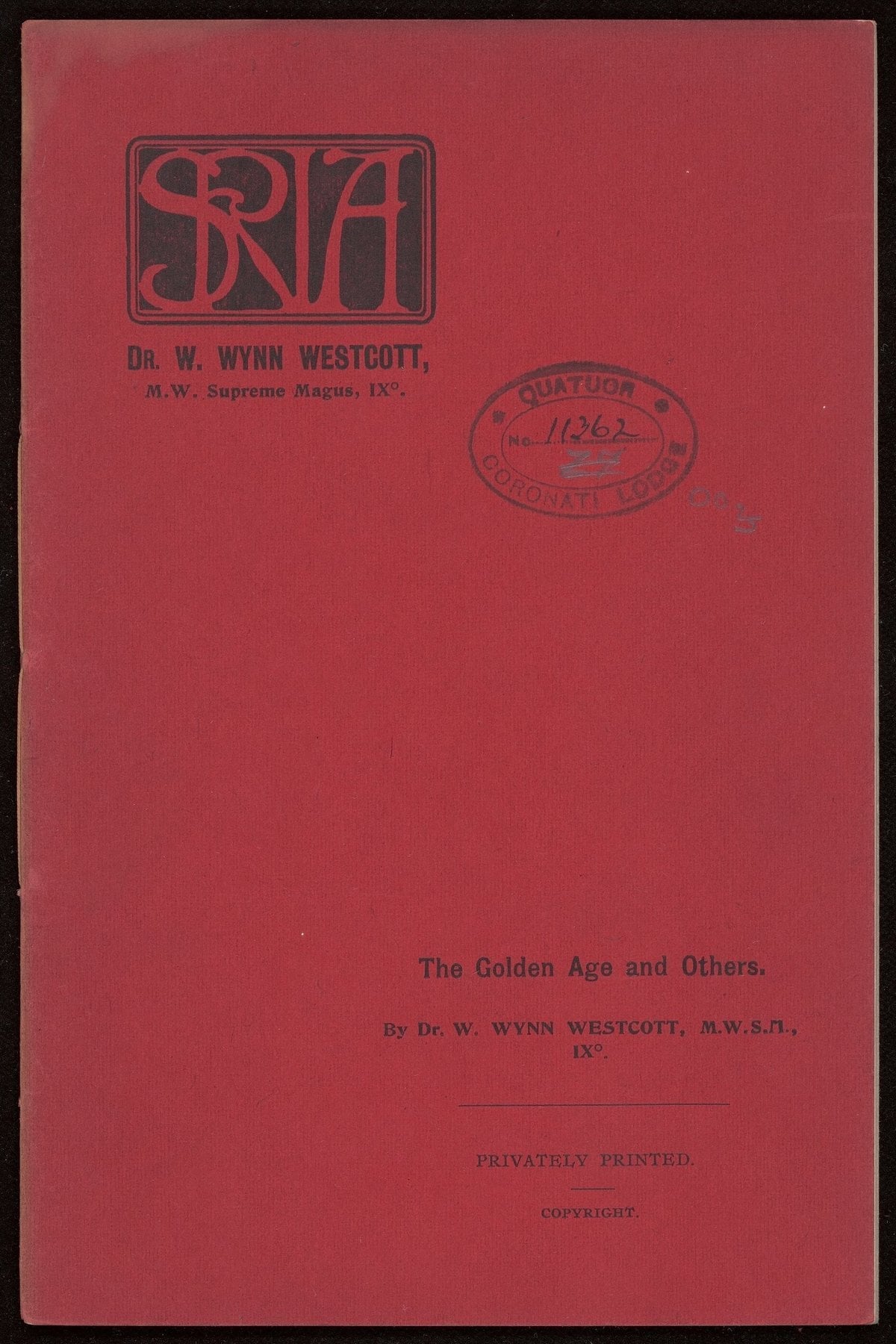
The Golden Age and others
Westcott, William Wynn
Assembly Speech of the Rosicrucians of the Old System
[Woellner, Johann Christoph von] Goehrung, Jos
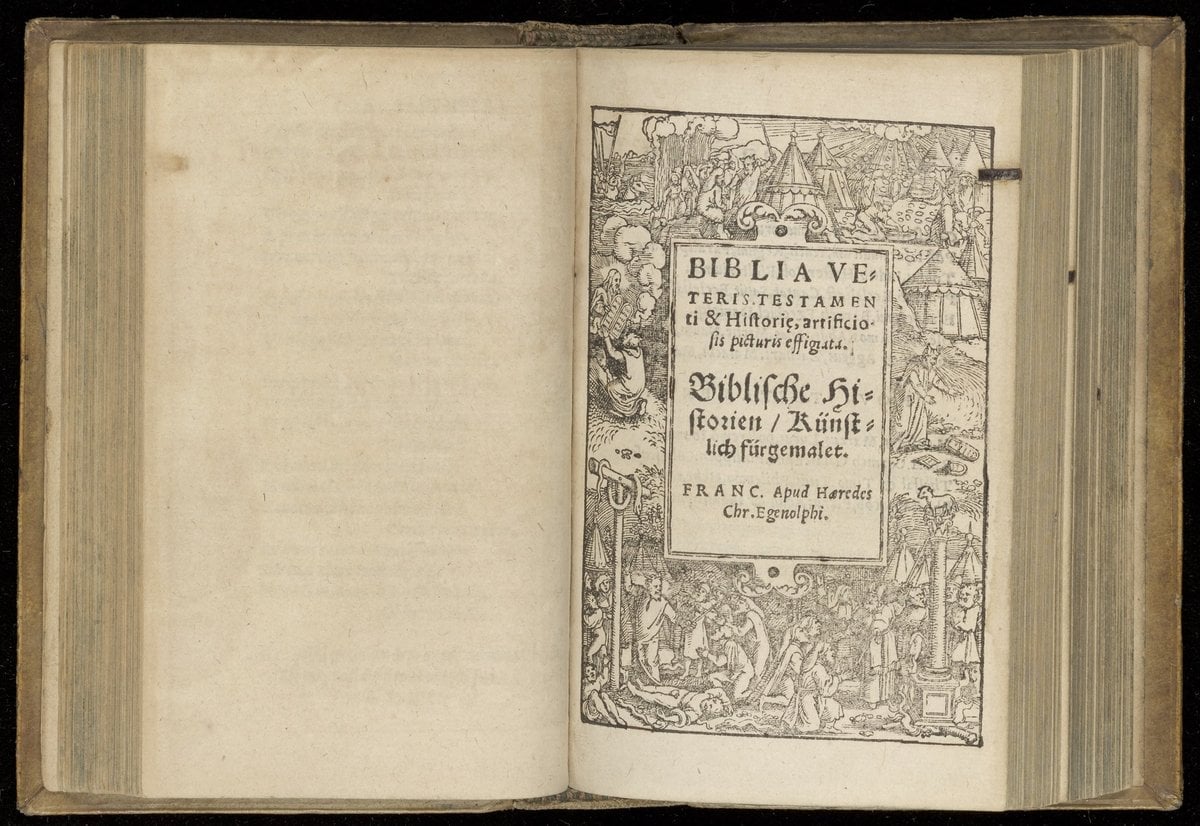
Biblical Histories of the Old Testament
Unknown
On the Public Treasury
Besold, Christoph
The complaint, and the consolation; or night thoughts
Young, Edward
The Heavenly Samaritan and the Two-Stemmed Knight of Jacob
Anonymous
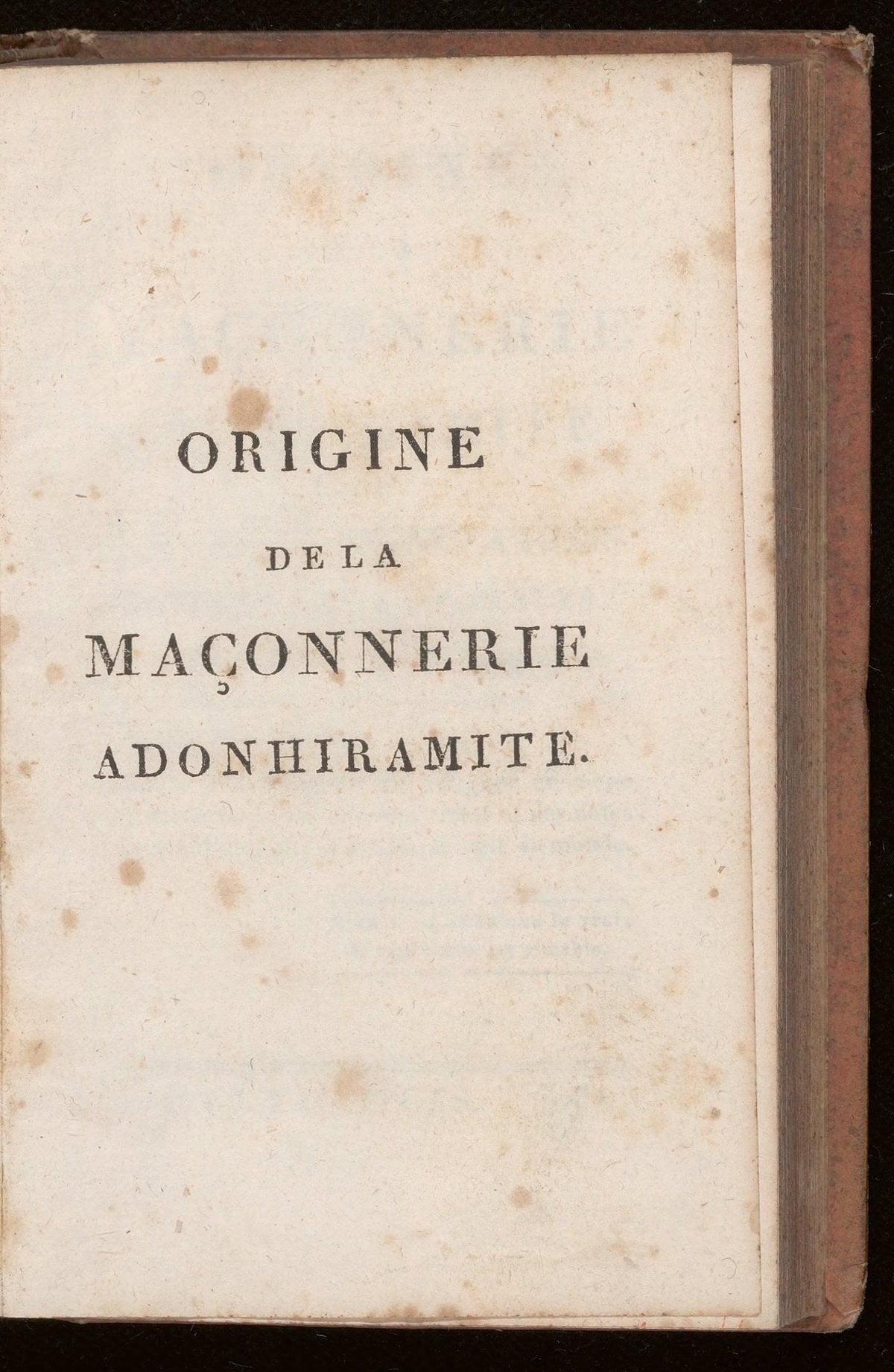
Origine de la maçonnerie adonhiramite
attr. Guillemain de Saint-Victor, Louis
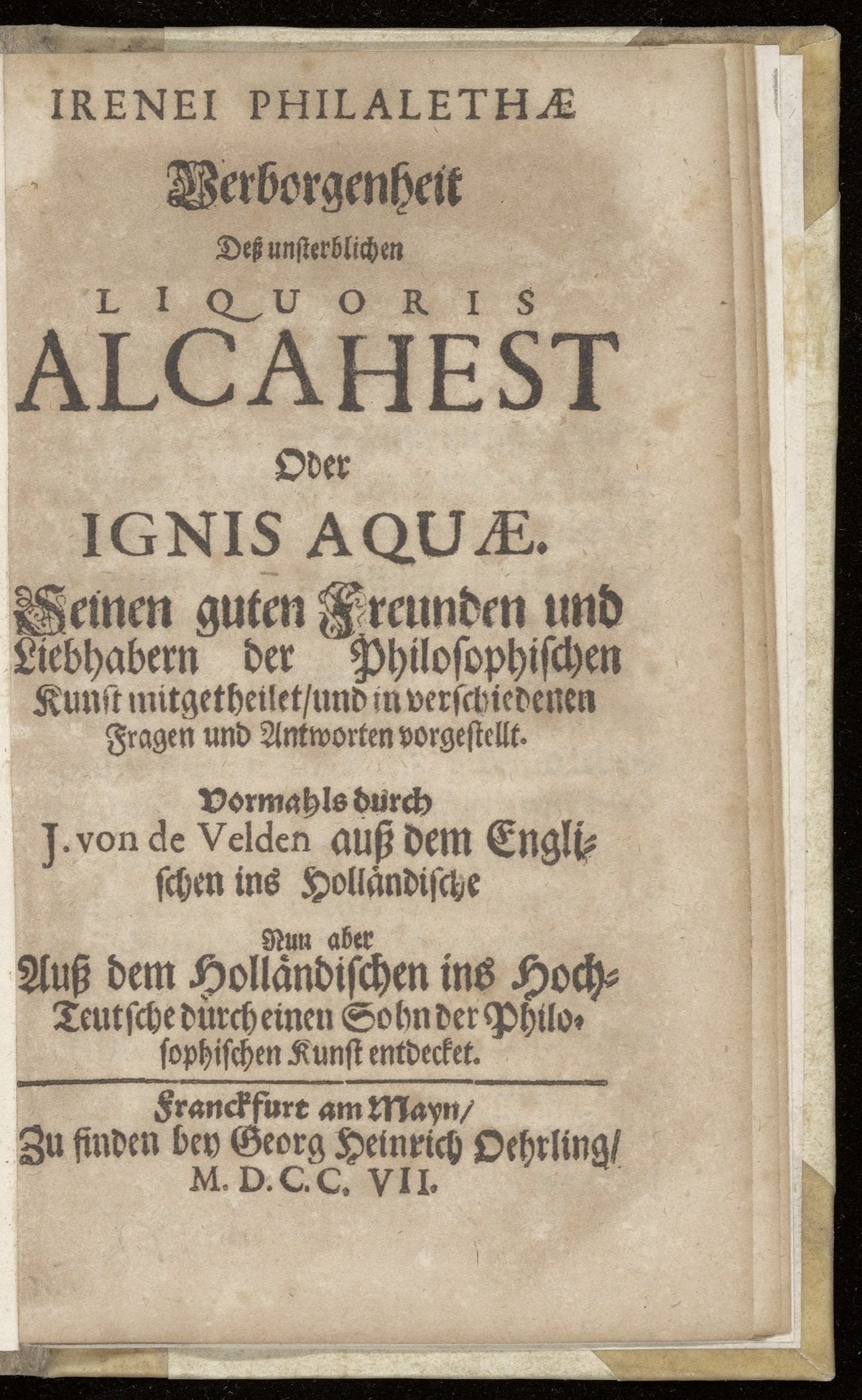
Verborgenheit des unsterblichen liquoris alcahest
attr. Starkey, George
![[Arabic] Alphabetum arabicum cum isagoge scribendi legendique Arabicè](/_next/image?url=https%3A%2F%2Fimages.sourcelibrary.org%2Fpages%2F69c842b96c6f3cc53c850d69%2F0004.jpg&w=3840&q=85)
[Arabic] Alphabetum arabicum cum isagoge scribendi legendique Arabicè
Christmann, Jakob
![[Arabic] Evangelium infantiae vel liber apocryphus de infantia servatoris](/_next/image?url=https%3A%2F%2Fimages.sourcelibrary.org%2Fpages%2F69c74aec6a0f3d112faf8263%2F0015.jpg&w=3840&q=85)
[Arabic] Evangelium infantiae vel liber apocryphus de infantia servatoris
Unknown
![[Biblia] Liber psalmorum Davidis regis et prophetae](/_next/image?url=https%3A%2F%2Fimages.sourcelibrary.org%2Fpages%2F69c80c766c6f3cc53c846a4b%2F0004.jpg&w=3840&q=85)
[Biblia] Liber psalmorum Davidis regis et prophetae
Unknown
![[Biblia]. Quincuplex psalterium](/_next/image?url=https%3A%2F%2Fimages.sourcelibrary.org%2Fpages%2F69c7433a6a0f3d112faf7eb8%2F0003.jpg&w=3840&q=85)
[Biblia]. Quincuplex psalterium
Unknown