


Natural Magic & Sympathies
The theory of hidden virtues, sympathies, and natural powers in the created world
Illustrations
Browse all500 images extracted
This fine engraving depicts the Roman gods Mercury and Jupiter as idealized nude figures, exemplifying the Renaissance interest in classical antiquity and human anatomy. Mercury is identified by his winged petasos and the caduceus he holds, while Jupiter is shown with a thunderbolt in his hand. The illustration is from Giambattista della Porta's influential work on physiognomy, where divine and animal forms were compared to human features to discern character.
This woodcut depicts the human figure as a microcosm, a central theme in Renaissance occult philosophy. Standing on a cube (representing the material world) and enclosed within a circle (representing the celestial realm), the figure holds pentagrams, symbolizing the harmony between the human form and the divine order of the universe. This illustration is famously associated with Heinrich Cornelius Agrippa's influential work on occult philosophy, illustrating how the human body reflects the proportions of the cosmos.
This intricate hand-colored diagram from Georg von Welling's 1719 work illustrates the complex relationship between the planetary spheres and the celestial hierarchy of angels. At the top, a hexagram is surrounded by the seven classical planets, while the lower section maps out the various orders of angels, from Seraphim to Angeli, within a series of concentric circles representing the structure of the universe.
This elaborate frontispiece for a 1669 edition of Albertus Magnus's 'De Secretis Mulierum' showcases the Baroque style of book illustration. At the top, three putti hold hands above the title, while the bottom vignette depicts a group of figures in a pastoral setting, likely symbolizing the natural world and the 'secrets' discussed in the text.
This profound engraving illustrates the divine command 'FIAT' (Let there be) as the catalyst for the creation of the universe. From Robert Fludd's monumental work on the macrocosm and microcosm, the image depicts the emergence of light and spirit from the primordial darkness, symbolized by the radiant ring and the descending dove of the Holy Spirit.
This intricate title page for Giambattista della Porta's 'Phytognomonica' (1588) showcases the Renaissance fascination with the 'doctrine of signatures'—the idea that plants' physical appearances reveal their medicinal uses. The elaborate woodcut border is densely packed with figures and specimens, reflecting the encyclopedic nature of the text. At the top, the emblem of the Accademia dei Lincei, a lynx, signifies the sharp-sighted observation central to the new scientific method.

This intricate engraving from Robert Fludd’s 'Philosophia Moysaica' (1638) presents a complex cosmological model of the universe based on the interplay of light and darkness. At the base, the figures of Dionysus and Apollo represent the dualistic forces of destruction and creation, while the central diagram maps the emanation of divine light into the material world. Fludd’s work sought to reconcile biblical scripture with Hermetic philosophy and early scientific observation, making this image a key artifact of the 17th-century intellectual landscape.

This woodcut diagram from Girolamo Cardano's 'De Subtilitate' (1550) illustrates the mechanics of a siphon. It demonstrates Cardano's investigation into 'subtle' natural phenomena, specifically how water can be made to ascend against its natural inclination through the principles of vacuum and atmospheric pressure.

This woodcut from Heinrich Cornelius Agrippa’s seminal work, 'De Occulta Philosophia', illustrates the concept of man as a microcosm. A male figure is depicted within a circle, standing upon a cube and holding pentagrams, symbolizing the divine proportions and the integration of the human form with the celestial and terrestrial realms. This image is a quintessential example of Renaissance occult thought, blending geometry, anatomy, and mysticism.
From late antiquity through the early modern period, a persistent tradition held that nature was woven through with hidden correspondences — that certain stones, plants, and animals bore invisible affinities to the planets and to one another, and that these sympathies could be harnessed by those who understood them. This was natural magic: not the invocation of demons, but the disciplined study of occult virtues latent in creation. Its foundational text was the pseudo-Aristotelian Secretum Secretorum, but its most systematic expression came in the Renaissance, when Marsilio Ficino's De Triplici Vita laid out a theory of astral medicine, Heinrich Cornelius Agrippa's De Occulta Philosophia synthesized the whole tradition into three ascending scales of magic (natural, celestial, and ceremonial), and Giambattista della Porta's Magia Naturalis catalogued hundreds of experimental "secrets" from optics to agriculture to metallurgy. Paracelsus broke with the Galenic framework but deepened the logic of sympathies, insisting that the physician must read the signatures written into herbs and minerals by the Creator.
The boundaries of this tradition were always contested. Martin Del Rio's Disquisitionum Magicarum Libri Sex attempted to draw a firm line between licit natural philosophy and illicit demonic magic, while Gabriel Naudé's Apologie pour tous les grands hommes argued that accusations of sorcery had been used to discredit legitimate philosophers from Pythagoras to Roger Bacon. Robert Fludd's Utriusque Cosmi Historia and John Dee's Monas Hieroglyphica pushed the tradition toward its most ambitious cosmological claims, mapping the structure of sympathies onto the architecture of the universe itself. At the other extreme, the texts attributed to Albertus Magnus — De Secretis Mulierum, De Mineralibus, the Liber Aggregationis — preserved a more practical, recipe-book approach to occult virtues that circulated widely in cheap printed editions.
What unified these writers was not a single doctrine but a shared conviction: that nature concealed powers accessible to the trained intellect, and that uncovering them was a form of piety. As Della Porta wrote in the preface to his Magia Naturalis, "the most majestic wonders of Nature must not be concealed or kept silent, so that in them the supreme power, kindness, and wisdom of God may be praised." This collection gathers 149 translated works spanning that tradition, from late antique astrology to eighteenth-century theories of animal magnetism.
Essential Reading
The foundational texts of this tradition
Natural Magic
Giambattista della Porta, 1607
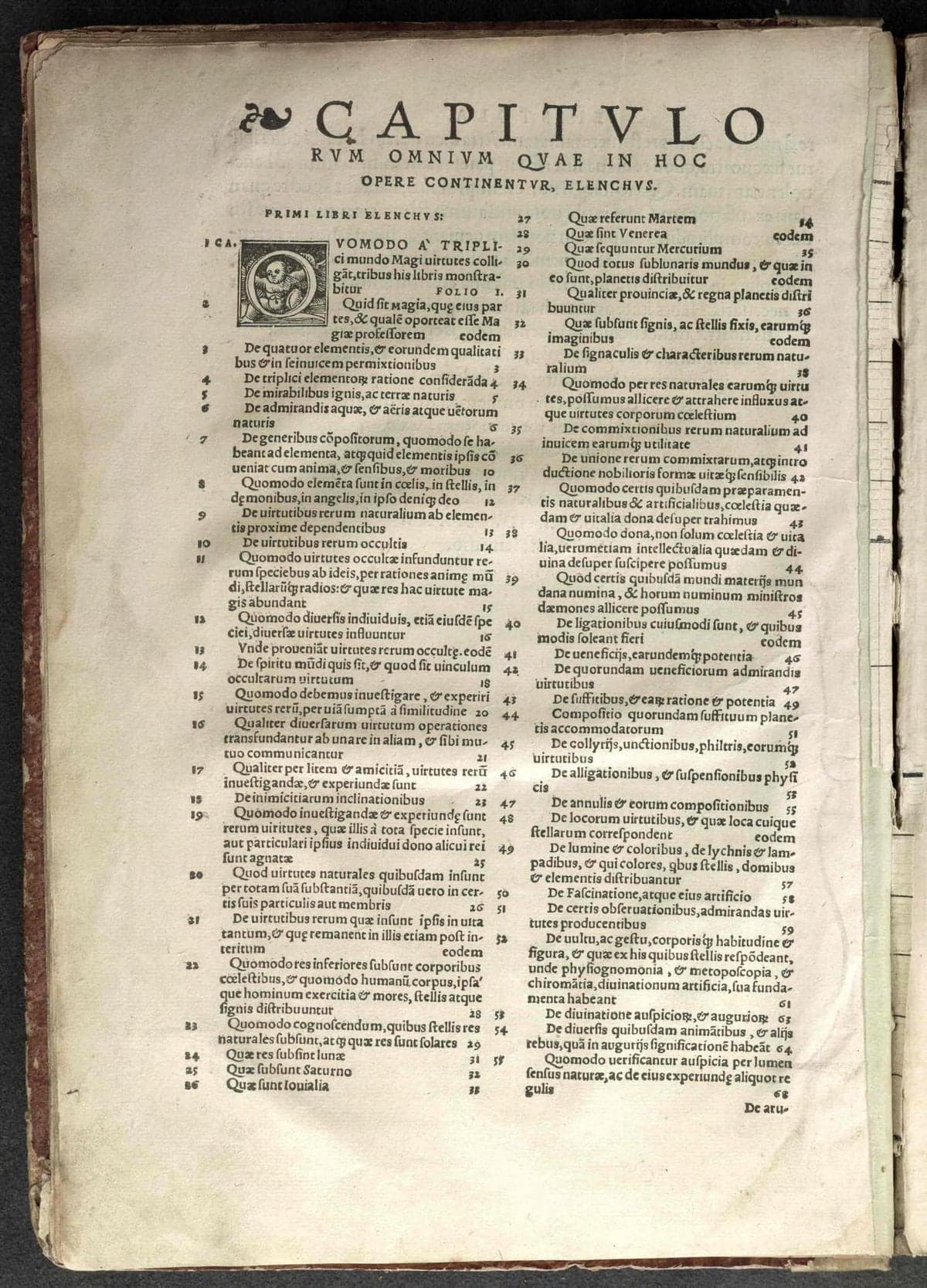
The expanded 1607 edition of Della Porta's encyclopedia of natural secrets, covering optics, magnetism, alchemy, cosmetics, gardening, and more. A first English translation. The preface articulates the ethical case for publishing occult knowledge.
Three Books on Life
Marsilio Ficino, 1489
Ficino's treatise on drawing down astral influences for health and intellectual life. Book III, on obtaining life from the heavens, is the philosophical cornerstone of Renaissance sympathetic magic.
The History of the Two Worlds
Robert Fludd, 1617First Complete Translation
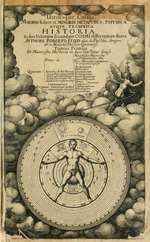
Fludd's monumental cosmology maps macrocosm and microcosm in intricate detail, with extraordinary diagrams. A first English translation of the 1617 Latin original.
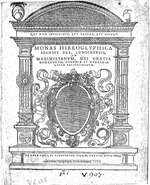
The Hieroglyphic Monad
John Dee, 1564
Dee's dense, hieroglyphic treatise attempts to unify astronomy, alchemy, mathematics, and Kabbalah into a single symbol. Dedicated to Emperor Maximilian II.
Important Works
Significant texts that deepen understanding
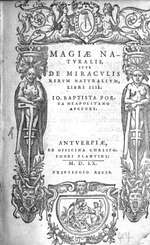
Natural Magic
Giambattista della Porta, 1560
The first edition (1560) of Della Porta's Magia Naturalis, a more compact four-book version before the expanded twenty-book edition of 1589/1607. A first English translation.
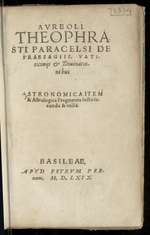
On Presages, Prophecies, and Divinations
Paracelsus, Theophrastus, 1569First Complete Translation
Paracelsus on prophecy, divination, and the foreknowledge of elemental spirits. A first English translation of the 1569 Latin edition.
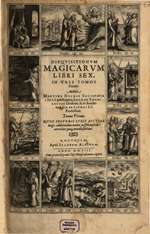
Disquisitionum Magicarum Libri Sex
Martin Del Rio, 1603First Complete Translation
Del Rio's encyclopedic investigation of magic from a Jesuit perspective, drawing the line between natural philosophy and demonic sorcery. A first English translation.
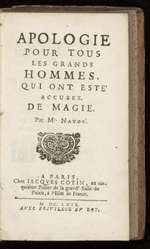
Apology for All the Great Men Accused of Magic
Naudé, Gabriel, 1669
Naudé's defense of philosophers accused of sorcery — from Pythagoras and Solomon to Agrippa and Paracelsus. A first English translation of the 1669 French edition.
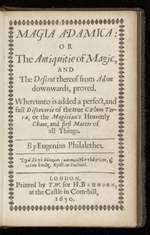
Adamic Magic, or the Antiquity of Magic
[Vaughan, Thomas], 1650
Thomas Vaughan's Hermetic treatise on the pristine wisdom of Adam and the magical knowledge preserved through the Fall.
On the secrets of women. On the virtues of herbs, stones, and animals. On the wonders of the world. On falcons, goshawks, and hawks.
Albertus Magnus, 1596
The pseudo-Albertus Magnus compendium on occult virtues of herbs, stones, and animals — one of the most widely circulated texts of practical natural magic.
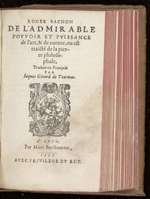
On the Marvelous Power of Art and Nature
Bacon, Roger, 1557First from French
Roger Bacon on the power of art and nature, arguing that many seemingly miraculous effects have natural explanations.
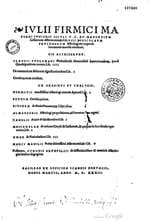
Eight Books on Astrology
Julius Firmicus Maternus, 1533
Firmicus Maternus's comprehensive late-antique astrological treatise, a key source for the celestial framework that underpinned natural magic.
Also Notable
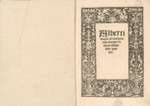
On Minerals
Albertus Magnus, 1519
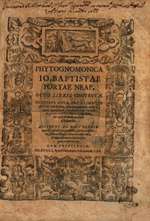
Phytognomonica
Giambattista della Porta, 1588First Translation
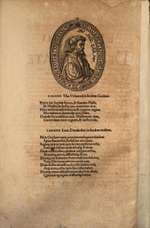
On Subtlety
Girolamo Cardano, 1550First Complete Translation
Compendium of Alchemy and Natural Philosophy
Arnold of Brussels (compiler), 1489First Translation
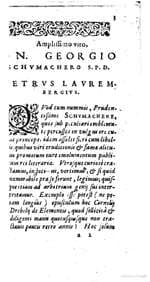
Two Treatises on the Nature of the Elements and the Fifth Essence
Cornelius Drebbel; trans. Petrus Laurembergius, 1621First Translation
Fountain of Wisdom and Knowledge of Nature
Anonymous, 1706First Translation
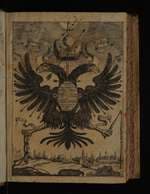
Magnes sive De Arte Magnetica
Athanasius Kircher, 1641First Translation
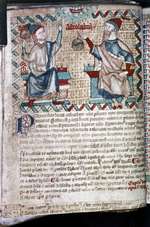
The Book of Experiments and Geomancy
Bernardus Silvestris, 1300
All Books
Browse Full Catalog→196 books in this collection
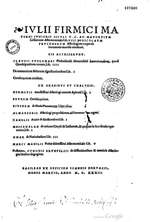
Eight Books on Astrology
Julius Firmicus Maternus
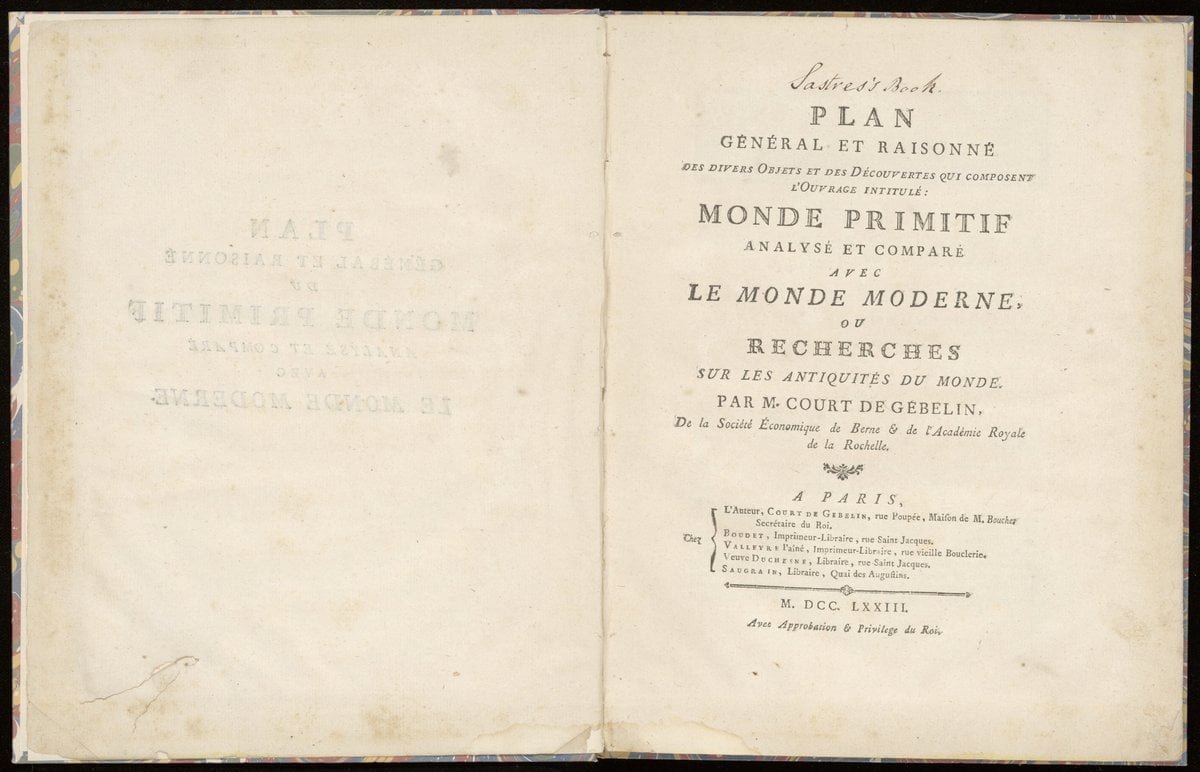
On Presages, Prophecies, and Divinations
Paracelsus, Theophrastus
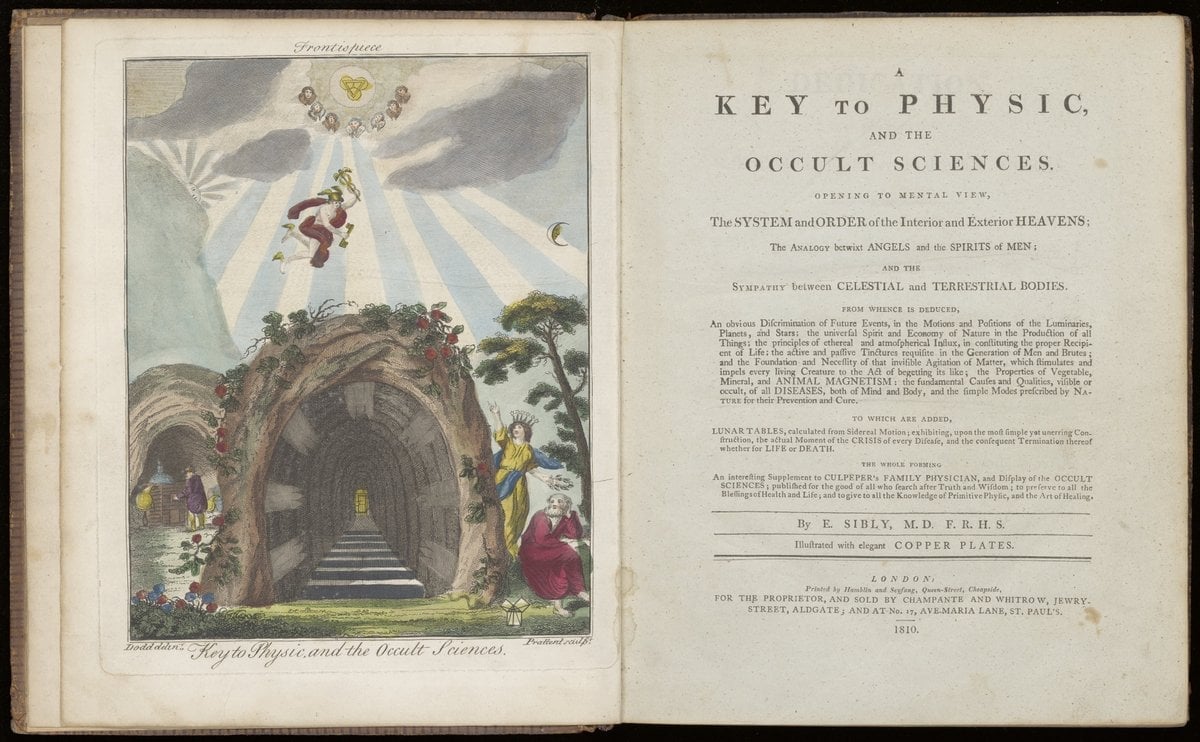
A key to physic, and the occult sciences
Sibly, Ebenezer
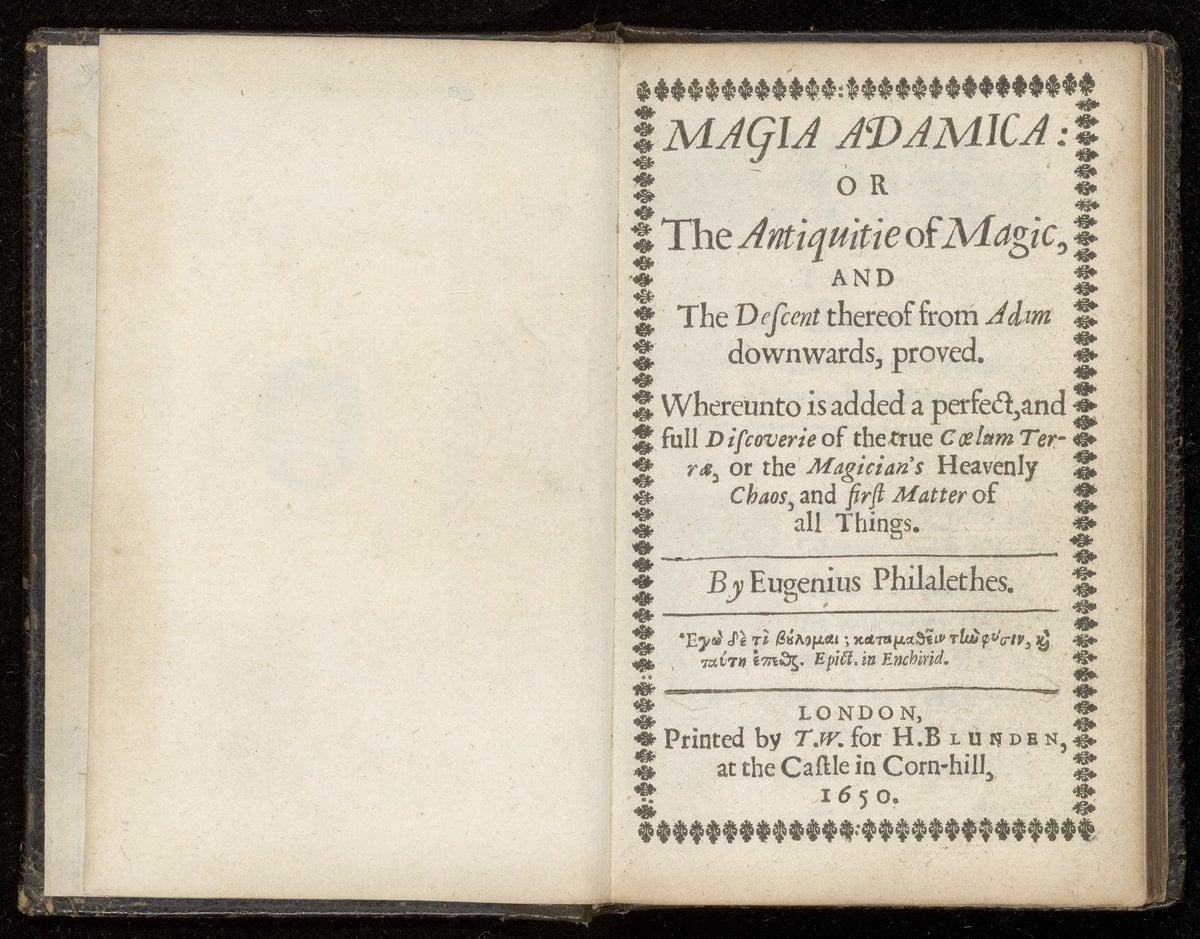
Adamic Magic, or the Antiquity of Magic
attr. Vaughan, Thomas
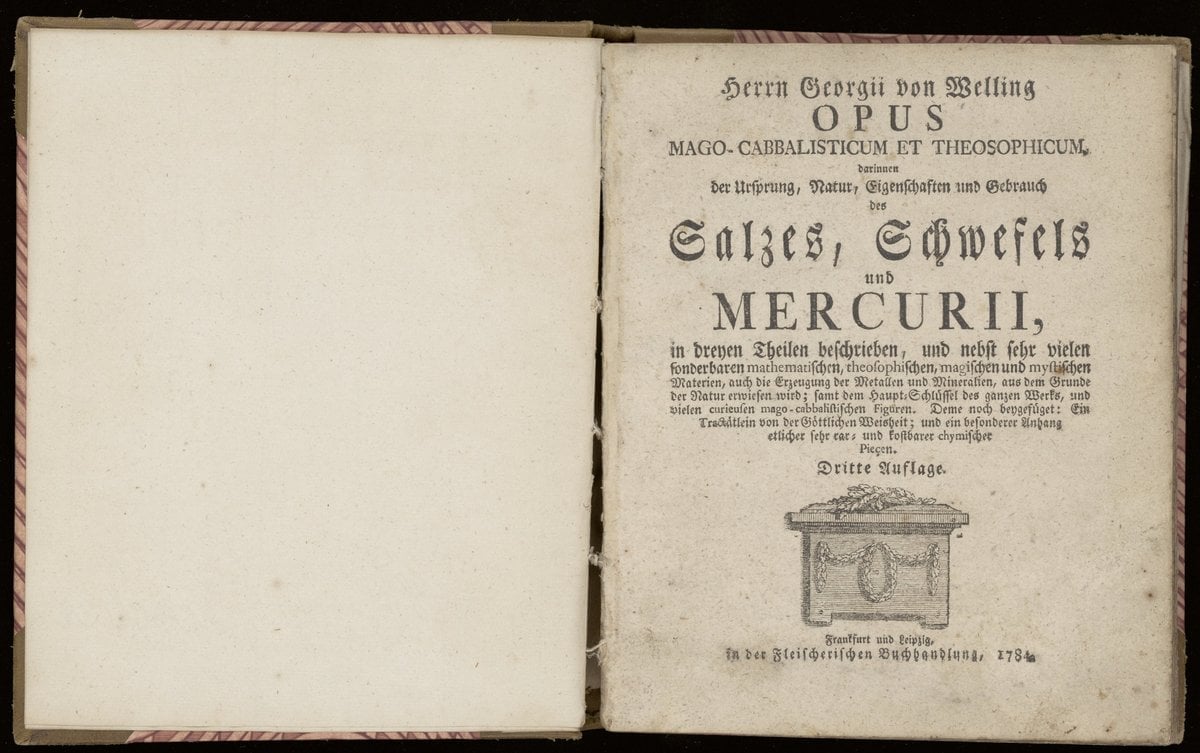
Magico-Cabbalistic and Theosophical Work
Welling, Georg von
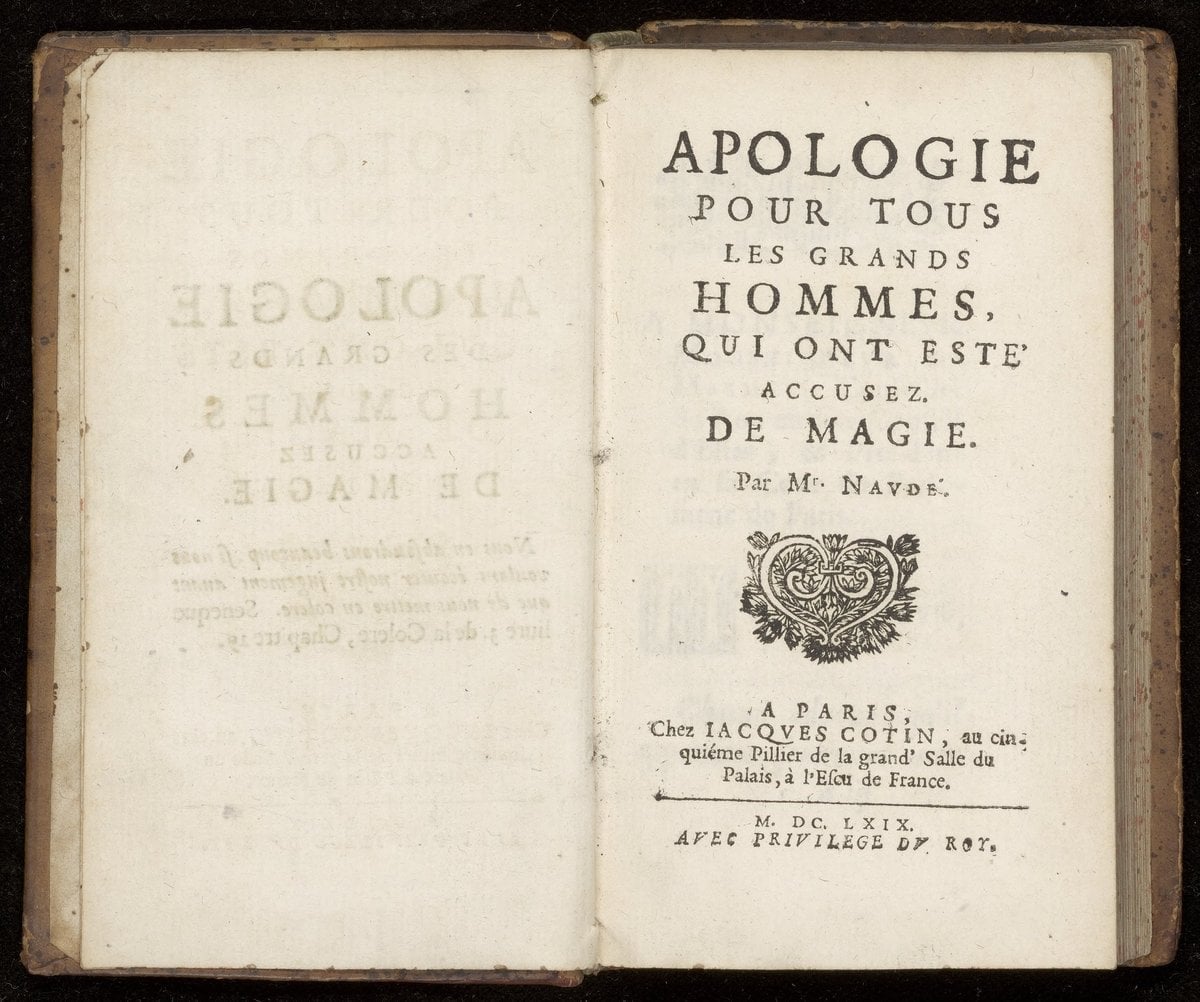
Apology for All the Great Men Accused of Magic
Naudé, Gabriel
On the secrets of women. On the virtues of herbs, stones, and animals. On the wonders of the world. On falcons, goshawks, and hawks.
Albertus Magnus
Fountain of Wisdom and Knowledge of Nature
Anonymous
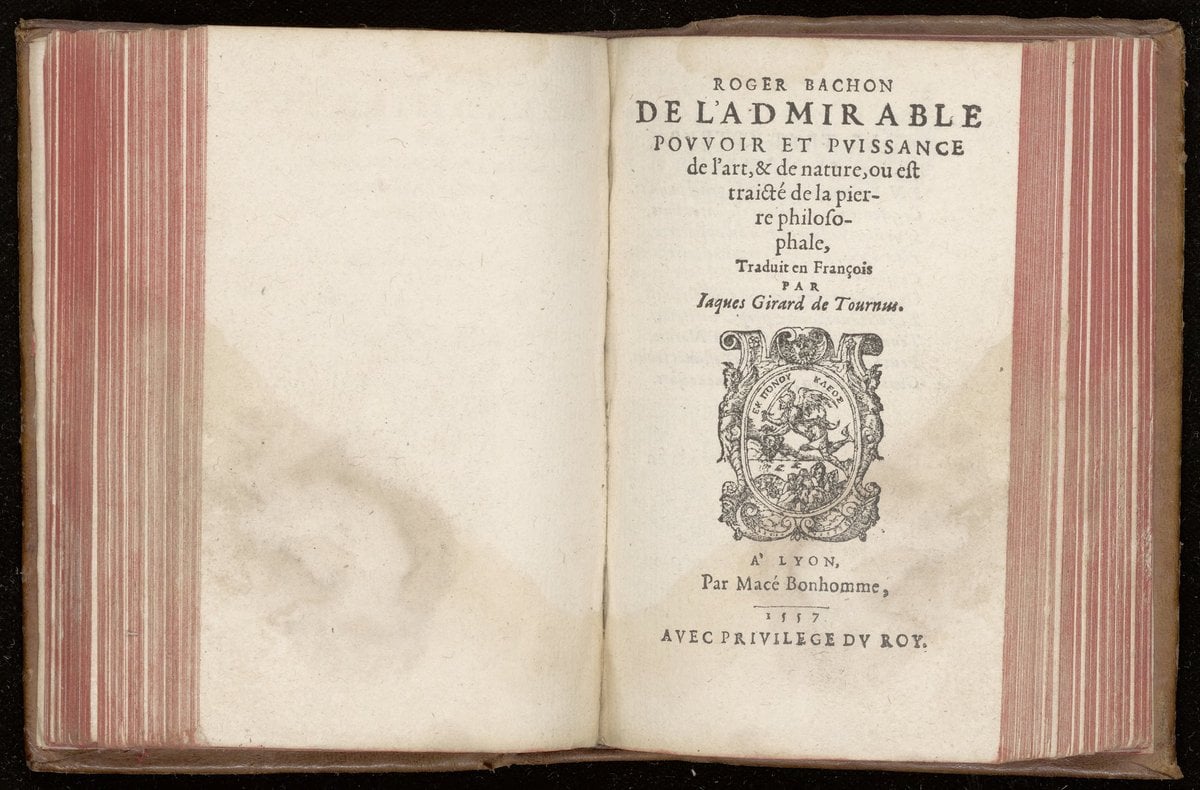
On the Marvelous Power of Art and Nature
Bacon, Roger
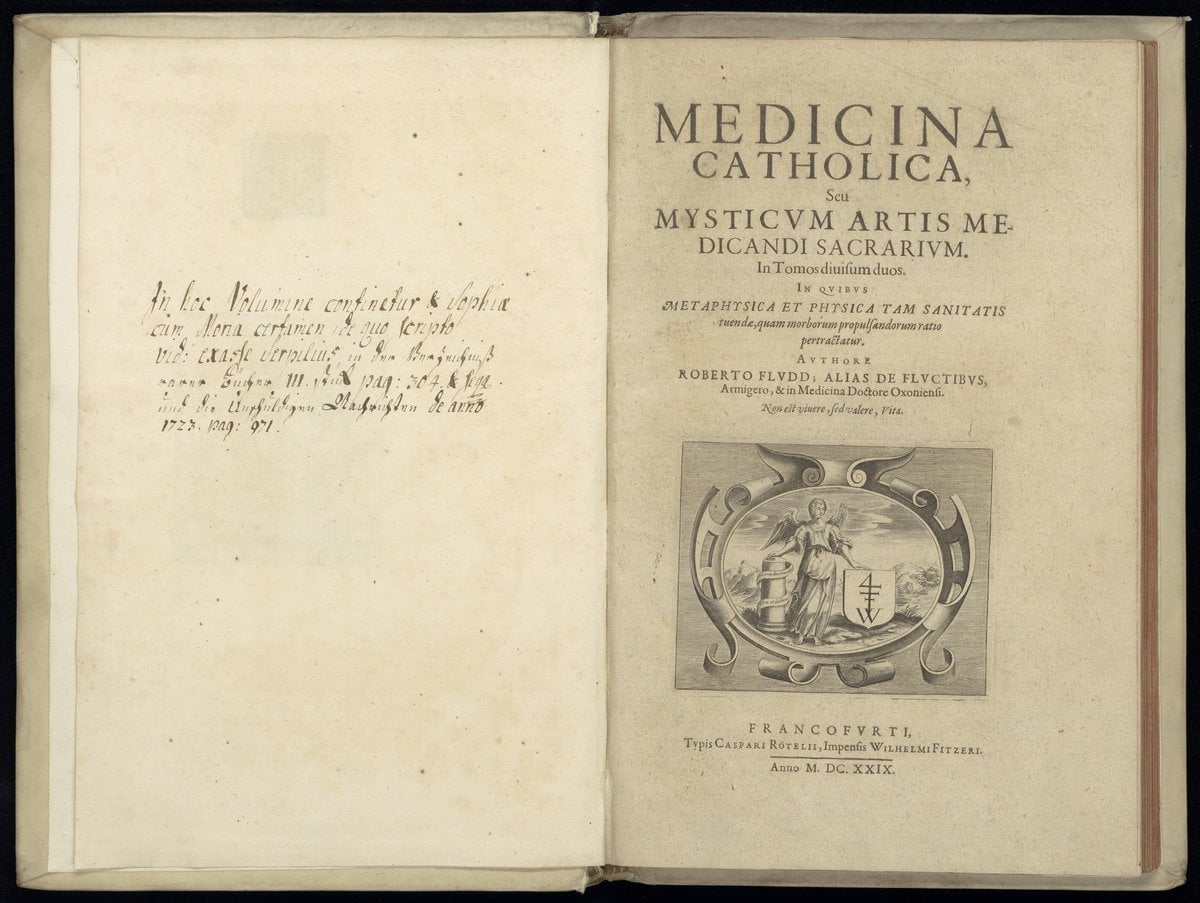
Universal Medicine, or the Mystic Sanctuary of the Healing Art
Fludd, Robert
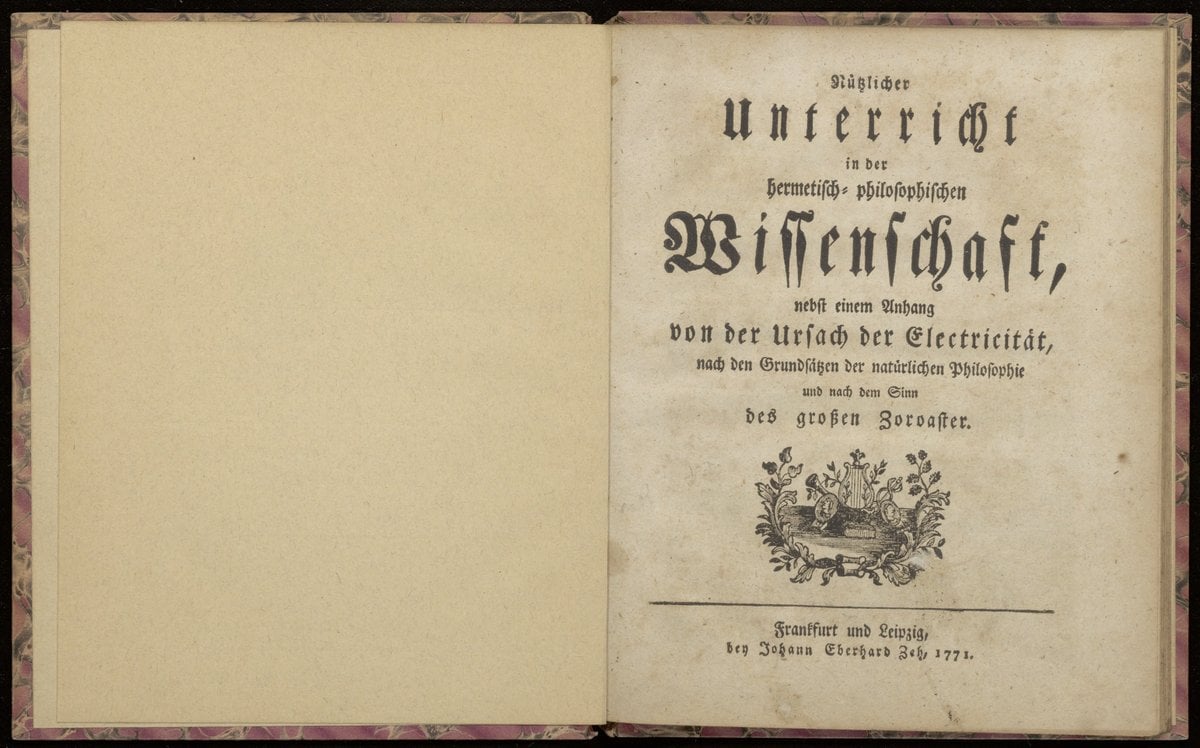
Useful Instruction in Hermetic-Philosophical Science
attr. Moscherosch, Johann Anton
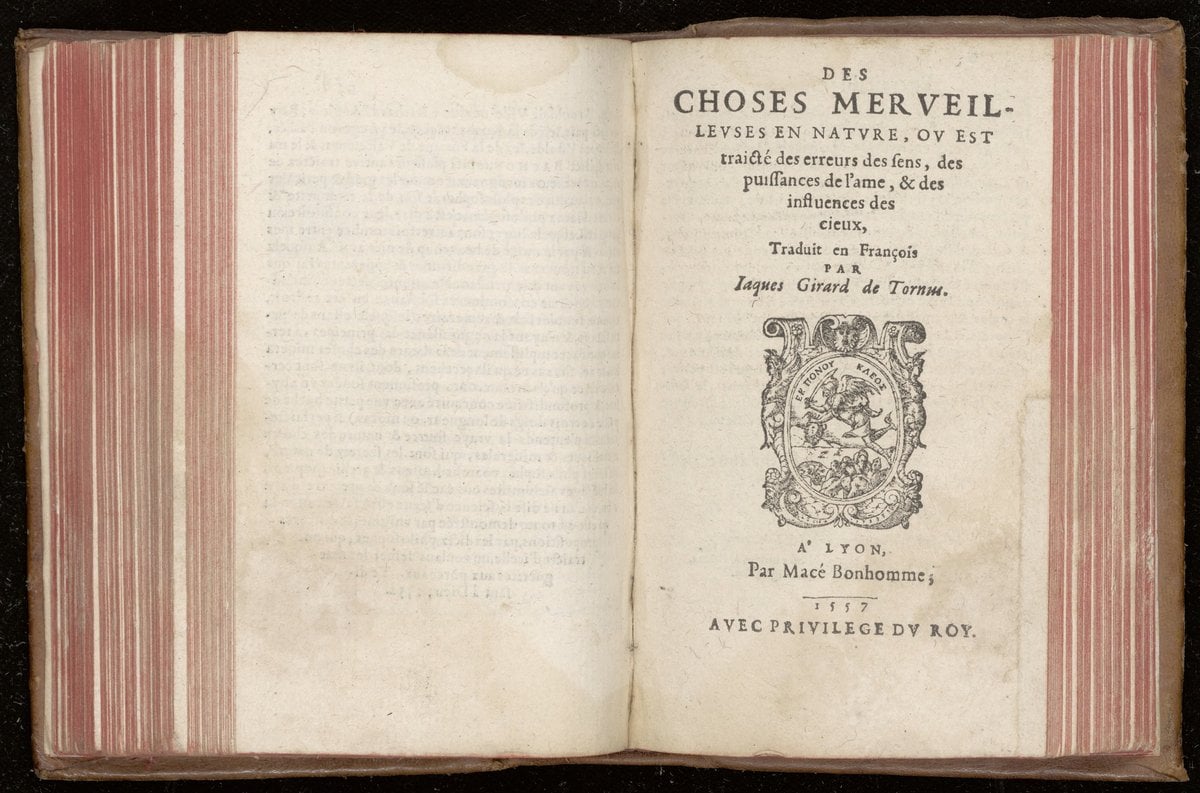
On the Marvelous Things in Nature
attr. Coelestinus, Claudius
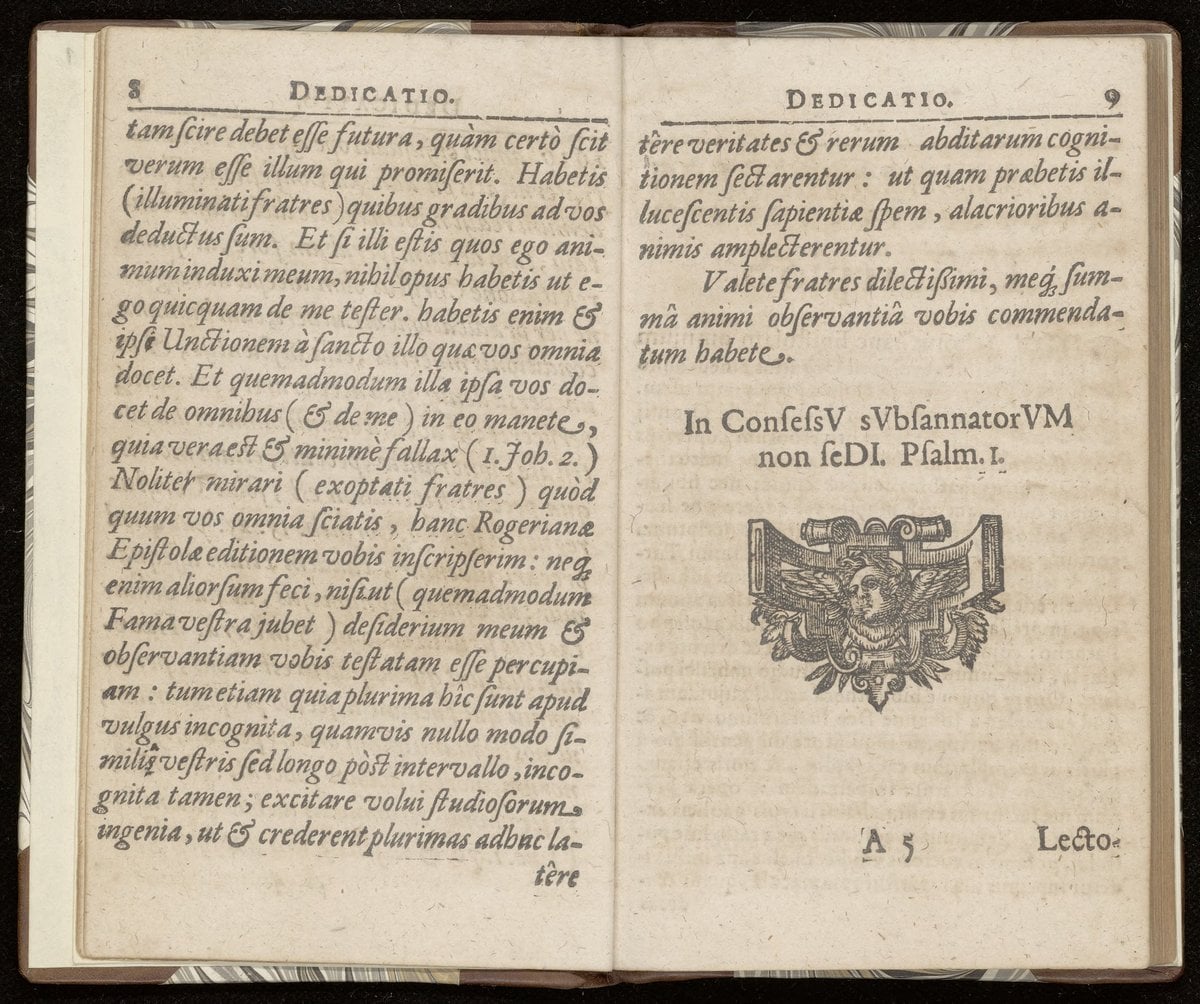
Letter on the Secret Works of Art and Nature
Bacon, Roger
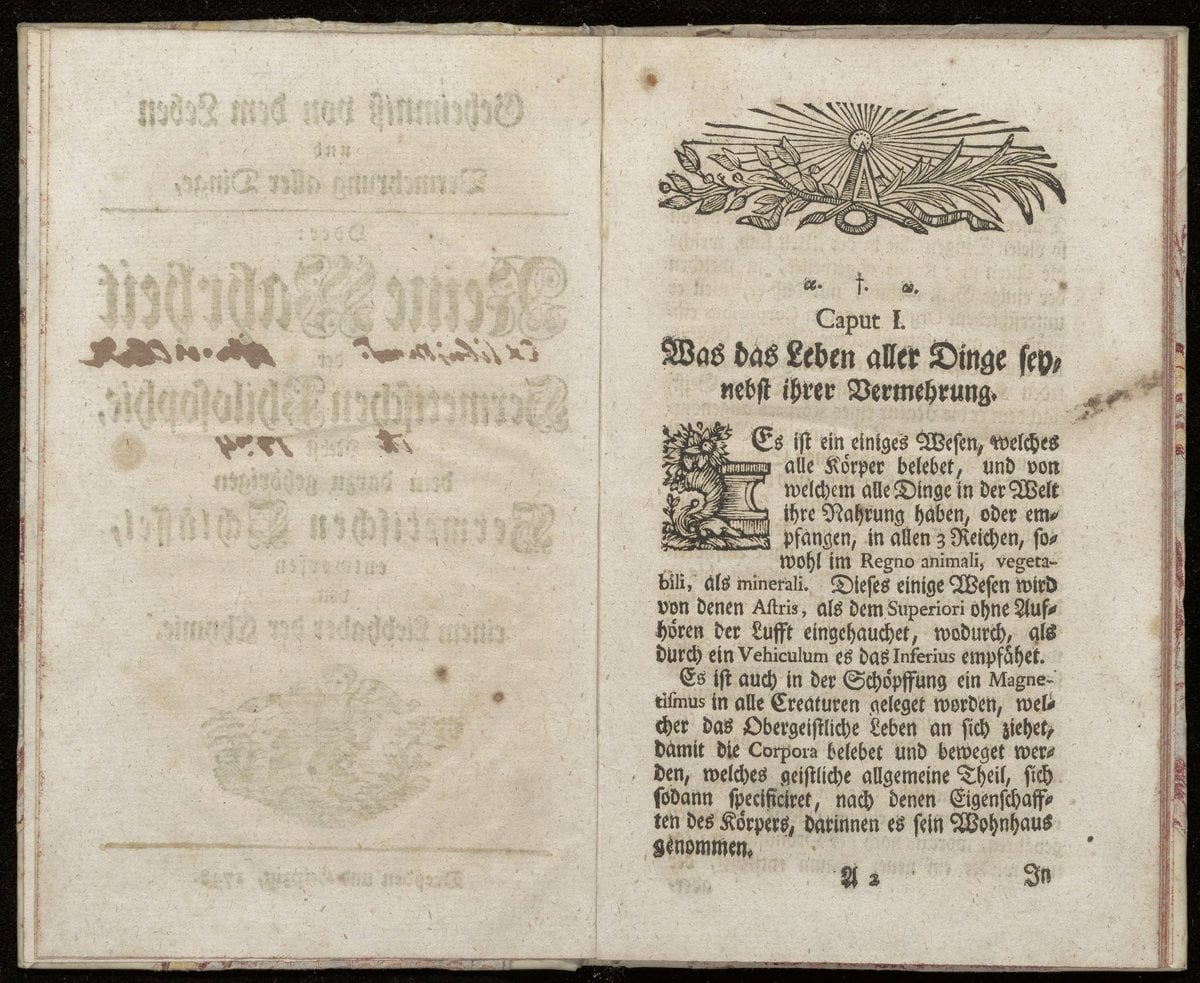
The Secret of the Life and Multiplication of All Things
Anonymous