Sub-collections

Illustrations
Browse all60 images extracted from 11 books

This detailed engraving from Bernard Picart's monumental work illustrates a ritual of the Carib people, where priests are depicted blowing 'courage' onto individuals. Set within a large vaulted structure that opens onto a tropical landscape, the scene captures the European fascination with and interpretation of indigenous religious practices during the Enlightenment.

This image captures a dramatic scene from an Ajanta fresco, depicting the capture of the Naga king Sankhapala by a group of villagers. The composition highlights the tension between the divine serpent-being and the human figures, reflecting the complex relationship between Nagas and humanity in Indian folklore and religious tradition.

This portrait depicts Rudolf Steiner (1861–1925), the Austrian philosopher and founder of anthroposophy. He is shown in a formal pose with his characteristic large bow tie, his intense gaze and clasped hands conveying a sense of profound intellectual focus. This image serves as a definitive visual record of a man whose ideas significantly impacted education, agriculture, and the arts in the early 20th century.

This intricate illustration depicts 'The Great Mandala of the Peaceful Deities,' a central concept in Tibetan Buddhism representing the enlightened mind. The composition features a central deity surrounded by concentric circles of various figures, each symbolizing different aspects of spiritual realization and the path to enlightenment. Such mandalas serve as both visual aids for meditation and complex maps of the Buddhist cosmos.

This formal portrait depicts August Karl Reischauer (1879–1971), a prominent American missionary and scholar who specialized in Japanese Buddhism. At the time of this publication in 1917, Reischauer was a Professor of Philosophy and Systematic Theology at Meiji Gakuin in Tokyo, representing an era of significant Western academic engagement with Japanese religious traditions.

This vibrant illustration depicts the miraculous birth of Shakyamuni Buddha in the Lumbini garden. Queen Maya is shown reaching for a branch of a tree as the infant Buddha emerges, while celestial musicians celebrate the event from the clouds above. This image is a classic representation of Buddhist hagiography, rendered in a traditional Chinese artistic style for Henri Doré's extensive study on Chinese superstitions.

This illustration depicts the miraculous birth of Siddhartha Gautama, the historical Buddha. The infant is shown standing on a lotus blossom, surrounded by a celestial assembly, while nine dragons descend from the clouds to bathe him with heavenly water. This scene captures the traditional narrative of the Buddha's first moments, where he is said to have taken seven steps and proclaimed his spiritual supremacy.

This diagram from a Hindu ritual manual illustrates the construction of a 'Kunda', or sacred sacrificial fire pit used in Vedic ceremonies. The illustration features concentric colored squares representing tiered steps (mekhalas) and is crowned by a heart-shaped 'yoni' symbol, with the accompanying Devanagari text providing specific measurements in 'angula' (finger-widths) for its various architectural components.

This intricate mandala represents the 'Knowledge-Holding and Wrathful Deities,' a central concept in certain Tibetan Buddhist traditions. The composition features a central assembly of figures surrounded by concentric rings of various deities, each symbolizing different aspects of enlightenment and the transformation of consciousness. Such mandalas serve as sophisticated visual aids for meditation and complex ritual practices within the Vajrayana tradition.
Sanskrit, Tibetan, and Pali manuscripts — Buddhist sutras, Hindu epics, Jain philosophy, fable traditions, and palm leaf manuscripts.
All Books
Browse Full Catalog→510 books in this collection
The History of Barlaam and Josaphat
anonymous, Konstanz
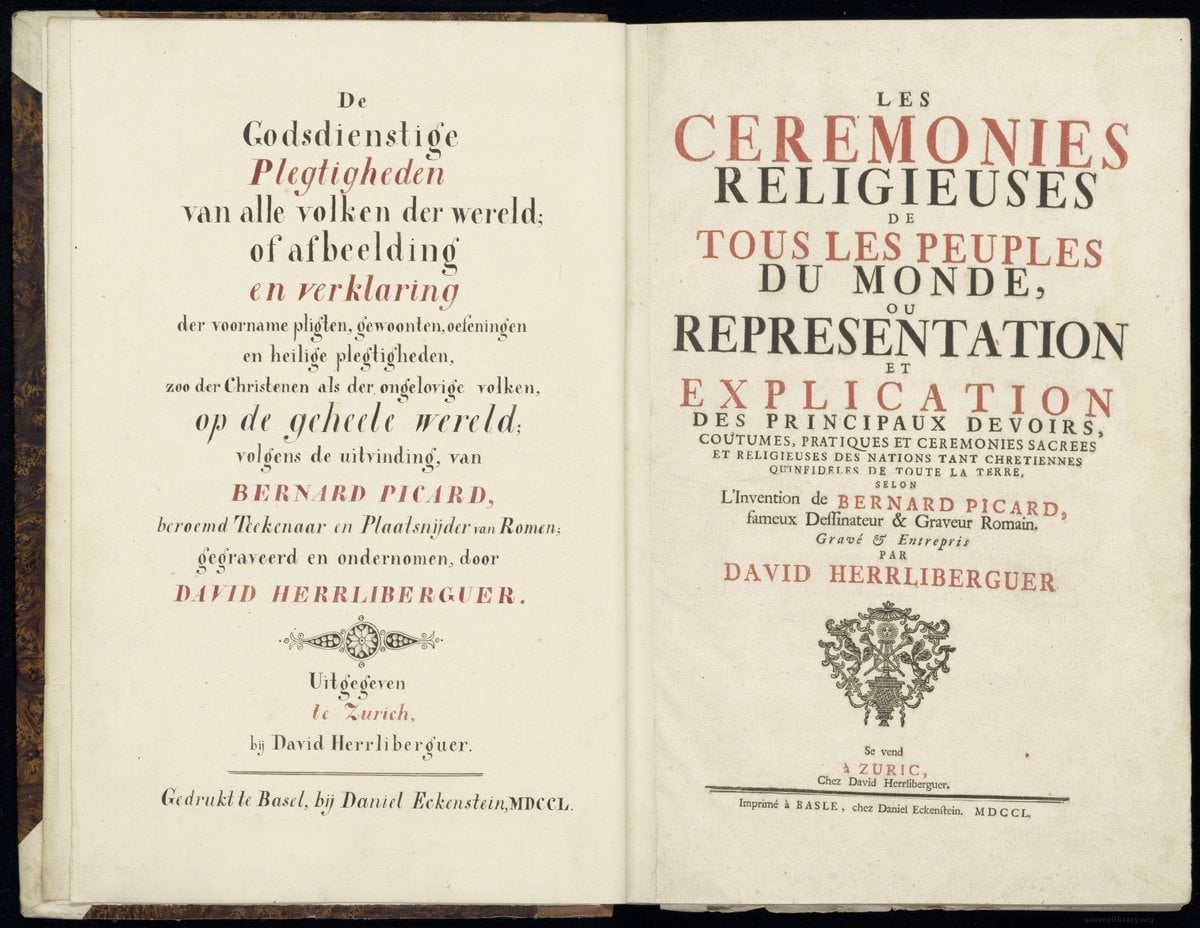
Religious Ceremonies
Picard, Bernhard|Herrliberguer, David
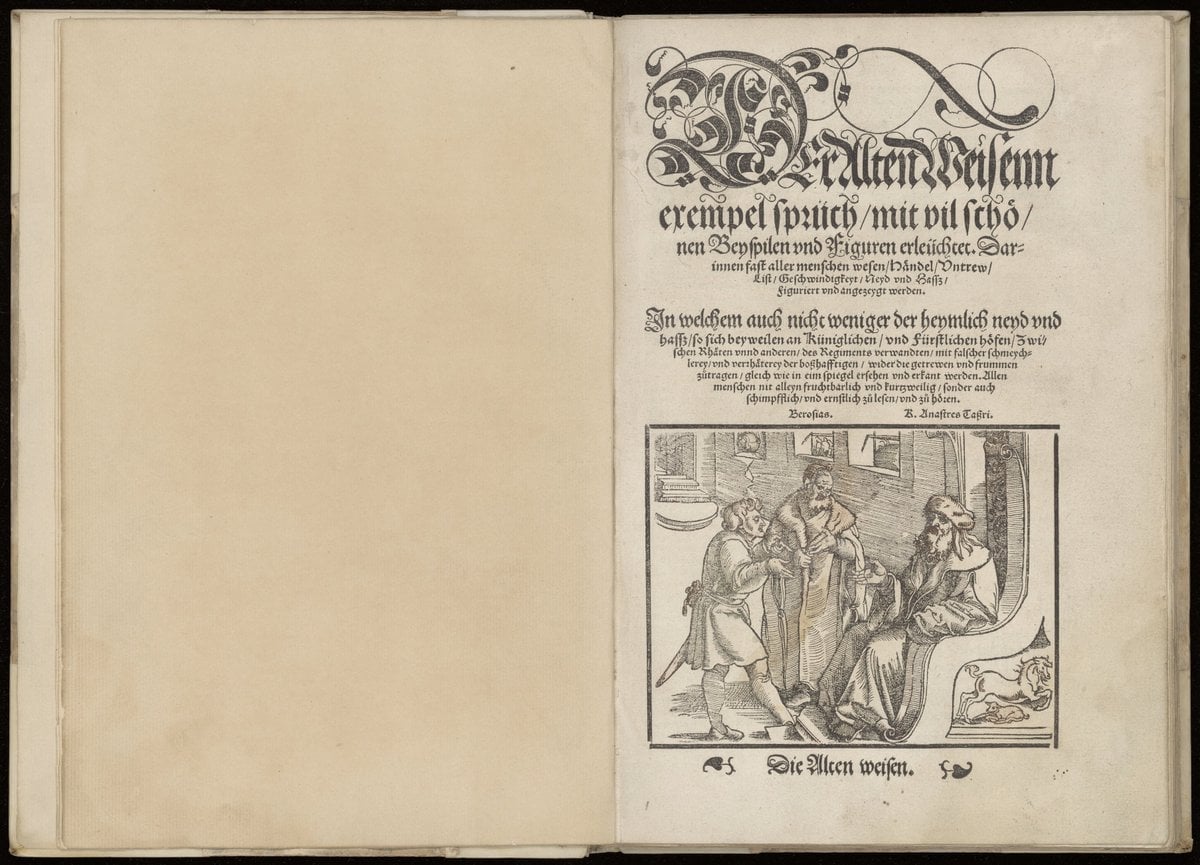
The Proverbs and Fables of the Ancient Sages
attr. Bidpai
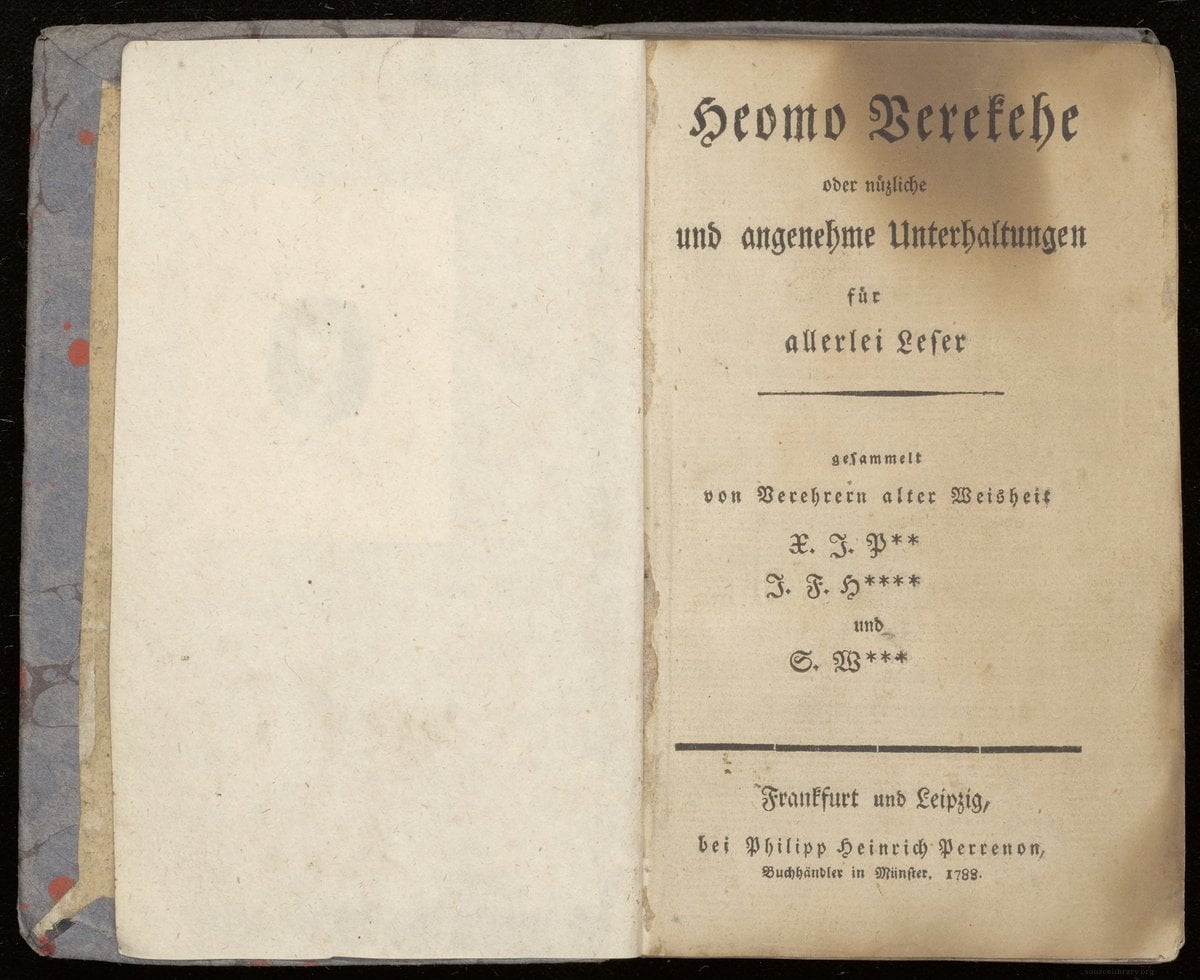
Heomo Verekehe, or Useful and Pleasant Entertainments
X.J.P|J.F.H|G.W
The Brahmanic Religious System
Kleuker, Johann Friedrich