


Illustrations
Browse all455 images extracted
This intricate engraving illustrates a sophisticated water-powered clock or musical automaton from Robert Fludd's 'Utriusque Cosmi Historia'. The device features a rotating ring of bells and a central hexagonal pillar marked with hours, powered by a hydraulic system fed through a decorative lion's head spout. Such designs exemplify the Renaissance and early Baroque interest in complex machinery and the intersection of art and science.
This woodcut from the 1609 encyclopedia Sancai Tuhui illustrates a martial arts technique known as the 'Facing Heaven Stance' (朝天勢). It depicts a practitioner holding a long spear aloft, demonstrating the dynamic and instructional nature of Ming dynasty military manuals.
This woodcut depicts the 'Lung God' (Feishen), personified as a tiger-like mythical beast. It is an illustration from the Sancai Tuhui, a comprehensive Ming Dynasty encyclopedia, reflecting traditional Chinese beliefs that linked internal organs to specific deities and symbolic animals.
Complementing its counterpart on the facing page, this diagram also bears the title 'Spera fructuum' and features a central tree-like motif. The structured arrangement of text within concentric circles suggests its use as a visual aid for contemplation or study. The delicate hand-coloring and floral ornamentation highlight the artistic care given to such intellectual tools.
This compelling hand-colored woodcut, titled 'EMBLEMA II. De secretis Natura. Nutrix ejus terra est.' (Emblem II. On the secrets of Nature. The Earth is its nurse.), serves as a powerful allegory for the nurturing and life-giving essence of Mother Earth. A central, monumental female figure embodies Nature, her torso transformed into a globe from which human infants emerge, symbolizing humanity's origin and dependence on the planet. Flanking her are scenes of animalistic nurturing: a goat suckling two infants, and a dog or wolf (alluding to classical myths like Romulus and Remus) also providing sustenance to infants. This emblem beautifully encapsulates Renaissance thought on the interconnectedness of all life and the Earth's role as the universal provider, a theme central to early modern natural philosophy and emblem books.
A compelling allegorical scene depicting a powerful, muscular male figure, possibly an elemental spirit or a personification of the wind (Boreas), with his hair and outstretched arms dissolving into swirling clouds. The figure stands in a verdant landscape with a body of water and distant classical architecture, suggesting a primordial or mythical setting. This illustration, Emblema I from a historical book, is deeply rooted in alchemical philosophy, referencing the Emerald Tablet's dictum 'The wind carried him in its belly,' symbolizing the generation and transformation of matter. The hand-colored woodcut technique enhances the dramatic and symbolic impact of this Renaissance-era depiction of natural forces and alchemical principles.

This intricate hand-colored volvelle from Peter Apian's 'Astronomicum Caesareum' (1540) is a sophisticated paper instrument designed to calculate the position of the planet Saturn. A divine hand emerges from a cloud at the top, symbolizing the celestial order, while the rotating discs allow the user to simulate complex planetary movements within the zodiac. This work is celebrated as one of the most beautiful and technically advanced examples of 16th-century scientific printing.

This woodcut from Albrecht Dürer's landmark treatise 'De Symmetria Partium Humanorum Corporum' (1532) demonstrates his analytical approach to the human form. The figure is mapped with precise numerical measurements, reflecting the Renaissance quest to find mathematical harmony and ideal beauty through geometric principles. Dürer's work bridged the gap between the artistic workshop and scientific inquiry, influencing centuries of anatomical study.

This page features a detailed botanical illustration of an unidentified plant species, a hallmark of the Voynich Manuscript's herbal section. The drawing depicts a complex root system, distinctive lobed green leaves, and a tall flowering spike, all rendered in a characteristic stylized manner that has defied botanical identification for centuries.
Visual Art
Browse all art →60 works of visual art in this collection
 map
mapRomani Imperii Imago (Map of the Roman Empire)
Abraham Ortelius
This is an engraved map depicting the extent of the Roman Empire across Europe, North Africa, and the Near East, featuring an inset panel illustrating various ancient Roman coins.
 print
printBasilica van Maxentius
Aegidius Sadeler
The ruins of the Basilica of Maxentius in Rome, identified in the print as the Temple of Peace (Templum Pacis).
 print
printBelegering van stad of fort
Aegidius Sadeler
The title page of Count Galeazzo Gualdo Priorato's 'Teatro del Belgio,' featuring a small engraving of a military siege of a fortified city.
 print
printChristus aan het kruis
Aegidius Sadeler
The Crucifixion of Jesus Christ, featuring the Virgin Mary, Saint John the Evangelist, and Mary Magdalene at the foot of the cross, framed within an ornate allegorical cartouche.
 print
printChristus aan het kruis, met Maria, Johannes en Maria Magdalena
Aegidius Sadeler
The Crucifixion of Jesus Christ, flanked by the Virgin Mary, Saint John the Evangelist, and the kneeling Mary Magdalene.
 print
printDavid offert aan God
Aegidius Sadeler
King David kneels in repentance before a sacrificial altar while the Prophet Gad stands nearby and a destroying angel hovers over a city littered with plague victims.
 print
printEngel met de rietstengel, de haan en de doornenkroon
Aegidius Sadeler
An angel holding a reed stalk stands behind a ledge displaying the crown of thorns and a rooster, representing instruments of the Passion of Christ.
 print
printFabel van de oude man en de dood
Aegidius Sadeler
A 1608 print by Aegidius Sadeler illustrating the Aesopic fable of the Old Man and Death.
 print
printGekruisigde Christus met Maria, Maria Magdalena en Johannes
Aegidius Sadeler
The Crucified Christ flanked by the Virgin Mary, Mary Magdalene, and St. John the Evangelist, surrounded by symbolic motifs and Roman soldiers.
 print
printHeropstanding van de doden
Aegidius Sadeler
The biblical scene of the Resurrection of the Dead occurring as the Temple Veil is torn in two.
 print
printHilarion de Grote als kluizenaar
Aegidius Sadeler
Saint Hilarion the Great is depicted as a young hermit kneeling in prayer outside his rustic wooden shelter in the wilderness.
 print
printKerkvader Hiëronymus als kluizenaar
Aegidius Sadeler
Saint Jerome is depicted as a penitent hermit in a rocky landscape, kneeling before a crucifix and an open book with his lion lying at his feet.
 print
printMan van Smarten
Aegidius Sadeler
A print depicting Christ as the Man of Sorrows, framed by theatrical curtains and bearing the wounds of the Passion.
 print
printOntmoeting tussen Christus en Veronica
Aegidius Sadeler
Christ carrying the cross encounters Saint Veronica, who kneels to offer him her veil to wipe his face.
 print
printPassiewerktuigen
Aegidius Sadeler
Christ as the Man of Sorrows, wearing the crown of thorns and displaying his stigmata, framed by drawn theatrical curtains.
Visualizing the Invisible: From Anatomical Theaters to Alchemical Allegories
In 1618, Michael Maier published a book where chemical secrets were encoded as musical fugues, claiming that 'secrets so subtle must be grasped by the intellect before the senses.'

This collection explores the era when images were not mere decorations but primary instruments of knowledge. In the workshops of the Renaissance, artists like Leonardo da Vinci and Albrecht Dürer used the line of a pen to dissect the mechanics of the human soul and the geometry of the physical world. Leonardo da Vinci’s A Treatise on Painting transformed the canvas into a laboratory for optical science, while Albrecht Dürer’s Instruction in Measurement provided the mathematical scaffolding for a new visual language.
Beyond Europe, the collection highlights the monumental Sancai Tuhui, or Collected Illustrations of the Three Realms, compiled by 王圻 (Wang Qi) and 王思義 (Wang Siyi). This Ming-dynasty encyclopedia attempted to map every known object, ritual, and creature in the universe. Simultaneously, Western Hermeticists like Robert Fludd were publishing works like The History of the Two Worlds, using intricate engravings to argue that the human body (the microcosm) was a perfect reflection of the vast universe (the macrocosm).
The 'Art & Illustrated Books' collection at the Source Library preserves these visual arguments. From the cryptic emblems of Michael Maier in Atalanta Fleeing to the anatomical revolutions of Andreas Vesalius in De Humani Corporis Fabrica, these books demonstrate that before the modern separation of art and science, the image was the most potent tool for understanding the divine order of nature.
Key Figures
Leonardo da Vinci
1452–1519
The quintessential polymath whose notebooks fused anatomical precision with speculative philosophy.
Notes and Drawings on the Human Body王圻 (Wang Qi)
1530–1615
Ming dynasty scholar-official who co-compiled the world's most ambitious illustrated encyclopedia of its time.
Collected Illustrations of the Three Realms: The Human BodyMichael Maier
1568–1622
Alchemist and physician to Rudolf II, famous for integrating music, poetry, and copperplate engravings into hermetic practice.
Atalanta FleeingRobert Fludd
1574–1637
English Paracelsian physician who attempted to illustrate the entire history of the macrocosm and microcosm.
The History of the Two WorldsThe Measured Man: Anatomy and Proportion
1450–1650How the Renaissance rediscovered the human body through the lens of geometry and dissection.
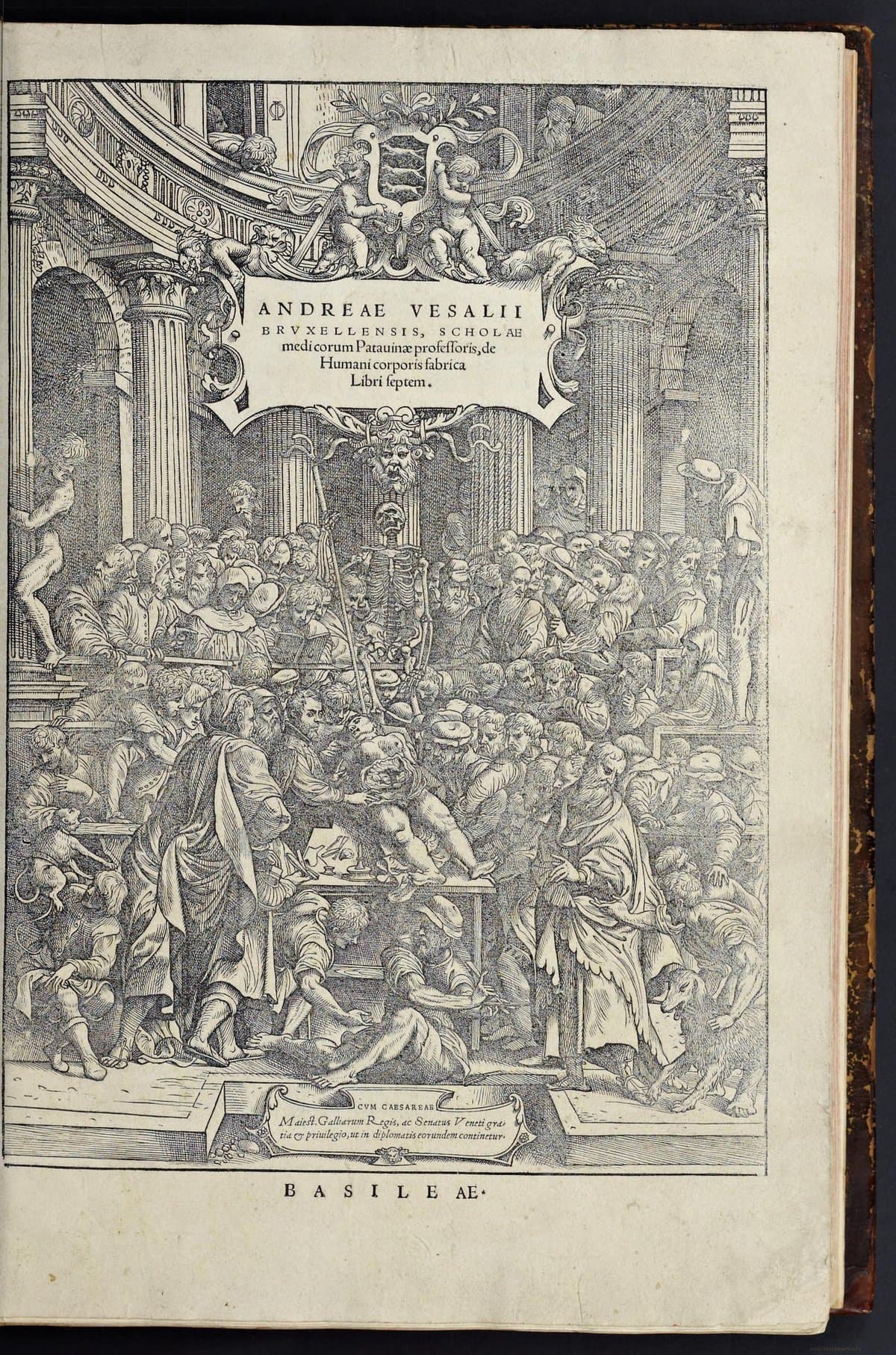
On the Fabric of the Human Body (De Humani Corporis Fabrica)
Andreas Vesalius, 1543
The first edition of the work that overthrew Galenic anatomy through direct observation and masterful woodcuts.
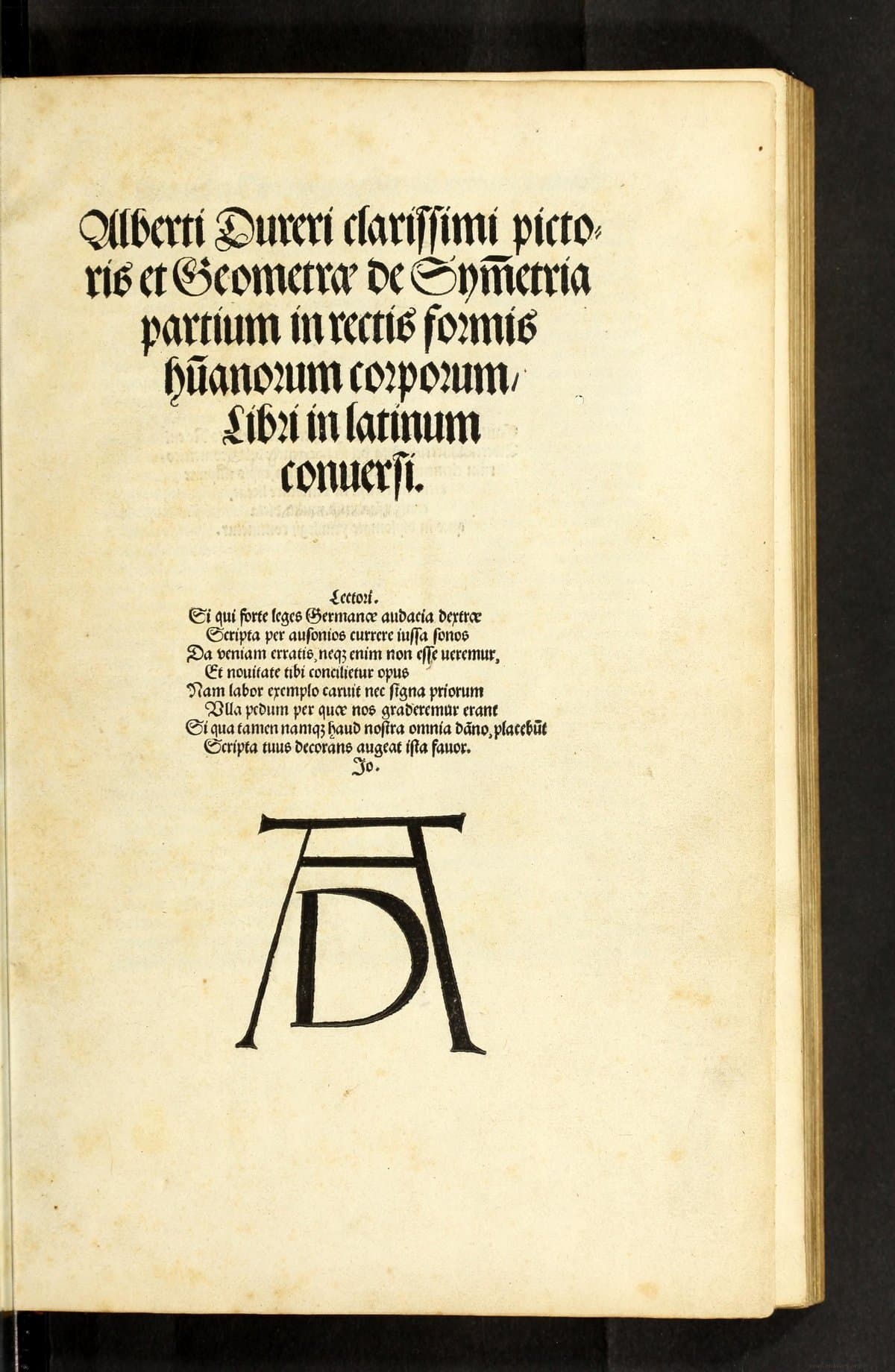
Four Books on Human Proportion
Albrecht Dürer, 1532
A rigorous attempt to define human beauty through a series of mathematical ratios and geometric transformations.
Notes and Drawings on the Human Body
Leonardo da Vinci, 1880
Unpublished during his life, these sketches represent the bridge between artistic rendering and scientific inquiry.
Alchemical Emblems: The Image as Code
1590–1700Works where illustrations were used to hide and reveal the secrets of the 'Great Work' to the initiated.
Atalanta Fleeing
Michael Maier, 1618
The most famous 'multimedia' book of the 17th century, featuring 50 emblems accompanied by musical fugues.
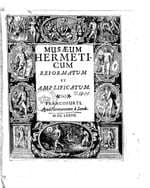
The Hermetic Museum, Restored and Enlarged
Various (Sendivogius, Philalethes, etc.), 1678
A massive compendium of 22 alchemical treatises, heavily illustrated with symbolic copperplates.
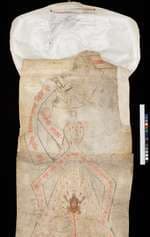
The Ripley Scroll
George Ripley (attributed), 1450First Modern Translation
A rare visual scroll depicting the transformation of matter into the Philosopher's Stone through a series of cryptic figures.
Mapping the Three Realms
1600–1850The Eastern tradition of the 'Leishu'—encyclopedias that used woodcuts to categorize everything under heaven.
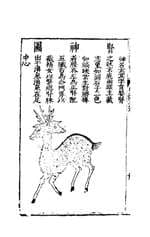
Collected Illustrations of the Three Realms: The Human Body
王圻, 王思義, 1609First Complete Translation
Part of a massive 106-volume project, this volume maps the internal and external landscape of the human form.
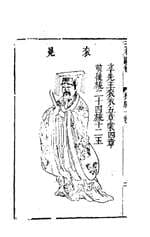
Collected Illustrations of the Three Realms: Clothing
王圻, 王思義, 1609First Complete Translation
A visual record of Ming dynasty social hierarchy through the meticulous depiction of ceremonial dress.
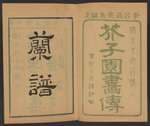
Mustard Seed Garden Manual of Painting: Orchid Manual
Wang Gai, 1868
The definitive manual on the 'literati' style of painting, showing how nature is distilled into brushstrokes.
“Therefore, painting brings more improvement than offense, provided it is honorable, artistic, and well-made.”


Where to Start
The Scientific Artist
Follow the evolution of technical drawing and anatomical precision.
- 1Instruction in Measurement
Start with Dürer to understand the geometric rules that governed Renaissance perspective.
- 2On the Fabric of the Human Body (De Humani Corporis Fabrica)
Move to Vesalius to see how those rules were applied to the first modern dissection of the human body.
- 3Notes and Drawings on the Human Body
Conclude with Leonardo's sketches to see the absolute peak of observational drawing.
The Hermetic Seeker
Explore how visual symbols were used to communicate spiritual and alchemical truths.
- 1Atalanta Fleeing
Begin with Maier's emblems to experience the multisensory nature of alchemical study.
- 2The History of the Two Worlds
Study Fludd's engravings to see the entire universe mapped as a single philosophical system.
- 3The Hieroglyphic Monad (1564 Antwerp)
End with John Dee's Monas Hieroglyphica to see how a single symbol was meant to contain all of creation.
All Books
Browse Full Catalog→1,404 books in this collection

Atalanta Fleeing
Maier, Michael
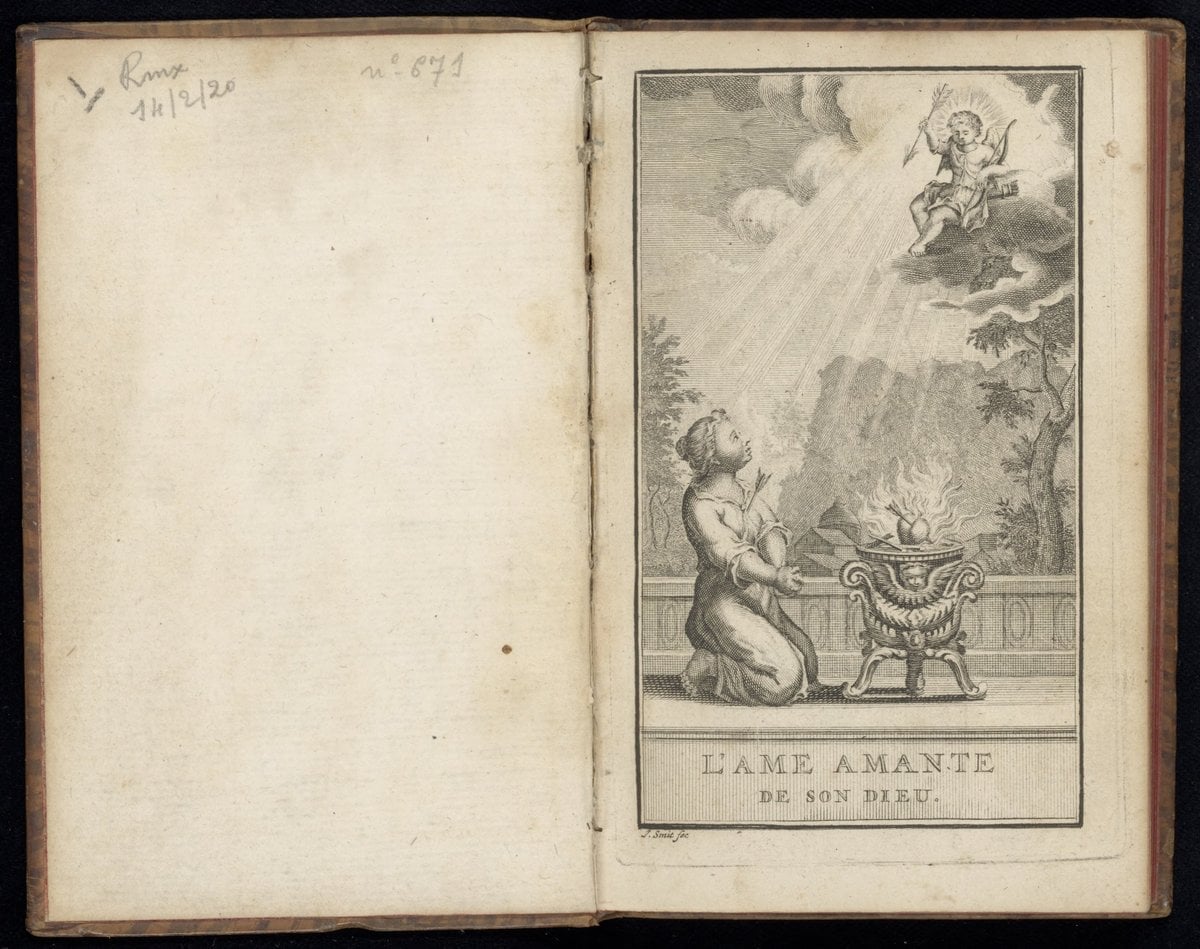
The Soul in Love with her God
Guyon, Jeanne-Marie
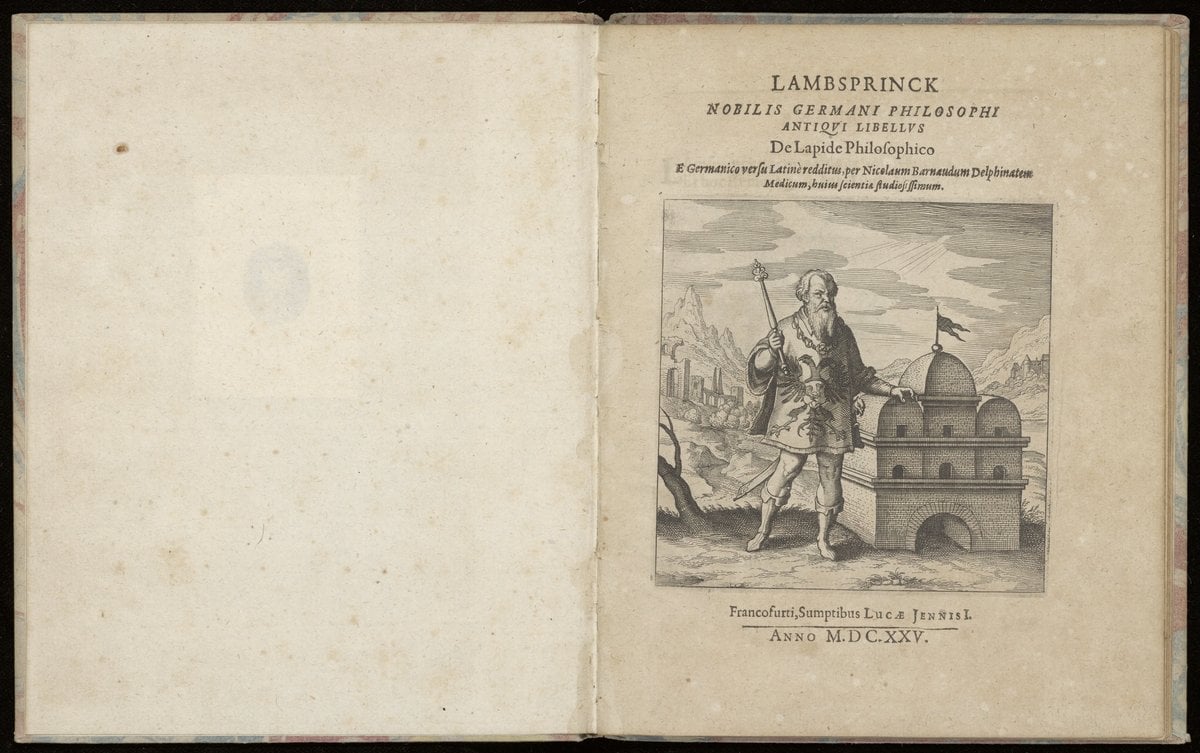
On the Philosopher's Stone
Lambspringk
The Teachings of the Rosicrucians from the 16th and 17th Centuries
Anonymous
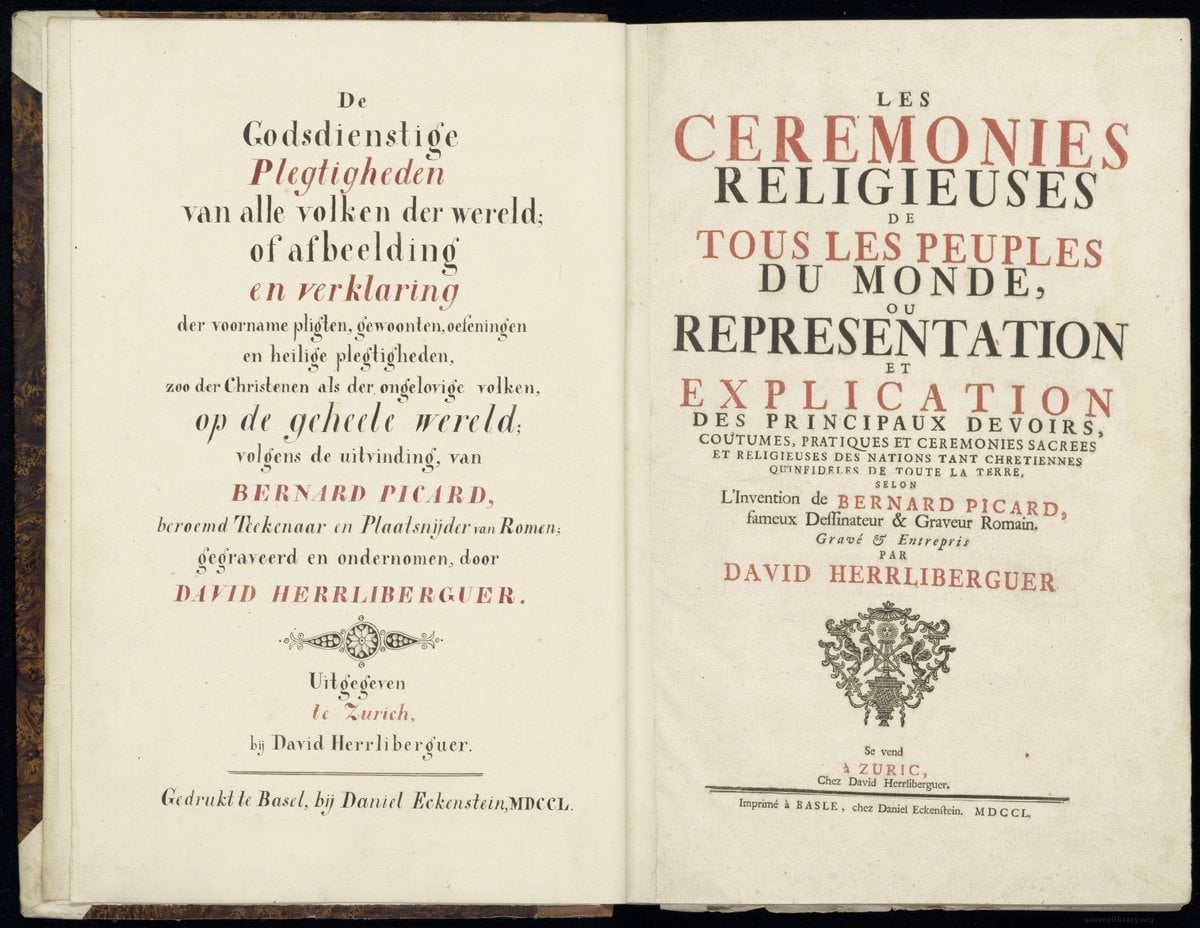
Religious Ceremonies
Picard, Bernhard|Herrliberguer, David
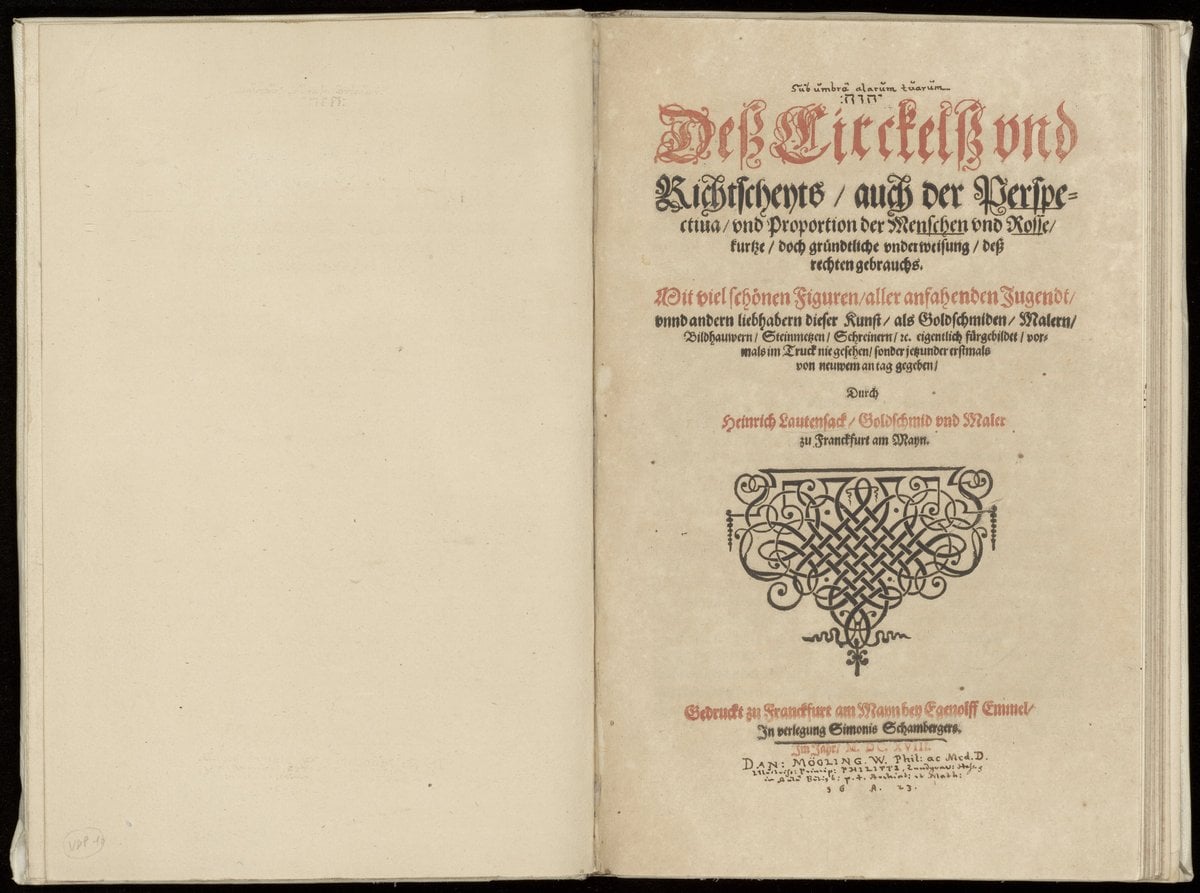
Of the Compass and Ruler
Lautensack, Heinrich
Icons of Plants
Matthias de Lobel; pub. Christophe Plantin
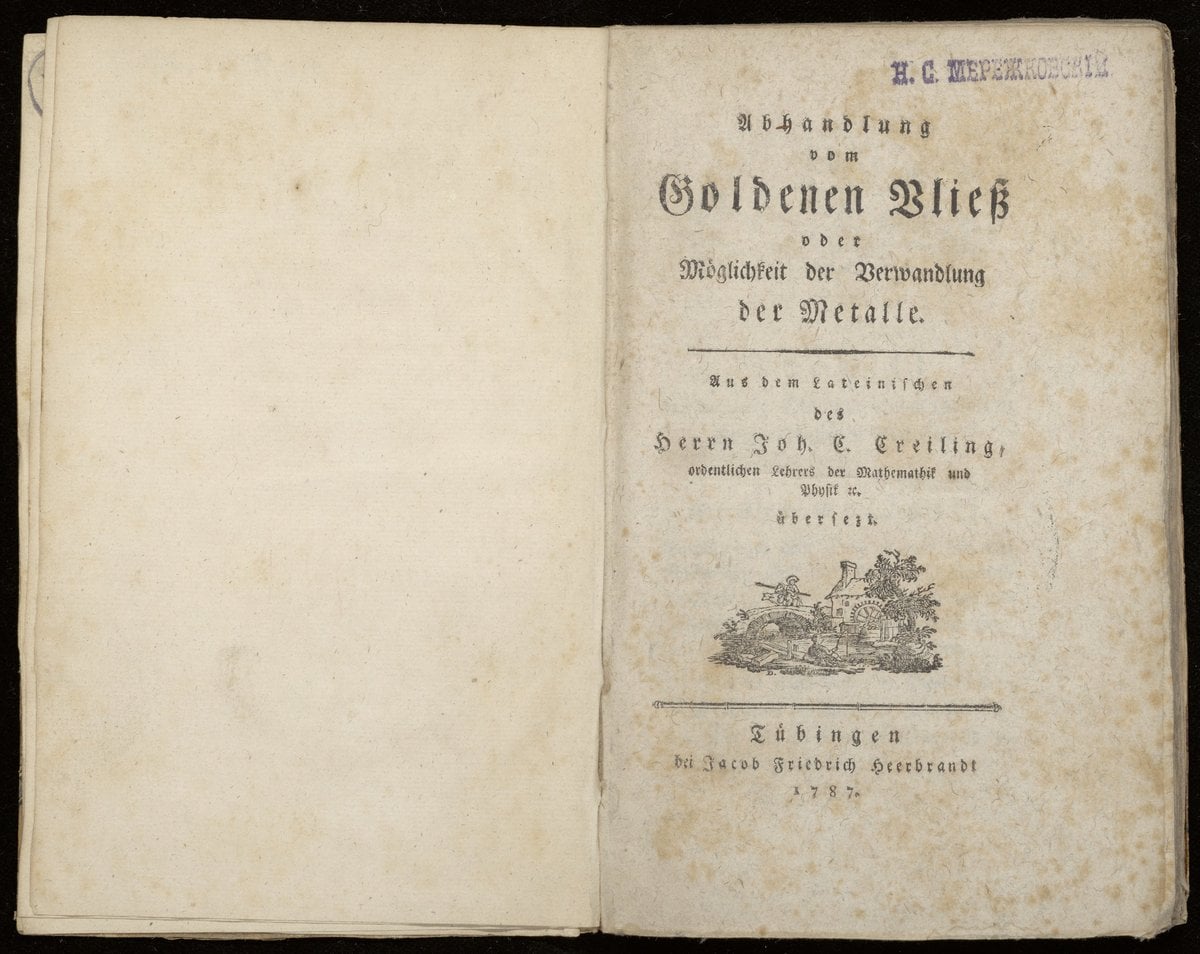
Treatise on the Golden Fleece
Creiling, Johann Conrad
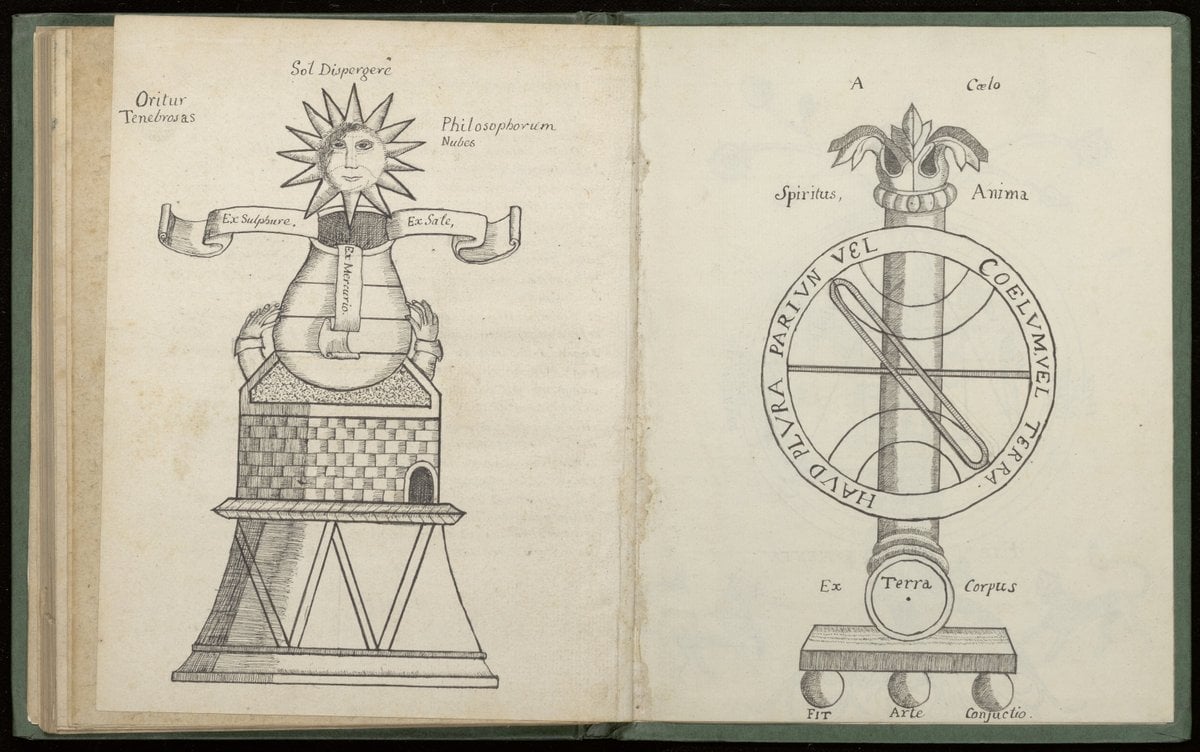
Alchymiae complementum, et perfectio
Norton, Samuel
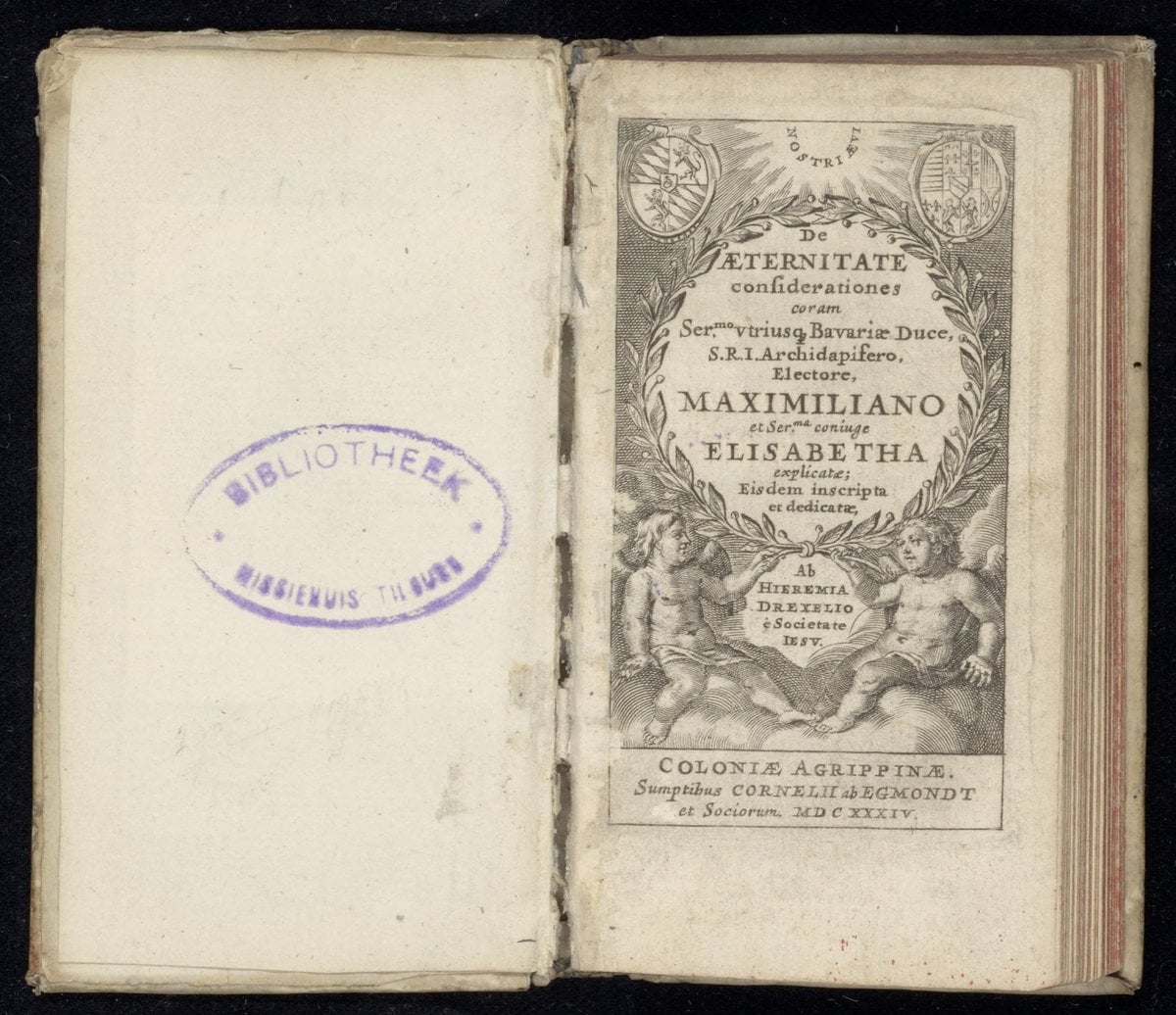
On Eternity
Drechsel, Jeremias
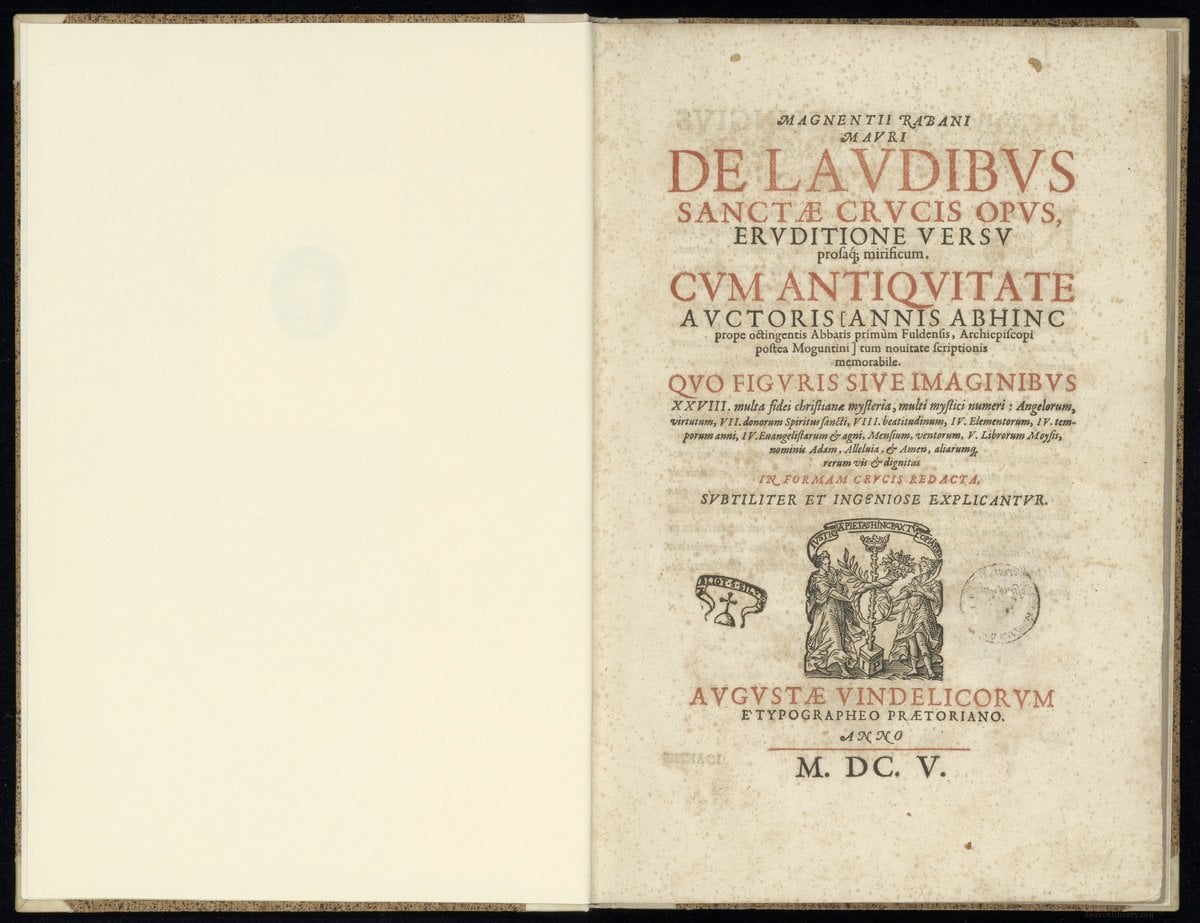
In Praise of the Holy Cross
Rabanus Maurus
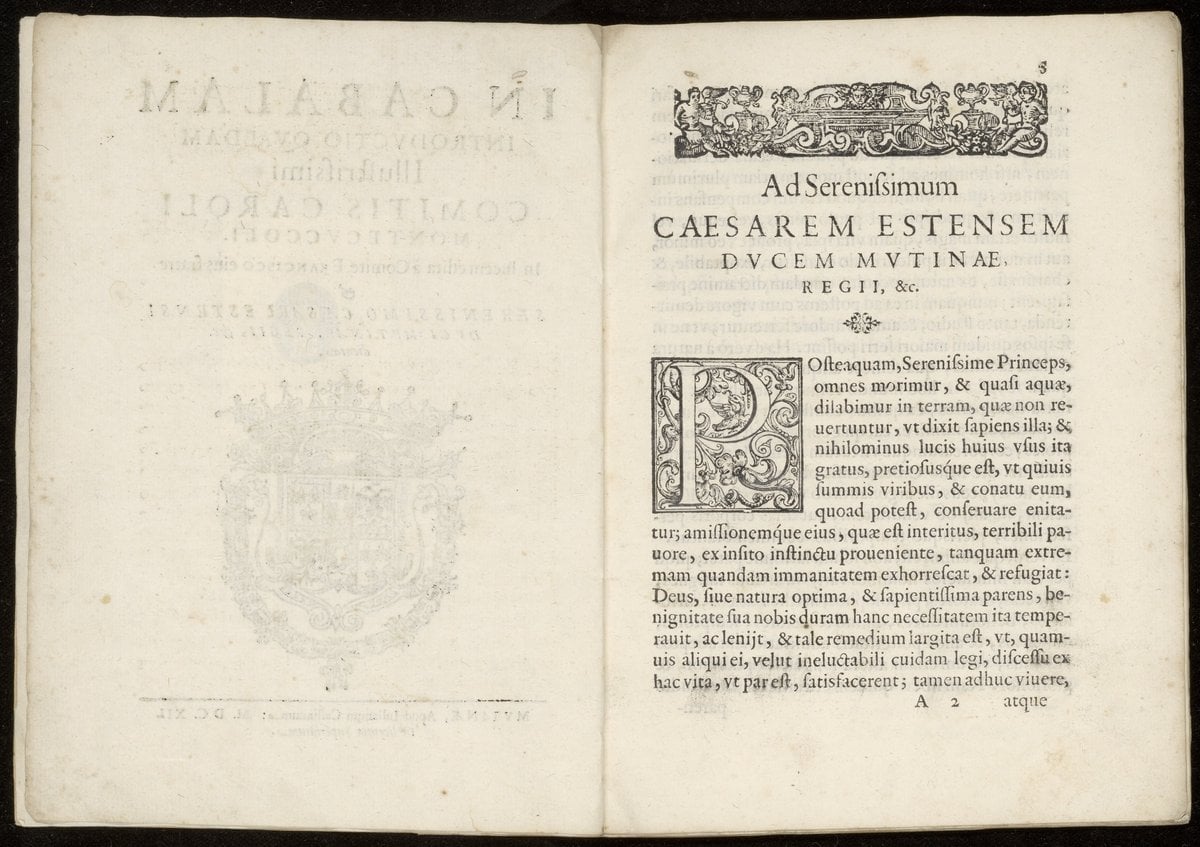
Introduction to the Kabbalah
Montecuccoli, Carlo
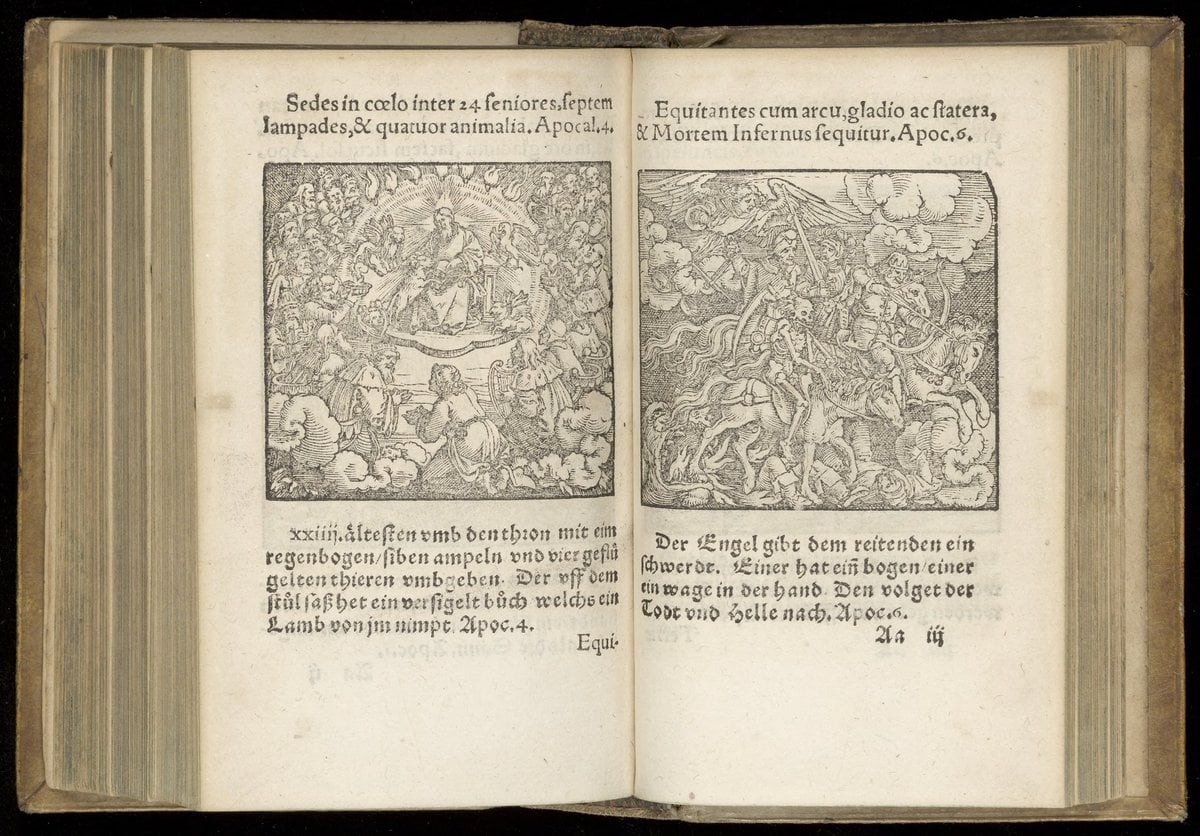
The Revelation of St. John
Unknown
Spiritual Heart-Imaginations
attr. Mattsperger, Melchior