


Biblical Exegesis
Commentaries, translations, and scholarly editions of scripture
Illustrations
Browse all63 images extracted
This illustration presents a meticulous line drawing of a cuneiform tablet fragment, identified as part of the first tablet of the 'Creation Series' or Enuma Elish. The drawing captures the intricate wedge-shaped script and the jagged edges of the broken clay, representing fragments 45528 and 46614 from the British Museum. Such technical reproductions were vital for the dissemination and study of ancient Near Eastern texts in the early 20th century.
This intricate woodcut serves as the printer's mark for the Officina Paltheniana in Frankfurt, dated 1596. It depicts a female figure holding a caduceus, a symbol of commerce and negotiation, and a shield, representing protection. The image reflects the humanist values and classical influences prevalent in early modern European publishing.
This emblem features the coat of arms of the University of Oxford, characterized by an open book inscribed with the motto 'Dominus Illuminatio Mea' surrounded by three crowns. As the official seal of the Clarendon Press, it signifies the academic authority and institutional heritage behind this 1906 edition of the Ethiopic version of the Book of Enoch.
This emblem is the official seal of Trinity College Dublin, the institution where the Book of Kells is housed. It features the college's coat of arms, including a castle, the lion of England, and the Irish harp, dated 1591 to commemorate the university's founding by Queen Elizabeth I.
This historiated initial 'T' marks the opening of the Book of Tobit. The woodcut depicts a narrative scene, likely representing Tobias's journey, set against a backdrop of classical architecture and a rolling landscape, illustrating the integration of sacred text and visual storytelling in early printed Bibles.
This gold-stamped emblem features an open book from which rays of light emanate, accompanied by the Latin motto 'NUNC LICET' ('Now it is permitted'). In the context of Emanuel Swedenborg's works, this symbol represents the idea that it is now possible to understand spiritual truths through reason and intellect, marking a shift in theological perspective.

This circular emblem is the seal of Durham University (Universitas Dunelmensis). It features a central shield bearing a cross and the Greek letters Alpha and Omega, symbolizing the beginning and the end. This mark identifies the publication's association with the university's scholarly community and its role in preserving historical manuscripts.

This intricate engraving serves as an allegorical frontispiece for the 1720 Michaelis edition of the Hebrew Bible. It depicts King David and a group of scholars looking towards an open scripture, while divine light breaks through the clouds above, symbolizing the source of spiritual wisdom. The Hebrew inscriptions, including a verse from Psalm 36:10 ('For with thee is the fountain of life: in thy light shall we see light'), emphasize the theme of divine revelation through the sacred text.

This intricate engraving serves as a symbolic centerpiece for the title page of Erasmus's 'Opera Omnia' (1705). It depicts the scholar's portrait atop a classical monument, surrounded by allegorical figures and crowned by putti, signifying the enduring triumph of his intellectual contributions. The entire scene is encircled by an ouroboros, a serpent devouring its own tail, representing eternity and the cyclical nature of knowledge.
The history of biblical exegesis is the history of how scripture has been read, argued over, and reinterpreted across two millennia. From the earliest Greek and Hebrew manuscripts to the elaborate commentaries of the medieval schools, every generation has brought fresh questions to the same ancient texts. Origen's Contra Celsum, composed in the third century, mounted a sustained philosophical defense of Christianity against pagan criticism, establishing modes of allegorical reading that would shape Eastern and Western theology for centuries. In the Latin West, Theophylactus of Ochrid's In quatuor Evangelia enarrationes luculentissimae offered detailed verse-by-verse commentary on the Gospels, drawing on the earlier Greek patristic tradition for a Byzantine audience. Cyril of Alexandria's Opera, translated by George of Trebizond, carried the Christological arguments of the fifth century into Renaissance Latin, where they found new readers and new controversies.
The textual foundation of all this commentary work lies in the manuscripts and critical editions gathered here. Tischendorf's Novum Testamentum Graece represents one of the great achievements of nineteenth-century philology, collating dozens of manuscript witnesses into a single critical apparatus. The Codex Alexandrinus facsimile preserves a fifth-century Greek Bible in photographic detail, while the Codex Sinaiticus facsimile reproduces the oldest substantially complete New Testament. The Biblia Hebraica of Michaelis provided Protestant scholars with a reliable Hebrew text, and the Septuaginta gave access to the Greek Old Testament that the earliest Christians actually read. An Armenian-Greek-Italian trilingual New Testament from the twelfth century shows how scripture circulated across linguistic boundaries long before the age of print.
Beyond the mainstream tradition, this collection encompasses the wider landscape of scriptural engagement: Madame Guyon's mystical commentary on Le cantique des cantiques de Salomon, Athanasius Kircher's Turris Babel with its baroque synthesis of linguistics and Genesis, Antonio Francesco Doni's Dichiaratione sopra il XIII. cap. dell'Apocalisse, and Rupert von Deutz's Commentariorum in Johannis Apocalypsin from the monastic schools. Raphael Ben Zion's Betser ba-Midbar brings a kabbalistic lens to the Torah, while Johann Salomo Semler's Abhandlung von freier Untersuchung des Canon marks an early moment in the critical study of the biblical canon itself. The collection also includes pseudepigraphal texts that sat at the margins of scripture — The Book of the Secrets of Enoch, The Odes and Psalms of Solomon, and the Ethiopic Book of Enoch — works that illuminate how the boundaries of sacred literature were drawn and redrawn over time.
Essential Reading
The foundational texts of this tradition
Greek New Testament
Tischendorf, Constantin von, 1869
Tischendorf's monumental critical edition of the Greek New Testament, published in 1869 after decades of manuscript collation across European libraries. The apparatus criticus remains an essential reference for textual scholarship.
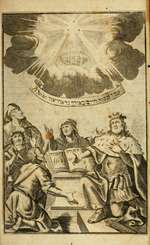
The Hebrew Bible
Various (ed. Michaelis), 1720First Translation
The 1720 Michaelis edition of the Hebrew Bible, a first English translation providing Protestant scholars with direct access to the Masoretic text. A milestone in the move toward original-language biblical study.
Codex Alexandrinus (Greek)
British Museum, 1883
A photographic facsimile of the Codex Alexandrinus, the fifth-century Greek manuscript held in the British Museum. One of the three earliest witnesses to the complete Greek Bible, published here in full for the first time in 1883.
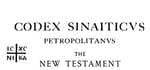
Codex Sinaiticus
Constantin von Tischendorf, 1860
Tischendorf's 1860 facsimile of the Codex Sinaiticus, the oldest substantially complete manuscript of the New Testament, discovered at St. Catherine's Monastery on Mount Sinai.
Important Works
Significant texts that deepen understanding
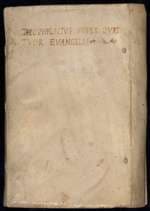
Most Lucid Expositions on the Four Gospels
Theophylactus of Ochrid, 1540First from Latin
Theophylactus of Ochrid's verse-by-verse commentary on the four Gospels (1540 Latin edition), a first translation drawing on the Greek patristic tradition for Western readers.
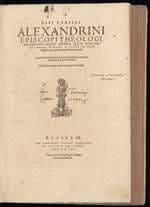
The Works of Saint Cyril of Alexandria
Cyrillus Alexandrinus, 1566First from Latin
The collected works of Cyril of Alexandria in the 1566 Latin translation by George of Trebizond, carrying fifth-century Christological arguments into the Renaissance.
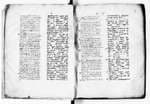
New Testament
Various, 1100First from Armenian
A twelfth-century Armenian-Greek-Italian trilingual New Testament, a first translation showing how scripture moved across linguistic and cultural boundaries in the medieval Mediterranean.
The Book of the Secrets of Enoch (2 Enoch)
trans. W.R. Morfill; ed. R.H. Charles, 1896
The 1896 Morfill and Charles edition of 2 Enoch, a pseudepigraphal text preserved in Slavonic that illuminates Jewish apocalyptic thought outside the biblical canon.
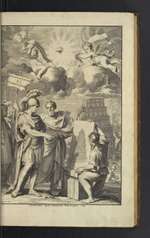
Kircher: Turris Babel (1679)
Athanasius Kircher, 1679First Translation
Kircher's baroque masterwork on the Tower of Babel (1679), blending Genesis exegesis with comparative linguistics, archaeology, and cosmography. A first translation.
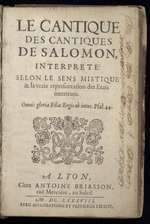
The Song of Solomon, Interpreted According to the Mystical Sense
[Guyon, Jeanne-Marie], 1688First Complete Translation
Madame Guyon's 1688 mystical commentary on the Song of Solomon, reading the erotic poetry of scripture as a guide to contemplative union with God.
The Odes and Psalms of Solomon
J. Rendel Harris (ed.), 1911
J. Rendel Harris's 1911 edition of the Syriac Odes and Psalms of Solomon, early hymns that straddle the boundary between Jewish and Christian devotional literature.
Also Notable
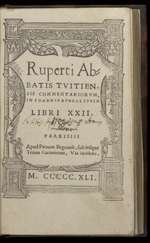
Commentary on the Apocalypse of John
Rupert von Deutz, 1541First Translation
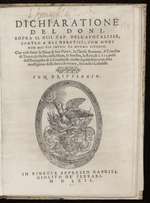
Declaration on the Thirteenth Chapter of Revelation
Doni, Antonio Francesco, 1562First Translation

Kabbalistic Commentary on Torah
Raphael Ben Zion, 1675First Translation
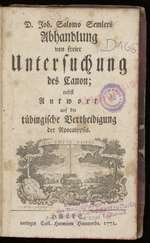
Treatise on the Free Investigation of the Canon
Semler, Johann Salomo, 1771First Translation
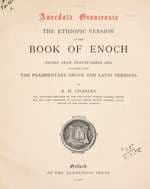
1 Enoch (Ethiopic Text)
R.H. Charles (ed.), 1906
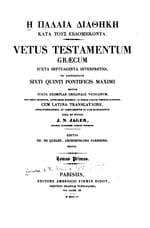
Vetus Testamentum Graecum: Septuagint with Latin Translation
Septuagint, 1855First from Greek
Book of Kells (Codex Kenanensis)
Thomas Kingsmill Abbott, 1884First Translation
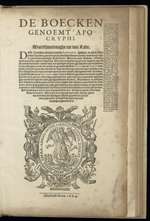
The Apocrypha
Unknown, 1604First Translation
All Books
Browse Full Catalog→170 books in this collection
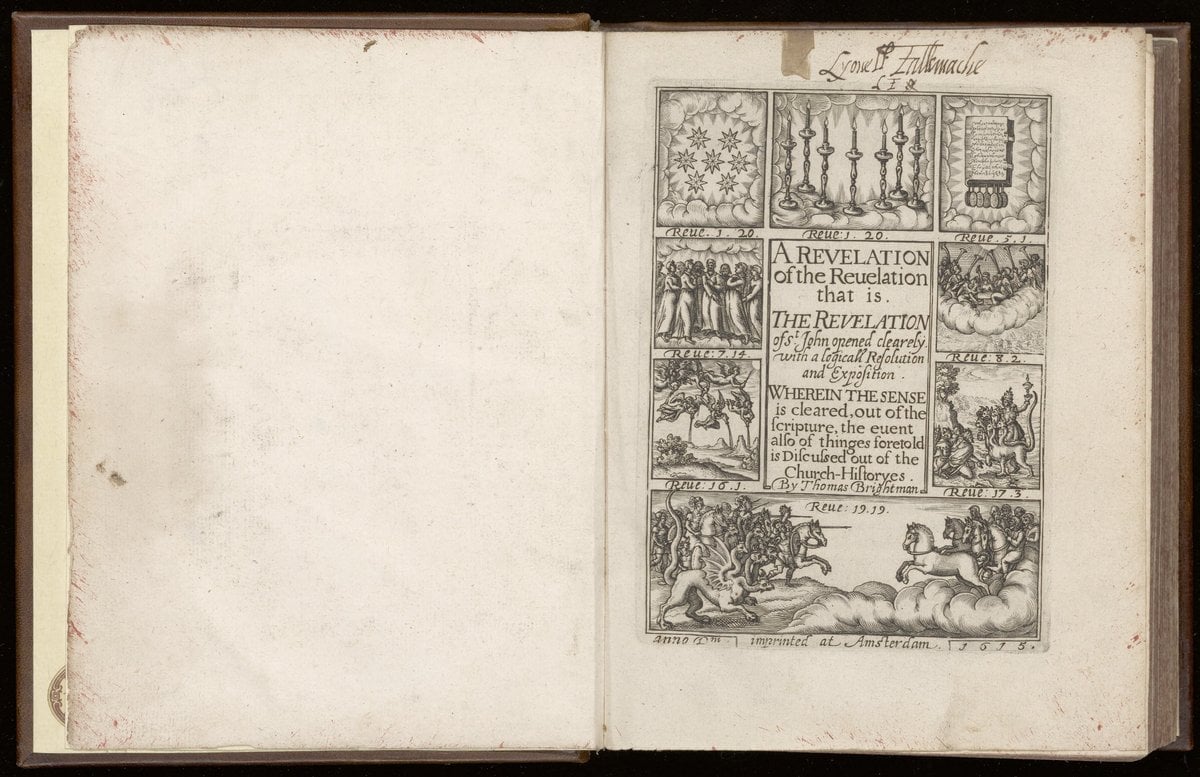
A revelation of the revelation
Brightman, Thomas
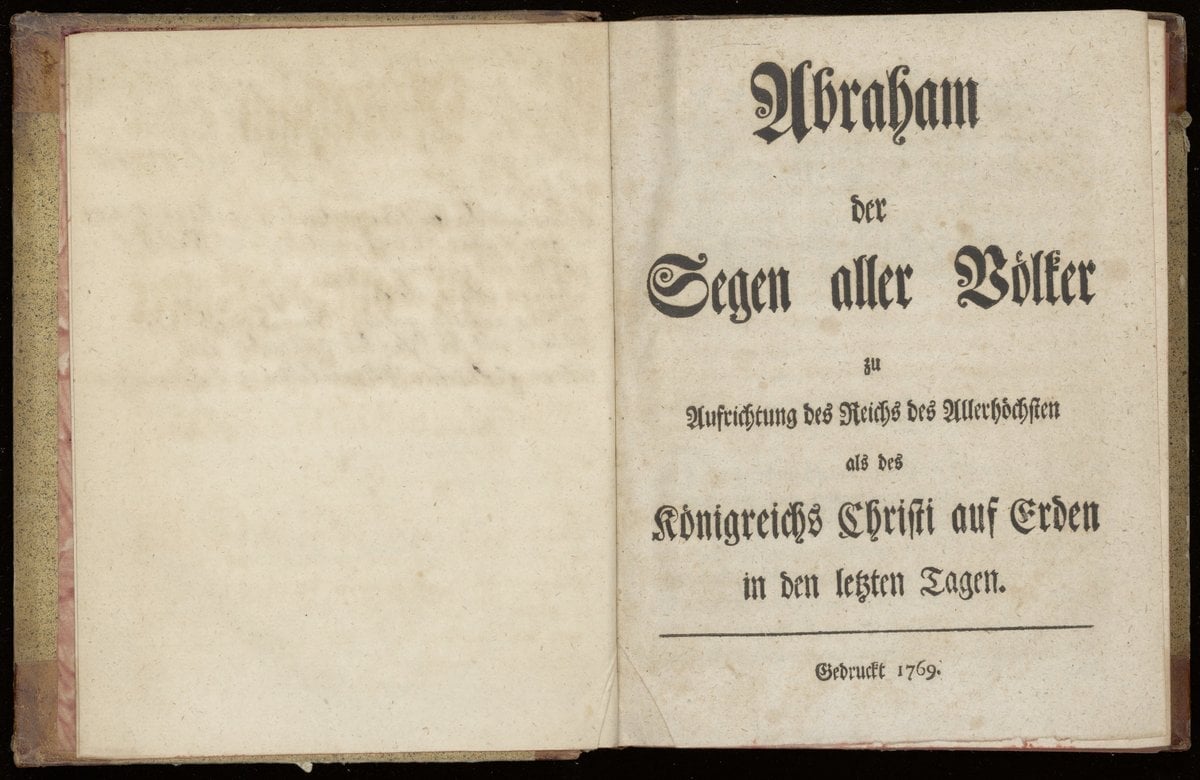
Abraham, the Blessing of All Nations
attr. Müller, Johann Daniel
Three Christian Sermons on Temptations
Spener, Philipp Jacob
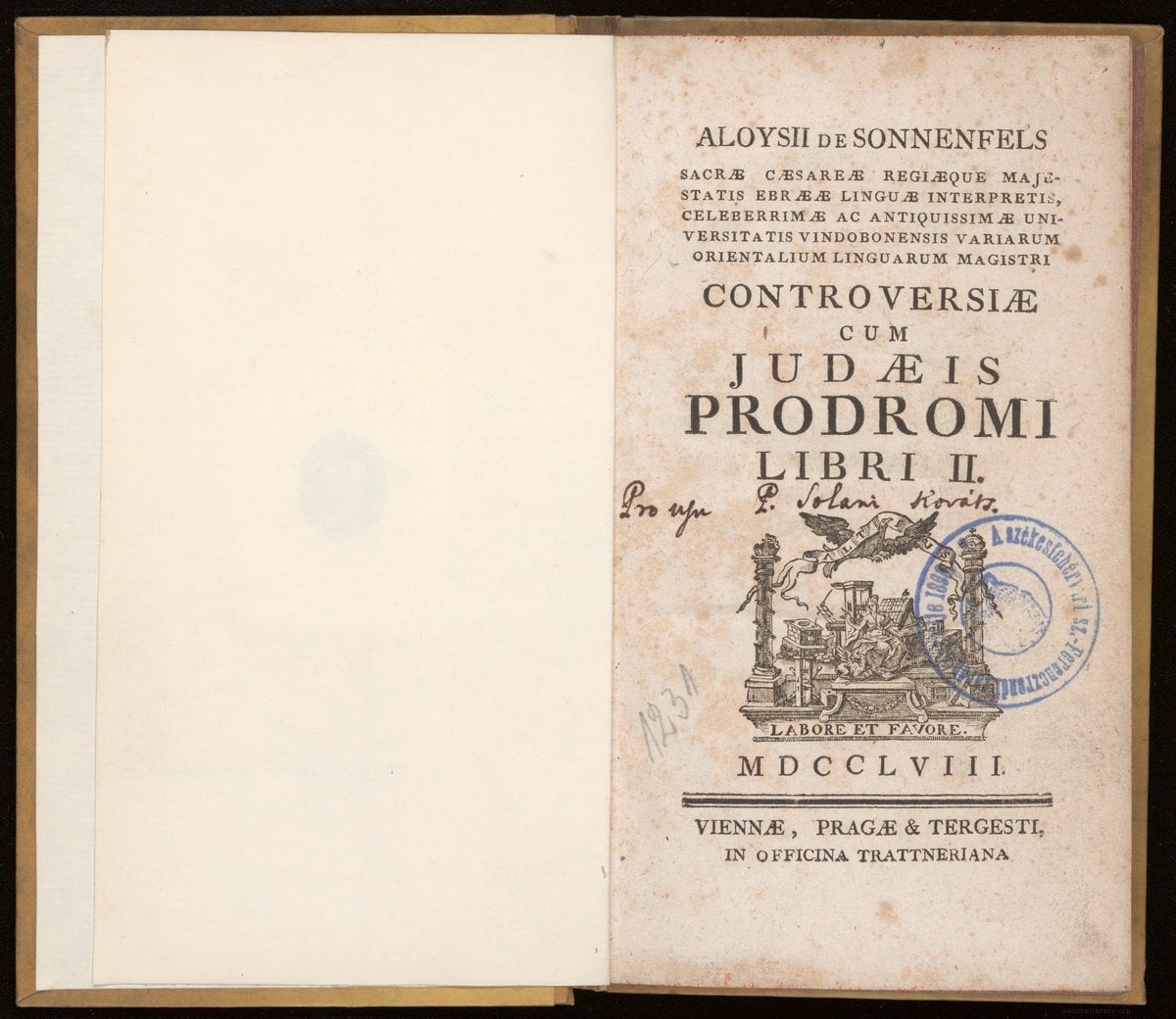
Two Books of the Introduction to the Controversies with the Jews
Wienner von Sonnenfels, Aloys
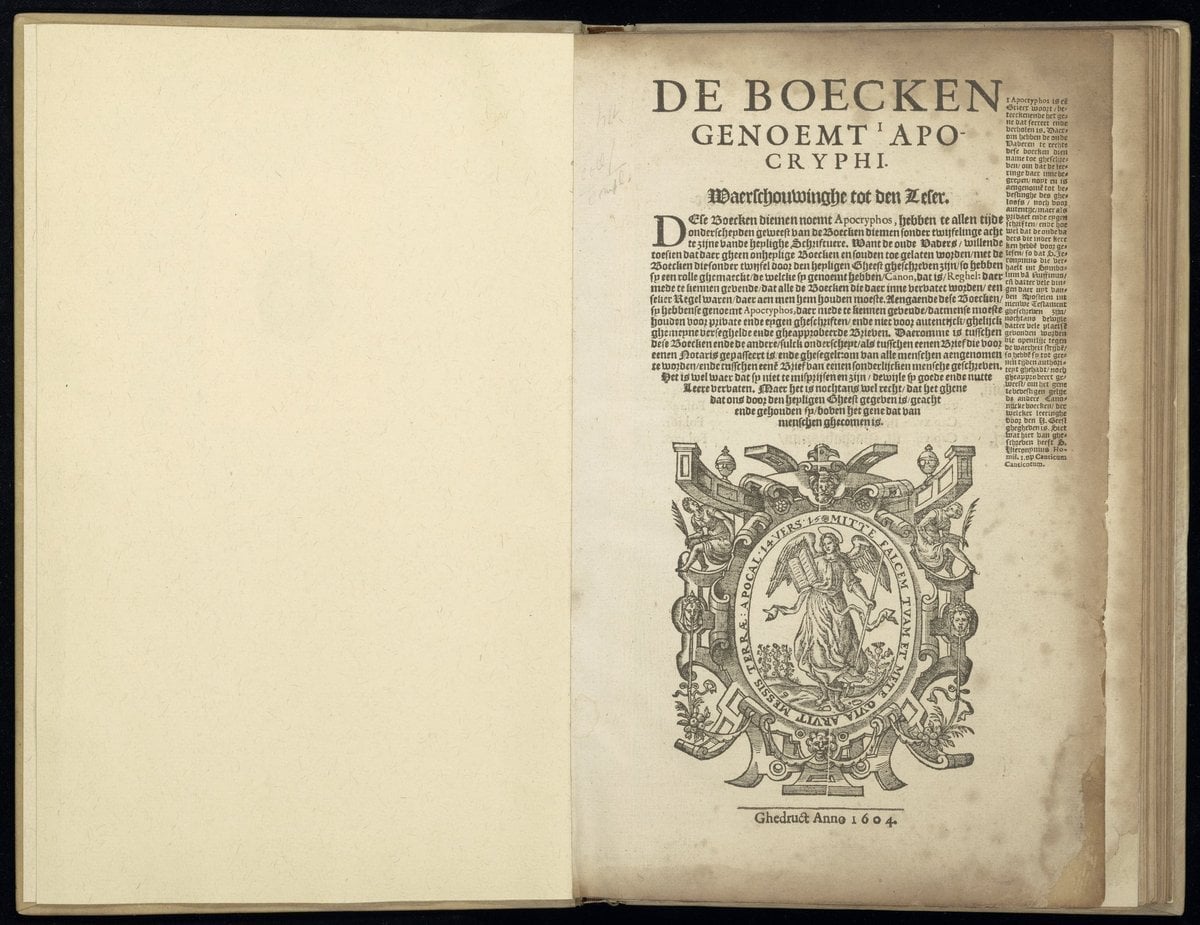
The Apocrypha
Unknown
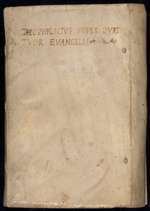
Most Lucid Expositions on the Four Gospels
Theophylactus of Ochrid
Four Little Treatises
Pordage, John
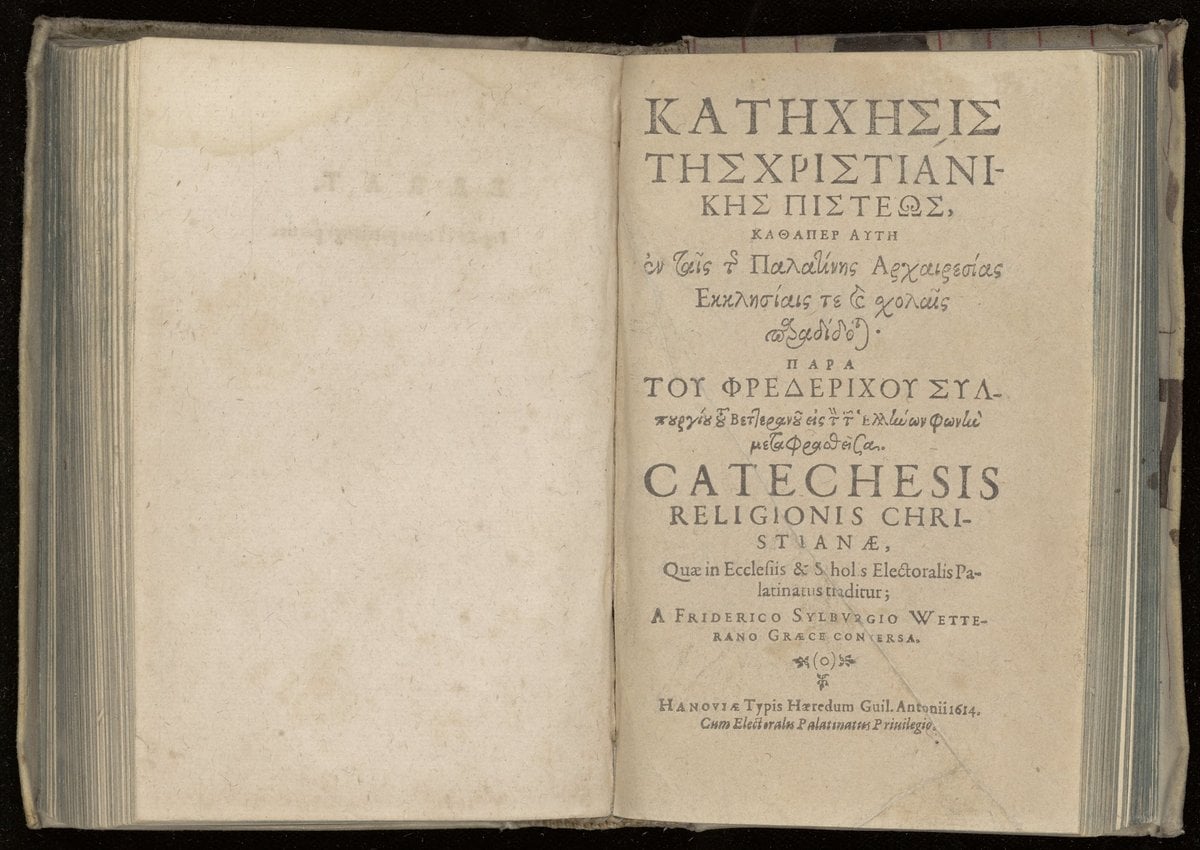
Heidelberg Catechism
Unknown
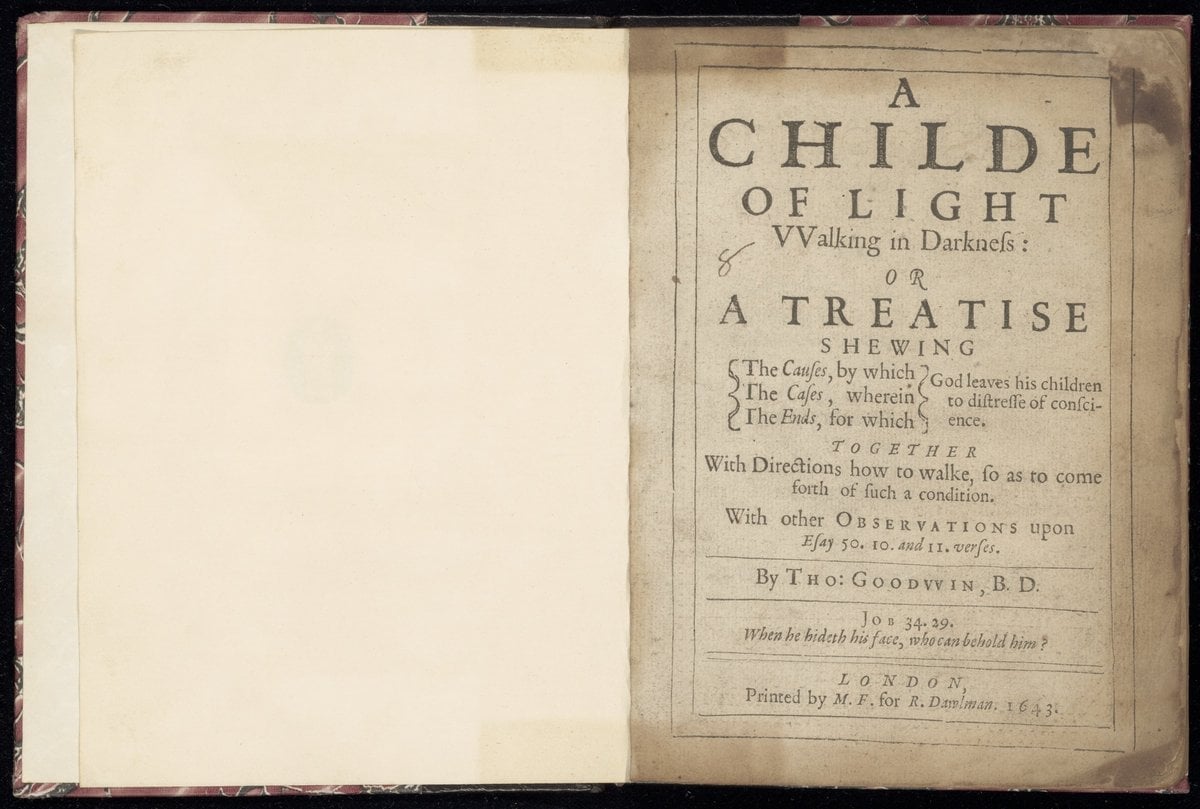
A childe of light
Goodwin, Thomas
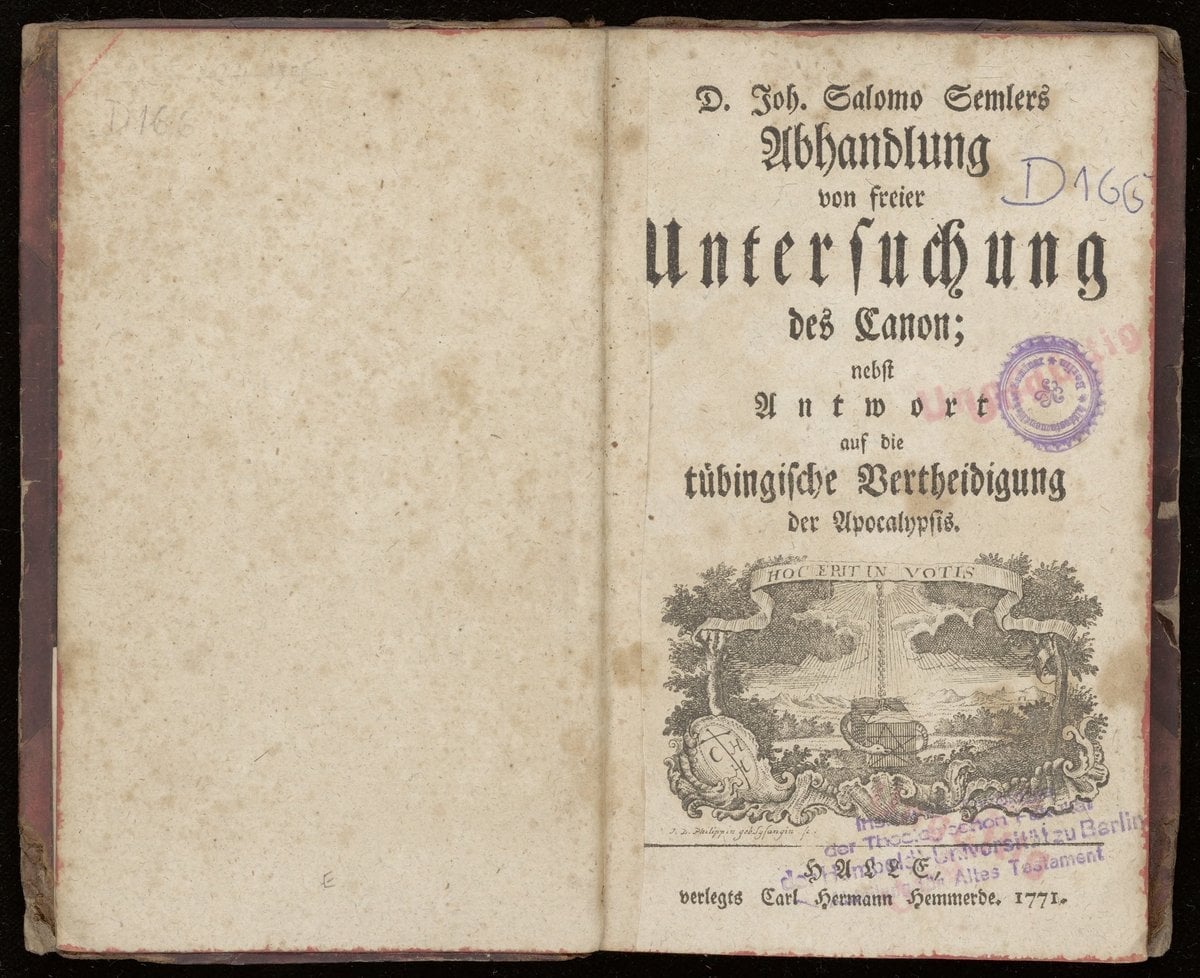
Treatise on the Free Investigation of the Canon
Semler, Johann Salomo
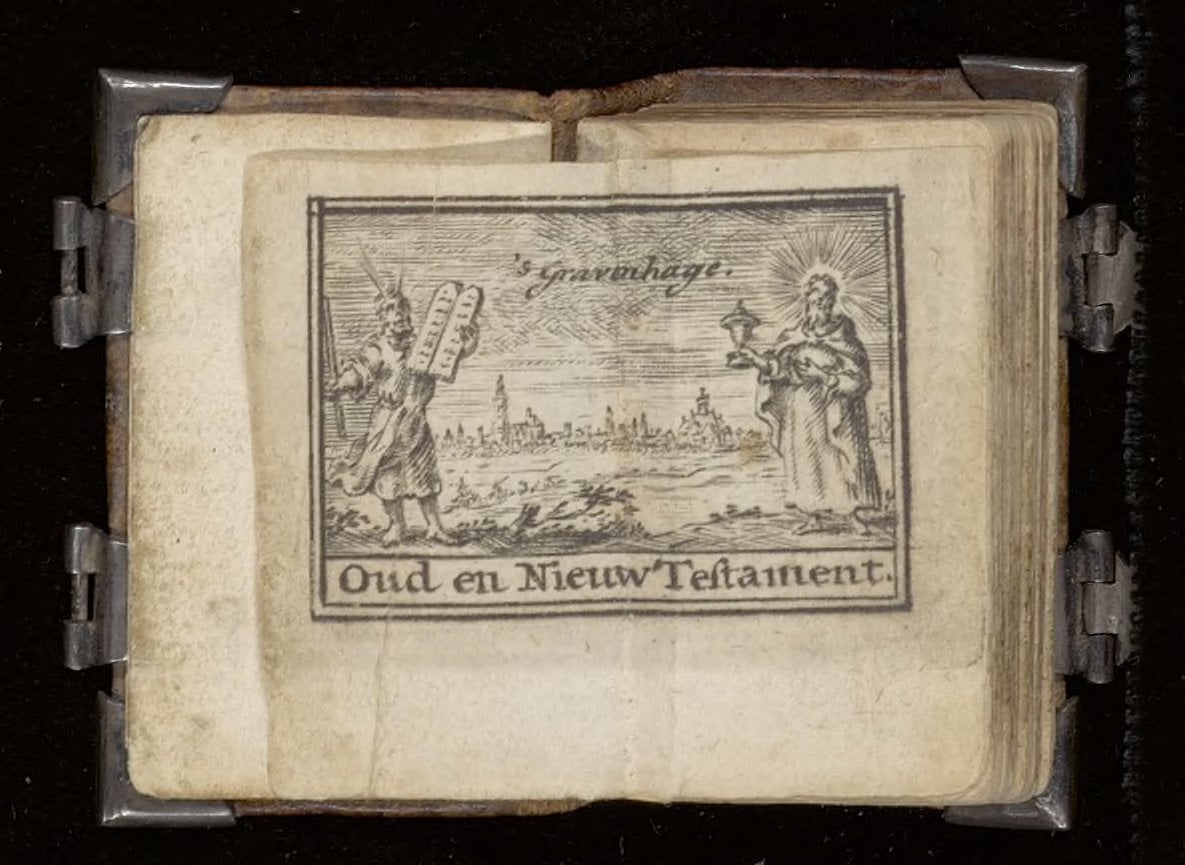
Bible, or the Contents of the Old and New Testaments
Unknown
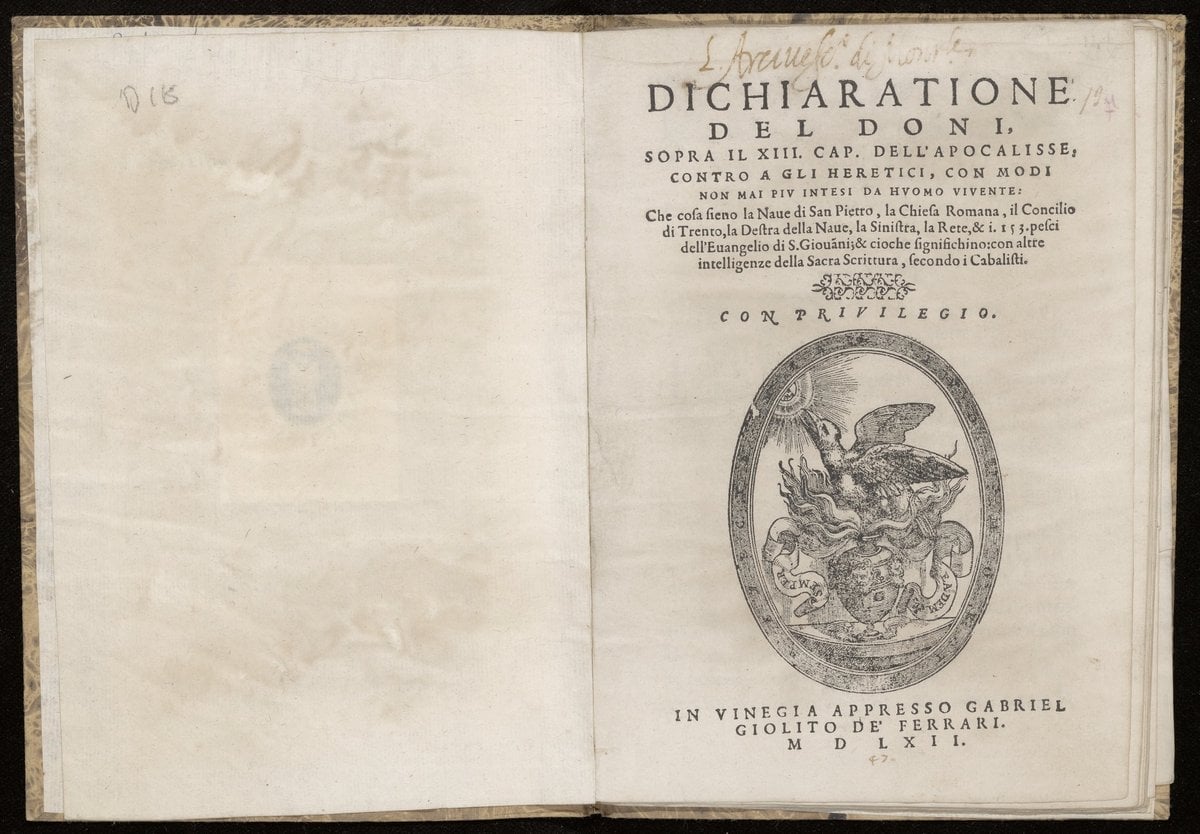
Declaration on the Thirteenth Chapter of Revelation
Doni, Antonio Francesco
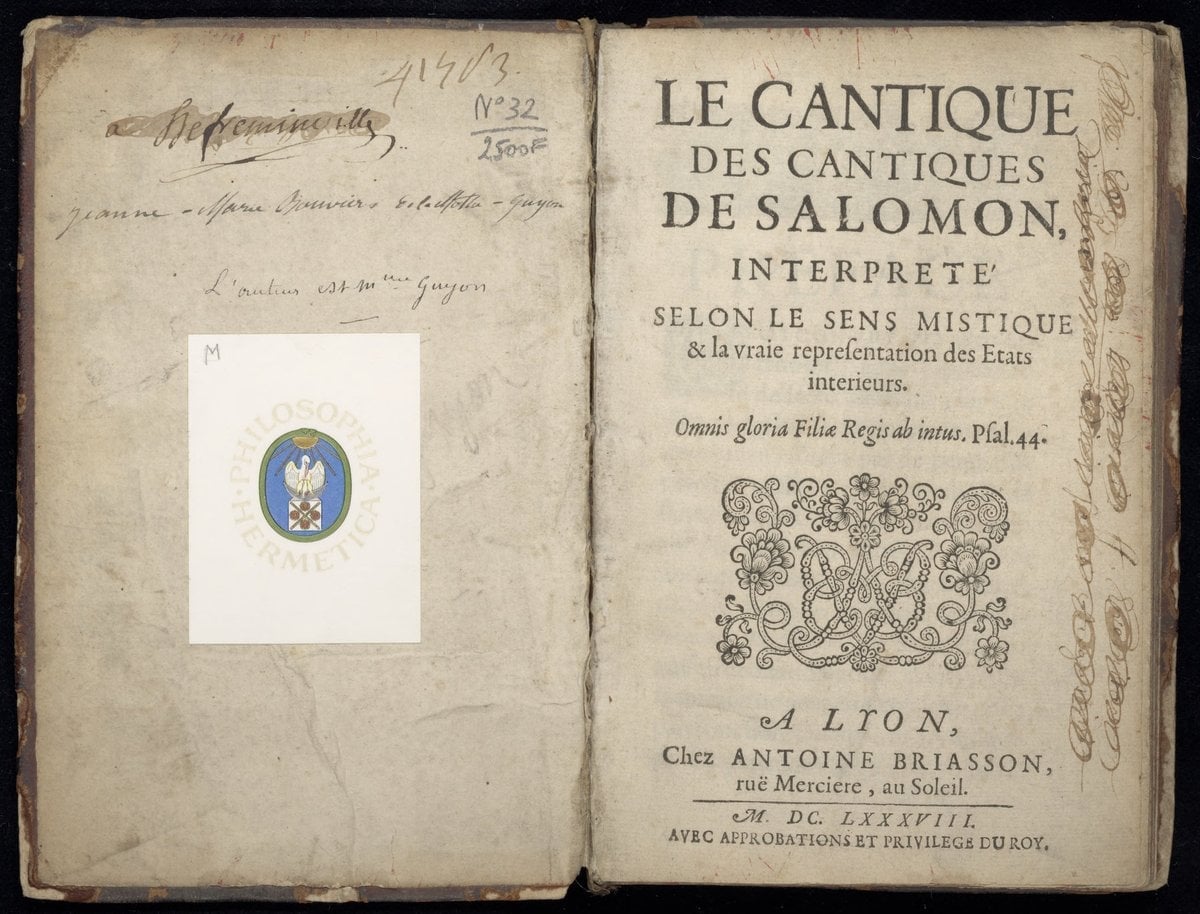
The Song of Solomon, Interpreted According to the Mystical Sense
attr. Guyon, Jeanne-Marie
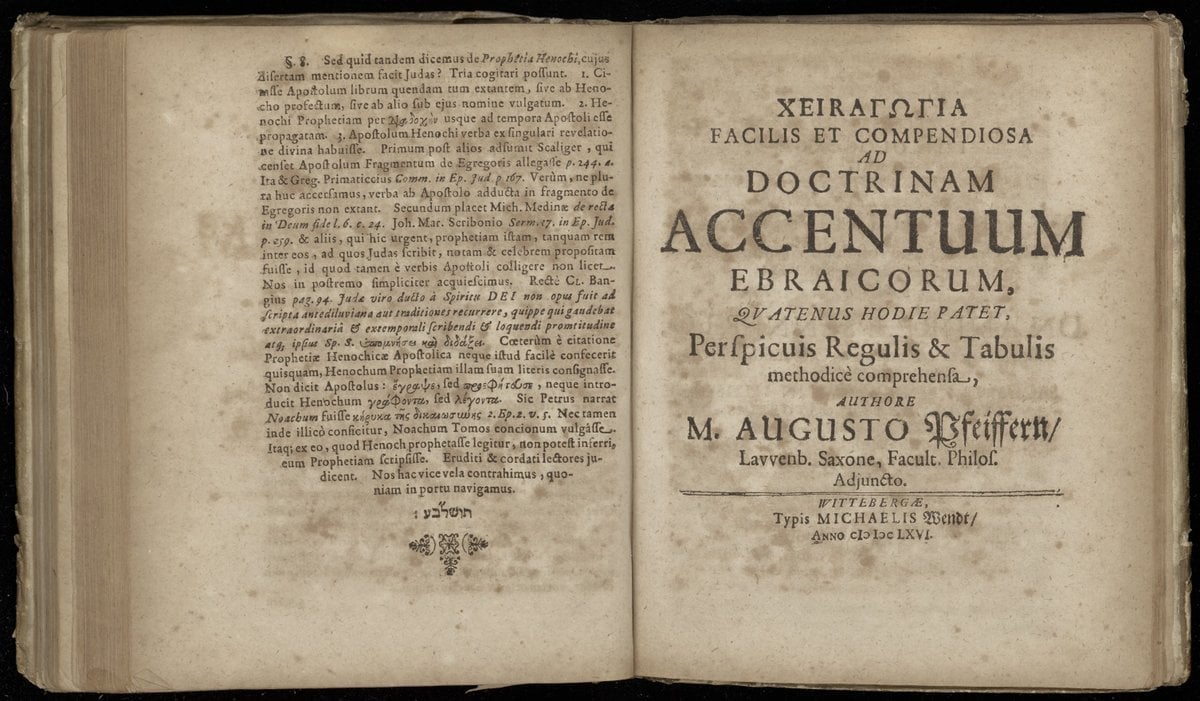
An Easy and Concise Guide to the Doctrine of Hebrew Accents
Pfeiffer, August