


Illustrations
Browse all62 images extracted
This ornate border frames the title page of the 'Philokalia', a foundational text of Eastern Orthodox spirituality. The intricate woodcut design incorporates small portraits of holy figures and mythical griffins, reflecting the traditional aesthetic of religious printing in 19th-century Athens.
This frontispiece illustration, dated 1909 (MCMIX), depicts the Italian mystic Saint Angela of Foligno seated at a writing desk within a decorative architectural frame. The image is surrounded by elaborate floral and acanthus scrollwork in a style inspired by medieval illuminated manuscripts, characteristic of the Arts and Crafts movement's book designs. The text identifies the volume as 'The Book of the Divine Consolation of the Blessed Angela Da Foligno'.
This circular emblem serves as the printer's mark for the London publisher Thomas Baker. It features a decorative letter 'B' at its center, encircled by the Latin motto 'PROVIDET PISTOR PANEM MENTIS', which translates to 'The baker provides the bread of the mind,' a clever play on the publisher's surname.
This woodcut illustrates the Nativity, a central theme in the 'Rosarium mysticum animae fidelis.' The scene captures the intimate moment of adoration within a ruined architectural setting, symbolizing the transition from the old era to the new Christian era. The bold lines and detailed composition are characteristic of early 16th-century Northern European printmaking.
This delicate engraving features a central female figure, possibly an allegorical representation of Spring or Nature, cradling a bouquet of flowers. She is enveloped in a complex web of sinuous, organic lines and floral patterns characteristic of the Art Nouveau style. The ethereal quality of the print highlights the movement's emphasis on fluid forms and the beauty of the natural world.
This portrait depicts the Blessed Angela of Foligno, a 13th-century Italian mystic and author. It is a reproduction of a fresco by Pierantonio Mezzastris located in the Church of Santa Anna in Foligno, showing her in a traditional pose of humble devotion with a halo signifying her sanctity.

This woodcut from the 1531 'Rosarium mysticum animae fidelis' depicts the Virgin Mary and Christ Child encircled by a rosary, symbolizing the mystical rose garden of prayer. Below, representatives of both the spiritual and temporal worlds—clergy and knights—kneel in adoration, illustrating the universal call to devotion. The intricate linework and symbolic composition are characteristic of early 16th-century German religious printing.

This gold-stamped emblem on the cover of Marguerite Porete's 'The Mirror of Simple Souls' features a central cross and a globus cruciger, flanked by two hands reaching upward. The imagery reflects the book's mystical exploration of the soul's annihilation in God and the pursuit of divine love. The shield-like frame suggests the protective and sacred nature of the spiritual journey described within.

This printer's device for the London publishing house Bell and Daldy features a bell and an anchor, serving as a visual pun on the partners' names. The fine detail of the engraving is characteristic of the high-quality book production in mid-19th-century Britain.
All Books
Browse Full Catalog→231 books in this collection
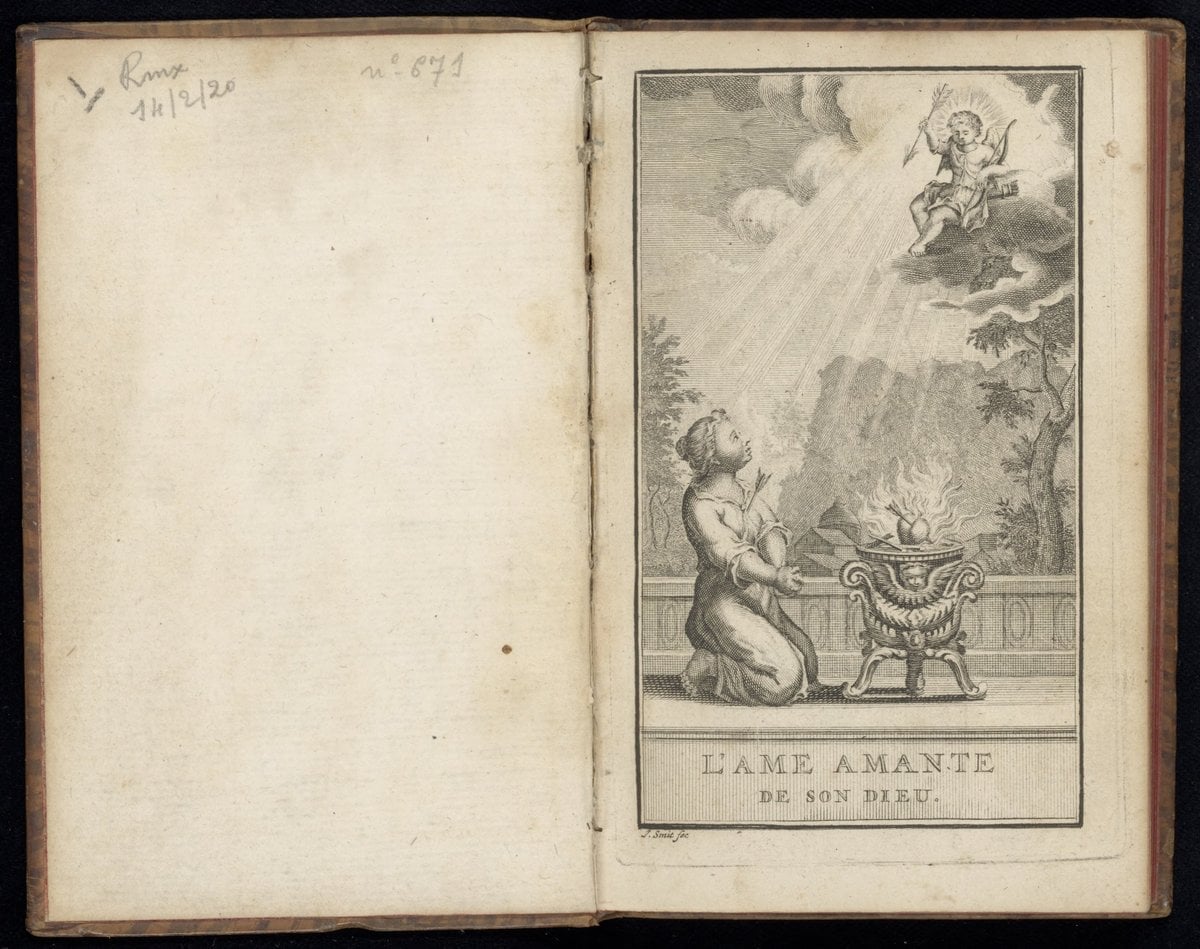
The Soul in Love with her God
Guyon, Jeanne-Marie
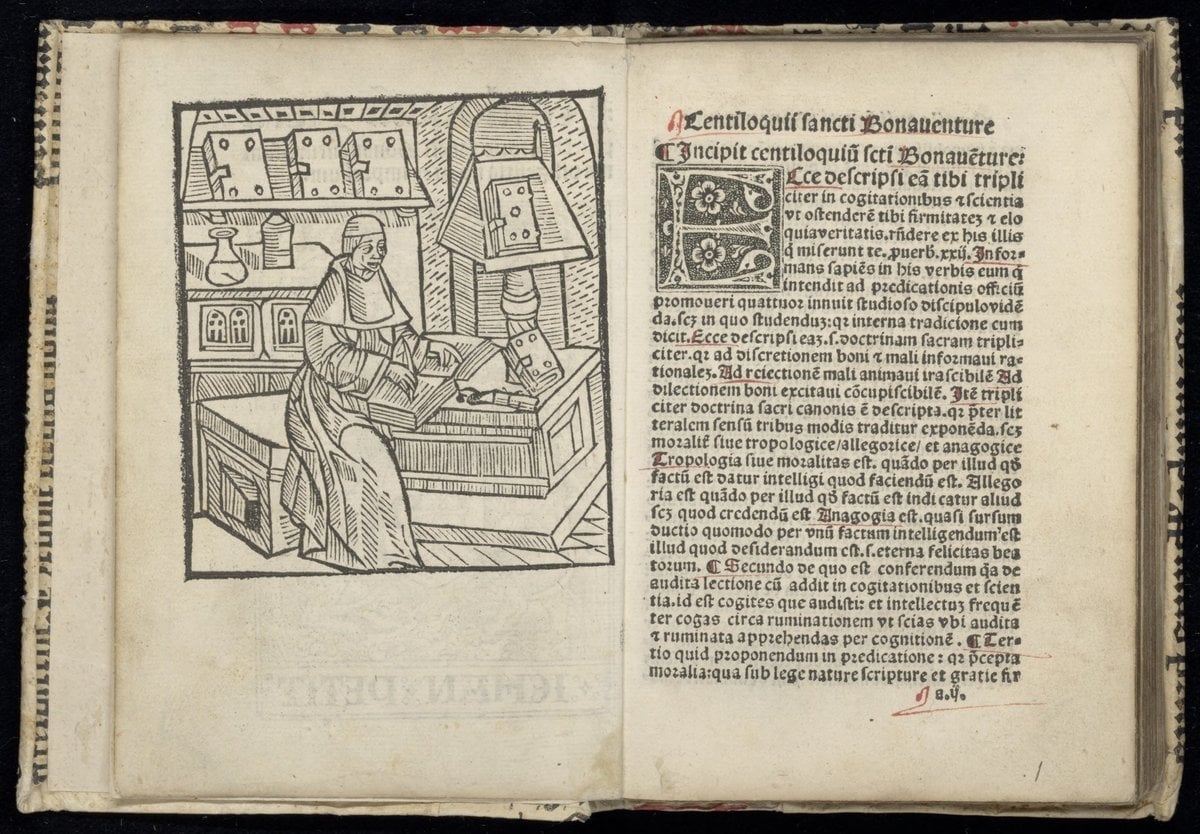
The Hundred Sayings
Bonaventura
Spiritual Pastimes of the Christian Day, or Weighty Observations of the Believers
Labadie, Jean de
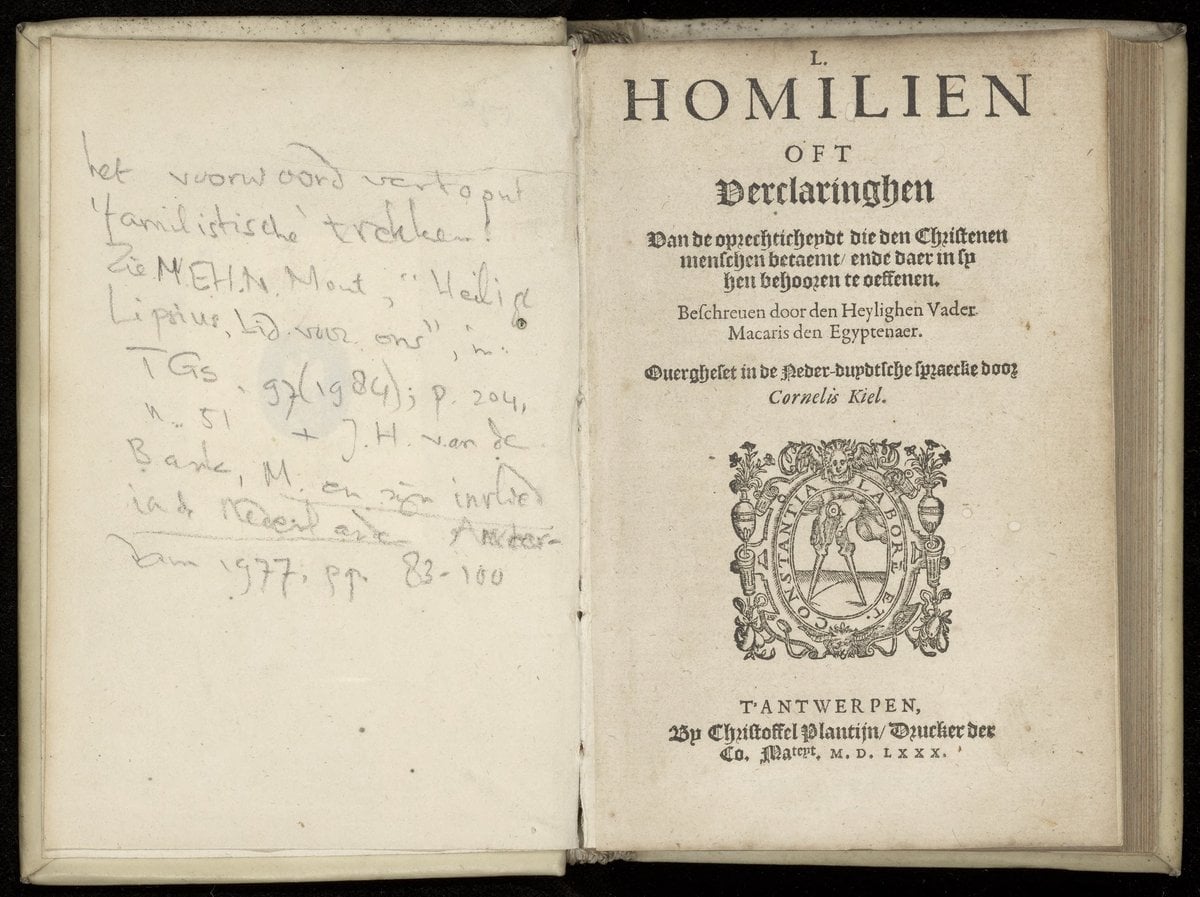
50 Homilies or Explanations
Macarius
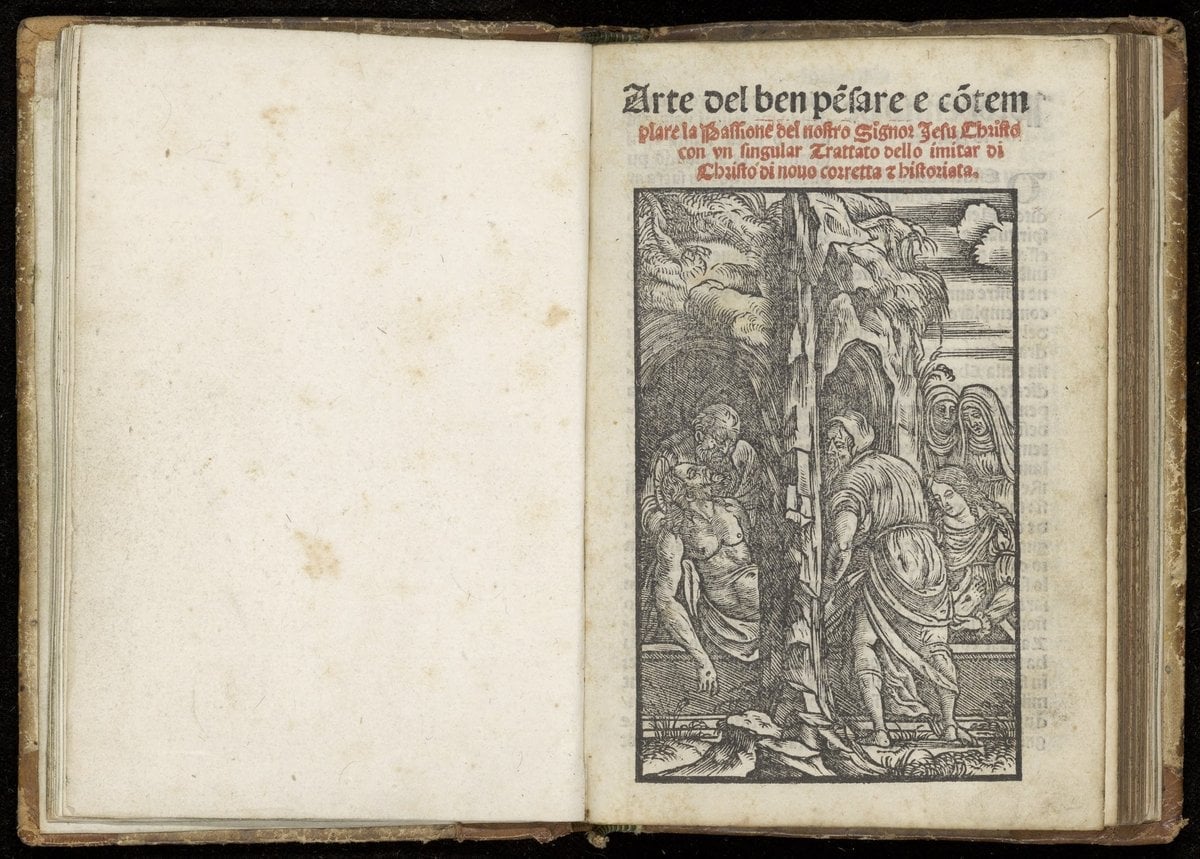
The Art of Thinking Well and Contemplating the Passion
attr. Pietro da Lucca
The Christian Citizen
attr. Andreae, Johann Valentin
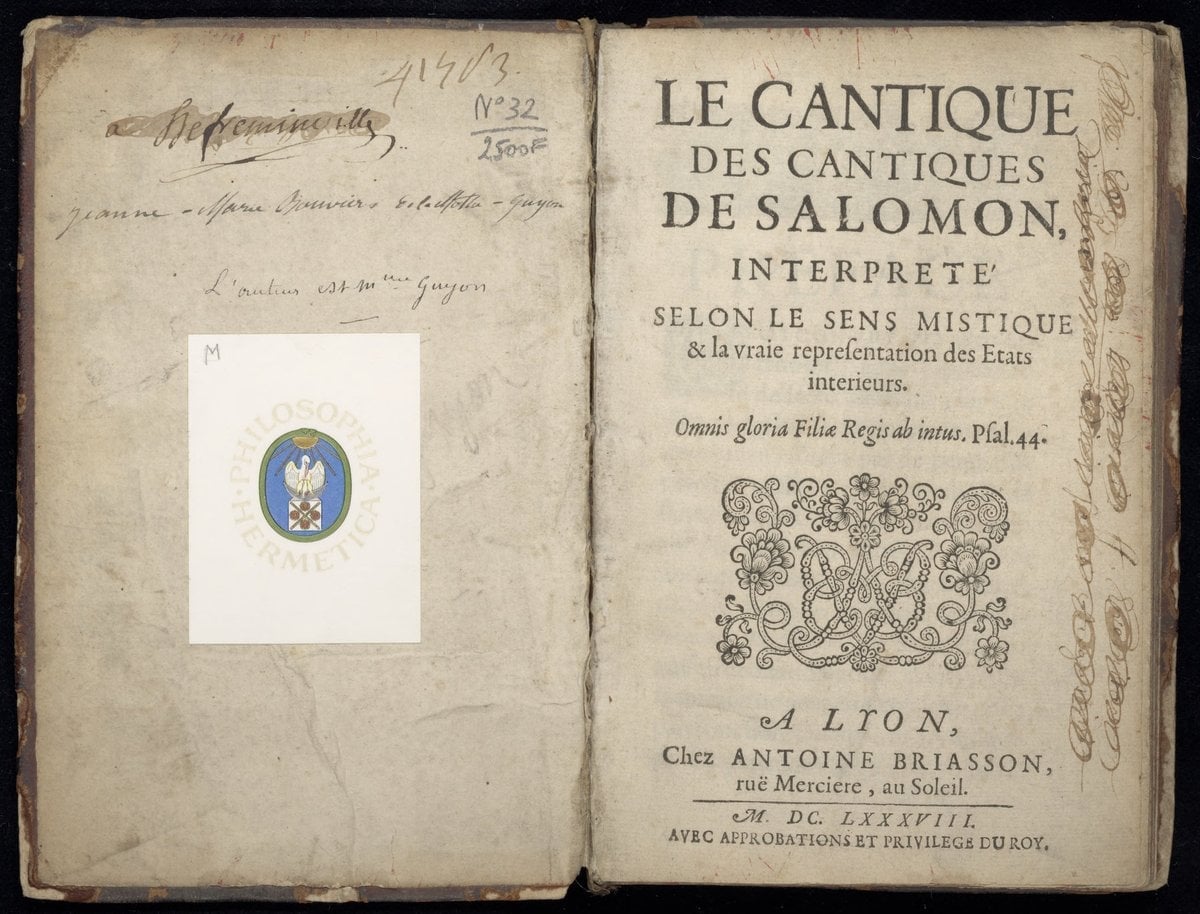
The Song of Solomon, Interpreted According to the Mystical Sense
attr. Guyon, Jeanne-Marie
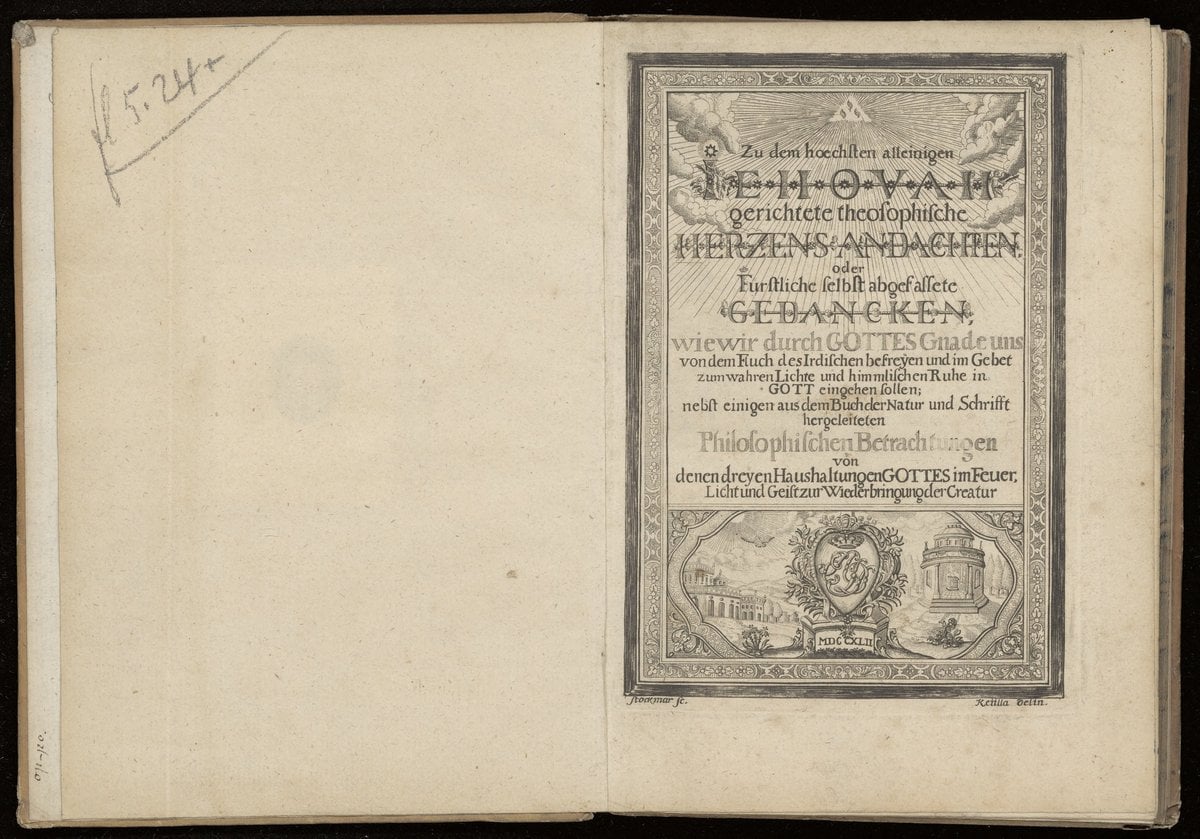
Theosophical Heart-Devotions Directed to the Highest Sole Jehovah
attr. Ernst August, Herzog von Sachsen Weimar
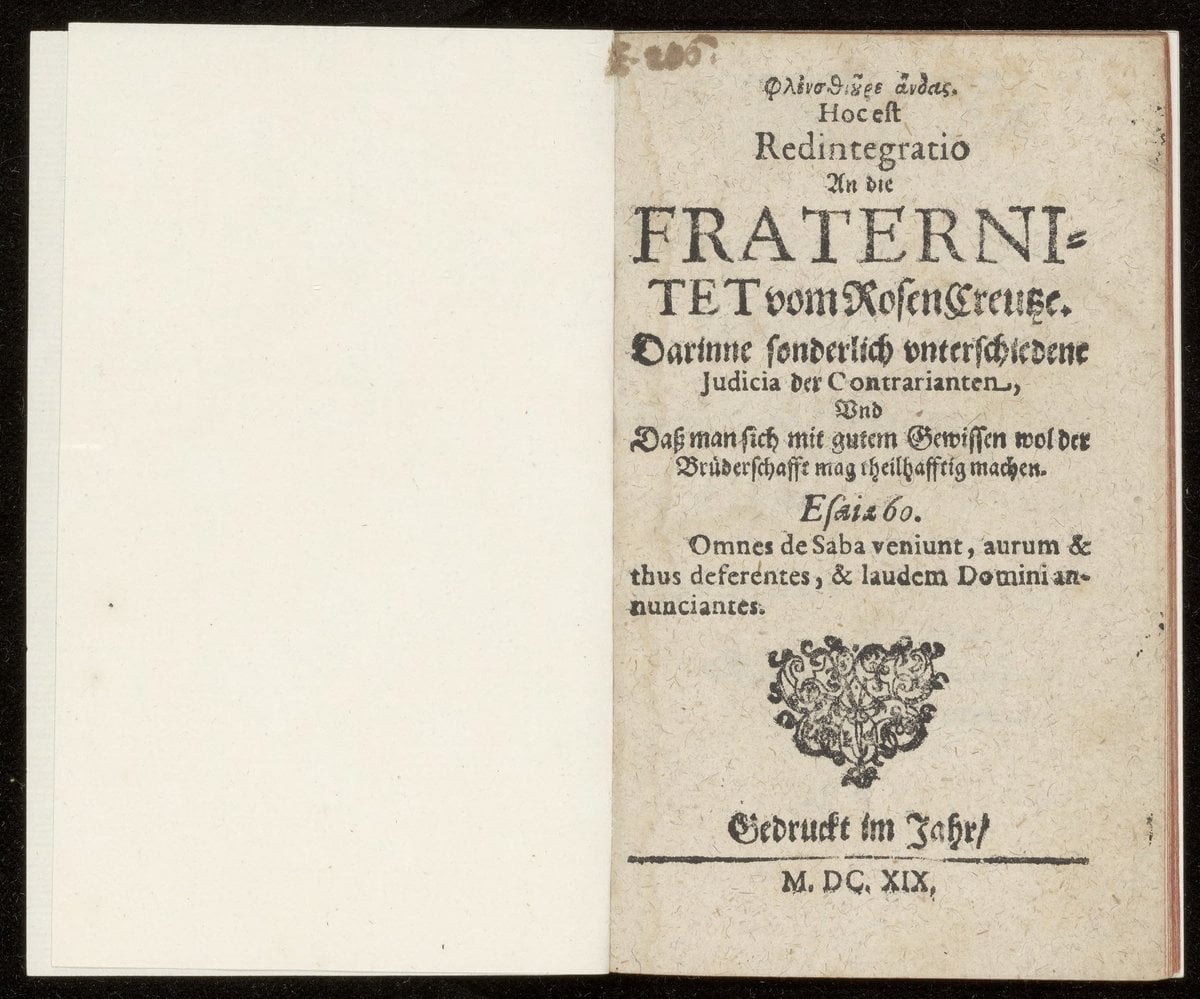
Restoration to the Fraternity of the Rosy Cross
Anonymous
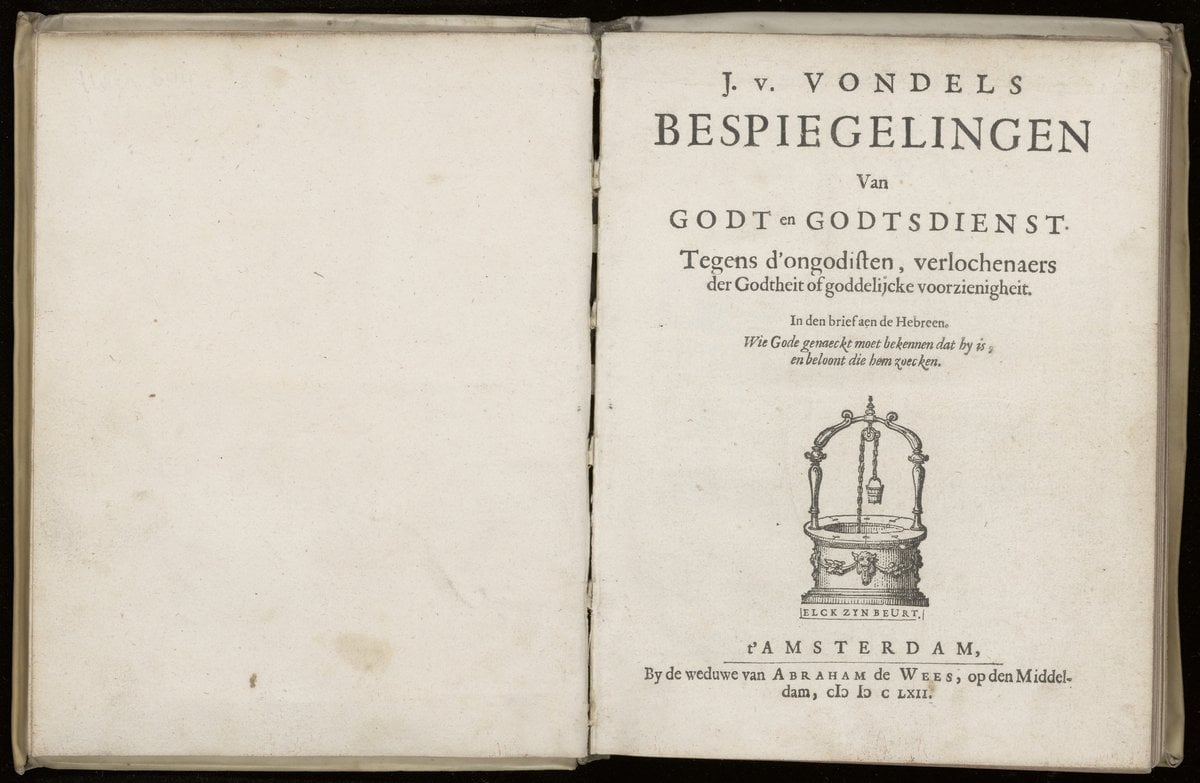
Reflections on God and Religion
Vondel, Joost van den
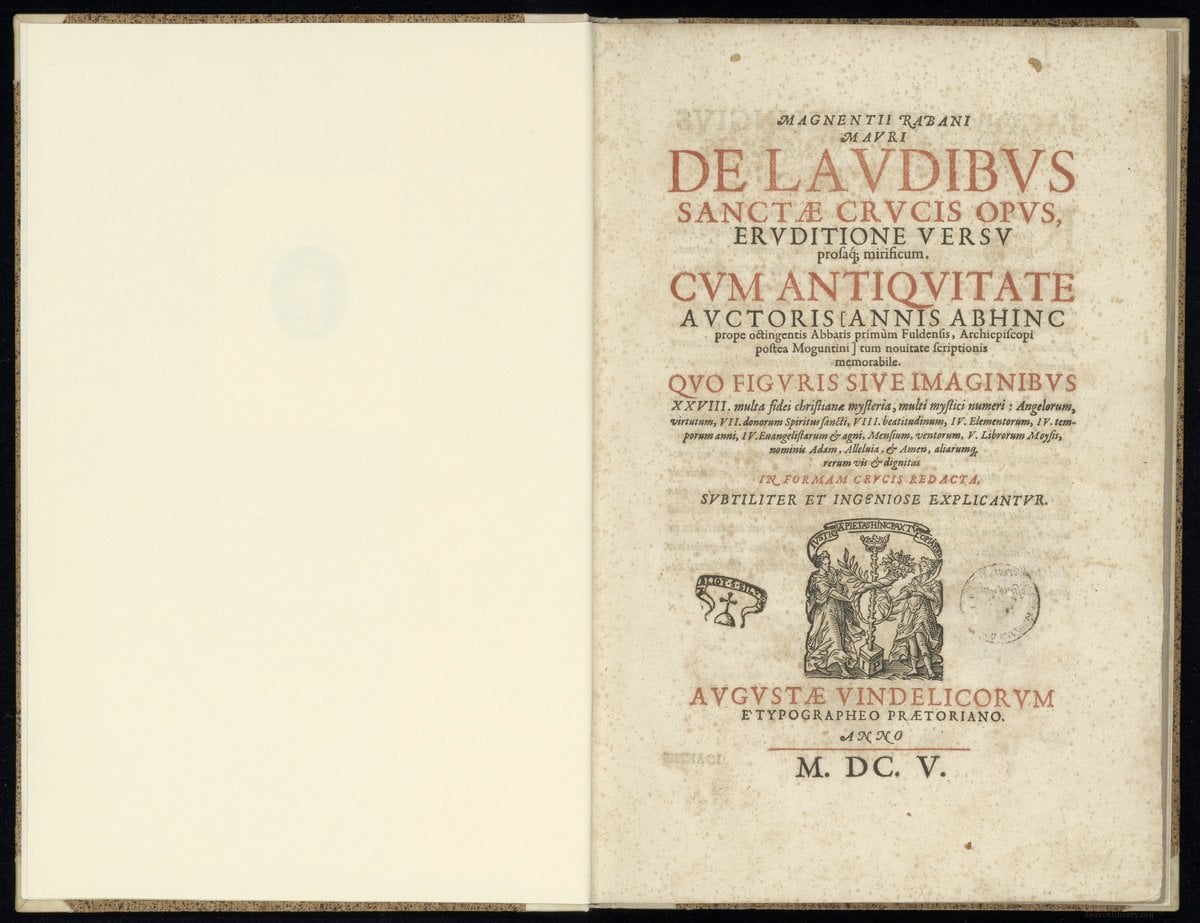
In Praise of the Holy Cross
Rabanus Maurus
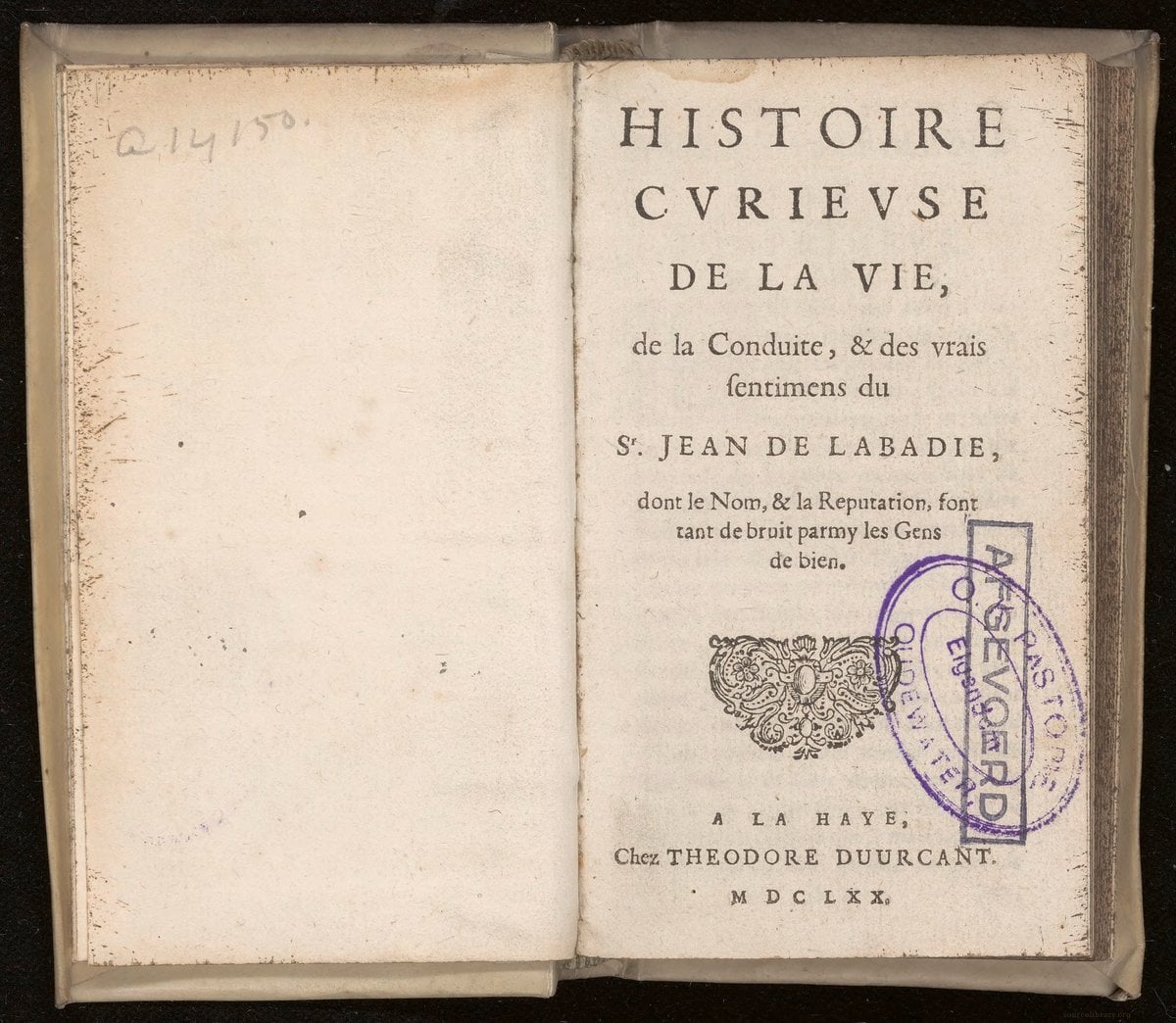
Curious History of the Life of Jean de Labadie
attr. Marets, Daniel des
The revelation of revelations
Lead, Jane
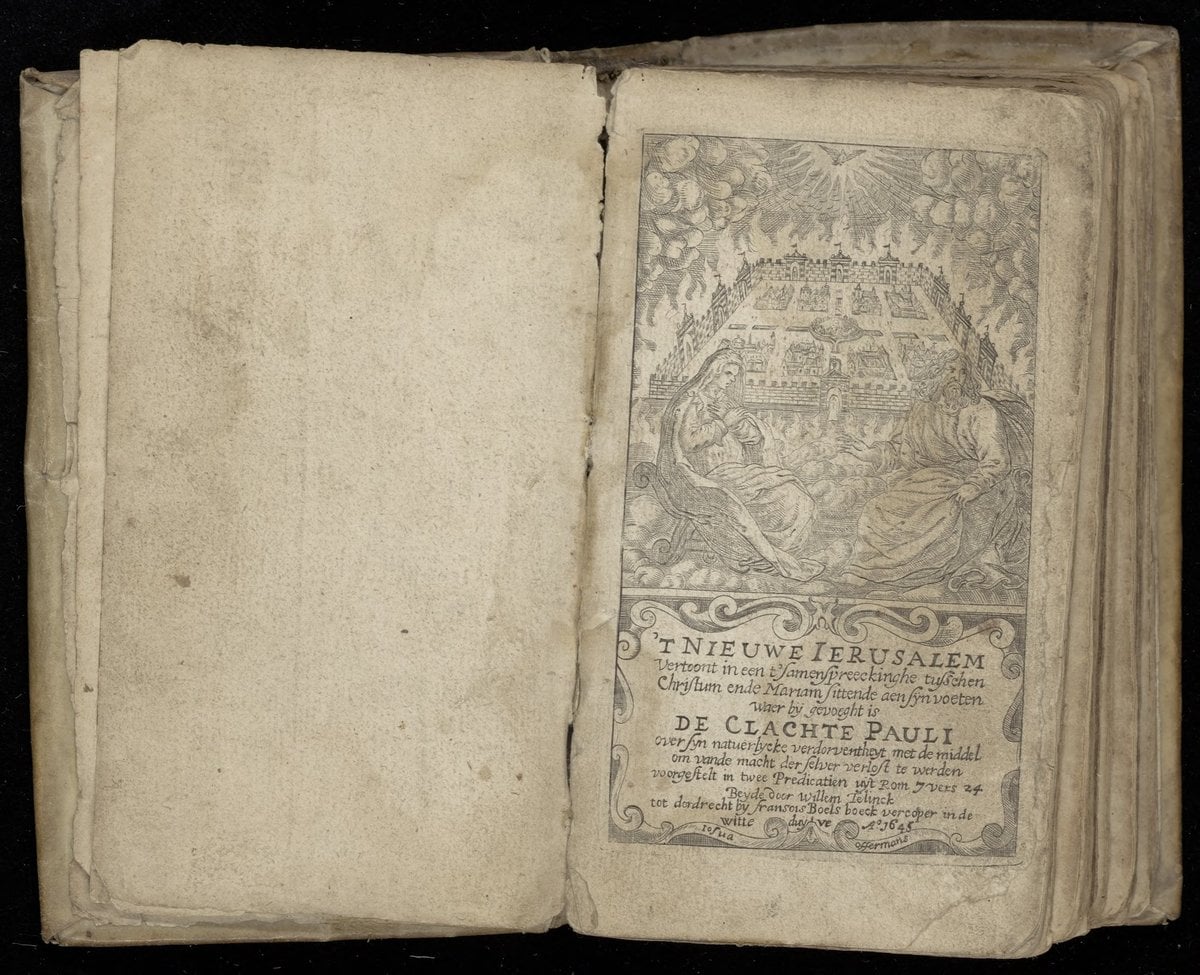
The New Jerusalem
Teellinck, Willem