


Divination & Oracles
Geomancy, chiromancy, physiognomy, dream interpretation, lot books
Illustrations
Browse all196 images extracted
This intricate volvelle is a rare surviving example of a medieval paper instrument used for astronomical or calendrical calculations. The rotating wheels allowed scholars to track celestial movements or determine dates by aligning the various numerical scales. The central figures likely represent authoritative scholars or personifications of time, adding an allegorical layer to this functional scientific tool.
This vibrant illumination depicts two scholars engaged in astronomical observation and calculation. On the left, a figure uses a quadrant to measure the altitude of a celestial body, while on the right, an older, bearded man holds an astrolabe, a key instrument for navigation and timekeeping. This scene illustrates the importance of observational science and the transmission of astronomical knowledge in the medieval period.
This complex circular diagram, known as a 'nota', is a central element of the Ars Notoria, a medieval grimoire. It served as a visual focus for practitioners who sought to gain instantaneous knowledge of the liberal arts through a combination of prayer, meditation on these figures, and divine intervention.
This woodcut depicts 'La Poule Noire' (The Black Hen), a central figure in occult lore associated with finding buried treasure and hidden knowledge. The image features a hen beneath radiating lines of light, symbolizing the mystical power attributed to this creature in 18th-century grimoires like 'Le Dragon Rouge'.
This woodcut from 'Le Grand Grimoire' depicts a bull or ox positioned against a tree. In occult traditions, the bull can represent the zodiacal sign of Taurus or serve as a symbol of strength and sacrifice in ritual magic. The bold, expressive lines are characteristic of popular woodcut illustrations found in 18th-century grimoires.
This gold-stamped emblem on a dark leather binding features a complex coat of arms supported by a horse and a griffin. Below the shield, a ribbon bears the Latin motto 'SIC DONEC' (Thus until), a phrase historically associated with the Earls of Bridgewater. Such elaborate heraldic devices served to identify the owner and signify their status and lineage.

A striking woodcut portrait of the renowned polymath and occultist Henry Cornelius Agrippa (1486–1535). Depicted in profile wearing scholarly attire, this image serves as a definitive representation of the author whose works profoundly influenced Western esoteric traditions.

This gold-stamped heraldic achievement on a dark leather binding features a central shield supported by a horse and a griffin. The motto 'SIC DONEC' (Thus until) appears on a scroll below, identifying the owner's lineage and status. Such elaborate tooling was a mark of prestige for private libraries in the early modern period.

This woodcut depicts a 'manus mulieris' or woman's hand, serving as a detailed guide for chiromancy, the art of palm reading. Various lines and regions of the hand are meticulously labeled in Latin, such as the 'linea mensalis' (table line) and 'linea vitae' (life line), illustrating how physical features were interpreted to reveal character and destiny. Such diagrams were common in early modern texts, reflecting a period where science, medicine, and divination were deeply intertwined.
All Books
Browse Full Catalog→59 books in this collection
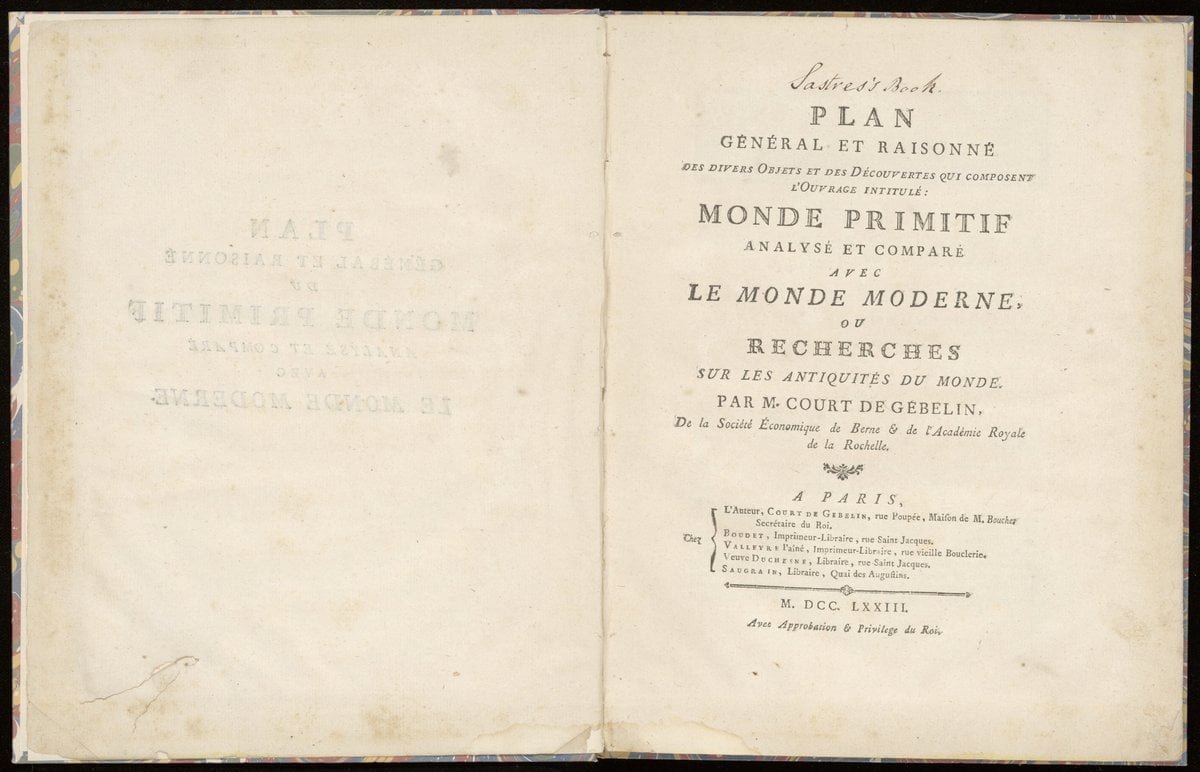
On Presages, Prophecies, and Divinations
Paracelsus, Theophrastus
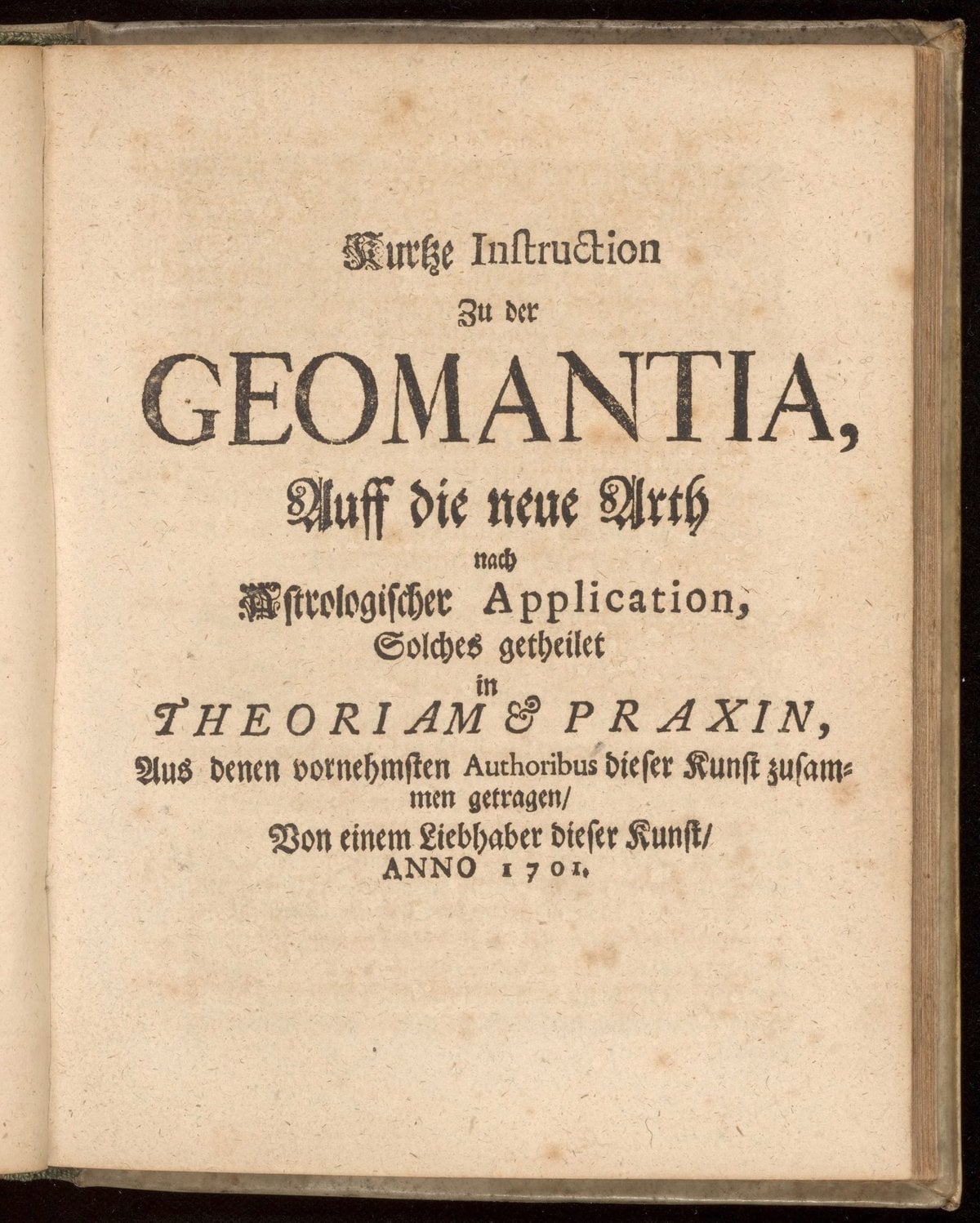
Brief Instruction in Geomancy
Anonymous
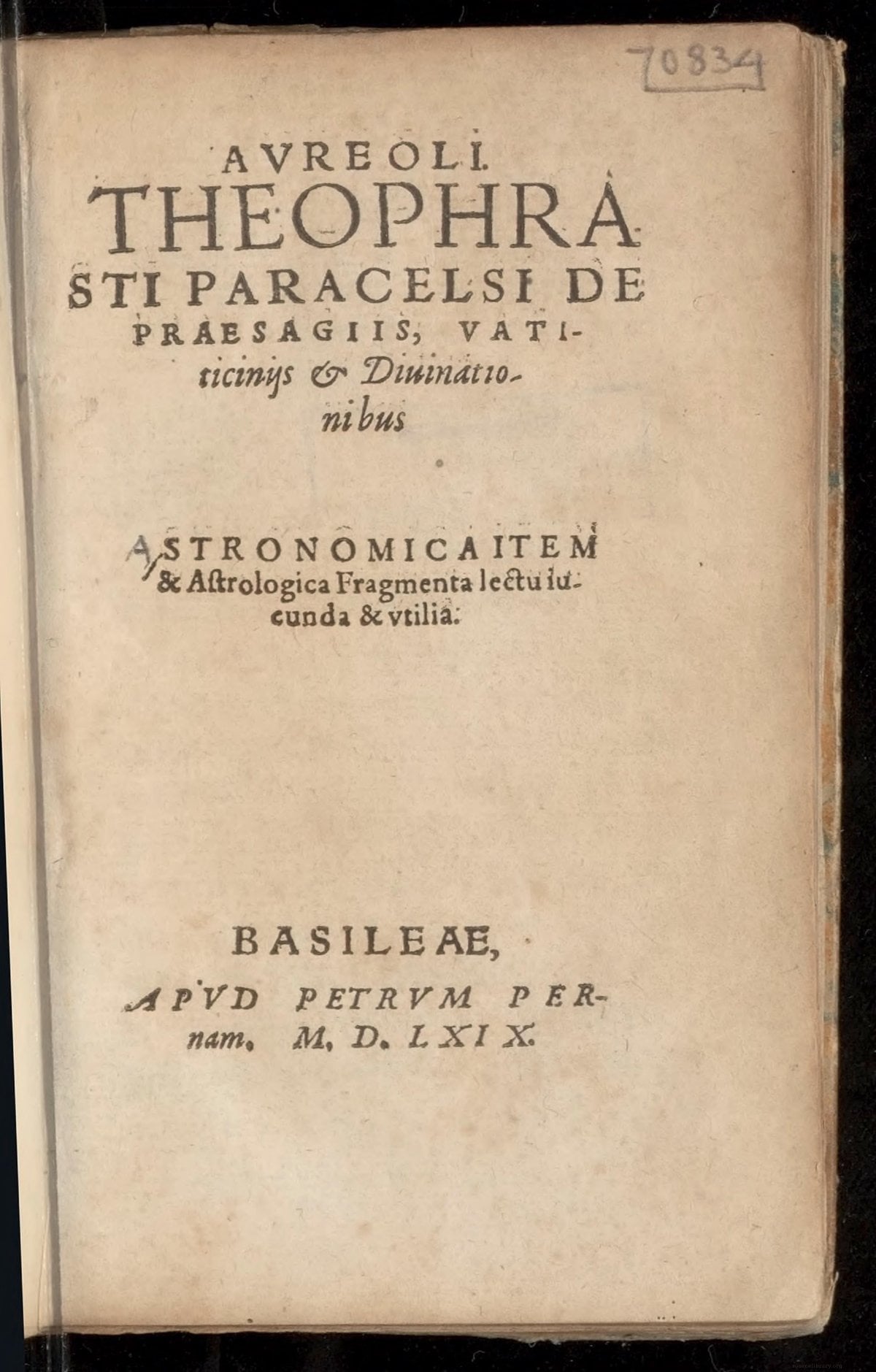
On Presages, Divination, and Astrological and Astronomical Fragments
Paracelsus

New Geomancy
Weigel, Valentin
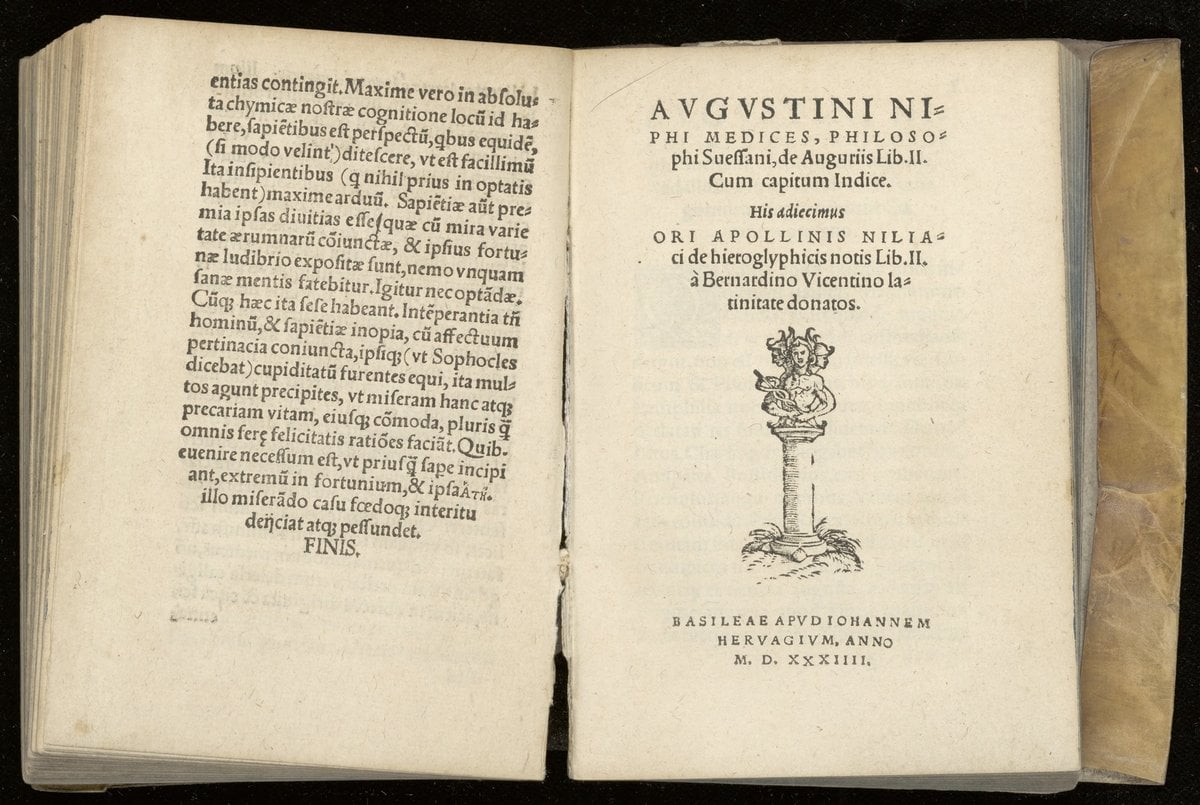
On Auguries and Hieroglyphics
Nifo, Agostino|Horapollo
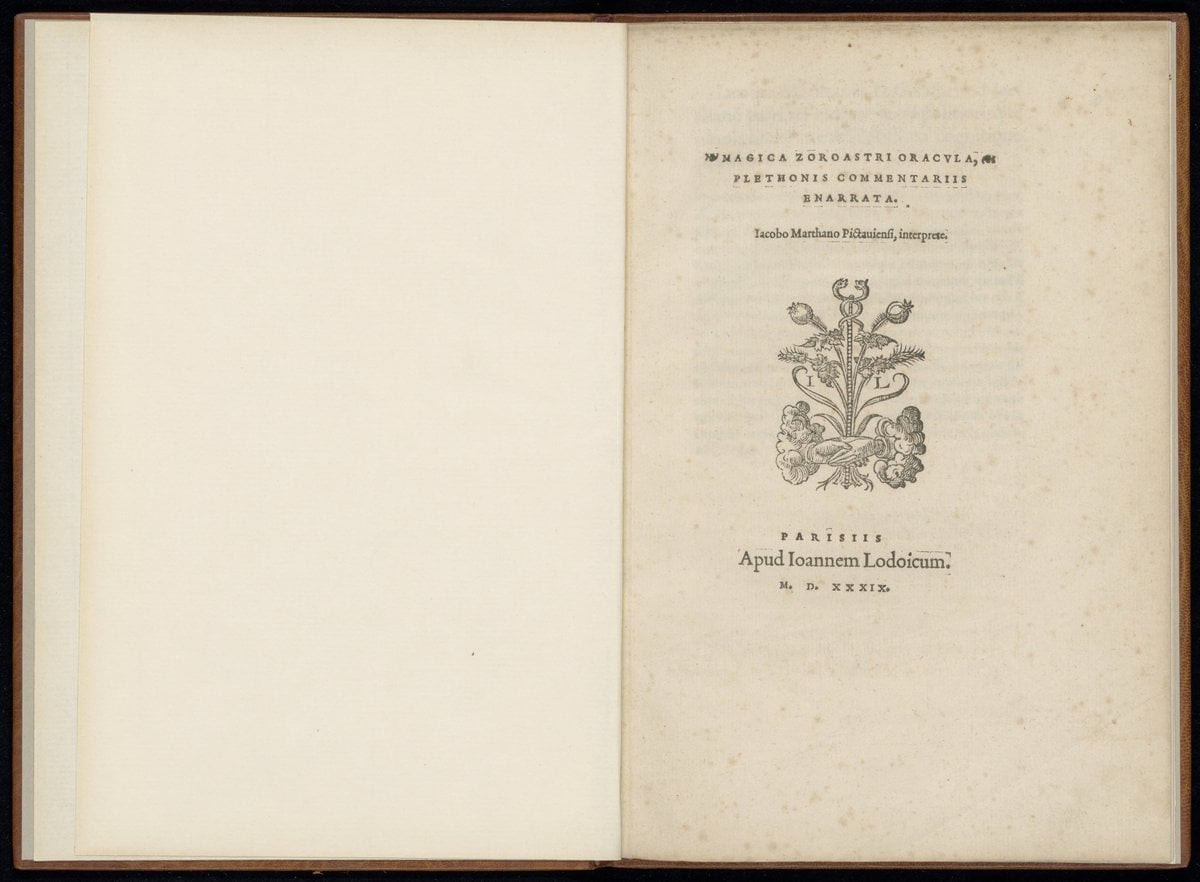
The Chaldean Oracles
Zoroaster
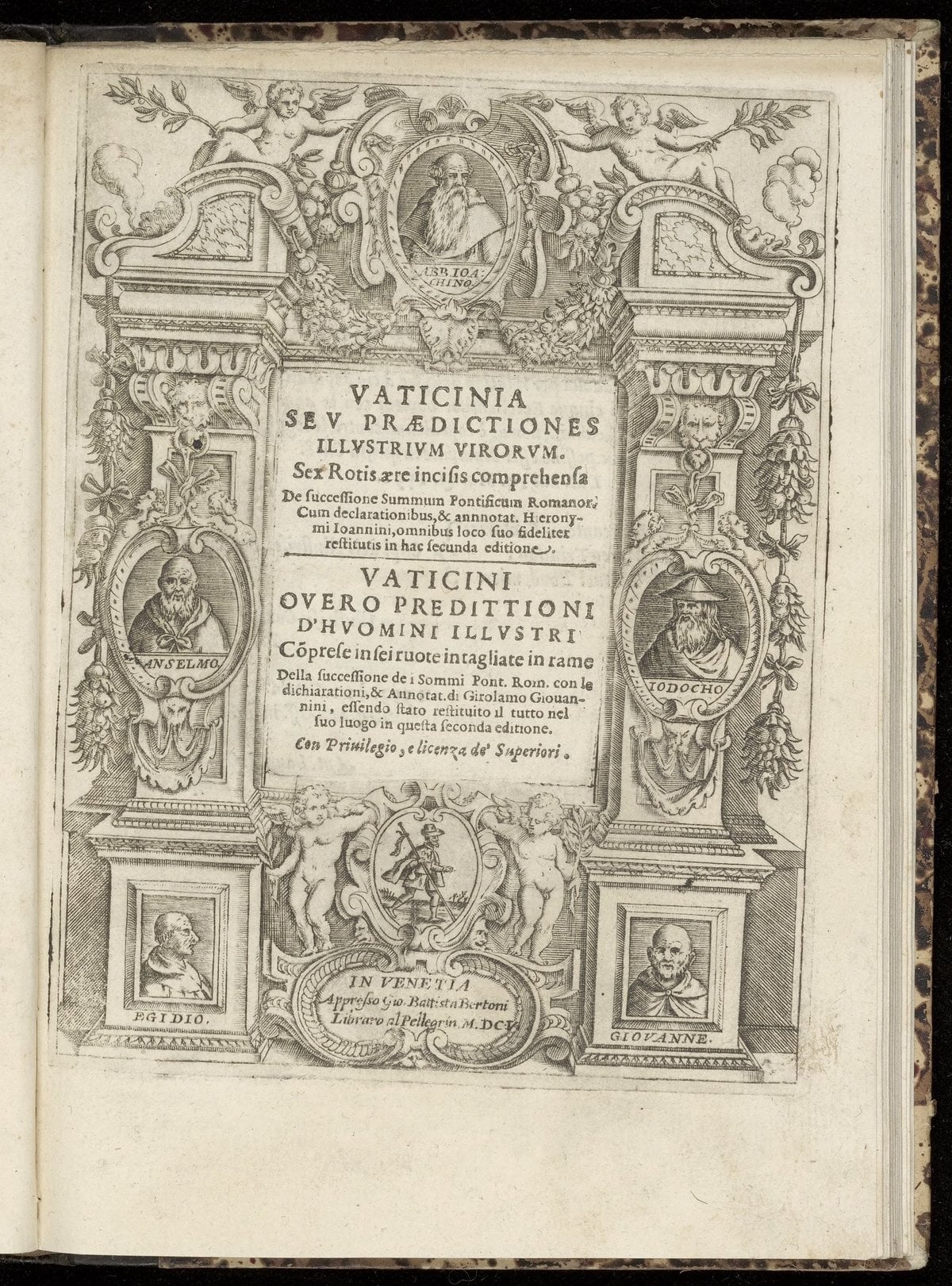
Prophecies or Predictions of Illustrious Men
Joachim of Fiore