


The Grimoire Tradition
The how-to manuals of Western magic, passed hand to hand for centuries.
Illustrations
Browse all164 images extracted
A page from Johannes Reuchlin's seminal work 'De Arte Cabalistica' (1517), featuring a woodcut initial 'C' depicting the Madonna and Child. The text, which blends Latin prose with Hebrew quotations, discusses the theological pre-existence of the Mother of the Messiah within the divine mind before creation. This document is a prime example of Renaissance Christian Hebraism, an intellectual movement that sought to find Christian truths within Jewish mystical traditions.
This page features a faint woodcut of the demon Lucifuge Rofocale, a central figure in the Grand Grimoire. The illustration is overlaid with text detailing a pact, highlighting the intersection of ritual practice and printed occult literature in the early modern period.
This page from a 16th-century edition of Johannes Reuchlin's 'De Arte Cabalistica' opens Book IV, which discusses the first coming of the Messiah. It features a decorative historiated woodcut initial 'Q' depicting a seated scholar or biblical figure in profile, characteristic of Renaissance humanist printing. Reuchlin's work was a seminal text in the development of Christian Hebraism, attempting to synthesize Jewish mystical traditions with Christian doctrine.
This 'Table of Instruments' illustrates the various tools necessary for the magical rituals described in the Clavicules de Salomon. It includes items such as consecrated swords, knives for specific purposes, and staves inscribed with planetary symbols, reflecting the precise material requirements of early modern ceremonial magic.
This intricate illustration from Michael Scot’s 'Liber Introductorius' depicts the planet Saturn as a crowned king holding a scythe, seated alongside his consort. Below them, the 'children of Saturn'—those whose lives and temperaments are governed by the planet—are shown in various states, reflecting the astrological belief in planetary influence over human destiny. The work serves as a vital record of medieval cosmological thought and the visual tradition of personifying celestial bodies.
This figure represents a personification of Venus, the planet and goddess associated with beauty and desire. She is depicted holding an apple, her traditional attribute, and a tablet which may signify her governance over the arts or social order.

This complex engraving, identified as 'Plate III.—The Second Treatise,' is a masterwork of alchemical allegory. It depicts a knight crowned with seven stars—likely representing the seven planetary metals—standing atop a dual-basin fountain, a common symbol for the purification and union of opposing elements in the Great Work. The surrounding border is a tour de force of naturalistic detail, featuring various birds and flowers that link the esoteric pursuit of alchemy to the observable wonders of the natural world.

This woodcut from 'Le Grand Grimoire' depicts a bull or ox positioned against a tree. In occult traditions, the bull can represent the zodiacal sign of Taurus or serve as a symbol of strength and sacrifice in ritual magic. The bold, expressive lines are characteristic of popular woodcut illustrations found in 18th-century grimoires.

This intricate volvelle is a rare surviving example of a medieval paper instrument used for astronomical or calendrical calculations. The rotating wheels allowed scholars to track celestial movements or determine dates by aligning the various numerical scales. The central figures likely represent authoritative scholars or personifications of time, adding an allegorical layer to this functional scientific tool.
Visual Art
Browse all art →4 works of visual art in this collection
 mythological
Aamon — Demon Prince
Louis Breton
This engraving depicts the demon Aamon, represented as a creature with a human face wearing spectacles and the body of a wolf with a serpent's tail.
 mythological
Abigor — Demon of War
Louis Breton
A depiction of the demon Abigor (Eligos) as a winged, horned figure riding a large, winged horse and wielding a trident.
 mythological
Agares — Duke of Hell
Louis Breton
A depiction of the demon Agares, shown as an elderly man riding a crocodile while holding a sparrow.
 drawing
The Serpent Ouroboros — from Cyprianus (18th century)
Unknown
A crowned Ouroboros encircles a green disc containing a cross, surrounded by astronomical or ritual diagrams.
The Picatrix transmitted Arabic astral magic to Latin Europe. The Key of Solomon promised power over spirits. The Ars Notoria offered knowledge through angelic invocation. The Enchiridion Leonis Papae claimed papal authority for its prayers. This collection gathers the grimoires — practical magical textbooks that circulated in manuscript and print despite official condemnation.
Essential Reading
The foundational texts of this tradition
The Goal of the Wise
Pseudo-Maslama, 1200
This is the Latin translation of the Picatrix, a foundational text of Arabic astral magic transmitted to Western Europe and explicitly mentioned in the collection's description.
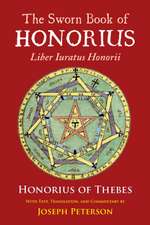
Sworn Book of Honorius
Honorius of Thebes (attr.), 1300
The Liber Juratus Honorii is a major medieval grimoire, providing instructions for complex magical operations and spirit conjuration.
The Key of Solomon
Pseudo-Solomon, 1601
This Latin version of The Key of Solomon is a foundational grimoire, central to the collection's theme of practical spirit magic and explicitly mentioned in the description.
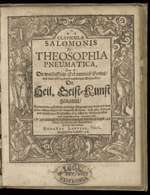
The Key of Solomon and Pneumatic Theosophy
Anonymous, 1686
This text explicitly combines The Key of Solomon with 'Pneumatic Theosophy,' indicating a direct connection to spirit magic and grimoire practices.
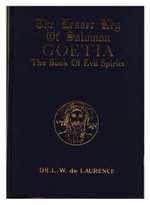
The Lesser Key of Solomon (Goetia)
Anonymous; L.W. de Laurence, 1916
The Lesser Key of Solomon (Goetia) is a highly influential grimoire providing practical instructions for summoning and controlling spirits.
Important Works
Significant texts that deepen understanding
Carmina Gadelica: Hymns and Incantations of the Western Highlands
Alexander Carmichael, 1900
This collection includes 'Incantations,' representing practical folk magic traditions within Western Europe.
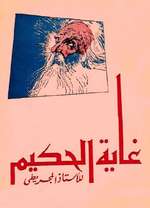
The Goal of the Wise (Ghayat al-Hakim)
Maslama al-Majriti, 960
This early Arabic manuscript of the Ghāyat al-Ḥakīm (Picatrix) is an important textual witness to a foundational grimoire.
Hugh of Santalla, Geomancy (Arabic divination)
Hugh of Santalla, 1250First Translation
This Latin text on geomancy, an Arabic divination practice, represents a practical magical art transmitted to the West.
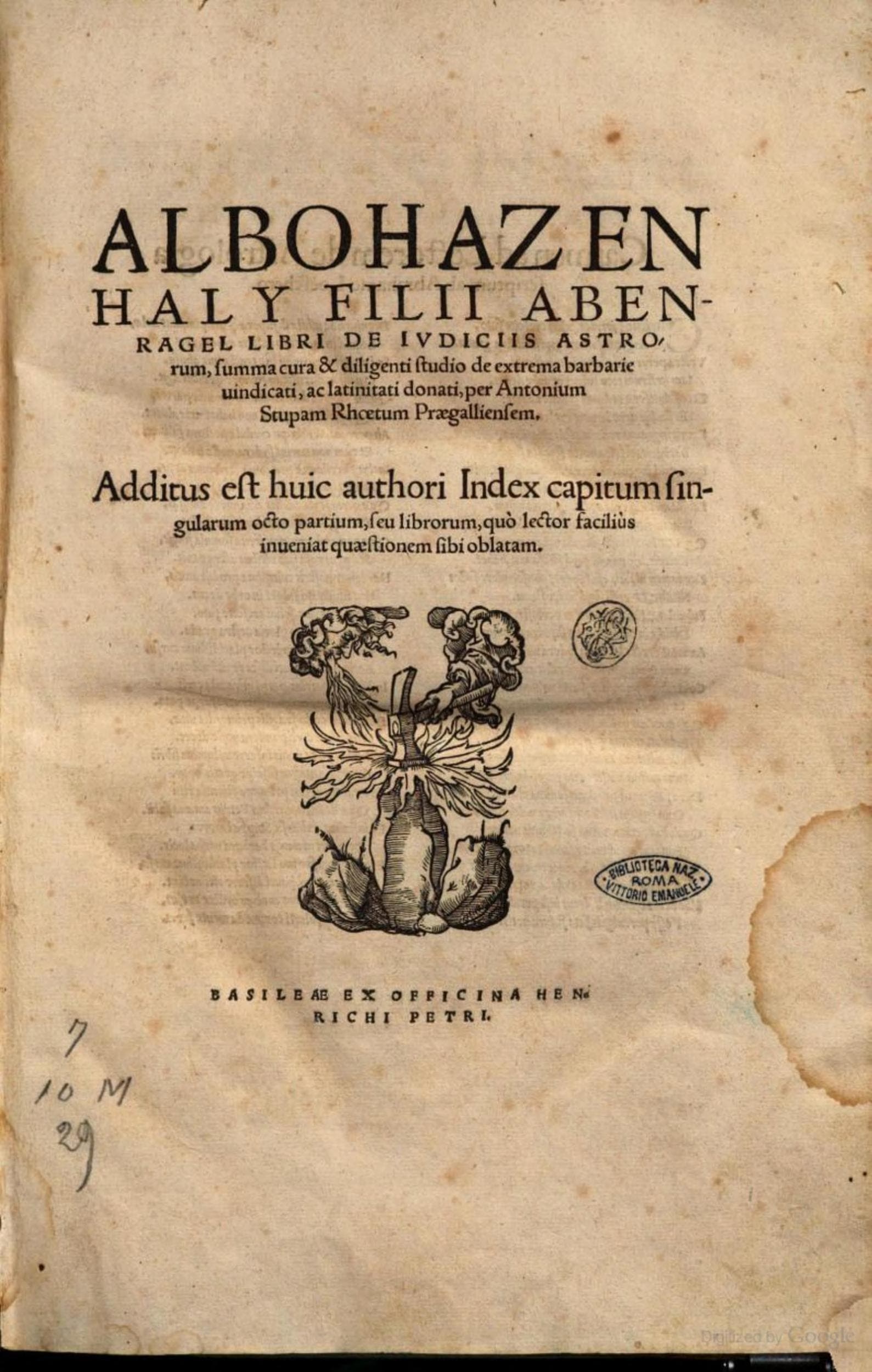
On the Judgments of the Stars
Haly Abenragel (Ali ibn Abi al-Rijal), 1485
This influential Latin text on judicial astrology provides practical methods for divination and understanding celestial influences, closely related to astral magic.
An Irish Astronomical Tract (based on Mashallah)
Mashallah (ed. Maura Power), 1914
This tract, based on the influential Islamic astrologer Mashallah, provides practical astronomical and astrological knowledge relevant to Western magic.
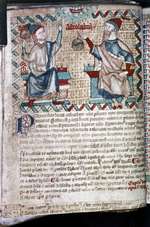
The Book of Experiments and Geomancy
Bernardus Silvestris, 1300
This text combines 'experiments' (likely magical operations) with geomancy, making it a practical manual of Western magical arts.
The Sun of Gnosis
Ahmad ibn Ali al-Buni, 1700
Al-Buni's work is a significant Arabic magical text, influential in the broader tradition of occult sciences that informed Western grimoires.
The Key of Solomon
Solomon (attributed), 1903
This Hebrew version is an important textual witness to The Key of Solomon, a foundational grimoire of spirit magic.
The Key of Solomon
Rabin Abognazar / Barault, 1634
This French version is an important textual witness to The Key of Solomon, a foundational grimoire of spirit magic.
All Books
Browse Full Catalog→52 books in this collection
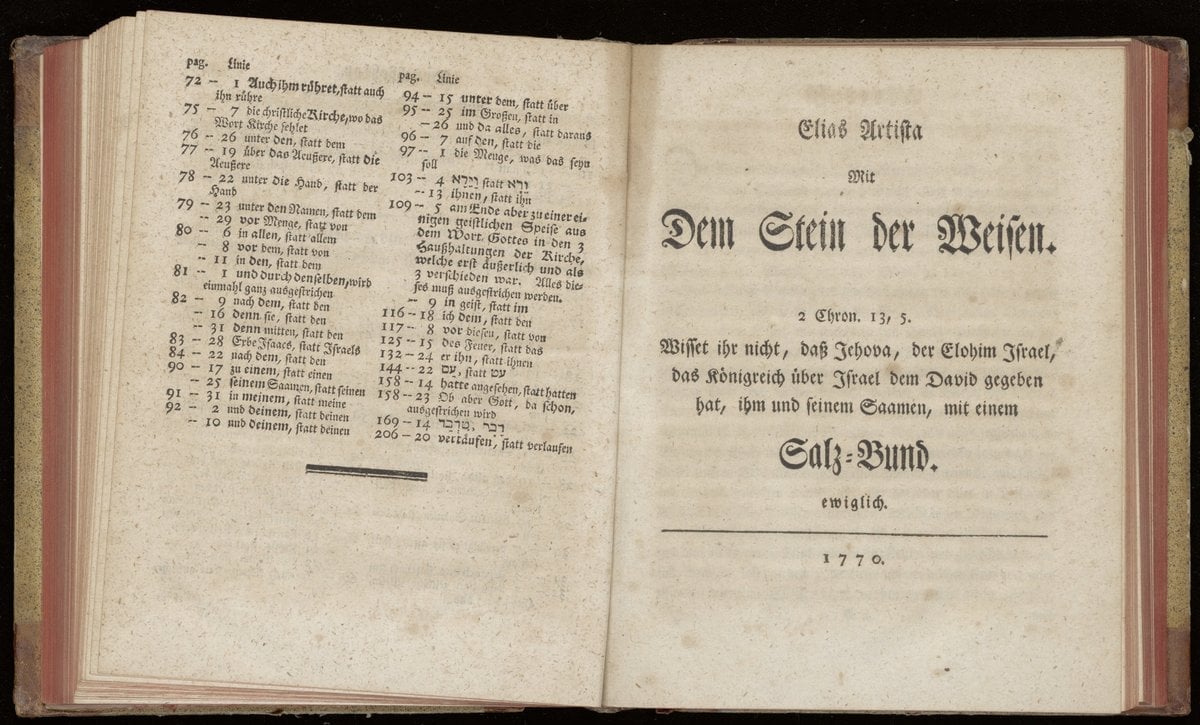
Elias the Artist with the Philosopher's Stone
attr. Müller, Johann Daniel
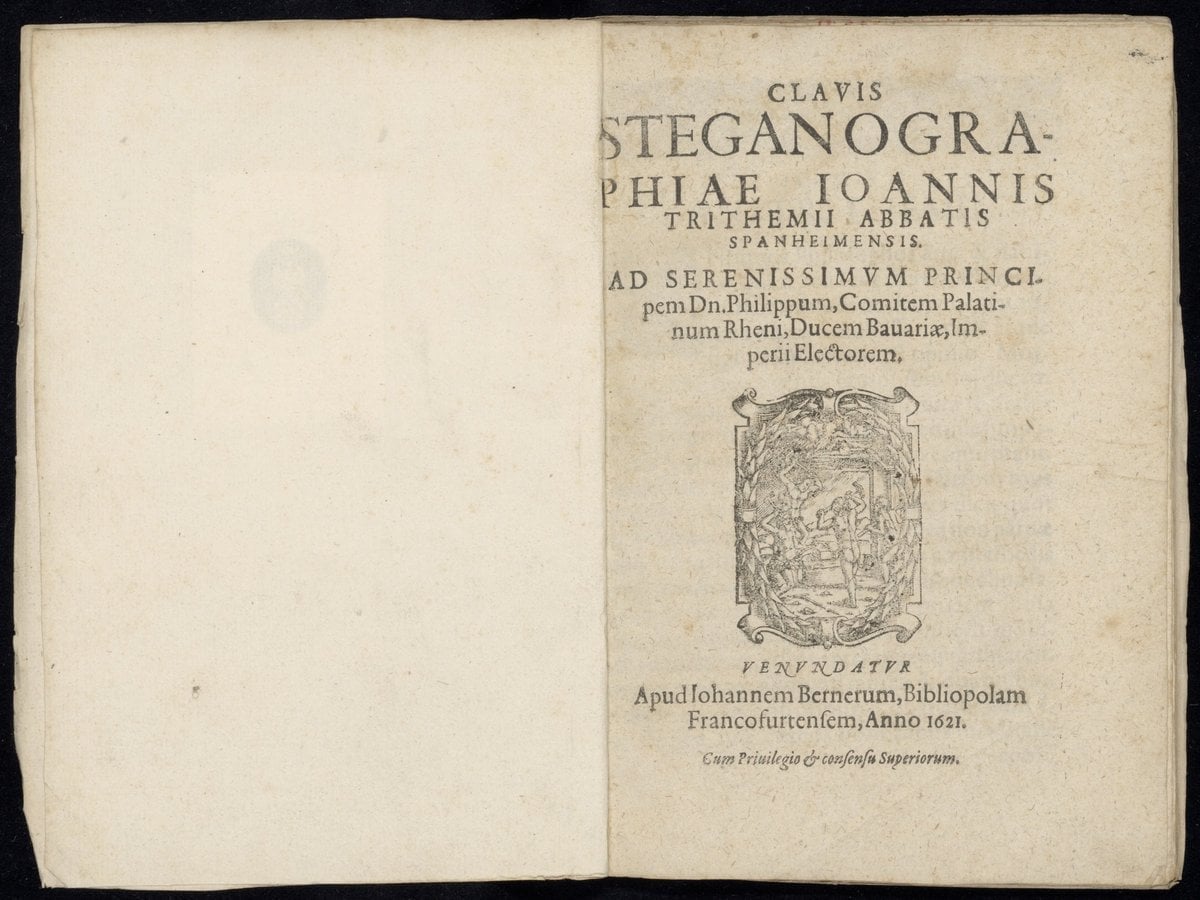
The Key to Steganography
Tritheim, Johann
The Key to the Whole of Chemical Philosophy
Dorn, Gerhard
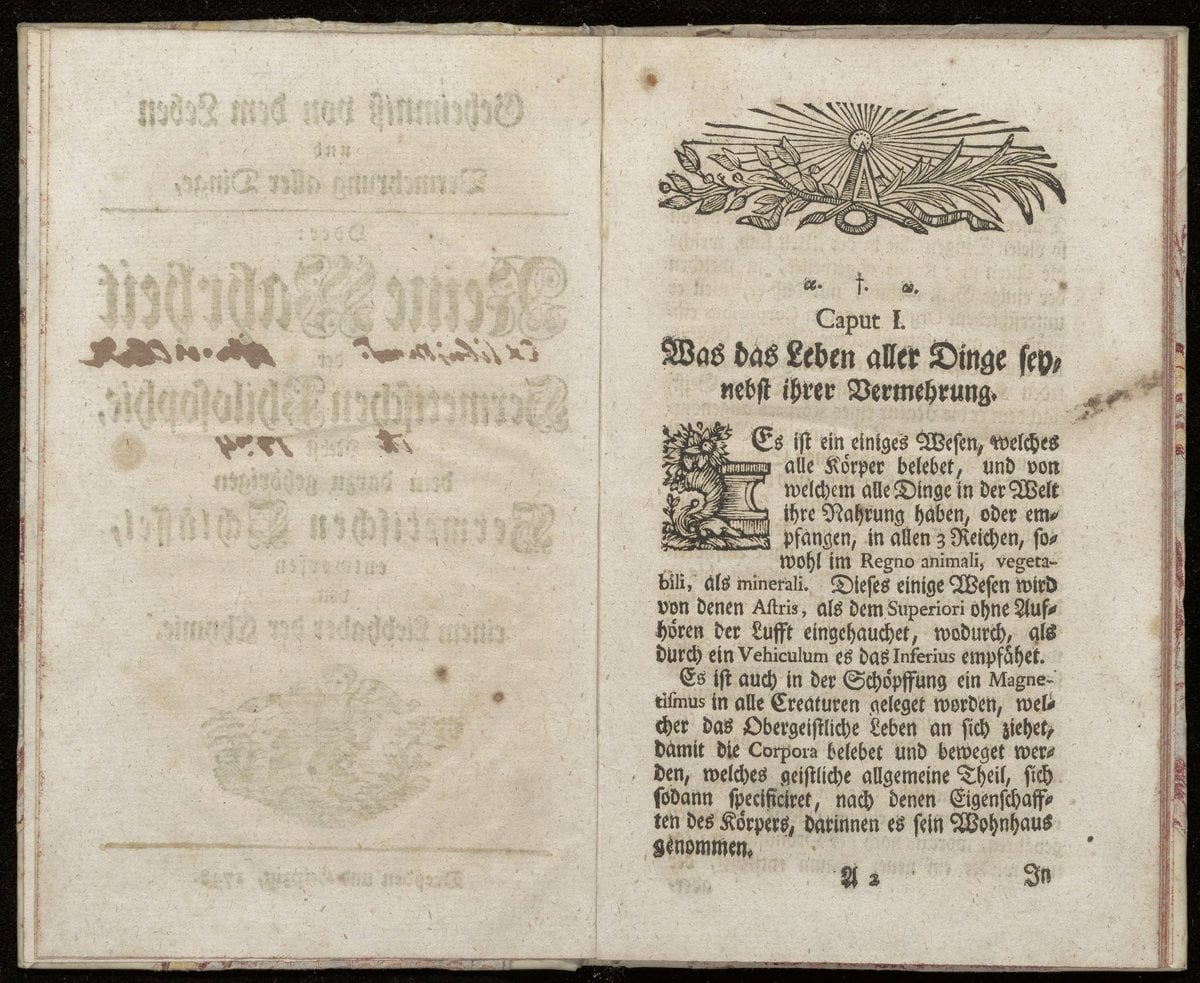
The Secret of the Life and Multiplication of All Things
Anonymous
The Little Key of Hermetic Science
Anonymous
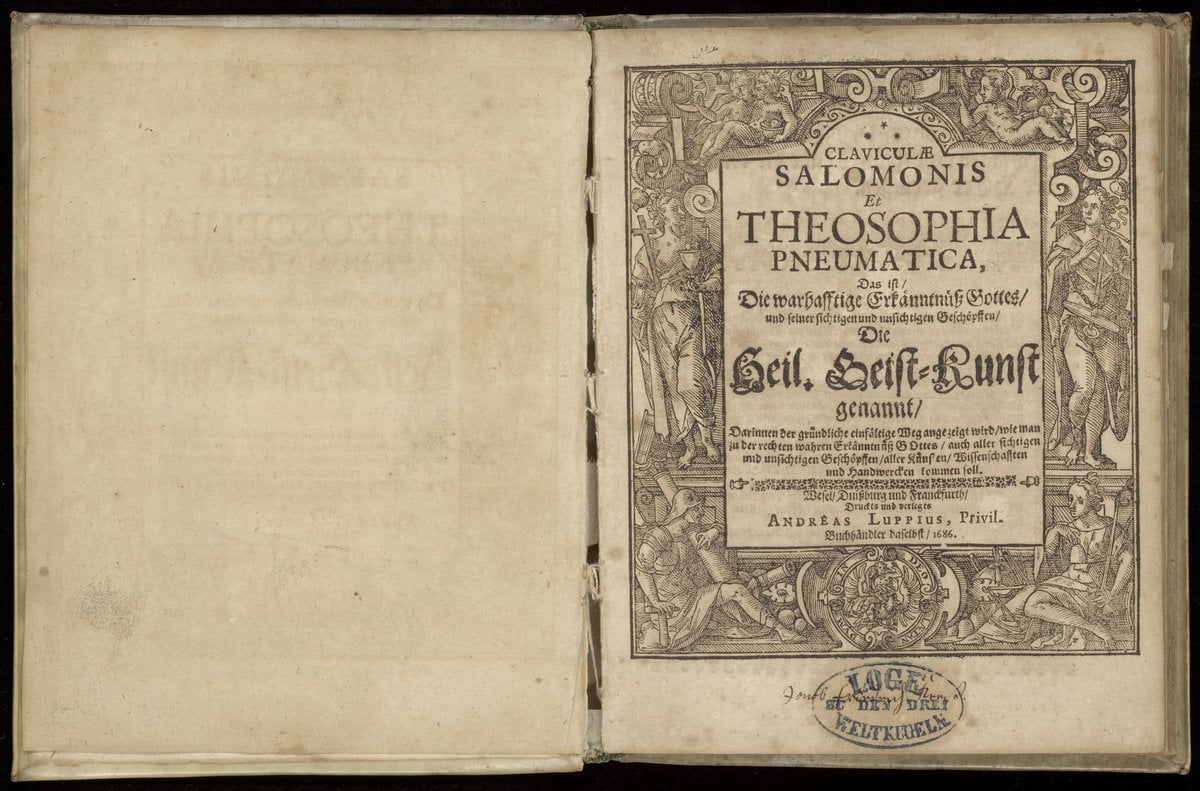
The Key of Solomon and Pneumatic Theosophy
Anonymous
The Key of Wisdom
Artephius
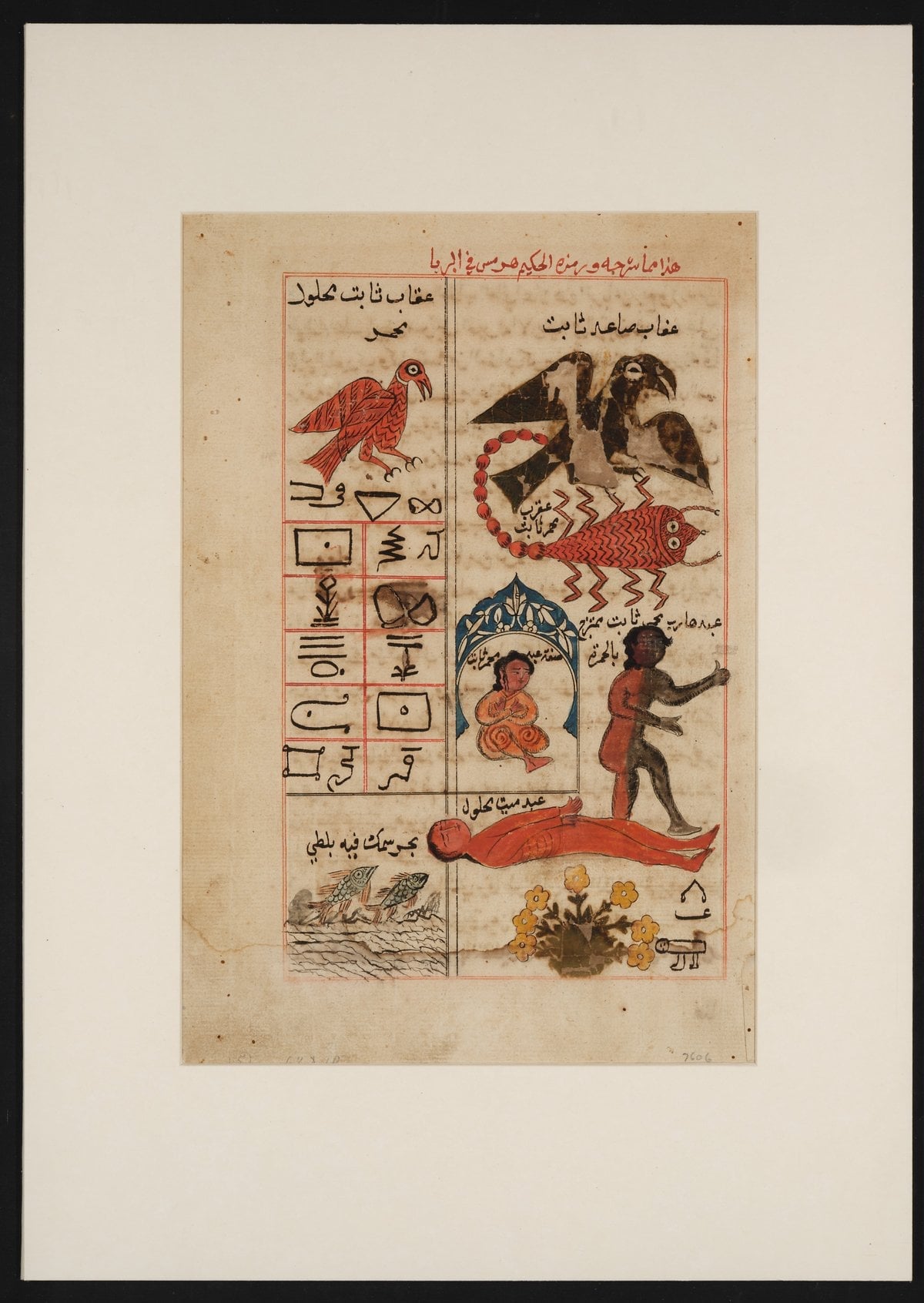
Islamic Alchemical Fragment — Arabic MS, 18th C.
Unknown
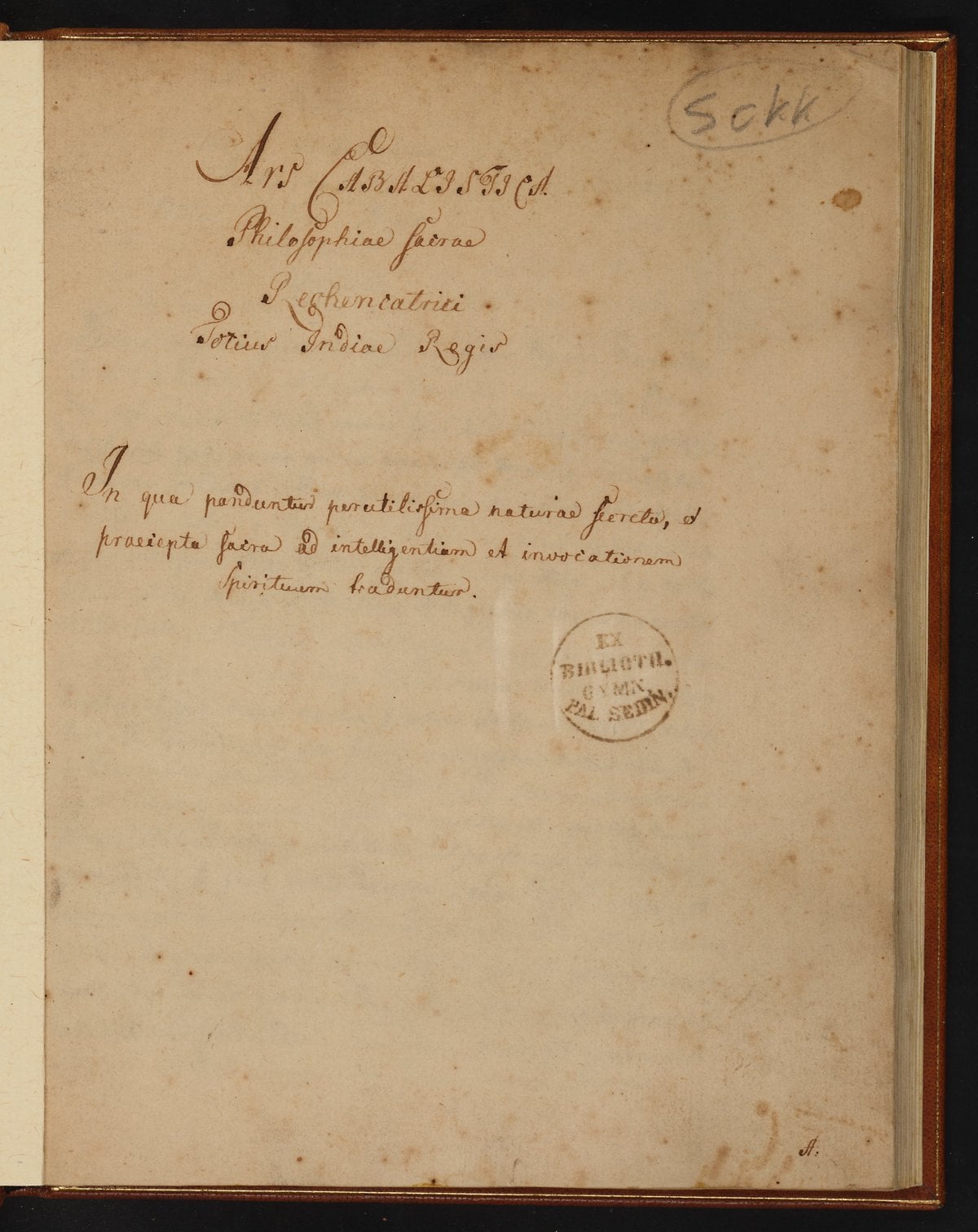
Kabbalistic Art & Key of Solomon — Two Esoteric Texts, 18th C.
Solomon (attributed)
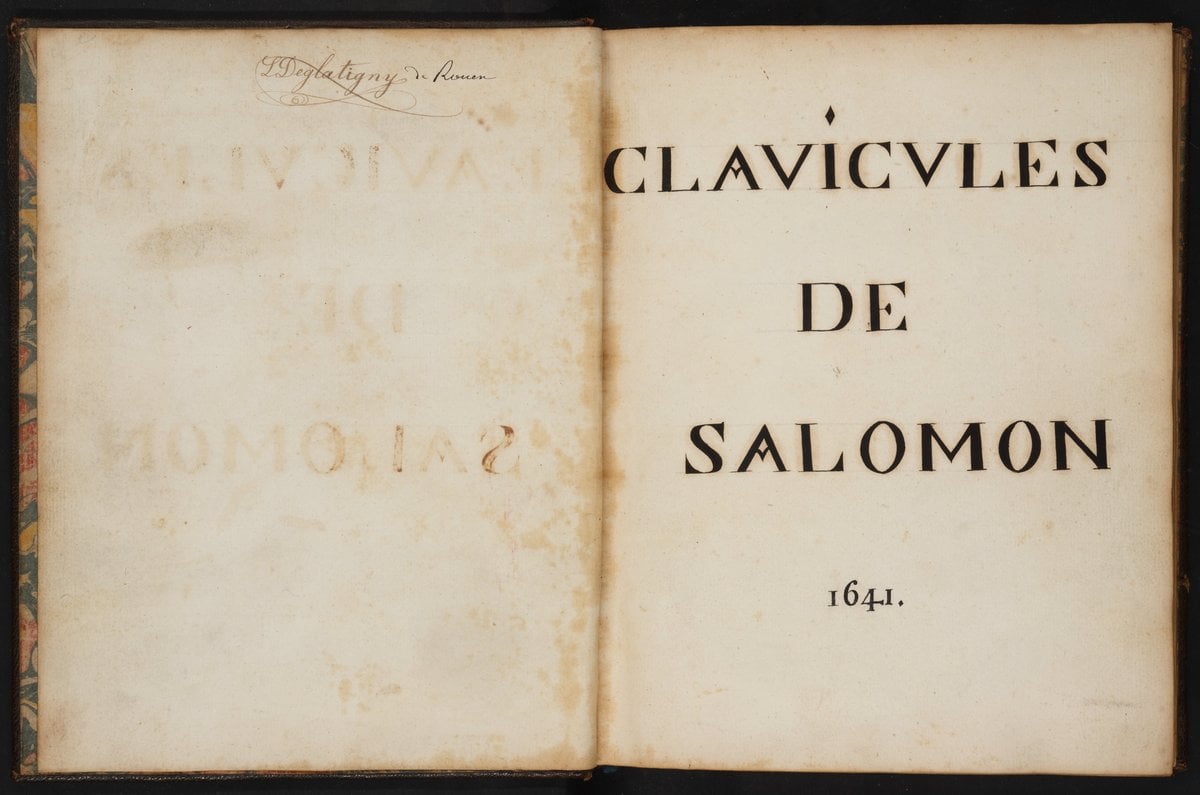
Keys of Solomon — 1641 French MS, from Guaita Collection
Pseudo-Solomon
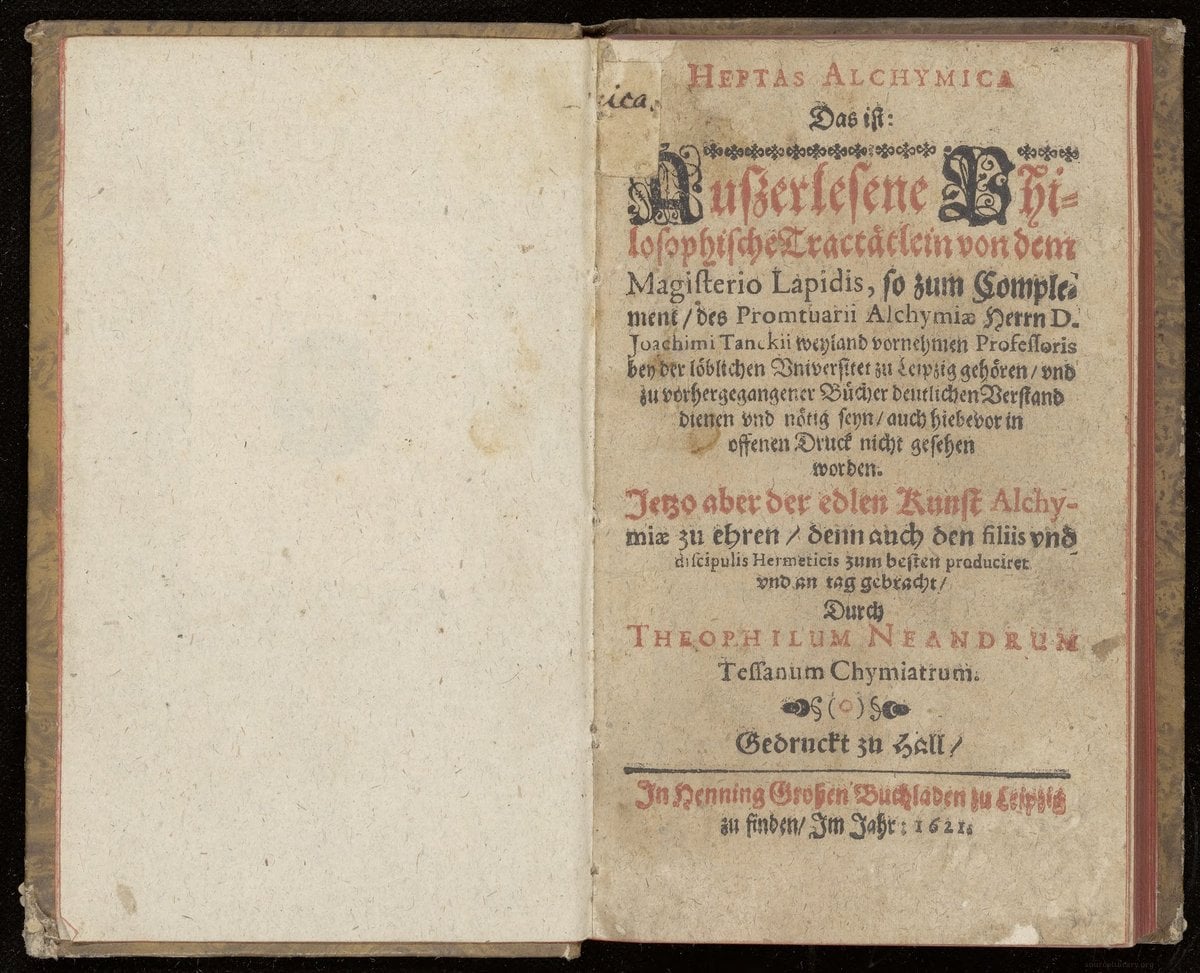
Alchemical Heptad: Select Philosophical Treatises on the Magistery of the Stone
Neander, Theophilus
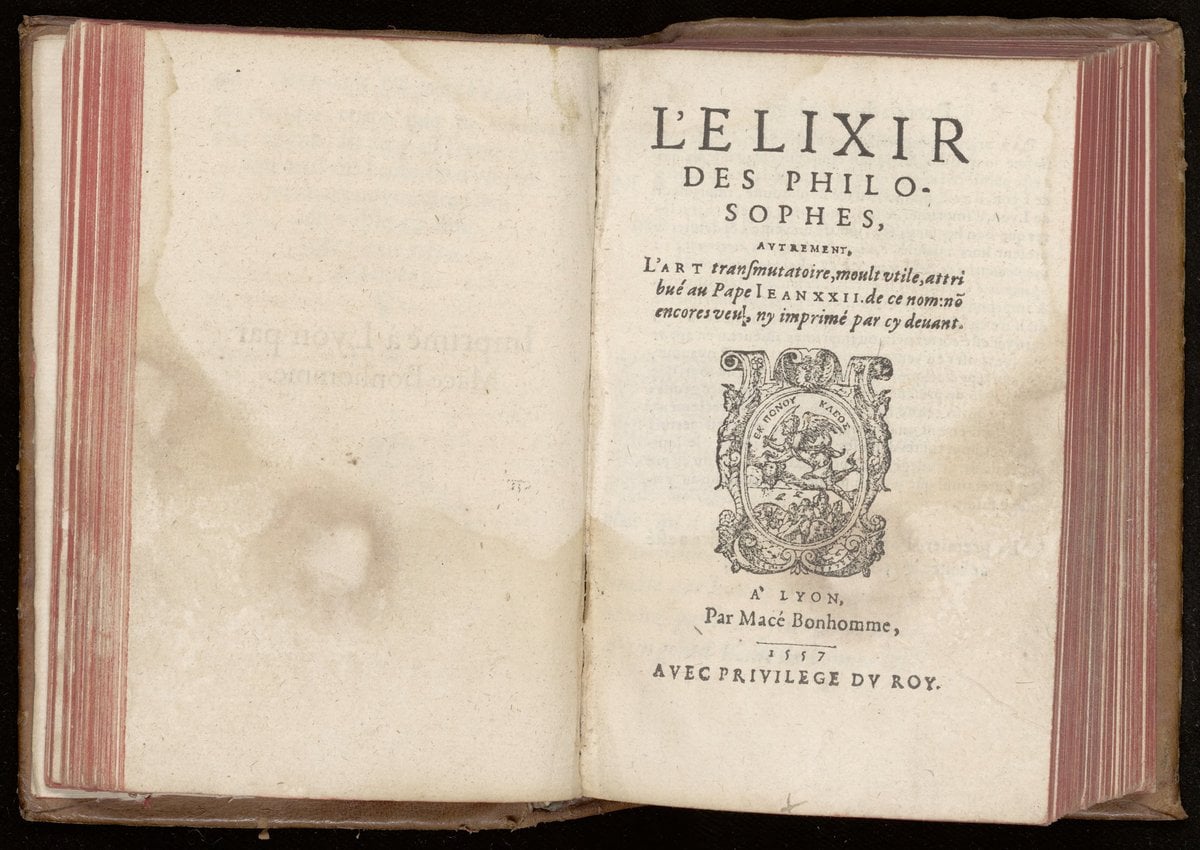
The Elixir of the Philosophers
John XXII (pope)
True Keys of Solomon — French MS, 18th C.
Pseudo-Solomon
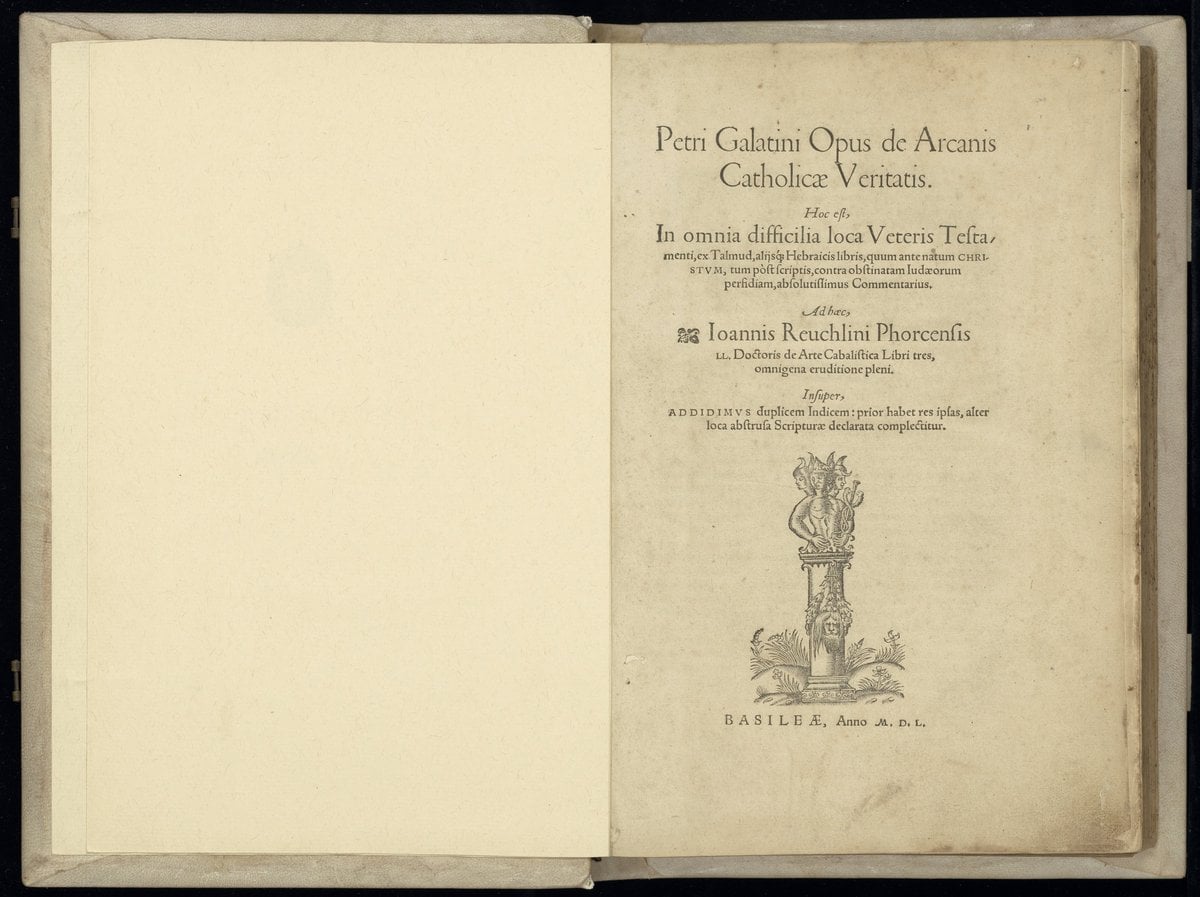
On the Secrets of Catholic Truth and the Kabbalistic Art
Columna, Petrus (Galatinus)|Reuchlin, Johann