


Illustrations
Browse all125 images extracted
This intricate emblem features a hexagram containing the four living creatures of the Tetramorph—the man, eagle, lion, and bull—surrounding a central human face. The word 'ADONAI,' a Hebrew name for God, is inscribed across the top, signifying the divine nature of this symbolic synthesis. This illustration from H.P. Blavatsky's 'Isis Unveiled' reflects the 19th-century synthesis of Kabbalistic, Gnostic, and Hermetic traditions.
This elaborate title page from Heinrich Khunrath's 'Amphitheatrum Sapientiae Aeternae' (1602) encapsulates the syncretic nature of late 16th-century occult philosophy, blending Christian Kabbalah with alchemy. The central text is framed by two obelisks inscribed with 'Orando' (praying) and 'Laborando' (working), symbolizing the dual path of spiritual and physical transmutations. Rich in Hermetic iconography, the engraving features the Tetragrammaton in a celestial glory and the famous Emerald Tablet maxim 'As above, so below,' reflecting the correspondence between the divine and material worlds.
This frontispiece engraving for Jacob Böhme's 'Aurora' depicts a celestial sphere composed of bands covered in eyes, symbolizing divine omnipresence and spiritual insight. The banner 'AURORA' (Dawn) refers to the title and the theme of spiritual awakening, with rays of light emanating from above to illuminate the darkness of the material world.
This elaborate frontispiece for 'The Hermetic Museum' presents a visual compendium of alchemical and mythological symbolism. The central title is framed by vignettes depicting planetary deities, allegorical figures, and symbolic creatures like the phoenix, all representing the transformative processes of the Great Work. Such intricate title pages served as both a decorative entrance to the text and a symbolic summary of its esoteric contents.
This emblem depicts the 'sphere of Heaven,' centering on a three-headed figure that symbolizes the Trinity in unity. Flanked by the sun and moon and topped with a triangle, the figure stands atop a smaller globe containing a human form, representing the divine governance over the material world.
A circular alchemical emblem depicting the personified principles of Mercury, the Moon, and Sulphur on a 'black plain.' The central figure is labeled 'HERMAPHRODITA,' representing the union of opposites, while personified winds representing the four elements blow from the corners. This illustration visually encodes the complex process of alchemical transformation described in Edward Kelly's writings.

This intricate engraving presents a hermetic vision of the universe, illustrating the principle 'as above, so below.' Three central figures hold geometric symbols representing the fundamental elements, while a group of figures gathers in a subterranean chamber below, suggesting the hidden processes of nature. The surrounding imagery of celestial bodies, a salamander in flames, and a ship at sea further emphasizes the interconnectedness of the macrocosm and microcosm.

This seminal illustration of Baphomet was created by the French occultist Eliphas Levi for his 1856 treatise, 'Dogme et Rituel de la Haute Magie'. The figure serves as a visual synthesis of the 'Great Work' in alchemy, representing the union of opposites through its androgynous features, the combination of human and animal elements, and the alchemical maxims 'SOLVE' (dissolve) and 'COAGULA' (congeal) inscribed on its arms. It remains the definitive representation of this symbolic entity, embodying the equilibrium of the universe.

This illustration depicts Ardhanarishvara, the composite androgynous form of the Hindu deities Shiva and Parvati, labeled here as 'ADA NARI.' The figure is set within a hexagram, symbolizing the union of opposites, and is flanked by a bull and a lion, representing the mounts of the two deities. This image reflects 19th-century Western esoteric interests in Eastern mysticism and the concept of the 'dual man' as discussed in the surrounding text.
All Books
Browse Full Catalog→88 books in this collection
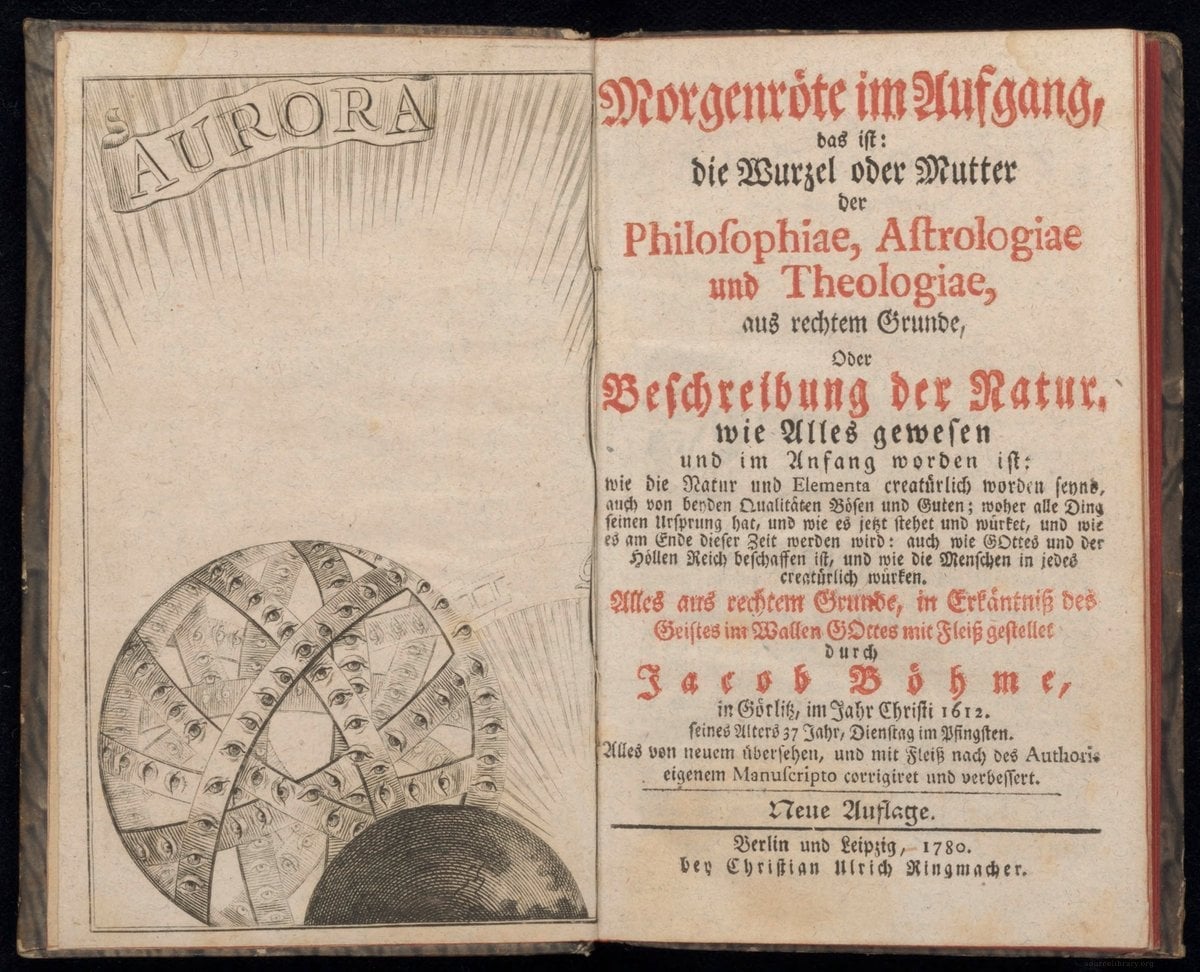
Dawn rising
Boehme, Jacob
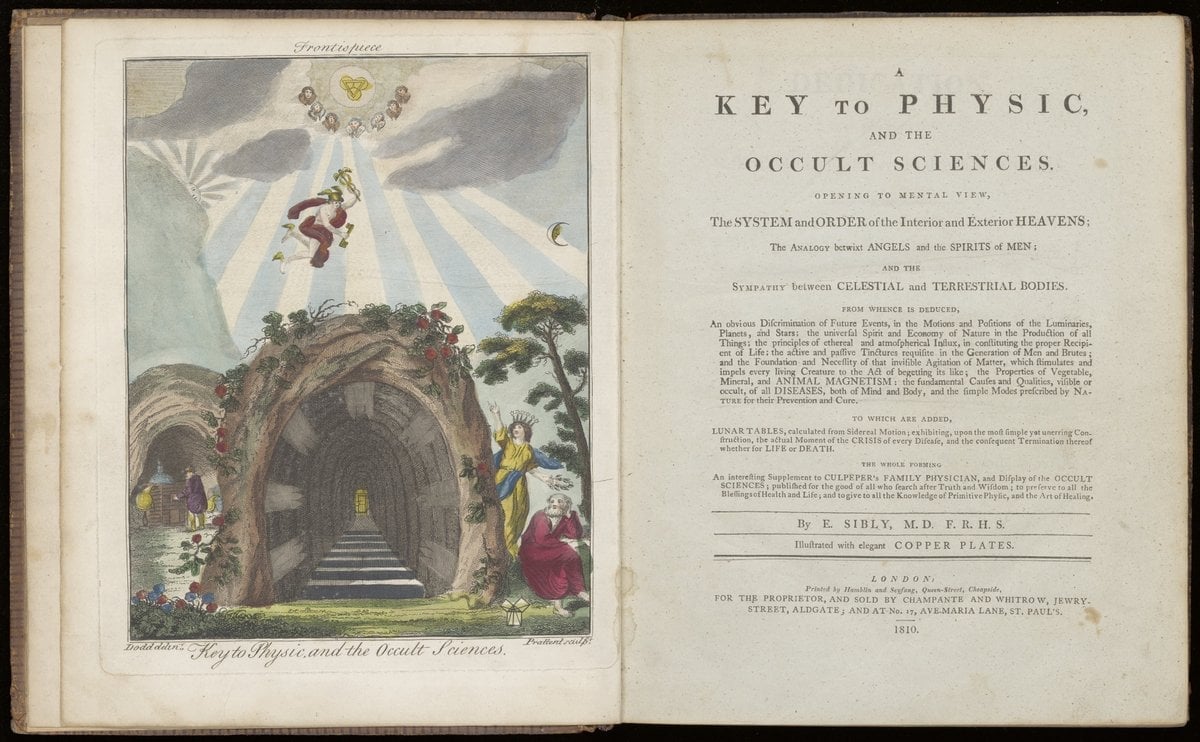
A key to physic, and the occult sciences
Sibly, Ebenezer
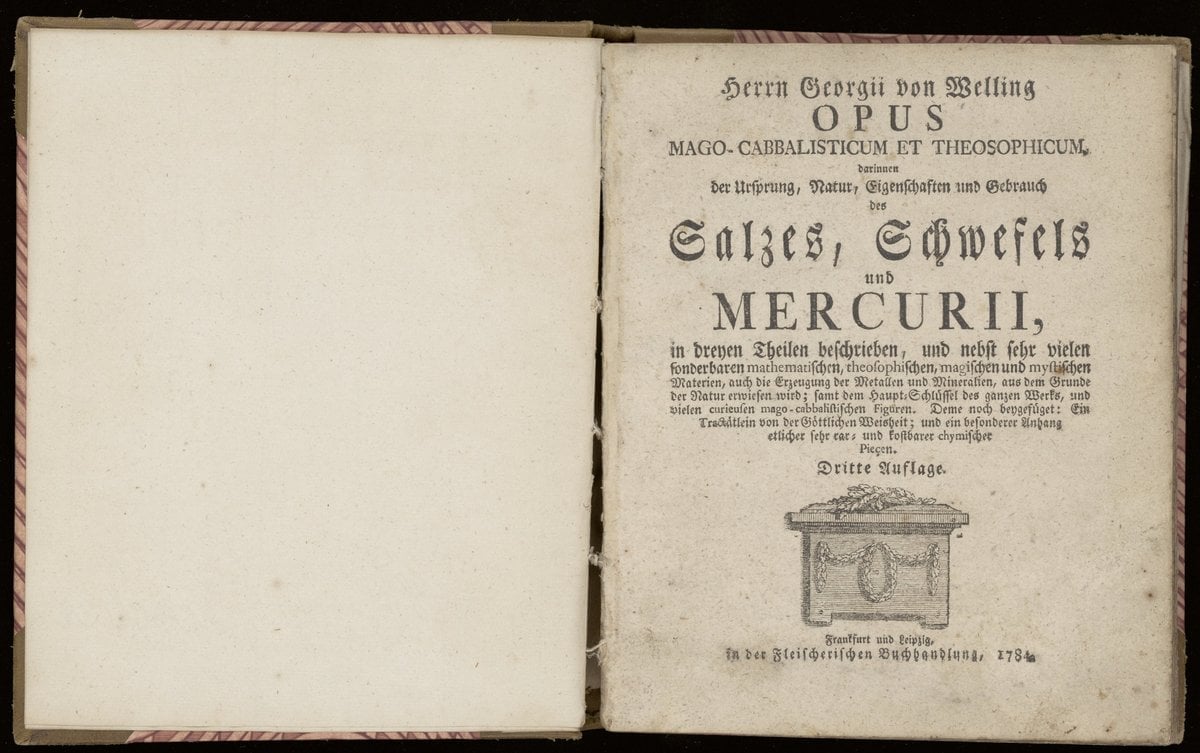
Magico-Cabbalistic and Theosophical Work
Welling, Georg von
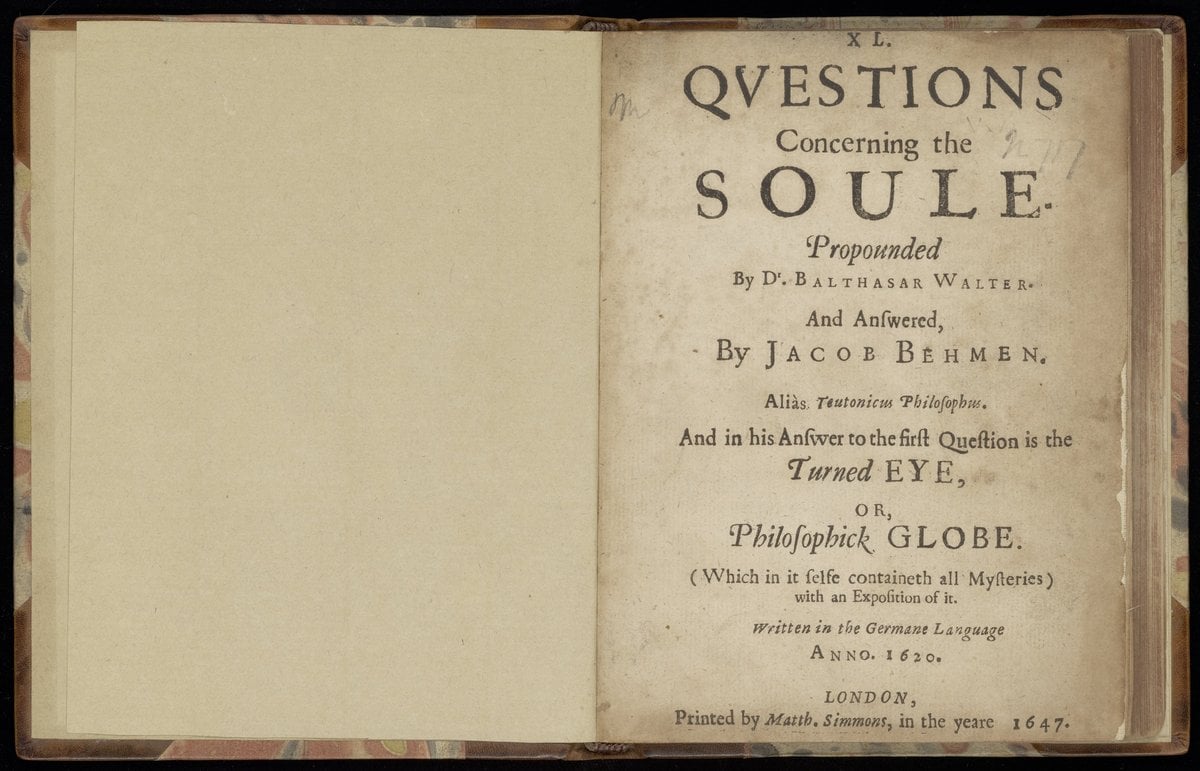
40 questions concerning the soule. Propounded by dr. Balthasar Walter
Boehme, Jacob
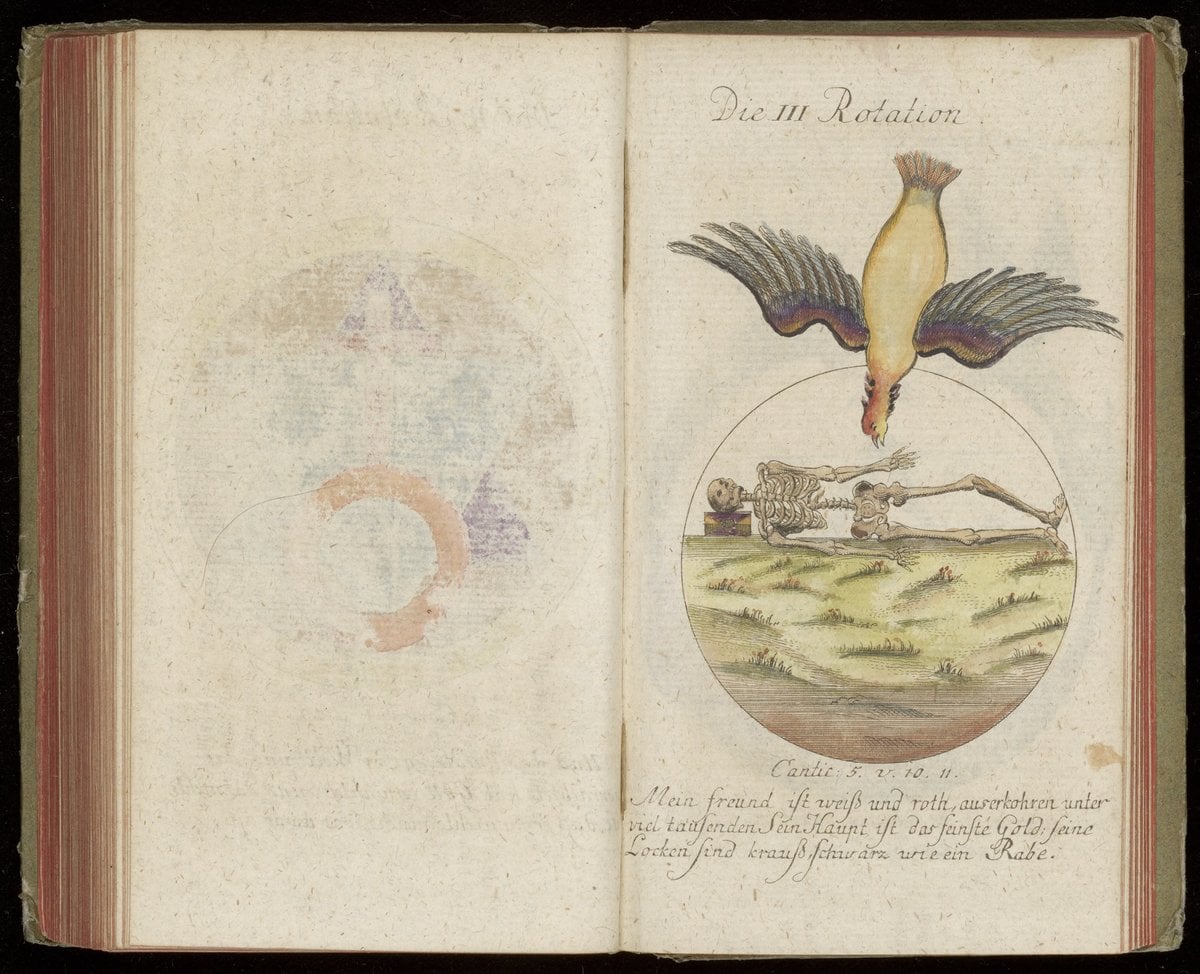
The Compass of the Wise
attr. Jolyfief, Augustin Anton Pocquieres de
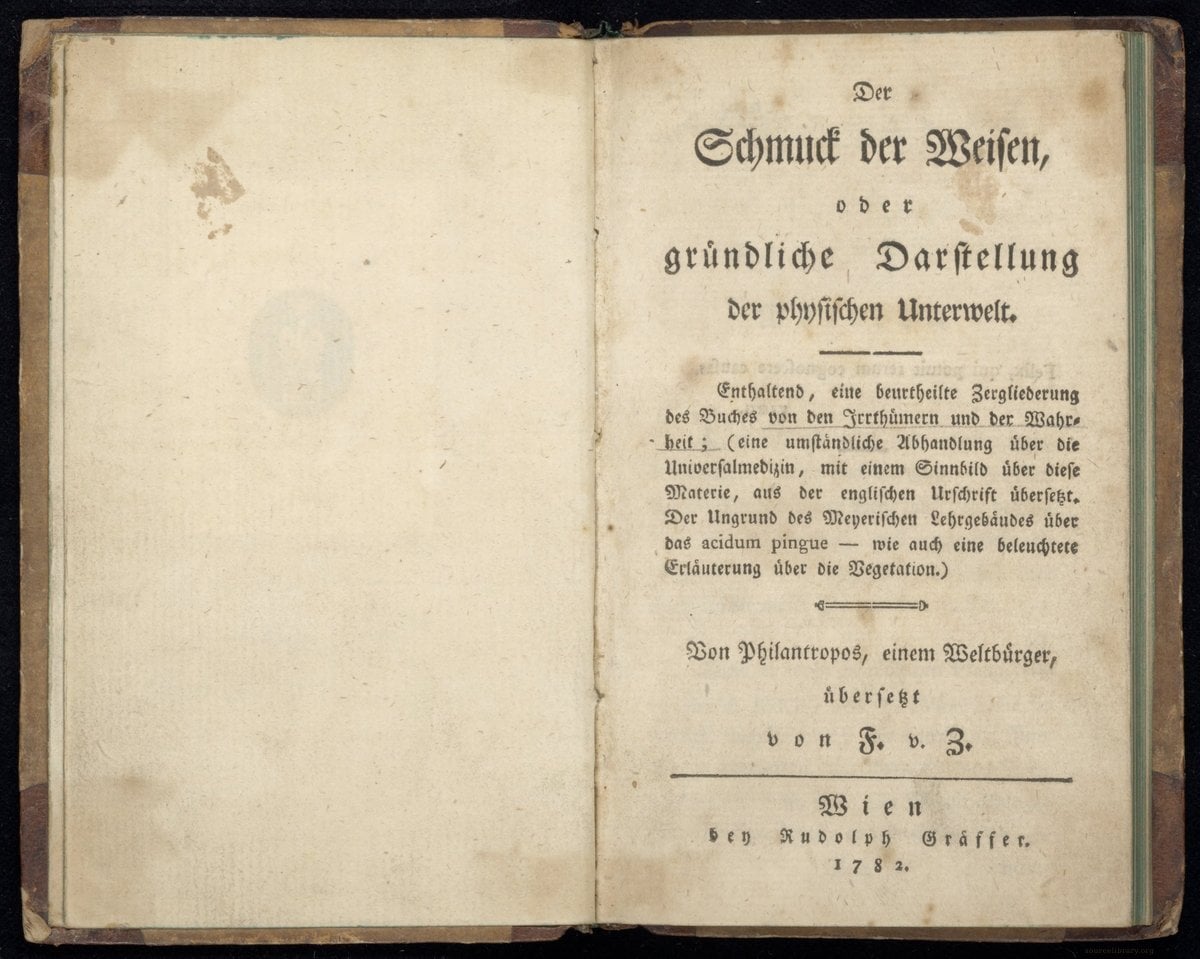
The Jewel of the Sages
attr. Loos, Onesime Henri de
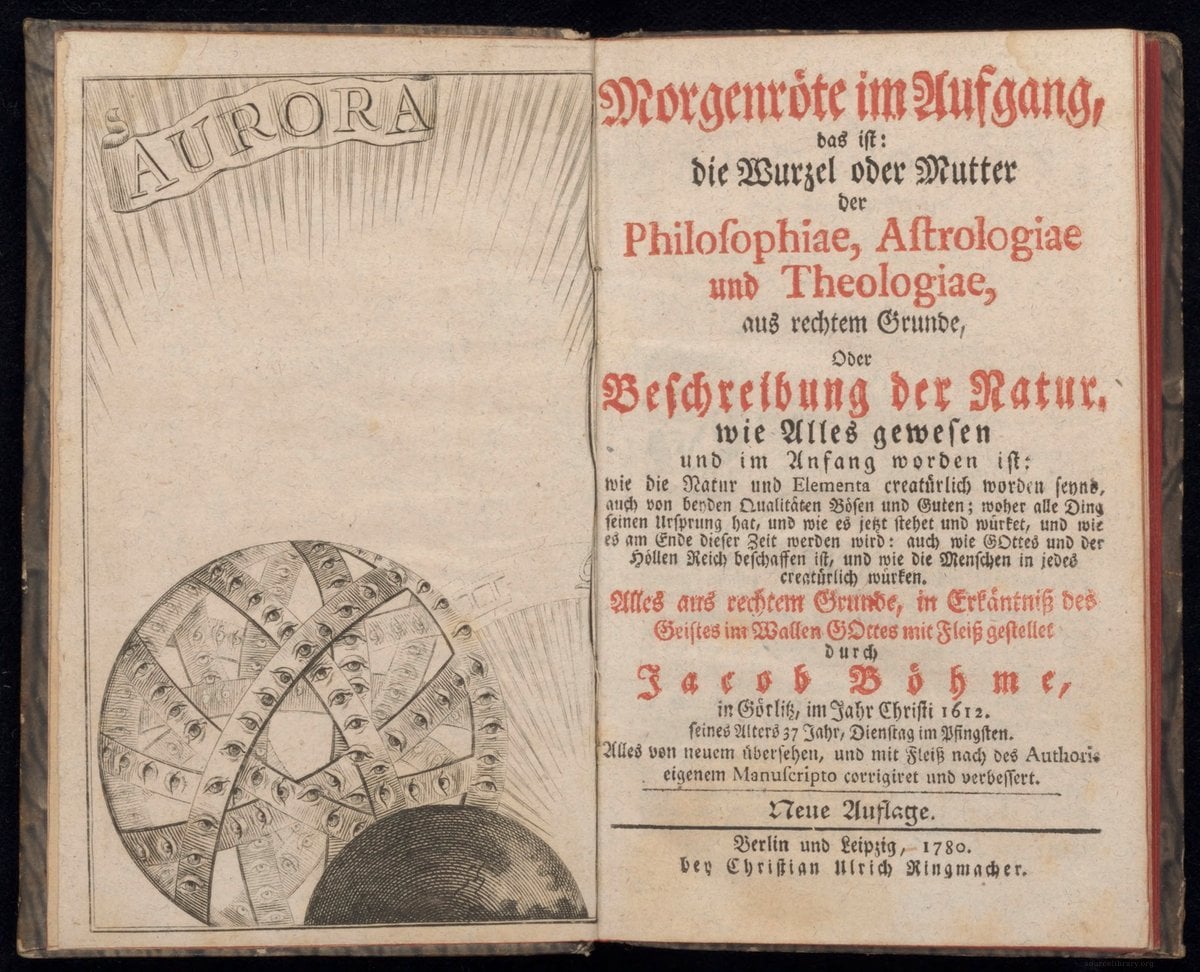
Aurora, or Day-Spring: The Root of Philosophy, Astrology, and Theology
Böhme, Jacob
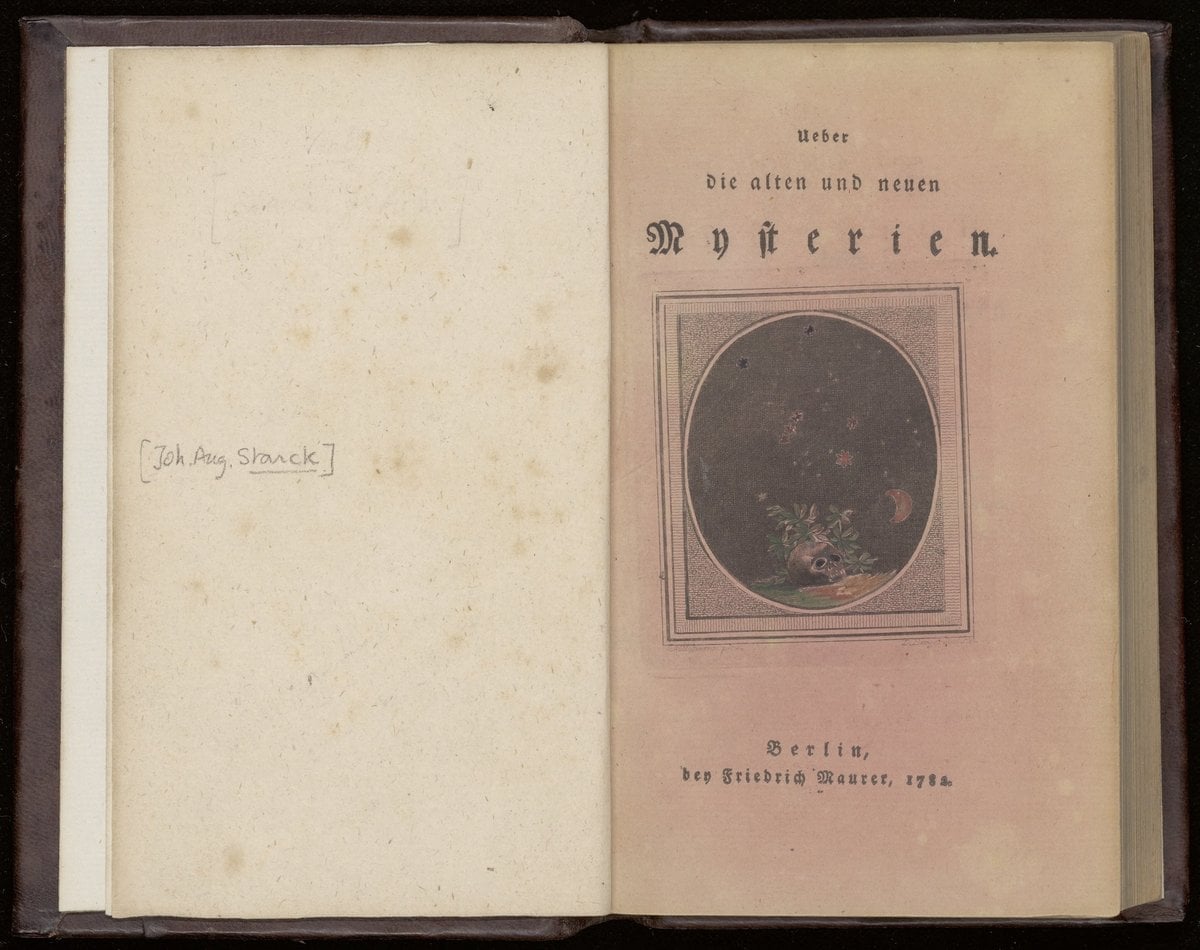
On the Ancient and Modern Mysteries
attr. Starck, Johann August von
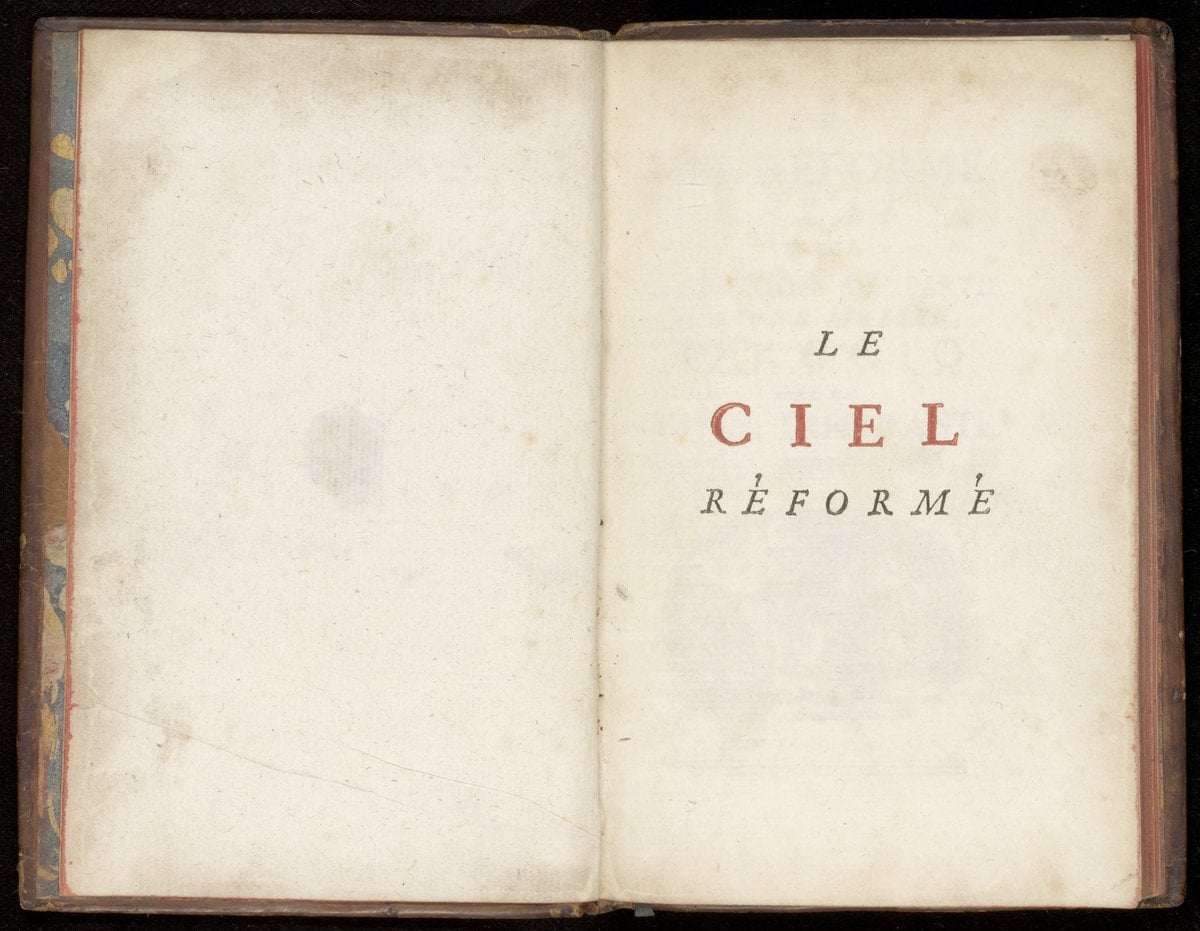
The Reformed Sky
Bruno, Giordano
Mytho-Hermetic Archive
Clavier Duplessis
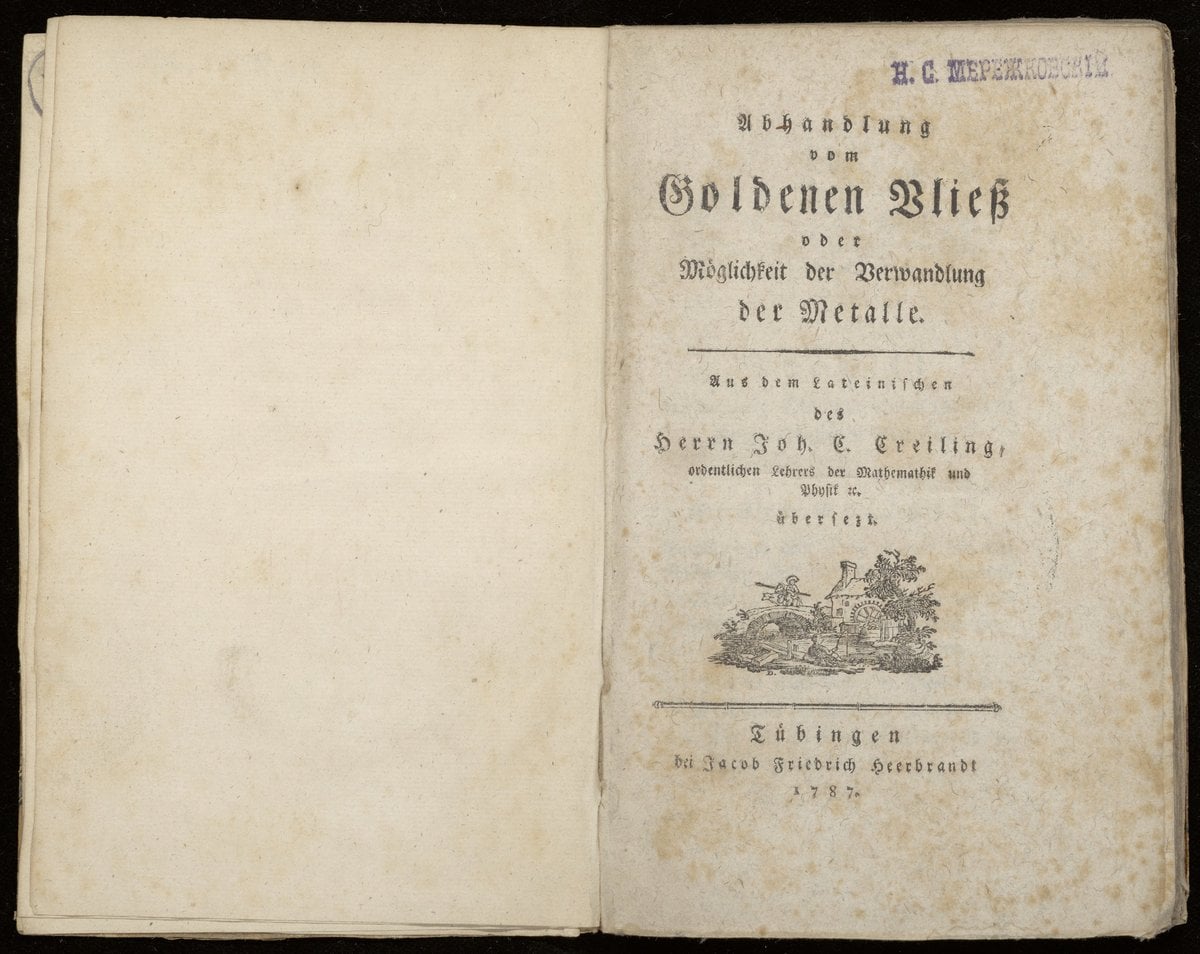
Treatise on the Golden Fleece
Creiling, Johann Conrad
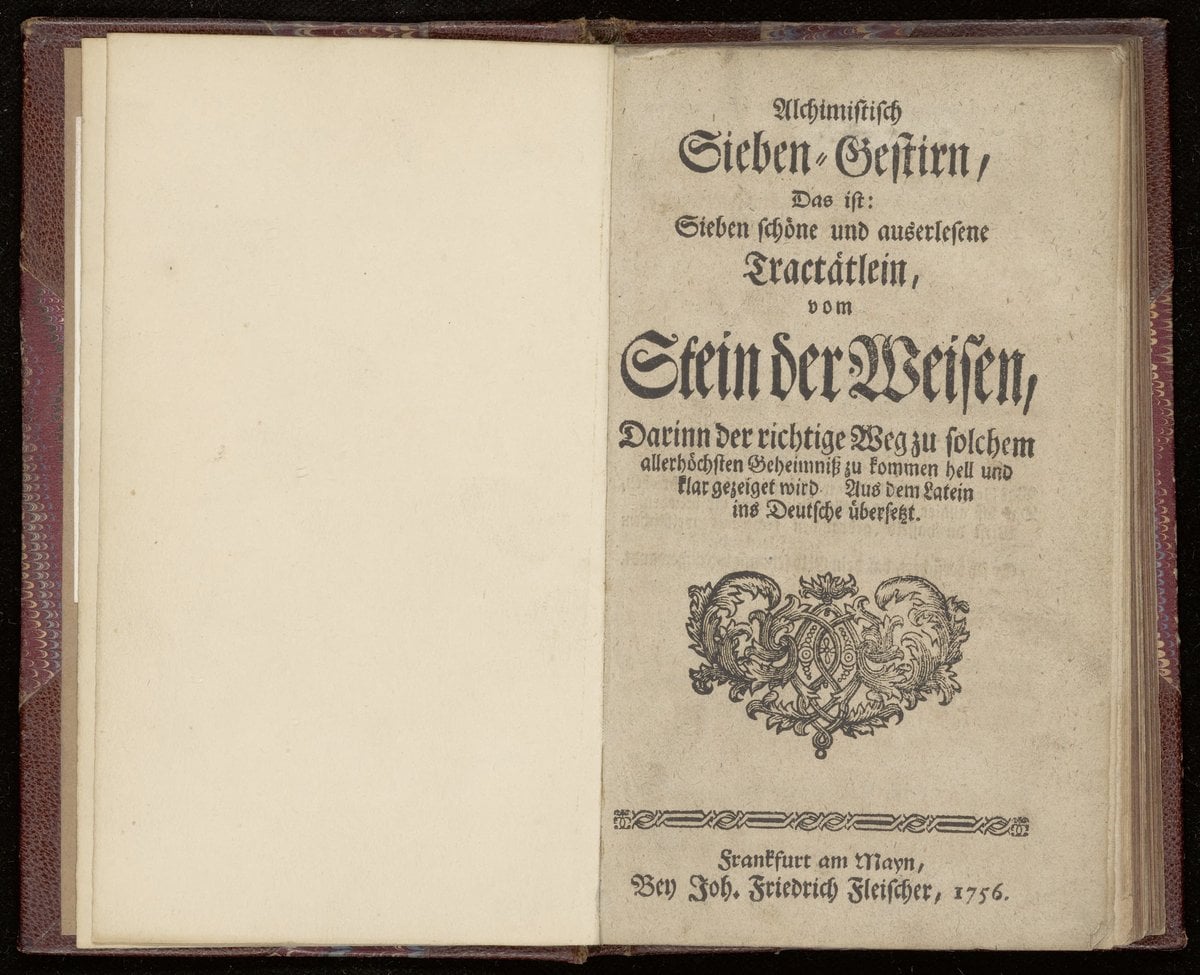
The Alchemical Seven Stars
Anonymous
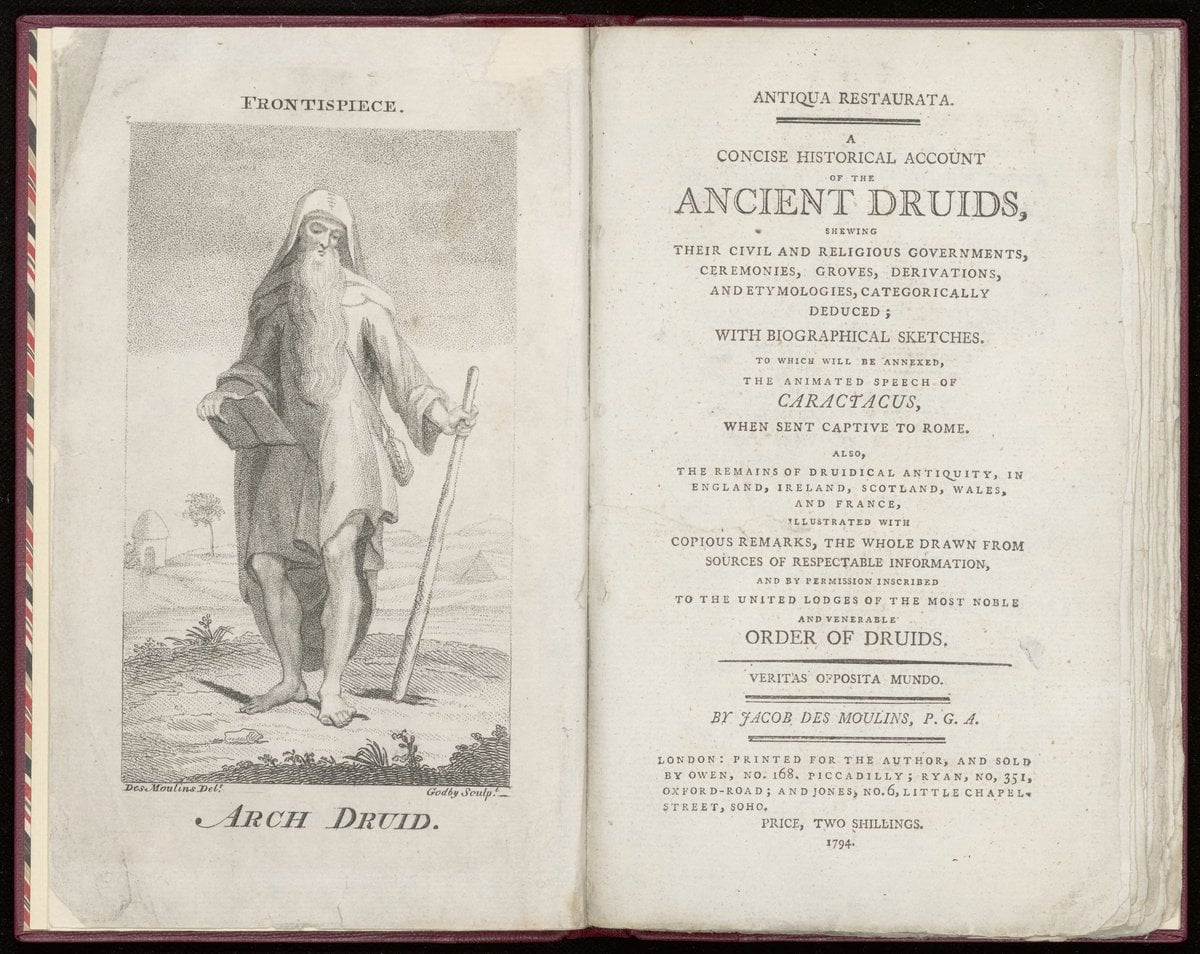
Antiqua restaurata. A concise historical account of the ancient druids
Des Moulins, Jacob
Selected Extracts
Ueberfeld, Johann Wilhelm