


Illustrations
Browse all478 images extracted
This woodcut, titled 'Atrium Apollinis,' serves as a complex mnemonic and cosmological device designed by the philosopher Giordano Bruno. It utilizes sacred geometry, including overlapping circles and a central hexagram, flanked by celestial moons and stars to represent the interconnectedness of the physical and divine realms. Such diagrams were central to Bruno's 'Art of Memory,' intended to help the practitioner visualize and organize universal knowledge within the mind.
This intricate engraving, likely from Robert Fludd's monumental work 'Utriusque Cosmi' (1617-1621), illustrates a pneumatic experiment designed to demonstrate the principles of air expansion and contraction. The apparatus consists of a large leaden sphere (A) connected by a curved tube (E) to a water-filled vessel (C), showing how heat—symbolized by the sun in the upper corner—affects the pressure and movement of fluids. Fludd's work is a prime example of the early modern synthesis of empirical observation, mechanical philosophy, and hermetic mysticism.
A compelling allegorical scene depicting a powerful, muscular male figure, possibly an elemental spirit or a personification of the wind (Boreas), with his hair and outstretched arms dissolving into swirling clouds. The figure stands in a verdant landscape with a body of water and distant classical architecture, suggesting a primordial or mythical setting. This illustration, Emblema I from a historical book, is deeply rooted in alchemical philosophy, referencing the Emerald Tablet's dictum 'The wind carried him in its belly,' symbolizing the generation and transformation of matter. The hand-colored woodcut technique enhances the dramatic and symbolic impact of this Renaissance-era depiction of natural forces and alchemical principles.
This formal portrait depicts Michael Maier (1568–1622), the celebrated German physician, alchemist, and counselor to Holy Roman Emperor Rudolf II. Engraved in 1617 for his work 'Symbola aureae mensae', the image captures Maier at age 49, emphasizing his intellectual authority through the inclusion of a book and his noble status via the imperial coat of arms. The Latin inscription below reflects on his titles and his ultimate devotion to living and dying in Christ.
This circular emblem from Edward Kelly's alchemical treatise illustrates several stages of the Great Work through allegory. It features a phoenix feeding its young with its own blood, a symbol of sacrifice and regeneration, alongside a husbandman sowing seeds, representing the preparation of the alchemical 'earth' for growth and transformation.
This sophisticated engraving serves as the frontispiece portrait of Elias Ashmole (1617–1692), the renowned English antiquary, politician, and student of alchemy. Ashmole is presented in a classical bust format, set within a deep architectural niche that emphasizes his intellectual stature. Below the bust, a complex structure resembling a miniature temple or tomb bears his name, further elevating his status as a man of significant learning and achievement.

This intricate engraving serves as the central visual argument for Robert Fludd's 'Philosophia Moysaica' (1638). It presents a complex cosmological diagram illustrating the relationship between the divine, the celestial, and the terrestrial realms through a series of interlocking circles and symbolic figures. Fludd, a prominent Hermetic philosopher and physician, used such imagery to synthesize biblical narrative with contemporary scientific and mystical thought, representing the unfolding of creation from the divine unity.

An engraving of Friedrich Roth-Scholtz, the editor of the 'Deutsches Theatrum Chemicum'. He is depicted in a library, symbolizing his role as a curator and publisher of alchemical and scientific texts during the early 18th century.

This engraving from the alchemical treatise Splendor Solis depicts an allegorical scene involving the 'gathering of the birds.' Two figures in the foreground, likely representing alchemical masters or philosophers, observe a man climbing a ladder to reach birds nestled in a tree, symbolizing the volatile and fixed stages of the Great Work. The image illustrates the process of sublimation and the refinement of the soul or matter through successive stages of spiritual and chemical transformation.
Visual Art
Browse all art →60 works of visual art in this collection
 print
printGedeon
Aegidius Sadeler
The biblical judge Gideon is depicted kneeling in prayer before a sheepskin fleece on a hillside.
 print
printTriomfboog van keizer Maximiliaan I
Albrecht Dürer
A woodcut panel from the Triumphal Arch of Maximilian I depicting the marriage of Emperor Maximilian I and Mary of Burgundy in 1477.
 sculpture
Bronze statuette of Hermes
Anonymous
A bronze statuette of the god Hermes standing in a contrapposto pose, wearing a chlamys (cloak) and winged sandals.
 object
Chalcedony winged head of Mercury (Hermes)
Anonymous
A miniature sculpted head of the god Mercury (Hermes) carved from chalcedony.
 allegory
Hermes Trismegistus and the Emerald Tablet
Anonymous
Hermes Trismegistus is depicted seated beneath an arch, flanked by assistants, holding an open book or tablet containing alchemical celestial symbols.
 sculpture
Marble herm
Anonymous
A marble herm sculpture depicting the bearded head of the god Hermes, characterized by his stylized hair and beard.
 sculpture
Marble relief with Hermes
Anonymous
A marble relief depicting the god Hermes in profile, holding a caduceus.
 sculpture
Marble statue of Hermes
Anonymous
A headless and limbless marble torso representing the classical god Hermes.
 sculpture
Statuette of Mercury
Anonymous
A bronze statuette depicting the Roman god Mercury standing, wearing a petasos (winged hat) and winged sandals, holding a money bag in his right hand.
 object
Isis and Horus
Anonymous (Egyptian)
A bronze statuette depicting the Egyptian goddess Isis nursing her son, Horus.
 print
printSplendor Solis - Traité d'Alchimie - Mercure - La reine bleue (Les Sept Flasques)
Artistes anonymes du XVIème siècle
A crowned woman in white robes, representing the White Queen, stands inside a glass alchemical vessel topped with a golden crown.
 print
print1645 kircher - steganographia
Athanasius Kircher
An engraving illustrating the principles of catoptric steganography, showing the use of mirrors and lenses to project secret messages and images.
 print
printAkustik in einer Kuppel
Athanasius Kircher
A cross-section diagram of a domed architectural space illustrating acoustic principles of sound reflection.
 print
printAtlantis Kircher Mundus subterraneus 1678
Athanasius Kircher
A map depicting the legendary island of Atlantis positioned in the Atlantic Ocean between Africa, Europe, and the Americas.
 print
printAcoustics in the Court of the Villa Simonetta in Milan
Athanasius Kircher
The courtyard of the Villa Simonetta in Milan, depicted as a case study for its legendary multiple echo phenomenon.
The Human Mind as a Mirror of Divine Architecture
Before the Scientific Revolution, Europe’s greatest polymaths believed the entire universe was a living organism that could be decoded through a single 'Hieroglyphic Monad'.

In 1460, a monk brought a Greek manuscript to Florence that would ignite the Renaissance. Translated by Marsilio Ficino as The Pimander of Hermes Trismegistus, these texts introduced the 'Prisca Theologia'—a primary theology that Renaissance scholars believed predated Moses and contained the original wisdom of Egypt. This collection documents how that spark transformed into a massive intellectual movement, influencing everything from medicine to music.
The Hermetic tradition posits that 'as above, so below'—that the human mind is a microcosm of the divine cosmos. This is seen most vividly in the works of Robert Fludd, who mapped the macrocosm onto human anatomy in The History of the Two Worlds, and in the radical theosophy of Jacob Boehme, who saw the eternal light of God reflected in a simple pewter dish in Dawn rising. These authors did not see a conflict between science and spirit; they saw a unified field of study.
By the 17th century, Hermeticism had become a multi-sensory pursuit. Michael Maier turned alchemical processes into musical fugues in Atalanta Fleeing, while Athanasius Kircher attempted to reconstruct the lost language of the pyramids in Egyptian Oedipus, Volume 1. This digital library preserves these attempts to find a universal key to knowledge, spanning from the early Neoplatonism of Pico della Mirandola to the 20th-century occult revival of The Kybalion.
Key Figures
Robert Fludd
1574–1637
A London physician who created the most ambitious visual encyclopedias of the Hermetic universe ever printed.
The History of the Two WorldsJacob Boehme
1575–1624
A humble shoemaker whose mystical visions of the 'divine anatomy' revolutionized Western theosophy.
Dawn risingMichael Maier
1568–1622
Physician to Holy Roman Emperor Rudolf II, famous for encoding chemical secrets into musical fugues.
Atalanta FleeingThe Florentine Rebirth
1450-1550How the rediscovery of 'Egyptian' wisdom challenged the medieval church and birthed the modern individual.
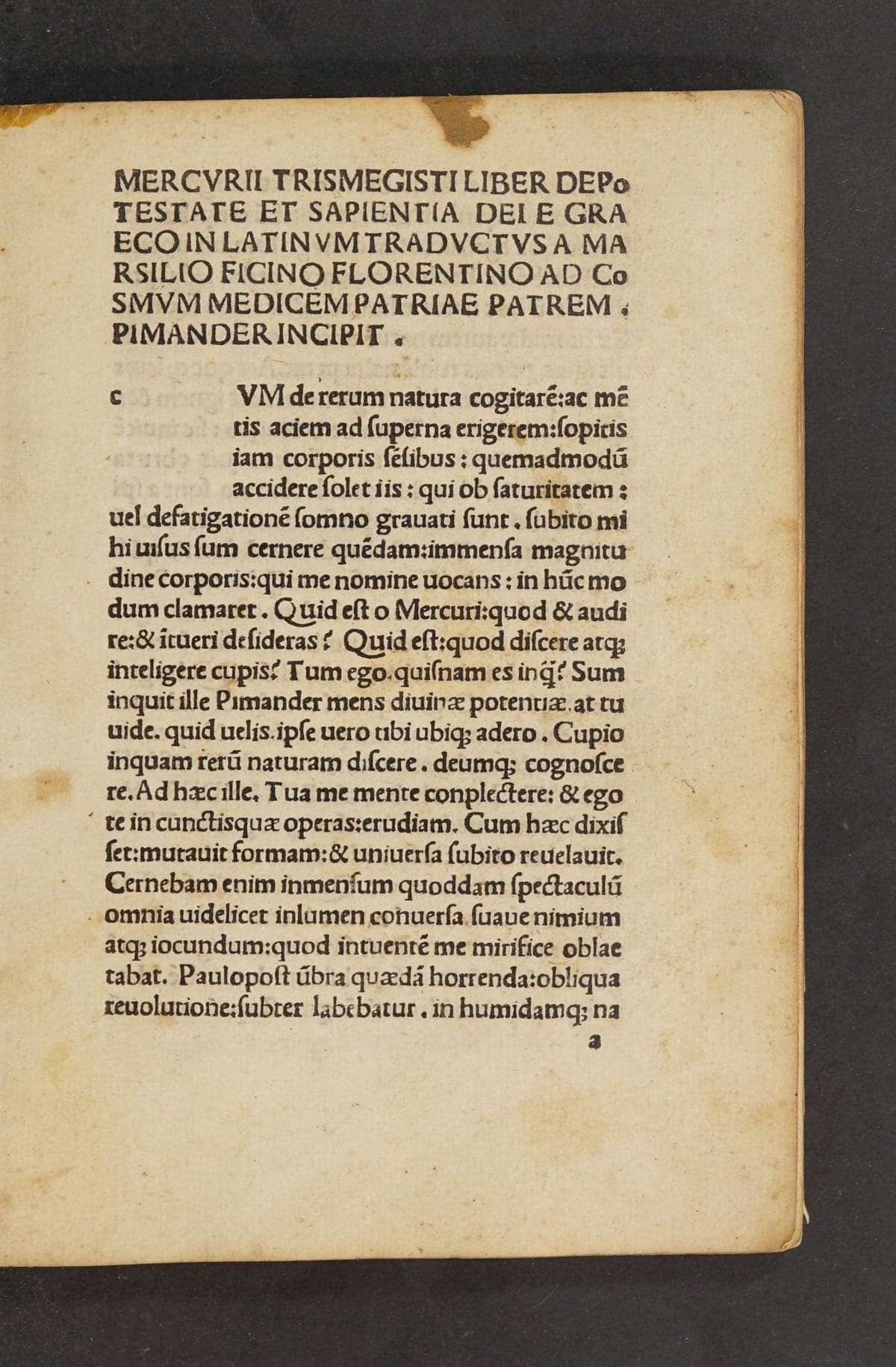
The Pimander of Hermes Trismegistus
Hermes Trismegistus; Ficino, Marsilio (translator), 1481First from Latin
The foundational text of the Hermetic revival, claiming that man is a 'magnum miraculum' capable of divine knowledge.
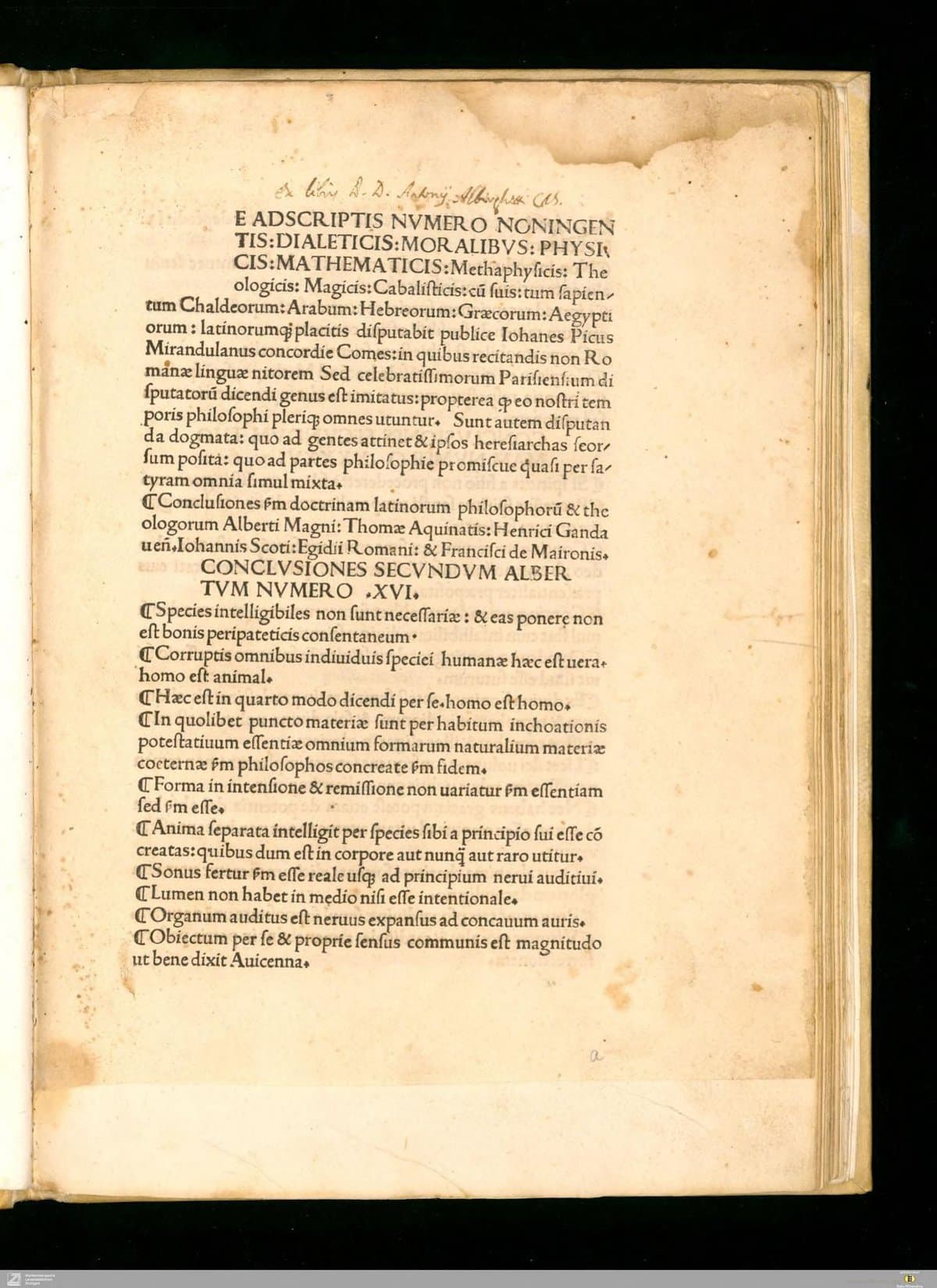
The 900 Theses
Pico della Mirandola, Giovanni (1463-1494), 1486
Pico's 900 theses were the first books to be universally banned by the Church for synthesizing magic and Kabbalah.
The Mathematical Microcosm
1550-1650The search for a universal language through geometry, anatomy, and celestial mechanics.
The Hieroglyphic Monad
John Dee, 1564
John Dee’s primary work, arguing that a single geometric symbol could explain the generation of all matter.
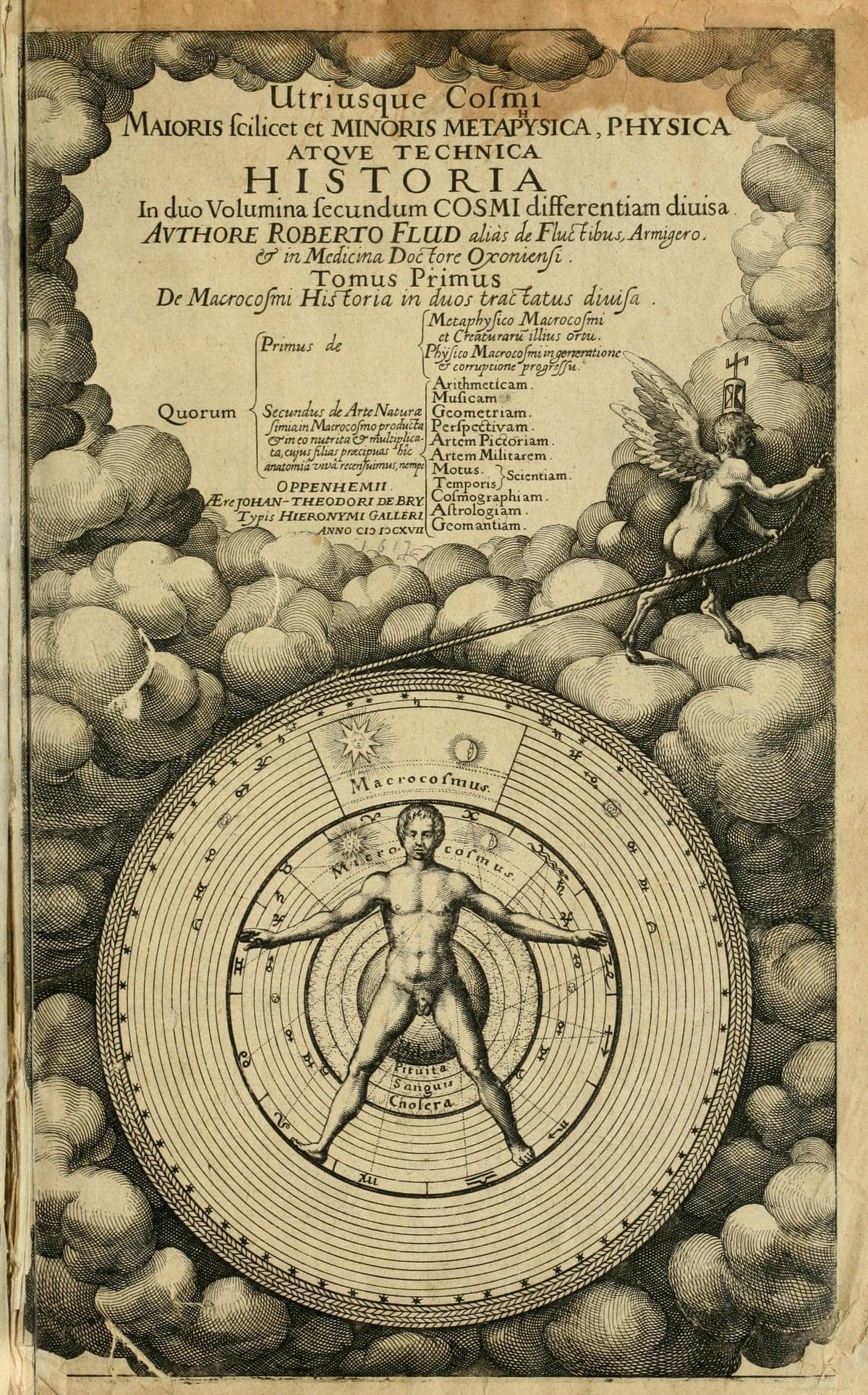
The History of the Two Worlds
Robert Fludd, 1617First Complete Translation
A monumental attempt to illustrate the entire history of the universe, from the first spark of light to the human soul.
The Alchemical Theater
1600-1780When the laboratory became a temple and chemical reactions were seen as spiritual allegories.
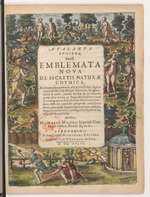
Atalanta Fleeing
Michael Maier, 1618
The first 'multimedia' book, featuring 50 emblems, 50 musical scores, and 50 discourses on the secrets of nature.
The Hermetic Museum, Restored and Enlarged
Various (Sendivogius, Philalethes, etc.), 1678
The most comprehensive anthology of alchemical wisdom, collecting dozens of rare tracts into a single 'museum'.
“For this reason, alone among all earthly living things, man is considered to be of a dual nature : mortal indeed because of the body, but immortal because of the substantial Man .”
“Because these secrets are so subtle, majestic, sacred, rare, and hidden, they must be grasped by the intellect before they are perceived by the senses.”
“DOES NOT UNDERSTAND, SHOULD EITHER BE SILENT OR LEARN.”


Where to Start
The Visual Learner
For those who want to see the universe through the eyes of the 17th-century masters.
- 1The History of the Two Worlds
Start with Fludd’s engravings to see how the divine light descends into matter.
- 2Atalanta Fleeing
Move to Maier to see how these theories were applied to the alchemical laboratory.
The Philosophical Seeker
Tracing the core logic of Hermeticism from its roots to its modern revival.
- 1The Pimander of Hermes Trismegistus
Begin with the Pimander to understand the Hermetic concept of the 'Divine Mind'.
- 2The Kybalion: A Study of the Hermetic Philosophy of Ancient Egypt and Greece
End with the Kybalion to see how these ancient laws were distilled for a 20th-century audience.
All Books
Browse Full Catalog→1,191 books in this collection
Key to the Secrets of Nature
Eckartshausen, Karl von
Introduction to Primitive Cabalistic Science
Anonymous
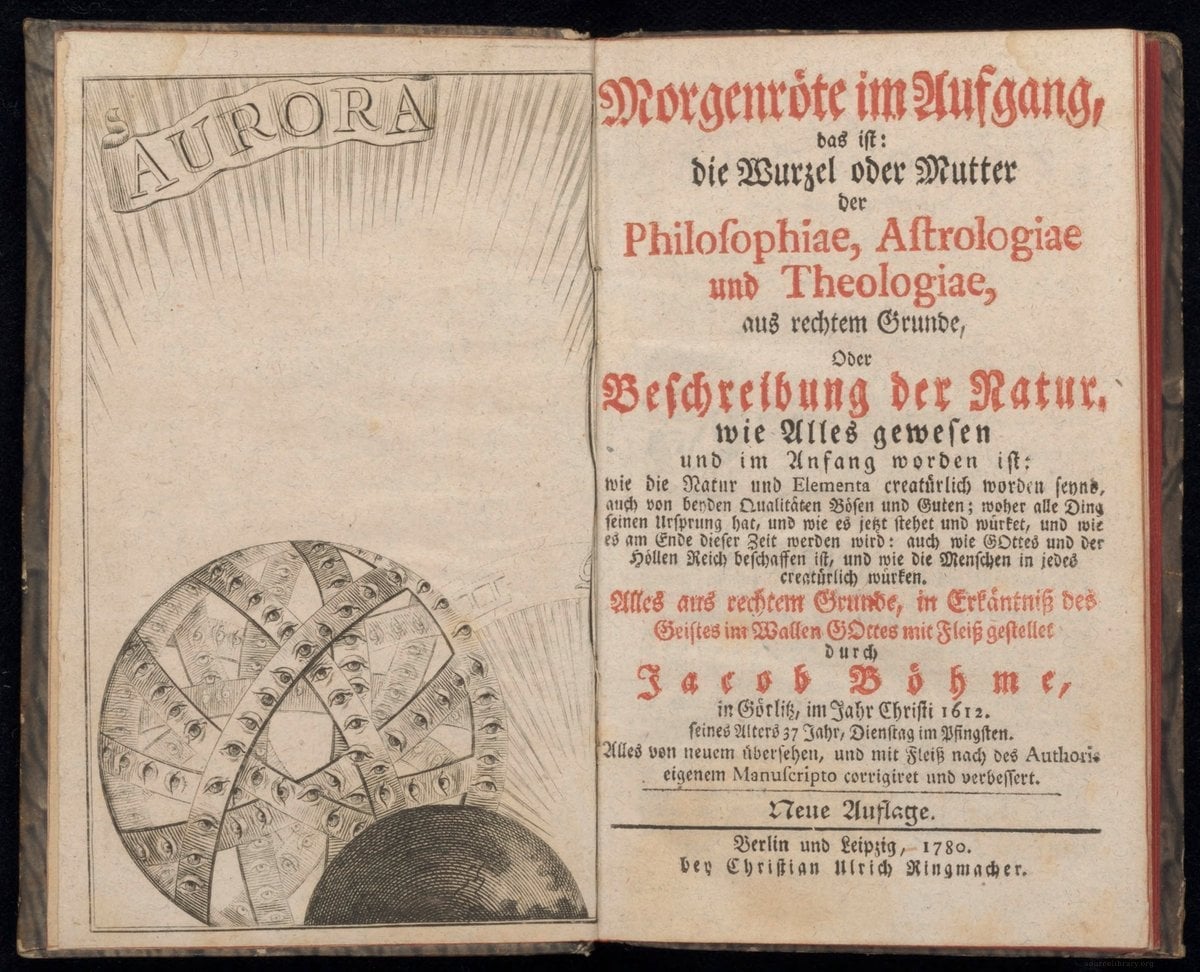
Dawn rising
Boehme, Jacob
Know Thyself
attr. Reger von Ehrenhart, Ernestus Aurelius
Fortress of Science
attr. Grick, Friedrich
The Strife of Love in a Dream
attr. Colonna, Francesco
Eight Books on Astrology
Julius Firmicus Maternus
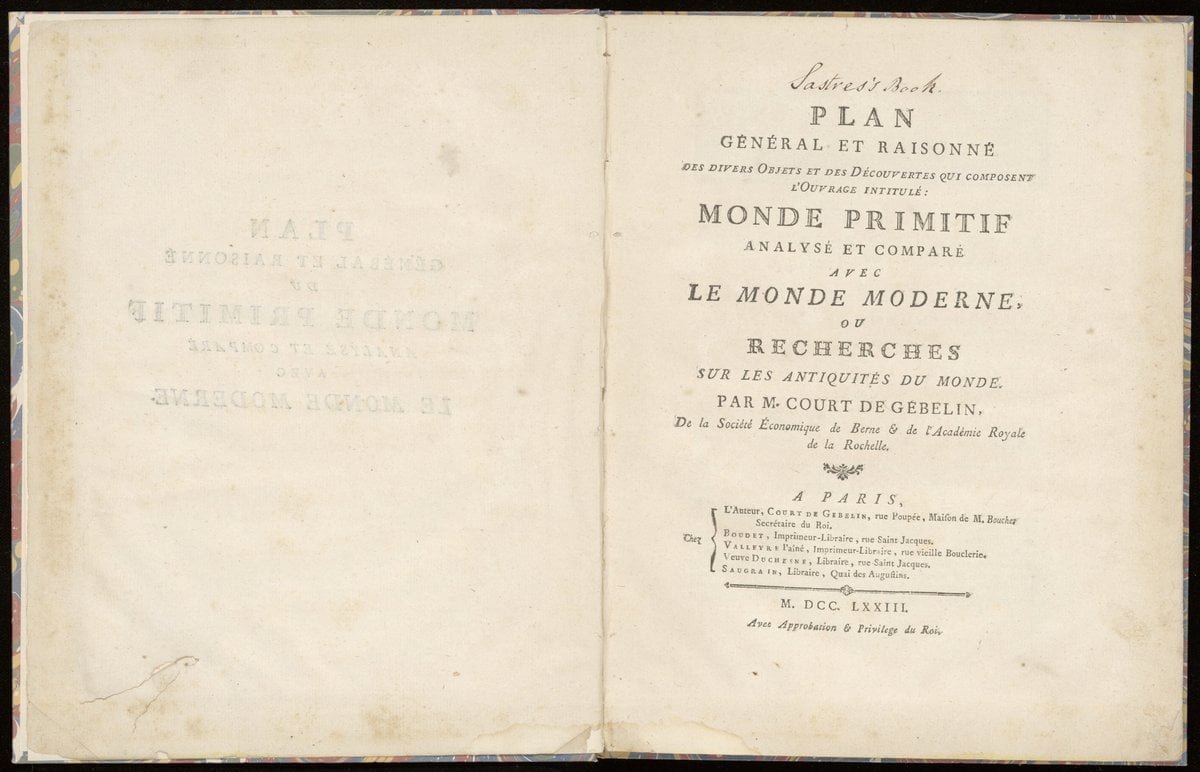
On Presages, Prophecies, and Divinations
Paracelsus, Theophrastus
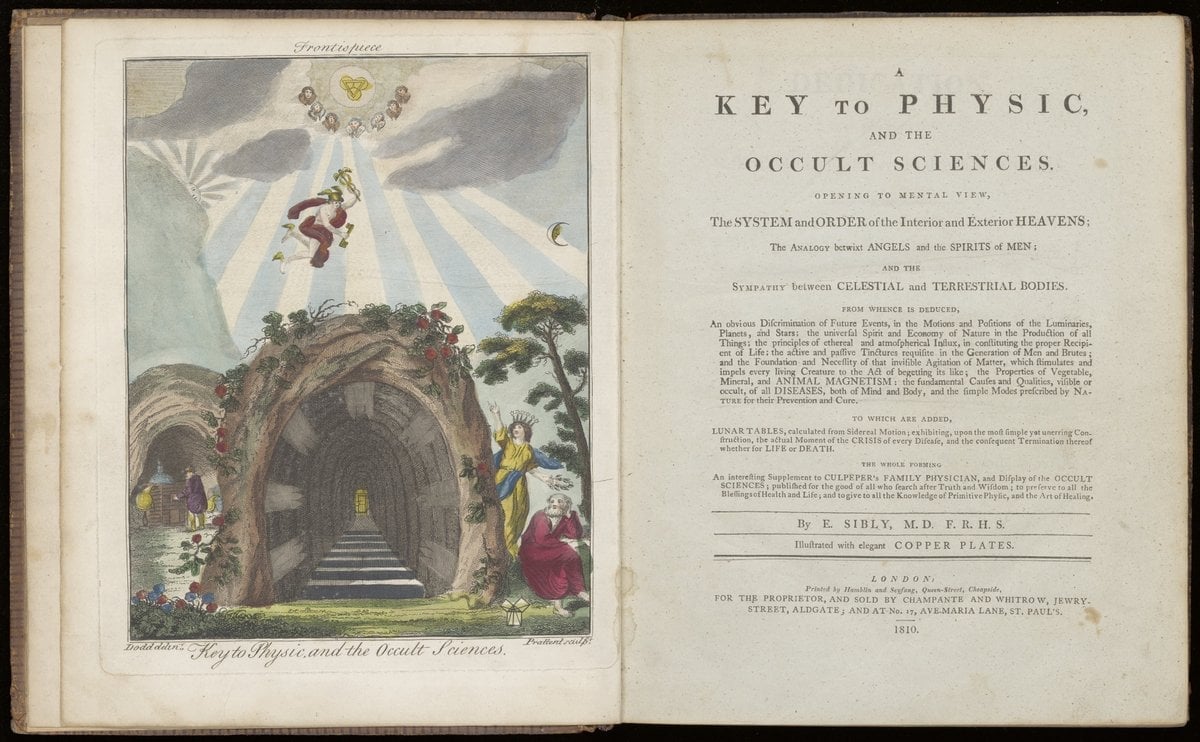
A key to physic, and the occult sciences
Sibly, Ebenezer
Aphoristic Astrology of Ptolemy, Hermes, and Others
Anonymous
Echo of the Rosicrucian Colloquy
Hilarionus, Benedictus
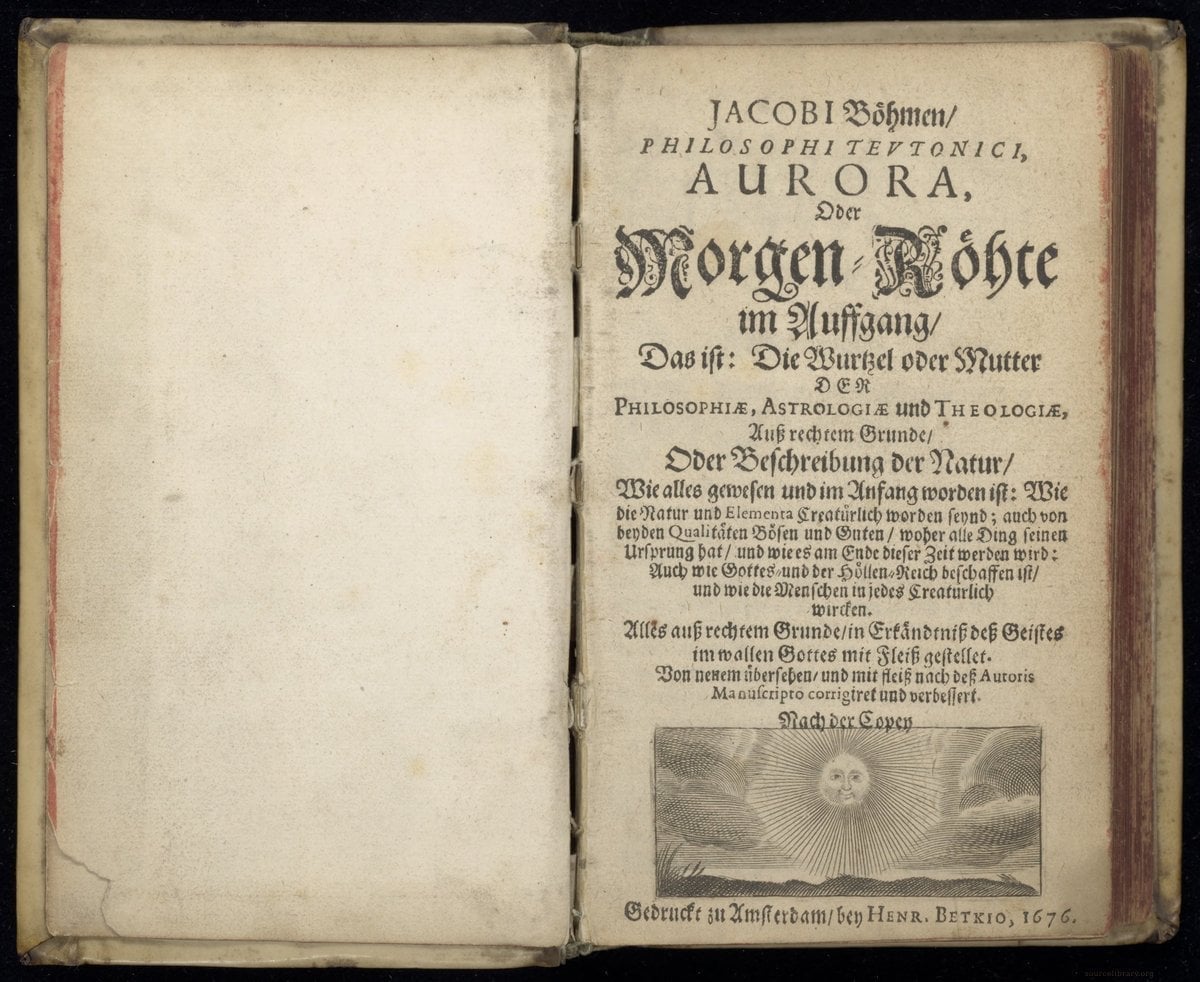
Aurora, or the Day-Spring
Boehme, Jacob
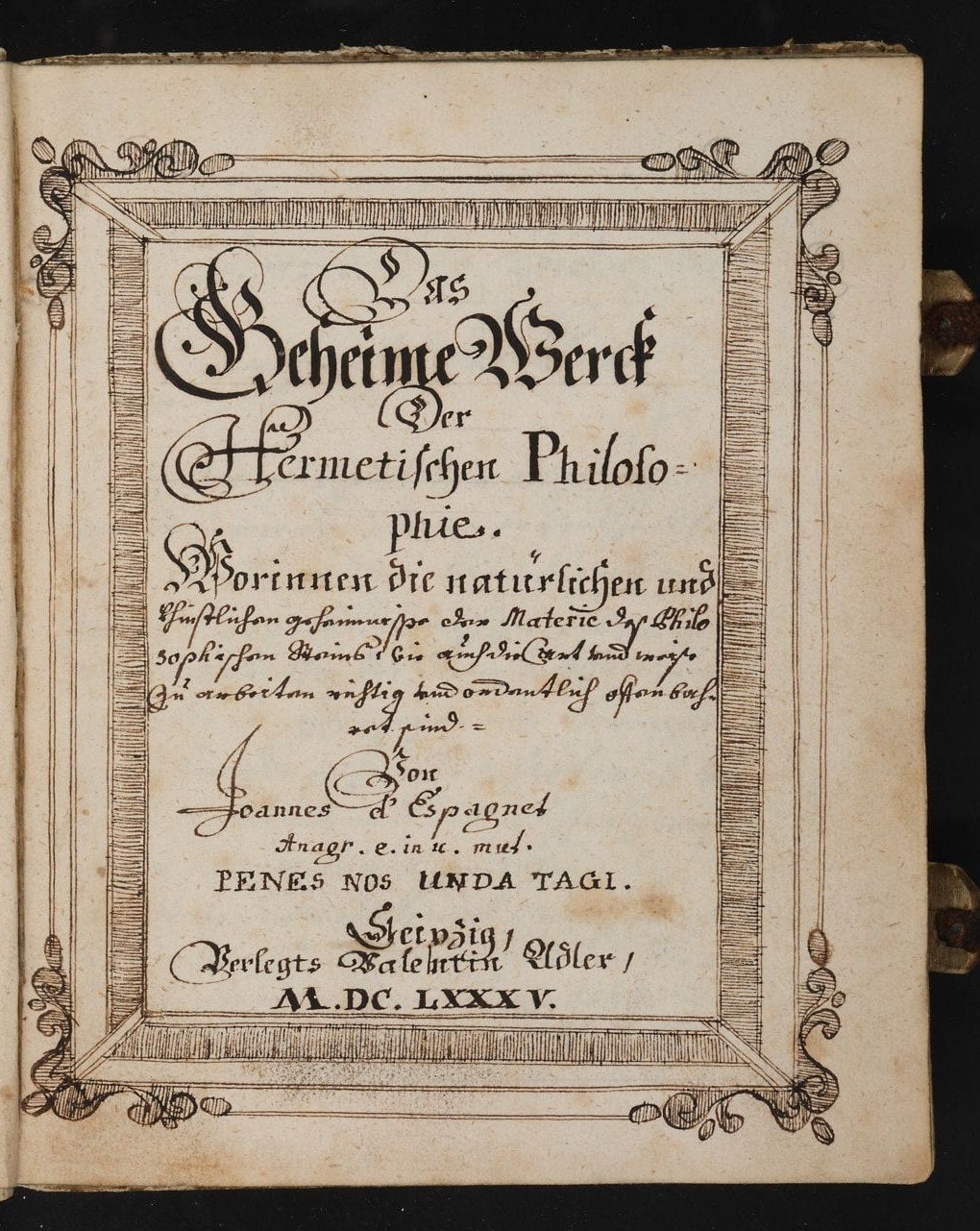
d'Espagnet — Secret Work of Hermetic Philosophy, post-1685
Jean d'Espagnet
A New Light of Alchemy
attr. Sendivogius, Michael