


Illustrations
Browse all30 images extracted
This small woodcut portrait depicts a figure, likely Moses or Aaron, accompanying a text about the miracles of the Exodus. Such illustrations were common in early printed books to mark the beginning of new chapters or sections and to provide visual cues for the reader.
This illustration reproduces the 1488 floor mosaic from Siena Cathedral, depicting Hermes Trismegistus as a contemporary of Moses. He is shown bestowing ancient wisdom upon representatives of the East and West, a key image in the Renaissance revival of Hermetic philosophy.
This intricate diagram combines geometric forms with a circular table of characters, suggesting a use in esoteric studies, cryptography, or early scientific calculation. The precise arrangement of lines and symbols indicates a structured system of knowledge or a complex cipher typical of 17th-century intellectual pursuits.
This diagram from Helena Blavatsky's seminal work, 'The Secret Doctrine' (1888), maps the 'Evolution of Root-Races' through a circular cycle. It illustrates the theosophical belief in the descent of spirit into materiality and its eventual re-ascent, using horizontal lines to represent different planes of existence and consciousness. Such diagrams were essential tools for early modern occultists to visualize and communicate their intricate systems of cosmic and human history.
This historiated woodcut initial 'E' marks the beginning of a new section in the text. It contains a small portrait of a figure, likely a scholar or church father, reflecting the common practice in early printing of using decorative initials to both organize text and provide visual interest.
This diagram illustrates the 'Genealogical Tree of the Fifth Root-Race,' a concept central to late 19th-century theosophical thought. It employs the metaphor of a cactus plant to represent the branching of humanity into root-races, sub-races, and family races, with each 'spine' symbolizing a nation or tribe. The illustration exemplifies the era's fascination with creating complex, symbolic visual systems to explain human evolution and spiritual history.

This diagram represents the 'back part' of a 'Lamin' or protective lead plate, as described in John Dee's accounts of his communications with spirits. It features a heptagonal structure inscribed with specific numbers and sigils intended for spiritual protection and healing against 'infections'.
The Corpus Hermeticum, the Asclepius, and the Gnostic scriptures recovered at Nag Hammadi. Texts attributed to Hermes Trismegistus that Renaissance thinkers like Ficino treated as sacred revelation — the prisca theologia, an ancient theology believed to predate Moses.
All Books
Browse Full Catalog→54 books in this collection
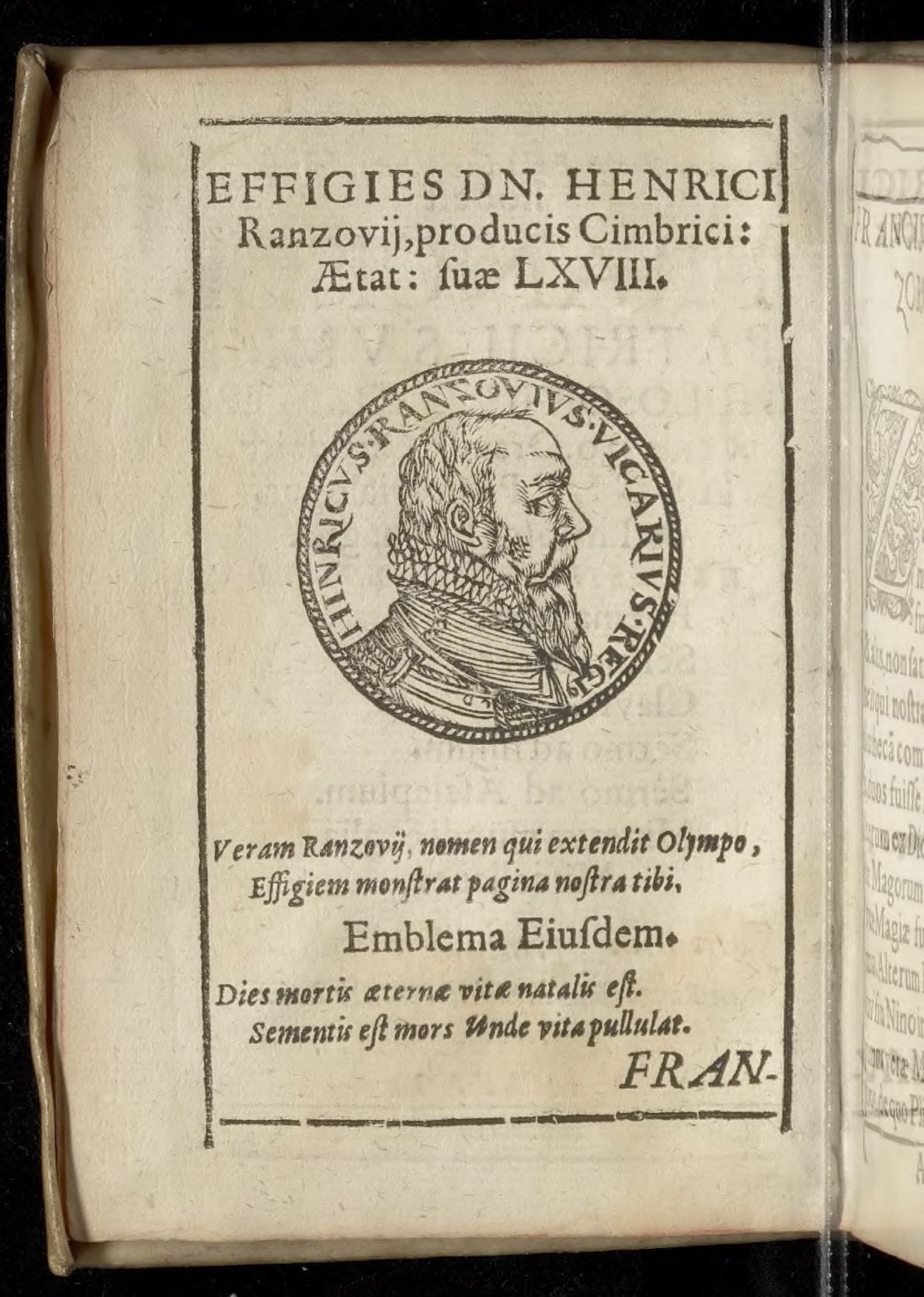
Philosophical Magic
Patrizi, Francesco|Zoroaster|Hermes Trismegistus
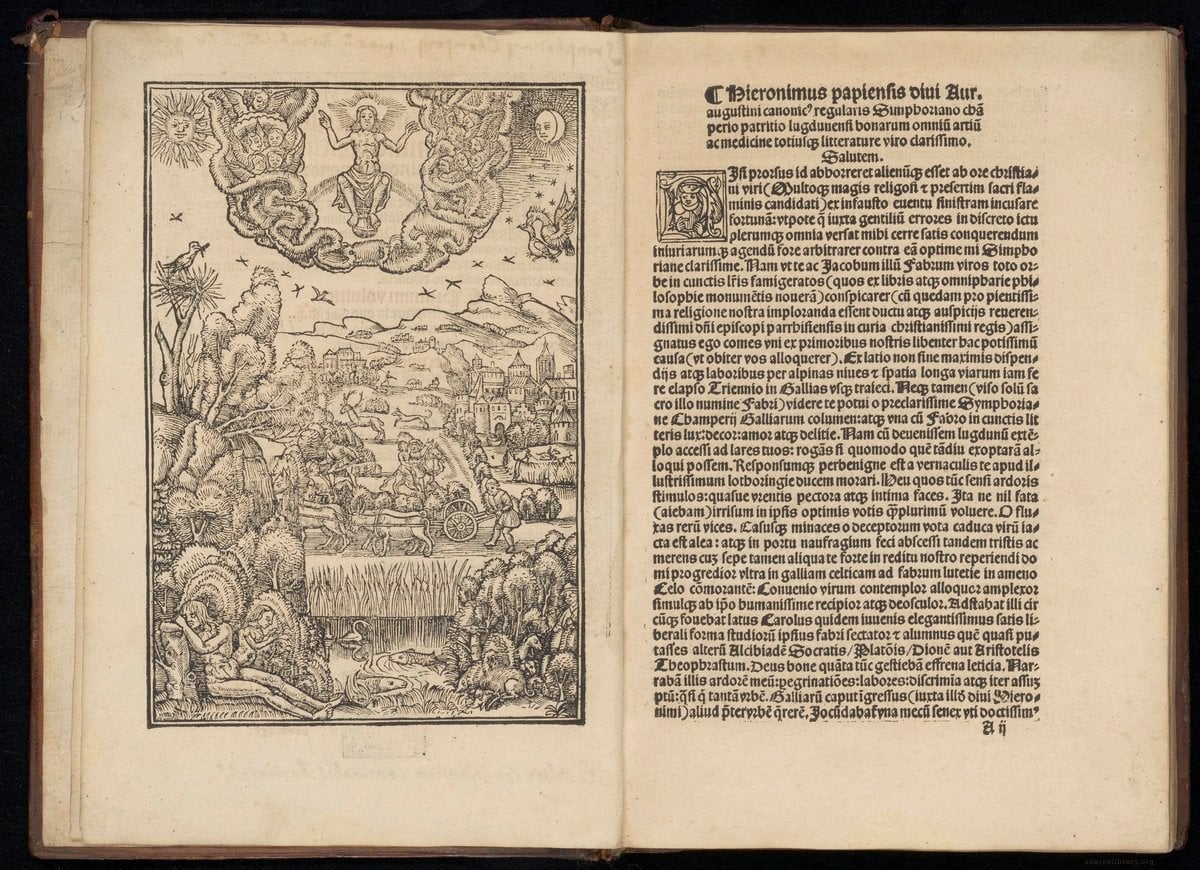
Four Volumes of Divine and Human Marvels
Champier, Symphorien
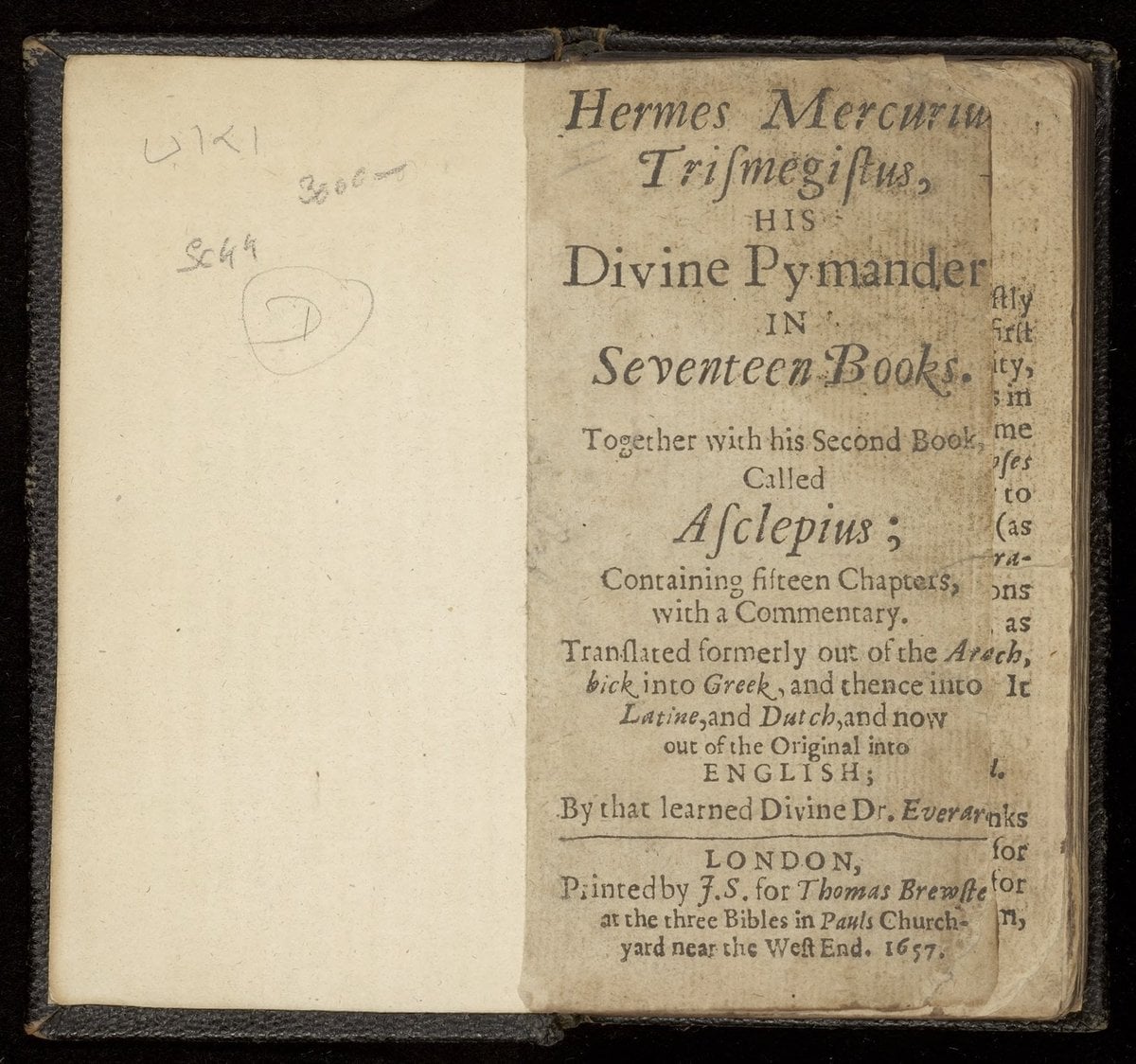
Divine Pymander. Asclepius
Hermes Trismegistus
Corpus Hermeticum — 17th-Century English Translation MS
Hermes Trismegistus; George Imming
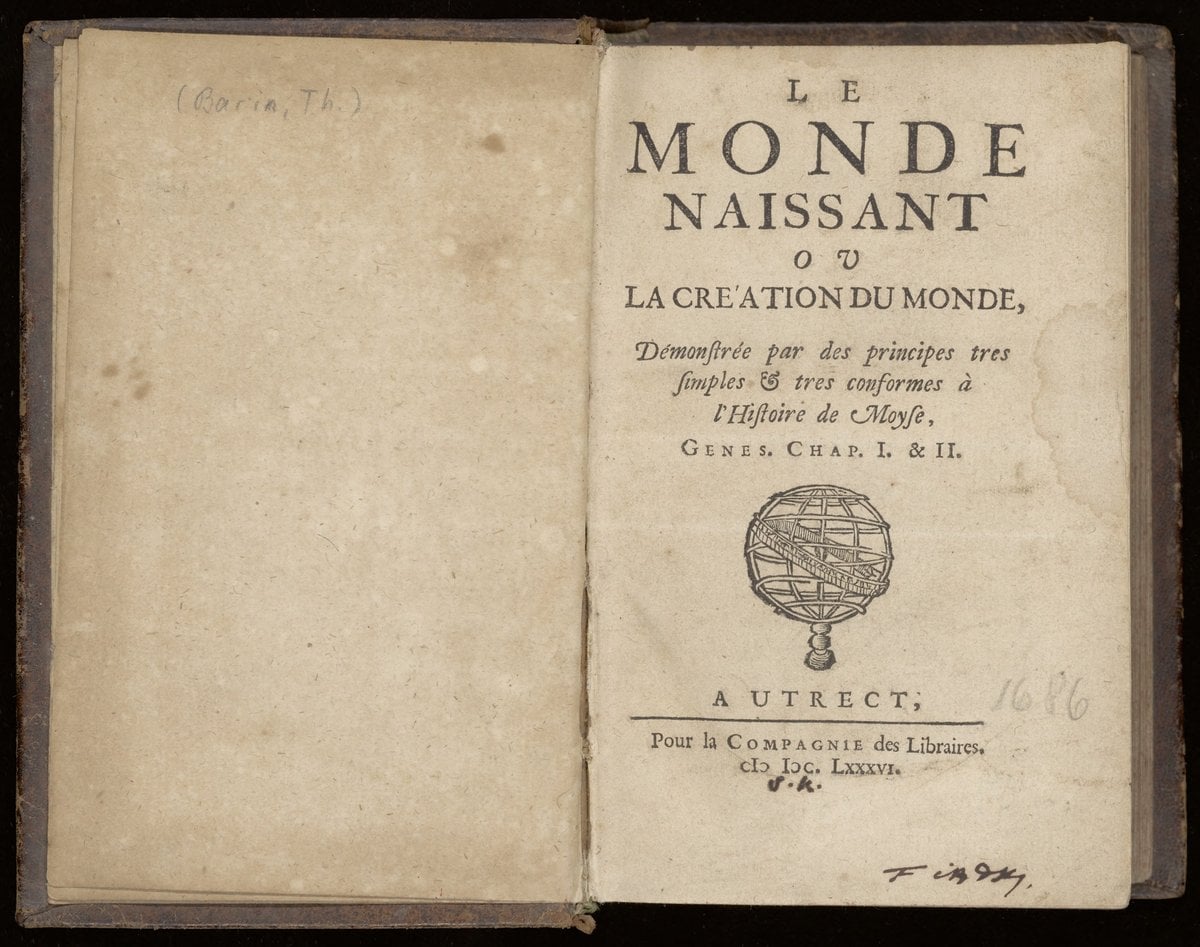
The Nascent World
attr. Barin, Théodore
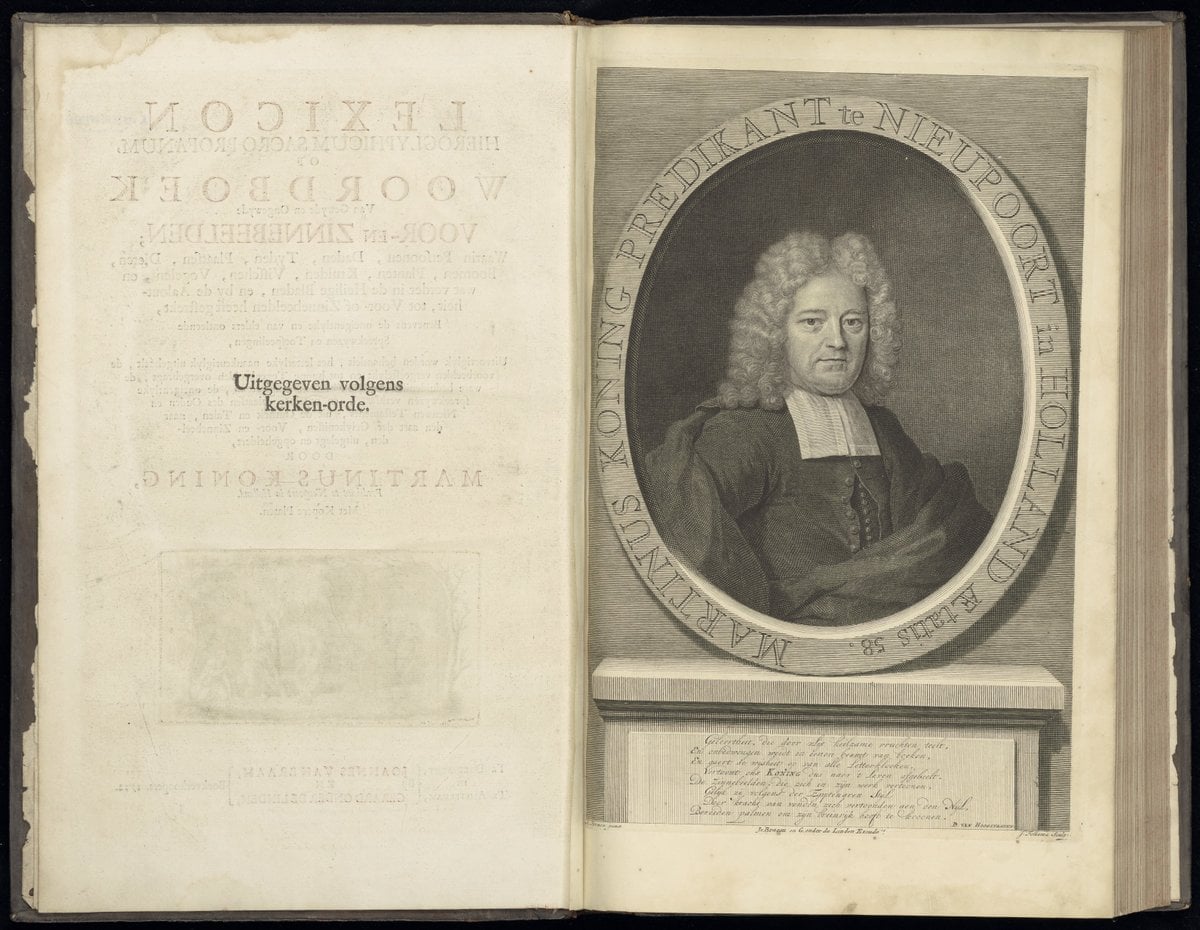
Sacred and Profane Hieroglyphic Lexicon
Koning, Martinus
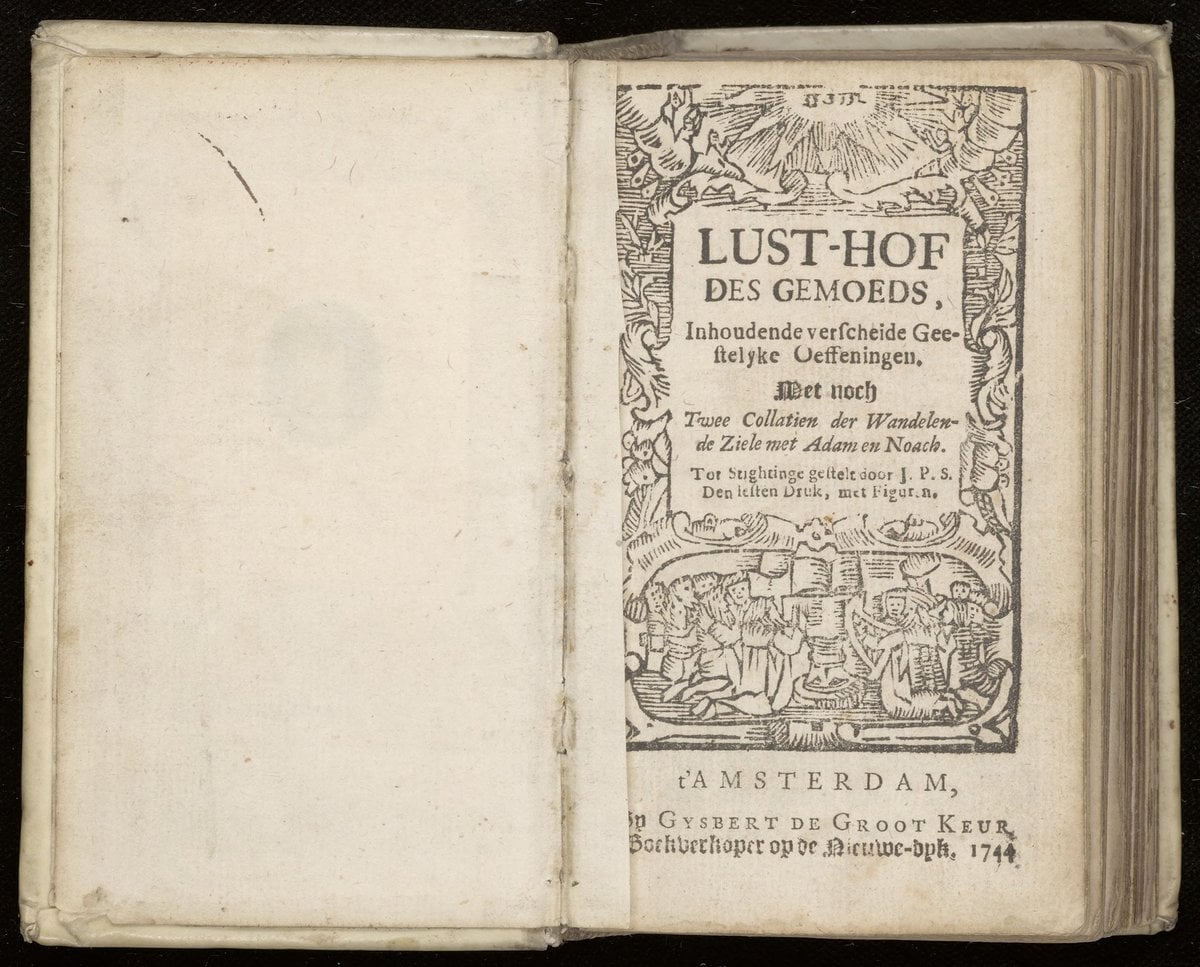
The Garden of the Mind
Schabaelje, Jan Philipsz
Mystery of the Cross
attr. Douzetemps

Pymander, Asclepius, and On the Mysteries of the Egyptians
Hermes Trismegistus|Jamblichus|Proclus
Theatrum Chemicum — Alchemical Compilation Manuscript
Various