


Horoscopic Astrology
Ptolemy's Tetrabiblos, Abu Ma'shar, Lilly — natal and horary astrology
Illustrations
Browse all227 images extracted
An alternative depiction of Venus, shown here riding a stag to symbolize her power over nature and the untamed aspects of love. The inclusion of flowers and an apple reinforces her identity as a deity of fertility and earthly delights.
A woodcut depicting the Vitruvian man, a classical ideal of human proportions, enclosed within a square and circle. An all-seeing eye is positioned above, and a serpent is placed to the side, adding layers of symbolic meaning related to alchemy and esoteric knowledge.
This 13th-century illustration depicts a crowned figure holding a sword and a book, representing the union of temporal power and intellectual wisdom. Such personifications were common in medieval scientific and philosophical manuscripts to embody complex abstract concepts or celestial influences, reflecting the era's synthesis of science, law, and divine order.
This square diagram represents a general figure of the heavens, a standard format for astrological charts in the late Middle Ages. It features the twelve astrological houses and is annotated with Latin text and zodiacal symbols, illustrating the complex intersection of astronomy and astrology in 15th-century thought.
This page displays a series of 'Characters of Evil Spirits' from a 1559 edition of Pseudo-Agrippa's Fourth Book of Occult Philosophy. The woodcuts categorize various symbolic forms—ranging from simple geometric lines and inverted letters to elemental forces like fire and wind, and animal forms like the serpent—which served as a visual vocabulary for constructing magical seals and talismans in the early modern period.
This circular diagram is a pentacle intended for invoking the spirits of Jupiter, as described in the 'Key of Solomon' grimoire. It features a complex arrangement of sigils and names, such as Netoniel and Devachia, designed to grant the practitioner power over hidden treasures.

This woodcut depicts the goddess Venus as a planetary deity, seated upon a chariot pulled by birds. She is accompanied by Cupid, and the chariot's wheels are adorned with the zodiac signs she rules: Taurus and Libra. This illustration from Leopold of Austria's astronomical treatise reflects the medieval and early Renaissance synthesis of classical mythology and astrological science.

This woodcut portrait depicts the author, likely Albubather or Hermes Trismegistus, in a scholarly setting with a celestial globe. It serves as an authorial illustration for this 1485 treatise on astrology and nativities, emphasizing the intellectual and scientific nature of the work.

This woodcut illustrates the concept of the microcosm, where the human body is seen as a reflection of the greater universe. The figure is positioned within a circle, holding pentagrams that symbolize the five elements and the dominion of the spirit over matter. Such imagery was central to the esoteric teachings of the 16th century, most notably in the works of Heinrich Cornelius Agrippa.
All Books
Browse Full Catalog→57 books in this collection
Aphoristic Astrology of Ptolemy, Hermes, and Others
Anonymous
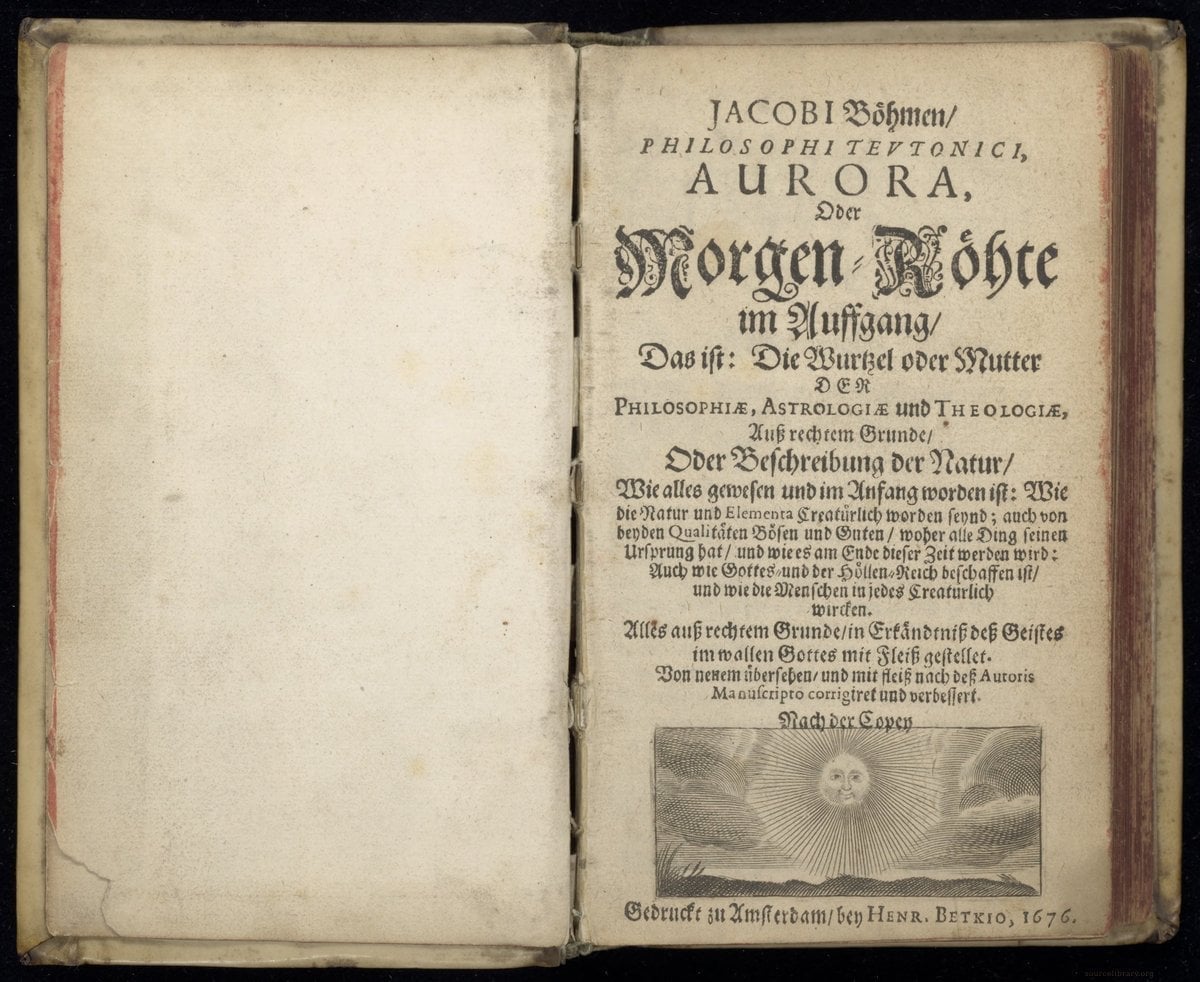
Aurora, or the Day-Spring
Boehme, Jacob
Detailed Report on the Use of the Physico-Astrological Instrument
Hafenreffer, Samuel
Astrologie theologized
Weigel, Valentin
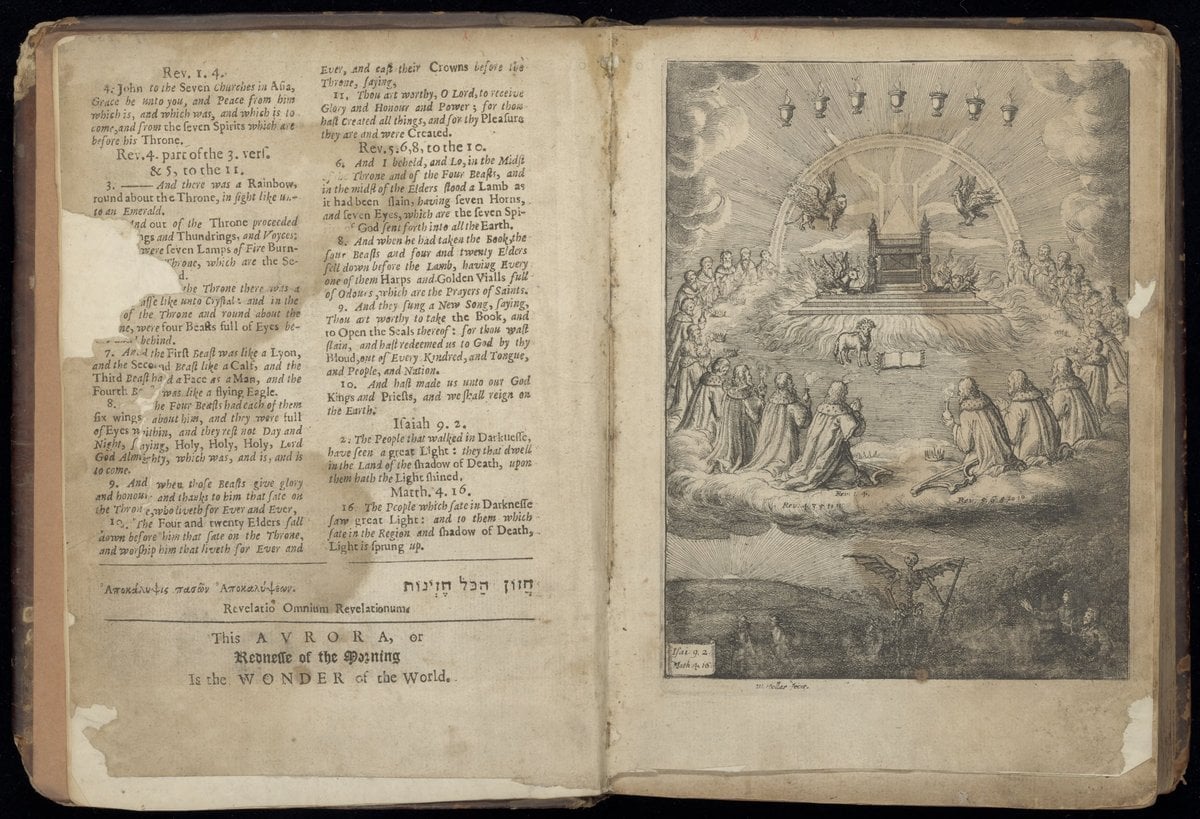
Aurora. That is, the day-spring
Boehme, Jacob
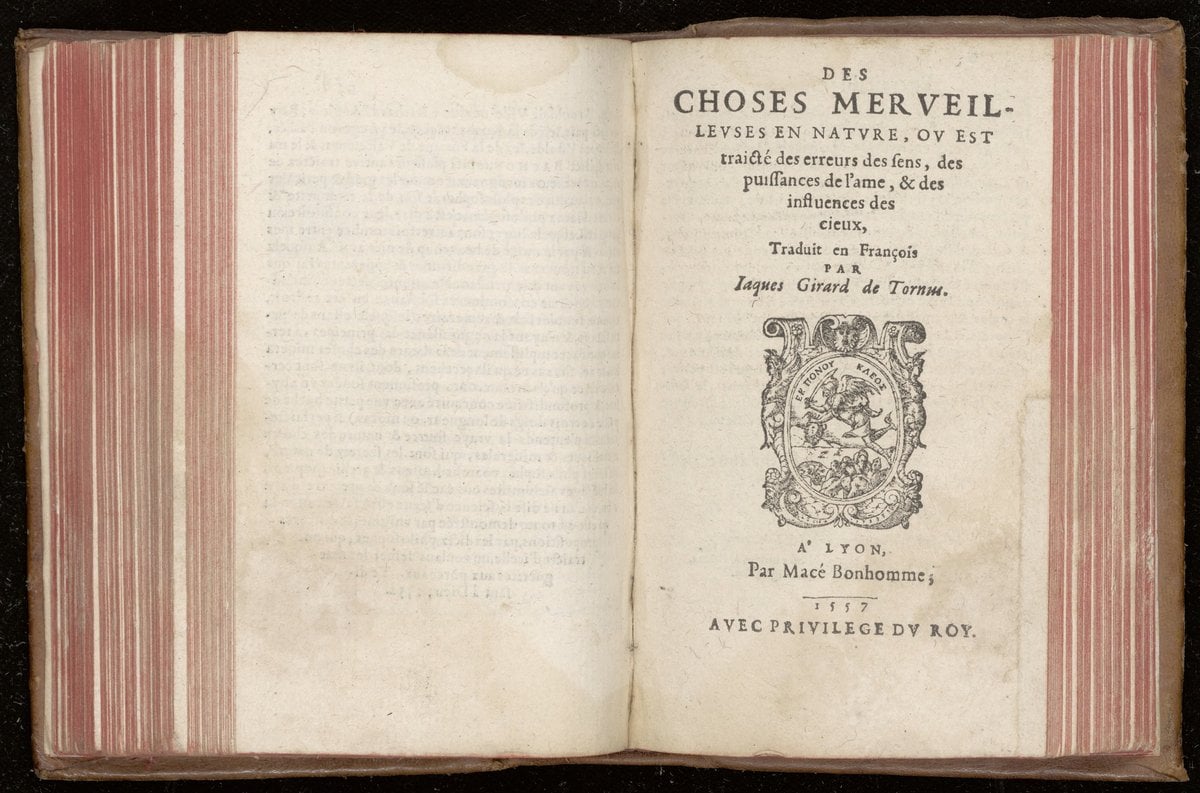
On the Marvelous Things in Nature
attr. Coelestinus, Claudius
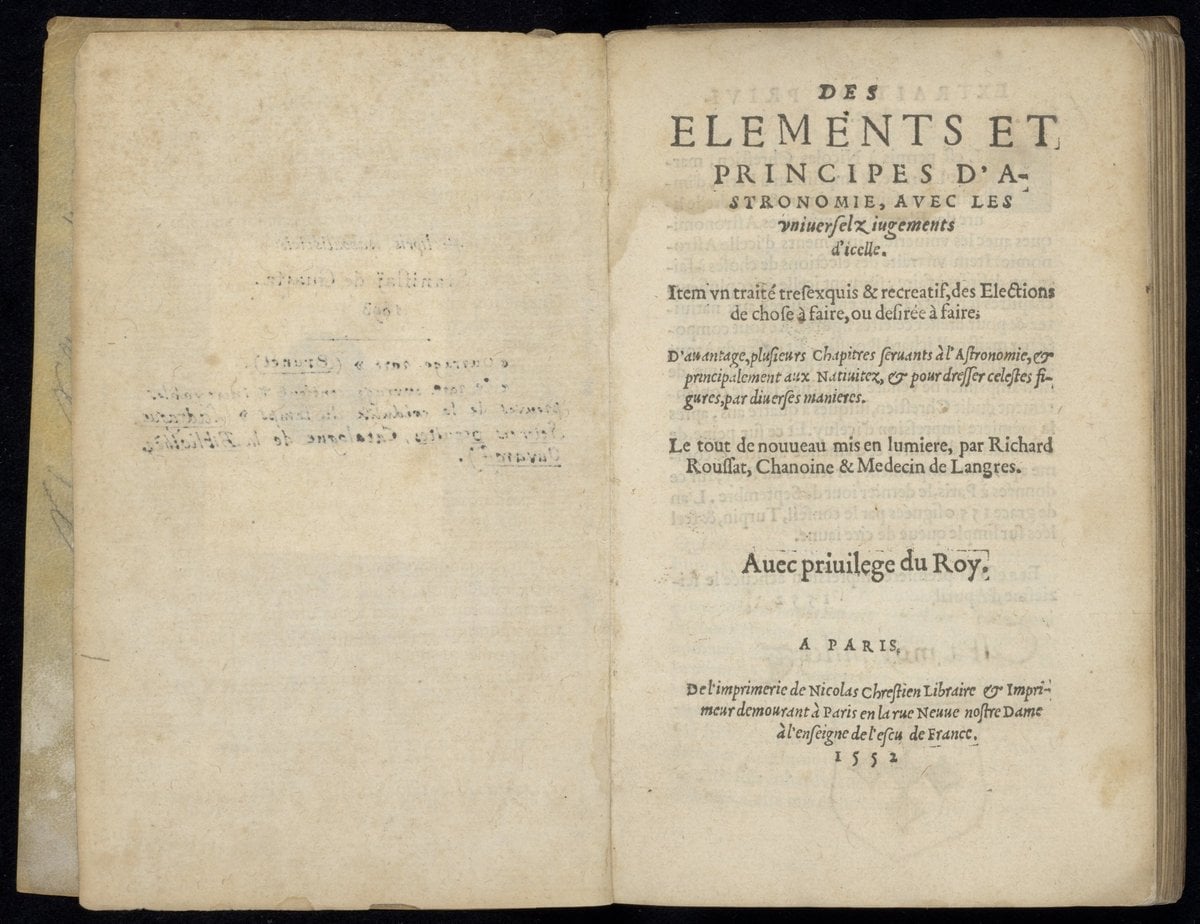
Elements and Principles of Astronomy
Roussat, Richard
The Chemical Winnowing Basket
Anonymous
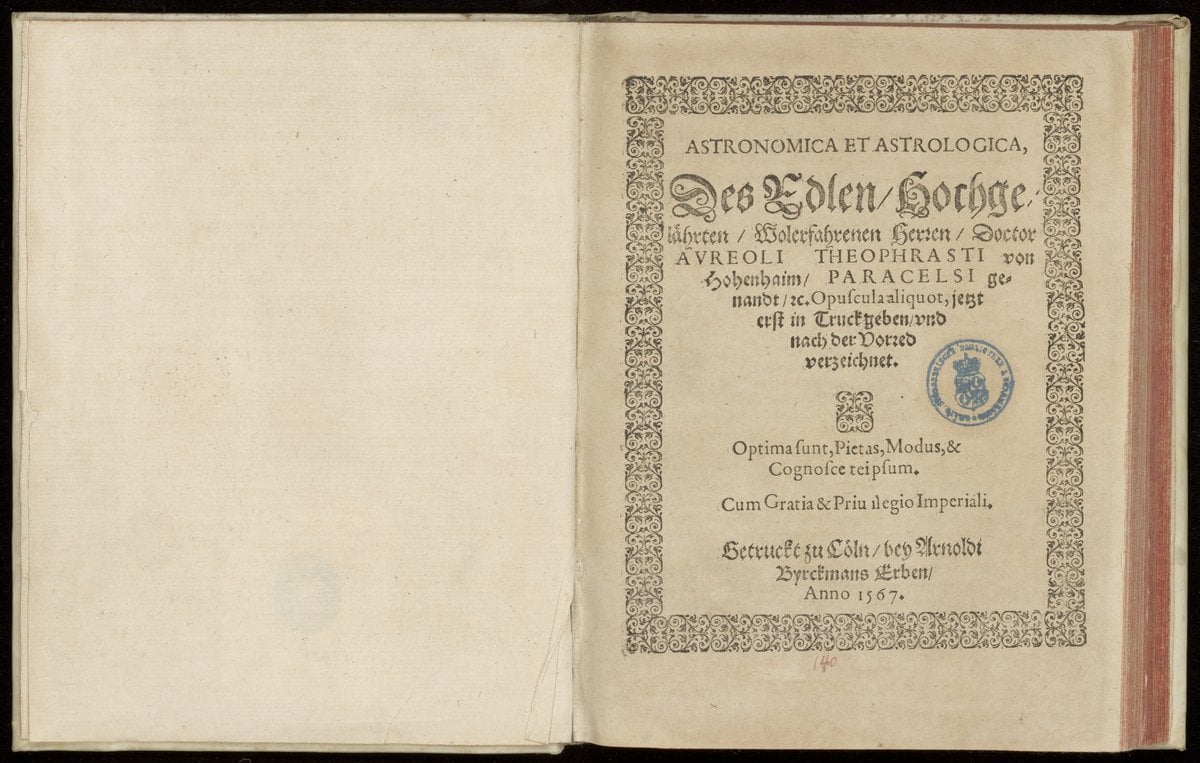
Astronomical and Astrological Works
Paracelsus, Theophrastus

Reflections and Judgment on the New Prophets in Germany
Ehinger, Matthias
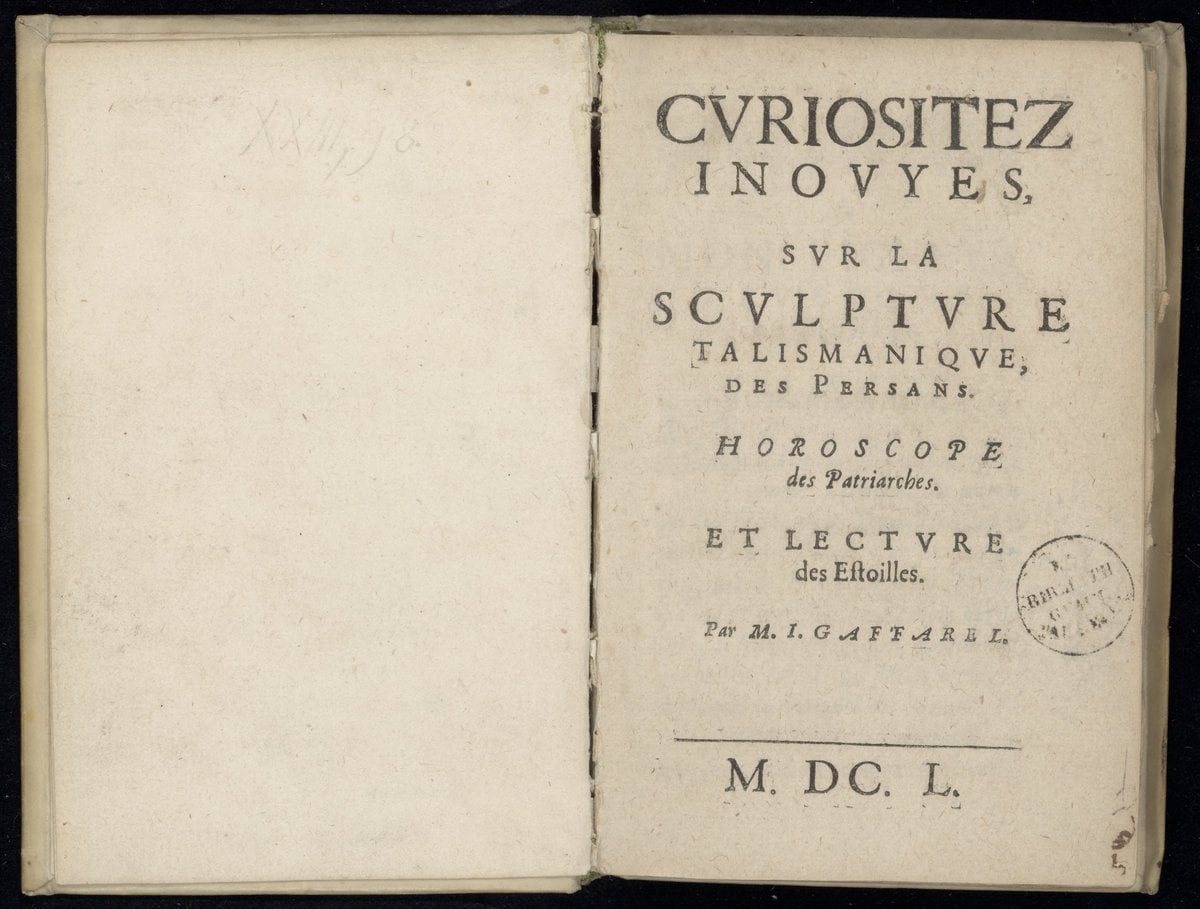
Unheard-of Curiosities concerning the Talismanic Sculpture of the Persians
Gaffarel, Jacques
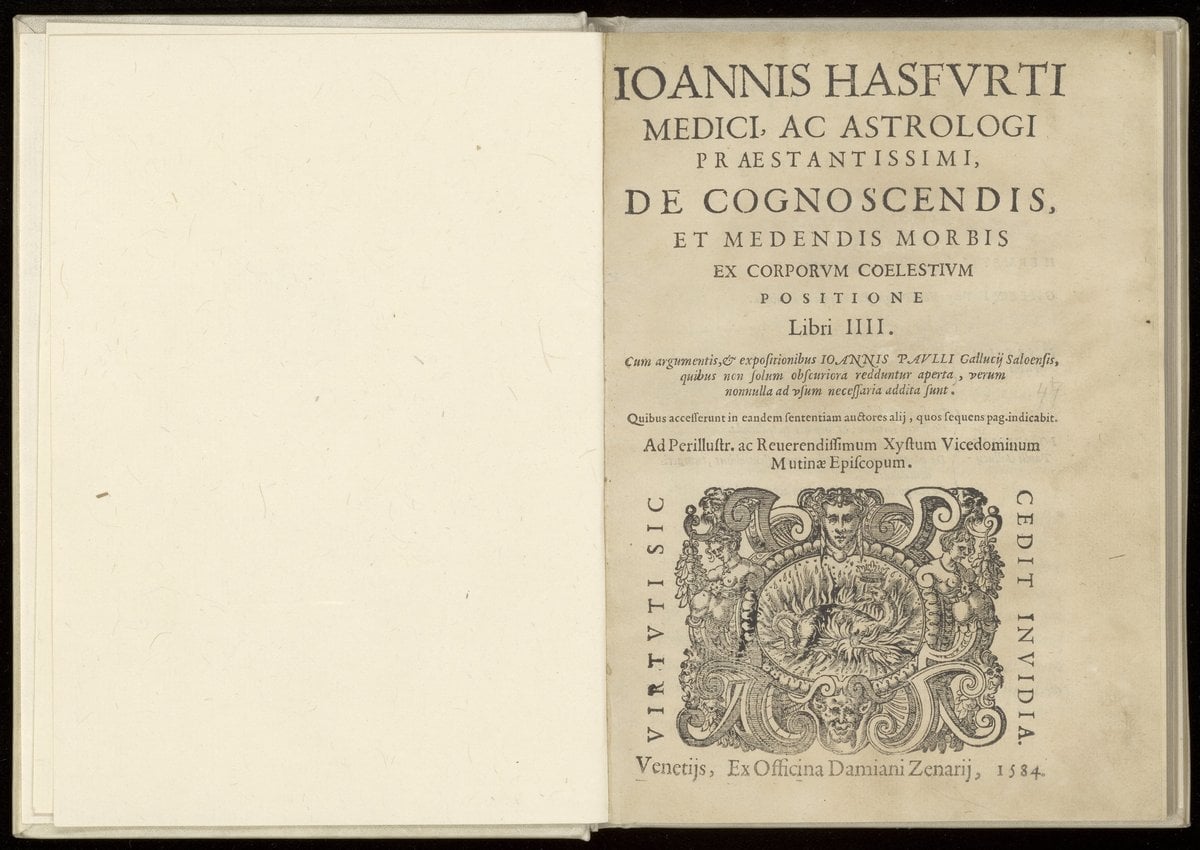
On Recognizing and Curing Diseases from the Position of the Celestial Bodies
Virdung von Hasfurt, Johann