Sub-collections


Illustrations
Browse all492 images extracted

This woodcut depicts a male figure inscribed within a circle, a classic Renaissance representation of the human body as a microcosm of the universe. The figure is marked with various astrological and alchemical symbols at the extremities and vital centers, illustrating the perceived correspondence between celestial bodies and human anatomy. This image reflects the early modern synthesis of science, philosophy, and mysticism, common in works exploring the 'harmony of the world'.

This portrait depicts Jacques de Molay (c. 1243–1314), the 23rd and final Grand Master of the Knights Templar. He is shown in full knightly regalia, including the iconic white mantle adorned with a red cross, symbolizing his leadership and the order's eventual suppression. This image serves as a foundational historical reference within Waite's exploration of the secret traditions connecting the Templars to modern Freemasonry.

This intricate engraving illustrates the 'Efficient Cause of Meteors' through a complex synthesis of cosmology and angelology. At the center lies the Earth, surrounded by personified winds and governed by the four archangels—Michael, Gabriel, Raphael, and Uriel—who preside over the cardinal directions. The inclusion of planetary symbols and angelic names reflects the syncretic nature of early modern natural philosophy, where scientific inquiry was deeply intertwined with theological and occult traditions.

This is the celebrated printer's mark of Aldus Manutius, the renowned Venetian printer and humanist. The image of a dolphin entwined around an anchor symbolizes the motto 'Festina Lente' (make haste slowly), balancing the speed of the dolphin with the stability of the anchor.

This woodcut portrait depicts the renowned philosopher Giovanni Pico della Mirandola (1463–1494). Appearing in the 1519 edition of his collected works, the image serves to memorialize the 'Phoenix of Wits' whose syncretic philosophy sought to reconcile diverse intellectual traditions.

This woodcut depicts the martyrdom of Ramon Llull, who is shown kneeling in prayer while being stoned by a crowd outside the walls of a coastal city. The scene illustrates the dangers Llull faced during his missionary travels to North Africa, emphasizing his devotion and the opposition he encountered.

This woodcut depicts a male figure inscribed within a square, illustrating the Renaissance concept of the human body as a perfectly proportioned microcosm. The figure is marked with a cross on the abdomen and surrounded by symbolic elements, including an eye above and a serpent to the left, suggesting a deeper alchemical or philosophical meaning. This image reflects the early modern fascination with the intersection of geometry, divinity, and the human form as described in occult and anatomical treatises.

This woodcut depicts the 'Hieroglyphic Monad,' a complex symbol designed by the Elizabethan polymath John Dee to represent the mystical unity of the cosmos. The central glyph synthesizes the symbols for the sun, moon, elements, and the zodiac sign Aries into a single, unified form, framed here by the four classical elements: Fire (Ignis), Air (Aer), Earth (Terra), and Water (Aqua). First published in 1564, this emblem serves as the visual thesis for Dee's work, remaining one of the most influential and enigmatic images in the history of Western alchemy and hermetic philosophy.

This detailed engraving depicts the alchemist and physician Heinrich Khunrath at the age of 42. He is shown in his study with various attributes of his learning, including books, scientific instruments, and a dog representing fidelity, framing him as a serious scholar of both medicine and theosophy.
Visual Art
Browse all art →60 works of visual art in this collection
 print
printAron
Aegidius Sadeler
The biblical High Priest Aaron is depicted in his ceremonial vestments performing a ritual sacrifice at an altar.
 print
printDe twaalf stamvaders van Israël
Aegidius Sadeler
The biblical patriarchs Dan and Gad, two of the twelve sons of Jacob, depicted with symbolic attributes derived from their blessings in Genesis.
 print
printEzechiel
Aegidius Sadeler
The Old Testament prophet Ezekiel is depicted standing in a landscape, pointing toward a divine figure appearing in the clouds.
 print
printGad
Aegidius Sadeler
The biblical patriarch Gad, one of the twelve sons of Jacob, depicted as a warrior in classical armor.
 print
printIsaac
Aegidius Sadeler
An engraving of the biblical patriarch Isaac depicted as an elderly bearded man standing in a vast landscape.
 print
printReligio Christiana
Aegidius Sadeler
The personification of Christian Religion triumphs over the figure of Idolatry, surrounded by divine symbols and the Tetragrammaton.
 print
printStamvaders Aser en Naftali
Aegidius Sadeler
A print depicting the biblical patriarchs Asher and Naphtali, founders of two of the Twelve Tribes of Israel.
 print
printStamvaders Dan en Gad
Aegidius Sadeler
The Biblical patriarchs Dan and Gad, sons of Jacob and founders of two of the Twelve Tribes of Israel.
 print
printStamvaders Zebulon en Issachar
Aegidius Sadeler
A two-panel engraving depicting the biblical patriarchs Zebulun and Issachar, two of the twelve sons of Jacob.
 print
printTheatrum biblicum (...)
Aegidius Sadeler
The biblical patriarchs Asher and Naphtali, two of the twelve sons of Jacob.
 print
printUittocht uit Egypte
Aegidius Sadeler
The Israelites are depicted departing from Egypt, led by Moses, while carrying away precious vessels and goods.
 print
printBorduurvoorbeeld met bijlvormig schildje
Albrecht Dürer
A woodcut depicting an intricate circular knotwork pattern with a small blank axe-shaped shield at its center and vine-like foliage in the four corners.
 print
printBorduurvoorbeeld met zeven bloemvormige motieven
Albrecht Dürer
A woodcut depicting a complex circular interlace pattern with seven symmetrical flower-shaped nodes, based on designs by Leonardo da Vinci.
 print
printEen tekenaar tekent een vrouw
Albrecht Dürer
A draftsman uses a gridded frame as a perspectival tool to draw a reclining woman onto a matching grid on his paper.
 print
printEntrelac, by Albrecht Dürer
Albrecht Dürer
A complex, continuous geometric interlacing pattern (entrelac) centered around a blank heart-shaped shield.
How a Jewish mystical tradition became the universal language of Renaissance science
In 1486, Giovanni Pico della Mirandola risked heresy by claiming that no science proves the divinity of Christ better than magic and Kabbalah.

Kabbalah began as a secret oral tradition within Judaism, centered on the nature of the divine, the creation of the world, and the hidden structure of the Hebrew alphabet. By the late 15th century, however, it had crossed cultural boundaries. Humanists like Giovanni Pico della Mirandola and Johann Reuchlin began to study these texts, believing that Kabbalah held the keys to a 'prisca theologia'—a primordial theology that unified all religions and philosophies.
This collection at the Embassy of the Free Mind documents this transformation. It moves from the foundational Hebrew texts like the Sepher Yetzirah and The Book of Splendor (Zohar) into the 'Christian Cabala' of the Renaissance. Here, the tradition merged with Hermeticism and Neoplatonism to create the massive cosmological systems of Robert Fludd and the practical occultism found in Heinrich Cornelius Agrippa's Three Books of Occult Philosophy.
The 196 books gathered here show how Kabbalah provided the mathematical and symbolic framework for early modern science. From John Dee's attempt to find a universal language in The Hieroglyphic Monad to the theosophical visions of Jakob Böhme, these texts represent a centuries-long effort to read the 'Book of Nature' through the lens of divine emanation.
The Hebrew Source
1200-1600Before it was a Renaissance science, Kabbalah was a rigorous Jewish meditative and exegetical practice focused on the ten Sephirot and the creative power of language.
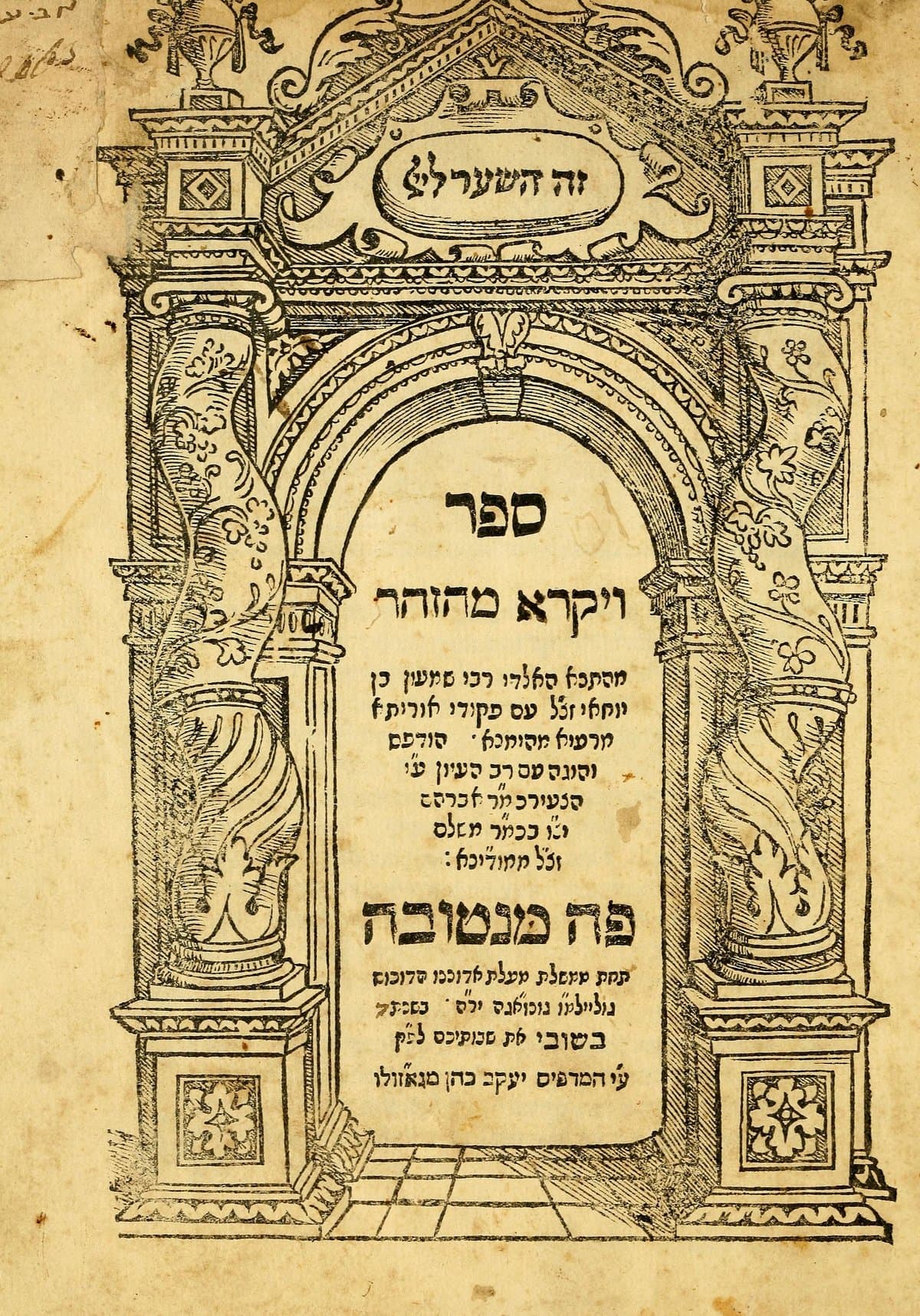
The Book of Splendor
Moses de León (attributed), 1558
The central text of the Kabbalistic tradition, attributed to Moses de León, exploring the mystical dimensions of the Torah.
Sepher Yetzirah (Book of Formation) - Westcott
Rabbi Akiba ben Joseph (attr.), 1887
A foundational work on how God created the universe through the 22 letters of the Hebrew alphabet.
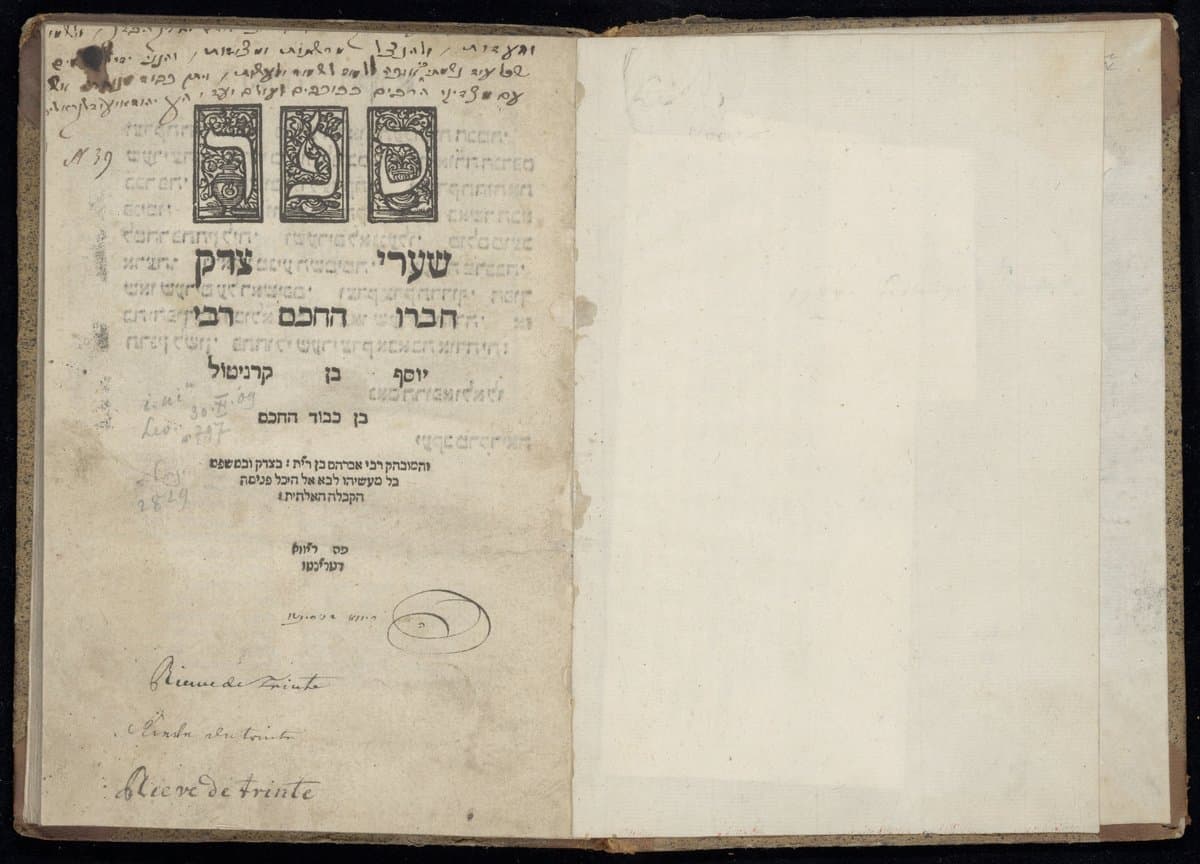
Gates of Righteousness
Gikatilla, Joseph ben Abraham, 1561First Translation
Joseph Gikatilla's essential map of the ten Sephirot, which became a primary source for later Christian scholars.
The Humanist Bridge
1486-1550In the 15th century, scholars began translating Kabbalah into Latin, attempting to reconcile Jewish mysticism with Christian dogma and Platonic philosophy.
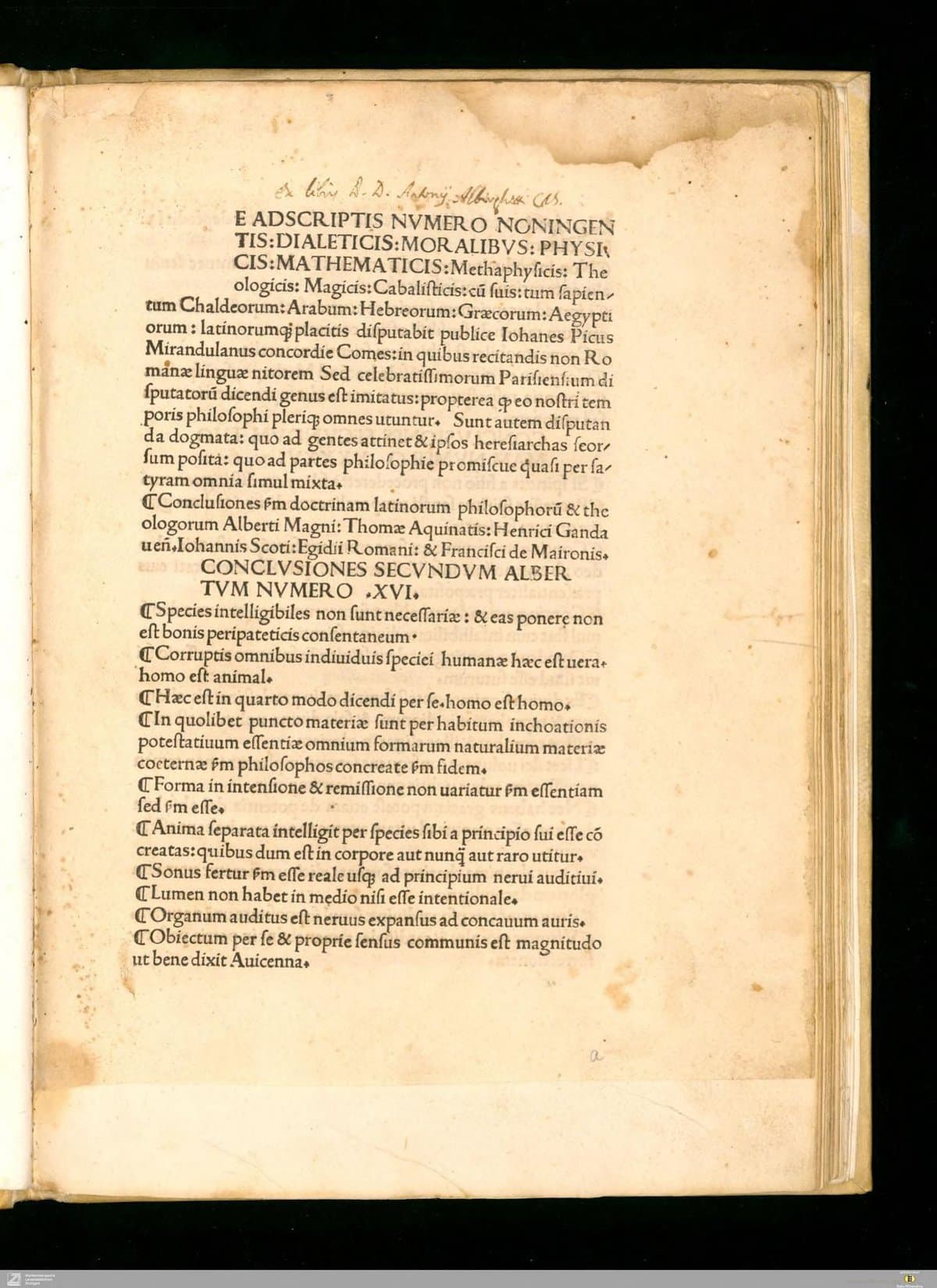
The 900 Theses
Pico della Mirandola, Giovanni (1463-1494), 1486
The manifesto of Christian Cabala, where Pico della Mirandola synthesizes 900 propositions of universal knowledge.
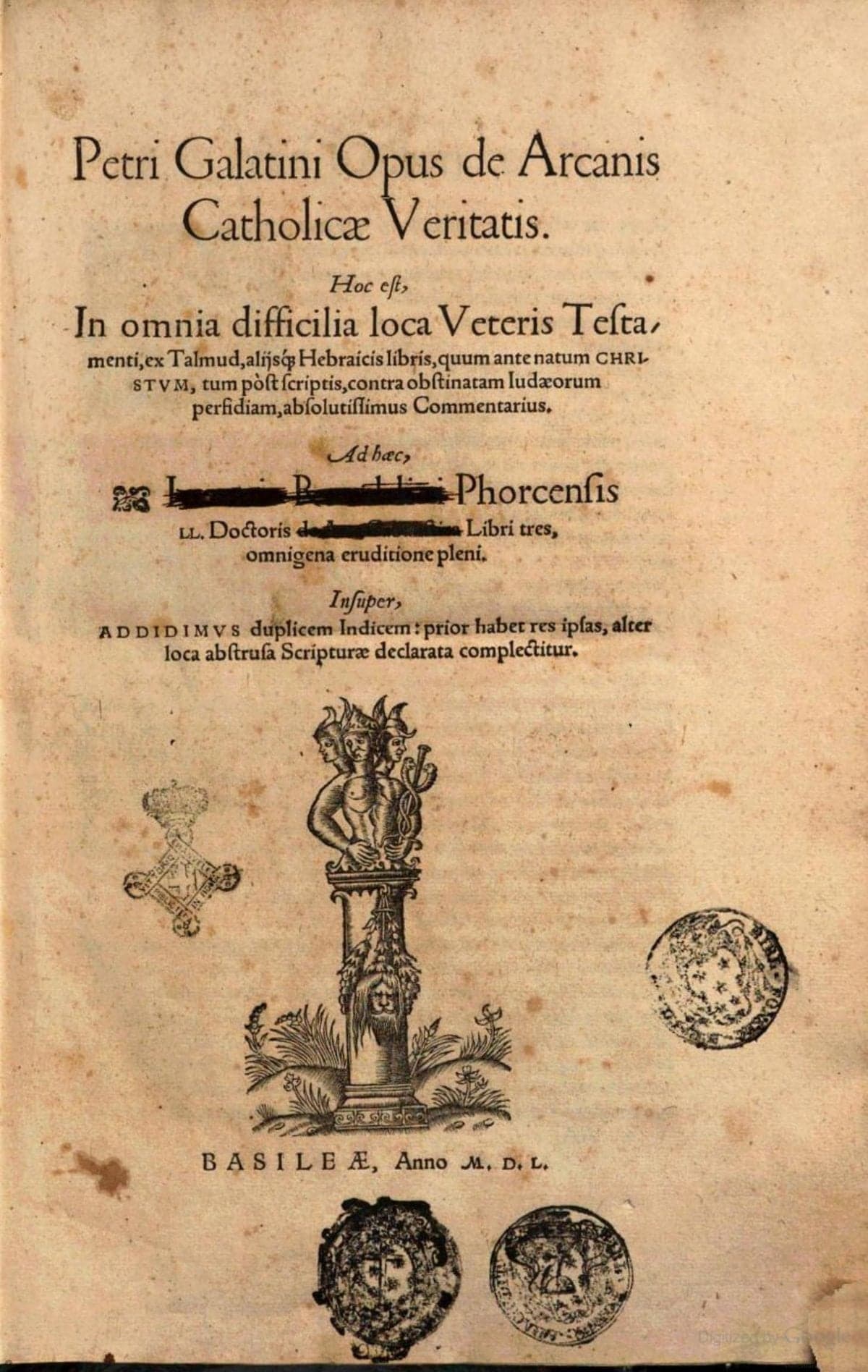
On the Art of the Kabbalah
Johann Reuchlin, 1517
The first systematic Latin defense of Kabbalah by a non-Jew, framing it as a tool for understanding the Pythagorean tradition.
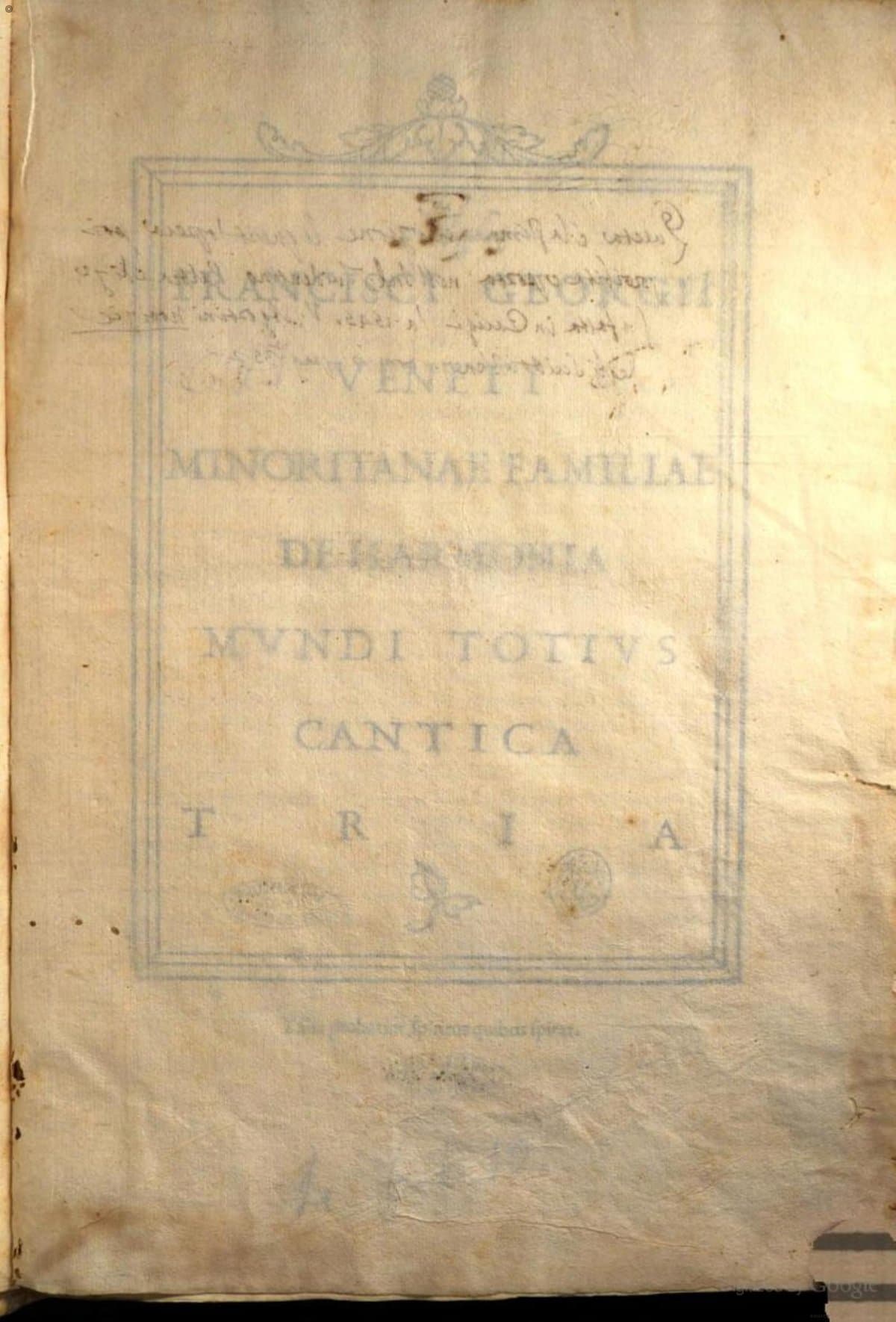
On the Harmony of the World
Francesco Giorgi (Zorzi), 1525First Translation
A massive attempt by a Franciscan friar to harmonize the entire universe through Kabbalistic and musical proportions.
Universal Magic and the Microcosm
1533-1670During the 16th and 17th centuries, Kabbalah became the 'practical' side of natural science, used to explain the link between the human body and the stars.
Three Books of Occult Philosophy
Heinrich Cornelius Agrippa von Nettesheim, 1550
The most influential occult textbook of the Renaissance, using Kabbalah to organize the elemental, celestial, and intellectual worlds.
Mosaicall Philosophy
Robert Fludd, 1659
Robert Fludd's synthesis of biblical revelation and experimental science, illustrated with famous cosmological engravings.
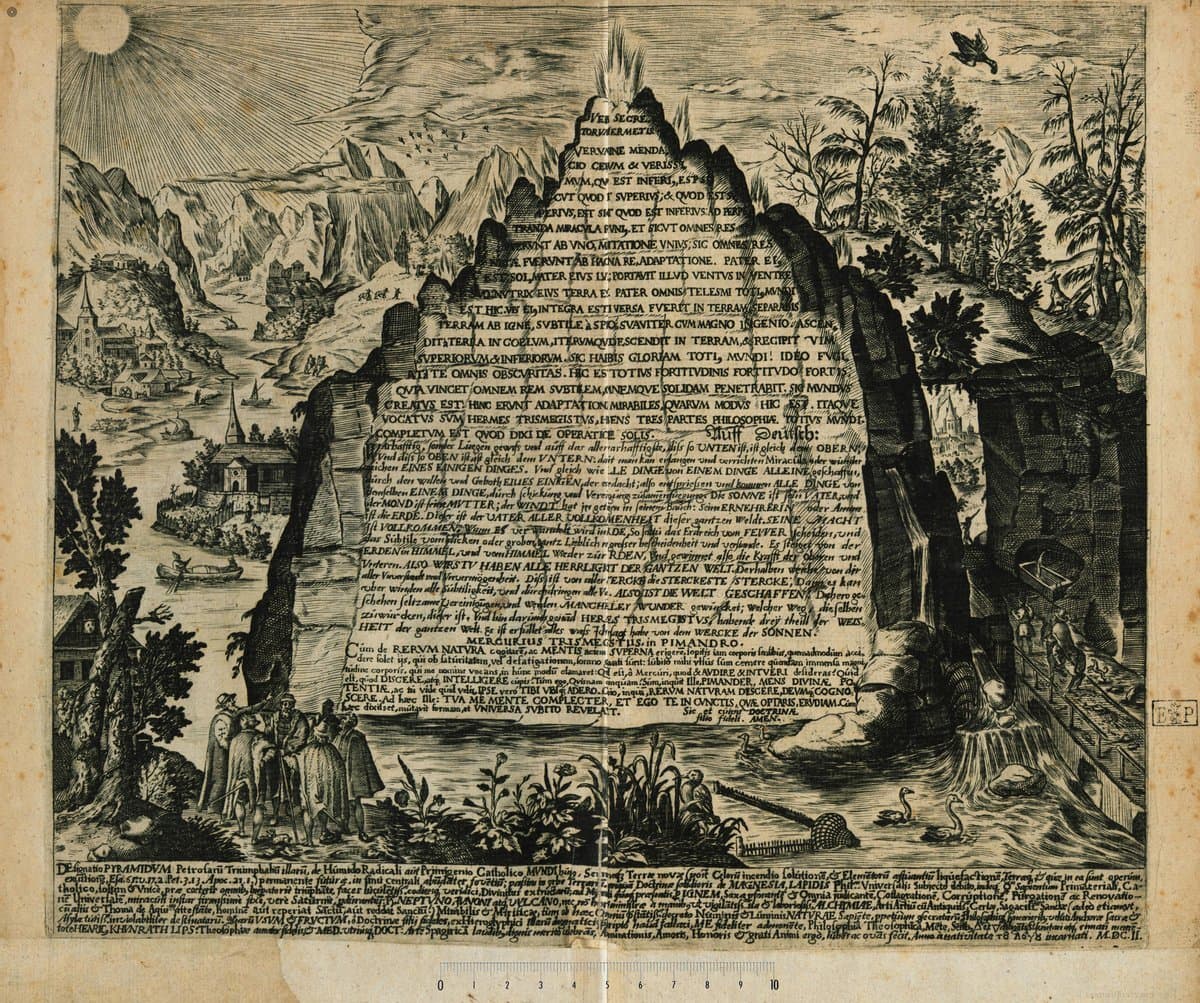
Amphitheater of Eternal Wisdom
Heinrich Khunrath, 1609First Complete Translation
A visually stunning work that combines Kabbalah with alchemy and prayer as the 'fire' of the true philosopher.
The Grimoire and Ritual Tradition
1600-1925As the high philosophy of the Renaissance faded, Kabbalistic names and symbols were adapted into systems of ceremonial magic and popular grimoires.
The Key of Solomon
Anonymous, 1914First Complete Translation
The most famous of all magical manuals, claiming to hold the secret seals and conjurations of King Solomon.
Transcendental Magic: Its Doctrine and Ritual
Eliphas Levi; tr. A.E. Waite, 1896
Eliphas Levi's 19th-century revival of Kabbalah as the secret key to all tarot and ritual magic.
Key Figures
Giovanni Pico della Mirandola
1463–1494
The brilliant prodigy who introduced Kabbalah to the Latin West and declared it the ultimate proof of Christian truth.
The 900 ThesesHeinrich Cornelius Agrippa
1486–1535
A soldier and physician whose synthesis of Kabbalah and magic remained the standard reference for occultists for three centuries.
Three Books of Occult PhilosophyRobert Fludd
1574–1637
An English physician who used Kabbalistic principles to map the entire 'History of the Two Worlds'—the macrocosm and the microcosm.
Mosaic Philosophy“There is no science that better certifies us of the divinity of Christ than magic and Kabbalah.”
“HE WHO DOES NOT UNDERSTAND, SHOULD EITHER BE SILENT OR LEARN.”
“For just as the entire alphabet is the whole understanding of all beings, so God's Word is the single understanding of all things, and the angels are His letters.”
Illustrations from the Collection


Where to Start
The Historical Researcher
Trace the movement of Kabbalah from Jewish scholars to the Christian academies of the Renaissance.
- 1On the Art of the Kabbalah
Start with Reuchlin to understand how Kabbalah was first justified to a Christian audience.
- 2
The Visual Symbolist
Explore the intricate diagrams and woodcuts that attempted to map the divine structure of reality.
- 1Three Books of Occult Philosophy
Examine Agrippa's woodcuts of the human body as a microcosm.
- 2Amphitheater of Eternal Wisdom
Study Khunrath's circular 'Amphitheater' for the peak of Kabbalistic-Alchemical art.
Related Collections
All Books
Browse Full Catalog→471 books in this collection
Introduction to Primitive Cabalistic Science
Anonymous
Essence of Pomegranates
Gallico, Samuel
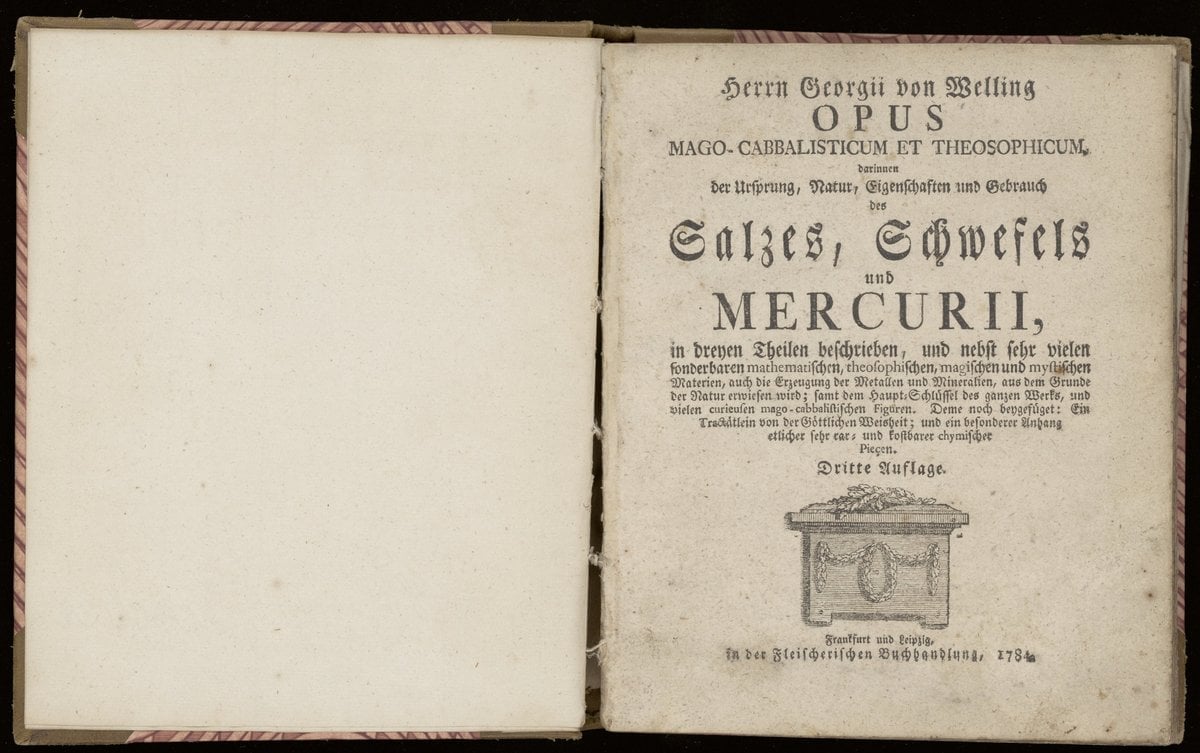
Magico-Cabbalistic and Theosophical Work
Welling, Georg von
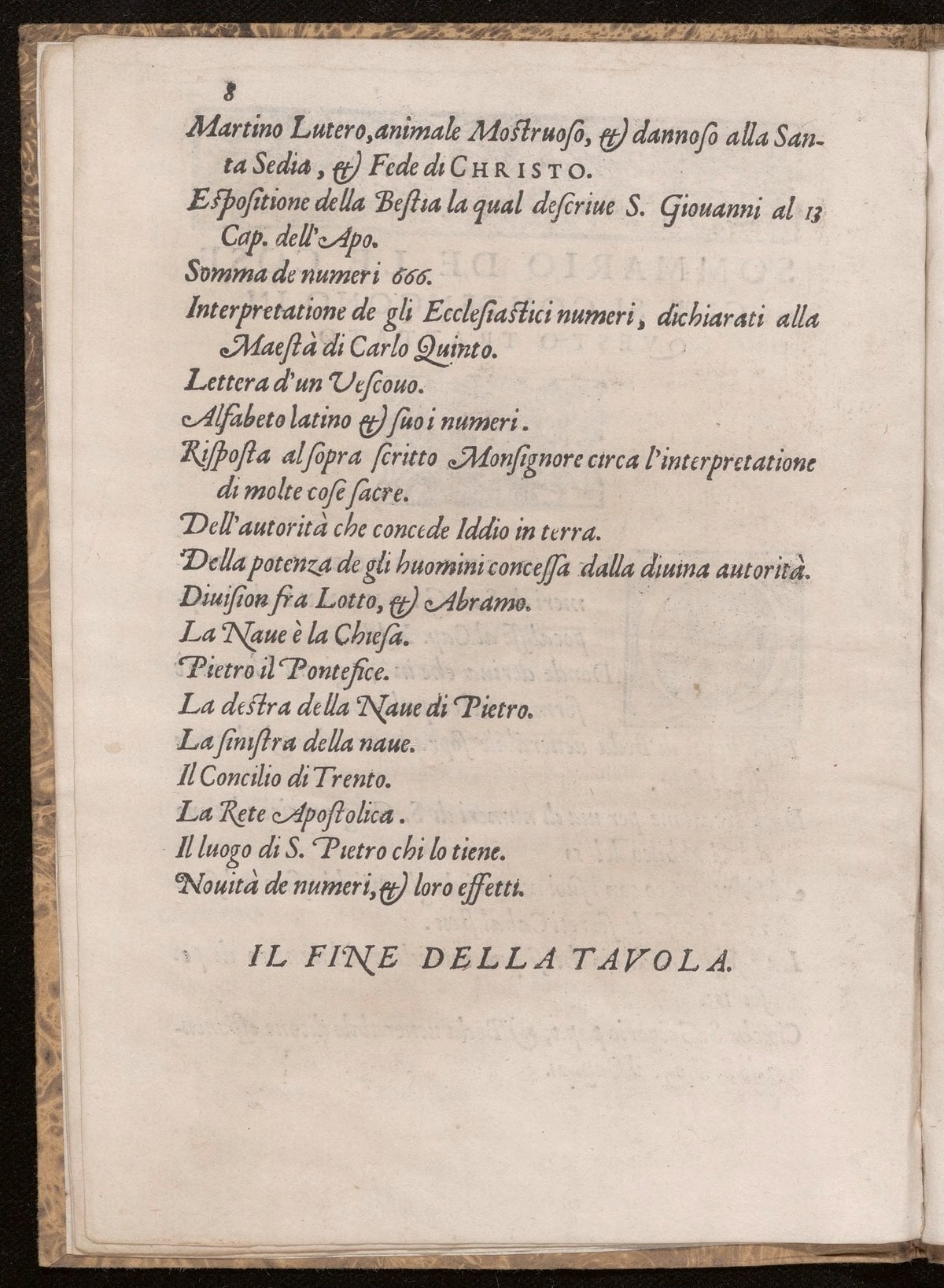
Declaration on the 13th Chapter of the Apocalypse
Doni, Antonio Francesco
Telescope of Zoroaster, or the key to the great divinatory cabala of the magi
attr. Nerciat, Andrea de?
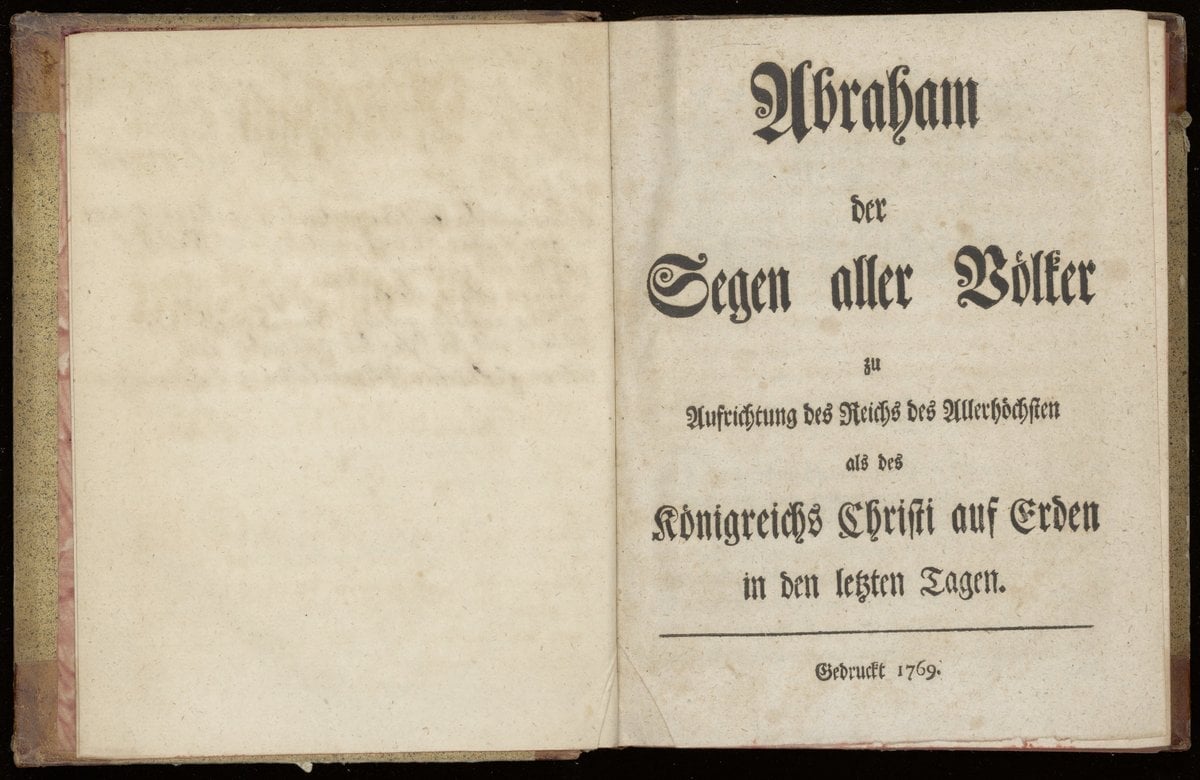
Abraham, the Blessing of All Nations
attr. Müller, Johann Daniel
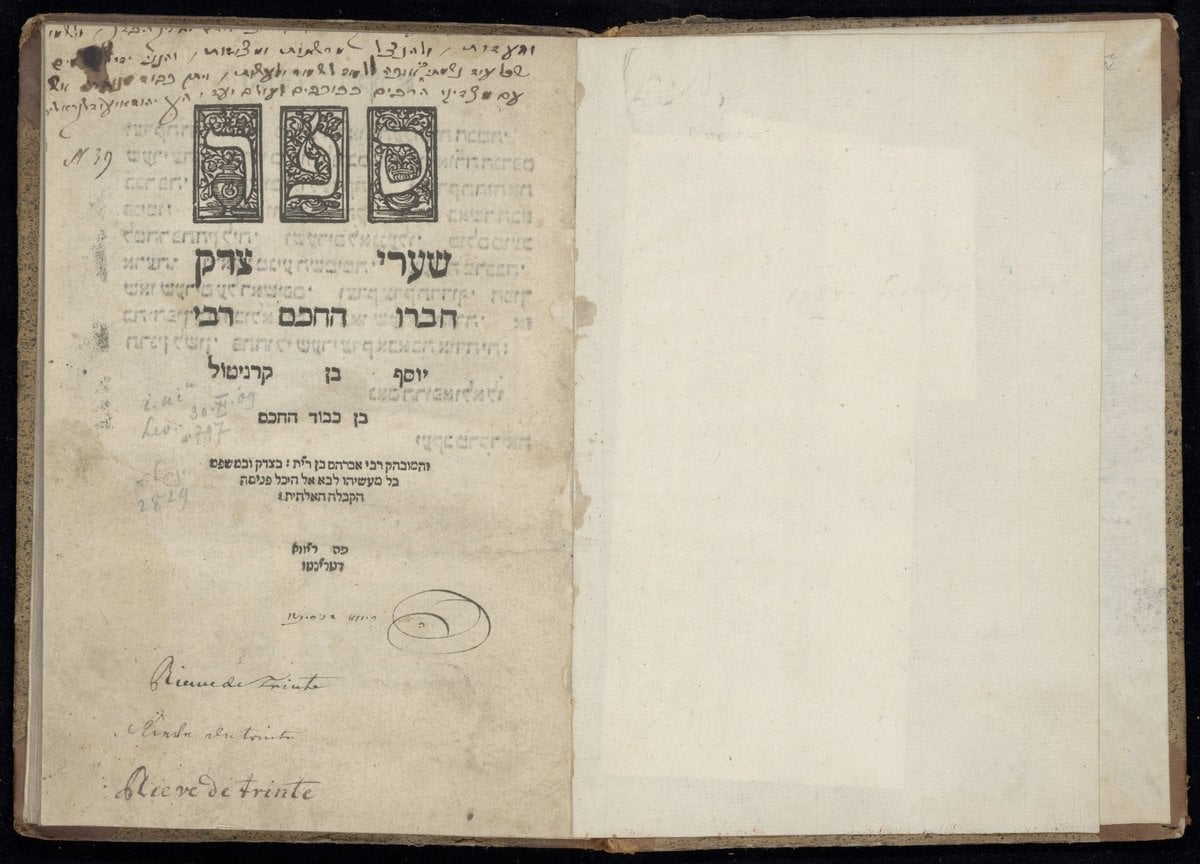
Gates of Righteousness
Gikatilla, Joseph ben Abraham
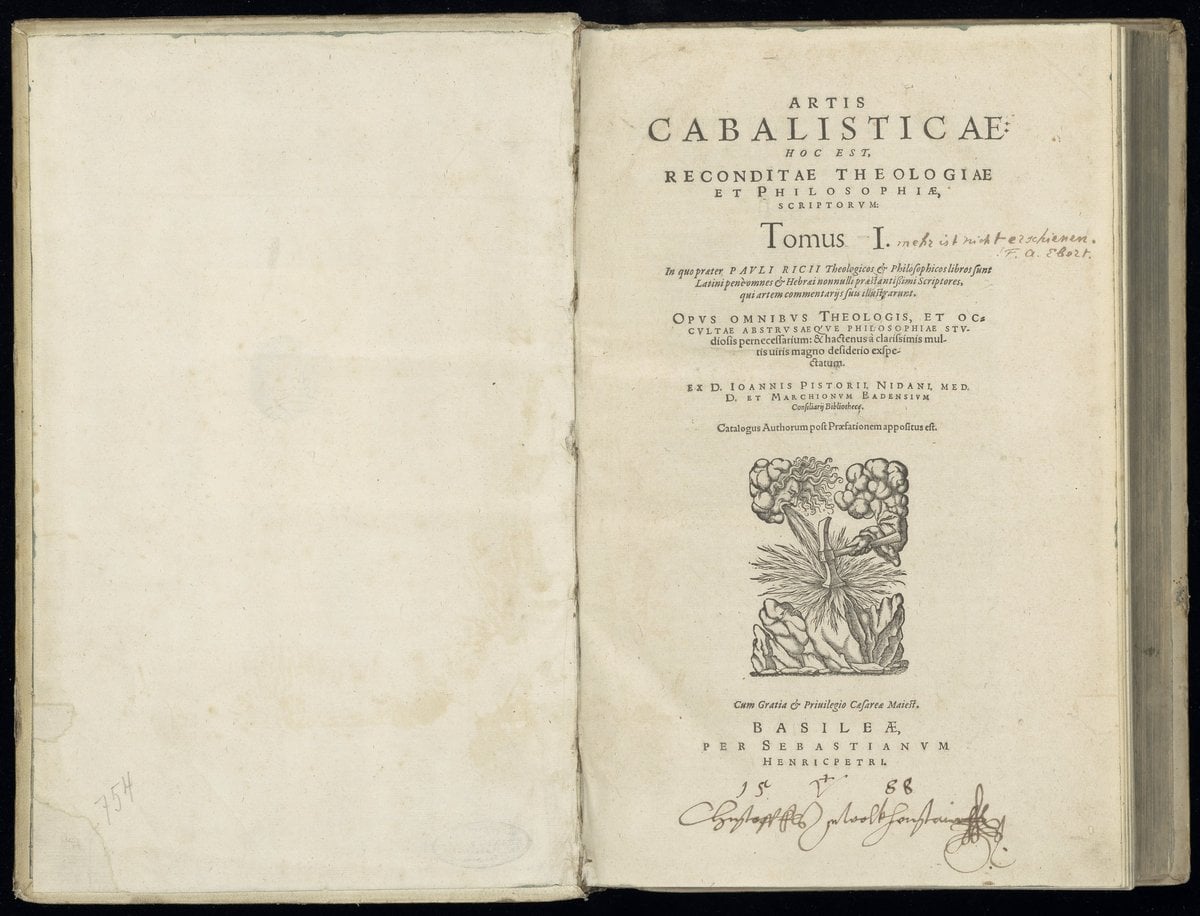
The Cabalistic Art, Volume 1
Pistorius, Johannes
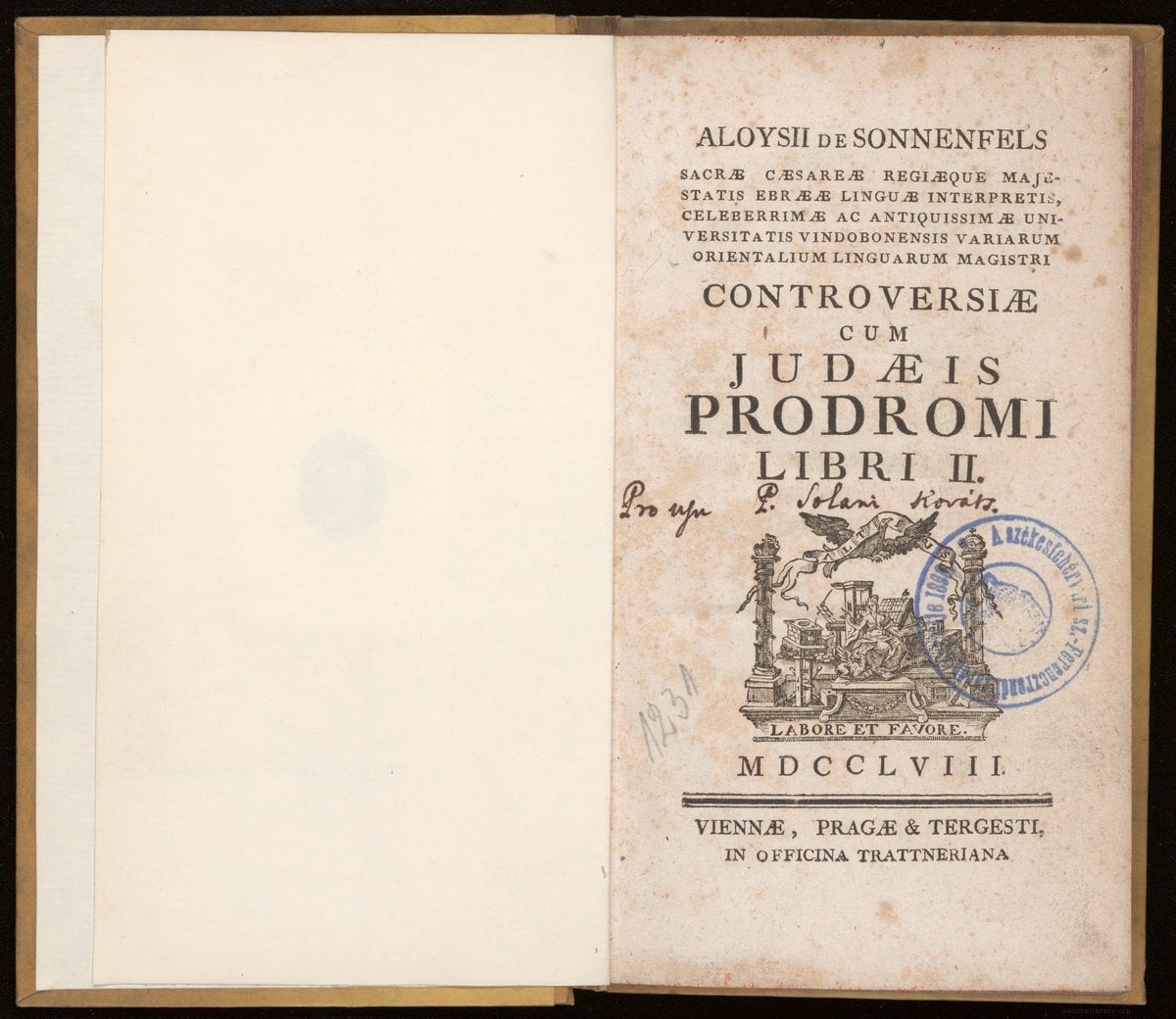
Two Books of the Introduction to the Controversies with the Jews
Wienner von Sonnenfels, Aloys
The Teachings of the Rosicrucians from the 16th and 17th Centuries
Anonymous
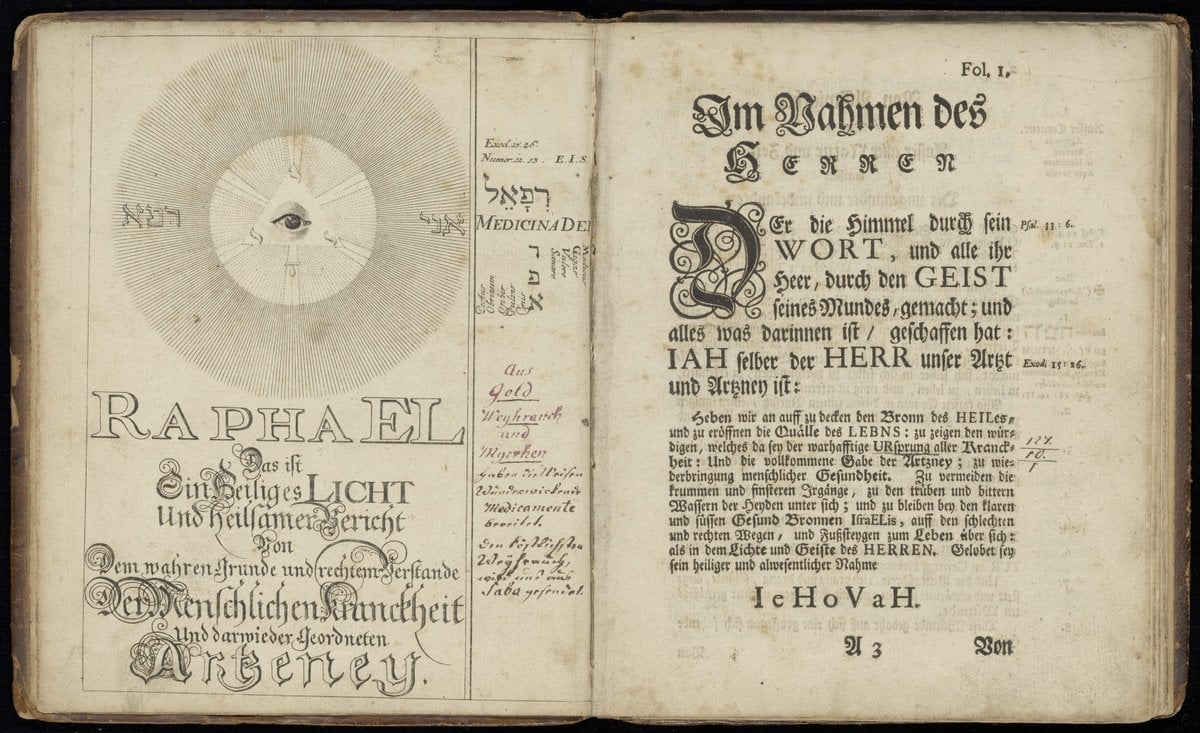
Raphael, or the Physician-Angel
Franckenberg, Abraham von
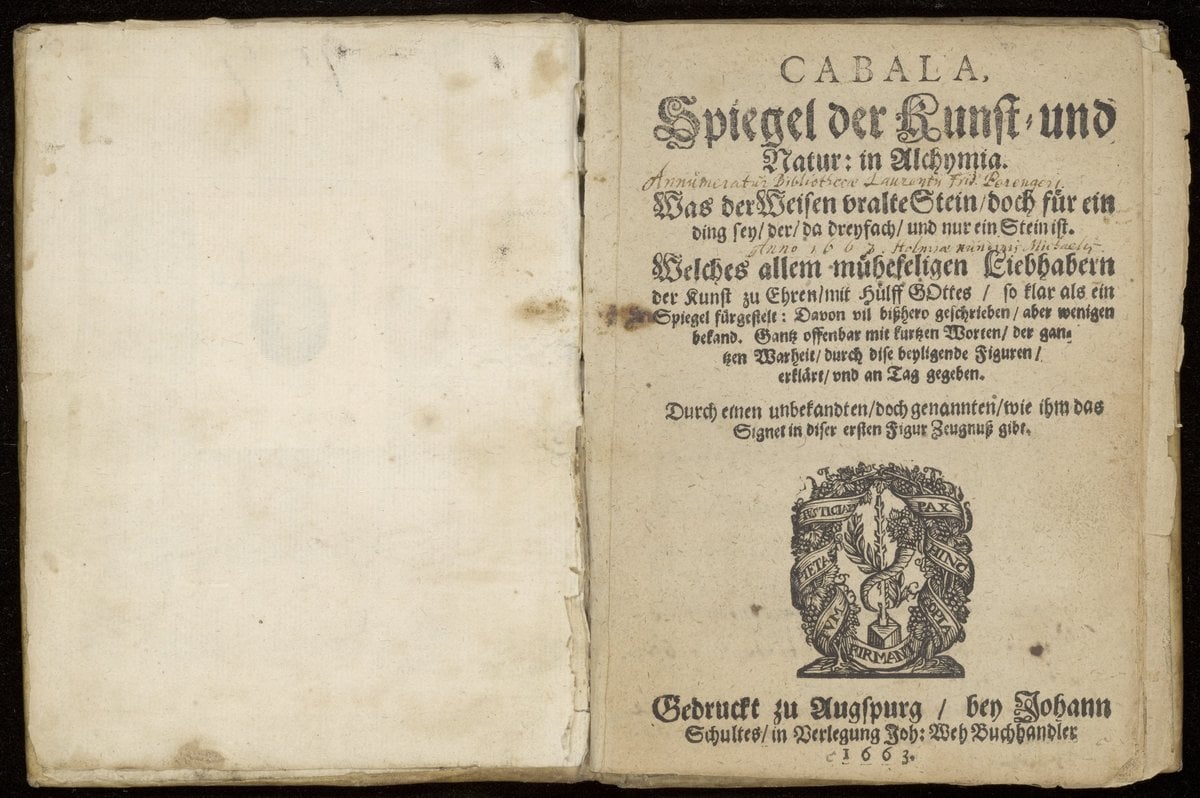
Cabala: Mirror of Art and Nature in Alchemy
attr. Michelspacher, Stephan
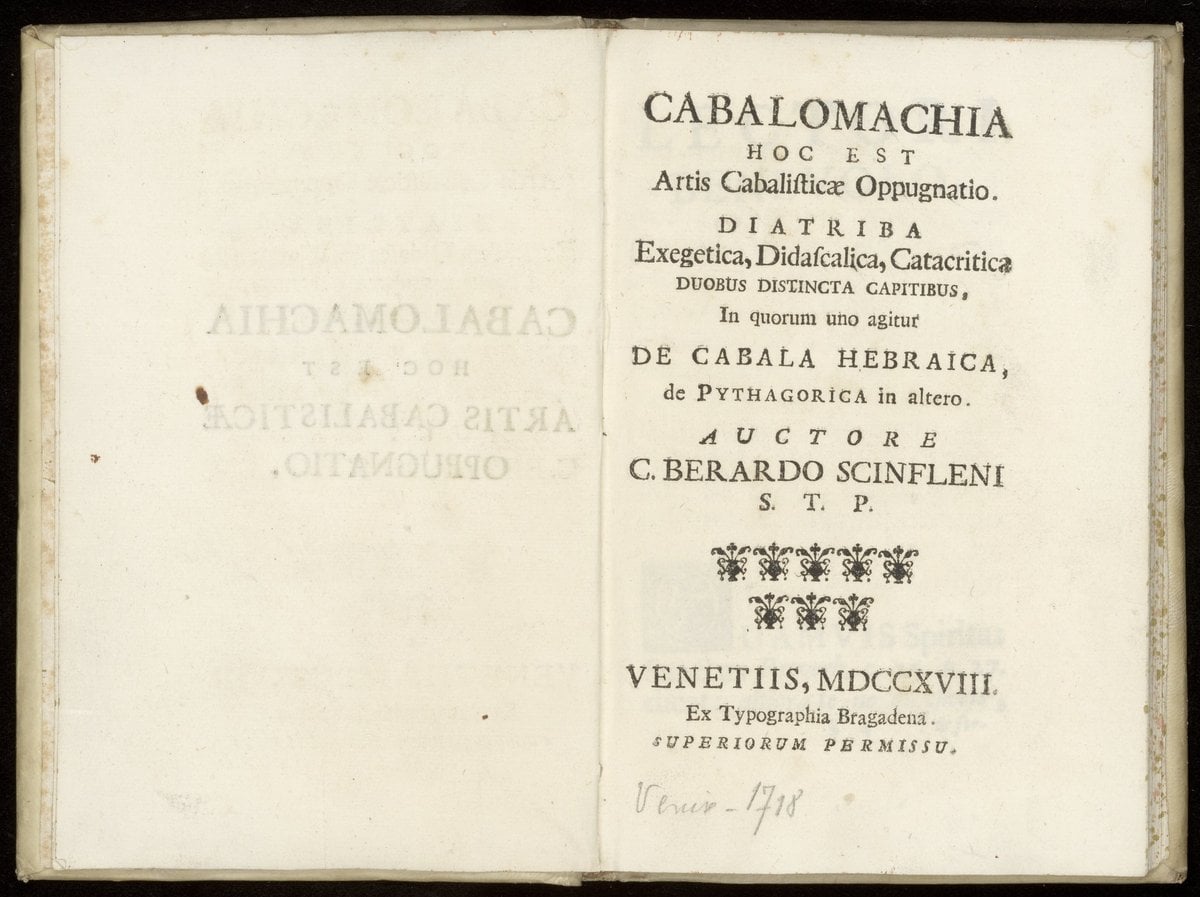
The Battle Against the Kabbalah
attr. Berlendi, Francesco
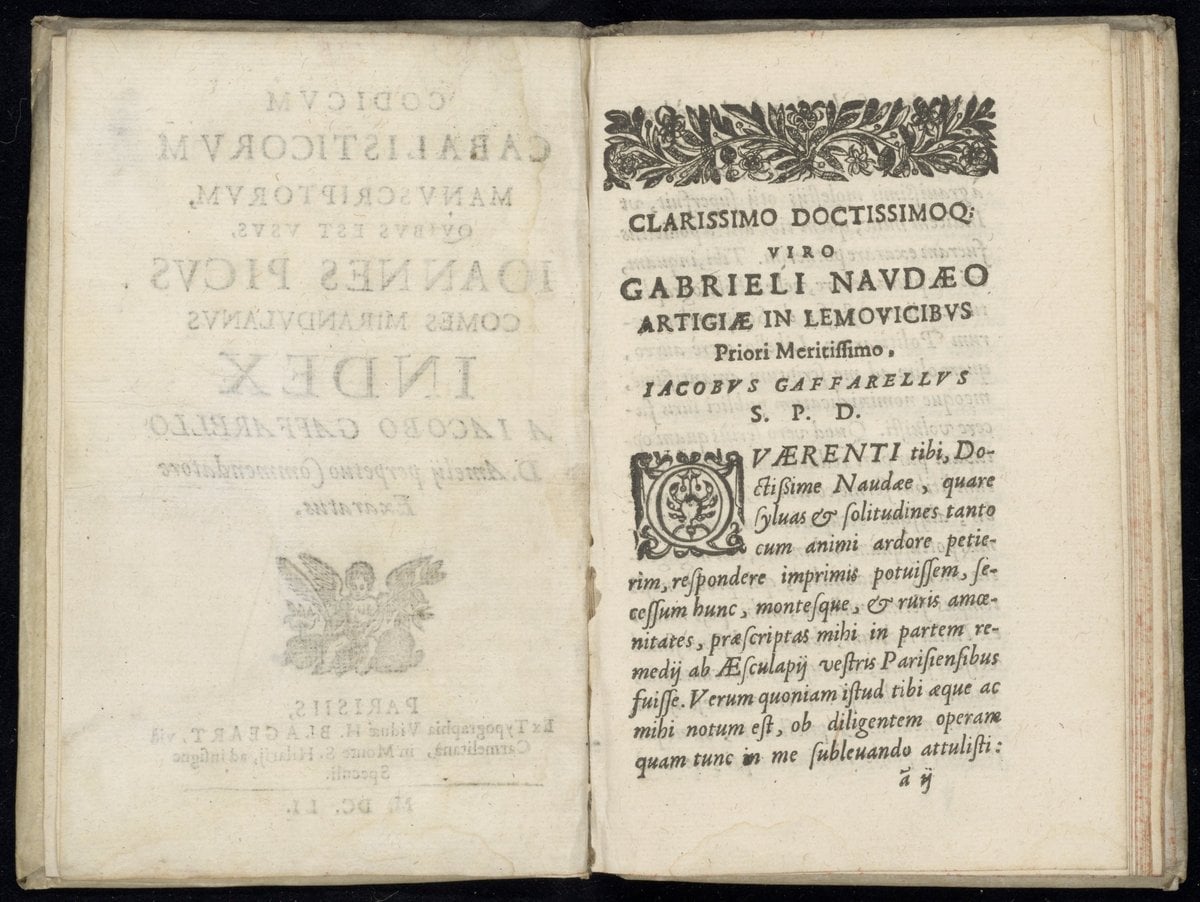
Index of the Kabbalistic Manuscripts of Pico della Mirandola
Gaffarel, Jacques