

Illustrations
Browse all270 images extracted
This intricate engraving serves as the central visual argument for Robert Fludd's 'Philosophia Moysaica' (1638). It presents a complex cosmological diagram illustrating the relationship between the divine, the celestial, and the terrestrial realms through a series of interlocking circles and symbolic figures. Fludd, a prominent Hermetic philosopher and physician, used such imagery to synthesize biblical narrative with contemporary scientific and mystical thought, representing the unfolding of creation from the divine unity.
This intricate engraving from Robert Fludd’s 'Philosophia Moysaica' (1638) presents a complex cosmological model of the universe based on the interplay of light and darkness. At the base, the figures of Dionysus and Apollo represent the dualistic forces of destruction and creation, while the central diagram maps the emanation of divine light into the material world. Fludd’s work sought to reconcile biblical scripture with Hermetic philosophy and early scientific observation, making this image a key artifact of the 17th-century intellectual landscape.
All Books
Browse Full Catalog→36 books in this collection
Essence of Pomegranates
Gallico, Samuel
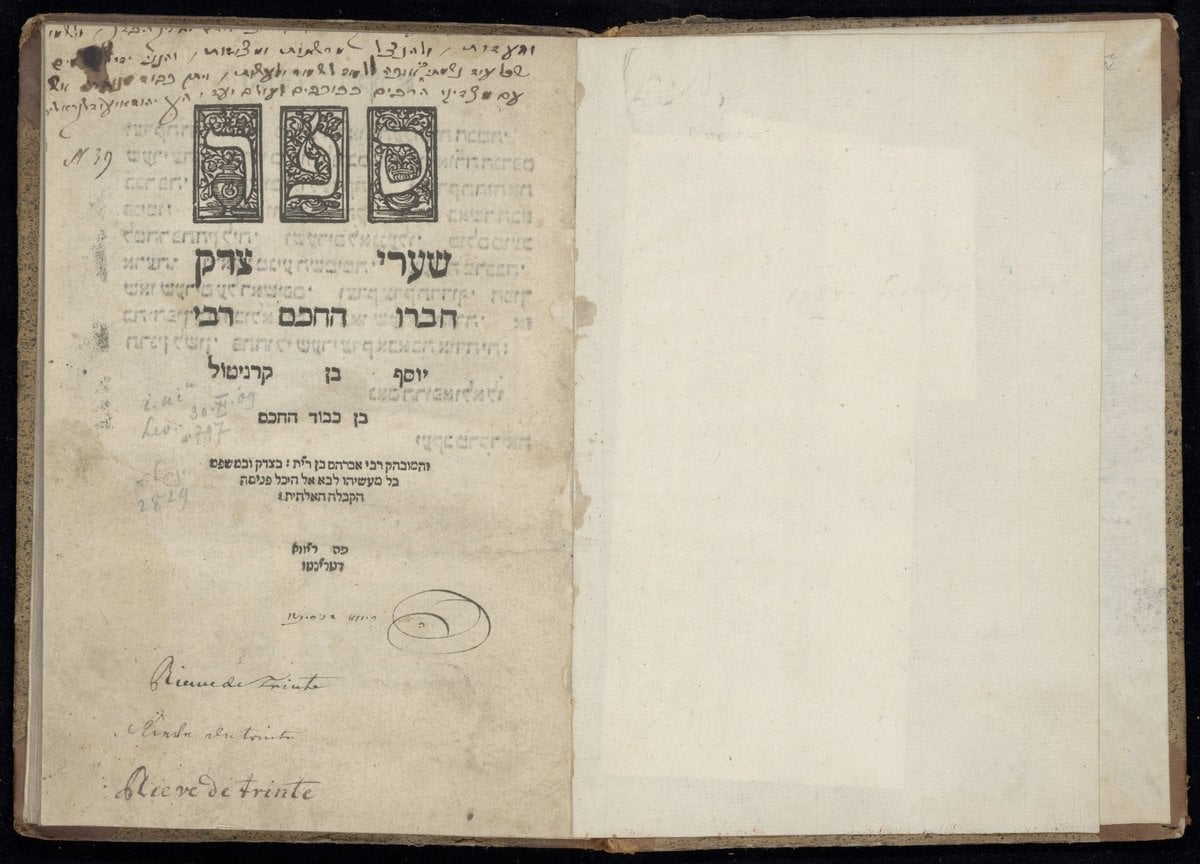
Gates of Righteousness
Gikatilla, Joseph ben Abraham
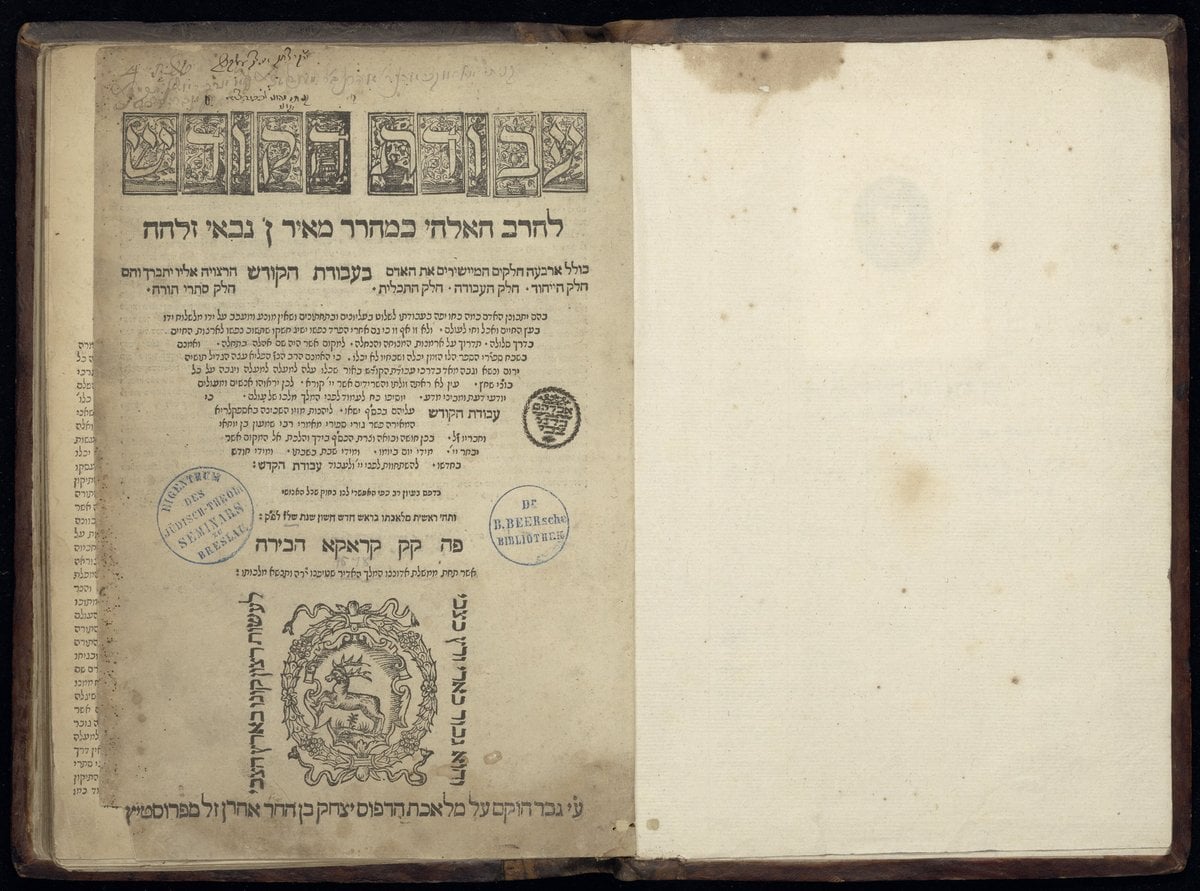
The Holy Service
Gabbai, Meir ben Jechiel
On the Wonder-Working Word
Johannes Reuchlin
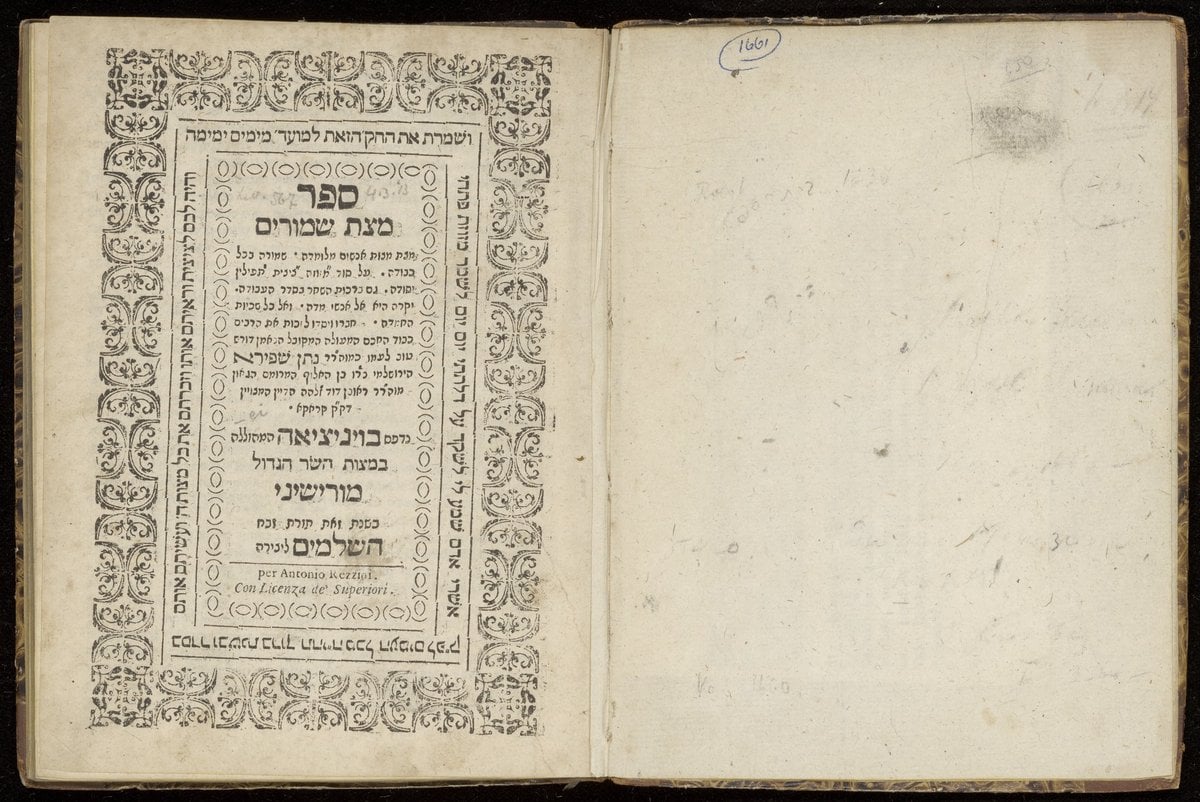
Book of the Unleavened Bread of Watchfulness
Spira, Nathan ben Reuben
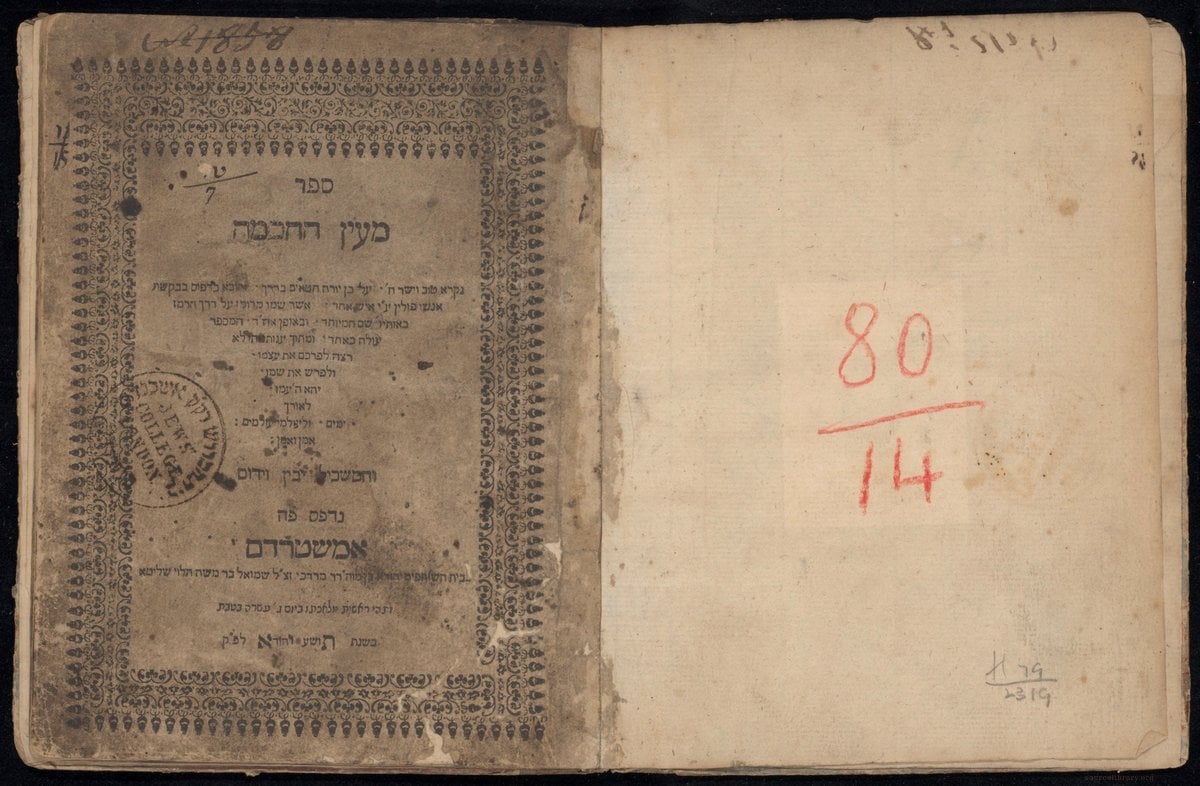
The Book of Brightness
Nechunja ben haKana
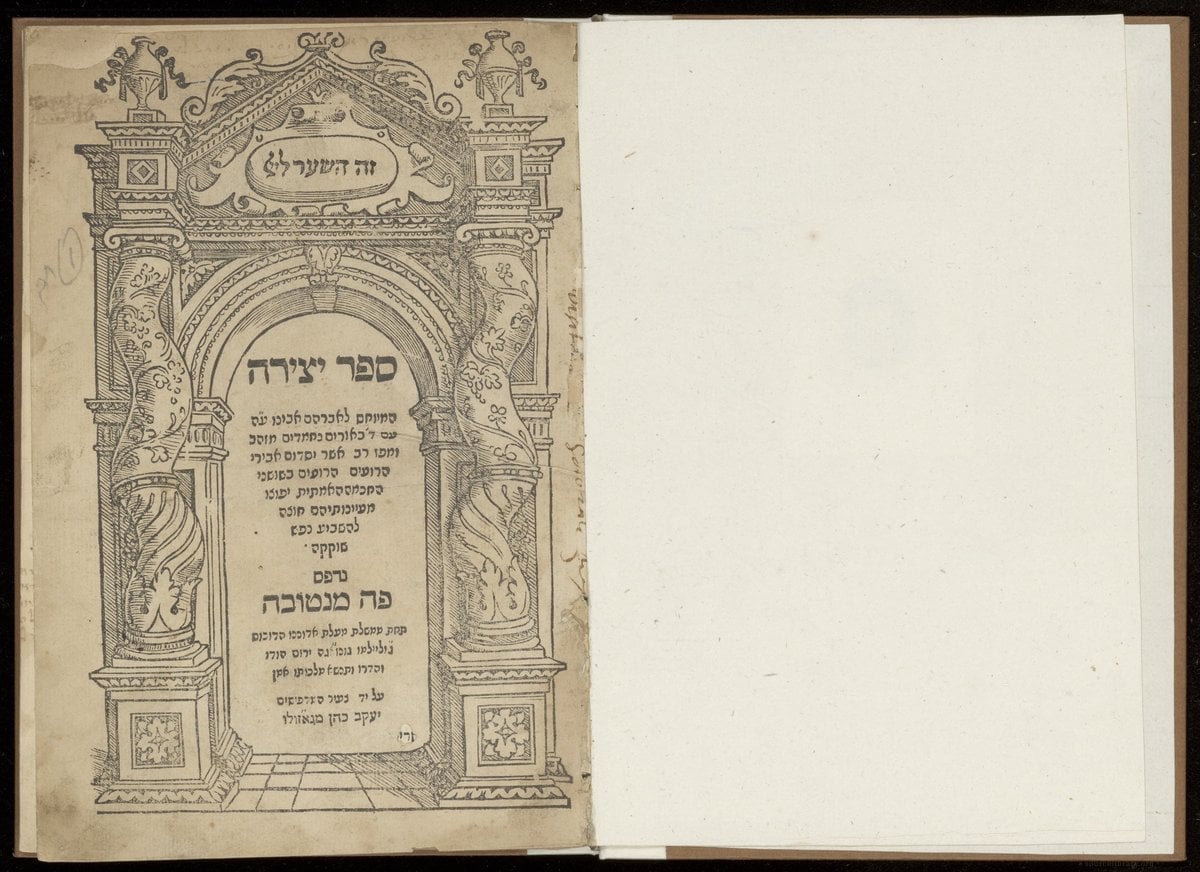
The Book of Formation
Unknown
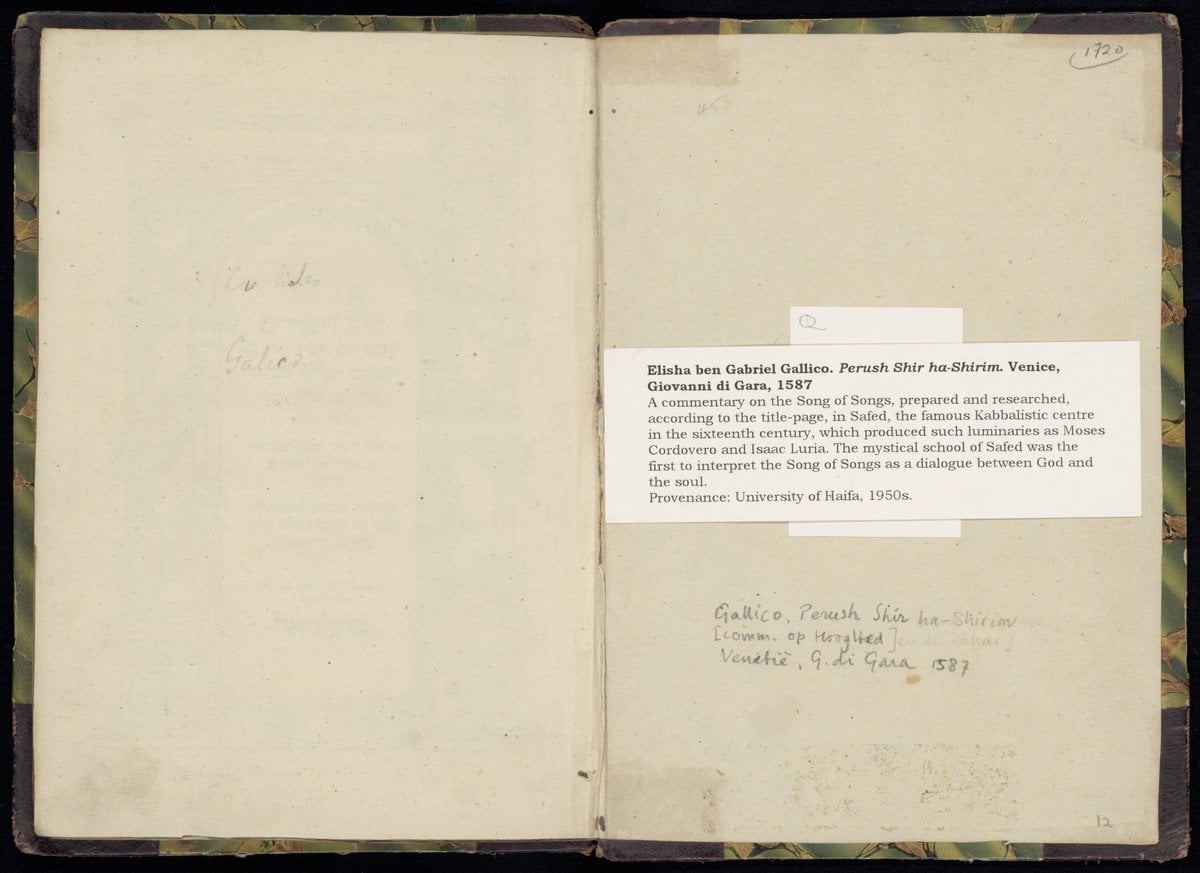
Commentary on the Song of Songs
Gallico, Elisha ben Gabriel
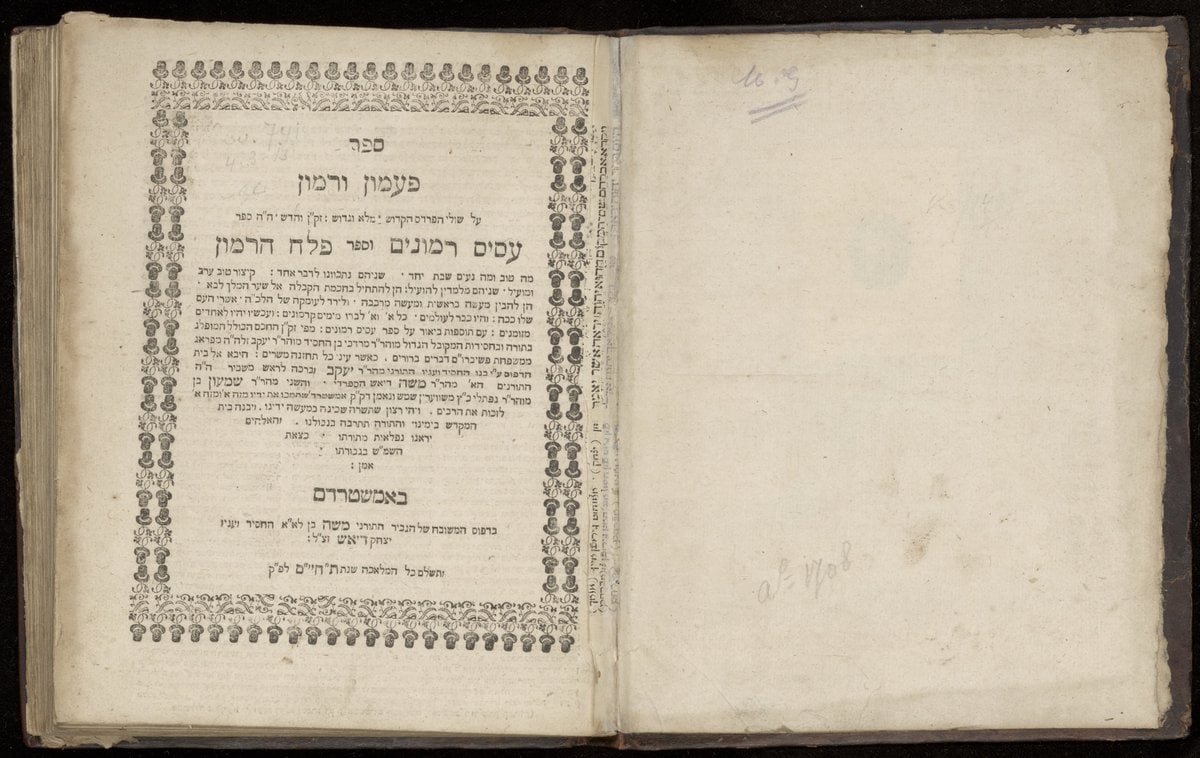
The Bell and the Pomegranate
Unknown
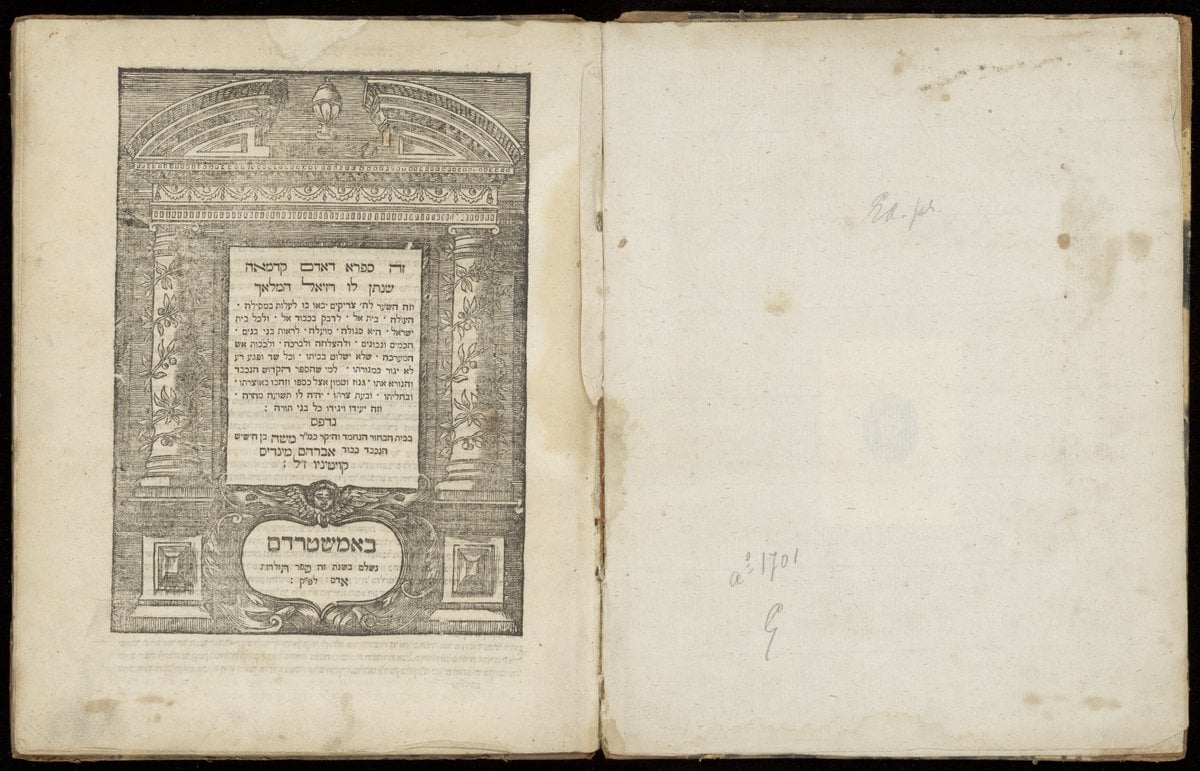
The Book of the Angel Raziel
Unknown
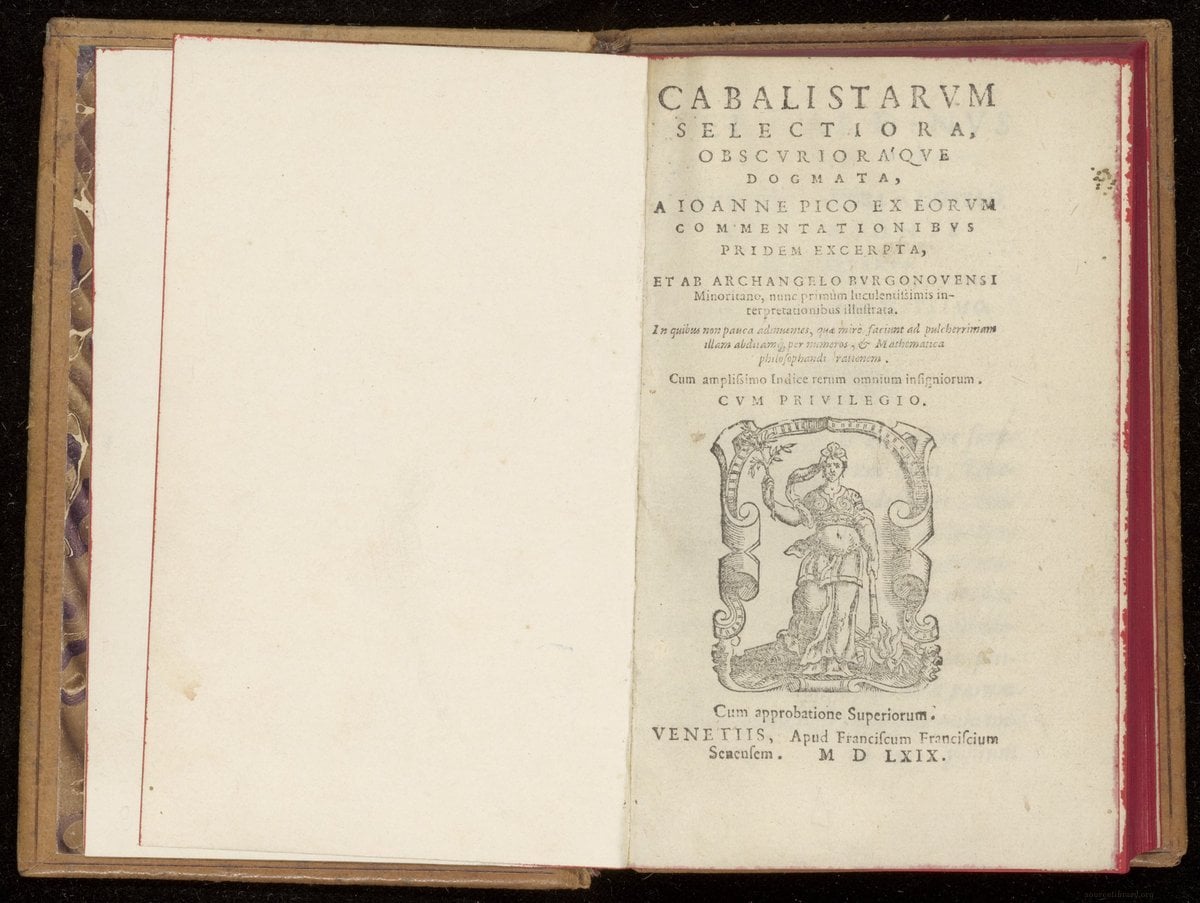
Selected and Obscure Dogmas of the Kabbalists
Borgonovo, Arcangelo da
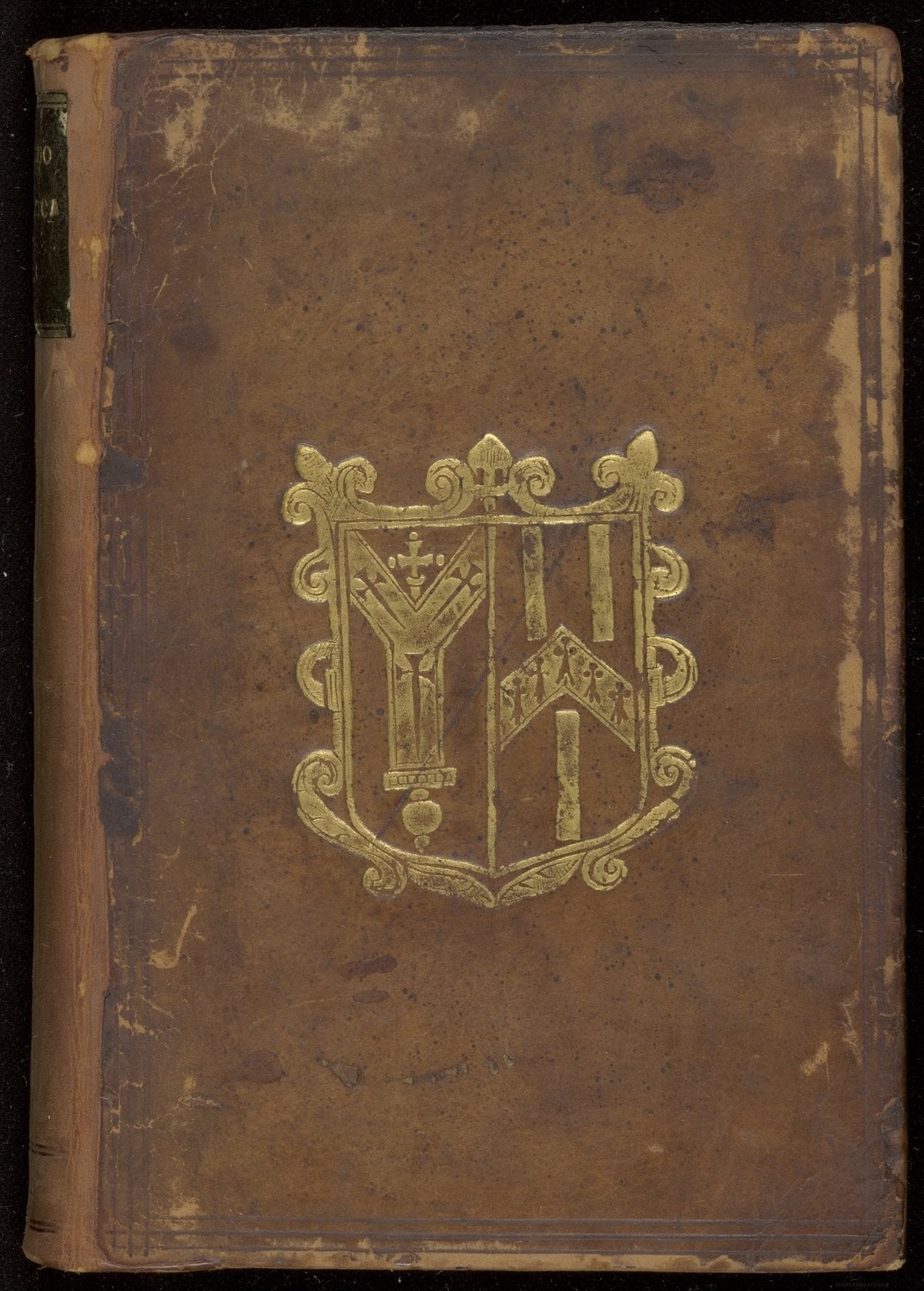
Cabalistic Disputation on the Soul
Israel ben Moses
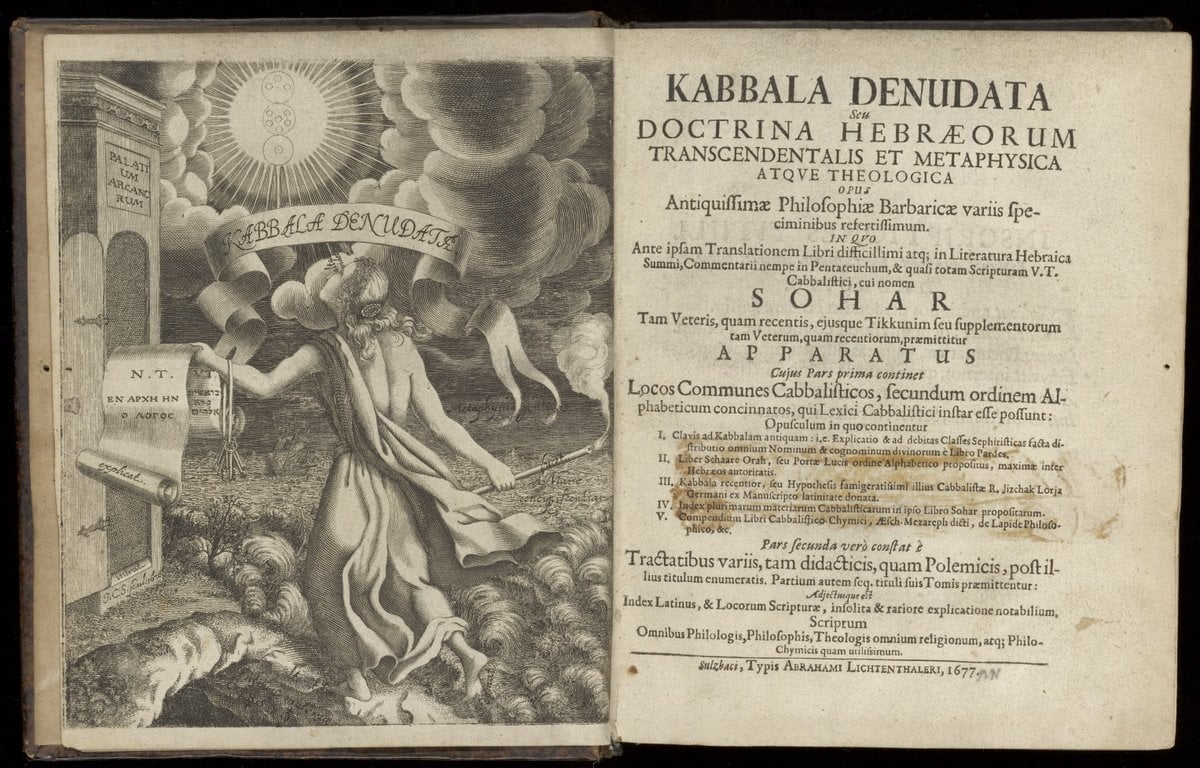
Kabbalah Unveiled
Unknown
Gates of Light
Gikatilla, Joseph ben Abraham