


Mathematics & Sacred Number
Geometry, number theory, arithmetic, and algebra — Euclid, Archimedes, al-Khwarizmi, Cardano
Illustrations
Browse all421 images extracted
This woodcut from Albrecht Dürer's 1532 Latin edition of 'De Symmetria Partium Humanorum Corporum' illustrates his rigorous mathematical approach to the female form. By overlaying the human body with precise fractional measurements, Dürer sought to define a universal canon of beauty and proportion rooted in geometric principles. This work remains a cornerstone in the transition from medieval artistic tradition to the empirical observations of the Renaissance.
This intricate woodcut serves as the title page for John Dee's seminal 1564 work, Monas Hieroglyphica. The central oval displays Dee's 'Hieroglyphic Monad,' a complex symbol intended to represent the unity of the cosmos through a synthesis of astrological and geometric forms. Surrounded by an architectural frame adorned with elemental labels and celestial figures, the page encapsulates the Renaissance quest to decode the hidden laws of nature.
This intricate engraving serves as the printer's mark for Sébastien Cramoisy on the title page of Marin Mersenne's seminal work on music theory, Harmonie Universelle (1636). The central image depicts the 'pelican in her piety,' a traditional Christian symbol of sacrifice and devotion, surrounded by four vignettes illustrating the Fourth Commandment: 'Honor thy father and thy mother.' This complex allegory links the harmony of the family and divine order to the universal harmony explored in Mersenne's text.
This intricate woodcut, titled 'Atrium Veneris' (Atrium of Venus), is one of the complex geometric diagrams used by Giordano Bruno to illustrate his theories on the 'triple minimum' and the structure of the universe. The diagram serves as a mnemonic device, where the nested shapes and lettered points represent a synthesis of mathematics, metaphysics, and memory palace techniques. Published just nine years before his execution, it reflects Bruno's radical attempt to map the infinite through finite geometric relations.
This detailed woodcut depicts the Venetian mathematician and humanist Francesco Barozzi at the age of twenty-two, as indicated by the Latin inscription in the oval frame. He is surrounded by an intricate Mannerist border filled with classical and grotesque motifs, including putti and satyr-like figures, which reflects the sophisticated intellectual and artistic culture of late 16th-century Venice. The portrait serves both as a personal likeness and a statement of Barozzi's high social and scholarly standing.
This woodcut, titled 'Atrium Apollinis,' serves as a complex mnemonic and cosmological device designed by the philosopher Giordano Bruno. It utilizes sacred geometry, including overlapping circles and a central hexagram, flanked by celestial moons and stars to represent the interconnectedness of the physical and divine realms. Such diagrams were central to Bruno's 'Art of Memory,' intended to help the practitioner visualize and organize universal knowledge within the mind.

This woodcut from Albrecht Dürer's 'De Symmetria Partium Humanorum Corporum' (1532) illustrates the artist's rigorous mathematical approach to the human body. The figure is overlaid with a grid and numerical notations, representing Dürer's attempt to codify ideal beauty through geometric and proportional rules. This work was foundational in transitioning art from medieval tradition to a science-based Renaissance practice.

An engraved portrait of the English mathematician John Wallis (1616–1703) at the age of 83. He is depicted in academic dress, surrounded by an oval border inscribed with his titles, including Savilian Professor of Geometry at Oxford. Below the portrait is his coat of arms, signifying his status and scholarly achievements.

This page features a series of intricate geometric studies by Leonardo da Vinci, focusing on the properties and intersections of three-dimensional shapes such as cones, spheres, and cylinders. Accompanied by his characteristic mirror writing, these sketches illustrate Leonardo's analytical method of using visual representation to solve complex mathematical and physical problems, reflecting his belief that 'mechanics is the paradise of the mathematical sciences.'
Visual Art
Browse all art →5 works of visual art in this collection
 print
printOrganum Mathematicum Music Sample Columns
Athanasius Kircher
Two vertical rods or slats from Athanasius Kircher's Organum Mathematicum, used for the mechanical composition of music.
 print
printArithmetic
Cornelis Drebbel
A female personification of Arithmetic sits with a male scholar, guiding his hand as he writes the numbers 1 through 11 onto a tablet.
 print
printGeometry
Hendrick Goltzius
The personification of Geometry and an elderly scholar use dividers to measure a terrestrial globe.
 drawing
Leonardo da vinci, figure geometriche e disegno botanico, 1490 circa, parigi, bibliothèque de l'institut de france
Leonardo da Vinci
A notebook page containing botanical studies of violets, a geometric diagram of a circle and triangles, and sketches for mechanical pressing devices.
 print
print1 Socrate 2 Platon 3 Pythagore 4 Aristote 5 Zenon - Pouqueville François Charles Hugues Laurent - 1835
Various
An engraving depicting five influential Greek philosophers: Socrates, Plato, Pythagoras, Aristotle, and Zeno.
The Pythagorean tradition of number as the key to nature — from ancient arithmetic and geometry through Boethius and the medieval quadrivium to Renaissance number mysticism, combinatorics, and the mathematical arts.
All Books
Browse Full Catalog→348 books in this collection
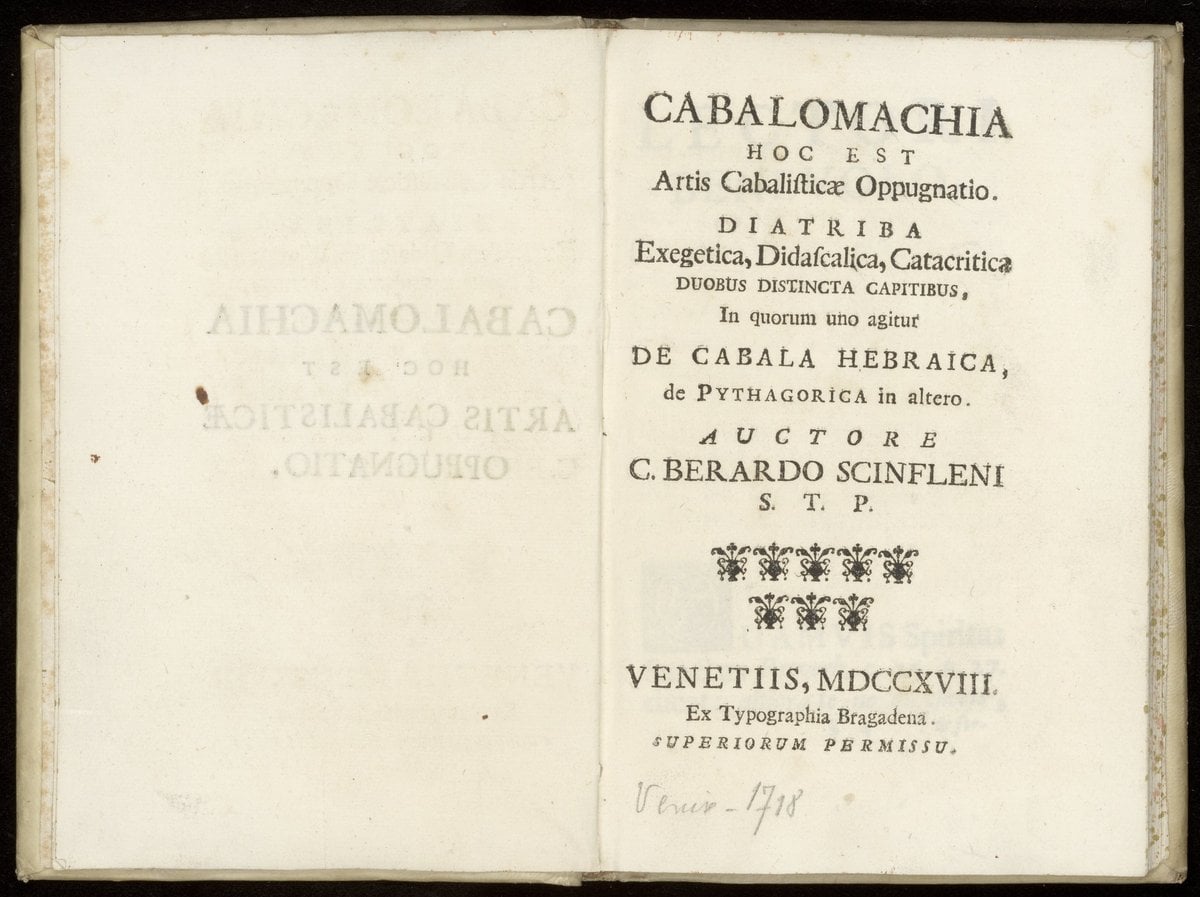
The Battle Against the Kabbalah
attr. Berlendi, Francesco
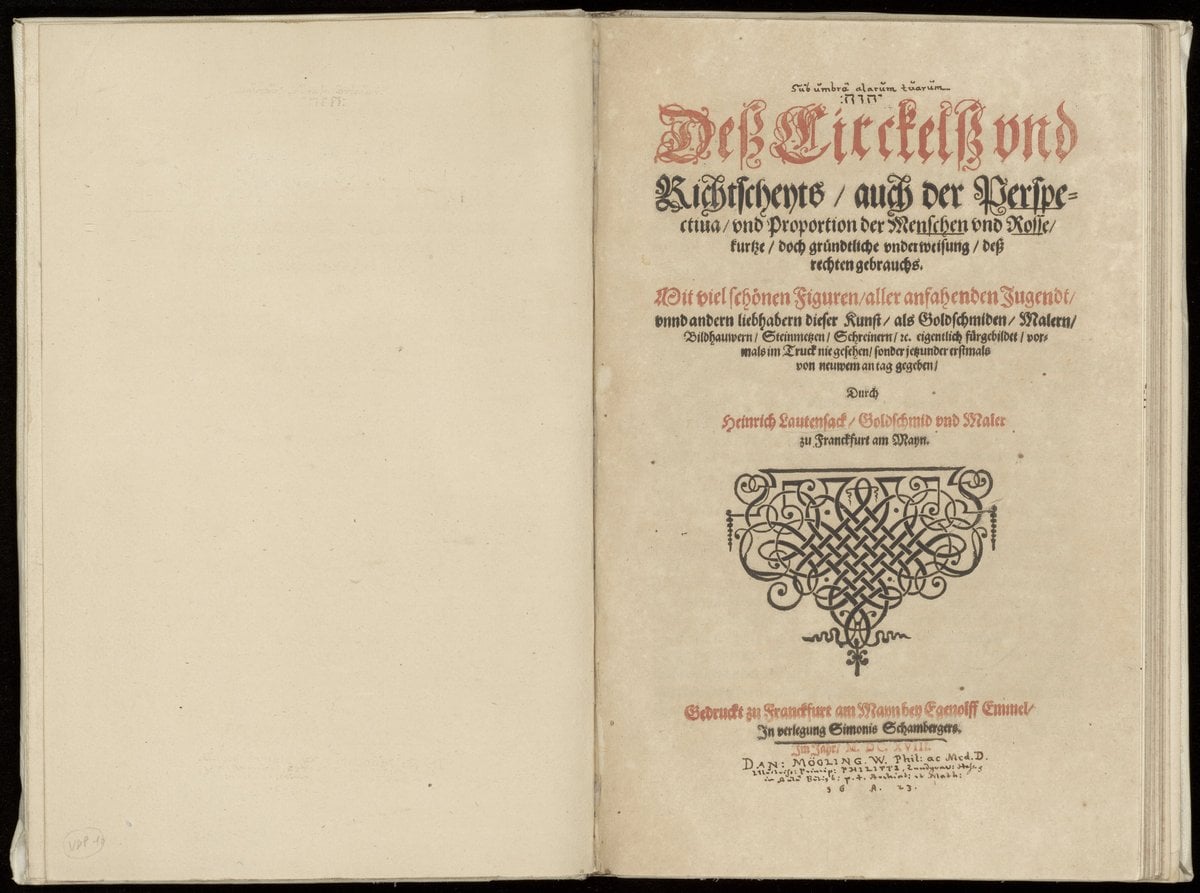
Of the Compass and Ruler
Lautensack, Heinrich
Practical Geometry
Bovelles, Charles de
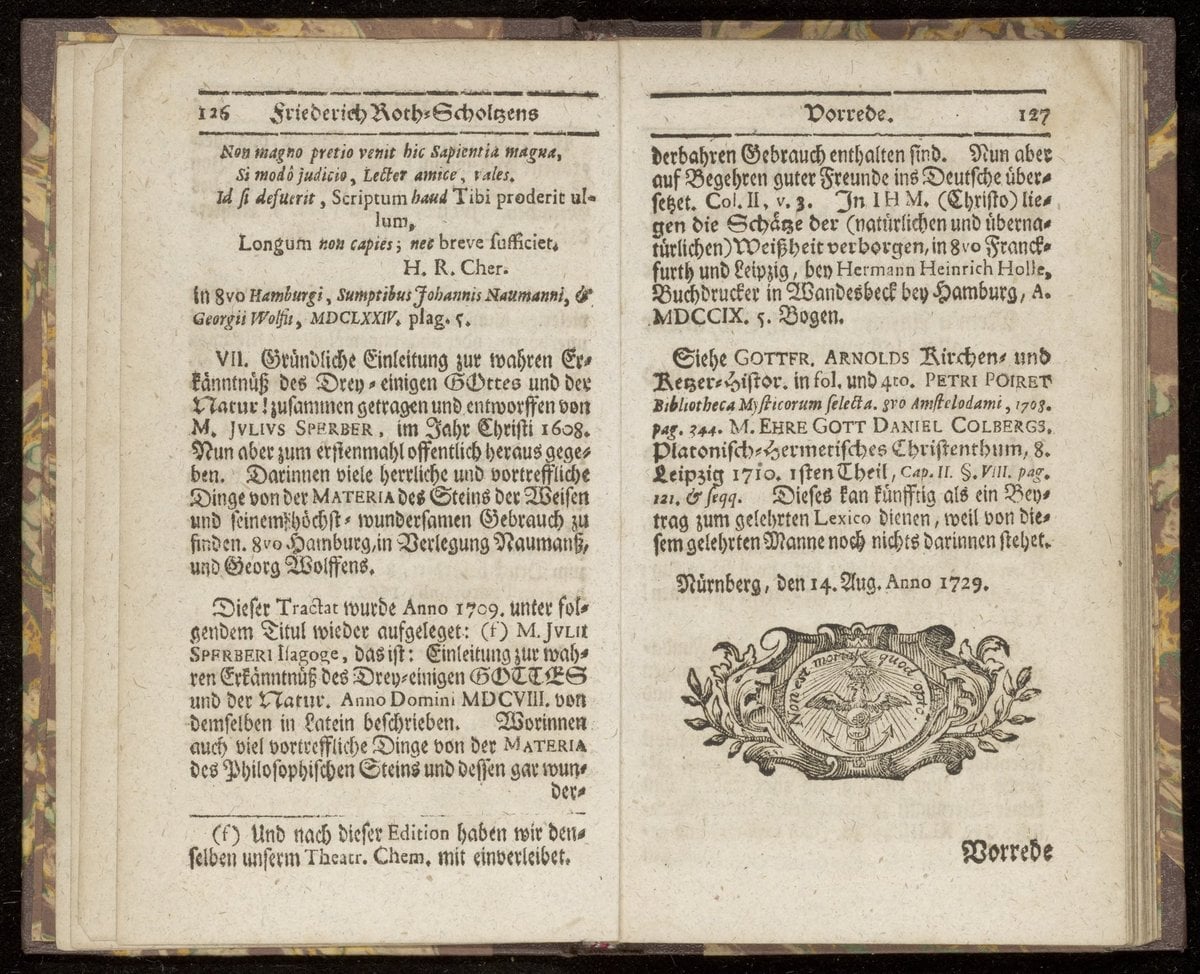
An interpretation of the number 666
Potter, Francis
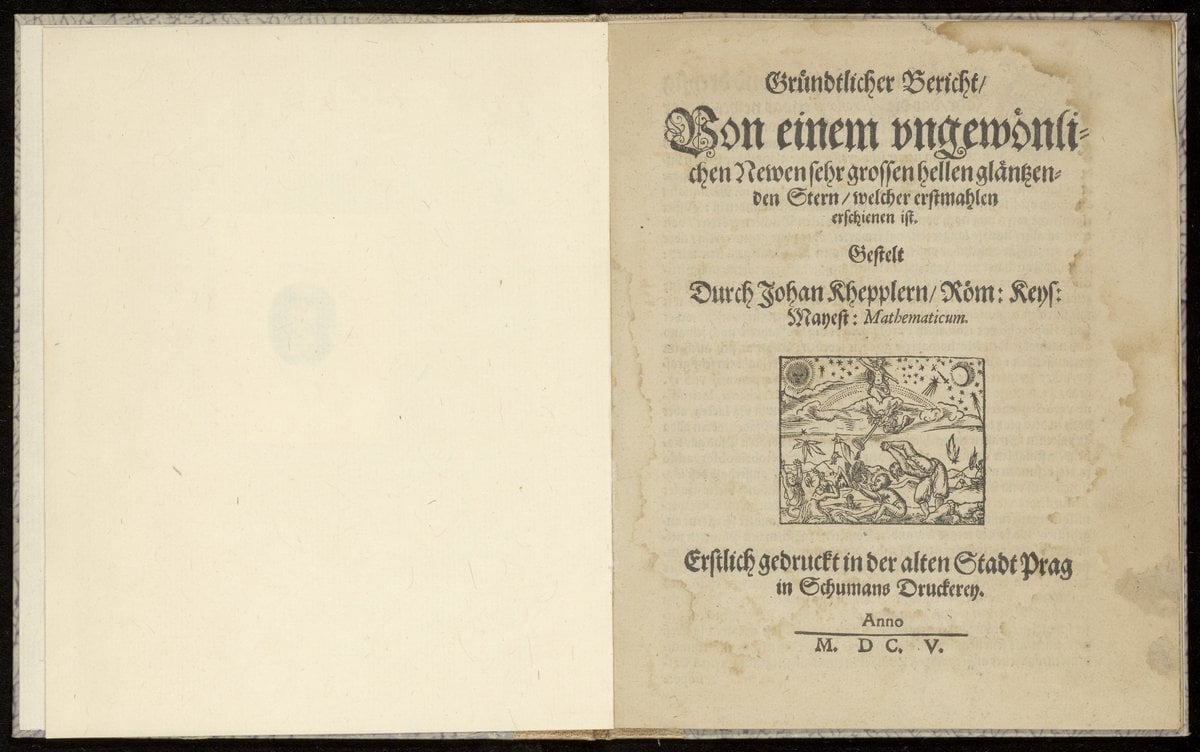
Thorough Report on a New and Unusual Star
Kepler, Johannes
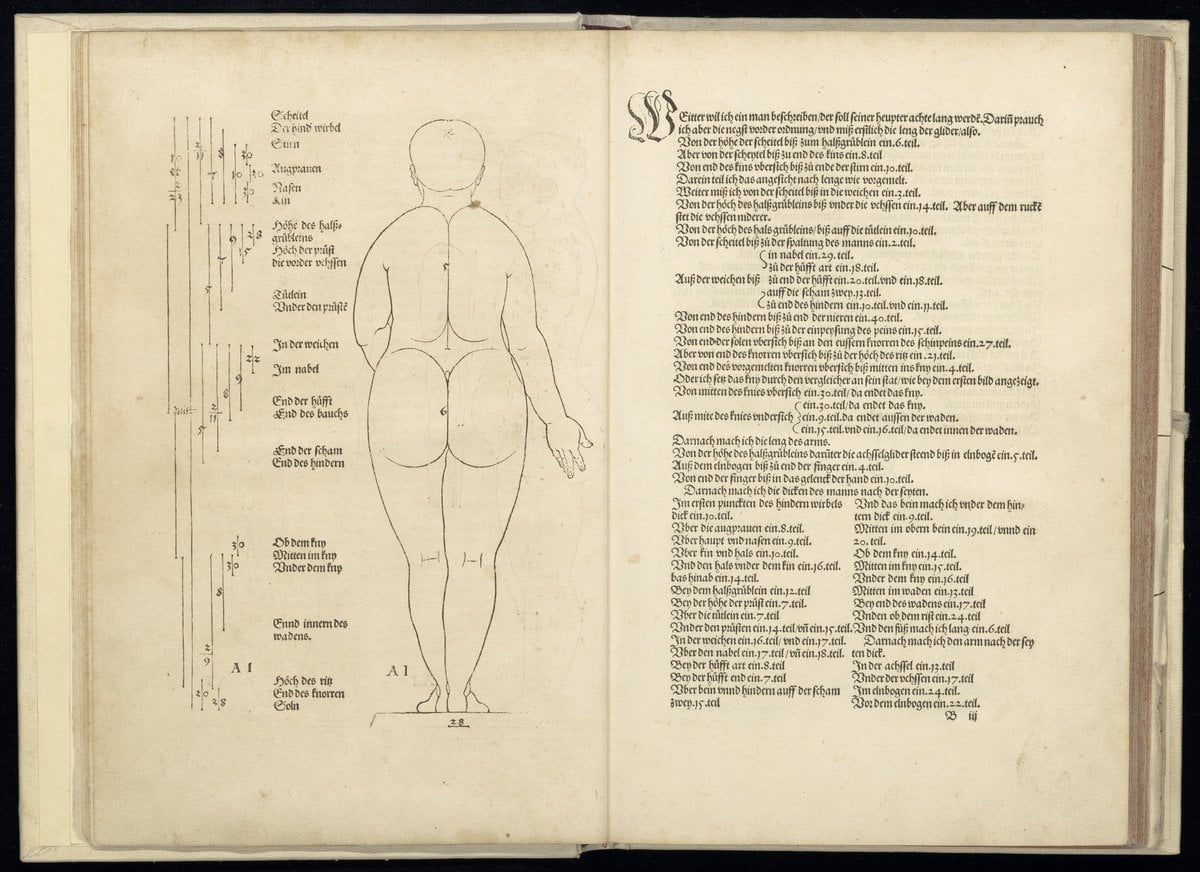
Four Books on Human Proportion
Dürer, Albrecht
Apology for The Harmony of the World
Kepler, Johannes
Albrecht Dürer's Description of Human Proportion
Dürer, Albrecht
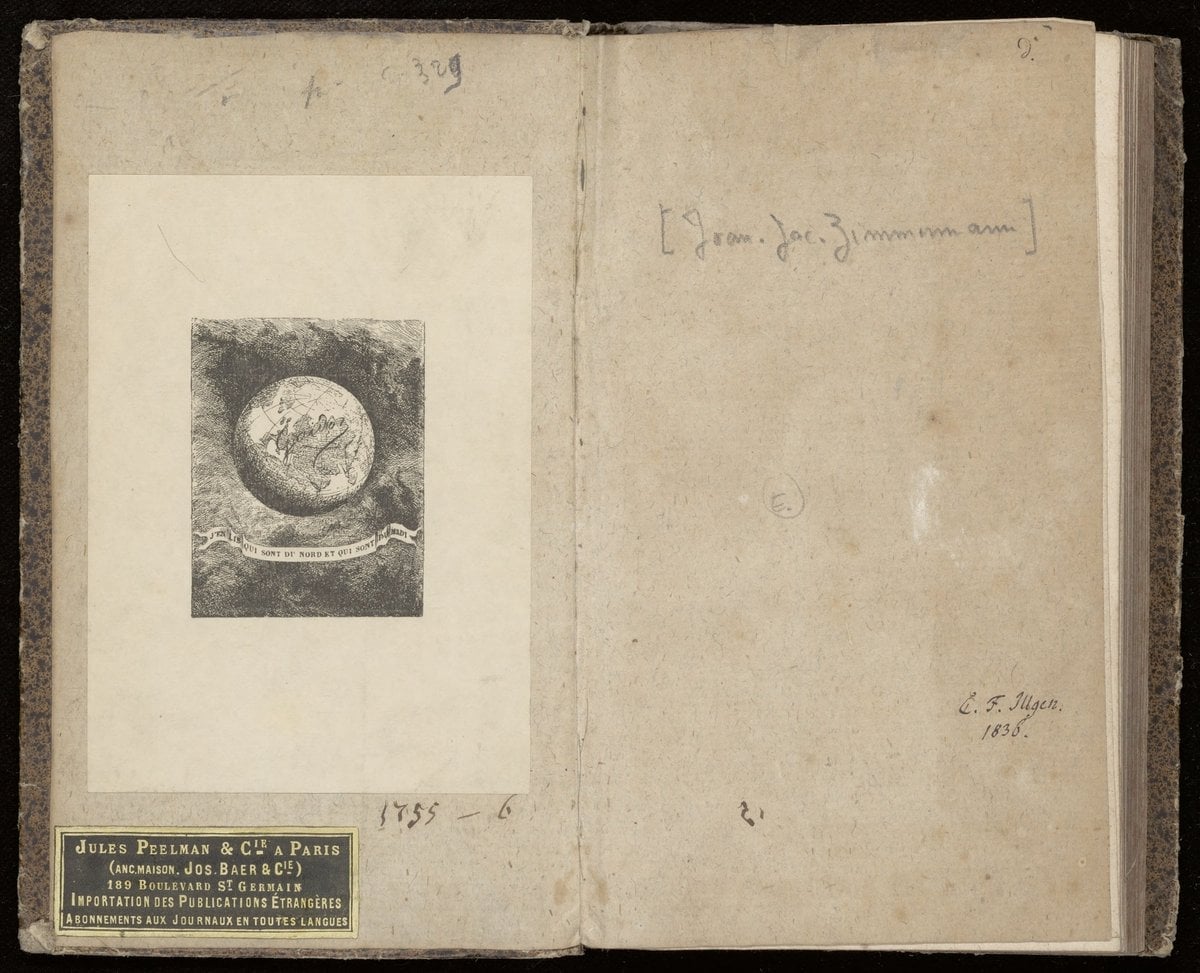
On the Miracles Attributed to Pythagoras, Apollonius of Tyana, Francis of Assisi, Dominic, and Ignatius Loyola
attr. Zimmermann, Johann Jacob
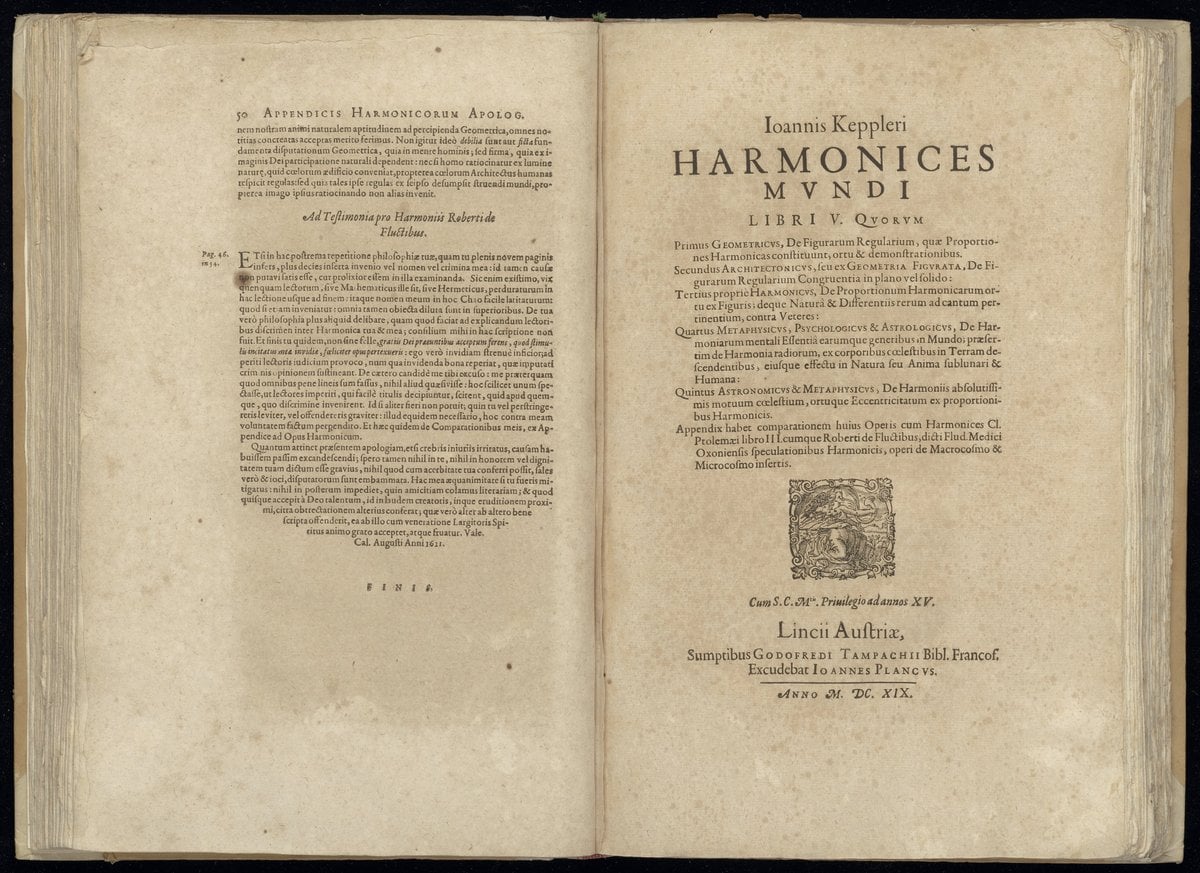
The Harmony of the World
Kepler, Johannes
![[Greek] De vita Pythagorae](/_next/image?url=https%3A%2F%2Fimages.sourcelibrary.org%2Fpages%2F69c88efc6c6f3cc53c85b25e%2F0006.jpg&w=3840&q=85)
[Greek] De vita Pythagorae
Jamblichus
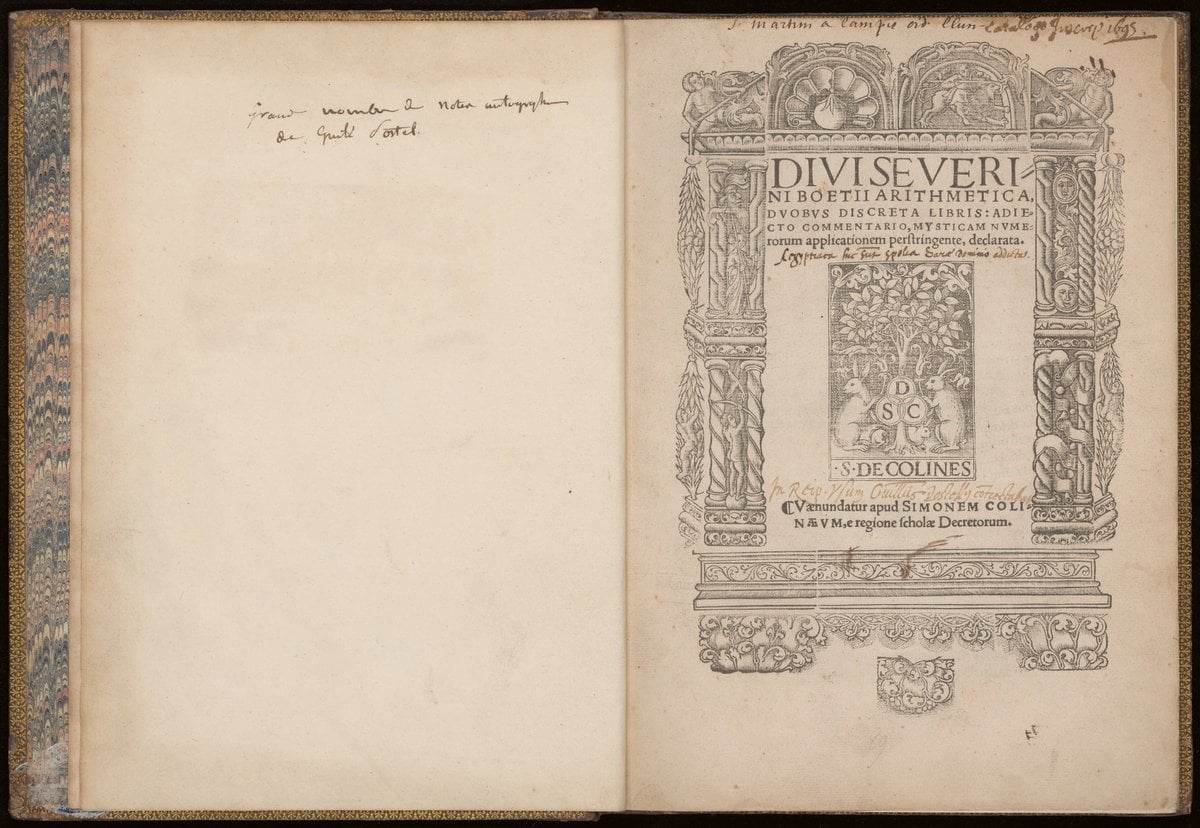
Arithmetica
Boethius, Anicius Manlius Torquatus Severinus
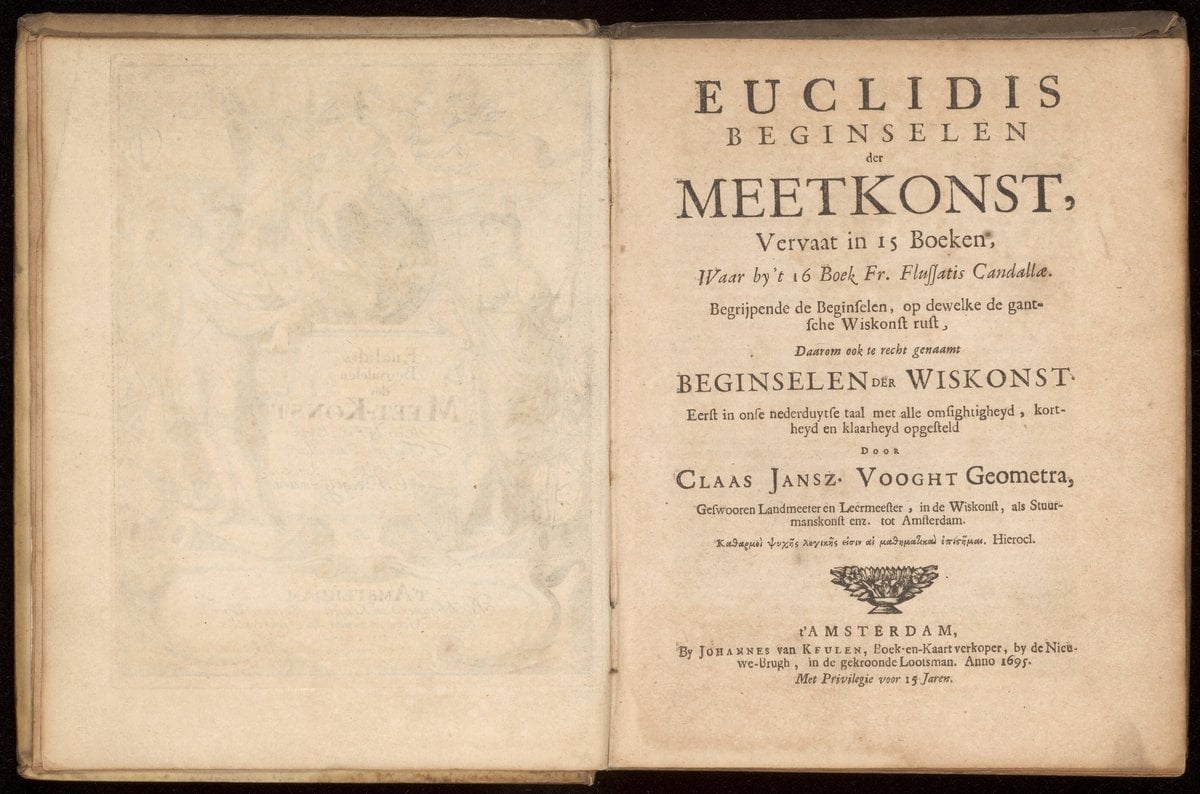
Beginselen der meetkonst
Euclides
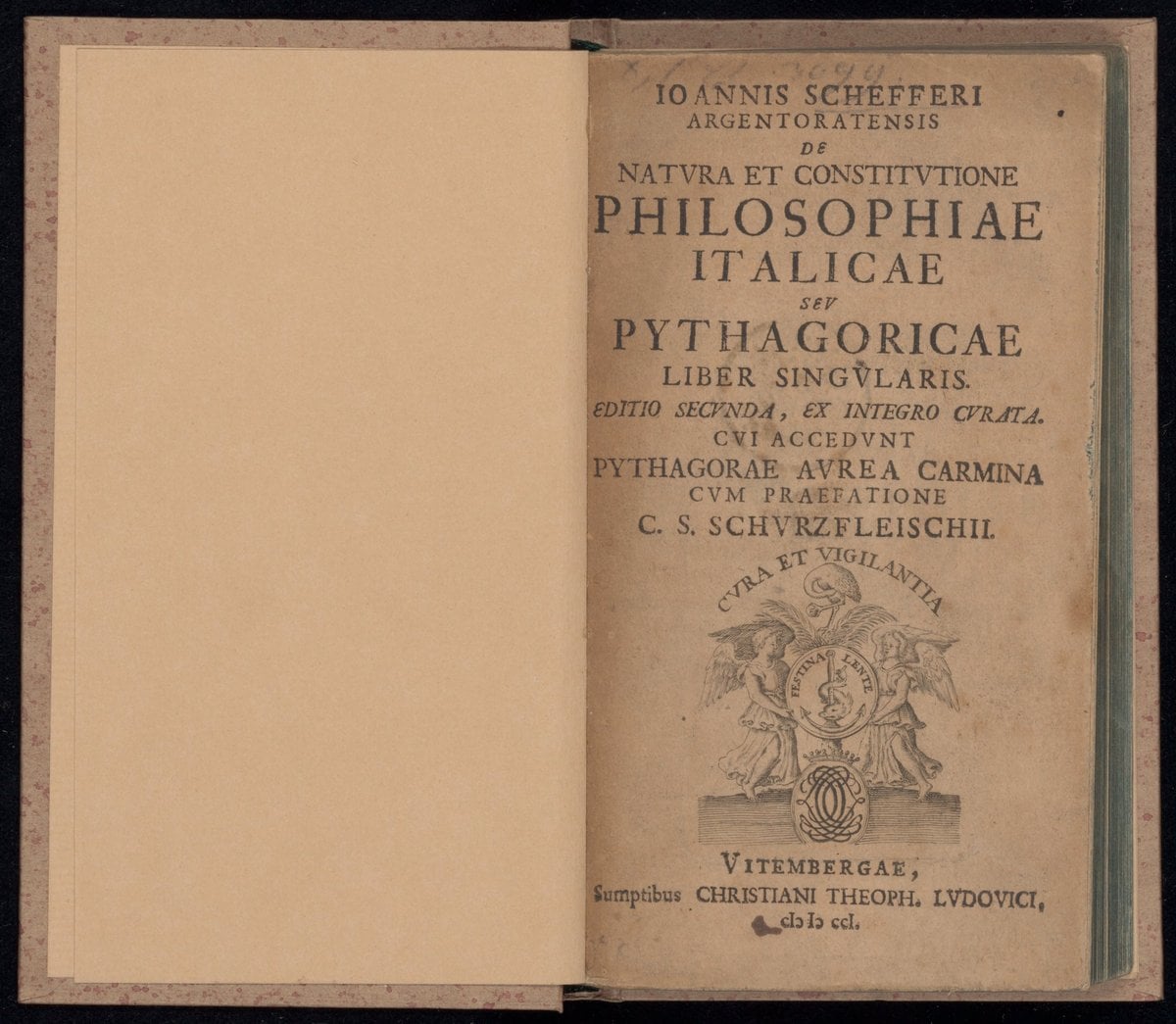
De natura et constitutione philosophiae Italicae seu Pythagoricae
Scheffer, Johannes