Sub-collections

Illustrations
Browse all60 images extracted from 12 books

This woodcut depicts an alchemist in his workshop, standing beside a complex furnace known as an athanor. He holds a large glass cucurbit, used for distillation and sublimation processes. The image serves as a technical illustration of the sophisticated apparatus described in Geber's influential alchemical treatise.

This extraordinary world map is a centerpiece of the 11th-century 'Book of Curiosities,' a Fatimid-era treatise on astronomy and geography. Oriented with south at the top, it depicts the known world with stylized landmasses in tan and oceans in deep green, punctuated by red dots representing major cities. It represents a pinnacle of medieval Islamic cartographic achievement, blending scientific observation with artistic representation.

This striking illustration depicts a multi-headed demonic entity, likely representing a planetary spirit or a jinn, from a 14th or 15th-century Arabic occult manuscript. The central figure is surrounded by protective talismans, including hexagrams known as the Seal of Solomon, and other demonic visages that breathe fire or smoke. Such imagery was integral to medieval Islamic traditions of astrology and the 'science of letters' (ilm al-huruf), used to visualize and interact with the unseen world.

This allegorical engraving serves as a bookplate for Leland Stanford Junior University. It depicts Minerva, the Roman goddess of wisdom and strategic warfare, seated in armor and holding a small figure of Nike (Victory) and a book, symbolizing the triumph of knowledge. A student kneels before her, representing the pursuit of learning and the university's dedication to academic excellence.

This woodcut serves as the title illustration for Albumasar's 'Introductorium in astronomiam' (1506). It depicts a scholar, likely the author himself, amidst a landscape of knowledge, holding an armillary sphere and dividers to measure the heavens. The presence of the personified sun and moon, along with discarded books, emphasizes the transition from theoretical study to active observation of the cosmos.

This woodcut depicts an alchemist operating a complex brick furnace known as an athanor, used for prolonged heating in alchemical processes. The figure is shown holding a large vessel, illustrating the practical, hands-on nature of early modern chemical experimentation. This image from Geber's influential work highlights the transition from medieval mysticism to more systematic laboratory practices.

This stunning frontispiece from the Ruzbihan Qur'an showcases the pinnacle of 16th-century Shiraz illumination. It features a central 'shamsa' (sunburst) medallion surrounded by dense floral arabesques, executed with meticulous detail in gold and lapis lazuli to honor the sacred text.

These three woodcut panels from Avicenna's Canon Medicinae illustrate the treatment of spinal dislocations. The scenes depict a physician applying manual pressure and traction to a patient's back, demonstrating the practical application of Greco-Arabic medical knowledge in a 16th-century European context. The figures are shown in contemporary Eastern attire, reflecting the work's origins while serving as a vital instructional tool for Renaissance surgeons.

This powerful woodcut depicts the 'Man of Sorrows,' showing Christ standing upright with his wounds visible, emerging from a tomb or positioned before the cross. He is surrounded by deeply expressive figures, likely including the Virgin Mary and St. John, who mourn his sacrifice. Such images were central to late medieval 'Devotio Moderna,' designed to provoke intense personal meditation on the physical and emotional suffering of Christ.
Persian literary masterworks, Ethiopian sacred manuscripts in Ge'ez, Arabic philosophical and scientific texts, and West African manuscript traditions.
All Books
Browse Full Catalog→429 books in this collection
Alchemical Compendium — Rupescissa, Aquinas, Rhazes, mid-1500s
Johannes de Rupescissa; Thomas Aquinas; al-Razi
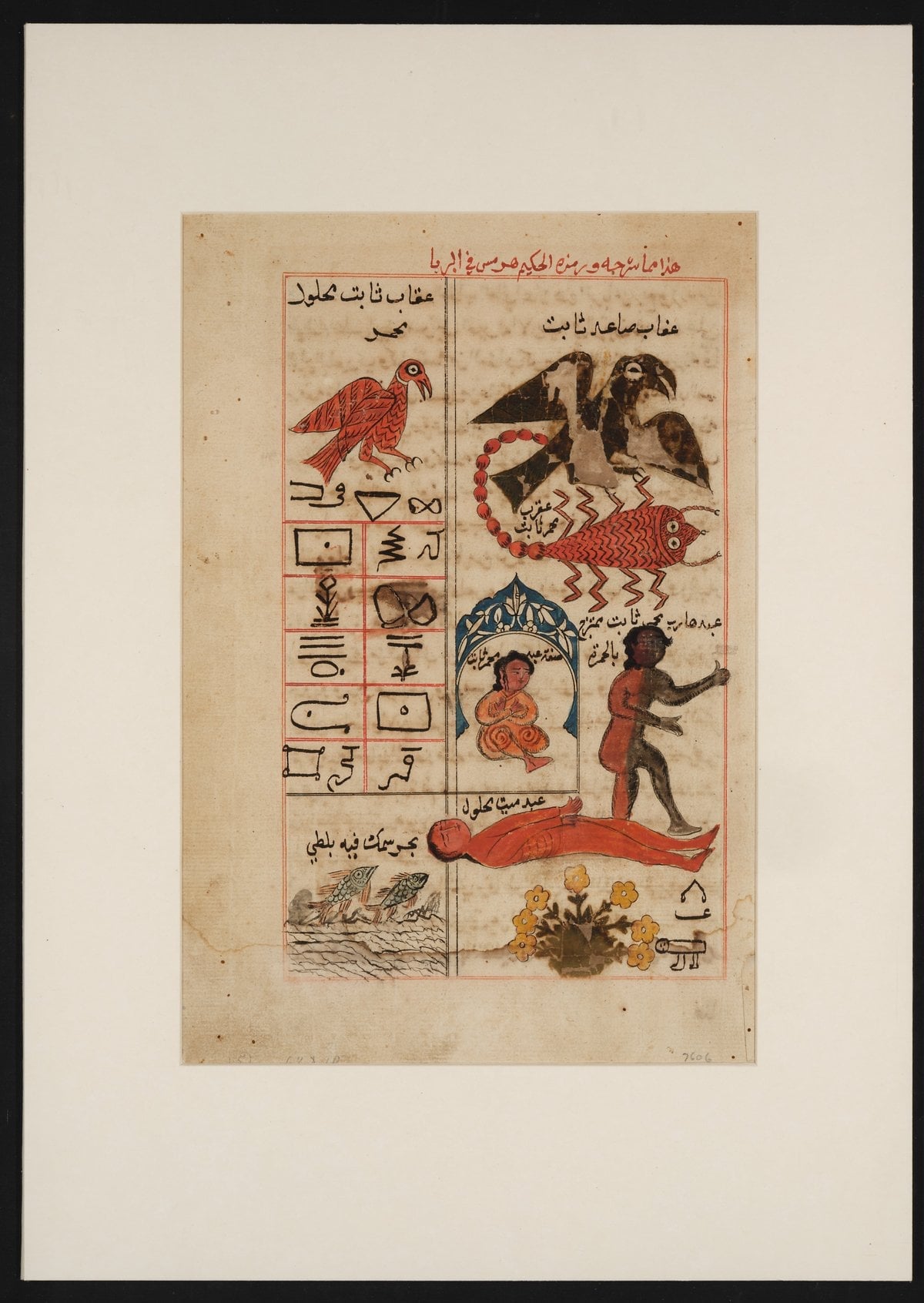
Islamic Alchemical Fragment — Arabic MS, 18th C.
Unknown
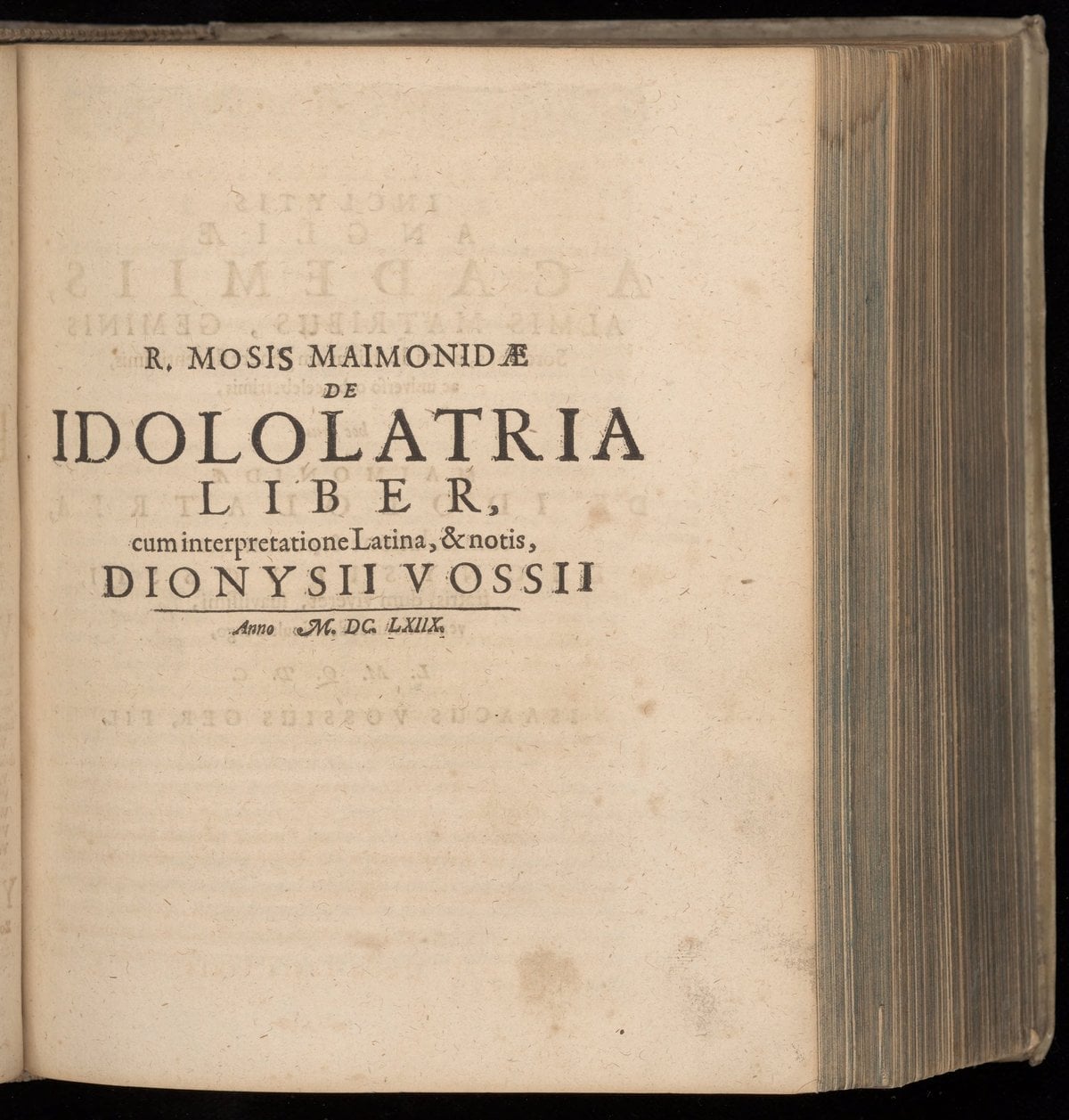
De idolatria liber
Maimonides, Moses
Logica et philosophia
Ghazali, Abu Hamid ibn Muhammad al-
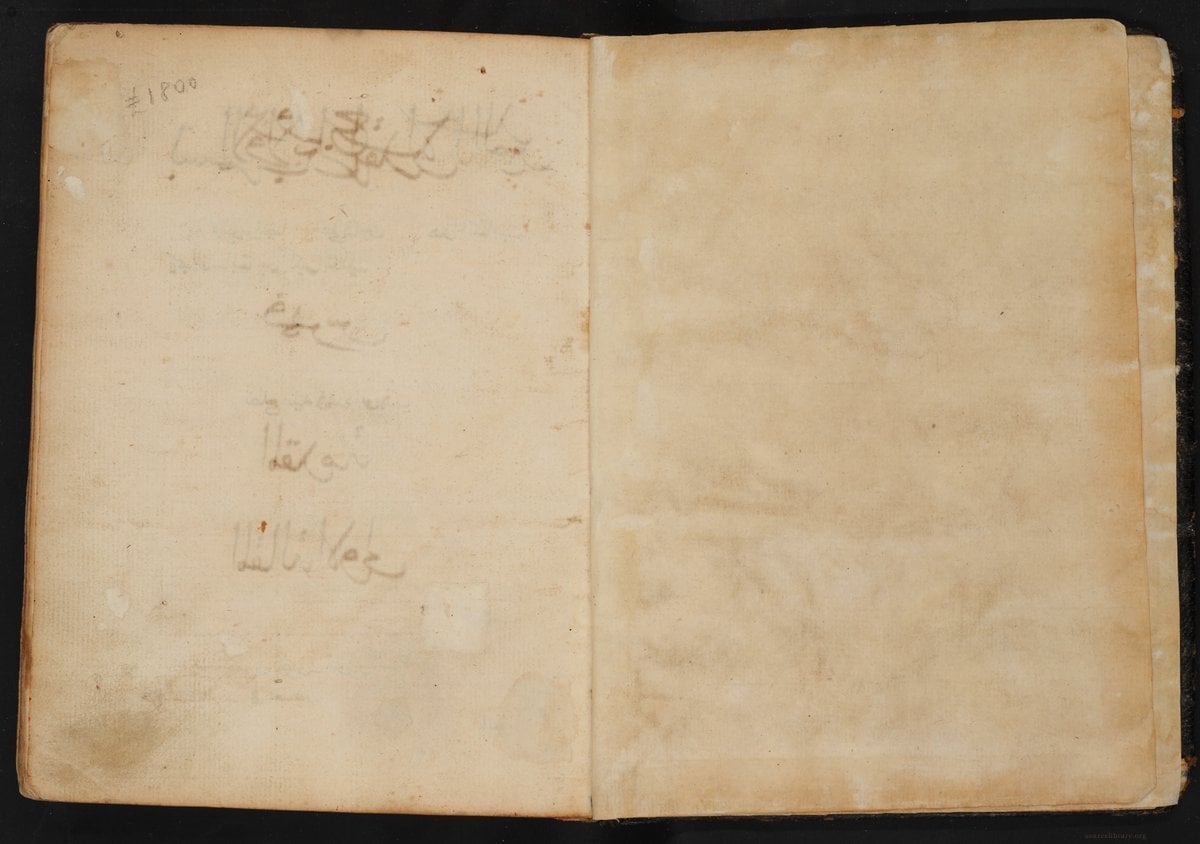
Paracelsus in Arabic — Kīmiyā al-Malakīyah (Royal Chemistry)
Paracelsus; Salih ibn Nasrallah ibn Sallum