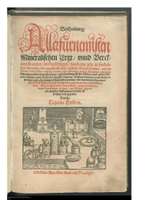
Illustrations
Browse all341 images extracted

This woodcut emblem features the 'IHS' monogram, the Christogram of the Society of Jesus (Jesuits), reflecting the author José de Acosta's religious affiliation. The ornate frame, topped with a cherub and containing the symbols of the Passion, serves as a printer's mark for Juan de León in Seville. It identifies this 1590 edition of Acosta's seminal work on the natural and moral history of the Americas.

This woodcut from the 'Rosarium Philosophorum' depicts the resurrection of the alchemical King, a potent symbol for the completion of the Great Work. The figure emerges from a tomb, radiant and triumphant, signifying the final purification and spiritual rebirth of the philosopher's stone. The accompanying German text reinforces this theme of transformation through suffering into a clarified, stainless state.

This intricate printer's mark was used by Juan de León in Seville, dated 1590. It depicts a central palm tree, often symbolizing endurance and triumph, surrounded by a sophisticated cartouche featuring a human face and a lion's head. The motto 'A PEV PEV' (little by little) underscores the meticulous nature of the printing craft during the Renaissance.

This woodcut printer's mark features Pegasus, the winged horse of Greek mythology, positioned above a caduceus held by two hands emerging from clouds. This emblem was the device of the Wechel family of printers in Hanau, symbolizing the swift spread of knowledge and the harmony between commerce and wisdom. Such marks served as both a trademark and a seal of quality for early modern publishing houses.

This woodcut illustrates a fossilized ammonite, noted for its characteristic spiral shell and referred to in the text as 'Ammonis cornu' (horn of Ammon). It exemplifies the meticulous observation and recording of natural specimens that characterized the work of Renaissance polymath Ulisse Aldrovandi, whose publications laid the groundwork for modern zoology and geology.

A detailed woodcut of an ammonite fossil, specifically highlighting the intricate, leaf-like suture patterns on its surface. Such illustrations were crucial for the taxonomic classification of fossils in early scientific treatises like those of Ulisse Aldrovandi.

This woodcut illustrates a specific distillation setup used for extracting oils, as indicated by the chapter title 'De oleo, per expressionem extrahendo.' The presence of the personified sun in the corner likely symbolizes the heat source or the vital influence required for the chemical transformation. Such diagrams were essential in early modern scientific texts to communicate complex laboratory procedures.

This woodcut from the 'Rosarium Philosophorum' (1550) illustrates the final stage of the alchemical process, likened to the Resurrection. A figure emerges from a tomb, symbolizing the 'clarified' and perfected state of matter and spirit after undergoing the 'great suffering' mentioned in the accompanying German text. The imagery bridges Christian iconography with hermetic philosophy to represent the successful attainment of the Philosopher's Stone.
Biringuccio's Pirotechnia (1540) was the first printed treatise on metallurgy. Agricola's De Re Metallica (1556) was the definitive Renaissance mining manual. Ercker published assaying techniques. Libavius wrote the first systematic chemistry textbook. This collection gathers the practical tradition where furnaces, not philosophy, transformed matter.
Essential Reading
The foundational texts of this tradition
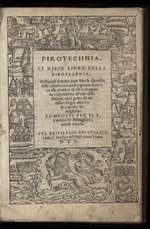
De la Pirotechnia
Vannoccio Biringuccio, 1550
This is a foundational text on metallurgy and pyrotechnics, explicitly referenced in the collection description.
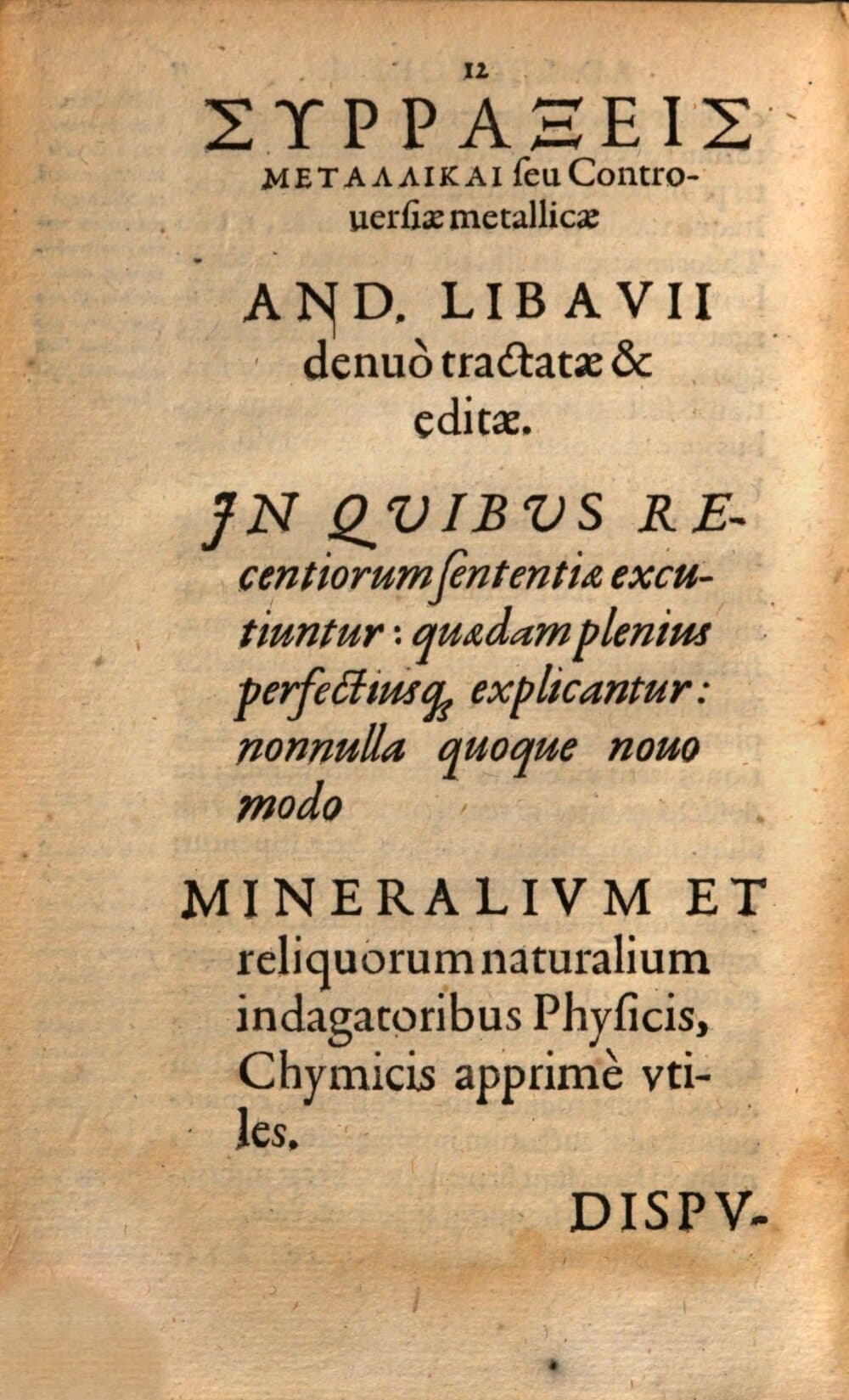
The Singular Works of Andreas Libavius, Part 1: On the Nature of Metals and Amber
Libavius, Andreas, 1599First Translation
This work by Libavius, a key figure in systematic chemistry, directly addresses the nature of metals, aligning with the collection's focus.
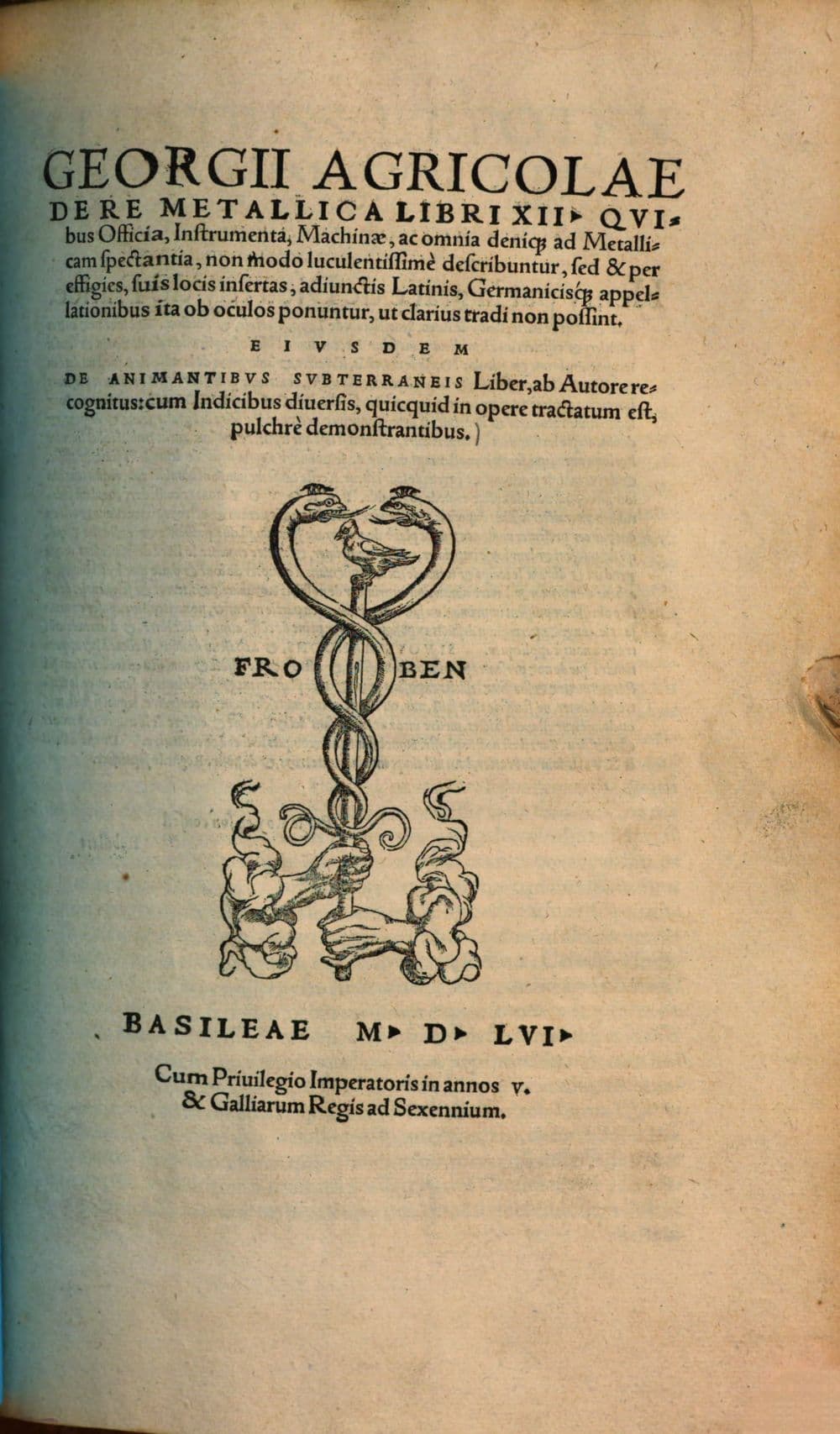
Georgii Agricolae De Re Metallica Libri XII (Editio princeps, 1556)
Georg Agricola, 1556
This is the foundational first edition of Agricola's definitive Renaissance mining manual, explicitly referenced in the collection description.
The Metamorphosis
Paracelsus, Theophrastus, 1584First Translation
Paracelsus was a pivotal figure in applying alchemical principles to practical chemistry and medicine, directly contributing to the shift from philosophical alchemy to experimental chemistry involving furnaces.
Important Works
Significant texts that deepen understanding
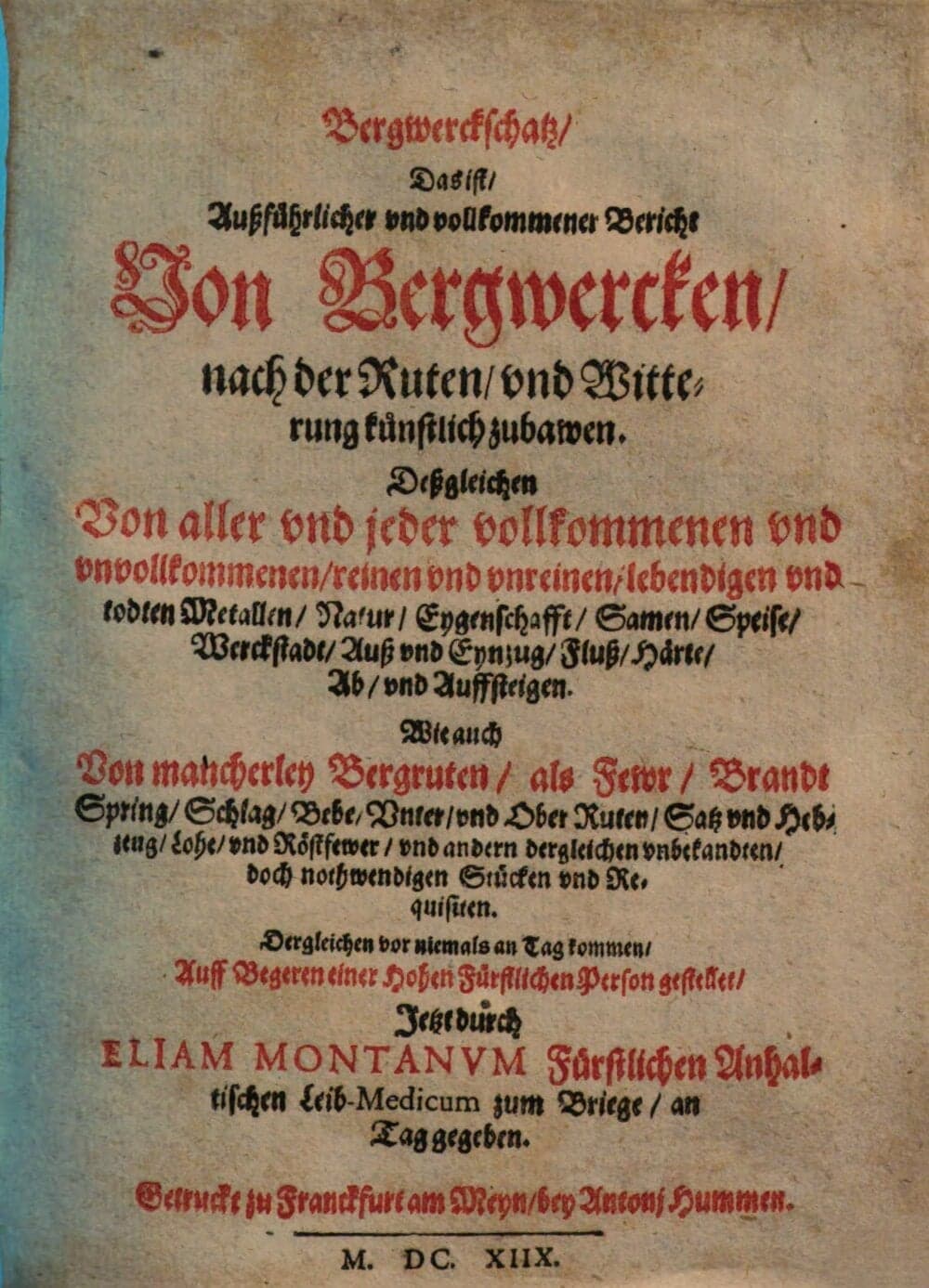
Mining Treasure: A Detailed and Complete Report on Mines
Basilius, Valentinus, 1618First Translation
This work by a figure associated with both alchemy and practical chemistry likely contains relevant information on mining and metal processing.
Pyrotechnics, or the Art of Fire
Vannoccio Biringuccio, 1556First from French
This edition of Biringuccio's seminal work further emphasizes the practical tradition of metallurgy and pyrotechnics.
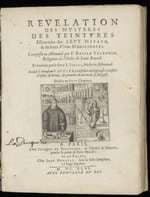
Revelation of the Mysteries of the Essential Tinctures of the Seven Metals
Basilius Valentinus, 1646
This work by Basilius Valentinus explores the properties of metals, representing the alchemical tradition that contributed to early chemistry.
Paracelsus — On the Transmutation of Metals
Paracelsus, 1562
Paracelsus's work on metal transmutation is crucial for understanding the transition from alchemical theory to early chemical practice.

De Re Metallica (On the Nature of Metals)
Georgius Agricola (trans. Herbert Hoover & Lou Henry Hoover), 1912
This influential translation of Agricola's definitive mining manual made its practical knowledge accessible to a wider audience.
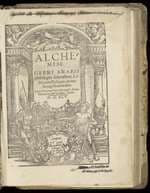
Books of Alchemy
Geber, 1545
Geber's alchemical texts were highly influential in the Renaissance and contained practical chemical knowledge that contributed to the development of chemistry.
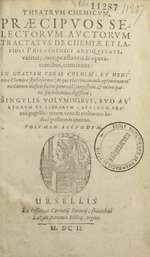
Theatrum Chemicum Volumen Secundum
Lazarus Zetzner (ed.), 1602First Complete Translation
This extensive compilation of alchemical and chemical treatises was a vital resource for the dissemination of knowledge during the transition to chemistry.
Natural Magic (Magia Naturalis)
Giambattista della Porta, 1607
This work contains numerous practical experiments and observations, including those related to metals and chemical processes, bridging natural magic and early experimental science.
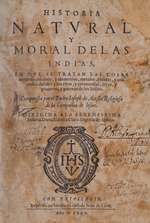
Natural and Moral History of the Indies
Jose de Acosta, 1608
This natural history provides valuable descriptions of mining practices, particularly for silver in the New World, which was a significant aspect of the era's metallurgy.
All Books
Browse Full Catalog→27 books in this collection
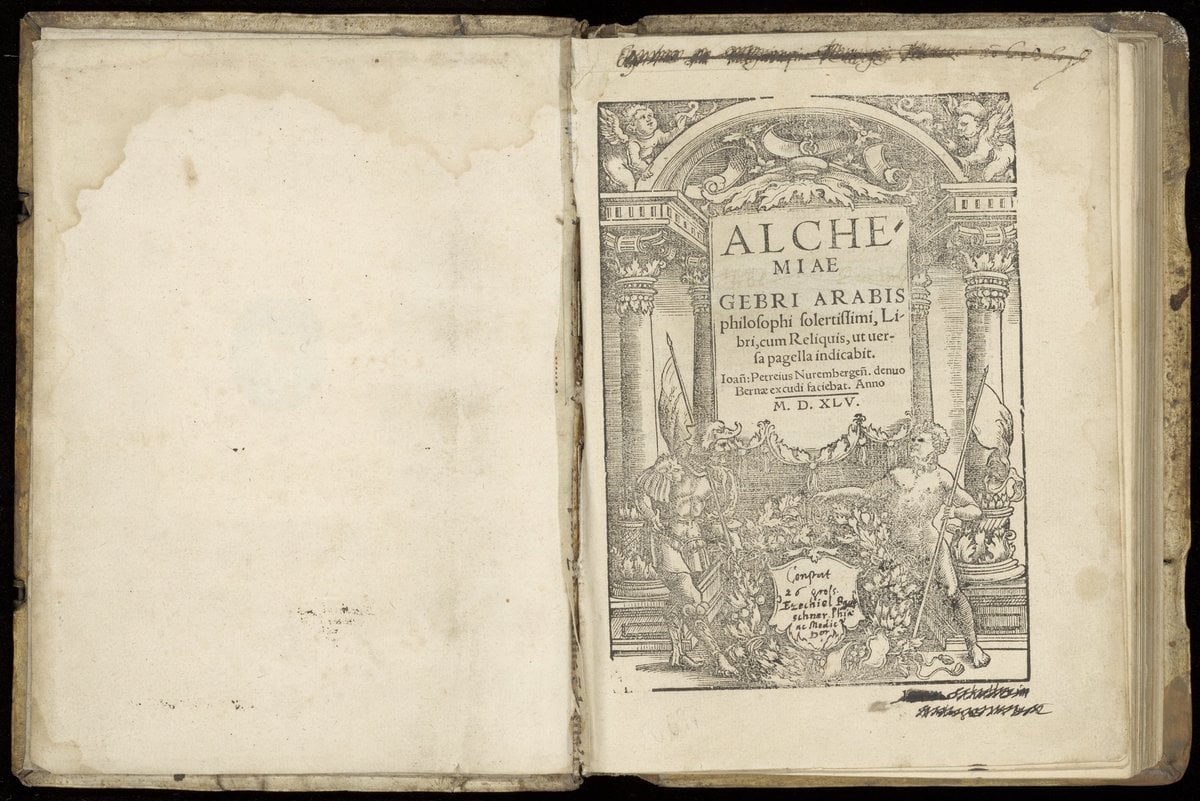
Books of Alchemy
Geber
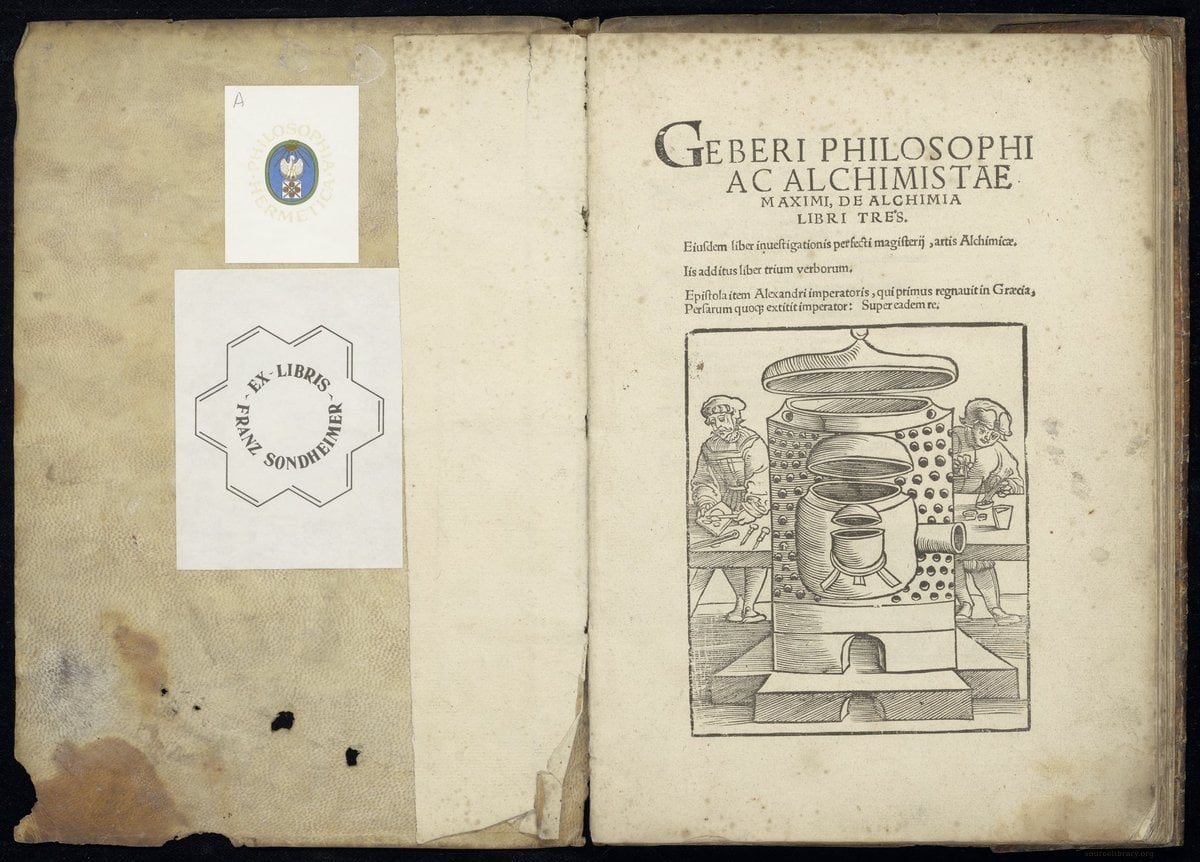
Three Books on Alchemy
Geber
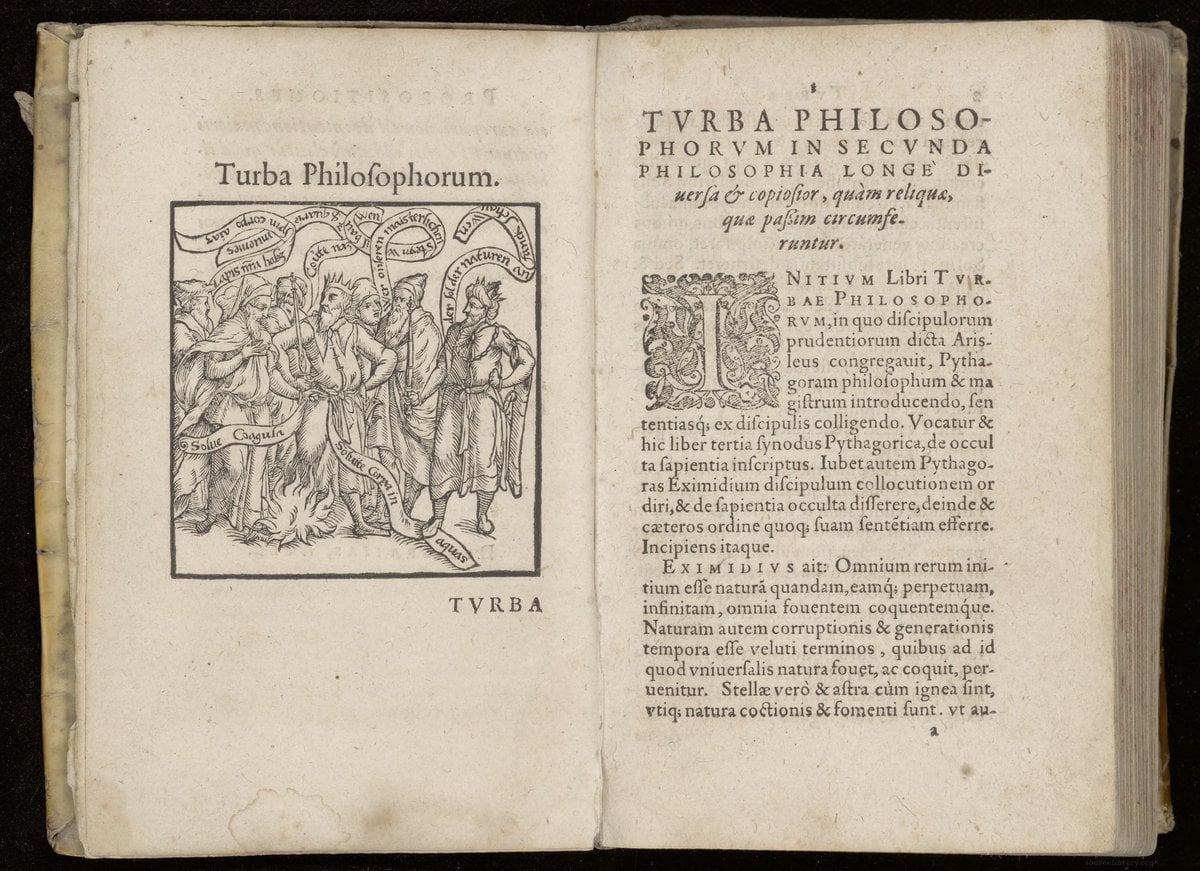
The Art of Gold-making
Morienus
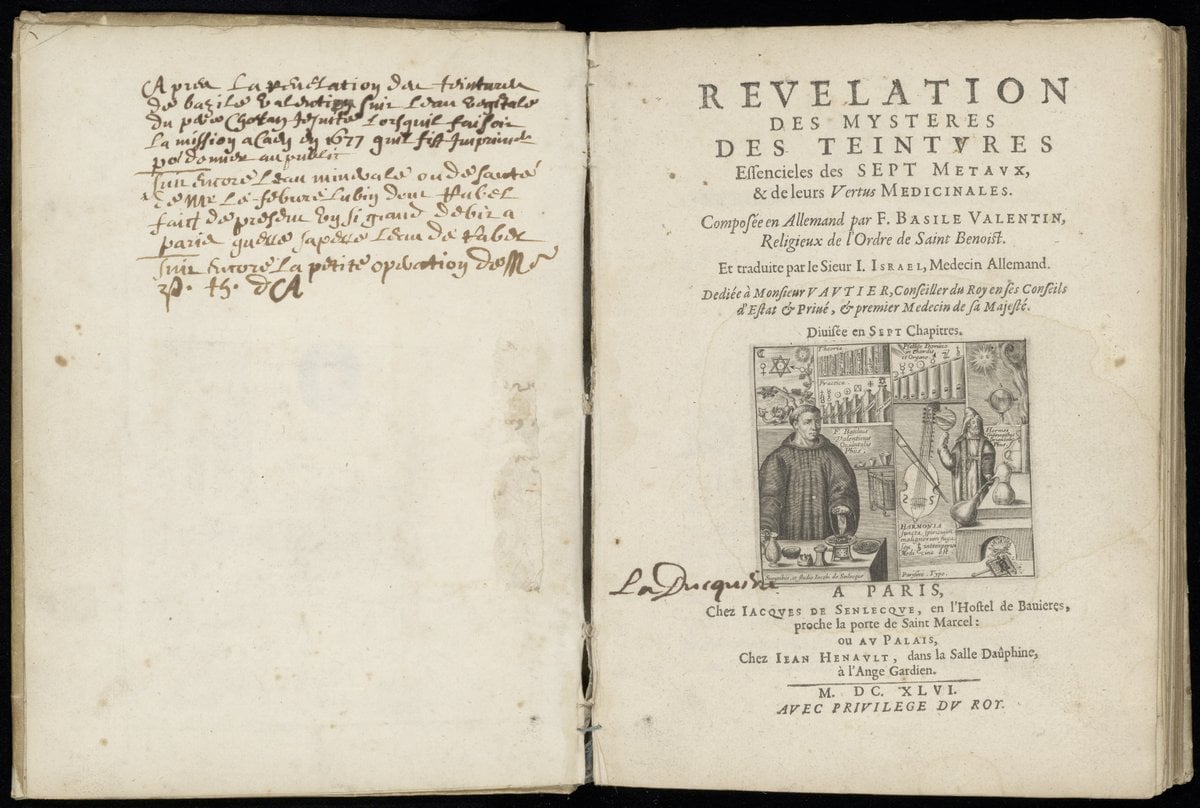
Revelation of the Mysteries of the Essential Tinctures of the Seven Metals
Basilius Valentinus
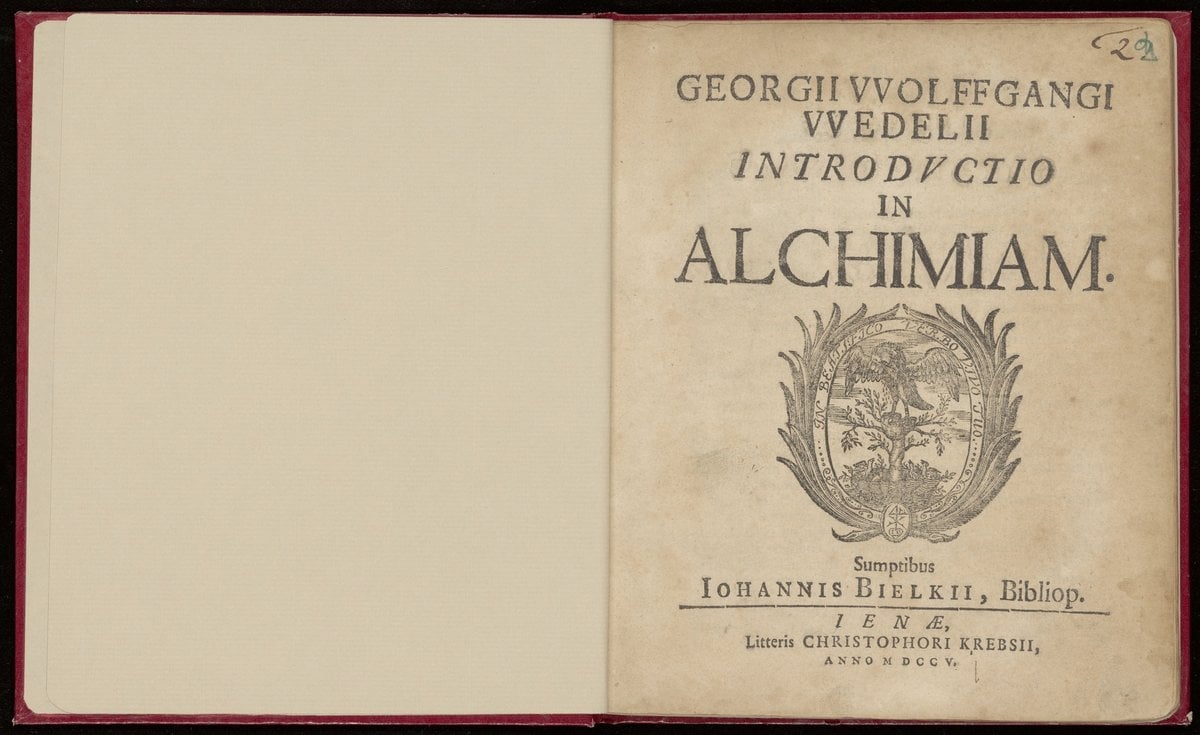
Introduction to Alchemy
Wedel, Georg Wolffgang
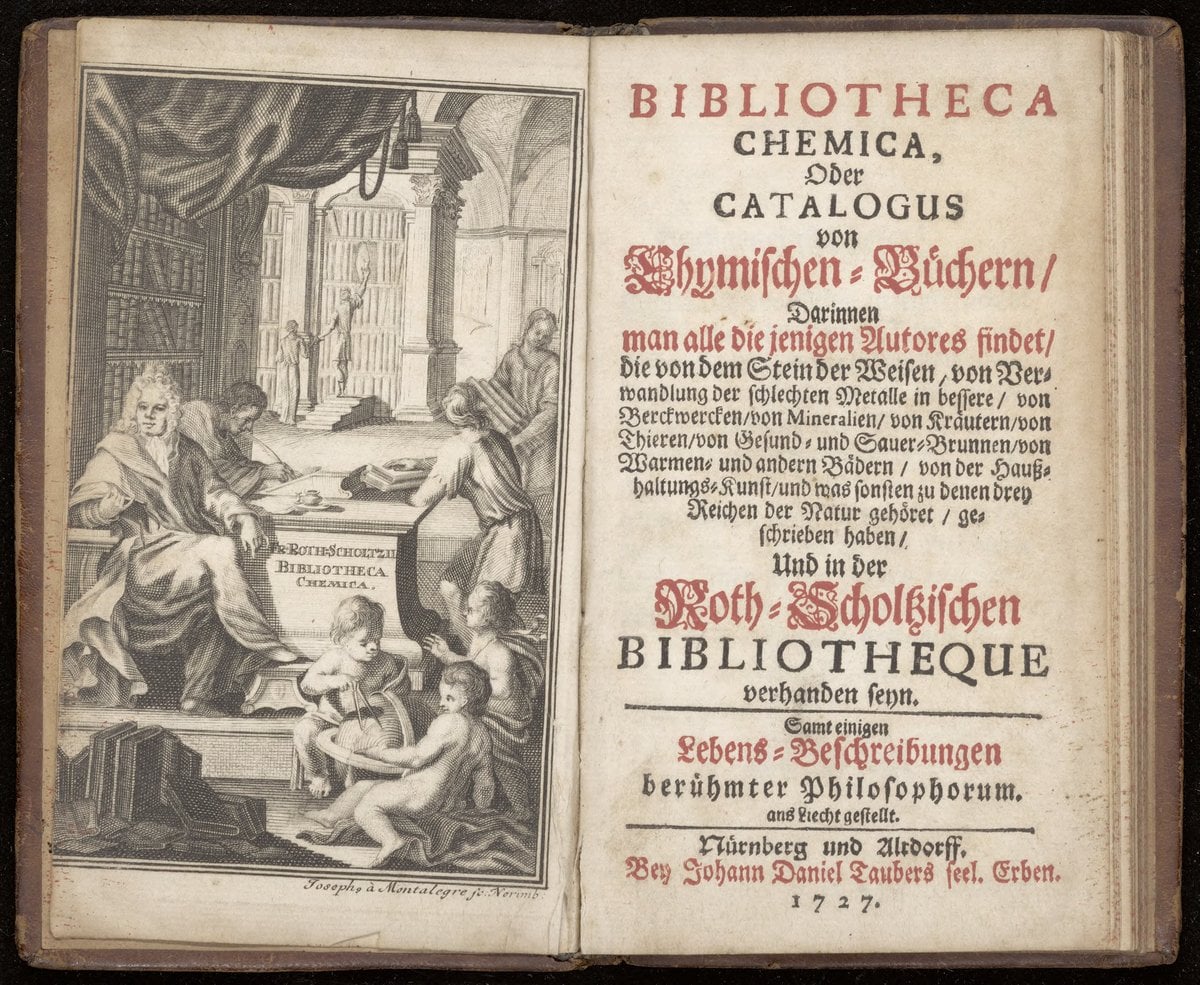
Chemical Library
Roth-Scholtz, Friedrich
The Metamorphosis
Paracelsus, Theophrastus