


Paracelsian Medicine
Spagyric medicine, chemical remedies, and iatrochemistry in the tradition of Paracelsus
Illustrations
Browse all101 images extracted
A leaf from Paracelsus's influential medical treatise 'Opus Paramirum,' featuring a decorative woodcut initial 'P' that marks the beginning of the section on the 'Ens Veneni' (the entity of poison). The Latin text explores the philosophical and chemical nature of substances, reflecting the author's rejection of Galenic medicine in favor of alchemical and astral principles. This page exemplifies the mid-16th-century transition in scientific literature, combining traditional typography with ornate Renaissance book decoration.
This finely detailed engraving depicts David de Planis Campy (1589–c. 1644), a prominent French surgeon and alchemist known as 'L'Edelphe.' Shown at age 38, he is surrounded by the tools of his trade—chemical furnaces and retorts—while his hand rests on a book of 'microcosm' and 'macrocosm' diagrams, bridging the gap between medicine and alchemy.
This detailed engraving serves as the frontispiece portrait of the legendary alchemist Basilius Valentinus, depicted in his Benedictine monk's habit holding a chemical flask. Below the portrait, a scene of miners at work illustrates the practical, earth-bound origins of alchemical knowledge, bridging the gap between physical labor and spiritual philosophy.
This intricate emblem, titled 'Typus Artis Aurificae' (Model of the Gold-Making Art), illustrates the symbolic stages of the alchemical Great Work. Within a large vessel, we see the 'Chymical Wedding' of the King and Queen, flanked by the alchemical lion and eagle, while the dragon at the base represents the prima materia. Published in Andreas Libavius's 'Alchymia' (1597), it serves as a visual synthesis of the chemical and spiritual transformations required to create the Philosopher's Stone.
Woodcut decorative initial 'T' featuring foliate and floral motifs
This intricate woodcut from Andreas Libavius’s 'Alchymia' (1597) serves as a visual summation of the alchemical quest for the Philosopher's Stone. The central sphere contains a hierarchy of transformation, supported by figures representing labor and divine blessing, while the union of the solar King and lunar Queen at the summit symbolizes the 'Chymical Wedding.' It represents a transition in alchemical history from mystical obscurity toward a more structured, proto-scientific classification of chemical knowledge.

This woodcut illustrates the 'anatomical furnace' (fornace anatomica), a conceptual alchemical apparatus that equates the human body with a distillation vessel. The diagram features a scale of 24, likely representing hours or degrees of heat, and depicts a human figure whose head is integrated into the distillation apparatus. This imagery reflects the alchemical belief in the correspondence between the microcosm of the human body and the macrocosm of the universe and chemical processes.

This woodcut diagram illustrates the components of a specialized alchemical instrument used for creating seals or 'pentacula' under specific astrological conditions. The figures show stamps engraved with a scorpion and a serpent, intended to capture celestial influences through 'sympathetic union' as described in the accompanying Latin text. Such imagery reflects the early modern intersection of metallurgy, medicine, and hermetic philosophy.

This central emblem, likely the printer's mark for Lucas Jennis, features the motto 'ARDET ADVERSIS CLARIVS' (It burns more brightly in adversity). The image depicts a mountain or beacon radiating light amidst clouds and personified winds, symbolizing the enduring nature of truth or knowledge through trial. This title page belongs to Johann Daniel Mylius’s 'Opus Medico-Chymicum' (1620), a significant work in early 17th-century alchemical and medical literature.
All Books
Browse Full Catalog→116 books in this collection
Know Thyself
attr. Reger von Ehrenhart, Ernestus Aurelius
On the Ancient Hermetic Medicine of the Egyptians and the New Paracelsian Medicine
Conring, Hermann
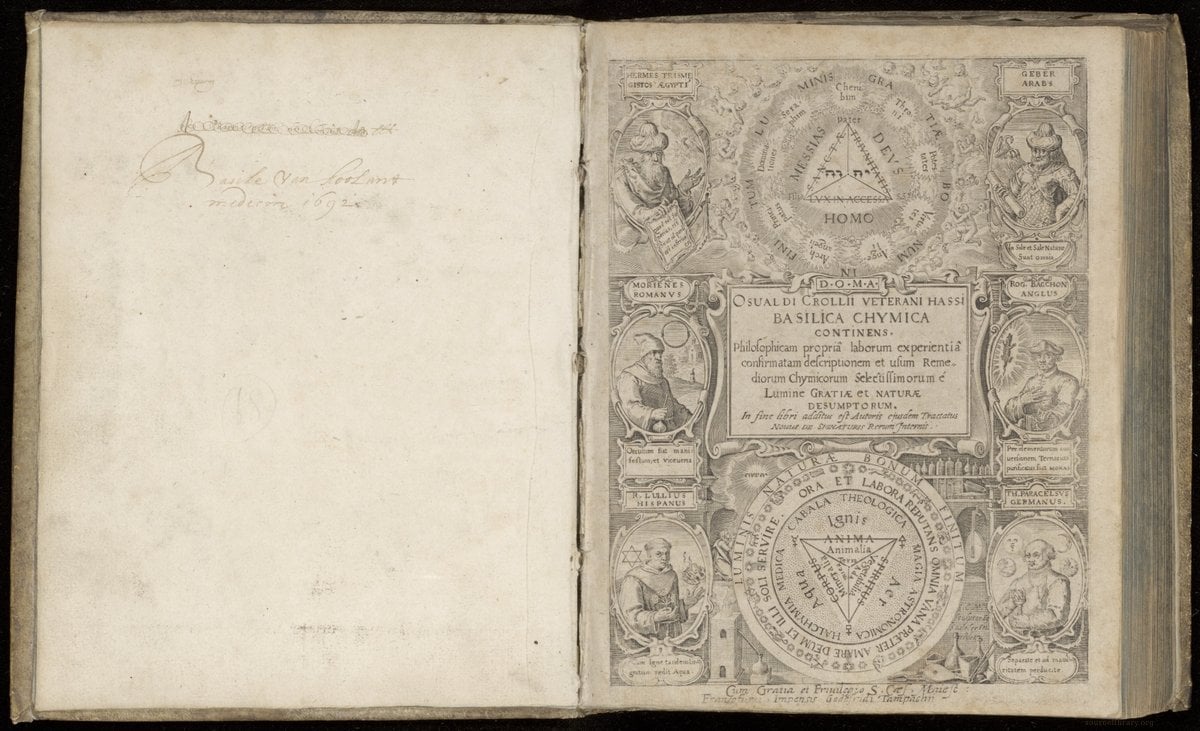
The Chemical Basilica and Treatise on Signatures
Crollius, Oswaldus
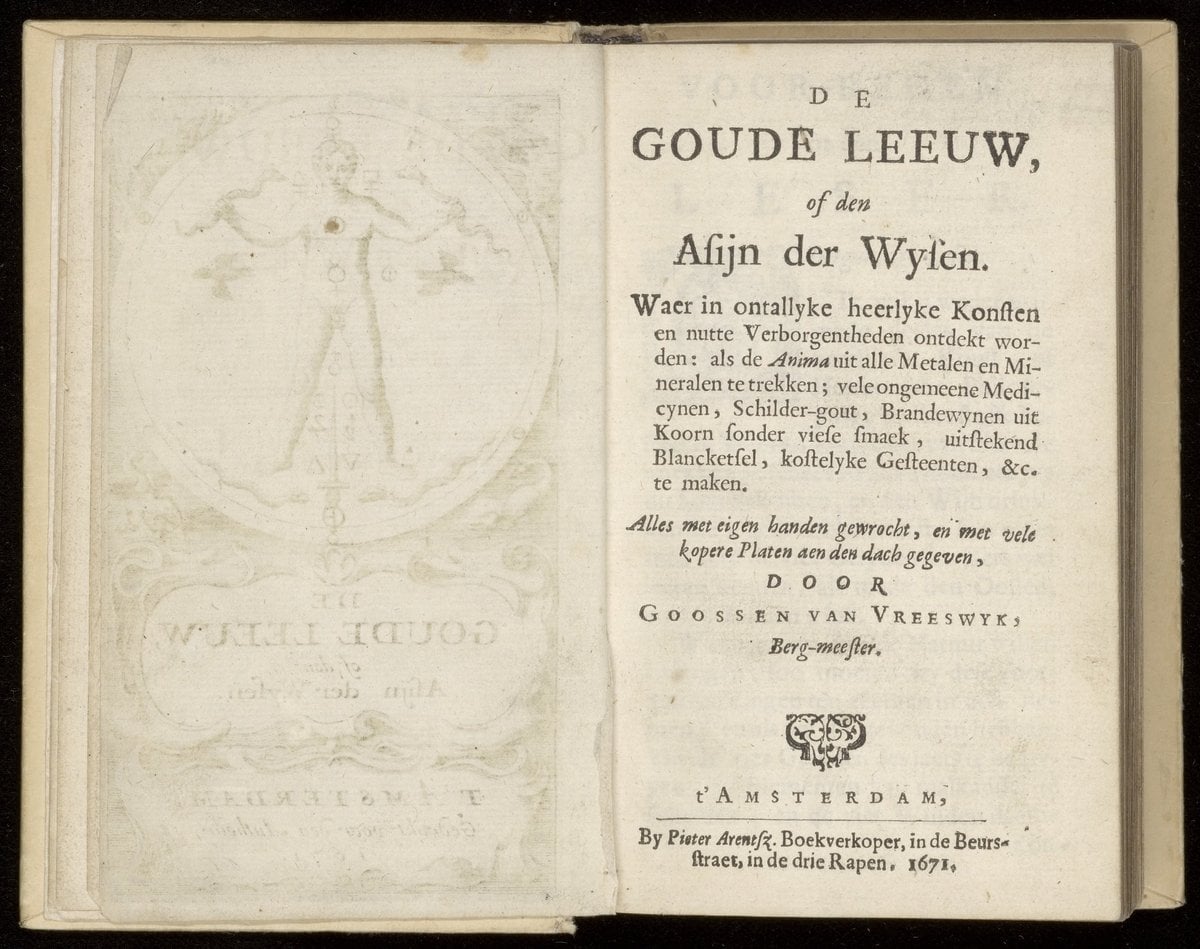
The Golden Lion, or the Vinegar of the Sages
Vreeswyk, Goossen van
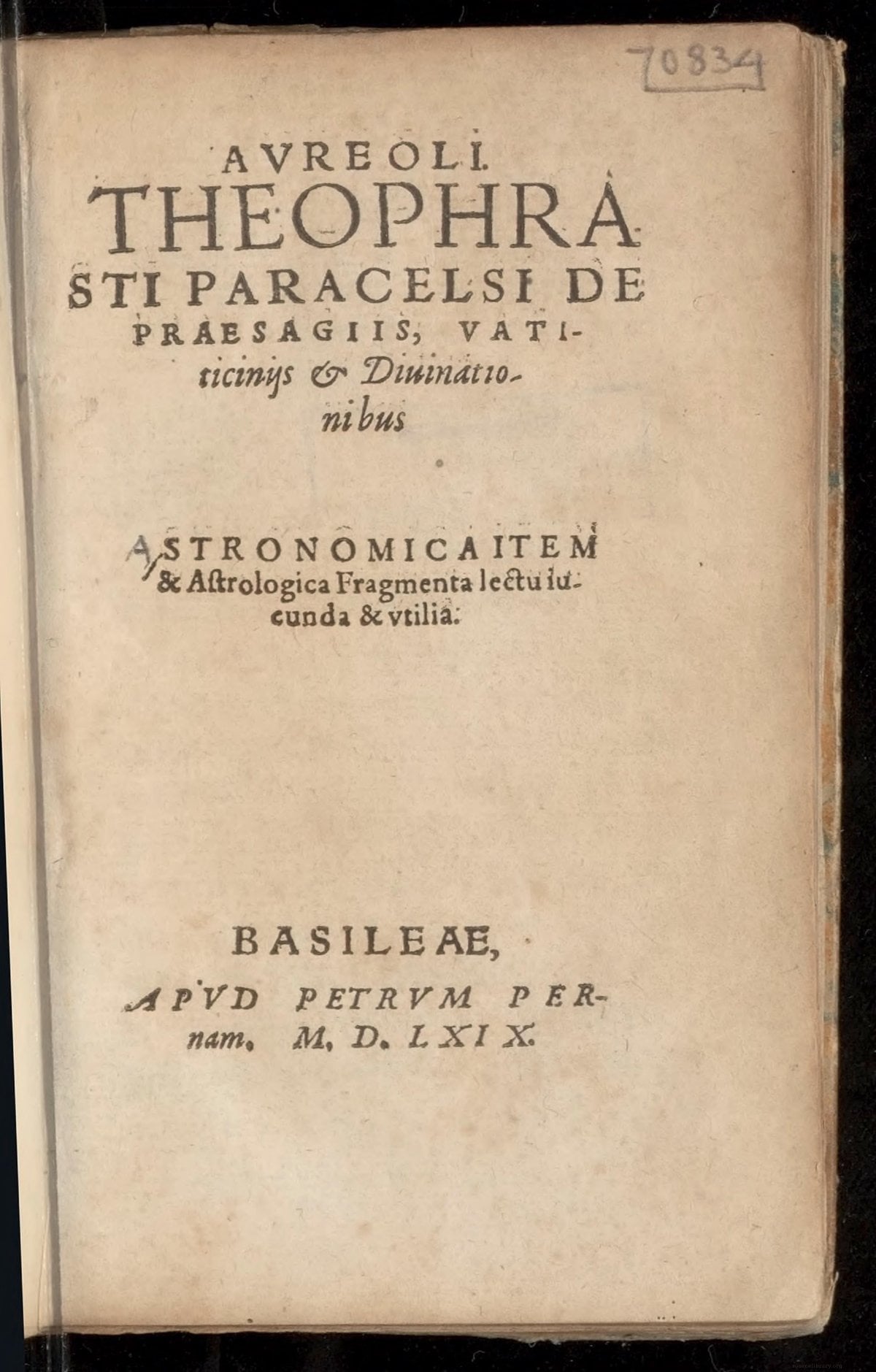
On Presages, Divination, and Astrological and Astronomical Fragments
Paracelsus
Fountain of Wisdom and Knowledge of Nature
Anonymous
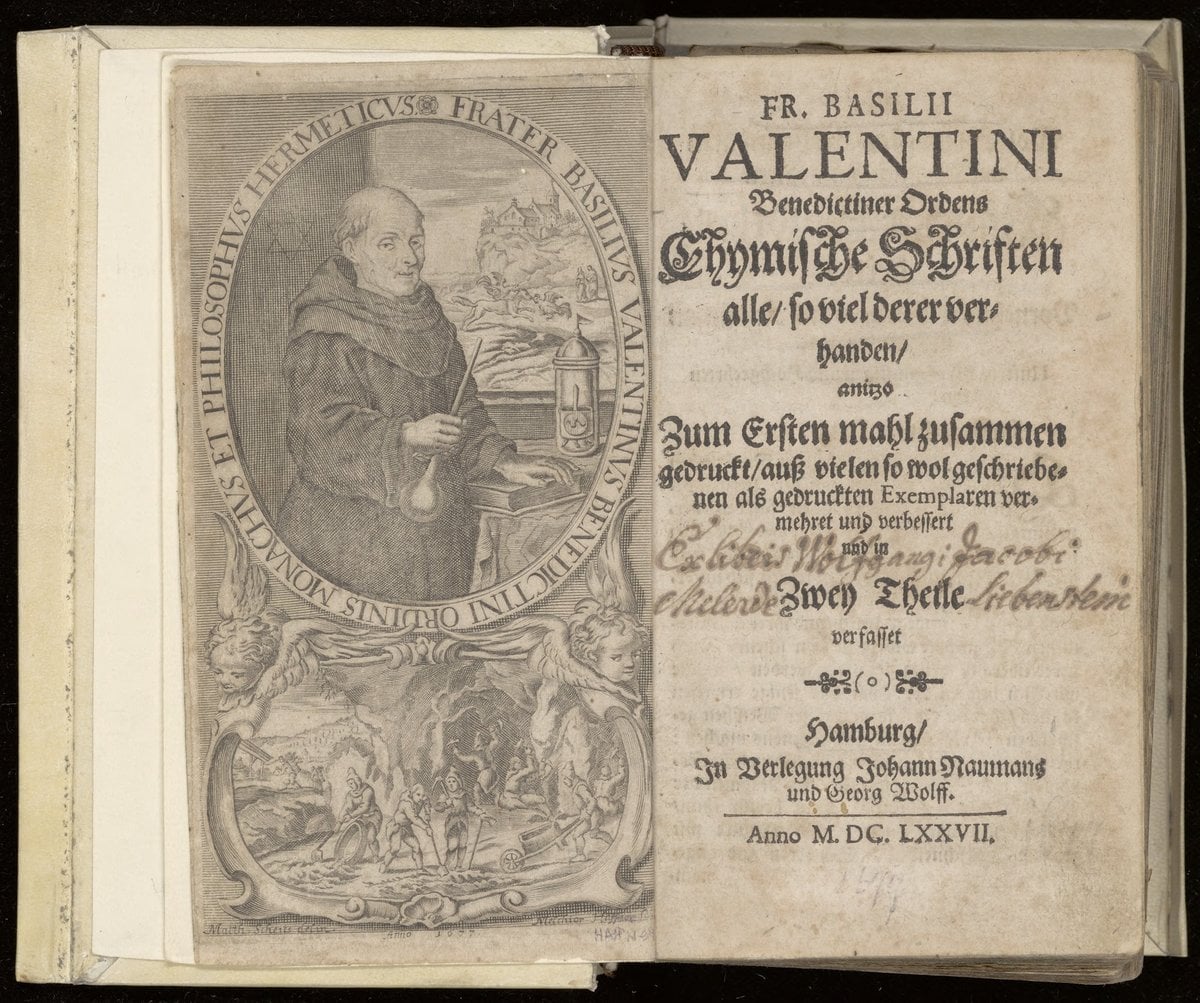
The Chemical Writings
Basilius Valentinus
The Heaven of the Philosophers
Anonymous
The Book of Meteors; Fourth Book of Paramirum on the Matrix
Paracelsus, Theophrastus
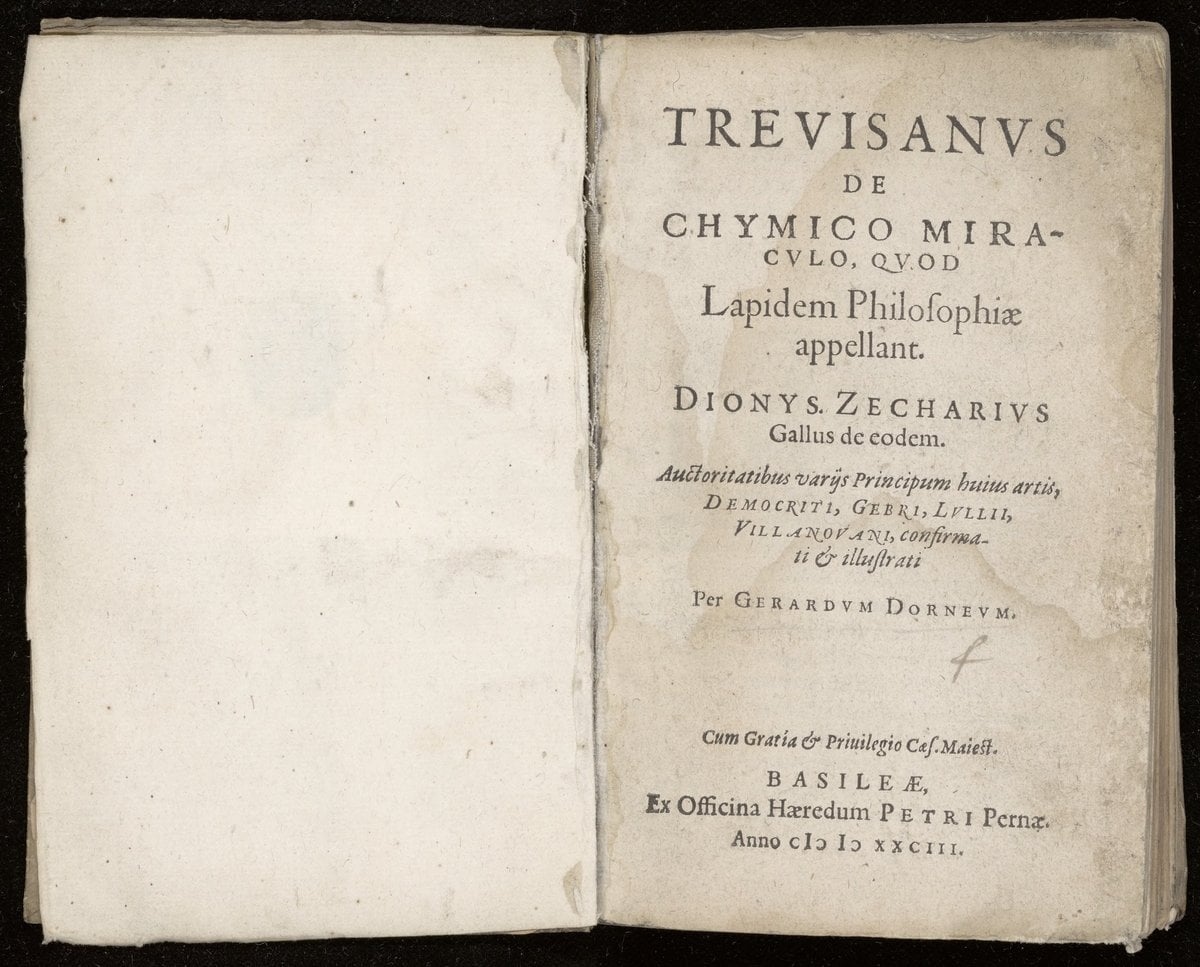
On the Chemical Miracle, Called the Philosopher's Stone
Bernhardus Trevisanus|Zachaire, Denis
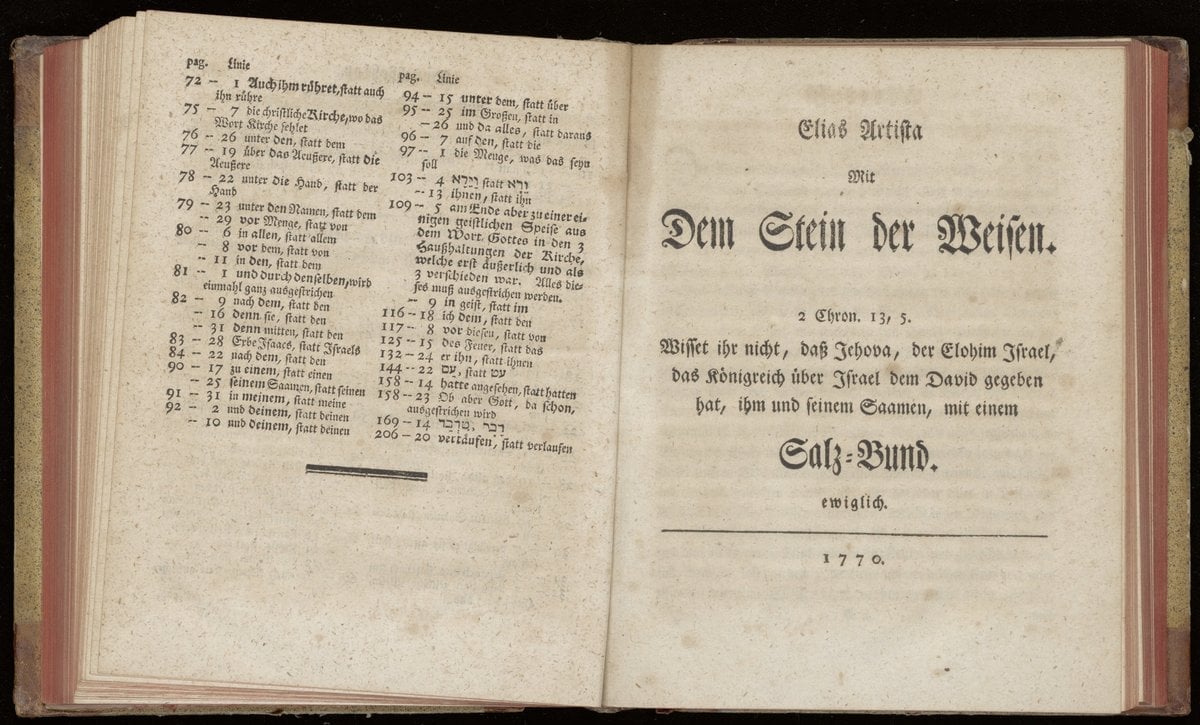
Elias the Artist with the Philosopher's Stone
attr. Müller, Johann Daniel
Aurora, and the Treasure of the Philosophers: The Water-Stone of the Wise Men
Paracelsus, Theophrastus|[Siebmacher, Johann Ambrosius]
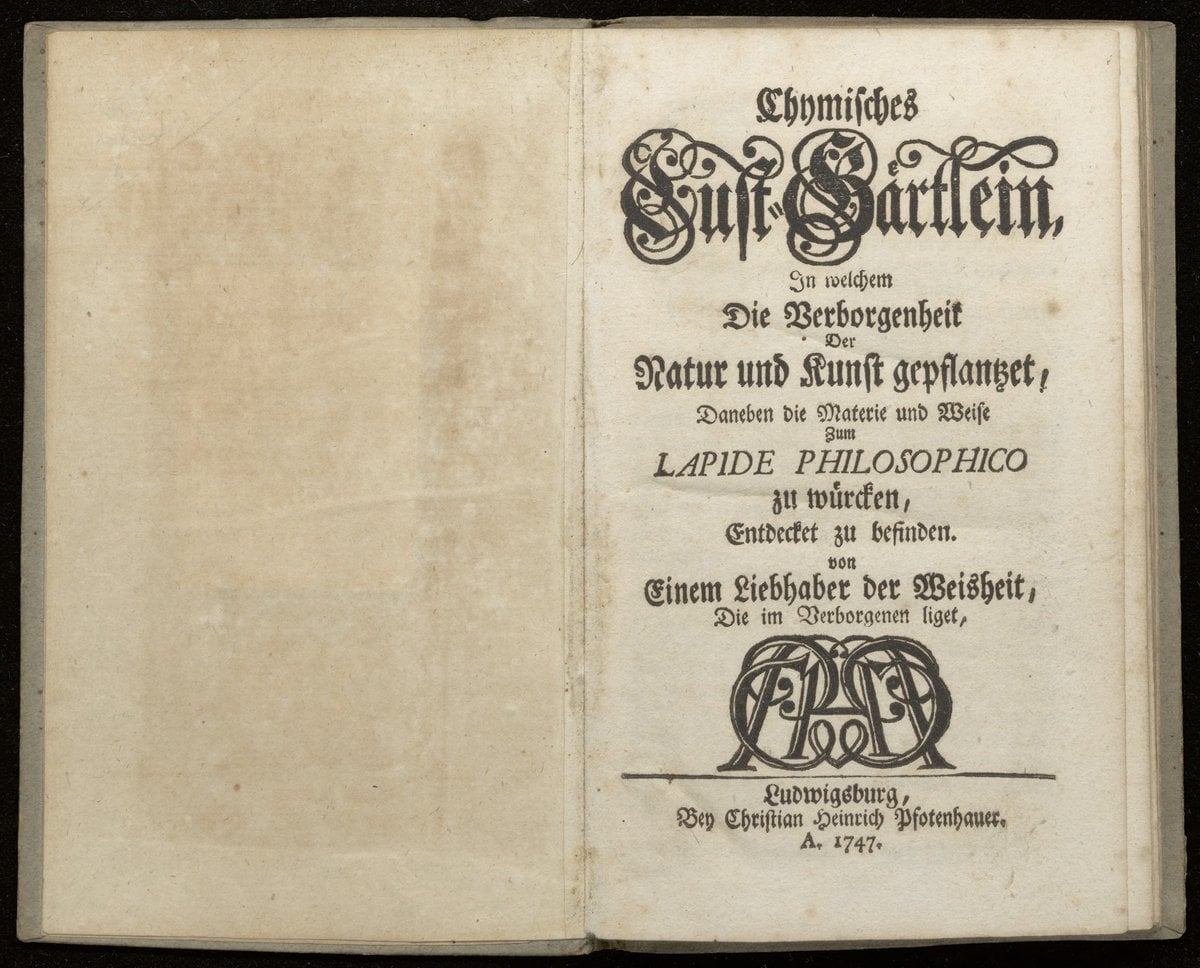
Chemical Pleasure Garden
Anonymous
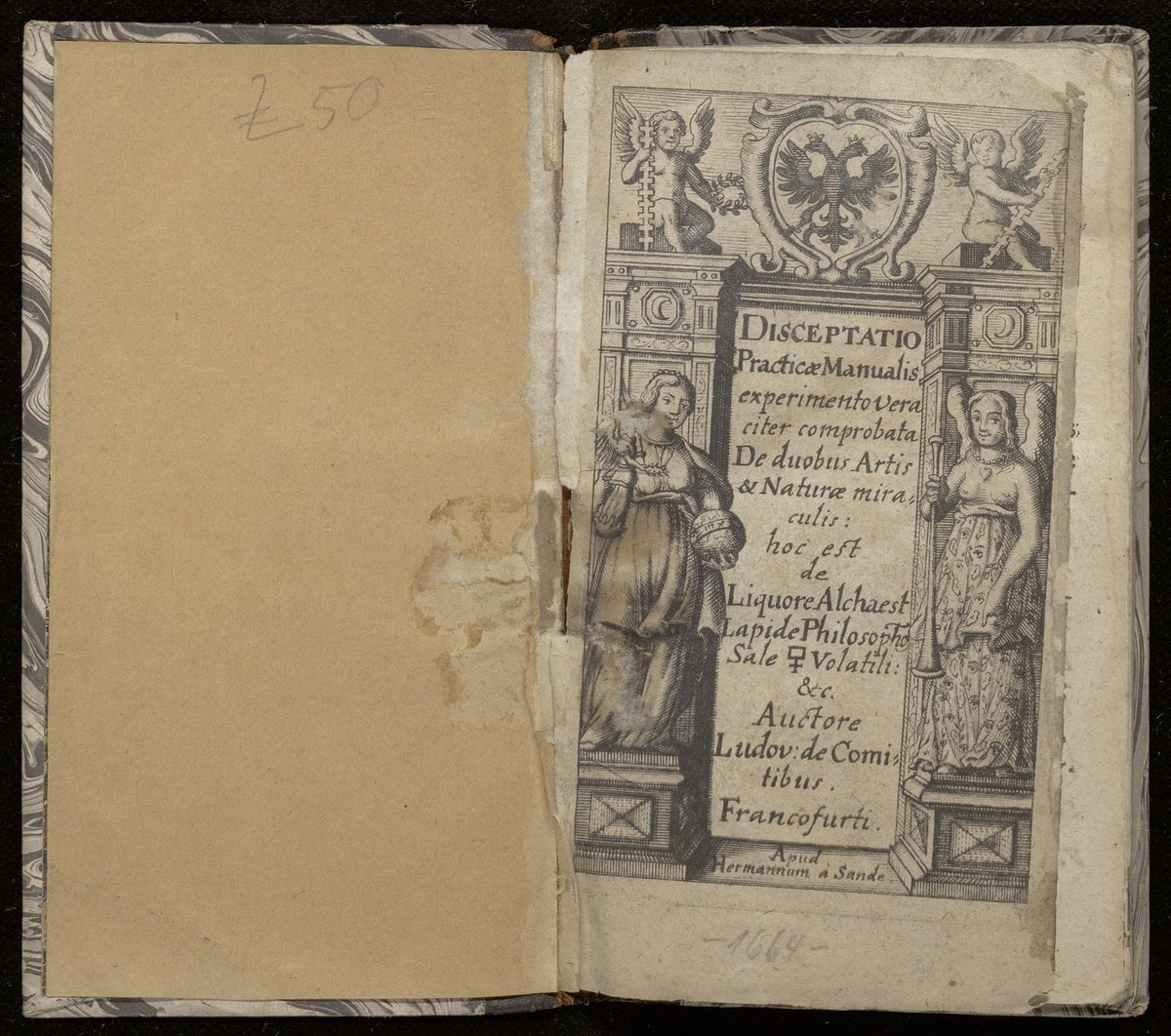
A Clear and Faithful Admonitory Disputation
Comitibus, Ludovicus de