


Illustrations
Browse all44 images extracted
This illustration presents a meticulous line drawing of a cuneiform tablet fragment, identified as part of the first tablet of the 'Creation Series' or Enuma Elish. The drawing captures the intricate wedge-shaped script and the jagged edges of the broken clay, representing fragments 45528 and 46614 from the British Museum. Such technical reproductions were vital for the dissemination and study of ancient Near Eastern texts in the early 20th century.
This illustration is a precise hand-copy of a cuneiform tablet fragment belonging to the Enuma Elish, the Babylonian creation myth. It shows the obverse side of joined fragments 45588 and 46614 from Tablet I of the series, preserving the ancient wedge-shaped script used in Mesopotamia.
This relief from the top of the diorite stele of Hammurabi depicts the king standing in a gesture of prayer before the sun god Shamash. Shamash, seated on a throne and wearing a tiered robe and horned headdress, extends the rod and ring, symbols of royal power and justice, to Hammurabi. This scene legitimizes Hammurabi's rule and the laws inscribed below by presenting them as divinely ordained.
This plate presents a meticulous reproduction of Column XXXV from the Code of Hammurabi, one of the oldest and most complete written legal codes in history. The cuneiform script, originally carved into a massive diorite stele around 1754 BCE, is here rendered for scholarly study, illustrating the complex wedge-shaped characters used in ancient Babylon to record laws and social edicts.
The Epic of Gilgamesh, Enuma Elish, and the oldest sacred narratives in human history.
Essential Reading
The foundational texts of this tradition
Enuma Elish Vol 1: The Seven Tablets of Creation
ed. Leonard William King, 1902
This is a foundational edition of the Enuma Elish, explicitly named in the collection's description as a primary sacred narrative.
The Seven Tablets of Creation, Vol. I (Enuma Elish)
L. W. King, 1902
This is a foundational edition of the Enuma Elish, explicitly named in the collection's description as a primary sacred narrative.
Important Works
Significant texts that deepen understanding
Sumerian Liturgical Texts
Stephen Langdon, 1917
Contains sacred texts and prayers central to Sumerian religious practice.
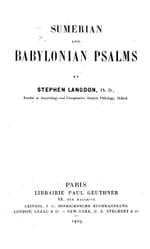
Sumerian and Babylonian Psalms
Stephen Langdon, 1909
Provides primary examples of Sumerian and Babylonian sacred poetry and prayers.
Babylonian Liturgies: Sumerian Texts from the Early Period
Stephen Langdon, 1913
Presents early Sumerian liturgical texts, directly contributing to the collection's focus on ancient sacred narratives.
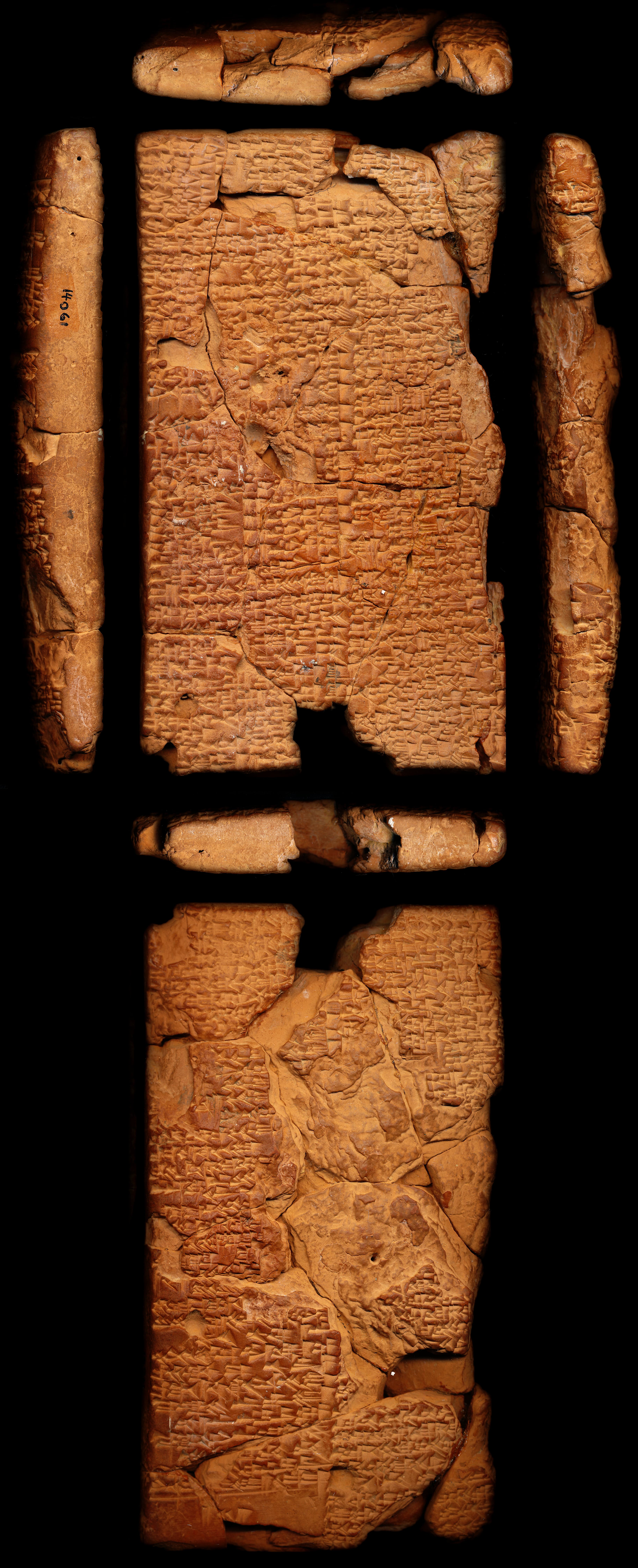
The marriage of Martu
Anonymous Sumerian, -2000
A mythological narrative that likely contributes to the body of Sumerian sacred stories.
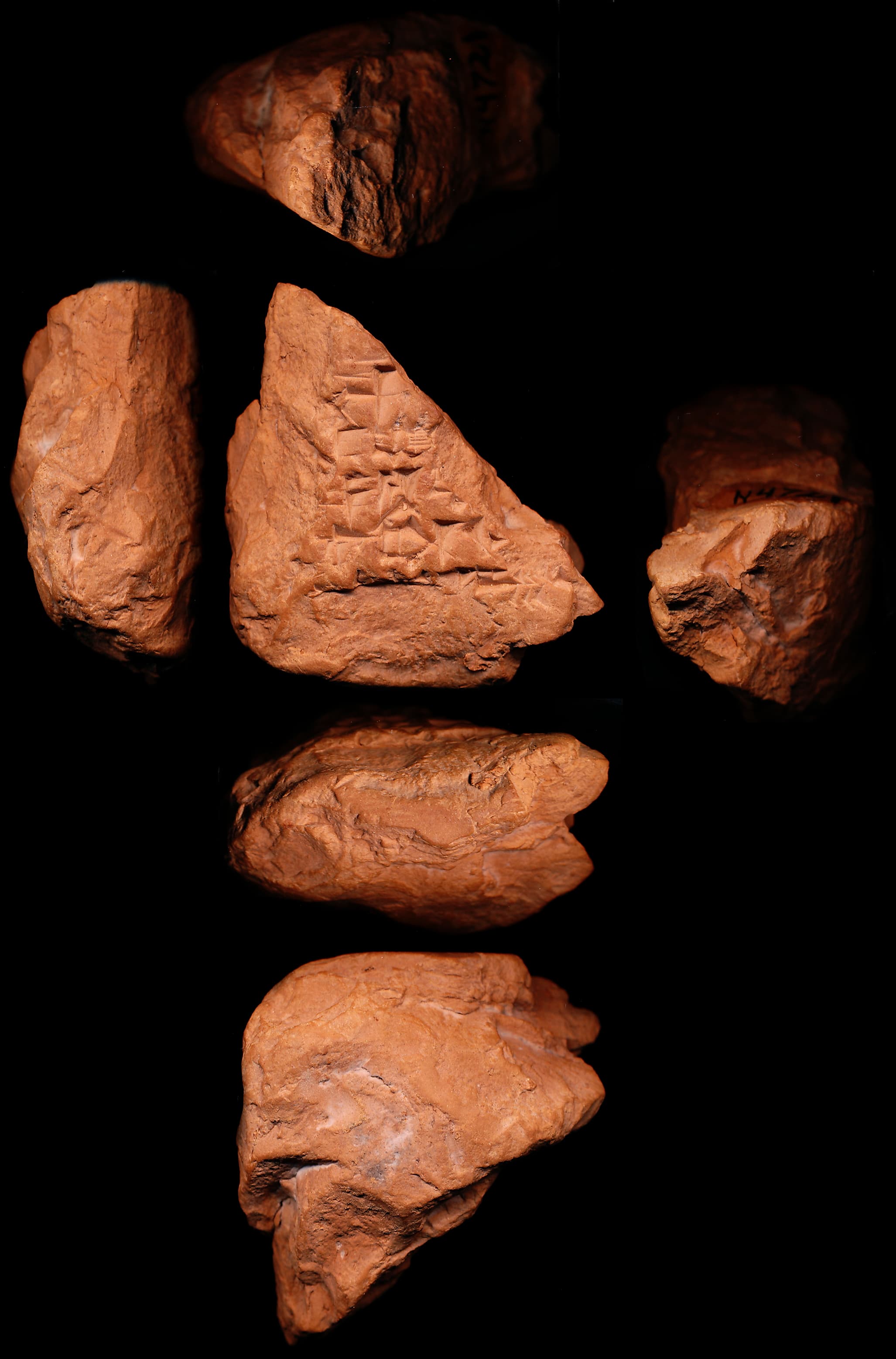
The Keš temple hymn
Anonymous Sumerian, -2000
A foundational Sumerian temple hymn, representing an important form of sacred narrative and worship.
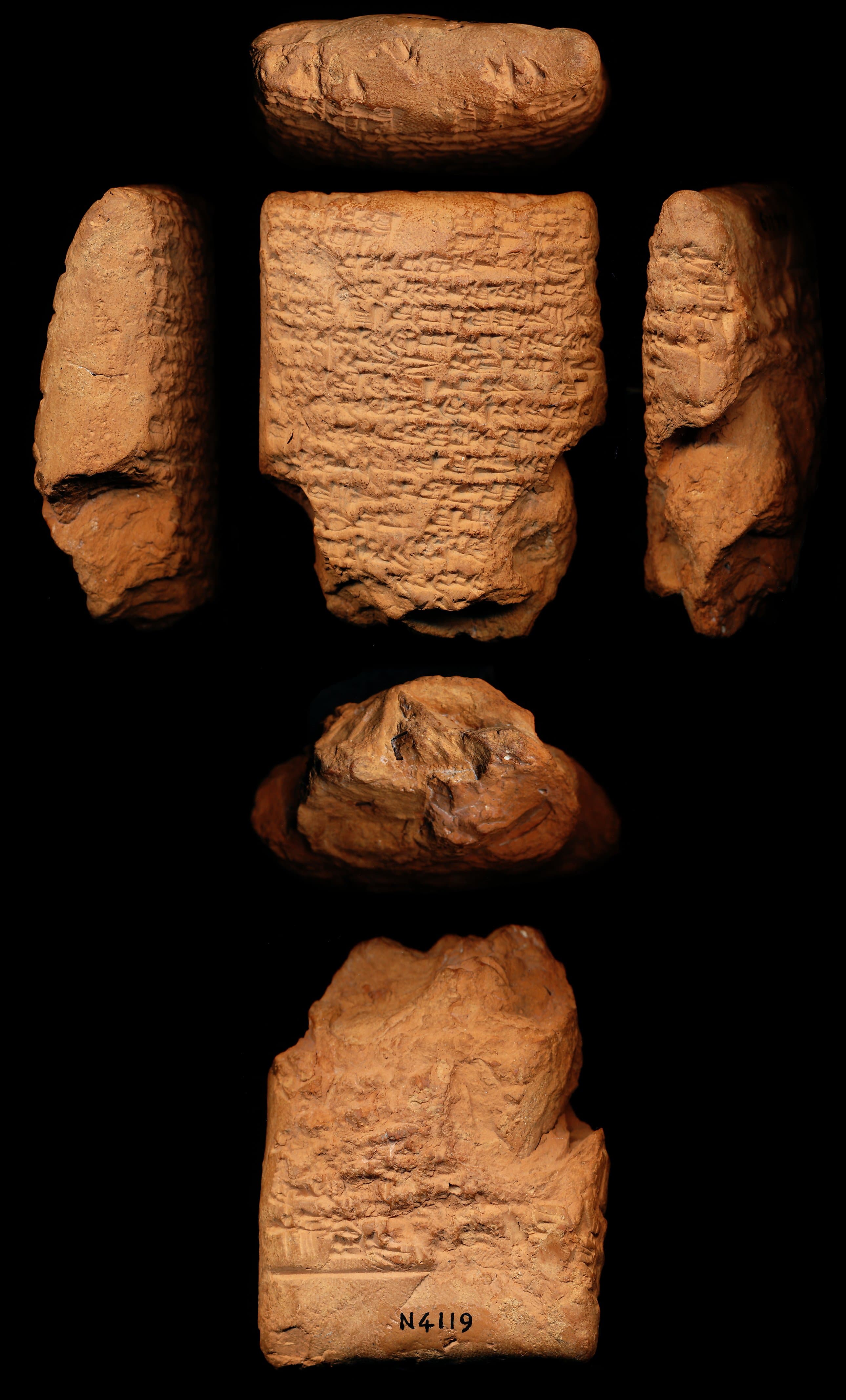
A hymn to Sadarnuna (Sadarnuna A)
Anonymous Sumerian, -2000
A sacred hymn dedicated to a deity, contributing to the understanding of Sumerian religious expression.
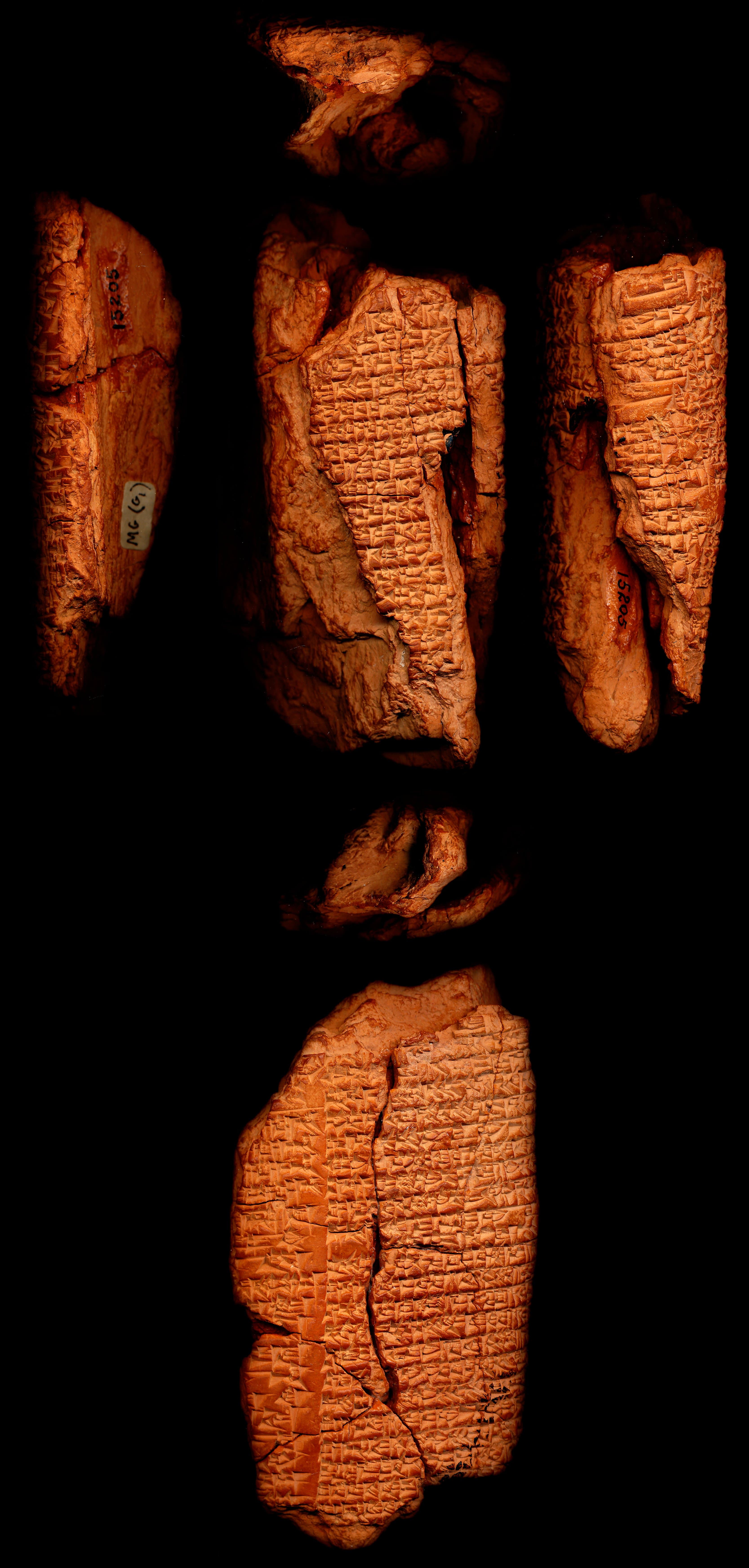
A man and his god
Anonymous Sumerian, -2000
A significant Sumerian text exploring the personal relationship between a human and their deity, reflecting sacred beliefs.
A hymn to Enlil for Samsu-iluna (Samsu-iluna H)
Anonymous Sumerian, -2000
A sacred hymn dedicated to Enlil, a principal Sumerian deity, showcasing religious devotion.
A prayer to Inana for Ḫammu-rābi (Ḫammu-rābi F)
Anonymous Sumerian, -2000
A prayer to the important deity Inana, reflecting royal and religious practices of the period.
All Books
Browse Full Catalog→370 books in this collection