


Illustrations
Browse all212 images extracted
This intricate woodcut depicts an armillary sphere, a fundamental tool for early modern astronomers to visualize the celestial coordinate system. The diagram labels key astronomical features such as the zodiac, the tropics, and the meridian, reflecting the geocentric worldview of the period. It serves as a testament to the intersection of scientific inquiry and the art of book illustration in the 16th century.
This woodcut illustrates the concept of 'Chorography' by drawing a parallel between the mapping of specific regions and the human senses of sight and hearing. The image juxtaposes a detailed landscape with a human eye and ear, suggesting that the study of geography is fundamentally rooted in sensory observation. This reflects early modern efforts to categorize knowledge through visual analogies between the human body and the natural world.
The central emblem of the Loeb Classical Library depicts a seated figure, likely representing wisdom or scholarship, surrounded by the series' name. This iconic logo signifies the mission of making Greek and Latin literature accessible to a modern audience through parallel-text editions.
This woodcut is the printer's mark of Peter Short, appearing on the title page of William Gilbert's 'De Magnete' (1600), the first major scientific work published in England. The image depicts a serpent coiled around a tau cross, which is held at its base by two hands emerging from celestial clouds. This emblem symbolizes the union of wisdom and divine providence, appropriate for a work that revolutionized the understanding of magnetism and the Earth as a giant magnet.
This detailed heraldic woodcut depicts a quartered coat of arms, prominently featuring the lions and lozenge pattern associated with the House of Wittelsbach. The shield is surmounted by two ornate helmets with elaborate crests and is presented within a classical archway, a common device used to denote the prestige and patronage of the work.
This intricate title page engraving for Agrippa's 'La Philosophie Occulte' (1727) presents an allegorical tableau of wisdom and learning. Flanked by figures representing classical knowledge, the central emblem with the motto 'Trinis Stimulis Pressa' serves as the printer's mark for R. Chr. Alberts, symbolizing the industrious nature of scholarly pursuit.

This intricate engraving displays the royal coat of arms of France, featuring three fleurs-de-lis supported by two celestial figures and topped with a crown. It signifies that this report on 'animal magnetism' (Mesmerism) was published by the Imprimerie Royale under the direct authority of King Louis XVI. The presence of such formal heraldry underscores the state's official investigation into the controversial scientific claims of the era.

This detailed engraving depicts the residence of William Gilbert in Colchester, the 16th-century physician and natural philosopher famous for his work on magnetism. The illustration serves to ground the biographical account of Gilbert's life, showing the physical environment where he conducted his pioneering experiments.

This circular emblem is a classic representation of Rosicrucian symbolism, featuring a five-pointed star overlaid with a cross and five blooming roses at its center. The imagery encapsulates the synthesis of spiritual and material realms, reflecting the esoteric philosophies of the Renaissance mystics explored in Rudolf Steiner's text.
The longest-running argument in Western thought: can things affect each other without touching? This collection traces the idea of invisible connection from Stoic cosmic sympathy through the Renaissance weapon-salve debate, Mesmer's animal magnetism, Reichenbach's odic force, and into the New Thought vibration doctrine.
Essential Reading
The foundational texts of this tradition

The Enneads
Plotinus | Ficino, Marsilio (trans.), 1580First from Greek
Plotinus's Neoplatonism, especially through Ficino's translation, is foundational for understanding the Renaissance concept of cosmic sympathy and emanation.
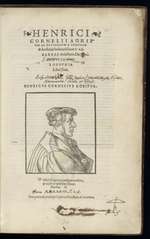
Three Books of Occult Philosophy
Agrippa, Henricus Cornelius, 1533
Agrippa's foundational work on occult philosophy is indispensable for understanding Renaissance theories of cosmic sympathy, natural magic, and action at a distance.

The Metamorphosis
Paracelsus, Theophrastus, 1584First Translation
Paracelsus's work is crucial for understanding Renaissance ideas of cosmic sympathy, astral influences, and the 'weapon-salve' debate.

Abhandlung über die Entdeckung des thierischen Magnetismus
Franz Anton Mesmer, 1781
Mesmer's foundational treatise on animal magnetism is essential for understanding this key phase of 'action at a distance'.
The Sensitive Man and His Relation to the Odic Force
Karl von Reichenbach, 1854First Complete Translation
Reichenbach's seminal work on the 'Odic force' is a direct and essential component of the collection's narrative on invisible connections.
Important Works
Significant texts that deepen understanding
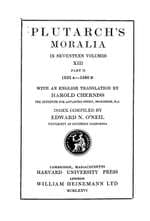
Plutarch's Moralia, Vol. 13 Part 2 (Loeb 470: Stoic Essays)
Plutarch; trans. Harold Cherniss, 1976
Plutarch's critiques of Stoicism in his 'Moralia' provide valuable context and counter-arguments to the concept of *sympatheia*.
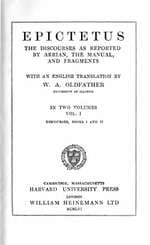
The Discourses of Epictetus, Volume I
Epictetus, 1898
A primary source from a key Stoic philosopher, directly contributing to the understanding of Stoic *sympatheia*.
Astronomicon
Marcus Manilius, 1473
As a foundational text on astrology, *Astronomicon* exemplifies the ancient and Renaissance belief in cosmic sympathy and action at a distance through celestial influence.
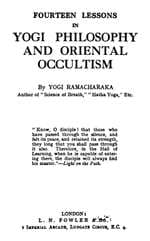
Fourteen Lessons in Yogi Philosophy and Oriental Occultism
Yogi Ramacharaka (William Walker Atkinson), 1903
A core text by William Walker Atkinson, directly linking Eastern philosophy and occultism to the New Thought 'vibration doctrine'.

Three Books on Life
Marsilio Ficino, 1529
Ficino's seminal work on natural magic and celestial influences is essential for understanding Renaissance ideas of cosmic sympathy and action at a distance.
Pal.lat.1375
Regiomontanus, Peuerbach, Hermes Trismegistus, et al., 1480First Translation
The inclusion of Hermetic texts (Hermes Trismegistus) is vital for understanding the Renaissance concept of cosmic sympathy and correspondences.
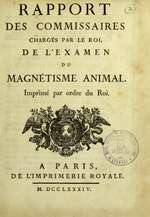
Report of the Commissioners on Animal Magnetism
Benjamin Franklin, Bailly, Lavoisier et al., 1784
This influential report by the French Academy of Sciences represents a critical scientific response to the claims of animal magnetism, highlighting the ongoing debate.
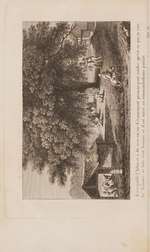
Mémoires sur le magnétisme animal
Armand-Marie-Jacques de Chastenet, Marquis de Puységur, 1784
Puységur's work advanced the theories of animal magnetism, particularly through his development of artificial somnambulism, a key evolution in the concept of invisible influence.
Researches on Magnetism and the Vital Force
Karl von Reichenbach, 1850
An English translation of Reichenbach's key research on magnetism and the vital (Odic) force, making his theories accessible.
All Books
Browse Full Catalog→60 books in this collection
On the Mysteries
Ficino
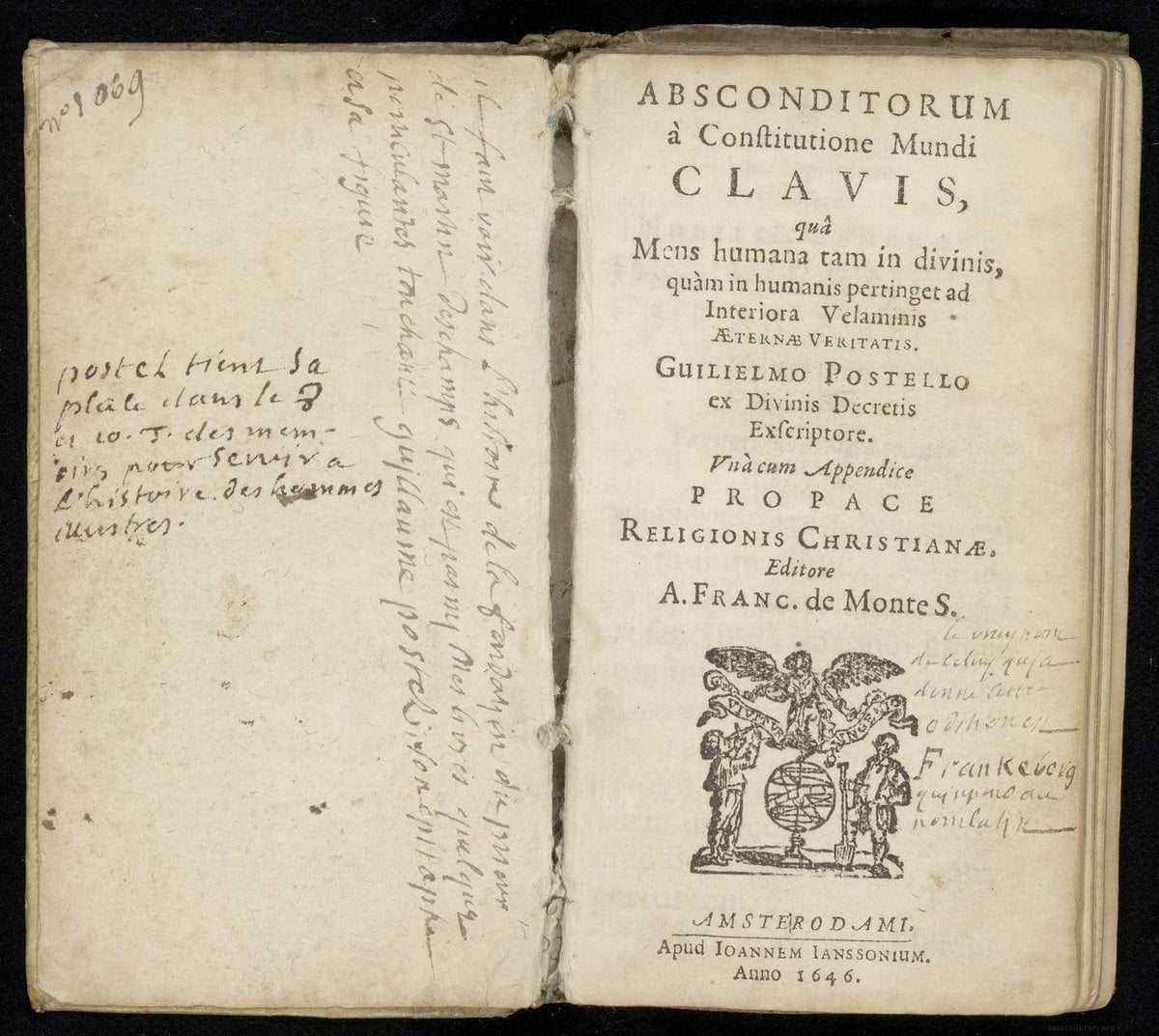
Key to the Hidden Things from the Foundation of the World
Postel, Guillaume
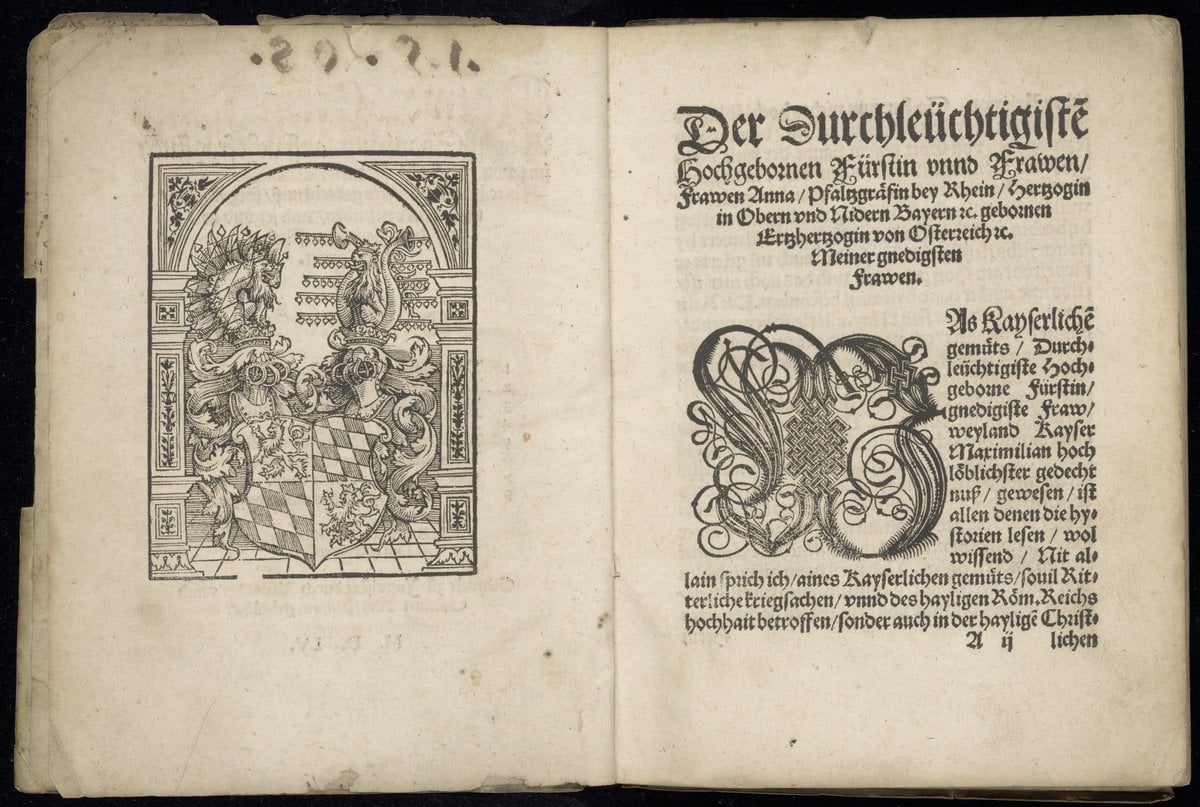
Answer to Eight Questions
Tritheim, Johann
The Wonder-Working Word
Reuchlin, Johann
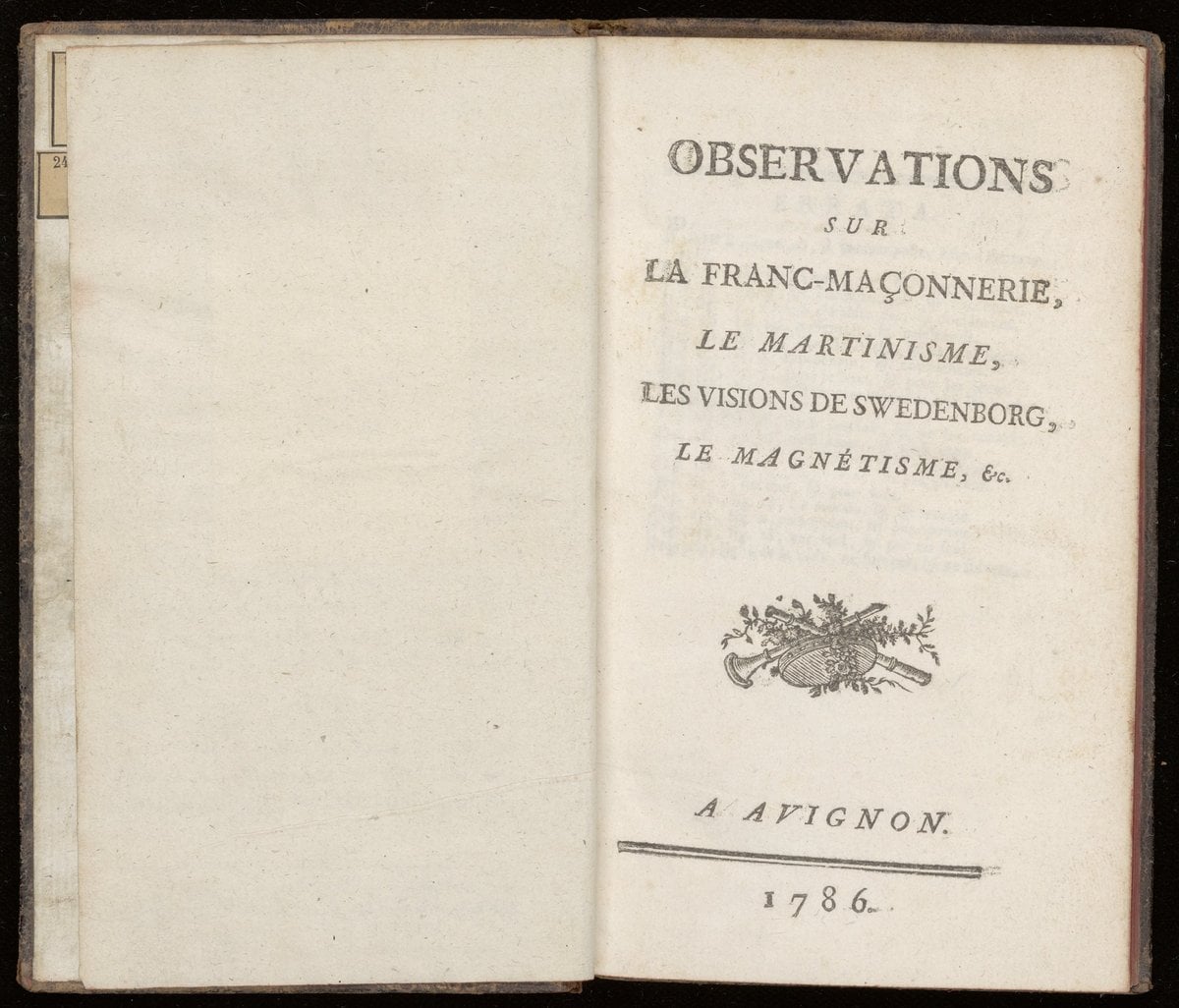
Observations on Freemasonry, Martinism, the Visions of Swedenborg, and Magnetism
Anonymous
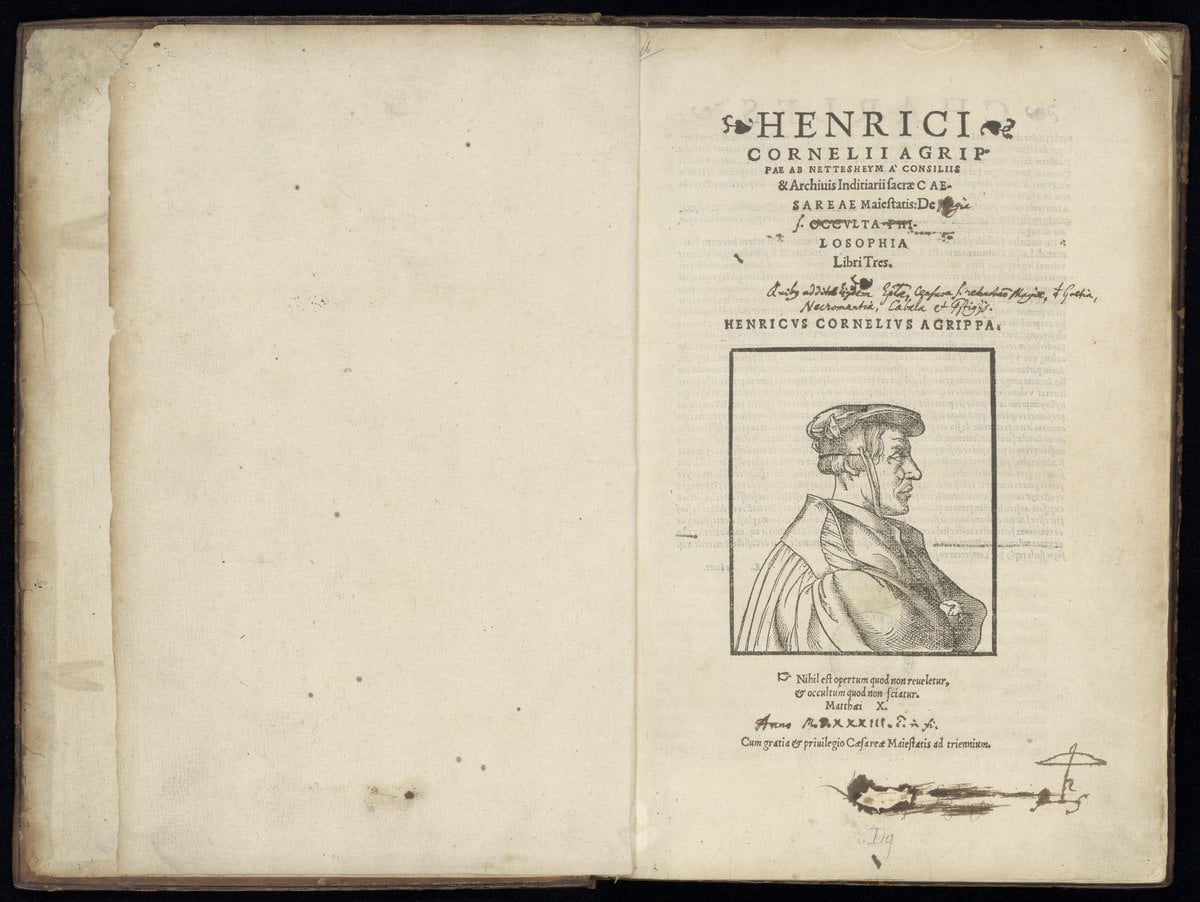
Three Books of Occult Philosophy
Agrippa, Henricus Cornelius
A Thorough Report on the Brotherhood of the Rosy Cross
Anonymous
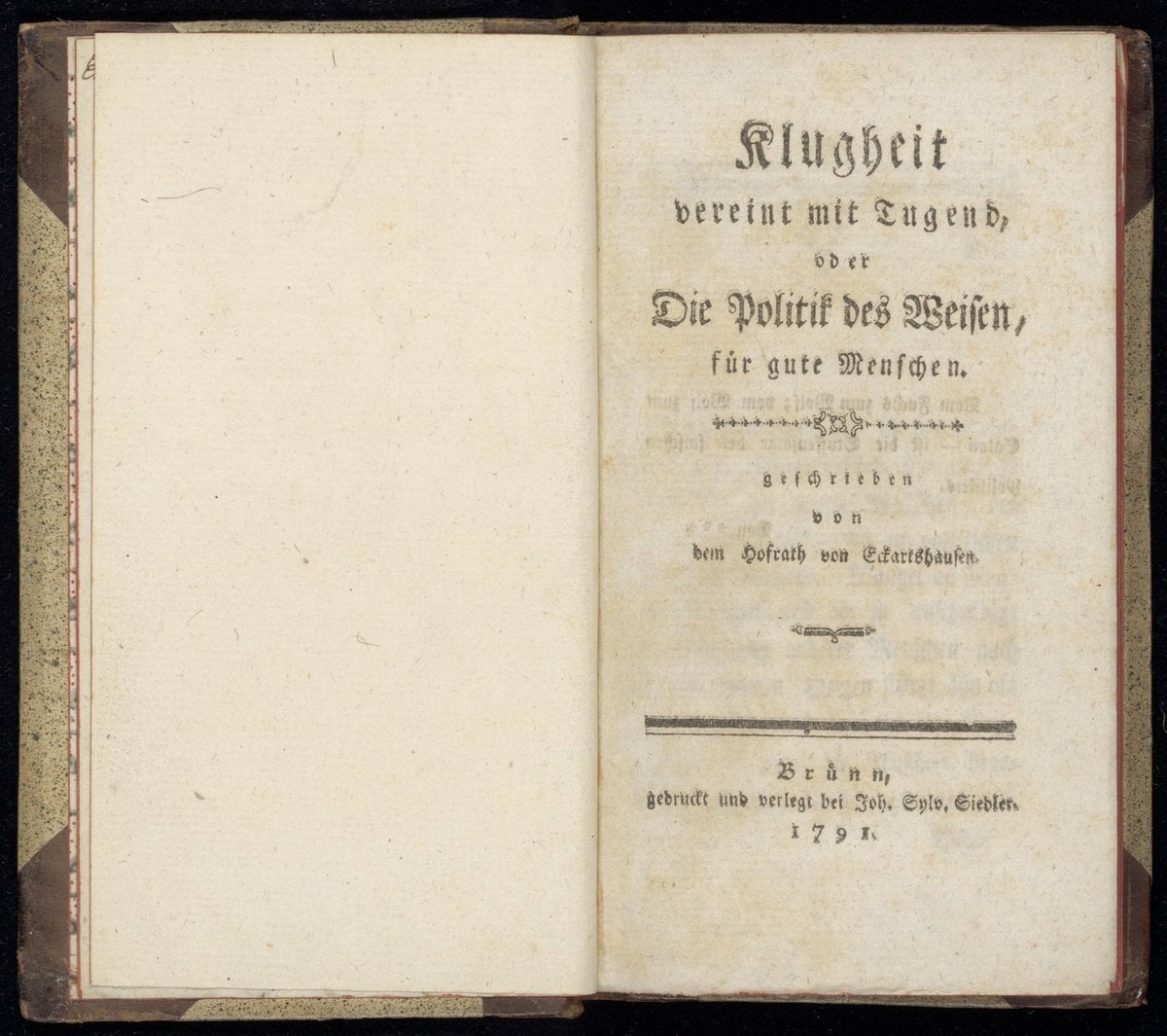
Prudence United with Virtue
Eckartshausen, Karl von
The Metamorphosis
Paracelsus, Theophrastus