


Faculty Psychology & De Anima
Aristotle, Avicenna, Blemmydes — the soul and its faculties from antiquity through Scholasticism
Illustrations
Browse all60 images extracted from 14 books
This woodcut depicts the Crucifixion of Jesus Christ, flanked by the two thieves on their respective crosses. At the base of the central cross, the Virgin Mary and Saint John the Apostle stand in mourning, while a skull at the foot of the cross symbolizes Golgotha, the 'place of the skull.' This illustration is characteristic of the emotive and detailed religious imagery found in early 16th-century devotional texts.
This intricate engraving from Giovanni Alfonso Borelli's 'De Motu Animalium' (1680) represents a landmark in the history of science. By applying the laws of physics and geometry to the movement of living creatures—from the flight of birds to the gait of a horse and the posture of a human—Borelli founded the field of biomechanics, treating the body as a system of levers and pulleys.
This 18th-century ex-libris (bookplate) for A. Kuhnholtz-Lordat features an allegorical female figure seated beside a globe, symbolizing knowledge and exploration. Behind her, a pedestal displays a coat of arms set against the backdrop of a well-stocked library, reflecting the owner's intellectual pursuits and status. The print is signed by the artist and engraver J. Dupont.
This woodcut illustration from Jean de Léry's 1586 account of Brazil depicts a scene involving the Tupinambá people. The image shows various figures in dynamic poses, some armed with traditional weapons like bows and clubs, illustrating European perceptions of indigenous warfare or ritual practices. Léry's work is one of the most important early ethnographic accounts of the Americas, and these illustrations were crucial in shaping European ideas about the 'New World'.
This intricate engraving serves as an 'ex-libris' or bookplate for A. Kuhnholtz-Lordat. It depicts an allegorical female figure, possibly representing Knowledge or Science, seated amidst a library with her hand resting on a globe, beneath a heraldic shield. The work is signed by the artist and engraver J. Dupont, showcasing the sophisticated graphic arts used to personalize private libraries in the early 19th century.
This elaborate engraved frontispiece introduces Johannes Tauler's work on the perfection of virtues. It depicts the three theological virtues: Faith is seated at the base with a cross and book, Hope stands to the right with an anchor, and Charity is on the left with children. The composition, likely from the renowned Merian workshop in Frankfurt, uses these allegorical figures to visually represent the book's spiritual themes.

This woodcut portrait depicts the Swiss physician and naturalist Conrad Gessner (1516–1565) at the age of 39. Published in his seminal work 'Historiae Animalium', the image captures the scholar in traditional academic dress, emphasizing his authority and the intellectual rigor of his encyclopedic study of the animal kingdom.

This engraving from 1784 captures the Marquis de Puységur's famous experiments with animal magnetism at Busancy. It depicts the 'magnetized tree' used to induce a trance-like state in patients, a phenomenon Puységur termed 'artificial somnambulism,' which laid the groundwork for the later development of hypnosis.

This dramatic woodcut illustrates a fierce battle between the Tupinambá and Margaias peoples, as described by Jean de Léry in his 16th-century account of Brazil. The scene captures the intensity of indigenous warfare, showcasing traditional weapons like bows and heavy wooden clubs, while the background provides a glimpse into daily village life with hammocks and palm trees. It serves as a crucial early European visual record of South American indigenous cultures and their inter-tribal conflicts.
All Books
Browse Full Catalog→67 books in this collection
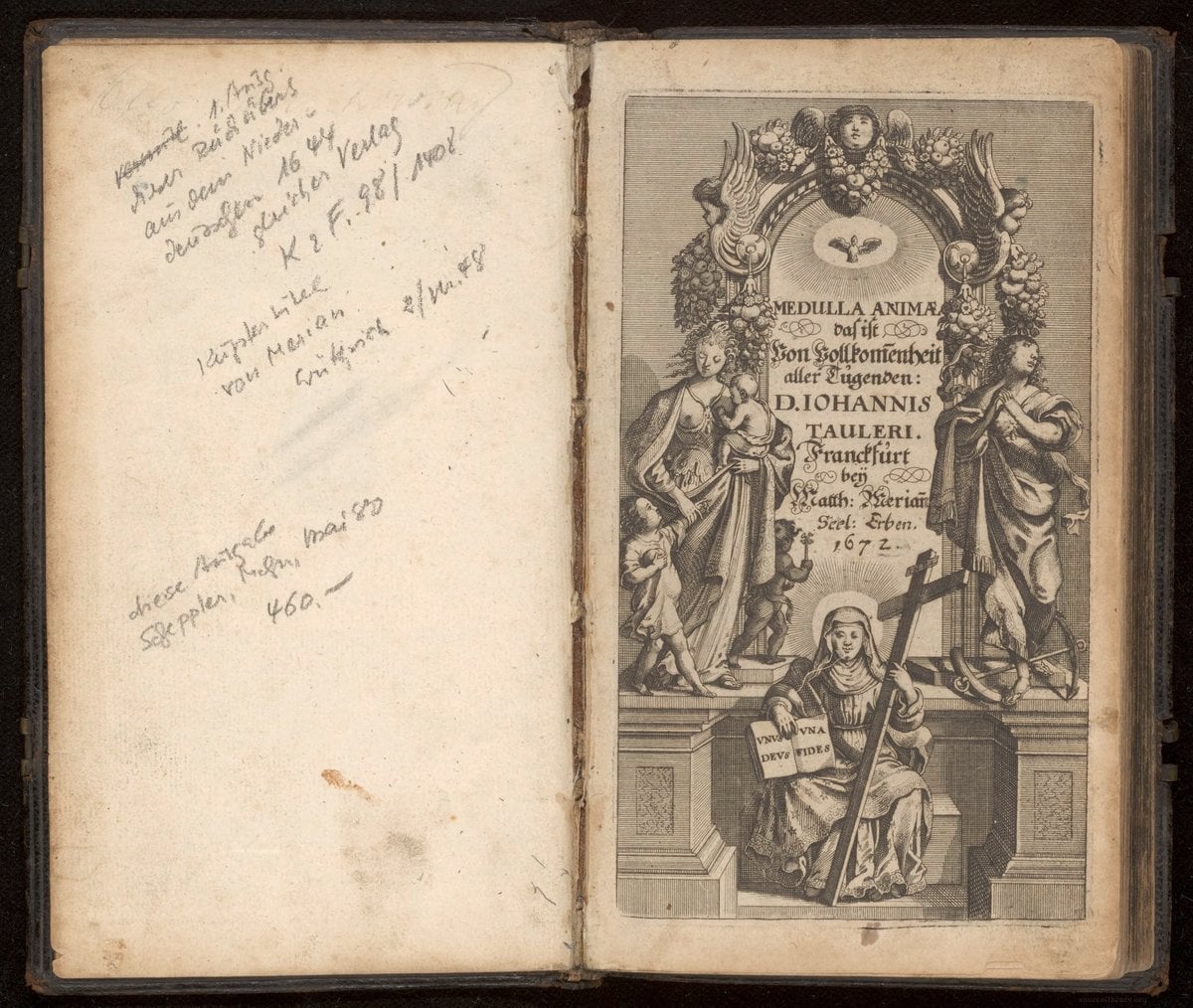
The Marrow of the Soul
Tauler, Johannes
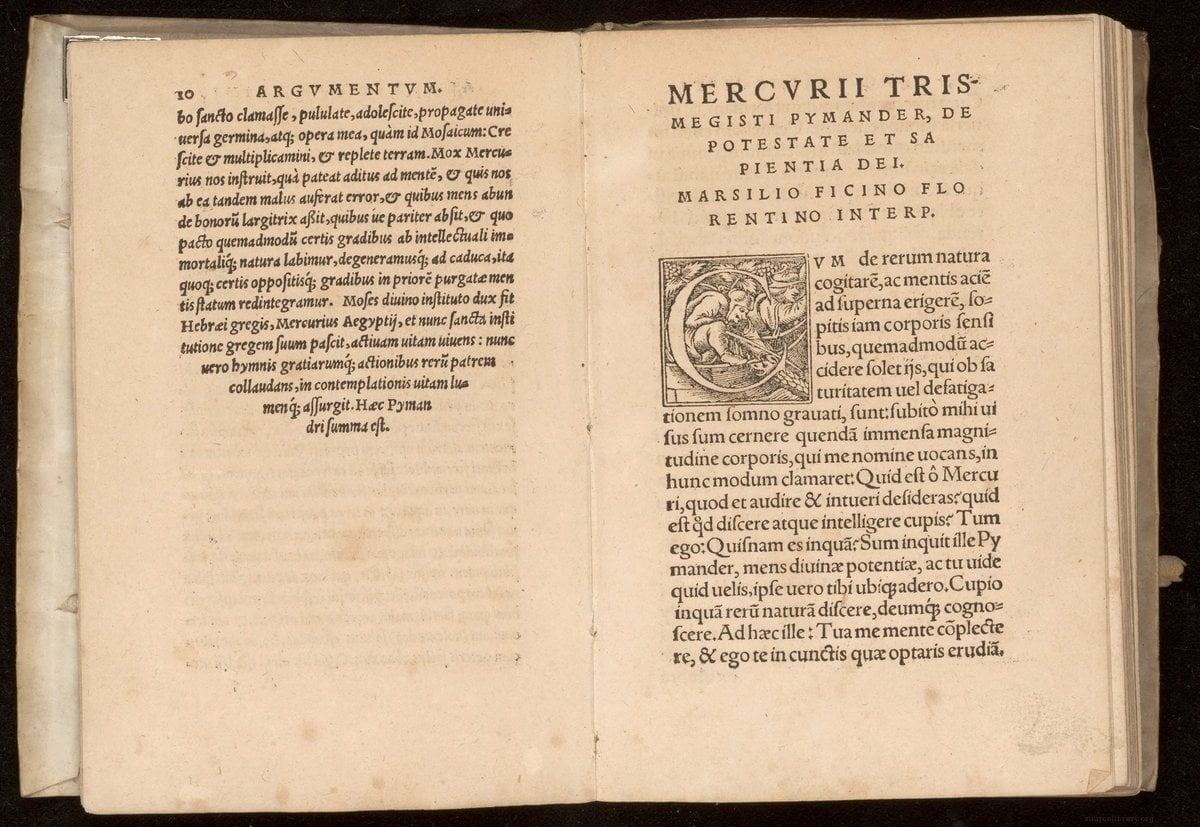
Pymander. Asclepius. On the Mysteries of the Egyptians. On Plato's Alcibiades, on the Soul and the Daemon. On Sacrifice.
Hermes Trismegistus|Jamblichus|Proclus
On the secrets of women. On the virtues of herbs, stones, and animals. On the wonders of the world. On falcons, goshawks, and hawks.
Albertus Magnus

Inner Exercise of Faith and Love of a Soul
Hoffmann, Wilhelm
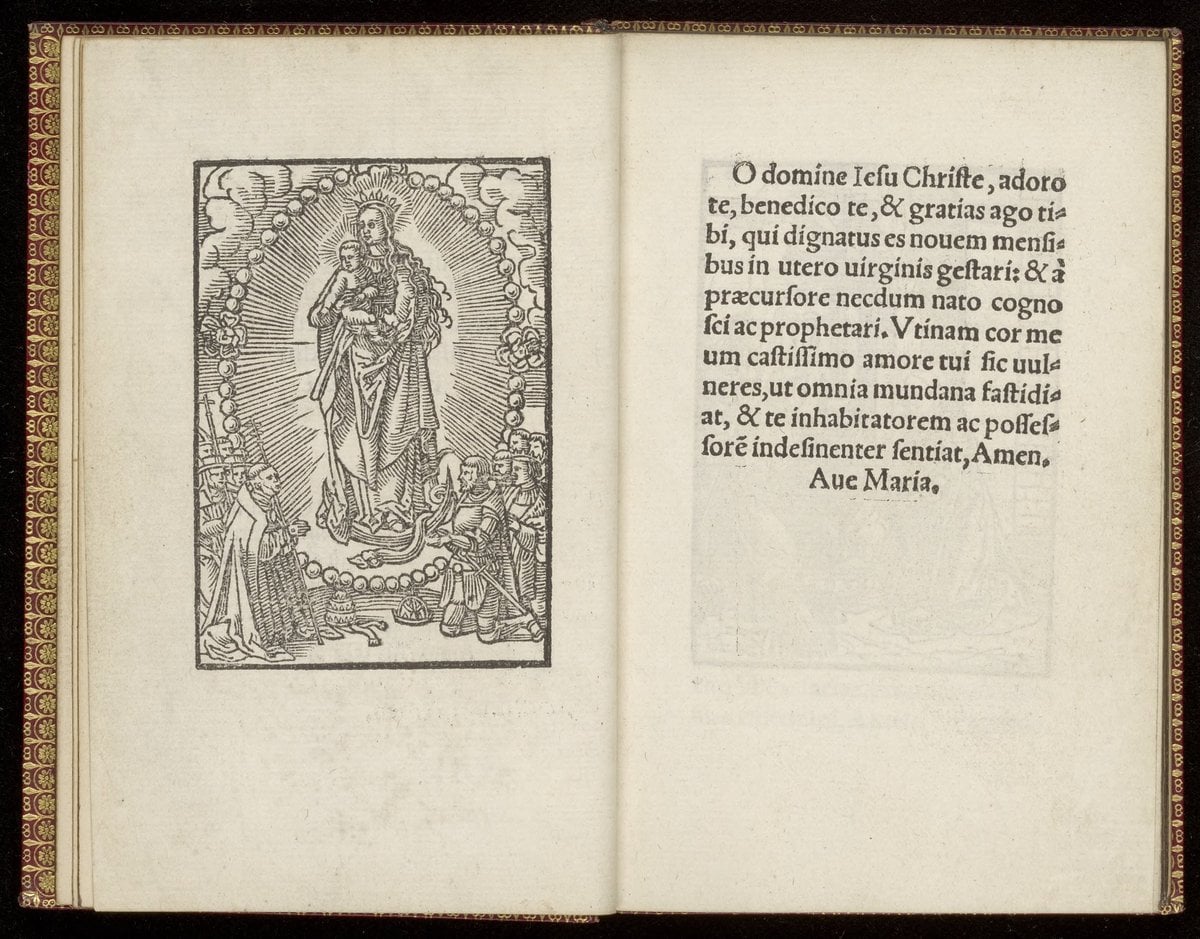
Mystical Rosary of the Faithful Soul
Anonymous
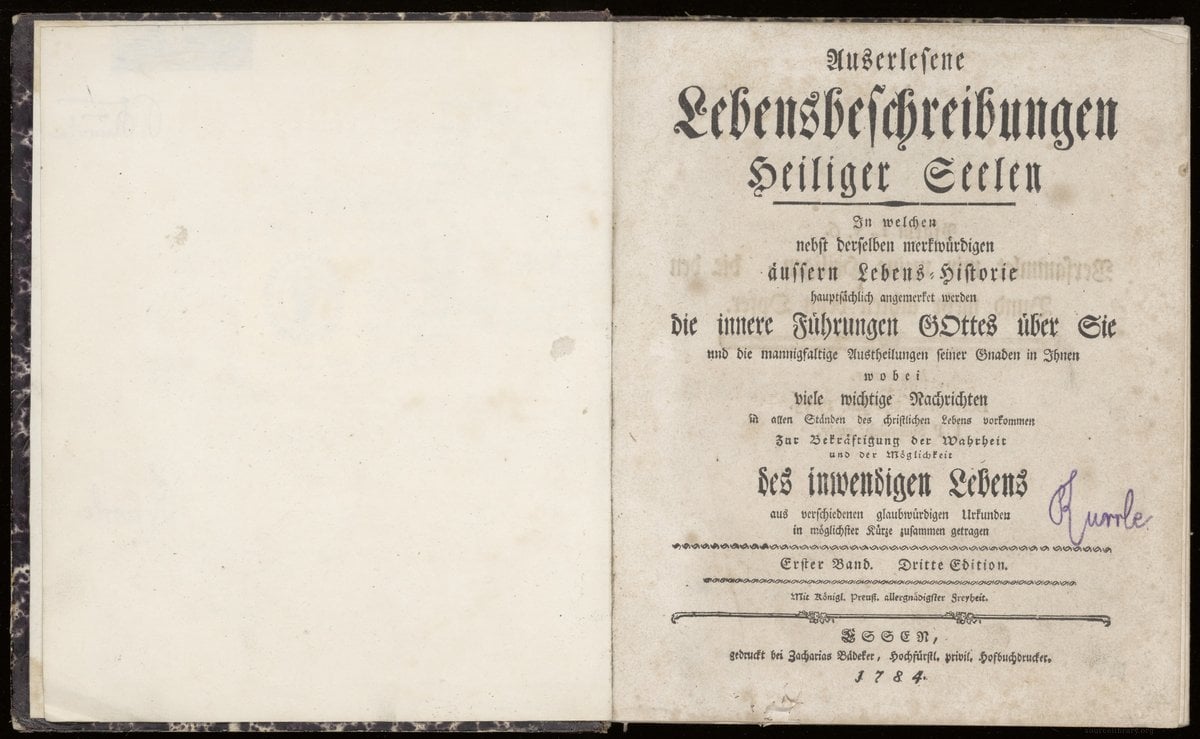
Select Biographies of Holy Souls
Tersteegen, Gerhard
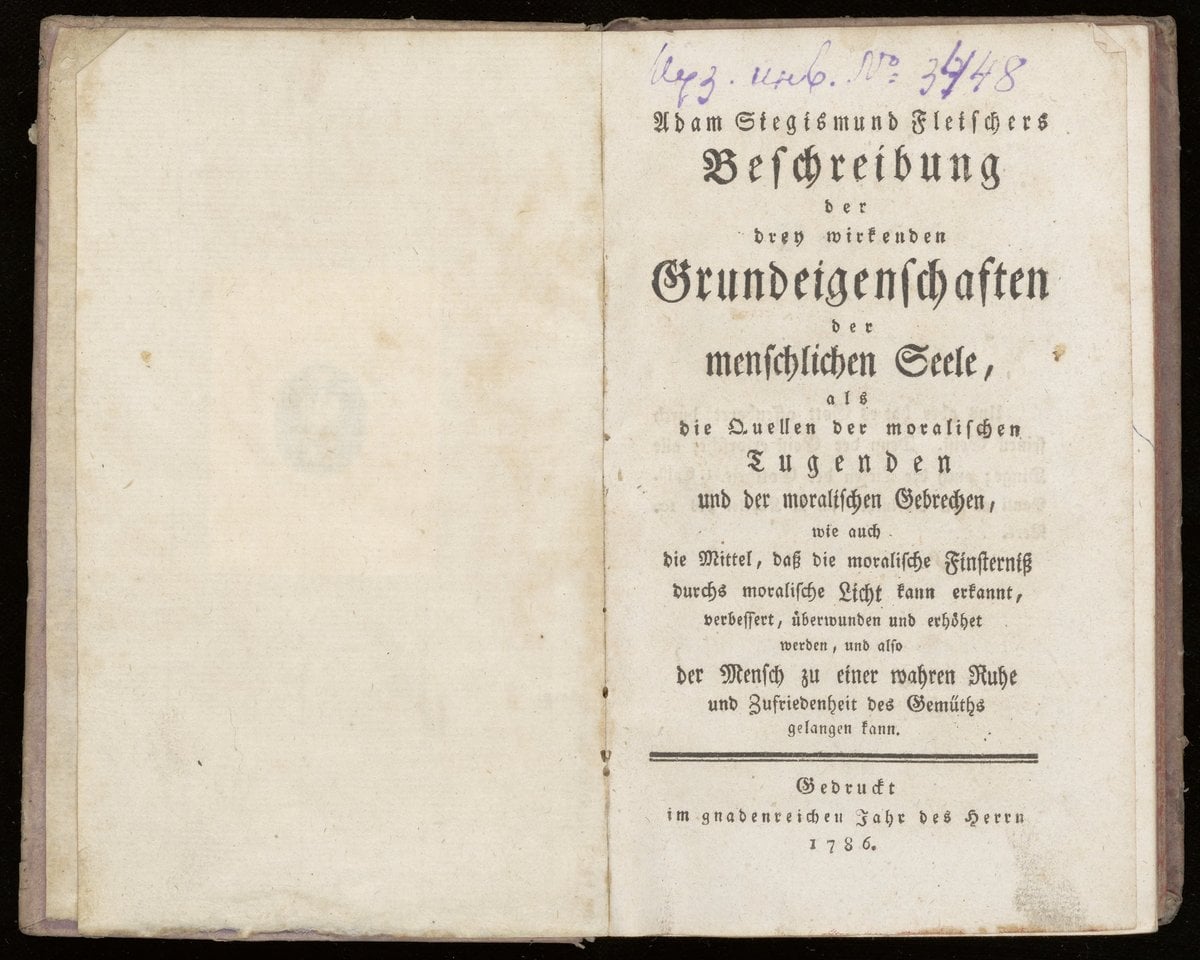
Description of the Three Active Fundamental Properties of the Human Soul
Fleischer, Adam Siegismund
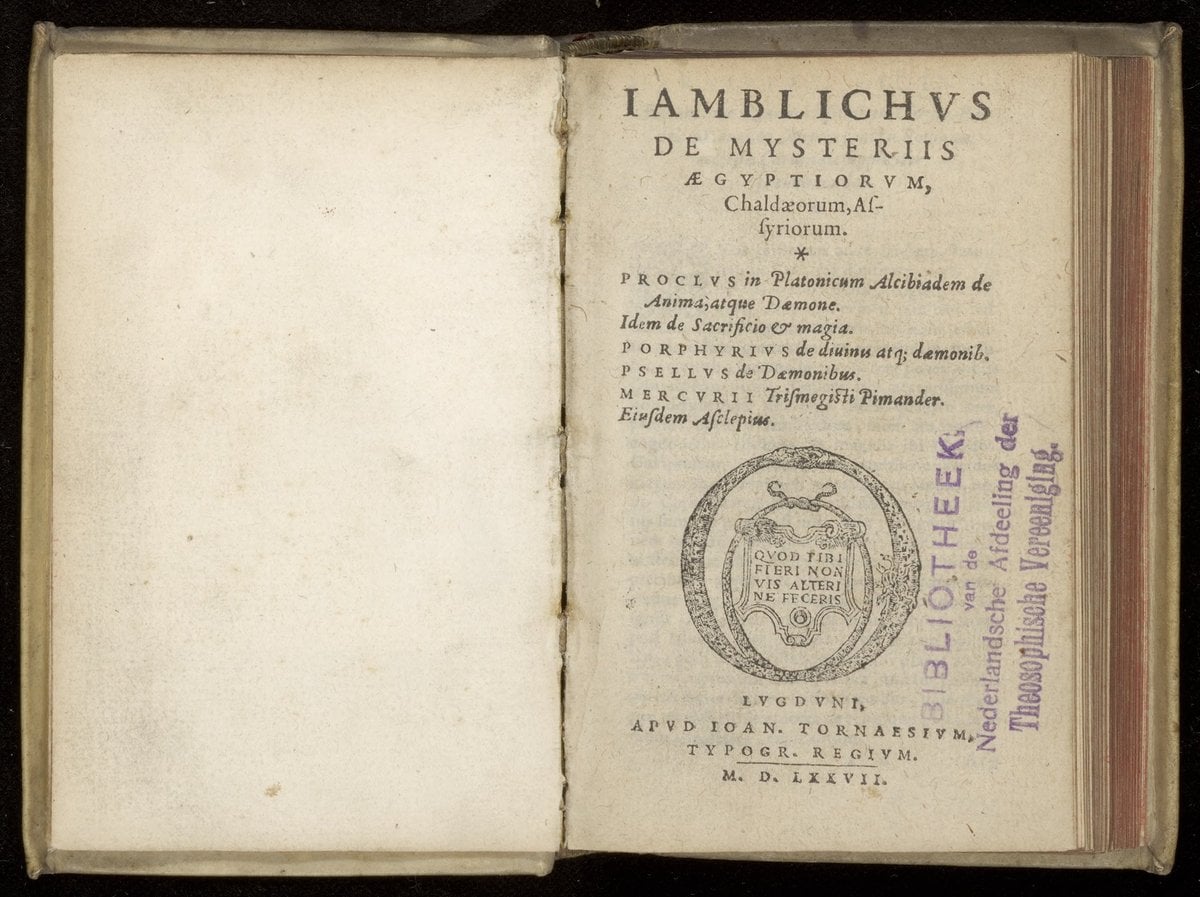
On the Mysteries of the Egyptians
Jamblichus|Proclus|Porphyrius|Psellus|Hermes Trismegistus
Cabalistic Disputation on the Soul
Israel ben Moses
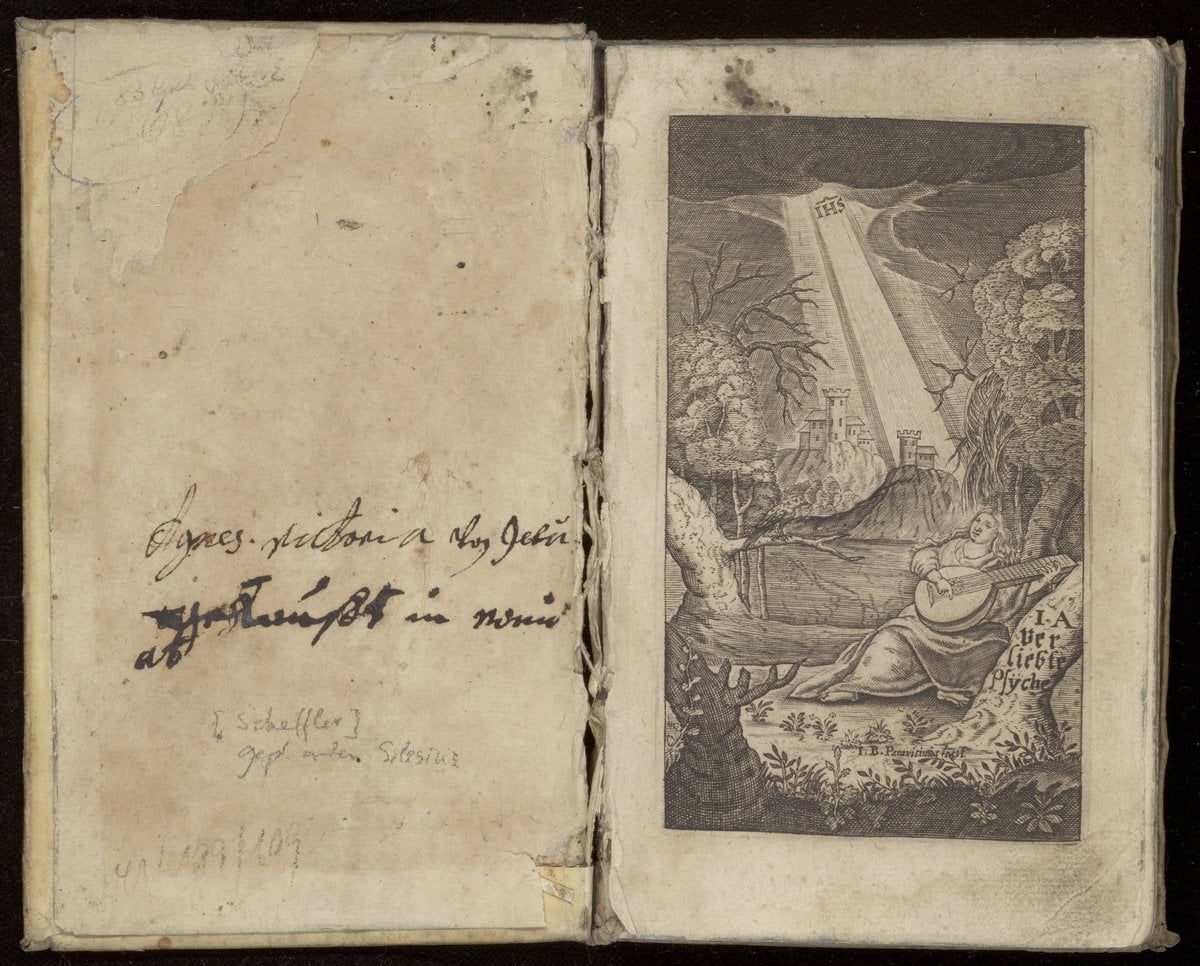
Holy Delight of the Soul
Scheffler, Johannes
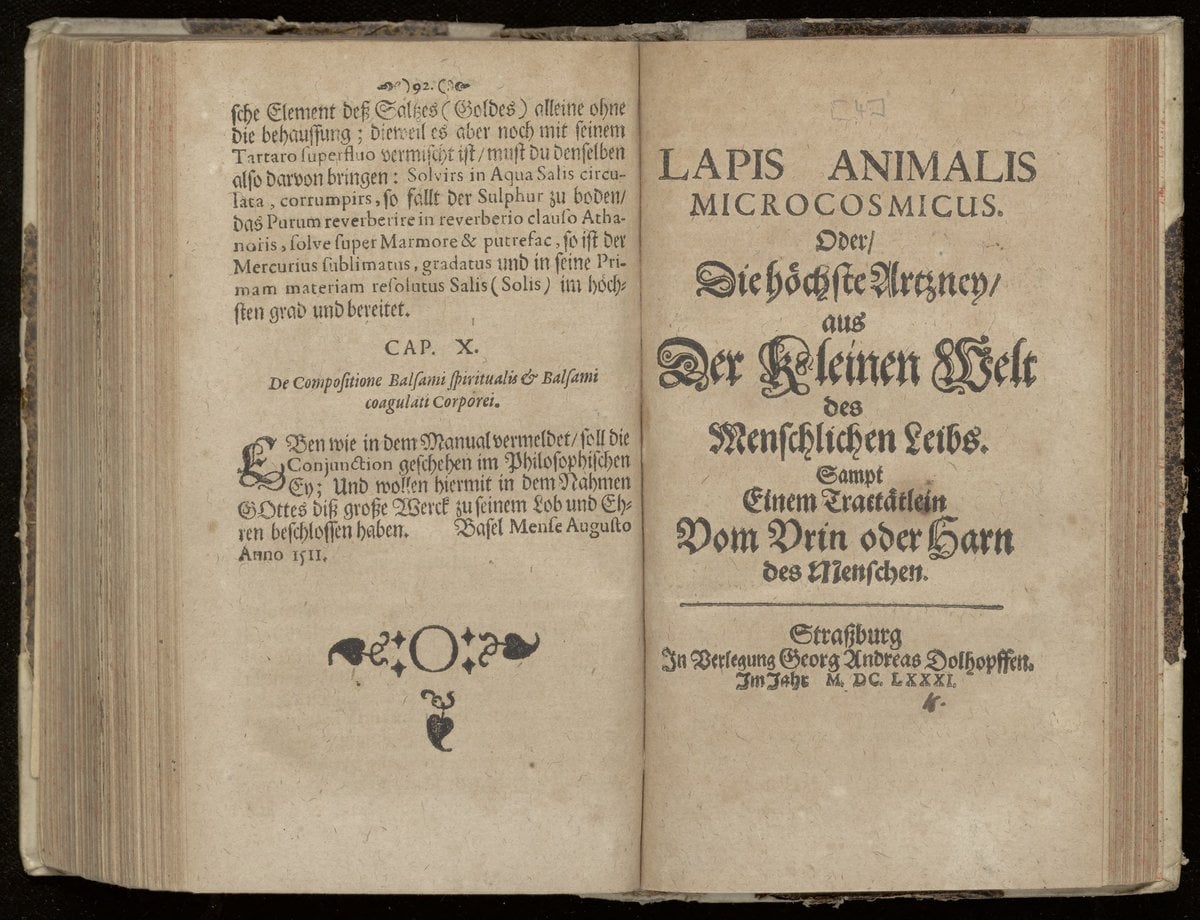
The Microcosmic Animal Stone, or the Supreme Medicine from the Little World of the Human Body
attr. Dolhopff, Georg Andreas

Pymander, Asclepius, and On the Mysteries of the Egyptians
Hermes Trismegistus|Jamblichus|Proclus