


Literature & Poetry
From Gilgamesh to the Divine Comedy


Illustrations
Browse all410 images extracted
This intricate illumination is from the 'Libro de los juegos' (Book of Games), commissioned by King Alfonso X of Castile in the late 13th century. It depicts a game of chess being played by figures of different social backgrounds, reflecting the king's interest in intellectual pursuits and the cultural synthesis of medieval Spain. The scene is framed by a decorative architectural canopy, a common motif in Alfonsine manuscripts that signifies the importance of the activity depicted.
This woodcut illustrates the opening scene of Dante Alighieri's Inferno. Dante is depicted lost in a dark forest, where he encounters three allegorical beasts—a leopard, a lion, and a she-wolf—before being rescued by the Roman poet Virgil, who will serve as his guide through the afterlife.
This vibrant miniature from the 'Libro de los juegos' (Book of Games), commissioned by King Alfonso X 'the Wise' of Castile, depicts two men playing a game with three triangular dice. The scene is framed by elaborate Gothic architecture, reflecting the high status of gaming as an intellectual and social pursuit in the 13th-century Spanish court.
This vibrant illumination from a medieval bestiary depicts the manticore, a legendary creature with the face of a man and the body of a lion. Shown in the act of devouring a human foot, the image illustrates the beast's reputation for a voracious appetite for human flesh as described in the accompanying Latin text. Such illustrations served as both a catalog of the natural world and a source of moral allegory in the Middle Ages.
This vibrant illumination from a medieval bestiary depicts a monoceros, a legendary creature often identified with the unicorn. Shown with a blue body and a single long horn, it stands amidst stylized trees against a shimmering gold background, illustrating the medieval fascination with the wonders of the natural and mythical world.
This vibrant hand-colored woodcut captures the dramatic conclusion of Homer's Odyssey. On the left, Penelope is shown at her loom, a symbol of her long-suffering fidelity, while on the right, the returned hero Ulysses (Odysseus) violently reclaims his home by slaying the suitors who had besieged his wife and estate.

This hand-colored woodcut from a 1487 edition of Dante’s Divine Comedy illustrates key moments from the Inferno. In the upper register, Dante and Virgil stand before Minos, the monstrous judge of the underworld who determines the fate of souls with his coiling tail. Below, the poets observe the Second Circle of Hell, where the souls of the lustful are eternally buffeted by violent winds, a visual translation of Dante's 'bufera infernal'.

This dramatic woodcut illustrates the sacrifice of the Trojan princess Polyxena at the tomb of the Greek hero Achilles. Neoptolemus, the son of Achilles, is depicted with a raised sword, fulfilling his father's posthumous demand for the sacrifice to ensure safe passage for the Greek fleet. The scene is labeled with the names of the protagonists, a common feature in early educational or narrative prints.

This intricate woodcut depicts the legendary Greek fabulist Aesop, traditionally characterized by his physical deformities, including a prominent hunchback. He is surrounded by a visual catalog of animals and objects that reference his famous moral tales, such as the fox, the grapes, and the bundle of sticks representing strength in unity. This portrait likely served as an introductory illustration for a printed collection of Aesop's fables, providing a mnemonic guide to the stories within.
Visual Art
Browse all art →39 works of visual art in this collection
 painting
Bahram Chubineh Captured by Khusrau Parviz — Shahnama
Anonymous (Ilkhanid)
A dense block of Persian calligraphy from the Shahnama, detailing the capture of the usurper Bahram Chubineh by the Sasanian King Khusrau Parviz.
 painting
Bahram Gur Slays a Dragon — Shahnama
Anonymous (Ilkhanid)
The Sasanian king Bahram Gur is depicted slaying a dragon with his sword while his horse stands nearby.
 painting
Khusrau Parviz Fleeing Bahram Chubineh, Saved by Angel Sarush — Shahnama
Anonymous (Ilkhanid)
This painting depicts the Persian king Khusrau Parviz fleeing from the rebel general Bahram Chubineh, while the angel Sarush appears to guide and protect him.
 painting
Portrait of Nushirwan the Just — Shahnama
Anonymous (Ilkhanid)
The Sasanian King Nushirwan (Khosrow I) is depicted seated on a throne in court, surrounded by his advisors and attendants.
 painting
Rustam Captures the Shah of Sham and the Shah of Berber — Shahnama
Anonymous (Ilkhanid)
The Persian mythological hero Rustam engages in combat with the Shah of Sham and the Shah of Berber.
 painting
Rustam Pleads for Tus Before Kai Khusrau — Shahnama
Anonymous (Ilkhanid)
The legendary Persian hero Rustam pleads with the king Kai Khusrau on behalf of the commander Tus.
 painting
Rustam is Thrown into the Sea by the Div Akvan — Shahnama
Anonymous (Ilkhanid)
The Persian hero Rustam is being hurled into the sea by the demon Akvan, as described in the Shahnama.
 painting
The Combat between the Khan of Chin and the Haitalians — Shahnama
Anonymous (Ilkhanid)
A page from the Shahnama featuring the epic combat between the Khan of Chin and the Haitalians, presented as an illuminated text block.
 painting
Lovers and Beloveds — Composite Scenes from Persian, Urdu, and Sanskrit Literature
Anonymous (Late Mughal)
A composite scene depicting multiple clusters of figures, including royal or divine figures seated in pavilions, ascetics, and courtly attendants, set within a tiered architectural space.
 painting
Layla and Majnun in the Wilderness — Khamsa
Anonymous (Mughal)
The Persian literary figures Layla and Majnun are depicted together in a rocky, wildlife-filled wilderness, with Majnun emaciated and Layla visiting him from her camel-borne litter.
 painting
Lovers Parting — Page from a Book of Fables
Anonymous (Mughal)
A Mughal-era illustration depicting a man and a woman in a rocky landscape encountering a large green snake, with two foxes in the foreground.
 painting
Landscape with a Lotus Pool — Tuti-nama (Tales of a Parrot)
Anonymous (Mughal, court of Akbar)
A landscape scene depicting a dark rectangular pool filled with lotus flowers, set within a walled garden with stylized trees.
 painting
The Merchant's Daughter Encounters a Wolf and Bandits — Tuti-nama
Anonymous (Mughal, court of Akbar)
A merchant's daughter gestures toward a wolf as she confronts a group of armed bandits in a lush forest setting, illustrating a narrative from the Tuti-nama.
 painting
Battle between Manuchihr and Tur — Mughal Shahnama
Anonymous (Mughal, court of Jahangir)
This painting depicts the legendary battlefield encounter between the Iranian prince Manuchihr and the Turanian prince Tur, an episode from the Persian epic the Shahnama.
 painting
Aulad Tied to a Plane Tree — Shahnama
Anonymous (Safavid)
This painting depicts the episode from the Shahnama where the figure Aulad is found bound to a plane tree.
Literary works from the medieval and early modern periods — epic poetry, allegorical fiction, philosophical dialogue, and early prose. These texts document the emergence of vernacular literature, the revival of classical literary forms, and the intersection of imaginative writing with philosophical and spiritual inquiry.
Notable holdings include Dante's Divine Comedy with Landino's commentary (1487 incunabulum), Giordano Bruno's philosophical dialogue Of Heroic Frenzies (1585), Francesco Colonna's enigmatic Hypnerotomachia Poliphili (1561 French edition), and Francis Bacon's Essays (1625). The collection also features Angelo Poliziano's Stanze and Orfeo (1863 edition), Karl von Eckartshausen's Stories for Pleasure and Edification (1785), and Johann Valentin Andreae's satirical Menippus (1669). Works span Italian, Latin, German, French, and English.
Essential Reading
The foundational texts of this tradition
Argonautica
Apollonius Rhodius, 1496
This Aldine edition represents the foundational epics of Western literature, the Iliad and the Odyssey, which shaped classical and subsequent literary traditions through their exploration of heroism, fate, and the human condition. It is a cornerstone for understanding the origins of epic poetry and narrative.
The Romance of the Rose
[Lorris, Guillaume de]|[Meung, Jean de], 1531
This monumental medieval allegorical poem, composed by two authors, is a foundational work of courtly love literature that profoundly influenced European literary and philosophical traditions. It offers a complex exploration of desire, knowledge, and social critique through its dream vision narrative.
Sonnets, Songs, and Triumphs
Francesco Petrarca, 1370
Petrarch's lyrical poetry is foundational to the Renaissance, establishing the sonnet as a dominant poetic form and exploring themes of love, loss, and the human spirit with unprecedented psychological depth. This edition, with its early commentaries, highlights its immediate and lasting intellectual impact.
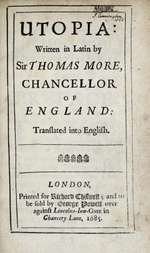
More: Utopia (1685 Burnet Translation)
Thomas More; trans. Gilbert Burnet, 1516
Thomas More's "Utopia" is the seminal work of utopian literature, offering a profound critique of 16th-century European society and imagining an ideal commonwealth based on reason and communal living. It remains a cornerstone for discussions on political philosophy and social reform.
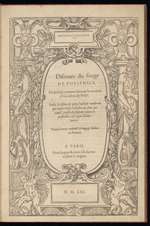
The Strife of Love in a Dream
[Colonna, Francesco], 1561
This enigmatic masterpiece is a unique blend of Hermetic philosophy, architectural theory, and allegorical romance, renowned for its intricate woodcuts and dense symbolism. It offers a rich, multi-layered journey through a dreamscape of classical antiquity and Renaissance humanism.
Important Works
Significant texts that deepen understanding
The Mathnawi of Rumi Vol. 3-4
Jalal al-Din Rumi / R.A. Nicholson, 1929First Complete Translation
Rumi's "Mathnawi" is a monumental work of Sufi mystical poetry, often called the "Persian Quran," that explores the soul's journey towards divine love and union through parables, fables, and lyrical verses. This translation provides access to a globally influential spiritual and literary tradition.
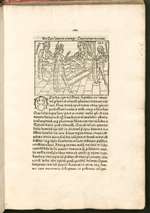
On Famous Women
Giovanni Boccaccio, 1473
Boccaccio's pioneering collection of biographies celebrates women from antiquity to his own time, challenging traditional historical narratives by highlighting female agency and virtue. It is a significant work of early humanism and a precursor to later feminist literary efforts.
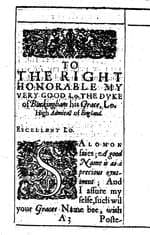
Essays (1625 edition)
Bacon, Francis, 1625
Francis Bacon's "Essays" are a seminal collection of early modern prose, offering concise and insightful reflections on human nature, morality, and civil affairs. They are celebrated for their aphoristic style and their influence on English literature and philosophical thought.
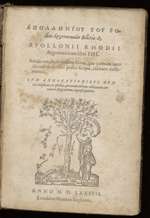
The Argonautica
Apollonius Rhodius, 1574
Apollonius Rhodius's Hellenistic epic retells the myth of Jason and the Argonauts, offering a psychological depth and romantic sensibility that distinguishes it from Homeric epics. It is a crucial bridge between classical Greek and Roman literary traditions.
New Atlantis (utopian novel)
Bacon, Francis, 1627
Francis Bacon's "New Atlantis" is a foundational utopian novel that envisions a society driven by scientific discovery and technological advancement, reflecting early modern ideals of progress and rational governance. It offers a blueprint for a scientific commonwealth.
The City of the Sun
Tommaso Campanella, 1602
Tommaso Campanella's "The City of the Sun" presents a radical utopian vision of a theocratic, communal society governed by philosopher-priests, offering a powerful critique of contemporary political and social structures. It is a key text in the history of utopian thought.
The Dream
Johannes Kepler, 1634
Johannes Kepler's posthumously published "Somnium" is a pioneering work of science fiction and allegorical narrative, blending astronomical theory with a fictional journey to the Moon. It offers a unique window into the scientific and imaginative landscape of the early 17th century.
The Heroic Frenzies
Giordano Bruno, 1585
Giordano Bruno's "The Heroic Frenzies" is a passionate philosophical poem that charts the soul's arduous ascent towards divine knowledge and union, rejecting conventional wisdom for a radical, Neoplatonic mysticism. It is a powerful expression of Renaissance philosophical poetry.
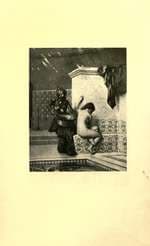
The Book of the Thousand Nights and a Night, Vol. 1
Richard F. Burton, 1885
Richard F. Burton's translation of "The Arabian Nights" is a monumental work of world literature, introducing a vast collection of Middle Eastern folk tales, fables, and romances to Western audiences. It is celebrated for its rich narrative tapestry and cultural insights.
Also Notable
The Romance of Blanquerna
Ramon Llull, 1301
Poems from the Divan of Hafiz
Hafiz / Gertrude Bell, 1897
Sixteen revelations of divine love
Julian of Norwich, 1864
A Century of Miscellanies
Poliziano, Angelo, 1489First Complete Translation
Literary and Philosophical Fragments
Leonardo da Vinci (ed. Edmondo Solmi), 1922First Translation
The complaint, and the consolation; or night thoughts
Young, Edward, 1797
Joseph in Dothan
Vondel, Joost van den, 1644First Translation
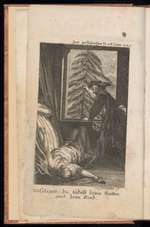
Stories for Pleasure and Edification
Eckartshausen, Karl von, 1785First Translation
All Books
Browse Full Catalog→1,588 books in this collection
The Strife of Love in a Dream
attr. Colonna, Francesco
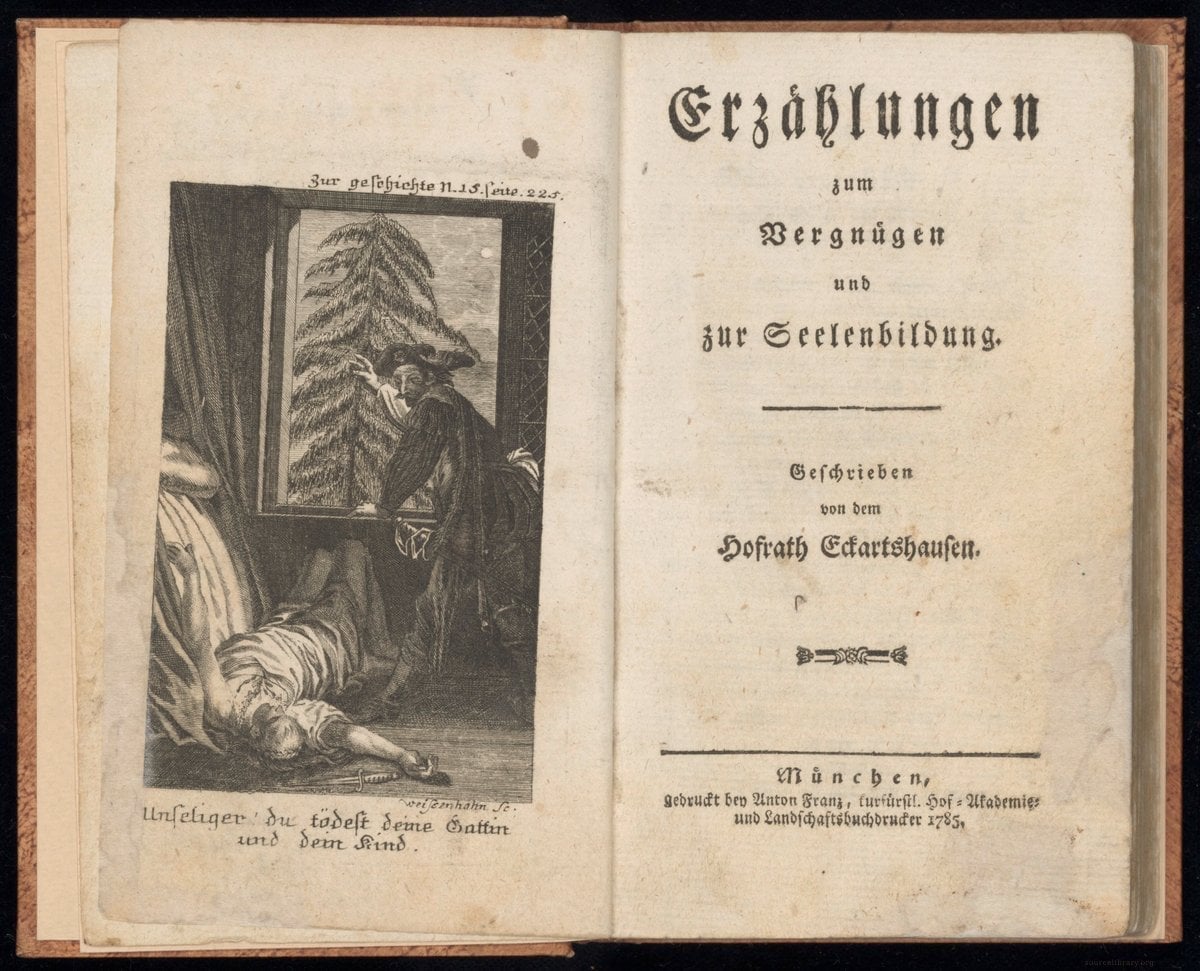
Stories for Pleasure and Edification
Eckartshausen, Karl von
The History of Barlaam and Josaphat
anonymous, Konstanz
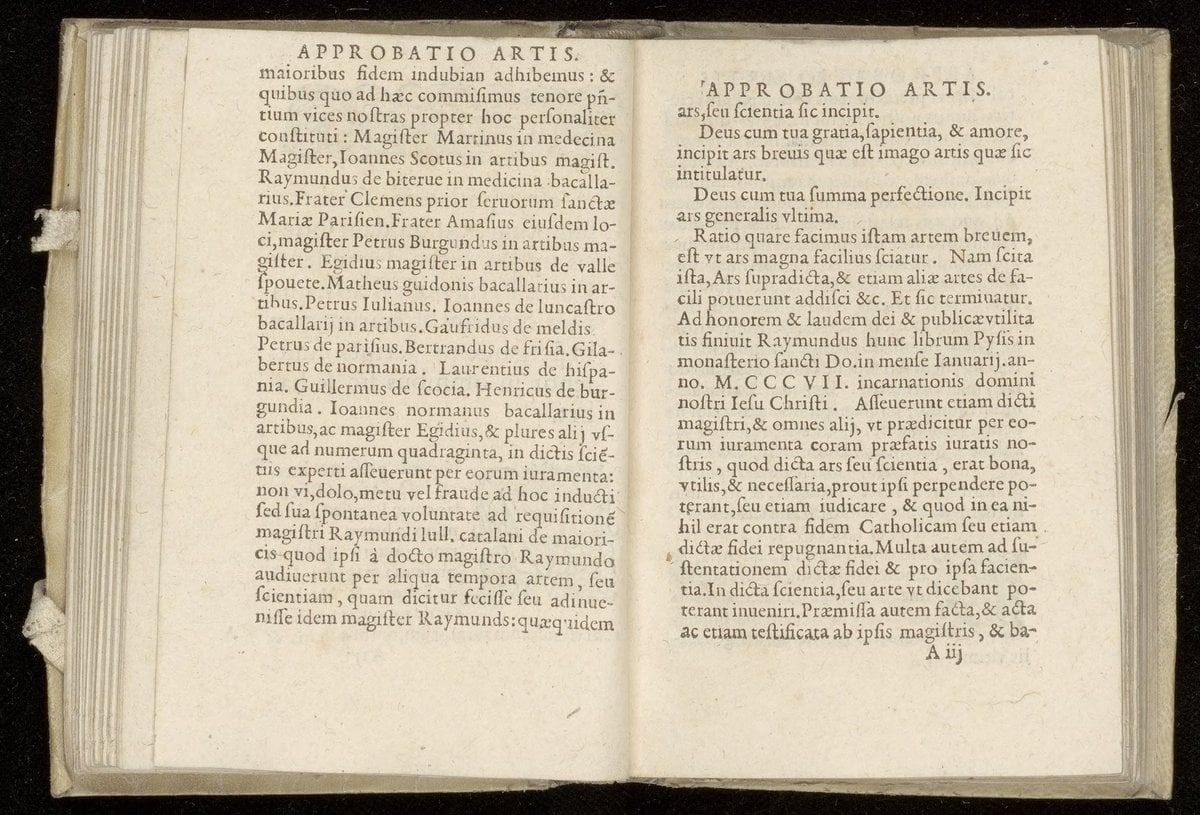
The Argonautica
Apollonius Rhodius
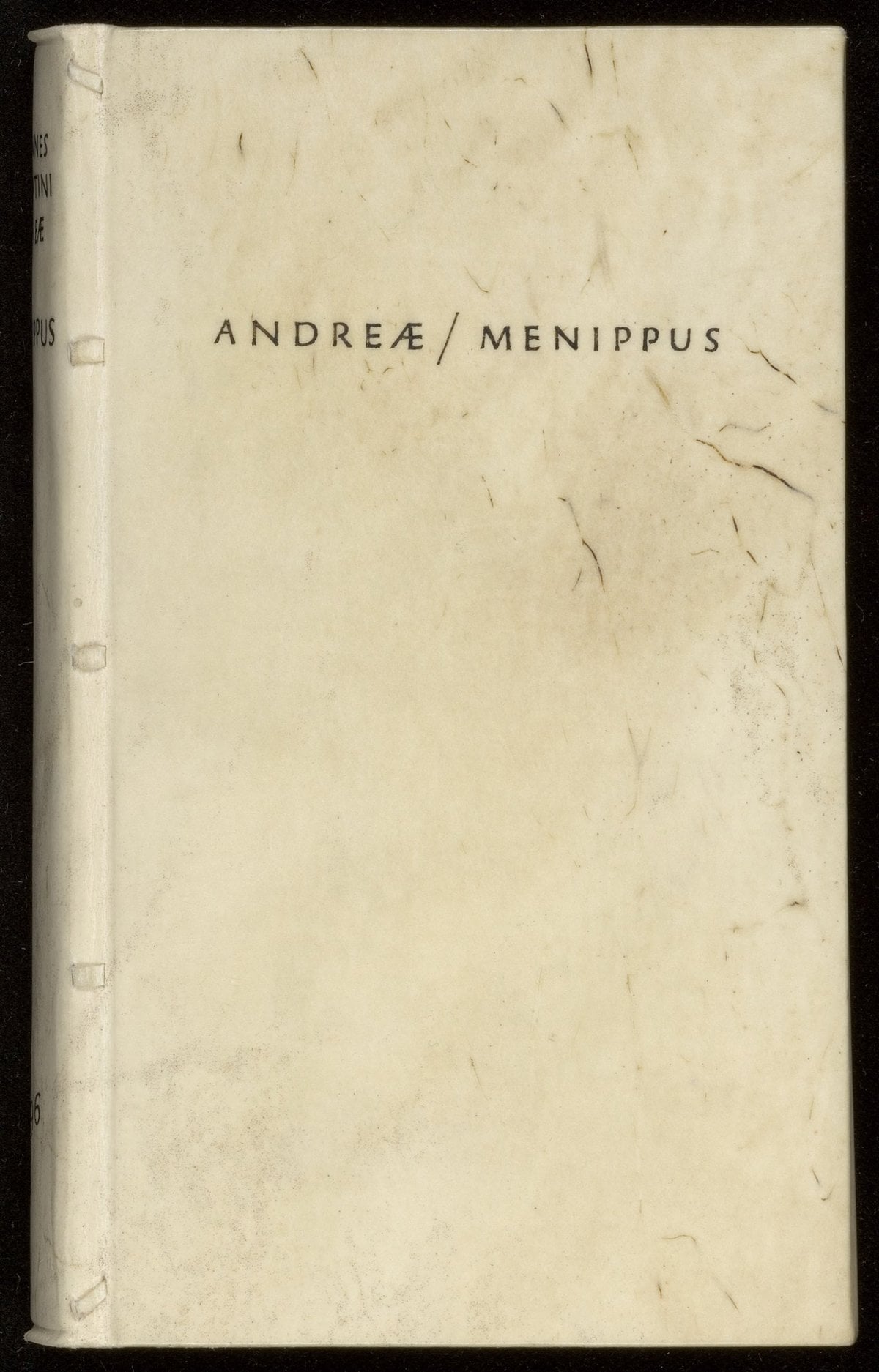
Menippus, or Satirical Dialogues
Andreae, Johann Valentin
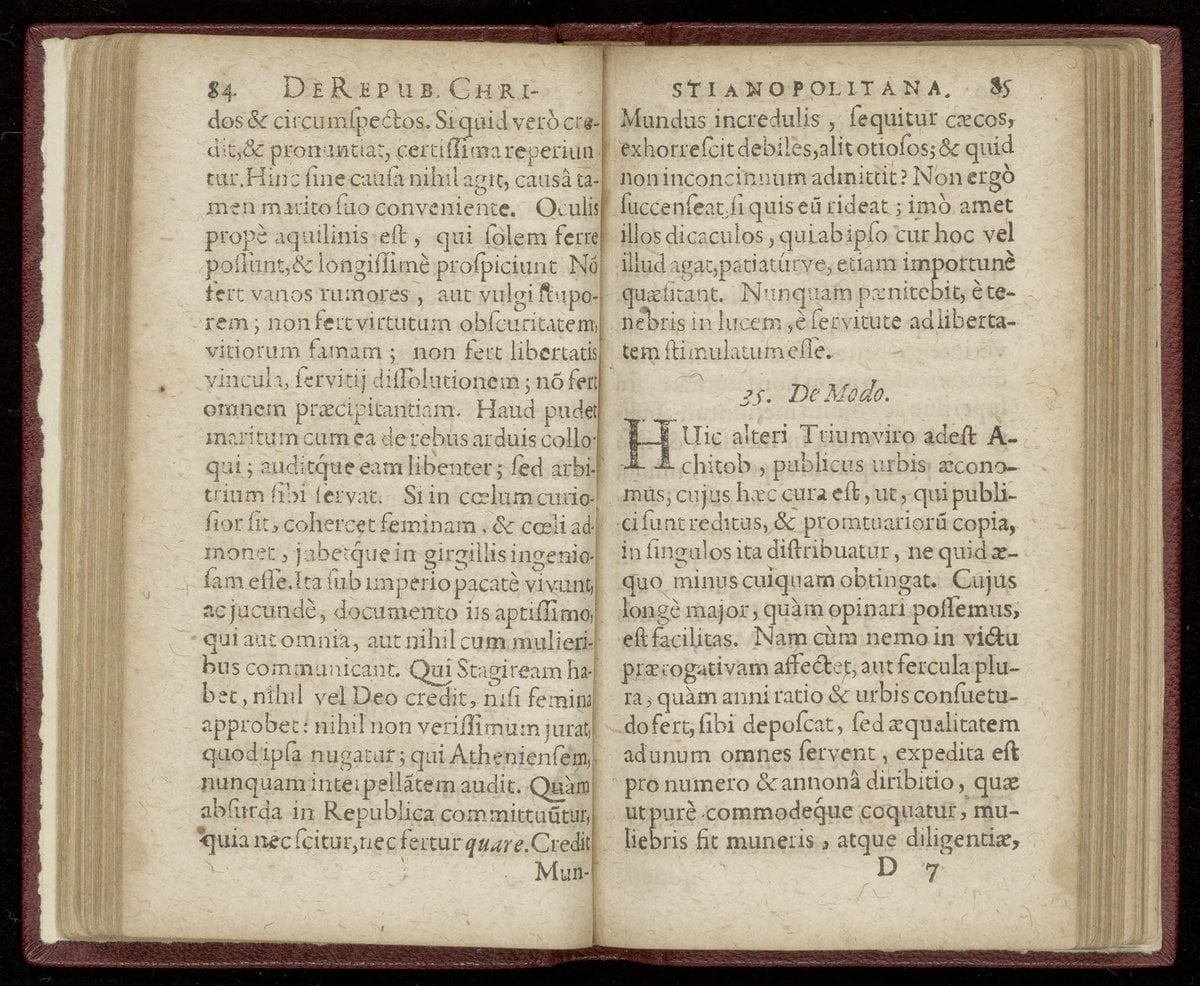
Description of the Republic of Christianopolis
attr. Andreae, Johann Valentin
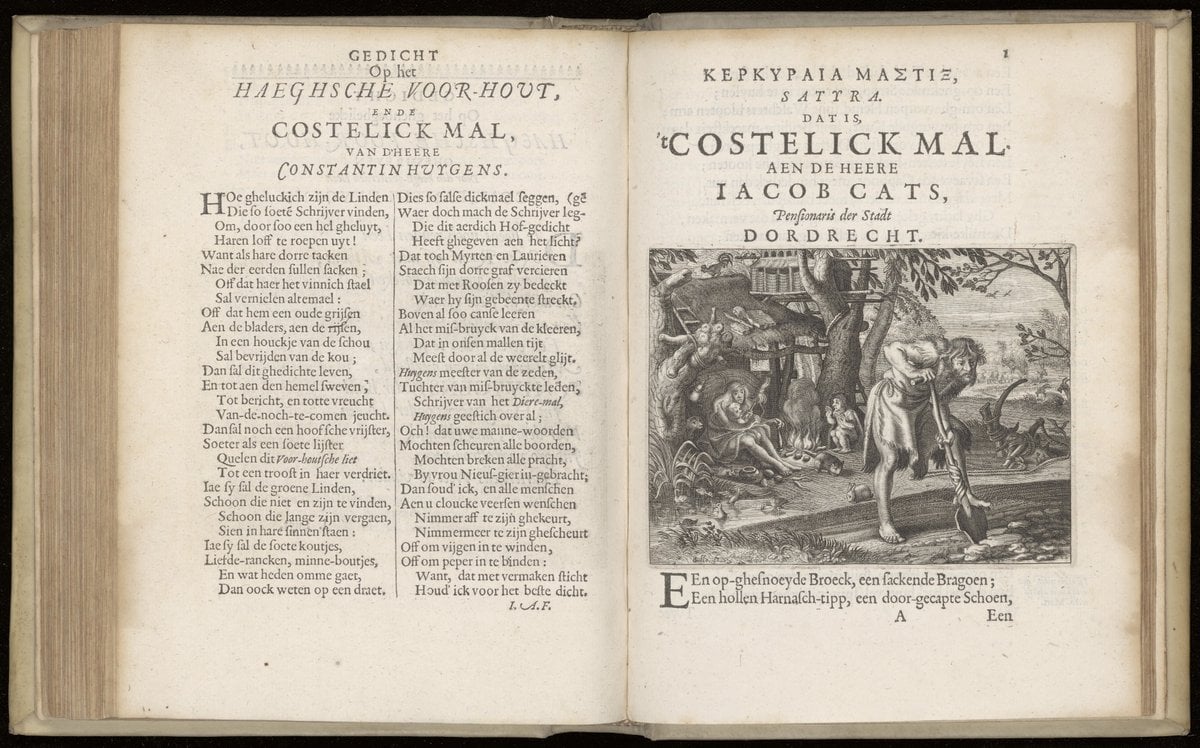
The Costly Folly
Huygens, Constantijn
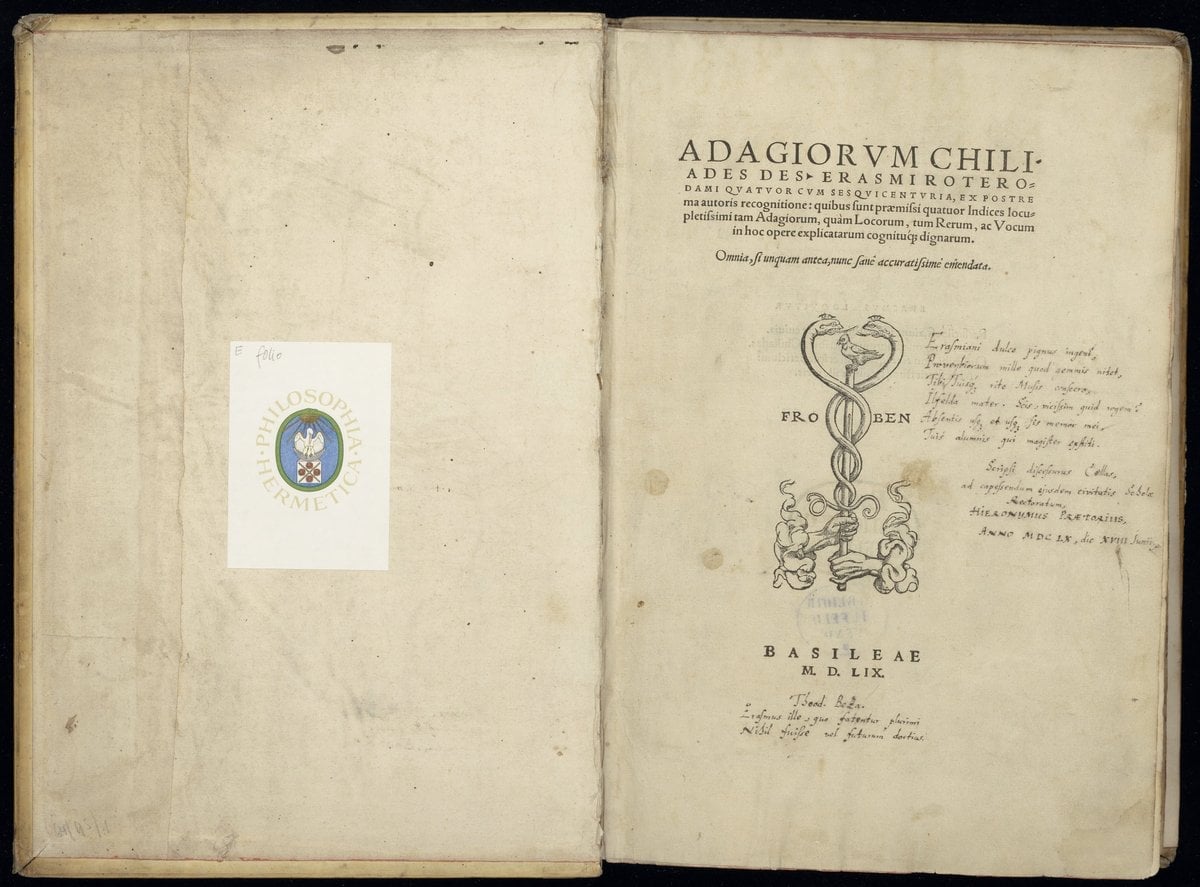
The Adages
Erasmus, Desiderius
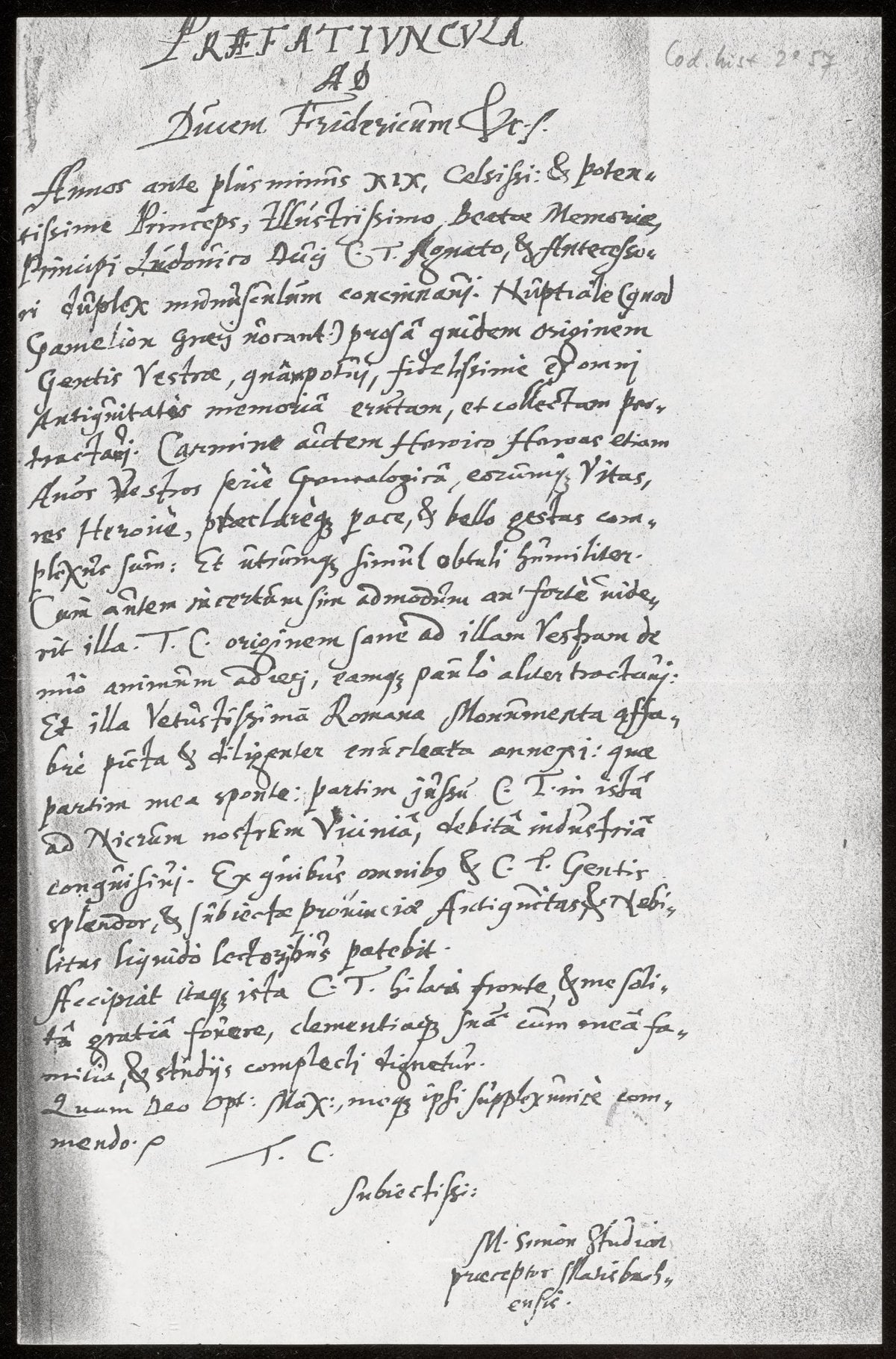
Wedding Poem
Spener, Philipp Jacob
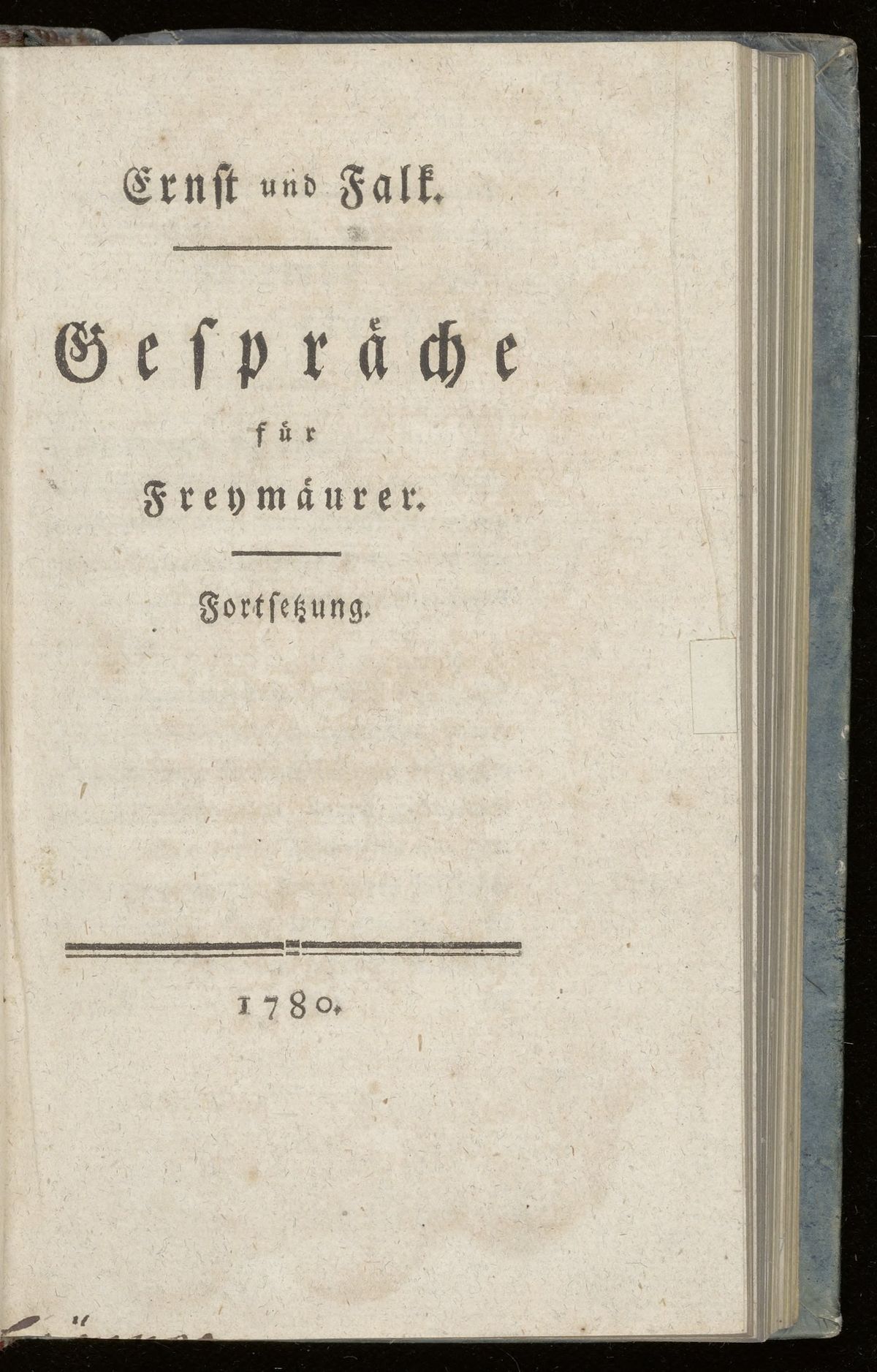
Ernst and Falk: Dialogues for Freemasons, Continuation
attr. Lessing, Gotthold Ephraim
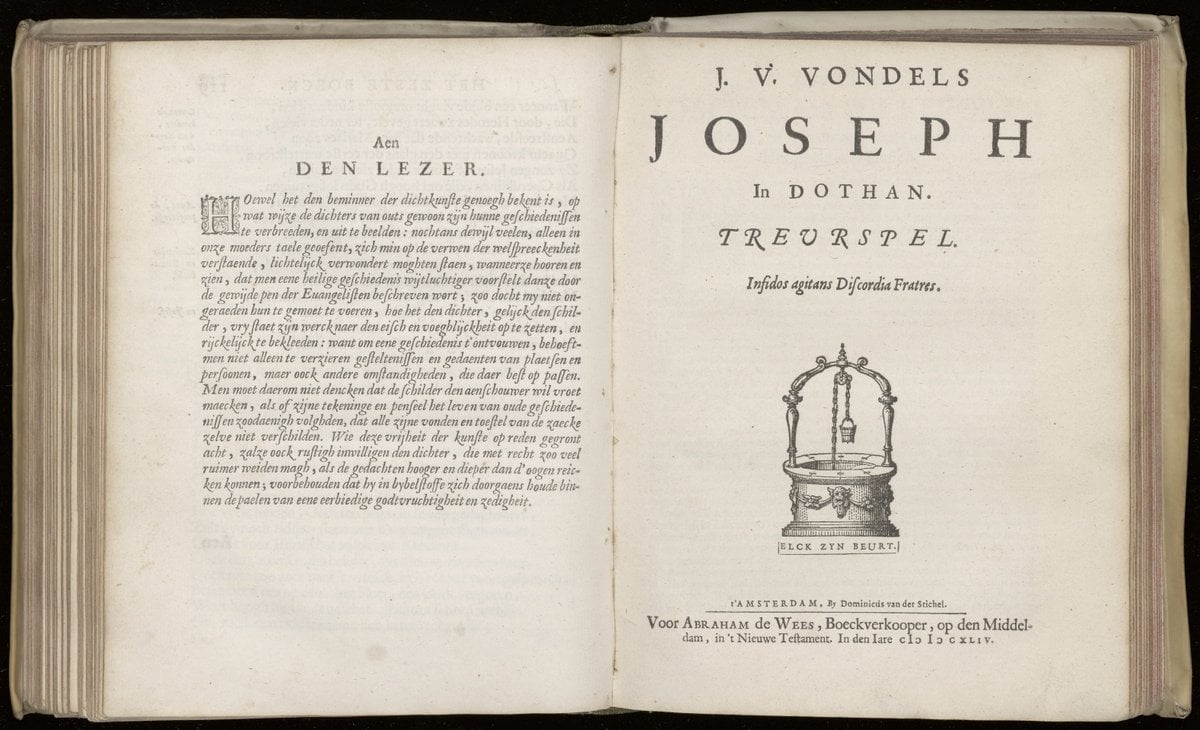
Joseph in Dothan
Vondel, Joost van den
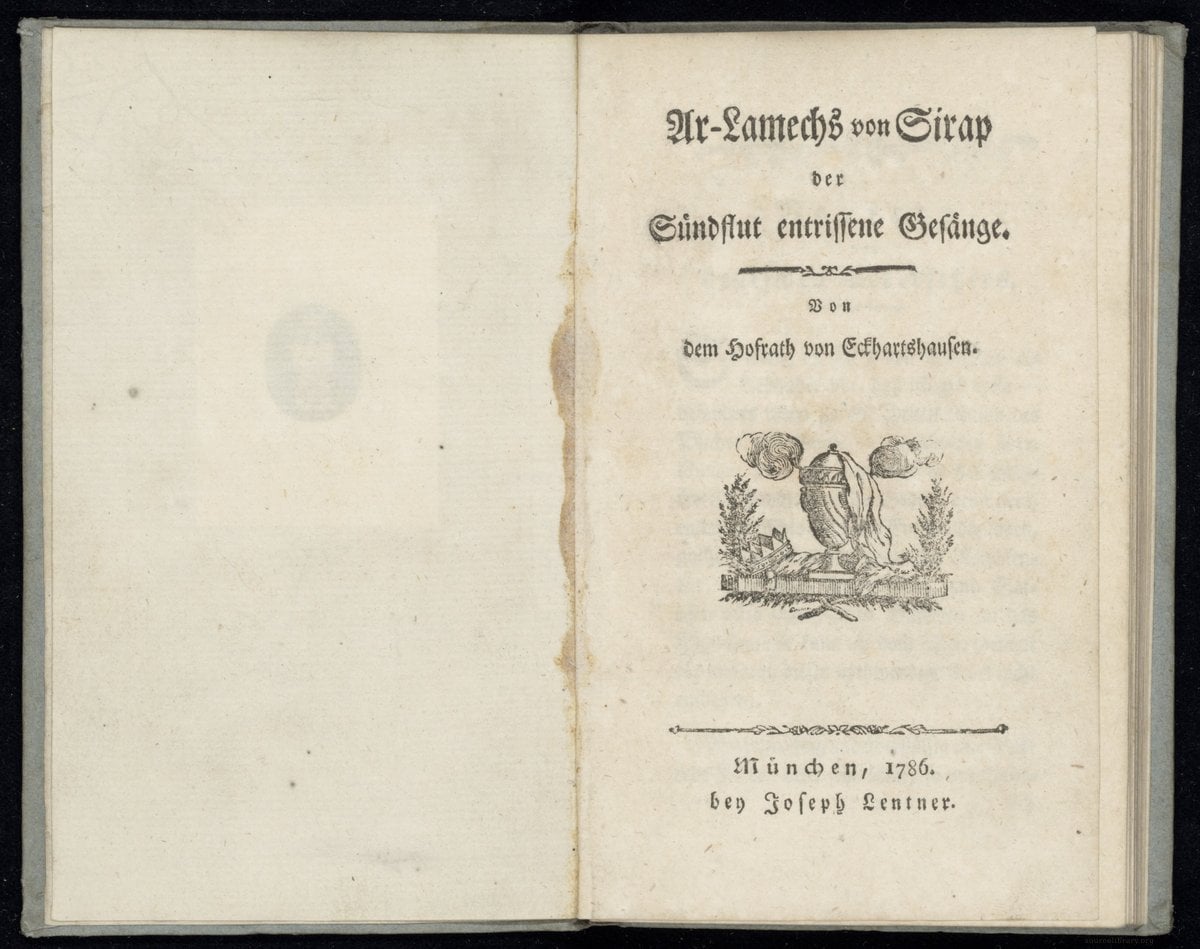
Ar-Lamech of Sirap's Songs Rescued from the Deluge
Eckartshausen, Karl von
Shield of Truth
attr. Grick, Friedrich
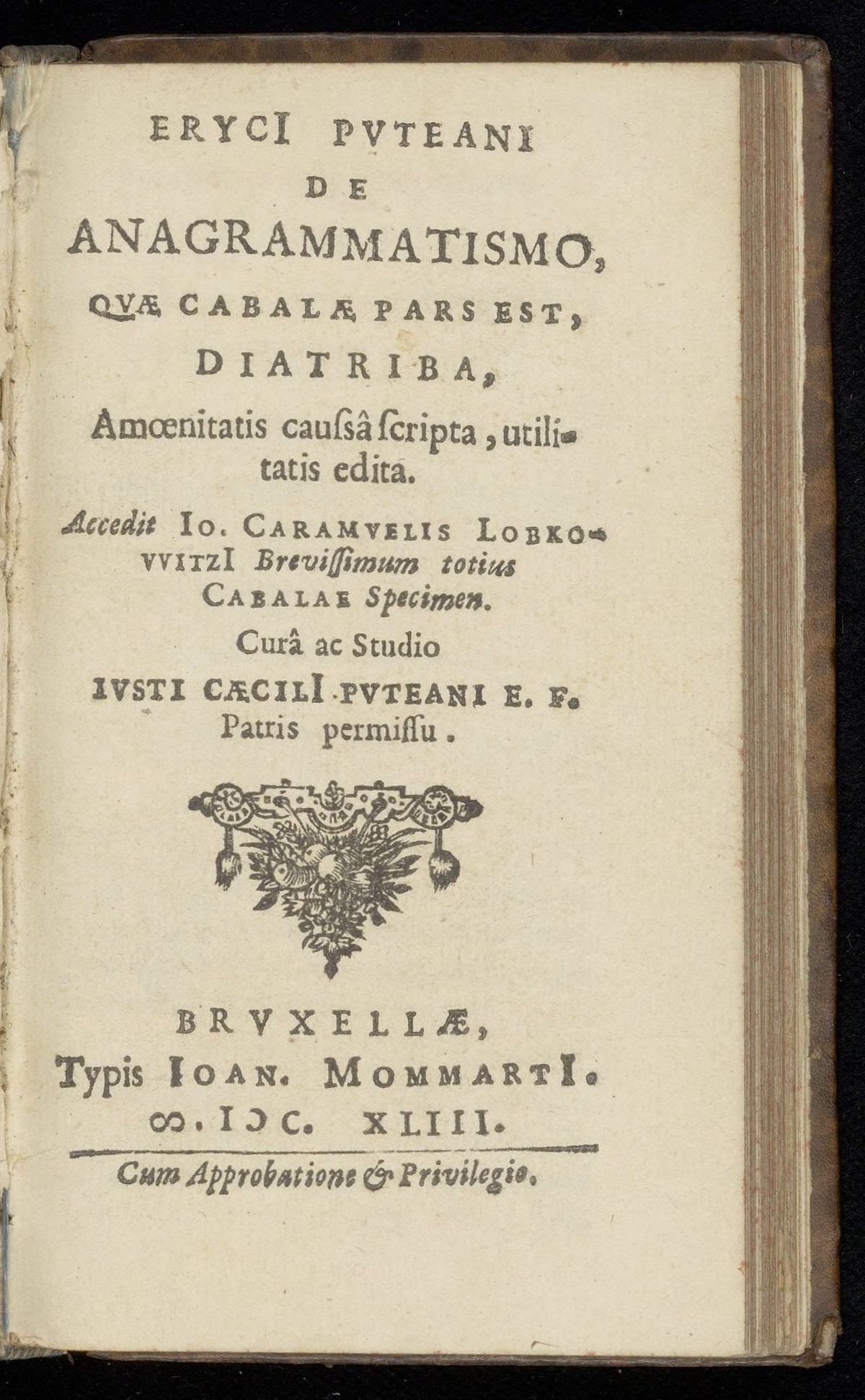
A Discourse on Anagrams as a Part of the Cabala
Puteanus, Erycius|Caramuel y Lobkowitz, Juan