


Neoplatonism
Plotinus, Porphyry, Iamblichus, Proclus, and their commentators
Illustrations
Browse all240 images extracted
This page marks the beginning of Book IV of Cristoforo Landino's 'Disputationes Camaldulenses', a seminal Neoplatonic work providing an allegorical commentary on Virgil's 'Aeneid'. It features an elegant woodcut historiated initial 'P' depicting a scholar at a desk, likely representing the author himself, surrounded by ornate foliage. Dedicated to Federico da Montefeltro, the Duke of Urbino, the volume represents the pinnacle of humanist scholarship and the prestige of Renaissance book production.
This detailed woodcut depicts the Venetian mathematician and humanist Francesco Barozzi at the age of twenty-two, as indicated by the Latin inscription in the oval frame. He is surrounded by an intricate Mannerist border filled with classical and grotesque motifs, including putti and satyr-like figures, which reflects the sophisticated intellectual and artistic culture of late 16th-century Venice. The portrait serves both as a personal likeness and a statement of Barozzi's high social and scholarly standing.
This woodcut diagram depicts an astrological chart, specifically identified in the text as the horoscope of the philosopher Plato. It illustrates the complex relationship between celestial bodies and human destiny, a central theme in Marsilio Ficino's Neoplatonic philosophy. The square format and internal geometric divisions are characteristic of early modern astrological representations.
A folio from Marsilio Ficino’s 'Theologia Platonica de immortalitate animorum,' an essential text of the Florentine Renaissance that harmonizes Platonic philosophy with Christian theology. The page features a prominent historiated woodcut initial 'A' depicting a scholar—likely representing Ficino himself—engaged in study at a lectern. The surrounding text, printed in a late medieval Gothic typeface, discusses the five-fold ascent of the soul toward the divine.
This woodcut diagram, titled 'Antiphontis Tetragonismus' (Antiphon's Quadrature), illustrates Giordano Bruno's philosophical approach to the problem of squaring the circle. Found in his 1591 treatise 'De Triplici Minimo et Mensura', the image synthesizes Euclidean geometry with Hermetic symbolism to represent the relationship between the finite and the infinite. The central figure integrates a circle, square, and star, serving as both a mathematical proof and a mnemonic device for Bruno's complex cosmological system.
This 13th-century astronomical diagram illustrates the northern circumpolar constellations. The figure of Hercules is shown with his club, standing beside a celestial sphere that contains the serpent Draco winding between the Great and Little Bears (Ursa Major and Ursa Minor). Small dots placed on the figures mark the positions of specific stars, demonstrating the medieval practice of mapping the heavens through mythological imagery.

This printer's mark belongs to Sebastian Gryphius, a renowned 16th-century printer in Lyon. It depicts a griffin, a mythical creature symbolizing power and wisdom, standing upon a cubic stone (representing stability or virtue) which is linked to a winged globe (representing the fleeting nature of fortune). The accompanying Latin motto, 'Virtute duce, comite fortuna' (With virtue as leader, fortune as companion), encapsulates the humanist ideal of success through merit guided by providence.

A leaf from a 16th-century edition of Marsilio Ficino's 'Epistolae' featuring a square astrological diagram titled 'Genealogia & Genesis Platonis.' The chart depicts the nativity of the philosopher Plato according to the ancient astrologer Julius Firmicus Maternus, positioning the planets within the zodiac to provide a celestial explanation for his profound wisdom.

This detailed engraving presents a portrait of the renowned Italian philosopher and astronomer Giordano Bruno. Created for an 1830 edition of his works, the image reflects the 19th-century's renewed interest in Bruno as a martyr for science and free thought.
Visual Art
Browse all art →60 works of visual art in this collection
Пузино И.В О религиозно-философских воззрениях Марсилия Фичино. (Исторические известия, 1917, №2).djvu
(?)
 painting
Pinacoteca comunale di Mondavio (94964)
Accurimbono
 print
printBona indoles recte culta / Fidei Tirocinia / Modestia Probata / Virtus ultro incitata
Aegidius Sadeler
Four scenes from the life of the biblical King David, depicting his youth as a shepherd, his slaying of a lion and bear, his anointing by Samuel, and his presence in the military camp.
 print
printCanticum Canticorum
Aegidius Sadeler
A central depiction of the Bride (Sponsa) from the Song of Songs reclining in an allegorical bed, surrounded by advisors, soldiers, and personified virtues.
 print
printChristus en zijn bruid in een wijngaard
Aegidius Sadeler
Christ and his Bride (representing the Church or the Soul) seated together in a vineyard, an allegory based on the Song of Songs.
 print
printChristus en zijn bruid onder een appelboom
Aegidius Sadeler
Christ and the mystical Bride stand beneath a fruitful apple tree, flanked by Moses and Aaron on the left and a Roman magistrate on the right.
 print
printChristus raakt zijn bruid aan
Aegidius Sadeler
An allegorical depiction of Christ as the bridegroom observing his Bride (the Church) enthroned within a temple congregation.
 print
printConciosacra
Aegidius Sadeler
An allegorical representation of Sacred Preaching (Conciosacra) triumphing over a False Prophet.
 print
printDavid
Aegidius Sadeler
An engraving depicting the biblical King David standing in a landscape while holding a lyre.
 print
printHooglied van Salomo
Aegidius Sadeler
An allegorical depiction of the Song of Solomon, showing Christ as the Bridegroom appearing in the clouds to the Bride (the Soul or the Church) surrounded by attendants.
 print
printKroning van Maria
Aegidius Sadeler
The Holy Trinity (God the Father, Christ, and the Holy Spirit as a dove) crowns the Virgin Mary as Queen of Heaven.
 print
printOrigen de kluizenaar in de Nitrische woestijn
Aegidius Sadeler
The early Christian theologian Origen is depicted laboring in the Nitrian Desert of Egypt alongside other monks.
 print
printSaul richt zijn speer op David
Aegidius Sadeler
The biblical scene of King Saul attempting to strike David with a spear while David plays a lyre to soothe the king's spirit.
 painting
Die Madonna des heiligen Sixtus, von Raphael Sanzio d'Urbino
After: Raphael Print made by: Franz Hanfstängl Printed by: Franz Hanfstängl Published by: Franz Hanfstängl
A detail of Saint Sixtus II from Raphael's 'Sistine Madonna,' showing the saint kneeling in adoration upon a bed of clouds.
 mythological
Reciproco Amore (Love in the Golden Age)
Agostino Carracci
In a pastoral landscape, two pairs of nude lovers engage in intimate embraces, accompanied by putti, while a group of nude figures dances in a circle in the background.
Neoplatonism is the philosophical tradition that begins with Plotinus in third-century Rome and extends, through successive reinterpretations, into the Renaissance and early modern period. Its central teaching is the doctrine of emanation: all reality proceeds from a single transcendent principle—the One—through successive levels of being (Intellect, Soul, Nature), and the purpose of philosophical life is the soul's return to its source. This framework shaped Christian, Islamic, and Jewish theology for over a millennium, and its recovery in fifteenth-century Florence catalyzed the intellectual transformation of Europe.
The foundational texts are the Enneads of Plotinus, preserved and edited by his student Porphyry, who also wrote the Isagoge and treatises on abstinence and the soul's descent. The tradition's theurgic turn begins with Iamblichus, whose De Mysteriis Aegyptiorum argues that ritual practice, not intellect alone, accomplishes the soul's ascent. Proclus systematized the entire Neoplatonic metaphysics in his Elements of Theology and extensive Platonic commentaries, becoming the tradition's most technically rigorous voice. Pseudo-Dionysius the Areopagite transmitted Neoplatonic thought into Christian theology through works on the celestial and ecclesiastical hierarchies, while Boethius's Consolation of Philosophy carried Platonic themes into the Latin Middle Ages.
The Renaissance revival centers on Marsilio Ficino, whose translations of Plotinus, the Corpus Hermeticum, and Pseudo-Dionysius into Latin made the entire tradition accessible to Western Europe for the first time. Ficino's own Platonic Theology and De Vita Libri Tres articulate a living Neoplatonism in which philosophy, medicine, and spiritual practice converge. His younger contemporary Giovanni Pico della Mirandola pushed further, synthesizing Neoplatonic, Kabbalistic, and Hermetic thought in his 900 Conclusiones. The collection extends to the Cambridge Platonists—Henry More, Ralph Cudworth—and to Thomas Taylor, the first modern translator of Plotinus into English.
Essential Reading
The foundational texts of this tradition
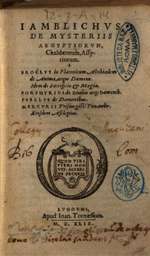
On the Mysteries of the Egyptians, Chaldeans, and Assyrians
Iamblichus | Proclus | Porphyry, 1516First from Latin
The 1516 Aldine edition containing Iamblichus's De Mysteriis alongside works by Proclus and Porphyry. Iamblichus's defense of theurgy—the practice of ritual ascent—marks a decisive turn in the Neoplatonic tradition away from purely intellectual contemplation.
The Pimander of Hermes Trismegistus
Hermes Trismegistus; Ficino, Marsilio (translator), 1481First from Latin
Ficino's 1481 Latin translation of the Pimander, the first book of the Corpus Hermeticum. This translation, completed for Cosimo de' Medici, preceded Ficino's Plato translations and helped establish the Hermetic-Neoplatonic synthesis that defined Renaissance philosophy.
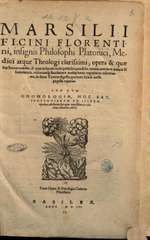
The Complete Works of Marsilio Ficino
Marsilio Ficino, 1561First Complete Translation
The collected works of Marsilio Ficino in this 1561 edition—letters, commentaries, translations, and original treatises. Ficino's output as translator, philosopher, and correspondent constitutes the single most important body of Renaissance Neoplatonic thought.
The 900 Theses
Pico della Mirandola, Giovanni (1463-1494), 1486
Pico della Mirandola's 900 Conclusiones (1486), a synthesis of Neoplatonic, Hermetic, Kabbalistic, and Scholastic traditions in 900 theses proposed for public debate in Rome. The work provoked papal condemnation and remains one of the most ambitious intellectual programs of the Renaissance.
Important Works
Significant texts that deepen understanding
The Collected Works of Pseudo-Dionysius
Pseudo-Dionysius the Areopagite, 1516First from Latin
The 1516 Opera of Pseudo-Dionysius the Areopagite, whose writings on divine names, mystical theology, and celestial hierarchy transmitted Neoplatonic metaphysics into the heart of Christian theology.
Three Books on Life
Ficino, Marsilio (1433-1499), 1489
Ficino's De Vita Libri Tres (1489), a treatise on the care of the scholarly life that weaves Neoplatonic cosmology with astrological medicine and practical advice for the contemplative temperament.
On the Mysteries
Ficino, 1497First from Latin
Ficino's early dialogue De Voluptate (1457/1497), on the nature of pleasure, engaging Epicurean and Platonic arguments.
Plotini Opera Omnia cum Ficini commentariis
Plotinus; Marsilio Ficino (trans.), 1835First from Latin
The 1835 Oxford edition of Plotinus's Opera Omnia with Ficino's Latin translation, a key scholarly edition of the Enneads.
On Abstinence from Animal Food
Porphyrius, 1767First from Latin
Porphyry's De Abstinentia (On Abstinence from Animal Food), a philosophical argument for vegetarianism grounded in Neoplatonic ethics and the kinship of all ensouled beings.
Platonic Theology on the Immortality of Souls
Ficino, Marsilio (1433-1499), 1525
Ficino's Platonic Theology (1525 edition), his systematic argument for the immortality of the soul, drawing on the full Neoplatonic tradition.
Celestial Hierarchy / Divine Names (Ficino)
Pseudo-Dionysius (trans. Marsilio Ficino), 1501First from Latin
Ficino's 1501 translation of Pseudo-Dionysius, making the Areopagite's mystical theology available in Renaissance Latin.
Also Notable
The Consolation of Philosophy
Boethius; comm. Thomas Waleys, 1340First Complete Translation
On the Division of Nature
John Scotus Eriugena, 1681
A Collection of Several Philosophical Writings of Dr. Henry More
Henry More, 1662
The True Intellectual System of the Universe
Ralph Cudworth, 1678
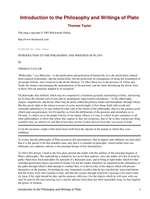
Introduction to Plato
Taylor, Thomas, 1804
Commentary on Benivieni (1651 English trans.)
Pico della Mirandola, Giovanni | Benivieni, Girolamo, 1651
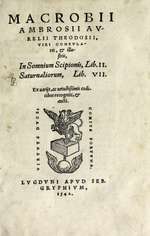
Commentary on the Dream of Scipio and the Saturnalia
Macrobius, 1550
Le Opere Italiane di Giordano Bruno
Giordano Bruno, 1888First Complete Translation
All Books
Browse Full Catalog→2,039 books in this collection
On the Mysteries
Ficino
Eight Books on Astrology
Julius Firmicus Maternus
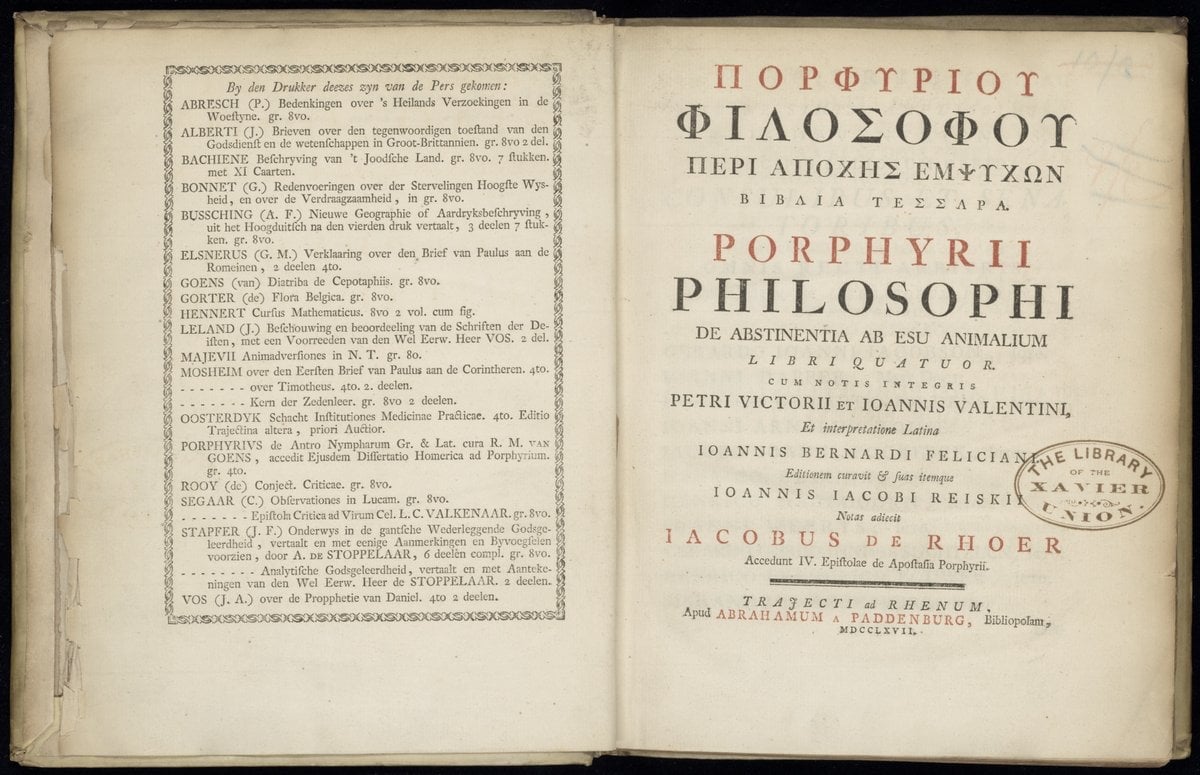
On Abstinence from Animal Food
Porphyrius
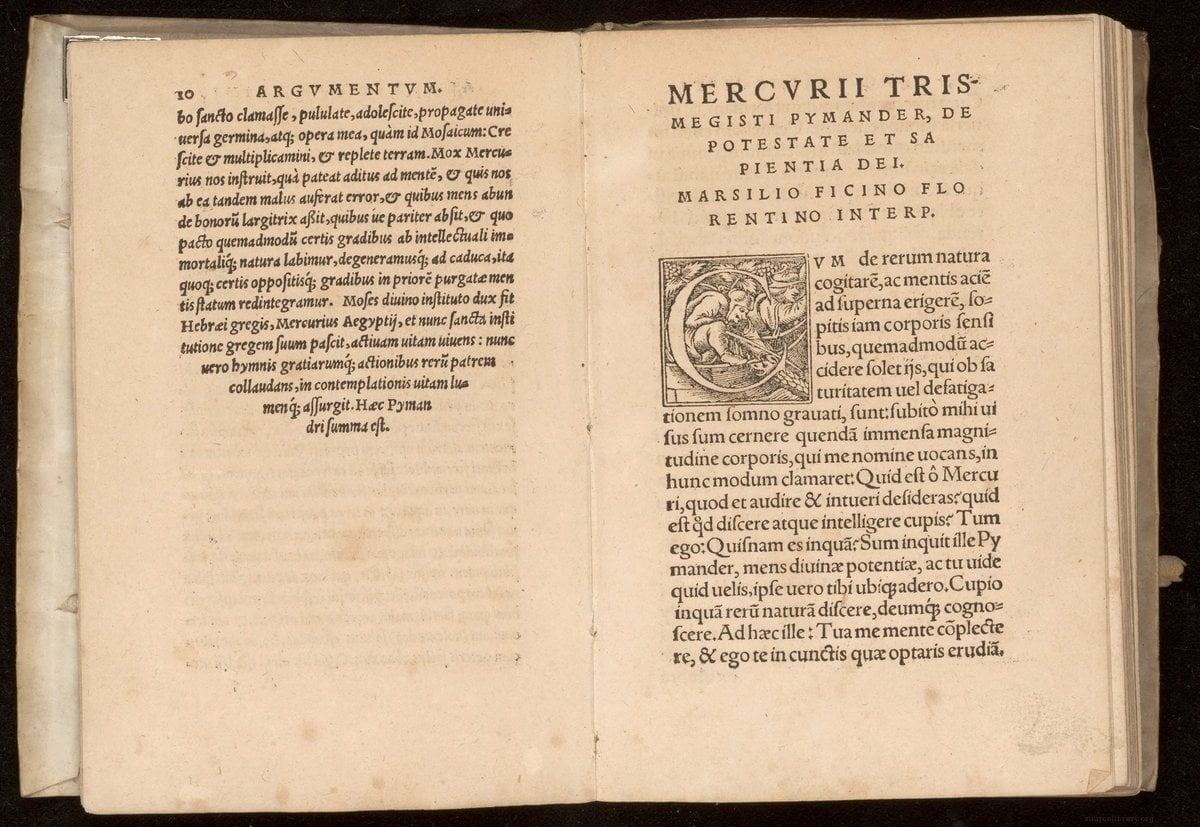
Pymander. Asclepius. On the Mysteries of the Egyptians. On Plato's Alcibiades, on the Soul and the Daemon. On Sacrifice.
Hermes Trismegistus|Jamblichus|Proclus
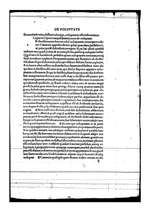
On Pleasure
Marsilio Ficini

The Divine Pymander, Asclepius, and On the Mysteries
Hermes Trismegistus | Jamblichus | Proclus
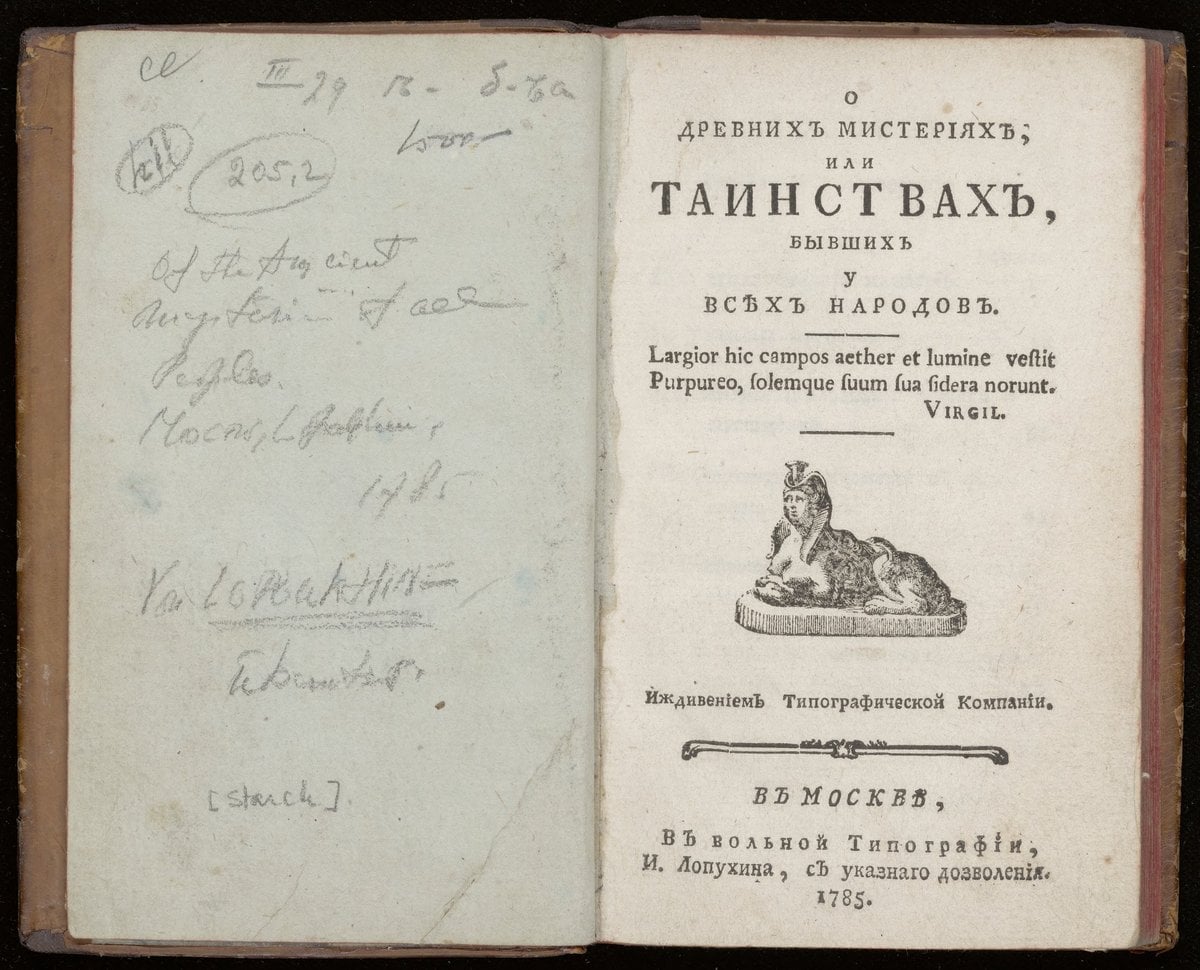
Of the Ancient Mysteries
attr. Starck, Johann August von
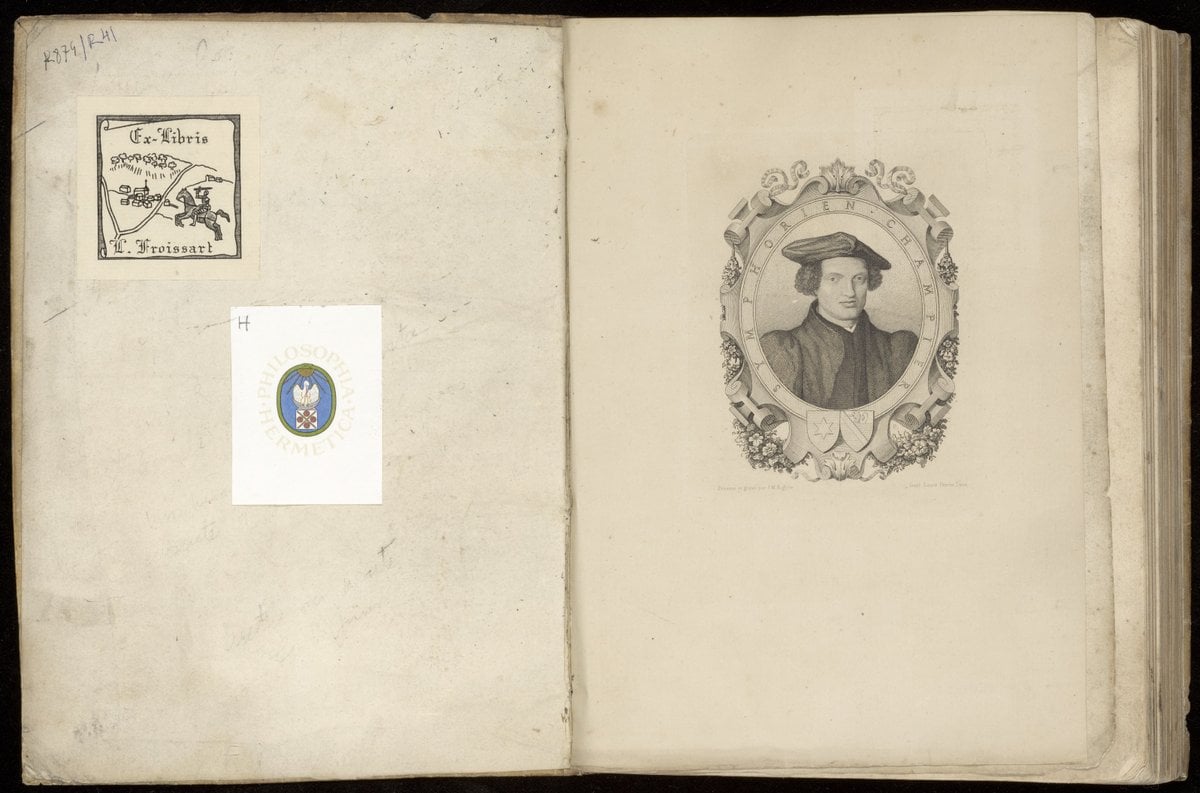
Book on the Fourfold Life
Champier, Symphorien
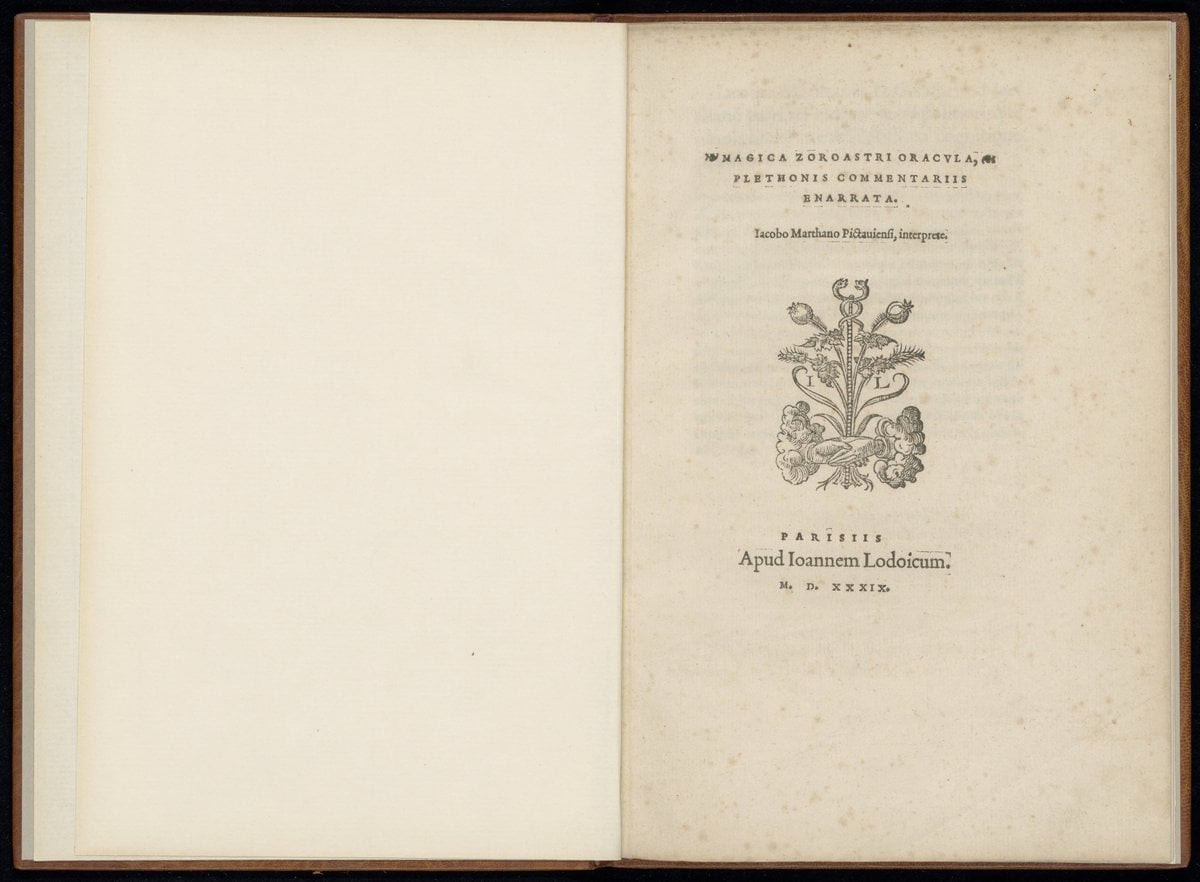
The Chaldean Oracles
Zoroaster
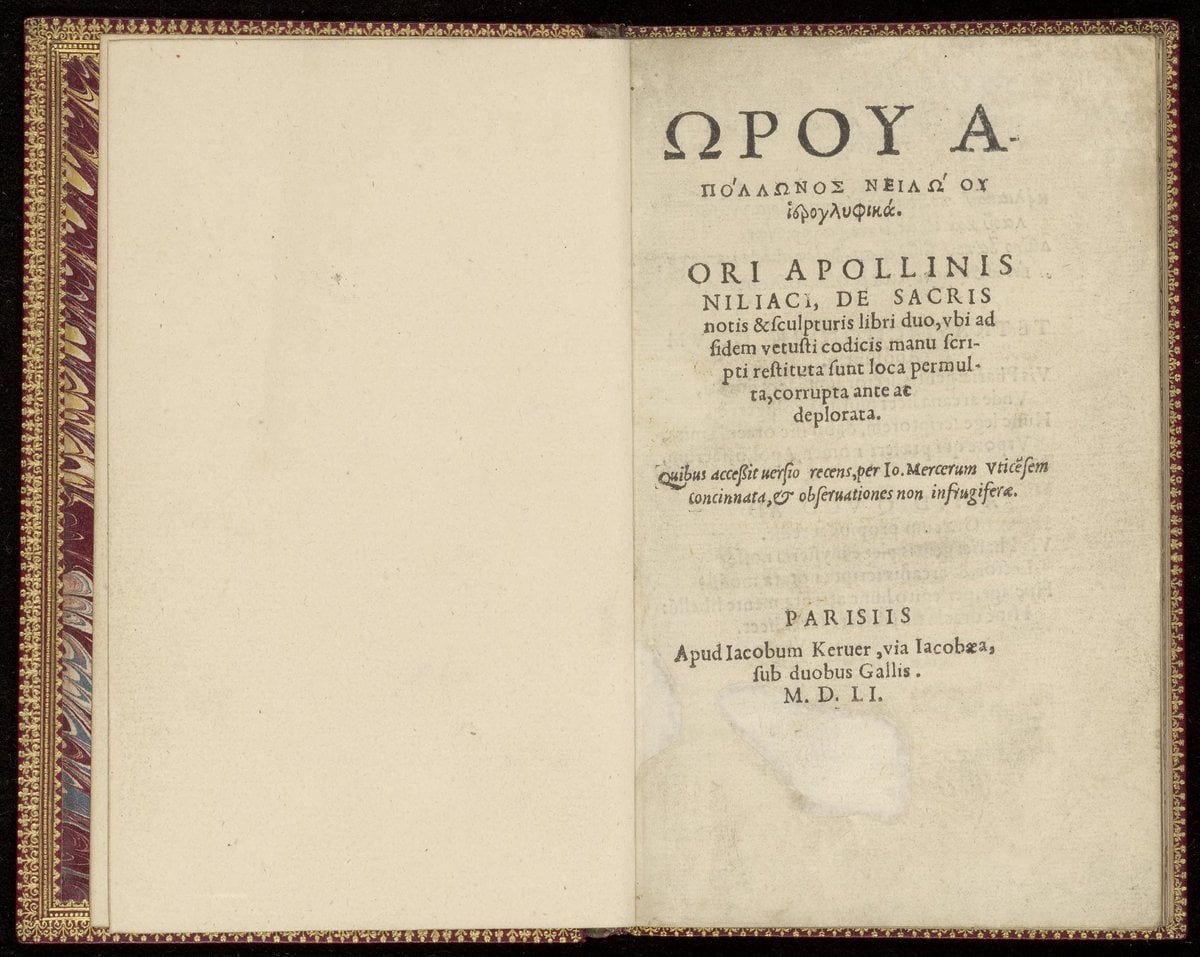
The Hieroglyphics
Horapollo
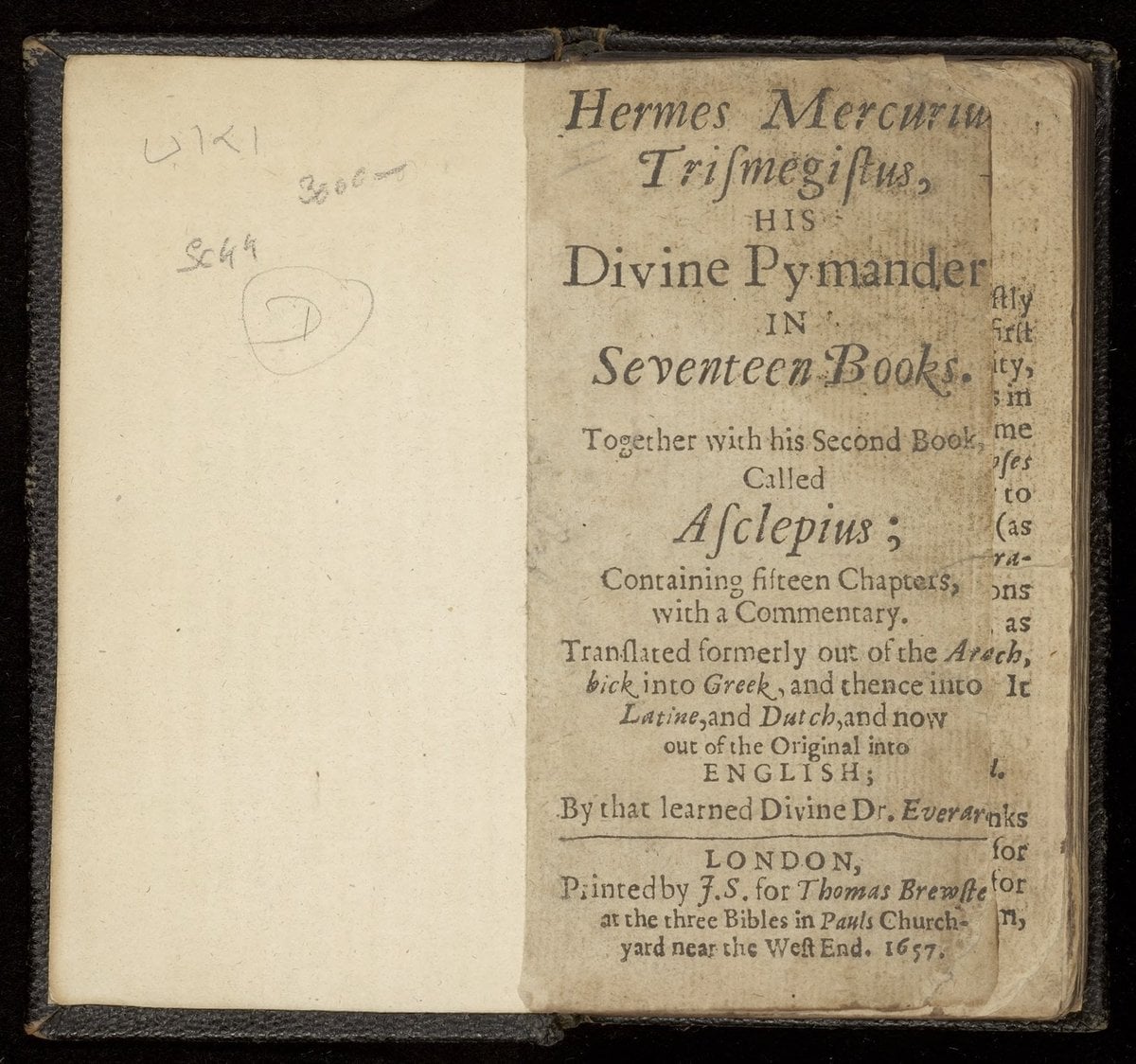
Divine Pymander. Asclepius
Hermes Trismegistus
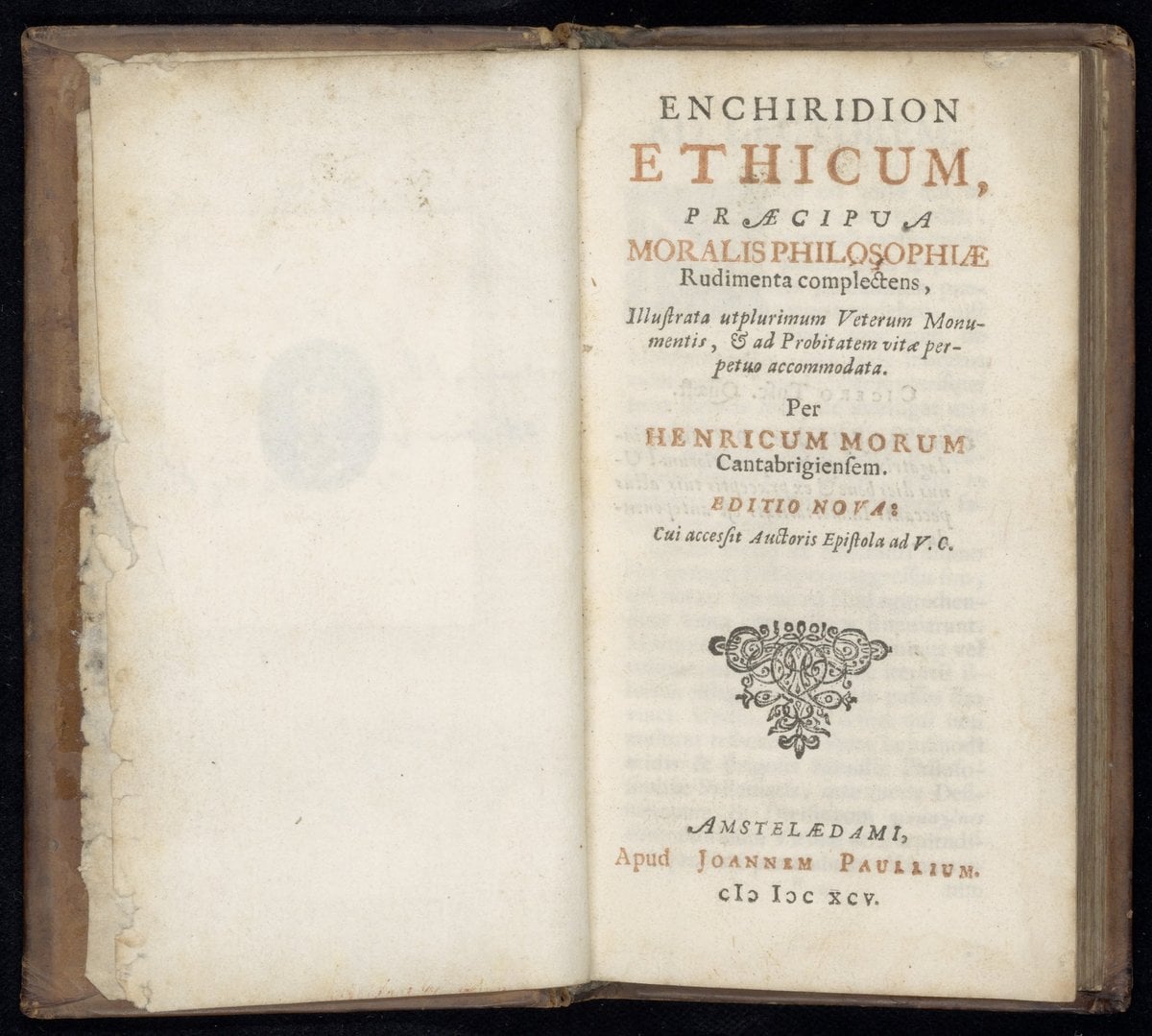
Ethical Handbook
More, Henry
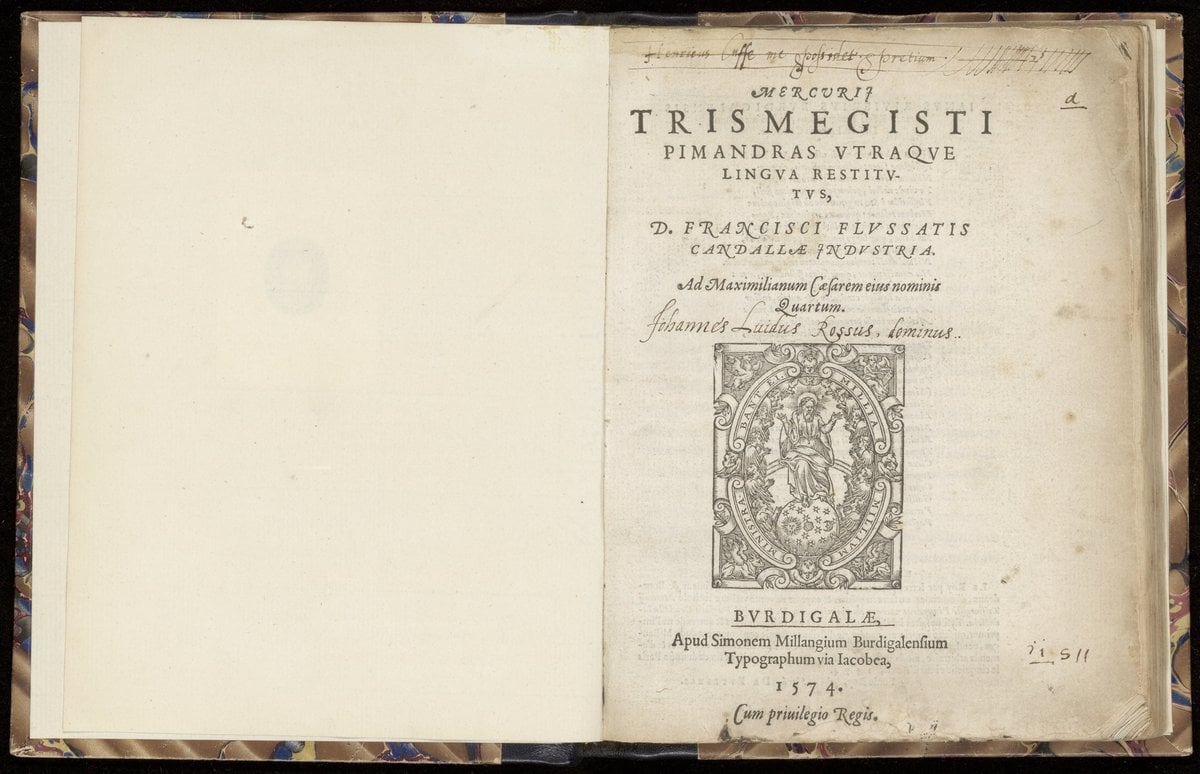
Poimandres
Hermes Trismegistus
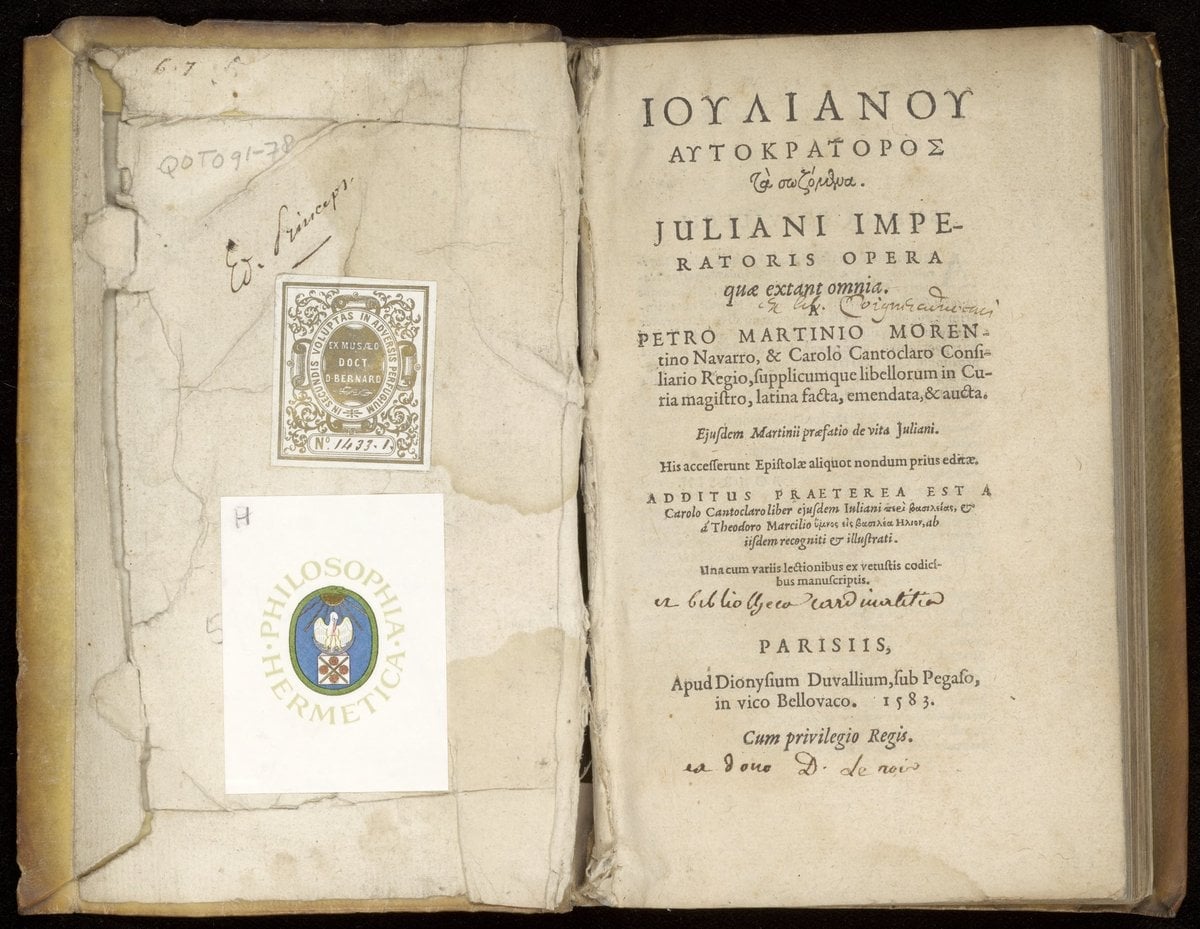
The Complete Extant Works of Emperor Julian
Julianus Apostata