


The Perennial Philosophy
The idea that all religions share a single hidden truth.
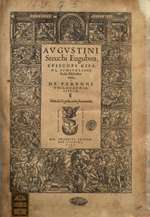
Illustrations
Browse all35 images extracted
This geometric diagram illustrates a mathematical proof, likely related to the doubling of a square's area as discussed in Plato's Meno. It demonstrates the early modern use of visual aids to clarify complex philosophical and mathematical arguments through spatial reasoning.
This manuscript page contains a carefully constructed hierarchical diagram that maps out philosophical or theological relationships. Starting from 'psyche' (soul) at the top, it branches into 'ousia' (essence), 'dynamis' (power), and 'energeia' (activity), demonstrating the systematic way early modern scholars organized complex metaphysical ideas.
A dedication page from a mid-16th-century scholarly volume printed in Basel by Adam Henricpetri, featuring a prominent historiated woodcut initial 'N'. The Latin text argues that the intellectual monuments of philosophers like Aristotle are more enduring than physical wonders such as the Pyramids or the Mausoleum of Halicarnassus. The initial contains a scene depicting a figure, likely a scholar or philosopher, amidst architectural ruins and foliage, reflecting the Renaissance interest in classical antiquity.
This hand-drawn diagram illustrates mathematical or musical proportions, a key element in Michael Psellos's interpretation of Platonic and Chaldaean thought. The use of red and black ink highlights specific relationships between the numerical values represented by Greek characters, demonstrating the integration of visual aids in Renaissance philosophical manuscripts.
A technical diagram mapping out fundamental musical intervals such as the octave (diapason), fifth (diapente), and fourth (diatesseron). This visual aid demonstrates the mathematical basis of harmony as understood in the medieval period, connecting arithmetic with the science of sound.
This diagram illustrates the Greater Perfect System of ancient Greek music theory as transmitted to the Latin West through Boethius's 'De institutione musica'. The three columns represent the three genera of melody—diatonic, chromatic, and enharmonic—listing the specific Greek names for each pitch within the system.

Historiated woodcut initial 'E' depicting a scholar or philosopher seated at a desk with an open book, pointing toward a globe or sphere.

This plate presents eighteen numbered geometric diagrams designed to accompany and clarify the mathematical arguments in Plato's works. The figures illustrate fundamental concepts of proportion and spatial relationships, which Plato considered essential for the soul's journey toward understanding the world of Forms.

This diagram depicts a geometric construction involving a circle and an inscribed triangle. Such illustrations were essential for readers to follow the deductive reasoning presented in classical philosophical texts, bridging the gap between abstract thought and visual proof.
Agostino Steuco coined the term in 1540, but Ficino lived it. The prisca theologia — a golden chain of wisdom from Hermes Trismegistus through Zoroaster, Orpheus, Pythagoras, and Plato to Christ. This collection gathers the texts that built the argument for a universal tradition underlying all religions and philosophies.
Essential Reading
The foundational texts of this tradition
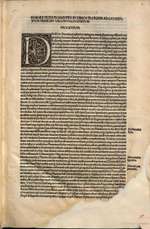
The Complete Works of Plato Translated by Marsilio Ficino
Plato; Ficino, Marsilio (translator), 1518First Translation
Ficino's complete translation of Plato was central to the Renaissance revival of Platonism and its integration into the prisca theologia.
Ficino — On the Rapture of Paul & Immortality of the Soul
Marsilio Ficino, 1478First Translation
Ficino's "Theologia Platonica de immortalitate animorum" is his magnum opus, directly articulating the synthesis of Platonic and Christian thought central to the prisca theologia.
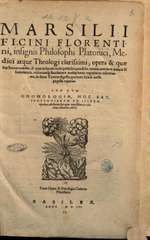
The Complete Works of Marsilio Ficino
Marsilio Ficino, 1561First Complete Translation
A complete collection of Ficino's works is essential as he was the central figure in articulating and living the prisca theologia.
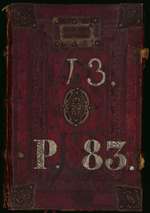
Ficino, Exposition on Hermes Trismegistus
Marsilio Ficino, 1471First Translation
Ficino's exposition on Hermes Trismegistus directly demonstrates his interpretation and integration of this foundational figure into the prisca theologia.
Hermes Trismegistus — Pimander (1472 Editio Princeps)
Hermes Trismegistus; Marsilio Ficino (trans.), 1472
This is the editio princeps of Ficino's translation of the Corpus Hermeticum, a pivotal moment for the dissemination of a foundational text for the prisca theologia.
Important Works
Significant texts that deepen understanding
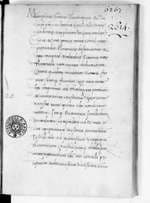
Celestial Hierarchy / Divine Names (Ficino)
Pseudo-Dionysius (trans. Marsilio Ficino), 1501First from Latin
Ficino's translation of Pseudo-Dionysius was important for integrating Neoplatonic and Christian mystical traditions within the prisca theologia framework.
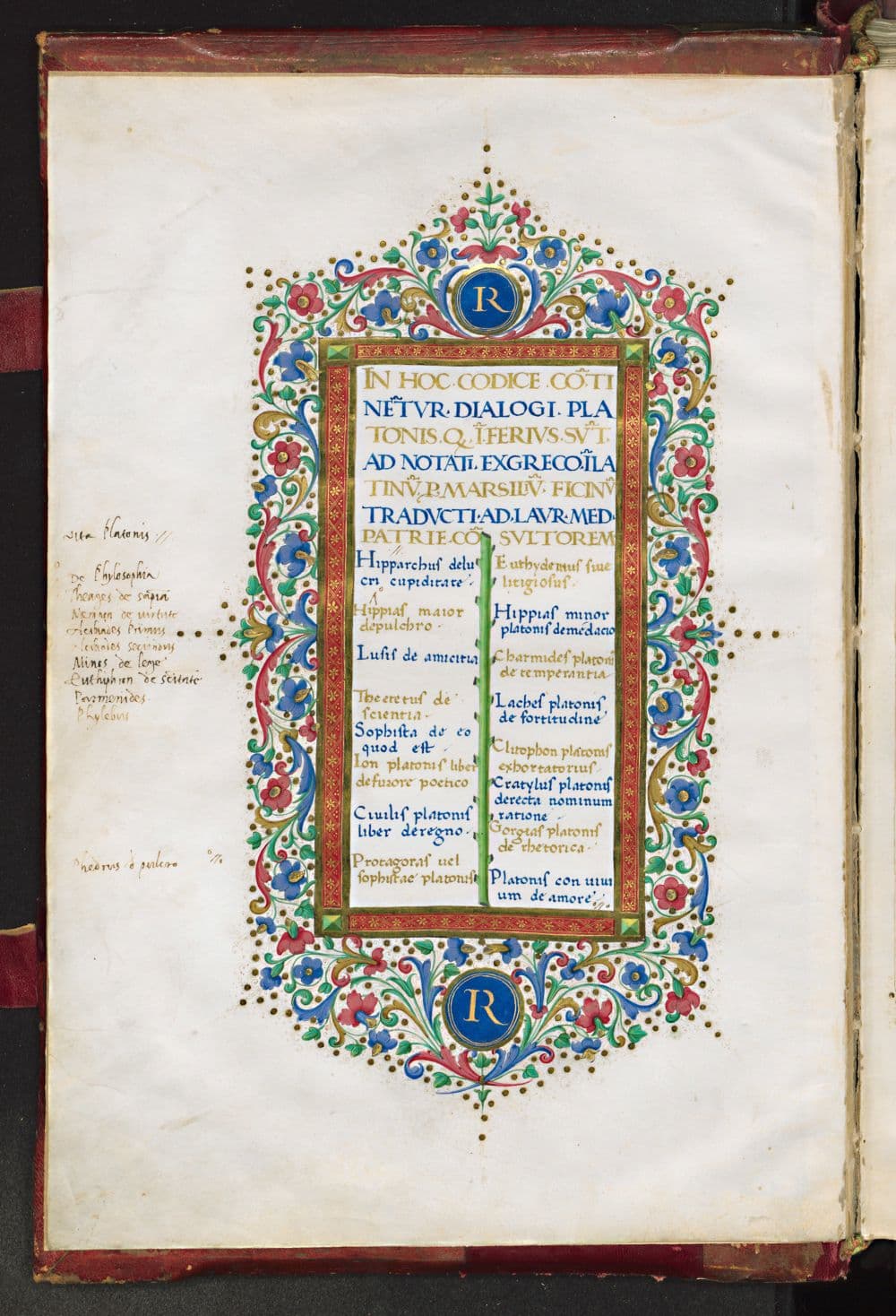
Plato, Dialogues (Ficino translation, with De Amore)
Plato; Marsilio Ficino (translator), 1484
This includes Ficino's influential translation of Plato's dialogues and his own "De Amore," which interprets Platonic love within a broader philosophical tradition.
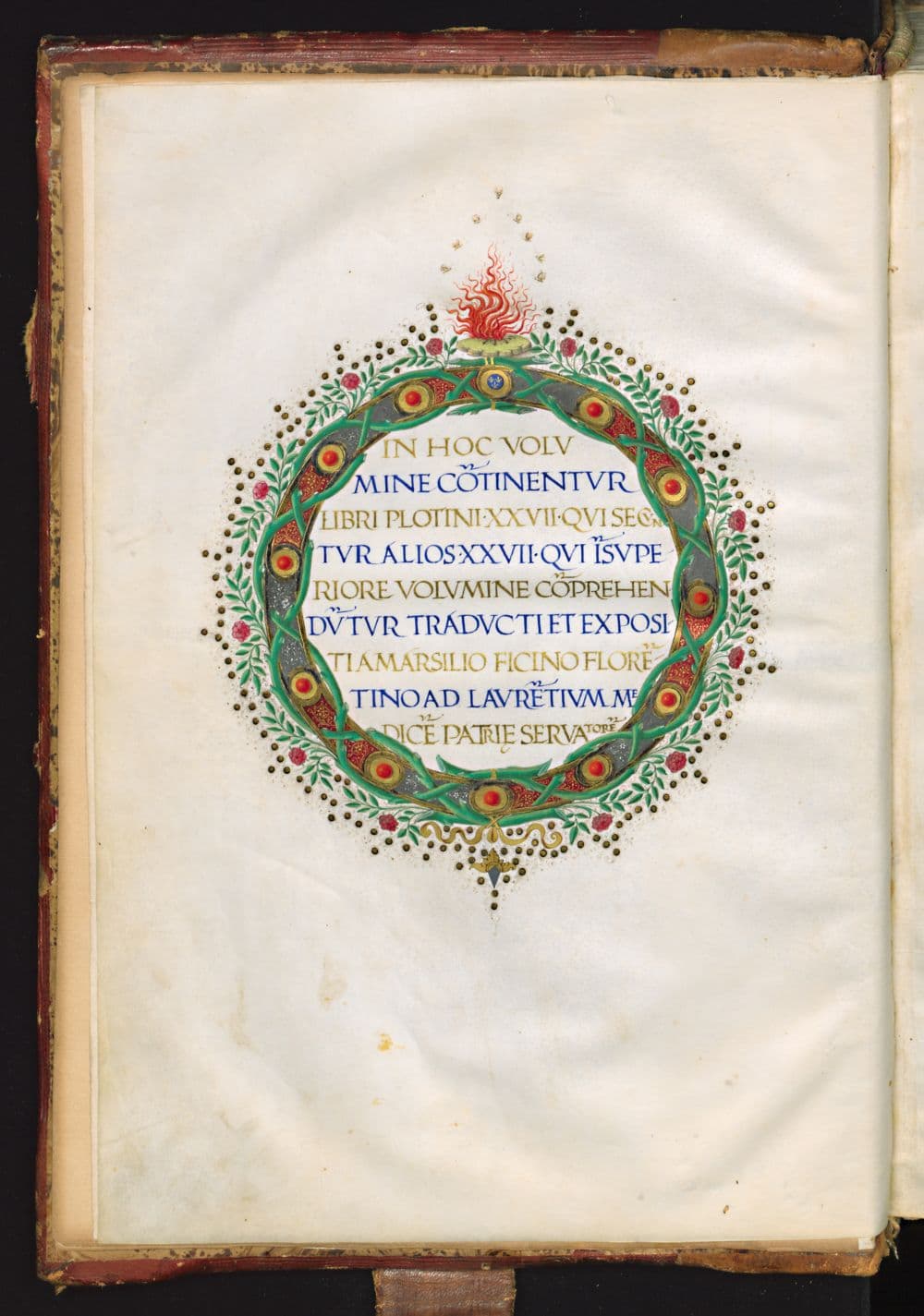
Plotinus, Enneads XXVII–LIV (Ficino translation)
Plotinus; Marsilio Ficino (translator), 1490First Translation
Ficino's translation of Plotinus's Enneads was essential for transmitting Neoplatonic thought, a key component of the prisca theologia, to the Renaissance.
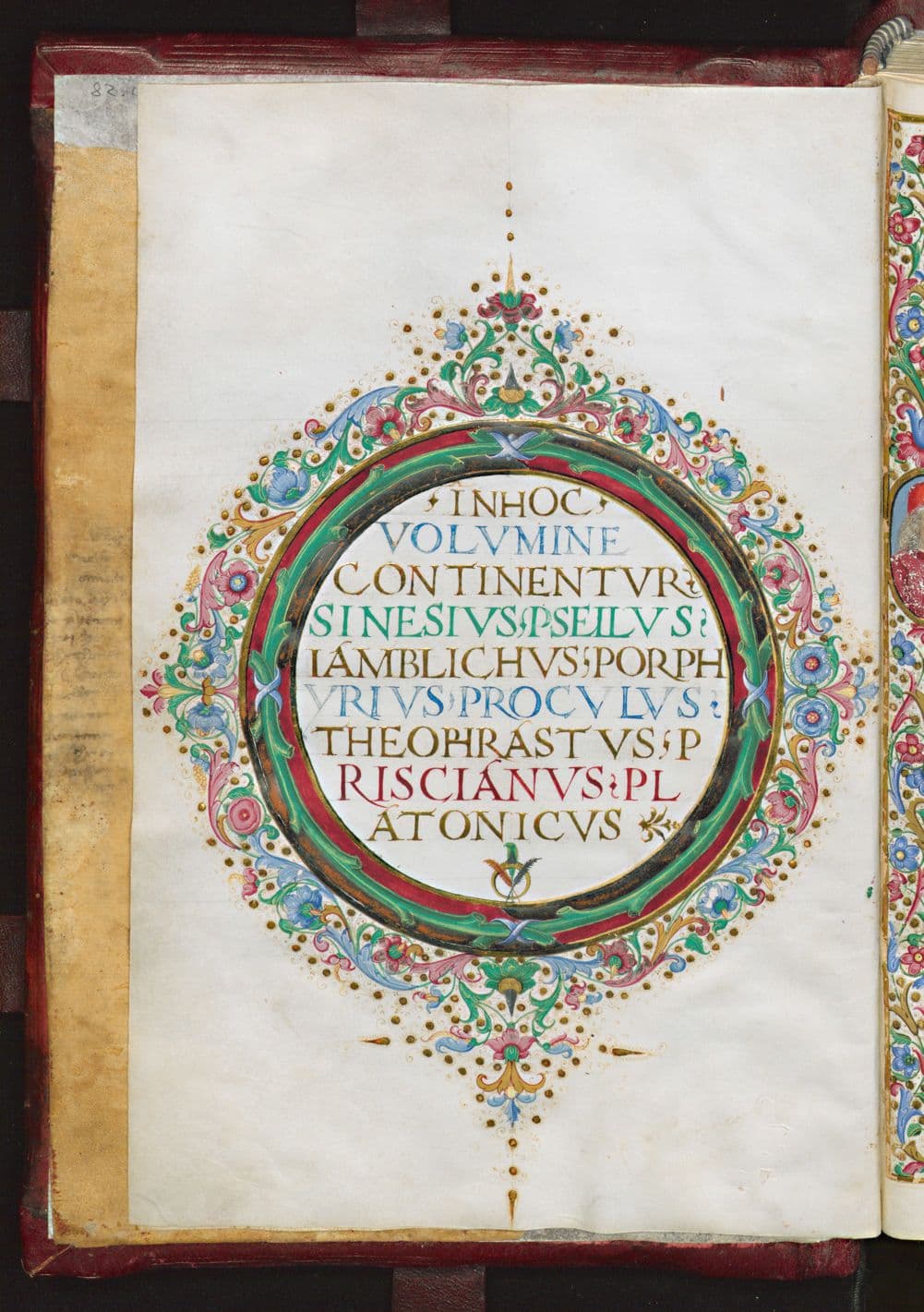
Synesius On Dreams, Iamblichus, Proclus & Porphyry (Ficino)
Synesius; Iamblichus; Proclus; Porphyry; Marsilio Ficino (translator), 1450First Translation
Ficino's translations of these Neoplatonists (Iamblichus, Proclus, Porphyry) were vital for extending the "golden chain" of wisdom beyond Plato.
Ficino: De Christiana Religione (1474 incunabulum)
Marsilio Ficino, 1474
Ficino's "De Christiana Religione" explicitly connects Christian faith with his philosophical framework, demonstrating the synthesis central to the prisca theologia.
Reg.lat.1352
Hermes Trismegistus, 1450
This early manuscript of Hermes Trismegistus demonstrates the pre-Ficino transmission of a key text for the prisca theologia.
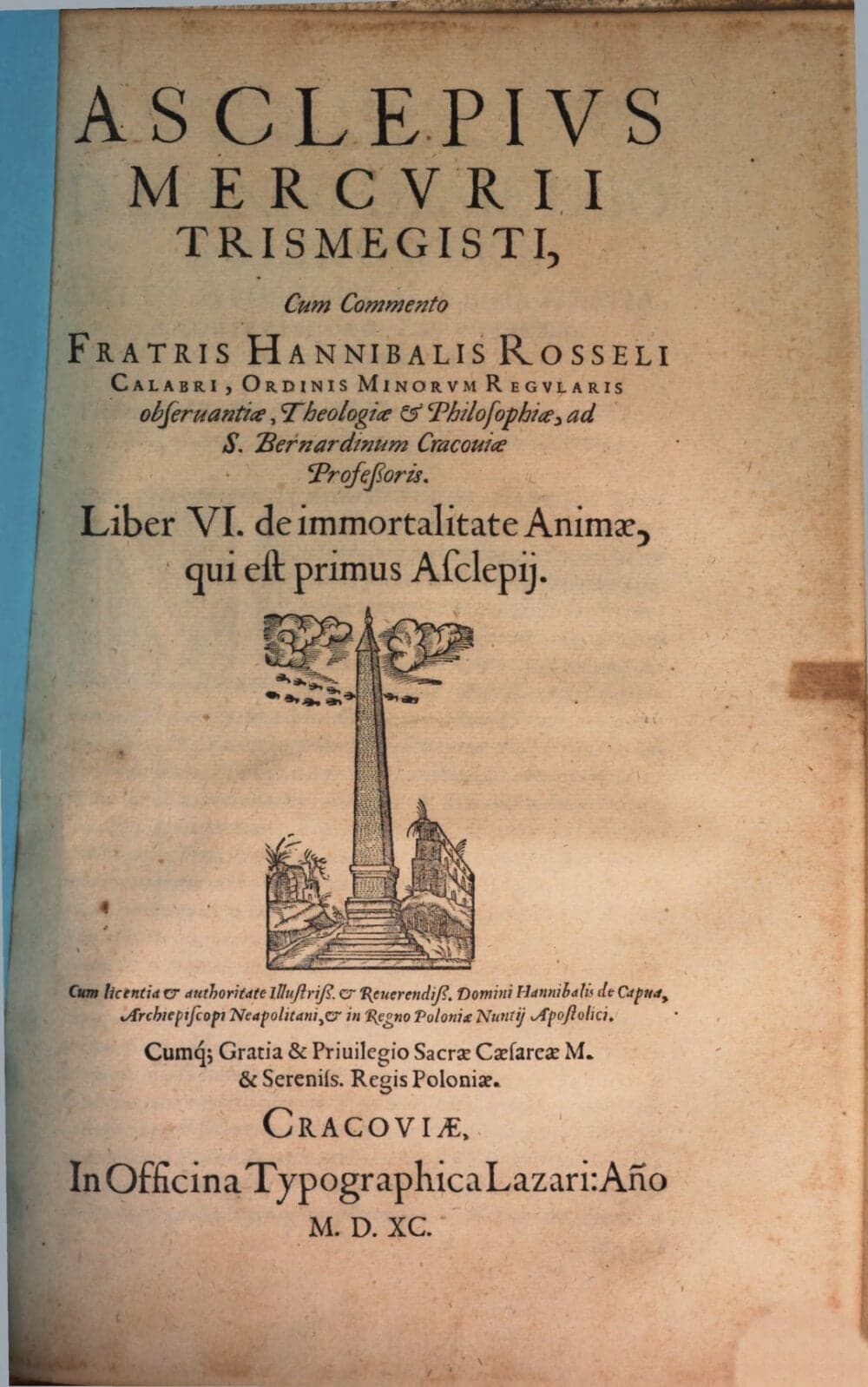
The Asclepius of Hermes Trismegistus: On the Immortality of the Soul
Hermes, Trismegistus, ca. 2./4. Jh., 1590
The Asclepius is a core Hermetic text, and its focus on the immortality of the soul directly resonates with Ficino's central philosophical concerns.
Poimandres
Hermes Trismegistus, 1554
This is the first Greek printed edition of the Corpus Hermeticum, providing access to the original text after Ficino's influential Latin translation.
Philosophical Magic
Patrizi, Francesco|Zoroaster|Hermes Trismegistus, 1593First Complete Translation
This work by Patrizi explicitly links Zoroaster and Hermes Trismegistus, demonstrating the interconnectedness of the "golden chain" of wisdom.
All Books
Browse Full Catalog→57 books in this collection
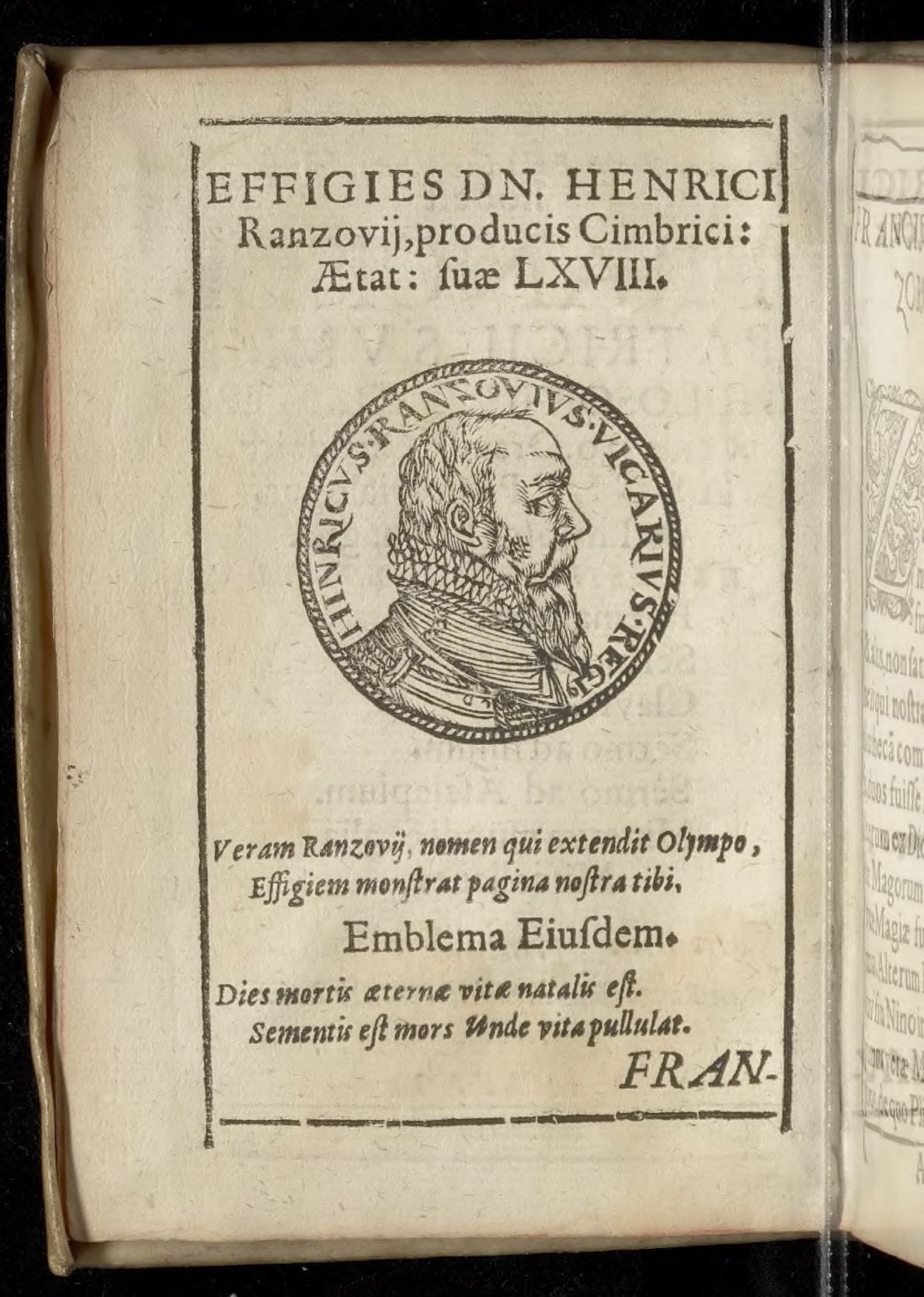
Philosophical Magic
Patrizi, Francesco|Zoroaster|Hermes Trismegistus
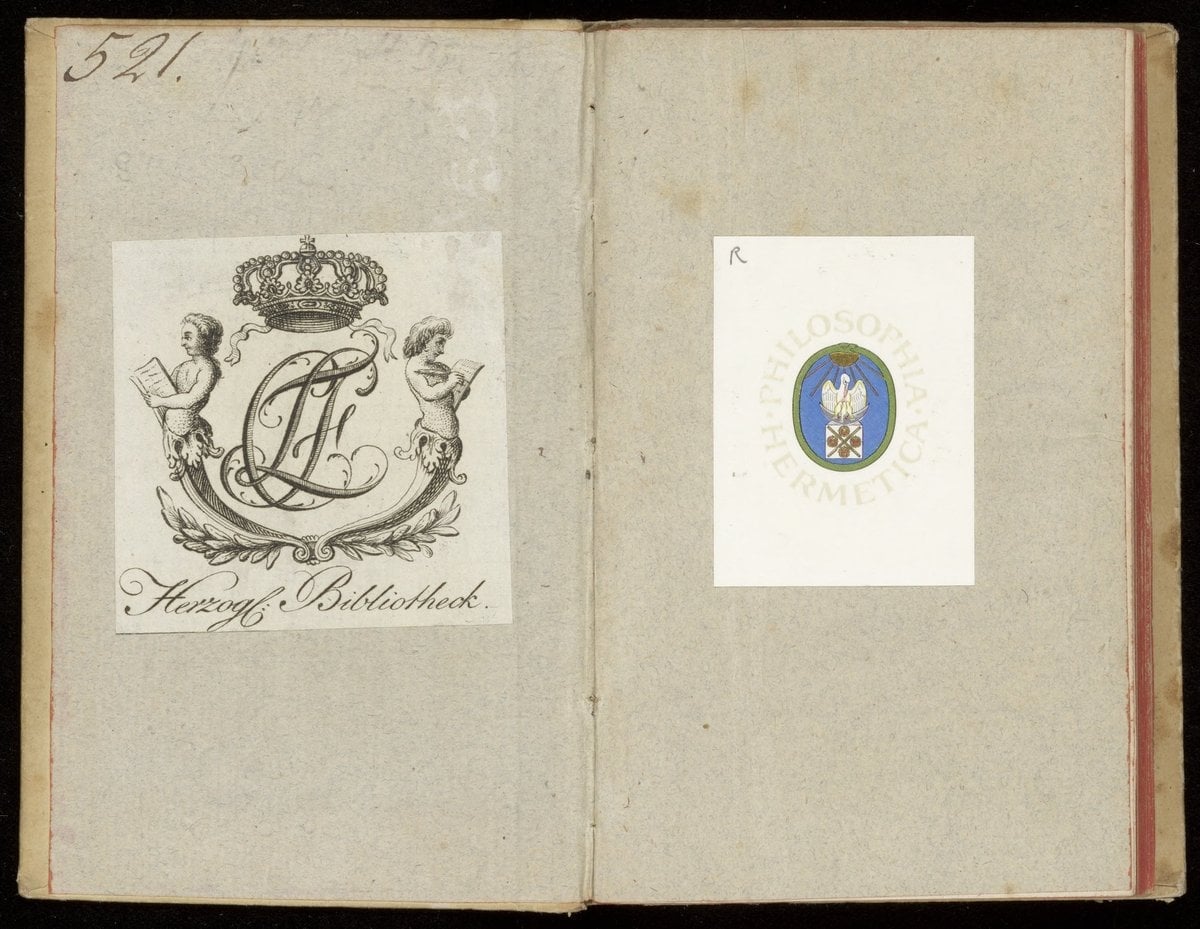
Defense of the Authenticity of the Rosicrucian Society
Fludd, Robert
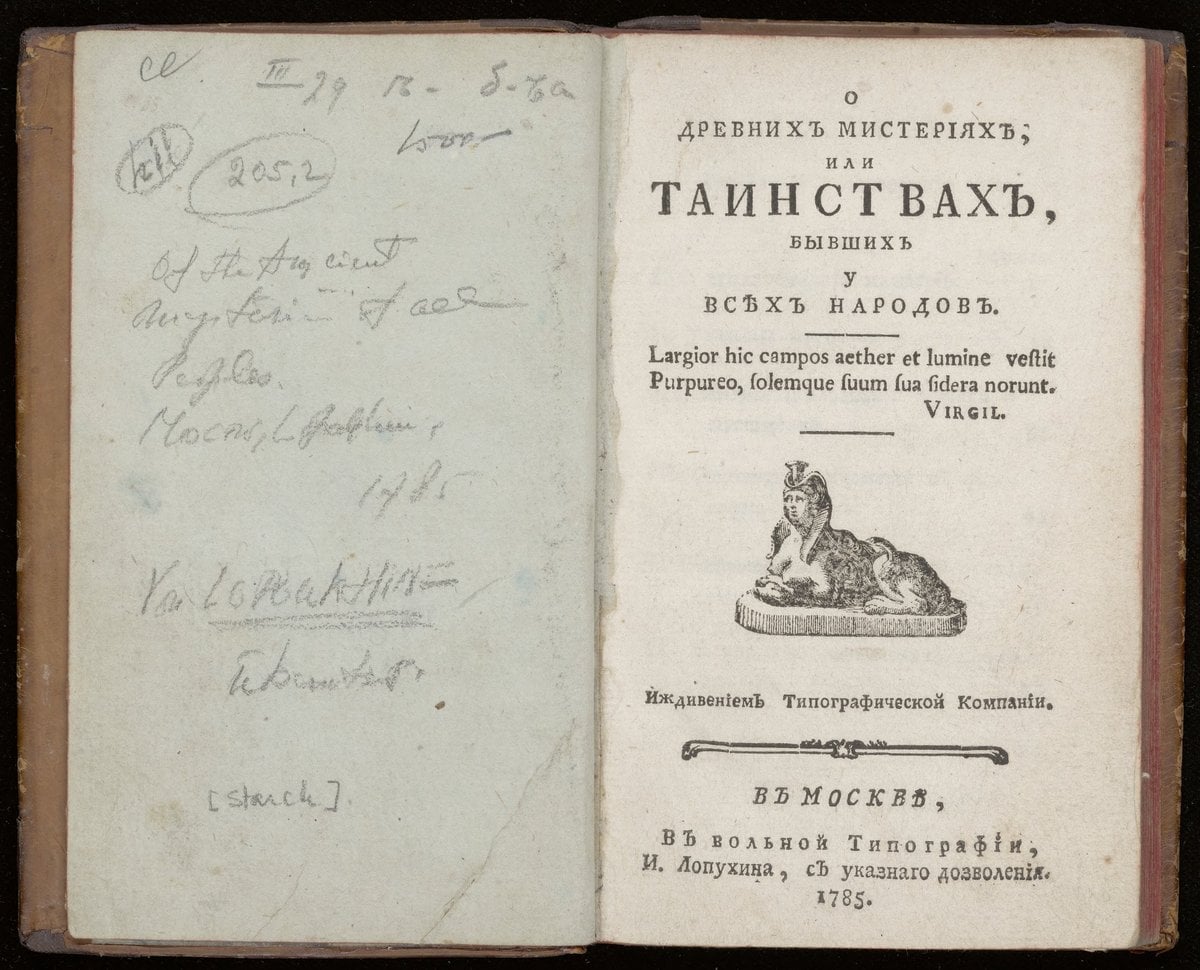
Of the Ancient Mysteries
attr. Starck, Johann August von
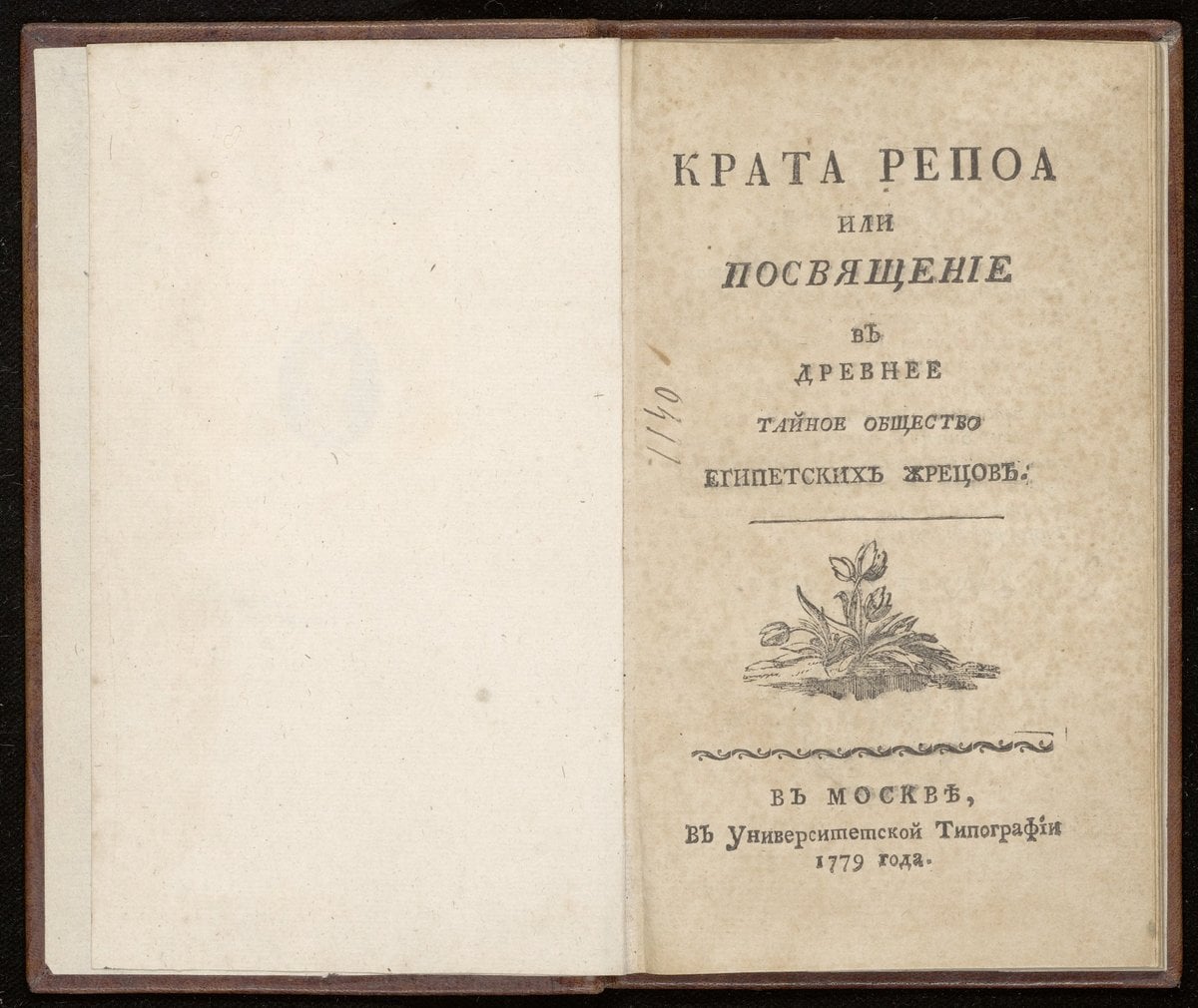
Initiation into the Ancient Secret Society of Egyptian Priests
attr. Köppen, Karl Friedrich
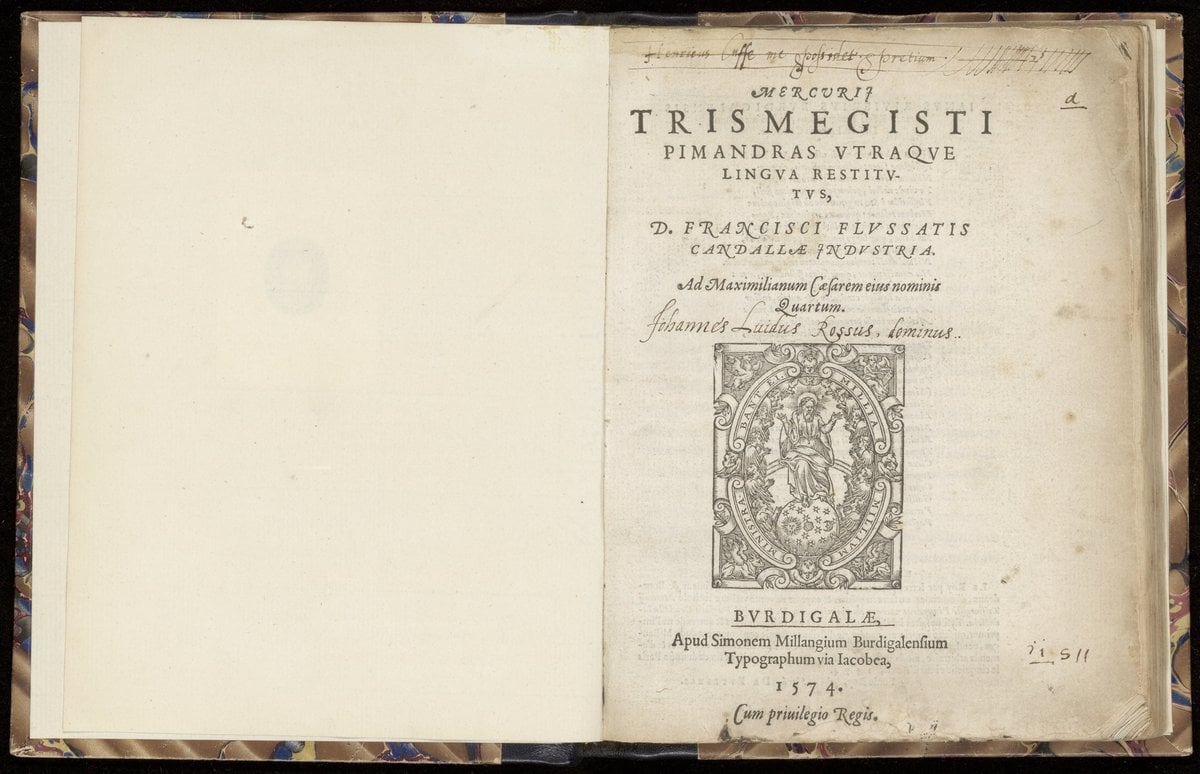
Poimandres
Hermes Trismegistus