


Psychology of Religion & Mysticism
The psychology of religious experience, ecstasy, visions, and contemplative states
Illustrations
Browse all23 images extracted from 12 books
This emblem, titled 'PHILOSOPHIA HERMETICA', centers on the 'pelican in its piety,' a symbol of self-sacrifice where the bird feeds its young with its own blood. In the context of Hermetic philosophy, this image represents the final stage of the alchemical Great Work, signifying spiritual rebirth and the perfection of the soul. The inclusion of roses on the shield below suggests a connection to Rosicrucian symbolism, common in 18th-century mystical literature.
This open spread from a 17th-century German mystical treatise features a complex synthesis of text and esoteric diagrams. The margins are annotated with symbolic illustrations, including a coiled serpent representing the 'ancient snake' or Satan, and a ten-circle diagram suggestive of the Kabbalistic Tree of Life. The work explores the tripartite nature of man (Spirit, Soul, and Body) through the lens of alchemical correspondence and biblical allegory, typical of the school of Jakob Böhme.
This emblem for 'Philosophia Hermetica' centers on the 'pelican in its piety,' a symbol of self-sacrifice where the mother bird feeds her young with her own blood, representing alchemical transformation and spiritual rebirth. Below, a shield featuring four roses points toward Rosicrucian influences, common in early modern esoteric literature.
This emblem depicts the 'pelican in its piety,' a powerful symbol in both Christian iconography and alchemy representing self-sacrifice and the process of spiritual transformation. Encircled by the phrase 'PHILOSOPHIA HERMETICA,' it signifies the core tenets of Hermetic wisdom where the practitioner's own essence is refined to achieve a higher state of being.
This hand-colored emblem represents 'Philosophia Hermetica' (Hermetic Philosophy). It features central alchemical motifs: the pelican in her piety, symbolizing self-sacrifice and transformation, and the Ouroboros, representing the cyclical nature of the universe and the completion of the Great Work.
This gold-stamped medallion on the cover of 'The Soul, or Rational Psychology' features a profile portrait of the author, Emanuel Swedenborg (1688–1772). Swedenborg was a Swedish scientist, philosopher, and theologian, and this depiction reflects the classical style often used to commemorate intellectual figures of the Enlightenment.

This dramatic engraving illustrates a tragic scene from Karl von Eckartshausen's moral tales. A man stands in despair by a window, having apparently killed his wife and child, as indicated by the German caption below. The fine crosshatching and detailed rendering of the interior and the pine tree outside are characteristic of late 18th-century book illustration.

This small portrait depicts a bearded figure wearing a crown, likely intended to represent Abra-Melin the Mage or Abraham the Jew. It serves as a symbolic element on the title page of this influential 15th-century grimoire, translated by S.L. MacGregor-Mathers and published by the De Laurence Company in Chicago.

This intricate engraving from Abraham von Franckenberg's 'Oculus aeternitatis' (1677) serves as a visual map of the soul's spiritual landscape. It depicts the 'three worlds'—Heaven, Earth, and Hell—as interpenetrating spheres, with the tetramorph symbols of the Evangelists at the corners and a central axis leading from the depths of hell to the light of Christ. The diagram reflects the influence of Jacob Böhme's theosophy, emphasizing the presence of divine light and dark wrath within the human heart and the cosmos.
All Books
Browse Full Catalog→45 books in this collection
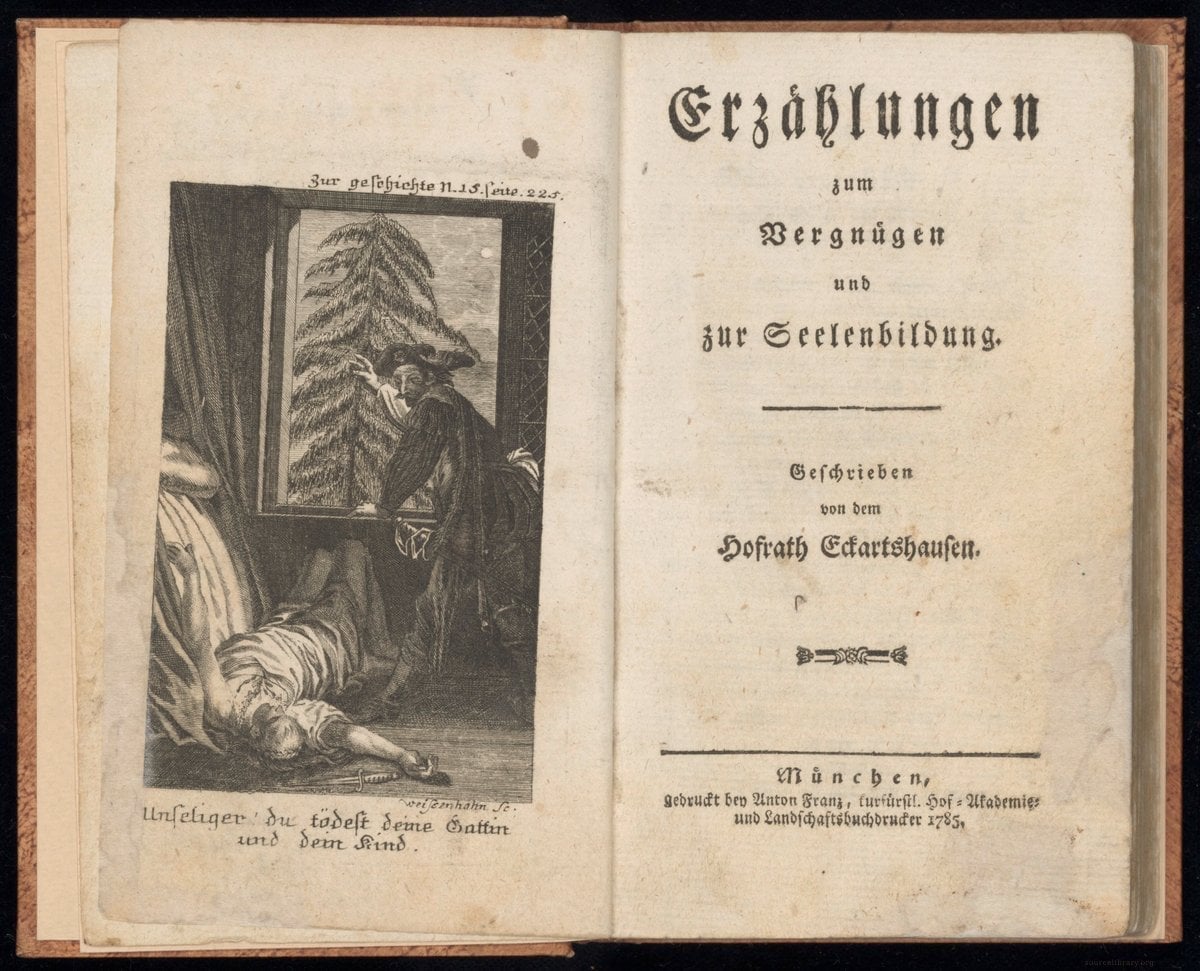
Stories for Pleasure and Edification
Eckartshausen, Karl von
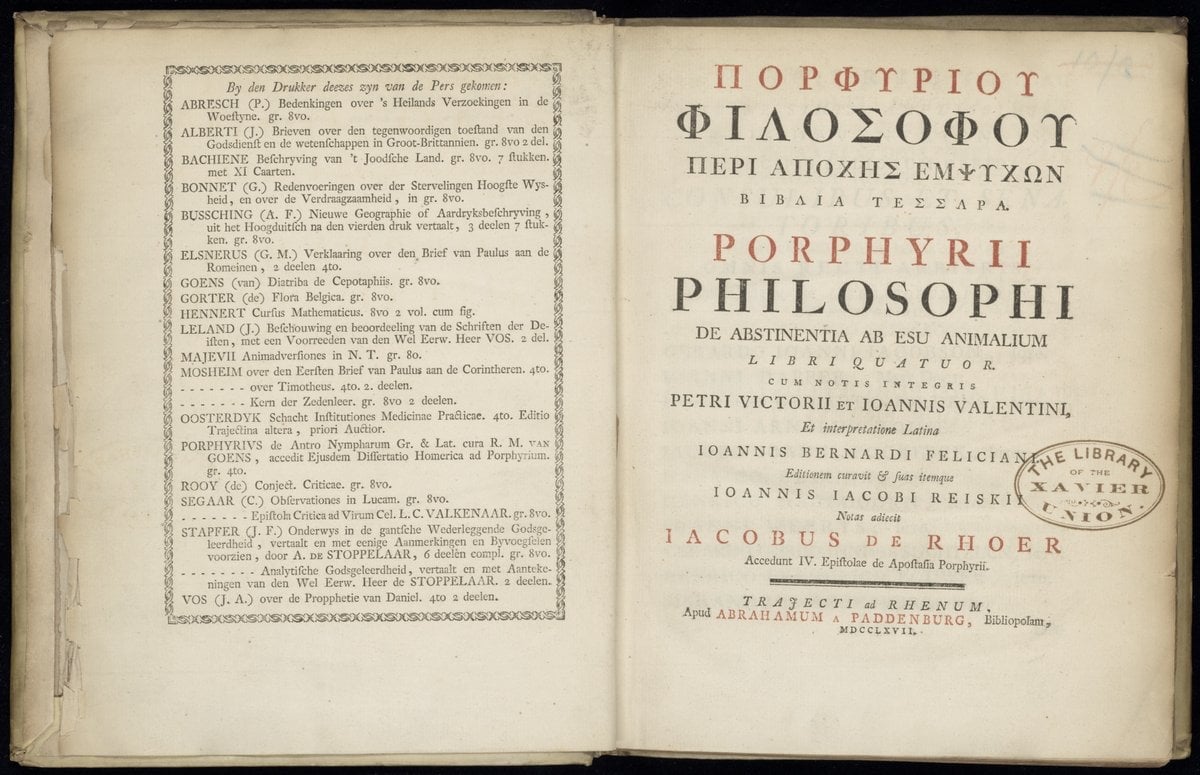
On Abstinence from Animal Food
Porphyrius
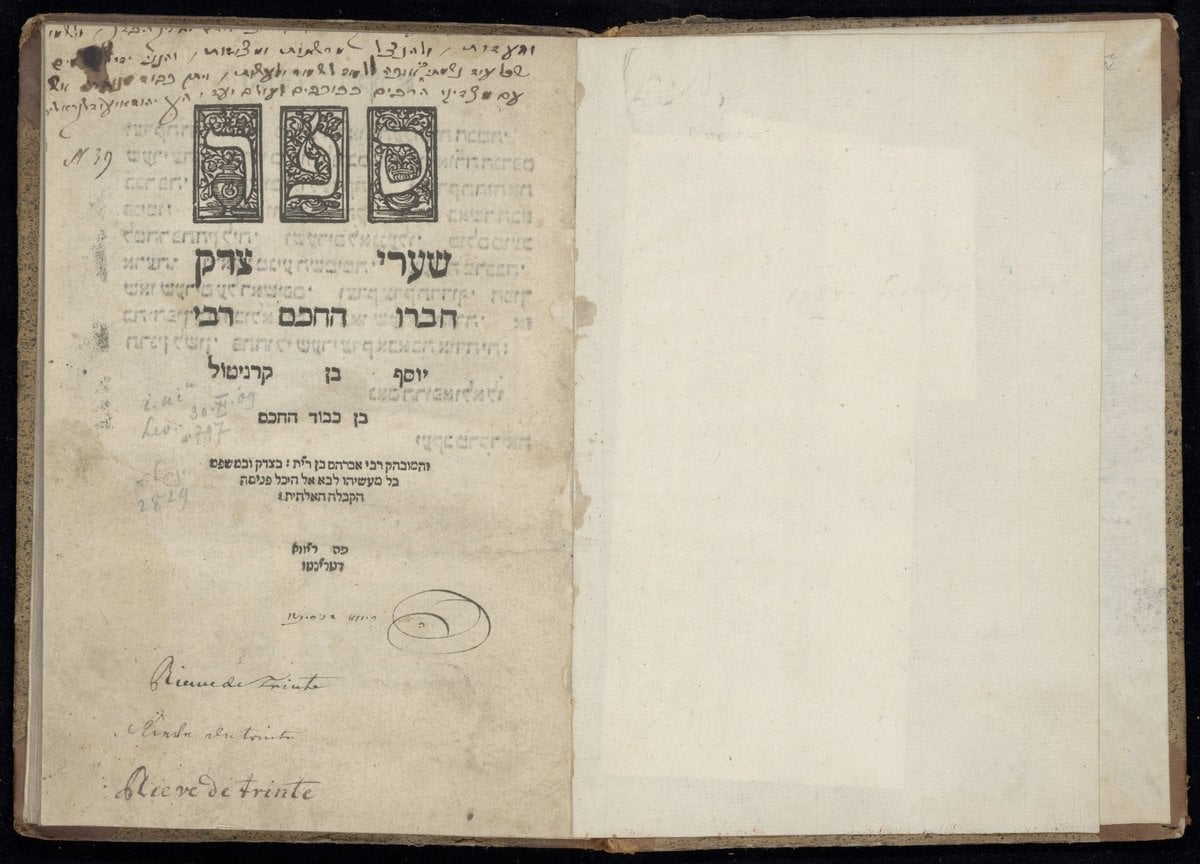
Gates of Righteousness
Gikatilla, Joseph ben Abraham
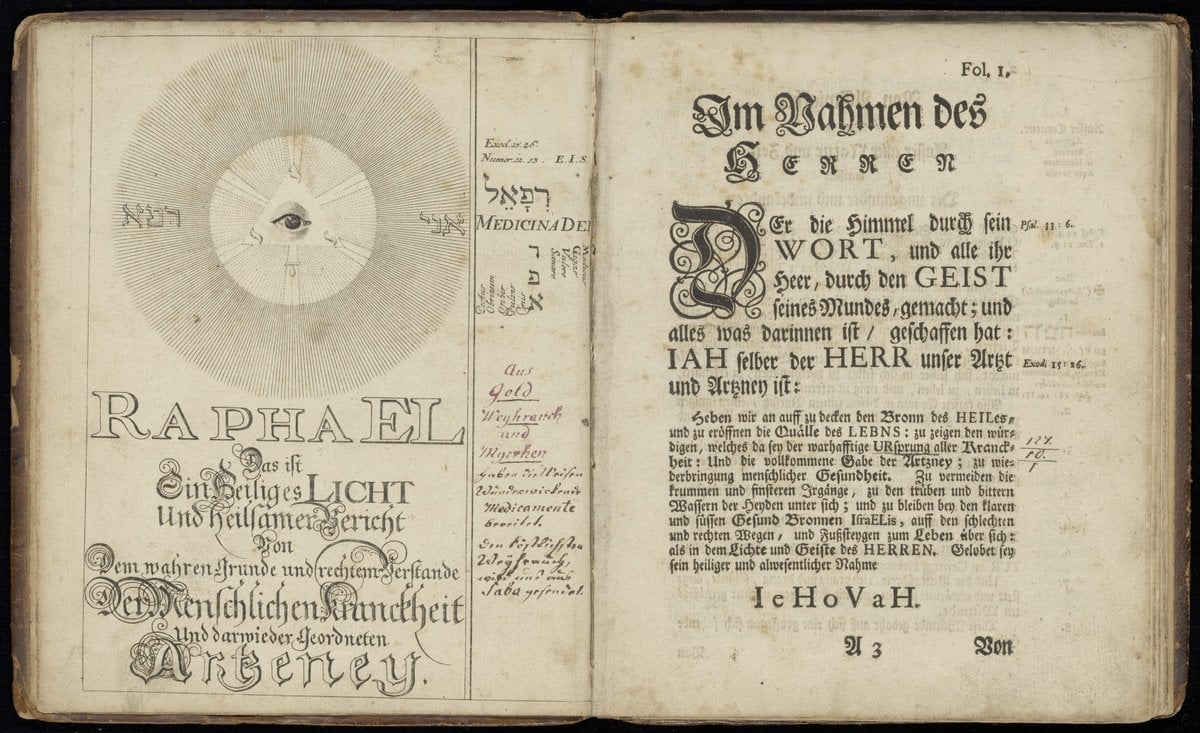
Raphael, or the Physician-Angel
Franckenberg, Abraham von
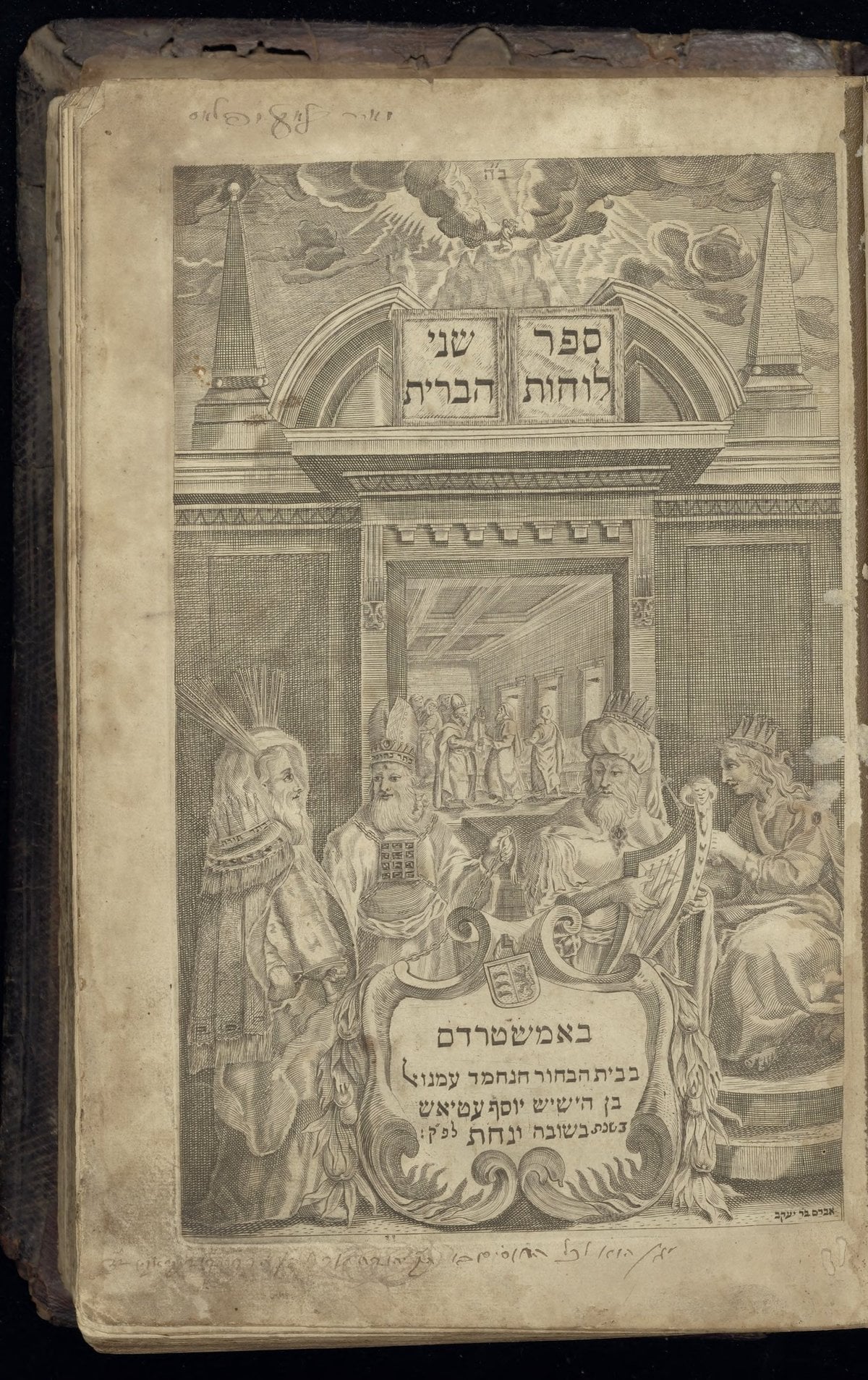
The Two Tablets of the Covenant
Horowitz, Isaiah ben Abraham Halevi
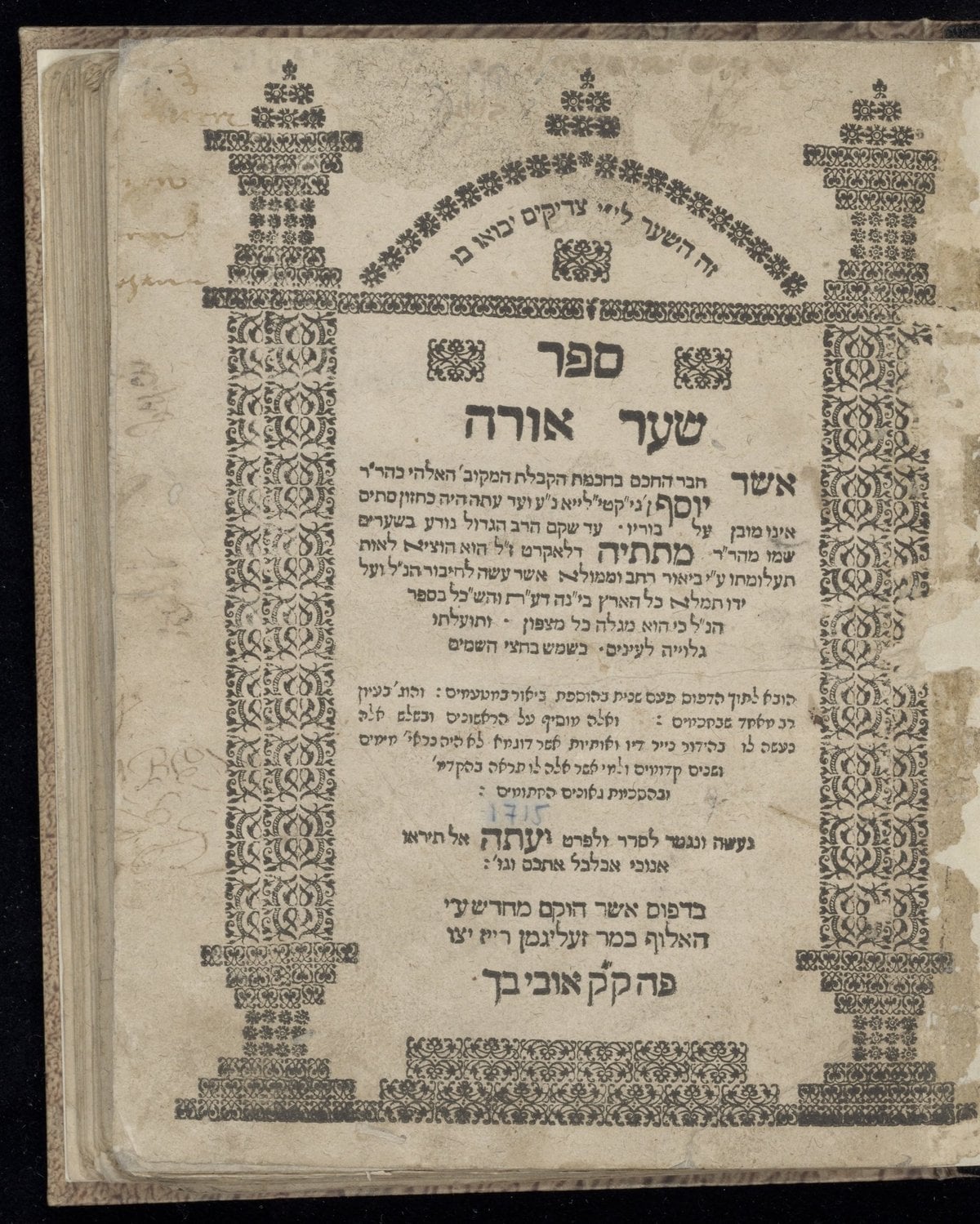
Gates of Light
Gikatilla, Joseph ben Abraham
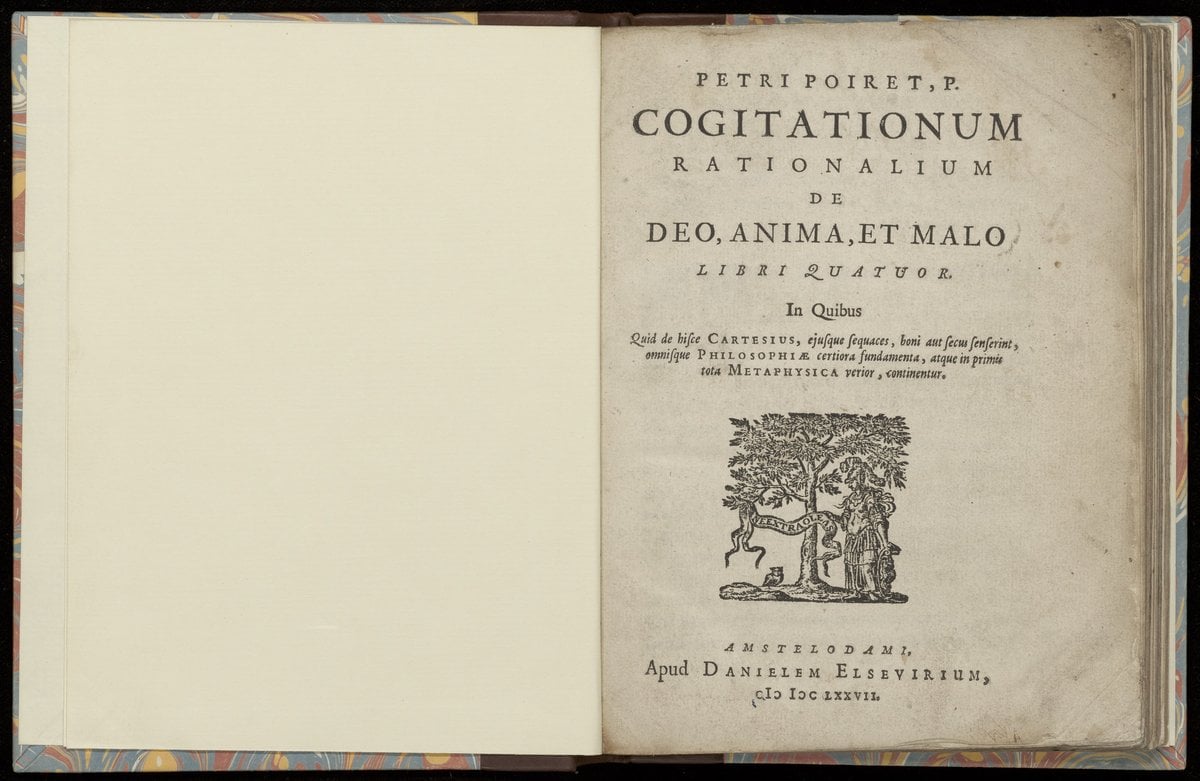
Rational Thoughts on God, the Soul, and Evil
Poiret, Pierre
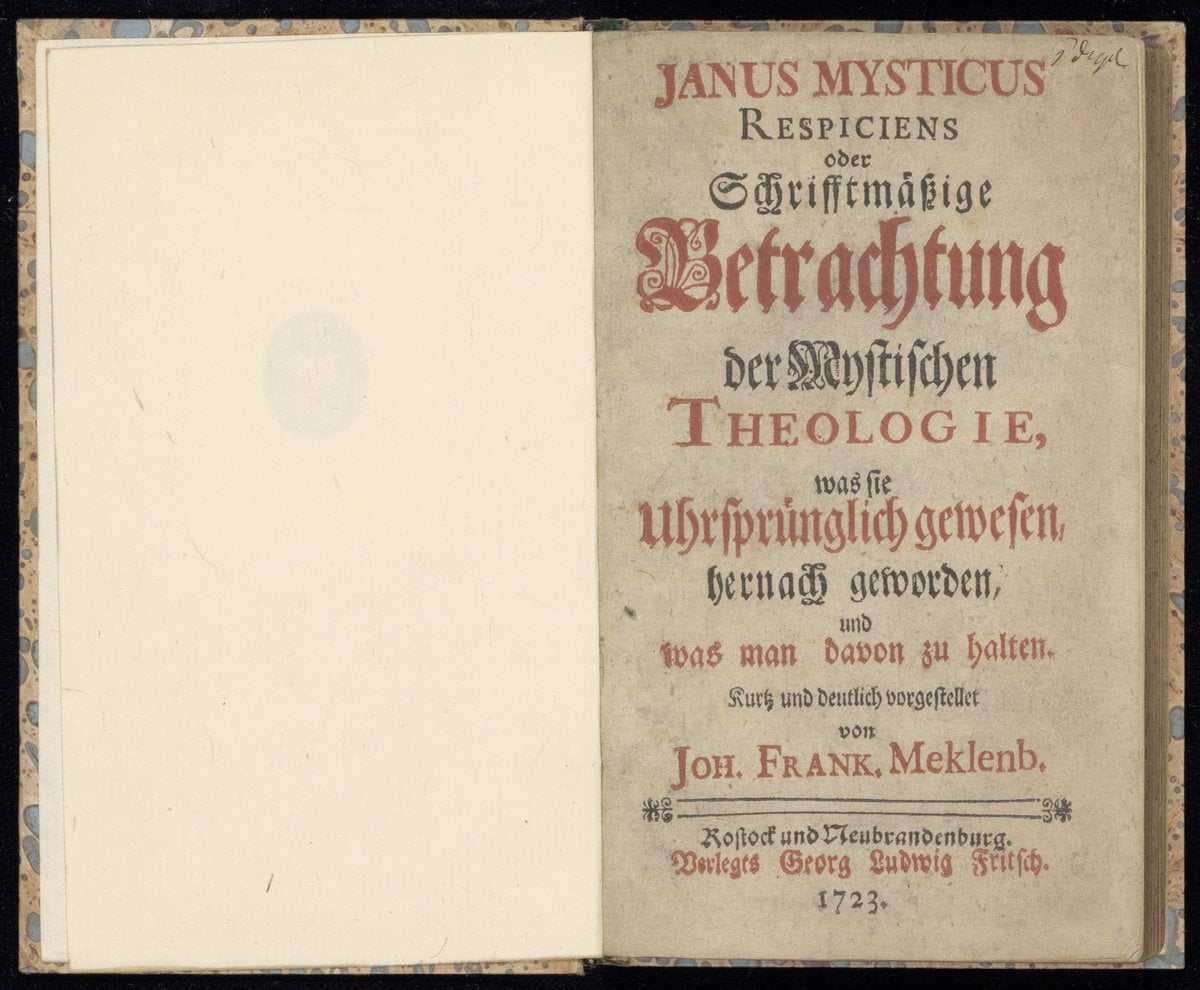
The Mystical Janus: A Scriptural Contemplation of Mystical Theology
Frank, Joh
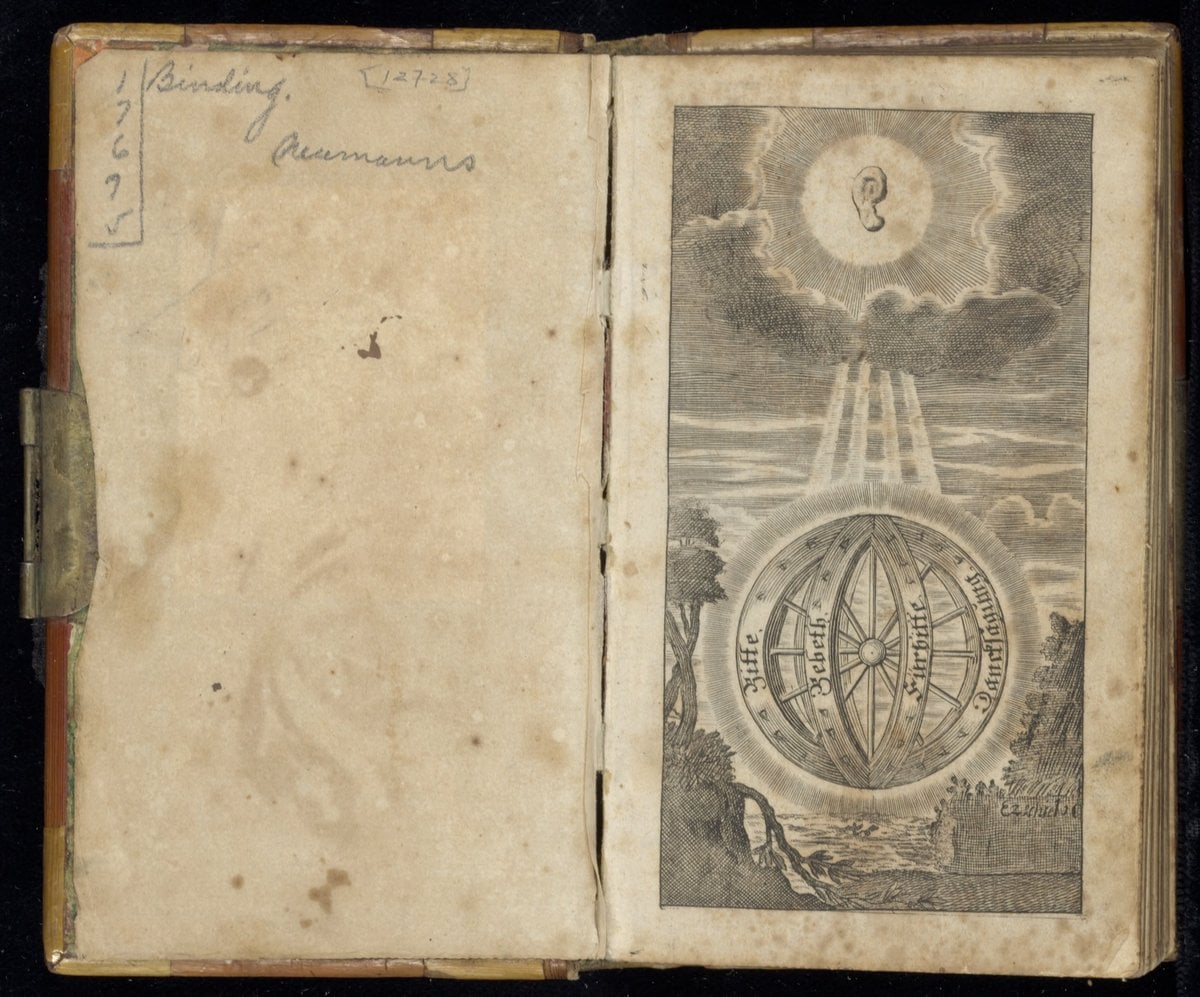
The Essence of All Prayers
Neumann, Caspar
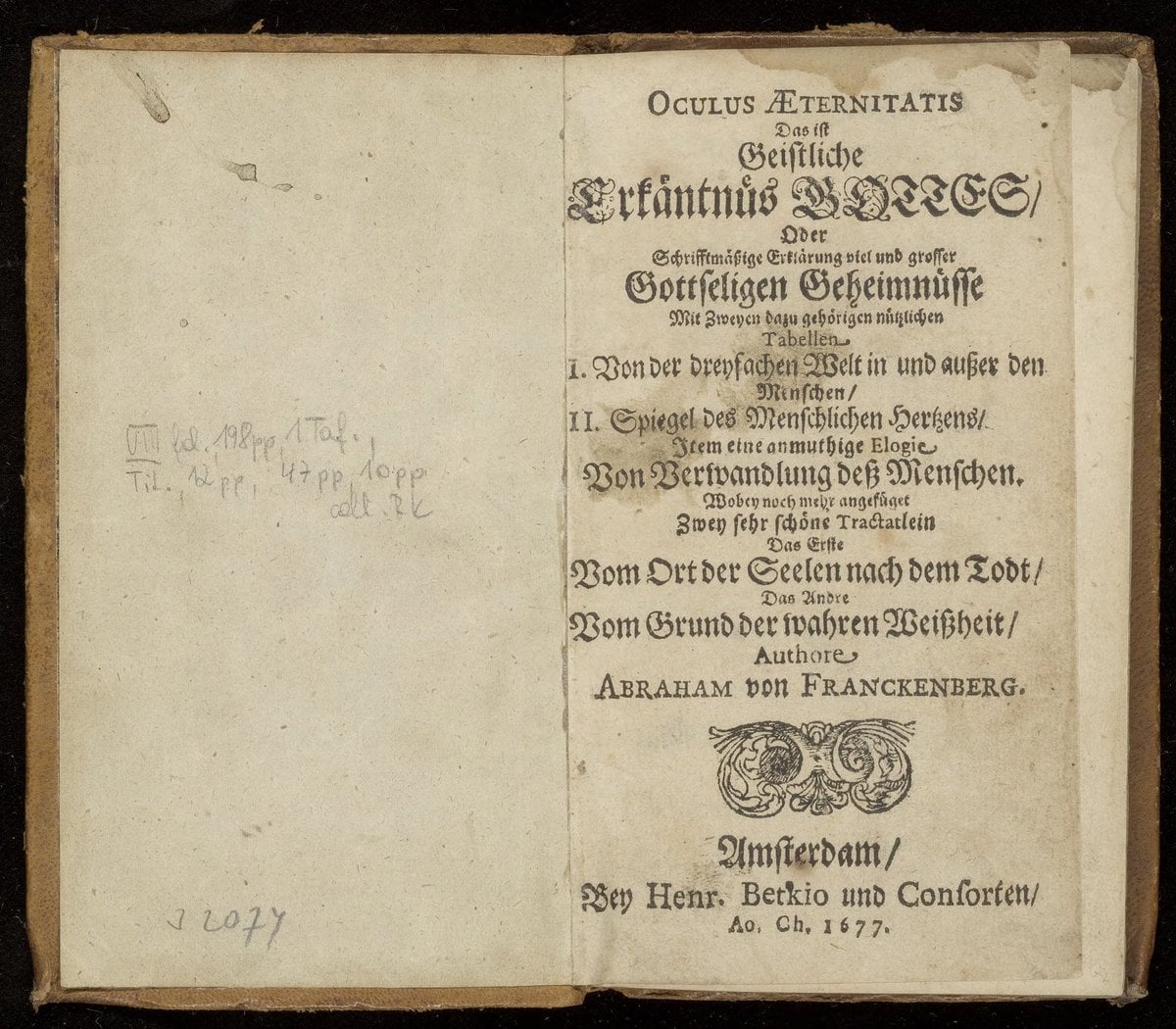
The Eye of Eternity: Spiritual Knowledge of God
Franckenberg, Abraham von
Gates of Light
Gikatilla, Joseph ben Abraham
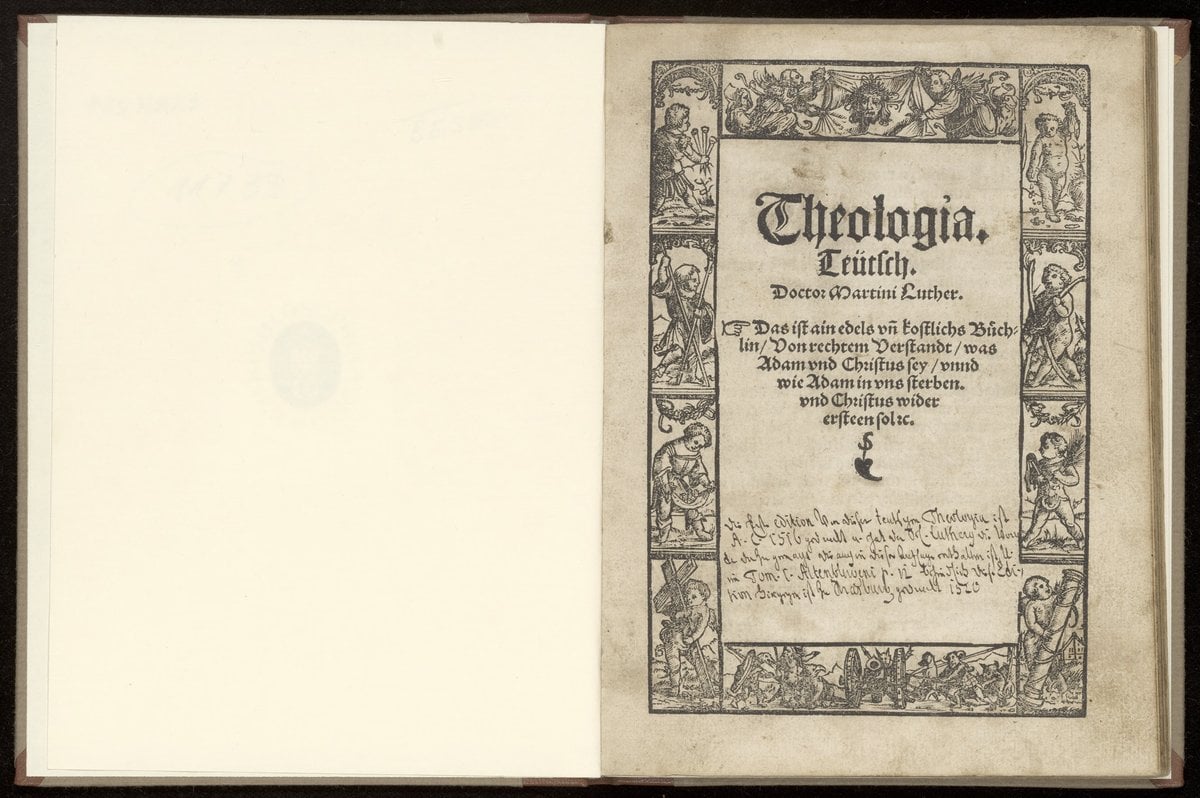
German Theology
Anonymous (The Frankfurtian)