


Illustrations
Browse all60 images extracted from 26 books
This intricate engraving depicts Johannes Kepler's revolutionary cosmological model from his 1596 work, Mysterium Cosmographicum. Kepler proposed that the distances between the six known planets could be explained by nesting the five Platonic solids within a series of spheres. This image represents a pivotal moment in the history of astronomy, blending classical geometry with early modern scientific inquiry.
This elaborate frontispiece from Athanasius Kircher's work on the 'Great Art of Knowledge' depicts Divine Wisdom presiding over the various branches of human learning. Personified figures of sciences such as Physics, Medicine, and Mathematics stand within a classical architectural setting, illustrating the Baroque ideal of a universal, interconnected system of knowledge under divine guidance.
This intricate frontispiece from Athanasius Kircher's 'Magnes sive de arte magnetica' (1641) features the double-headed eagle of the Holy Roman Empire, dedicated to Emperor Ferdinand III. The eagle's body serves as a shield for the title, while its talons hold symbols of power and scientific instruments, reflecting Kircher's attempt to unify imperial authority with the study of magnetism. Below, a detailed cityscape provides a terrestrial grounding for the celestial and heraldic symbols above.
An elaborate Baroque portrait engraving of Archduke Leopold Wilhelm of Austria, the dedicatee of Kircher's treatise. He is framed by a laurel wreath and surrounded by allegorical figures of Fame and Victory, while a collection of military trophies at the base emphasizes his role as Governor of the Spanish Netherlands. This frontispiece-style illustration serves to glorify the patron through classical and contemporary symbols of power and prestige.
This intricate woodcut serves as the title page for John Dee's seminal 1564 work, Monas Hieroglyphica. The central oval displays Dee's 'Hieroglyphic Monad,' a complex symbol intended to represent the unity of the cosmos through a synthesis of astrological and geometric forms. Surrounded by an architectural frame adorned with elemental labels and celestial figures, the page encapsulates the Renaissance quest to decode the hidden laws of nature.
A quintessential architectural study by Leonardo da Vinci, showing a centrally planned church in both perspective and plan. The accompanying mirror-written text provides insight into his theoretical considerations for sacred architecture, emphasizing symmetry and geometric harmony.

This iconic engraving from Robert Fludd's 'Utriusque Cosmi Historia' presents a visual summary of the universe as a 'Mirror of Nature.' At the top, the hand of God holds a chain linked to the female personification of Nature, who in turn guides a monkey representing human Art or ingenuity. The surrounding concentric circles detail the hierarchy of existence, from the terrestrial elements and biological kingdoms to the celestial spheres of the planets and fixed stars.

This iconic red chalk drawing is widely considered to be a self-portrait of Leonardo da Vinci, executed in his later years. It depicts the artist as a venerable sage with long, flowing hair and a beard, showcasing his mastery of anatomical detail and expressive line. The original work is held in the Royal Library of Turin.

This title page for Otto Brunfels' 'Herbarum Vivae Eicones' (1530) features a magnificent woodcut border by Hans Weiditz. It depicts a pantheon of figures associated with nature and healing, including Apollo, the Greek physician Dioscorides, and Hercules in the Garden of the Hesperides, framing the text that revolutionized botanical science through its commitment to realistic illustration.
The transformation of natural philosophy during the Renaissance — the Copernican revolution, Kepler's harmonics, Bacon's new method, and the emergence of mathematical approaches to nature.
All Books
Browse Full Catalog→324 books in this collection
Eight Books on Astrology
Julius Firmicus Maternus
On Presages, Prophecies, and Divinations
Paracelsus, Theophrastus
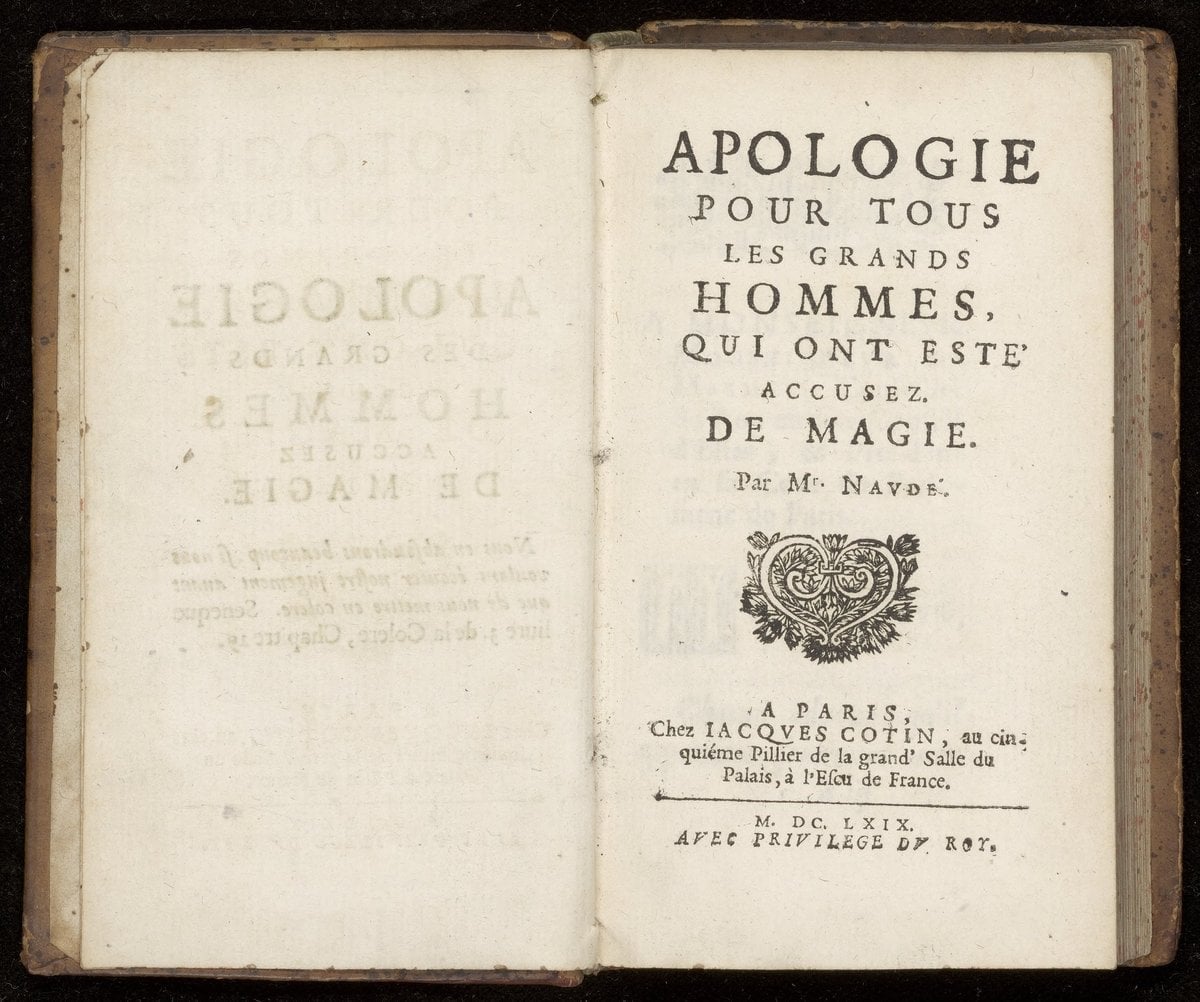
Apology for All the Great Men Accused of Magic
Naudé, Gabriel
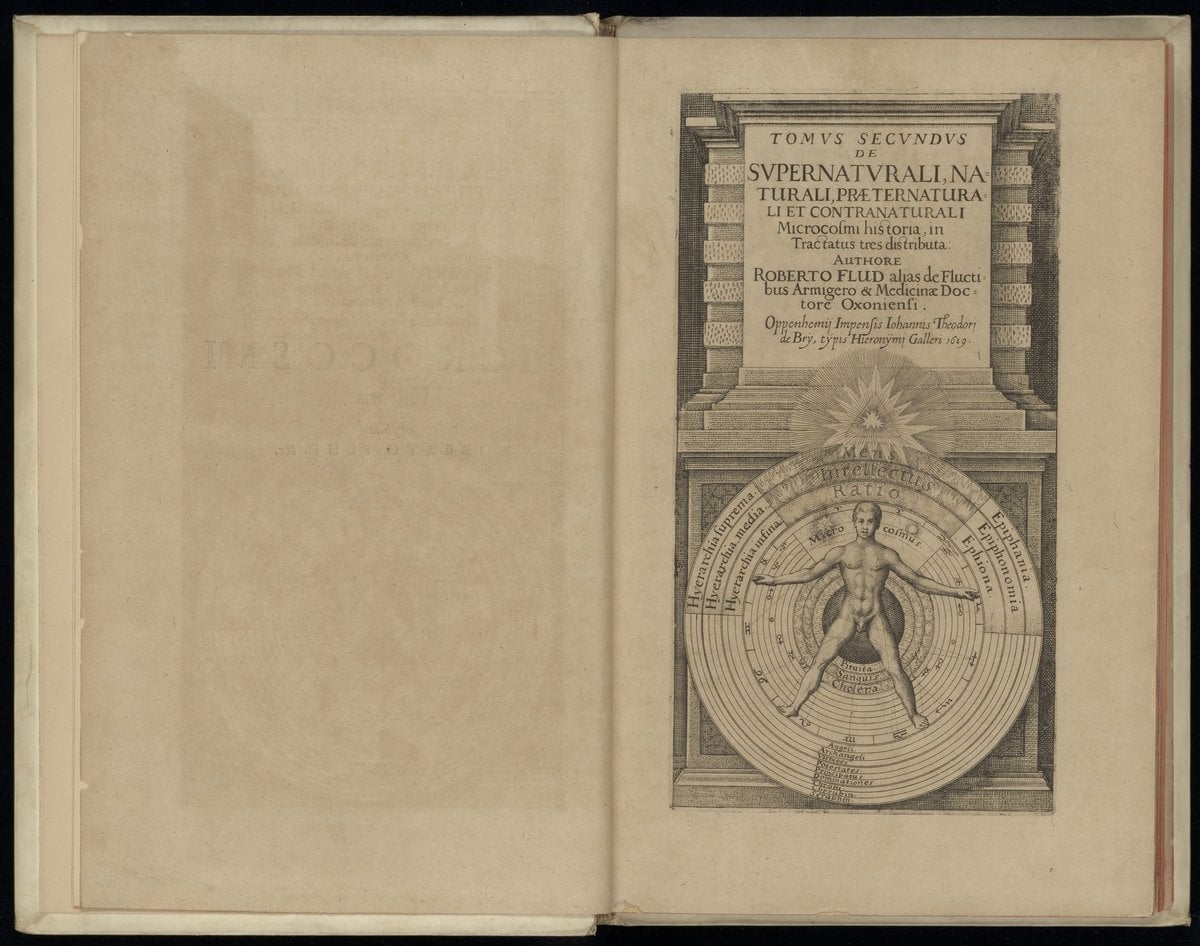
Second Volume of the History of the Microcosm
Fludd, Robert
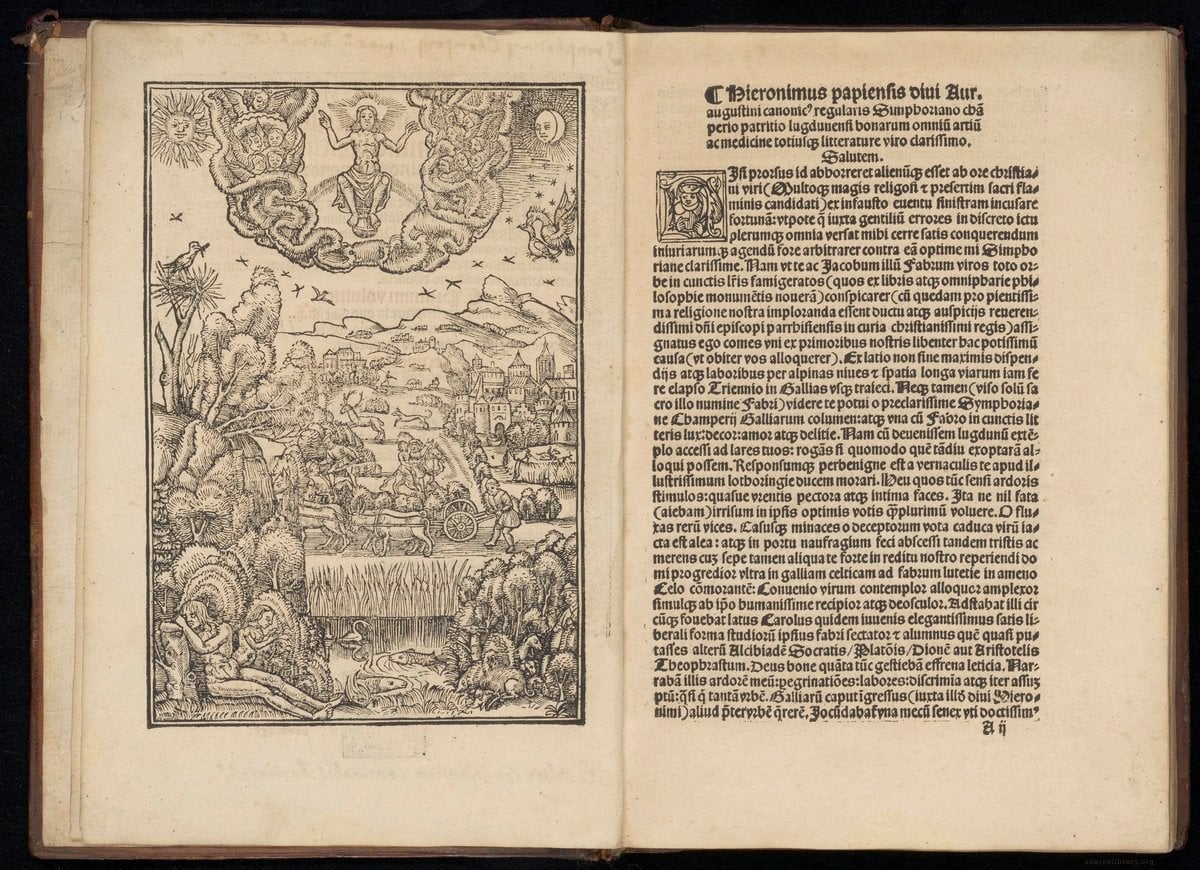
Four Volumes of Divine and Human Marvels
Champier, Symphorien
On Presages, Divination, and Astrological and Astronomical Fragments
Paracelsus
Bruno, or On the Divine and Natural Principle of Things
Schelling, Friedrich Wilhelm Joseph von
The Book of Meteors; Fourth Book of Paramirum on the Matrix
Paracelsus, Theophrastus
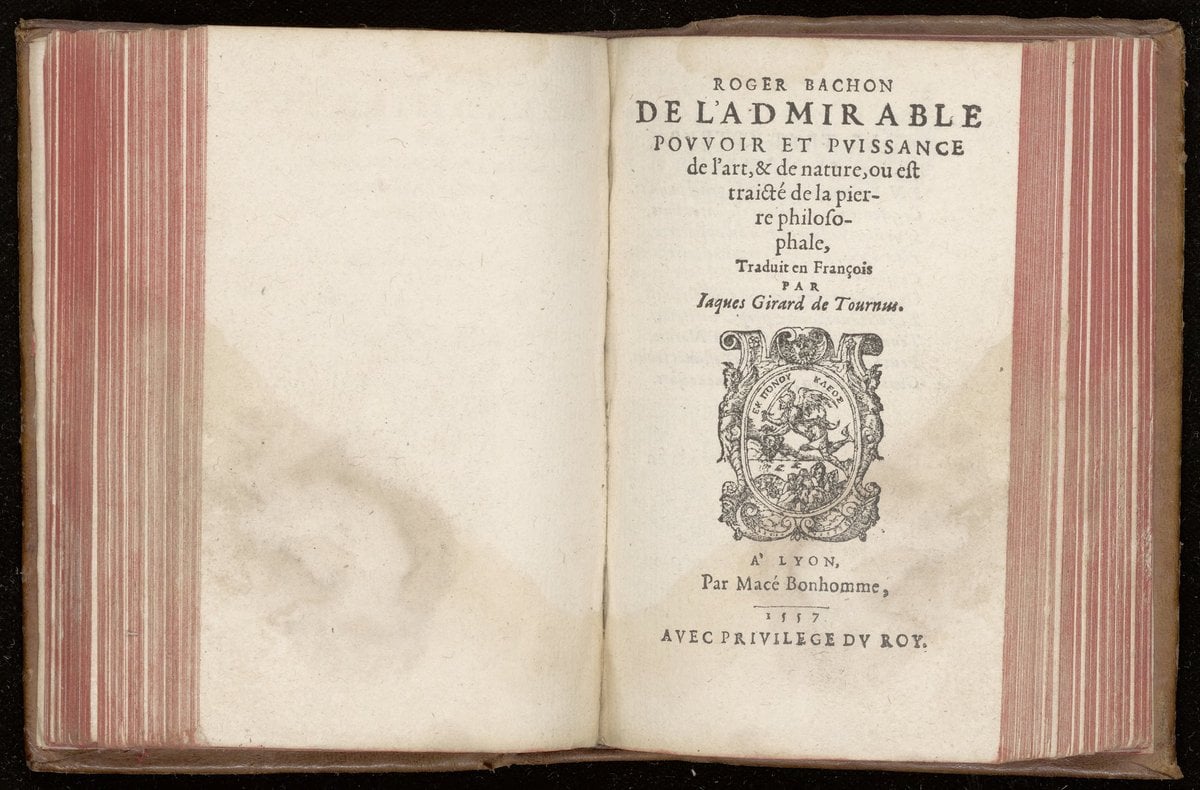
On the Marvelous Power of Art and Nature
Bacon, Roger
Practical Geometry
Bovelles, Charles de
The Reformed Sky
Bruno, Giordano
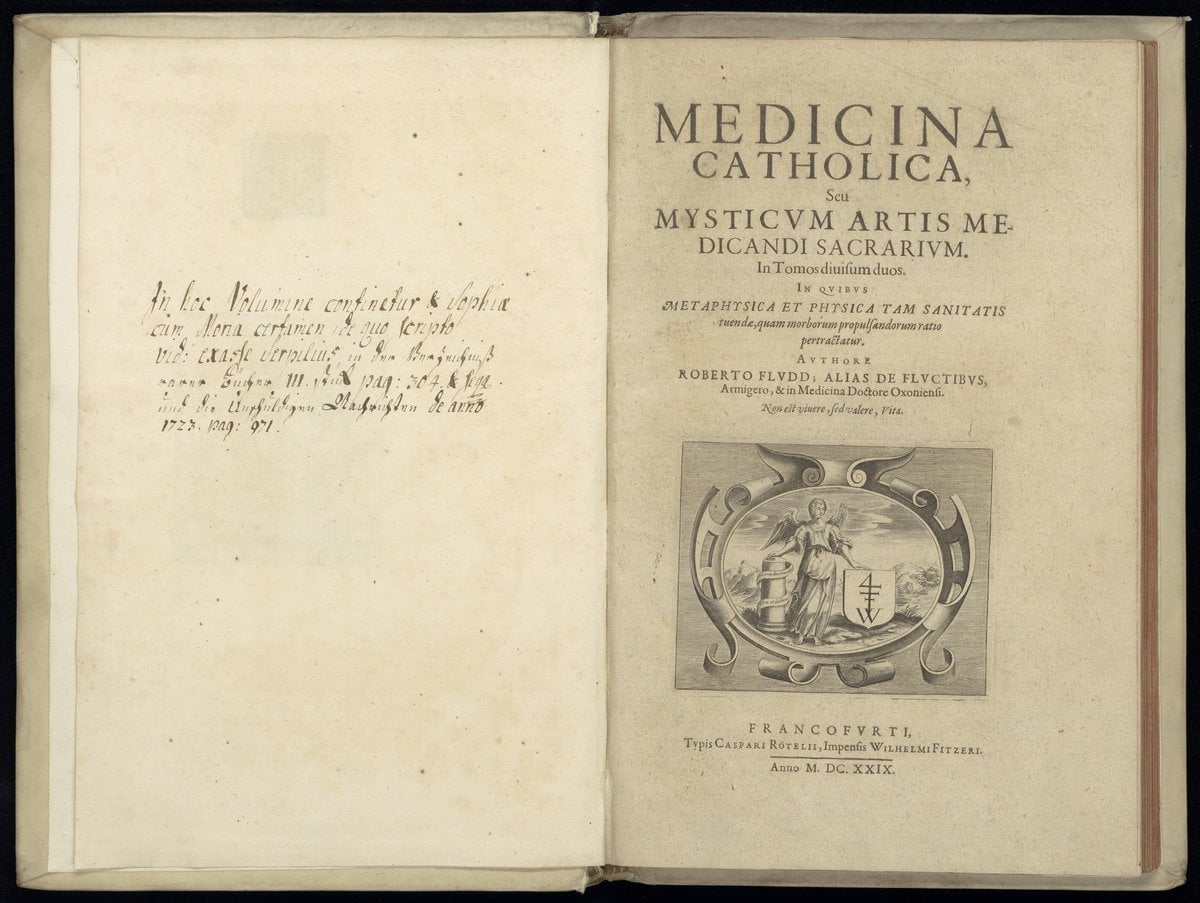
Universal Medicine, or the Mystic Sanctuary of the Healing Art
Fludd, Robert
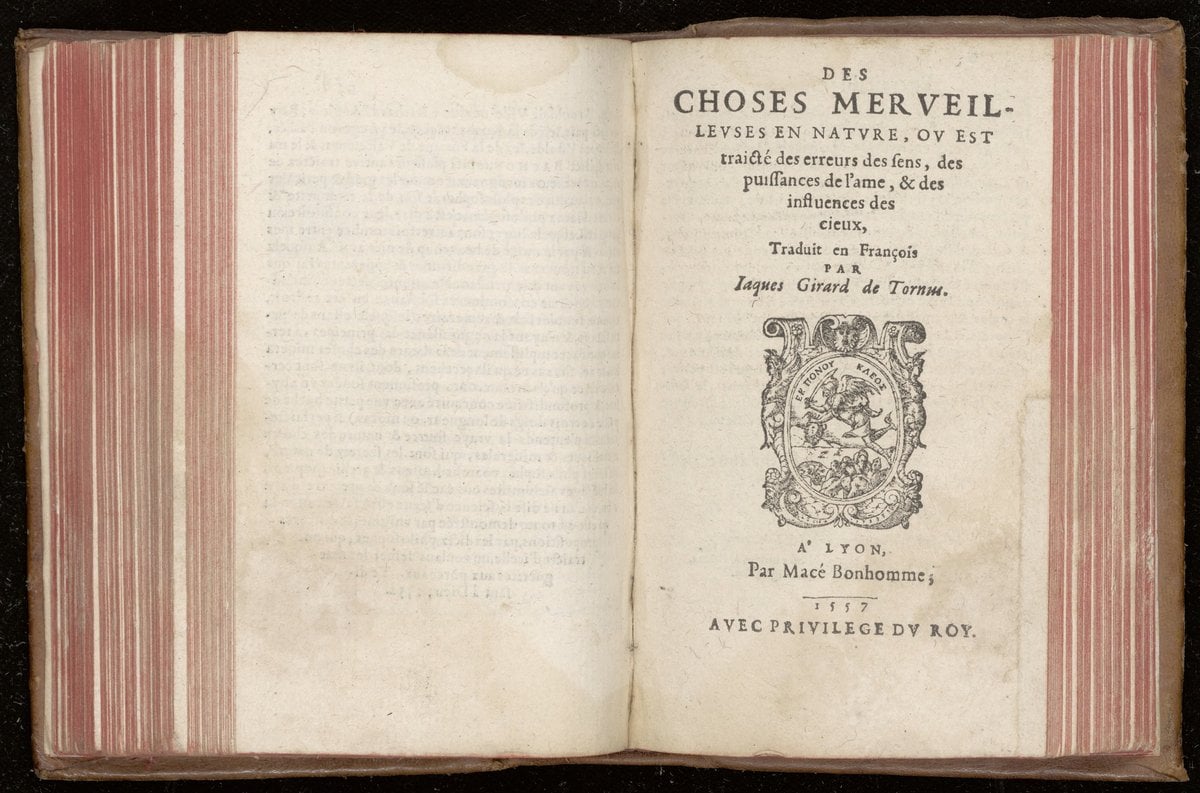
On the Marvelous Things in Nature
attr. Coelestinus, Claudius
The Heaven of the Philosophers and the Regimen of Life
Ulstad, Philip|Ficino, Marsilio