


Ritual & Ceremonial Magic
Solomonic grimoires, Agrippa Book III, conjuration, spirit-working
Illustrations
Browse all366 images extracted
This illustration depicts a crowned lion-headed serpent, a figure known in Gnostic tradition as Chnoubis, surrounded by a table of magical characters. According to the text, these characters are traced after zodiacal constellations and represent the names of various 'genii' or spirits. This image exemplifies the 19th-century revival of interest in ancient magical and astrological symbolism, as popularized by occultists like Eliphas Levi.
This intricate diagram is a magical pentacle from the 'Sepher Maphteah Shelomo' (Book of the Key of Solomon). It features a central symbolic vessel surrounded by a ring of Hebrew names and esoteric sigils used in ritual conjuration. Such illustrations were central to the practice of Solomonic magic, serving as tools for the protection of the practitioner and the command of spiritual entities.
This intricate woodcut, reproduced from the 1493 'Liber Chronicorum' (Nuremberg Chronicle), depicts the apocalyptic 'Reign of Antichrist.' The scene shows the Antichrist preaching to a diverse crowd while being prompted by a demon, as divine retribution looms above in the form of an angel with a sword. It serves as a powerful example of late medieval eschatological imagery and the masterful printmaking of Michael Wolgemut's workshop.
A dramatic scene depicting a group of Arabian magicians renouncing their sorceries before a saintly figure, likely St. Dominic, who holds an open book of scripture. The magicians are shown in various states of emotional distress and prayerful submission, symbolizing the triumph of religious faith over occult practices. In the foreground, two dogs fight, possibly representing the base nature of the magic being cast aside.
This woodcut from Heinrich Cornelius Agrippa's 'De Occulta Philosophia' (1533) illustrates the human body as a perfectly proportioned microcosm, harmoniously inscribed within a square. Surrounded by symbolic attributes such as the all-seeing eye and the serpent, the figure represents the intersection of physical form and divine order. This imagery was central to Renaissance thought, bridging the gap between natural philosophy, geometry, and the spiritual realm.
This woodcut from Heinrich Cornelius Agrippa’s seminal work, 'De Occulta Philosophia', illustrates the concept of man as a microcosm. A male figure is depicted within a circle, standing upon a cube and holding pentagrams, symbolizing the divine proportions and the integration of the human form with the celestial and terrestrial realms. This image is a quintessential example of Renaissance occult thought, blending geometry, anatomy, and mysticism.

This seminal illustration of Baphomet was created by the French occultist Eliphas Levi for his 1856 treatise, 'Dogme et Rituel de la Haute Magie'. The figure serves as a visual synthesis of the 'Great Work' in alchemy, representing the union of opposites through its androgynous features, the combination of human and animal elements, and the alchemical maxims 'SOLVE' (dissolve) and 'COAGULA' (congeal) inscribed on its arms. It remains the definitive representation of this symbolic entity, embodying the equilibrium of the universe.

This engraving illustrates the concept of 'La Philosophie' through the lens of human proportion and sacred geometry. A male figure is depicted within a circle, his outstretched arms holding pentagrams, symbolizing the microcosm's relationship to the macrocosm. The accompanying French text discusses the 'square measure' of the human body, a theme common in Renaissance and early modern architectural and philosophical treatises that sought to find divine order in the human form.

This portrait depicts the late Chief Daniel Henshaw, a prominent figure among the Ibibio people of Southern Nigeria during the early 20th century. He is shown in a confident pose, blending traditional authority with colonial-era influences as evidenced by his pith helmet and Western-style clothing. The image serves as a vital historical document of the social and political landscape described in P. Amaury Talbot's ethnographic study.
Ritual magic is the learned tradition of structured magical practice — the art of compelling or petitioning spiritual beings through precise words, gestures, symbols, and material preparations. Its roots run through late antique theurgy, medieval clerical conjuration, and Renaissance ceremonial synthesis. Iamblichus defended the practice in De Mysteriis Aegyptiorum, arguing that ritual was not coercion but a form of divine communion, a "constant attainment of foreknowledge" achieved through prescribed rites. The Picatrix, compiled in Arabic and translated into Latin by the thirteenth century, codified astrological image-magic — talismans crafted under precise planetary hours to channel celestial influences. The Clavicula Salomonis and its many manuscript descendants systematized conjuration into a disciplined art requiring circles, pentacles, consecrated instruments, and lengthy invocations of divine names.
The fifteenth and sixteenth centuries saw this tradition formalized by university-educated practitioners. Agrippa's De Occulta Philosophia Libri Tres provided the theoretical architecture, synthesizing Neoplatonic emanation, Kabbalistic letter-mysticism, and natural philosophy into a unified magical system. Trithemius's Steganographia — ostensibly a work on secret writing — encoded angelic conjurations within its cryptographic framework. The Liber Juratus Honorii, attributed to a legendary assembly of magicians, required the practitioner to bind his executors by oath to bury the book in his grave. John Dee's angelic conversations, published posthumously as A True and Faithful Relation, recorded years of scrying sessions that produced the Enochian system of angel magic. On the darker end of the spectrum, the Grimorium Verum and the Lemegeton catalogued demonic hierarchies with bureaucratic precision, assigning each spirit a rank, a seal, and a specialty.
What unites these texts is a conviction that the cosmos is populated by intelligences that can be addressed through correct procedure. The tradition bridges the philosophical — Iamblichus's theurgy, Agrippa's three worlds of magic — and the practical: how to draw a circle, when to begin an operation, which names of God to pronounce. Source Library holds over a hundred translated works in this tradition, from the great Latin syntheses to manuscript grimoires in Hebrew and French, many appearing in English for the first time.
Essential Reading
The foundational texts of this tradition
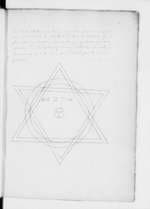
The Key of Solomon
Pseudo-Solomon, 1601
The foundational Solomonic grimoire in a 1601 Latin manuscript. Contains the full apparatus of ceremonial conjuration: pentacles, divine names, consecration rites, and spirit hierarchies that shaped every subsequent grimoire tradition.
The Goal of the Wise
Pseudo-Maslama al-Majriti, 1500
The Latin Picatrix — the most influential treatise on astrological image-magic in the Western tradition. Originally compiled in Arabic as Ghayat al-Hakim, it instructs the reader in crafting talismans under precise planetary configurations.
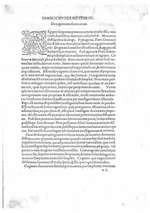
On the Mysteries of the Egyptians
Iamblichus; Proclus; Porphyry; trans. Marsilio Ficino, 1497First from Latin
The 1497 Latin edition of Iamblichus's defense of theurgy, printed alongside Proclus and Porphyry. A foundational text arguing that ritual practice is a legitimate path to divine knowledge — not mere superstition but philosophical communion.
Steganography: The Art of Secret Writing
Johannes Trithemius, 1621
Trithemius's cryptographic masterpiece, first printed in 1621 though composed around 1499. Encodes systems of angelic conjuration within an elaborate framework of secret writing. A key link between ceremonial magic and early modern cryptography.
Important Works
Significant texts that deepen understanding
Sworn Book of Honorius
Honorius of Thebes (attr.), 1300
The Sworn Book of Honorius — a medieval Latin grimoire attributed to a legendary convocation of magicians. One of the oldest surviving European grimoires, requiring elaborate oaths of secrecy and ritual purity.
The Key of Solomon
Anonymous, 1914First Complete Translation
A Hebrew manuscript of the Key of Solomon, offering a rare window into the Jewish transmission of Solomonic magic. First English translation in Source Library.
A True & Faithful Relation of Dr. John Dee and Some Spirits
John Dee / Meric Casaubon, 1659
Meric Casaubon's 1659 publication of John Dee's angelic diaries — the primary source for the Enochian magical system. Records years of scrying sessions conducted with Edward Kelley.
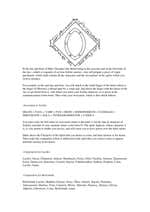
Grimorium Verum (The True Grimoire)
Alibeck the Egyptian (attr.), 1750
A compact grimoire of the Solomonic tradition, containing conjurations, pacts, and instructions for crafting the Mirror of Solomon. Representative of the practical grimoire tradition that circulated widely in early modern Europe.
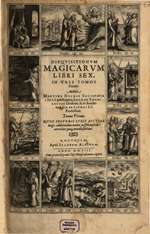
Disquisitionum Magicarum Libri Sex
Martin Del Rio, 1603First Complete Translation
Martin Del Rio's encyclopedic 1603 treatise on magic and witchcraft from a Jesuit perspective. Six books examining every form of magical practice — a hostile but extraordinarily detailed survey. First English translation.
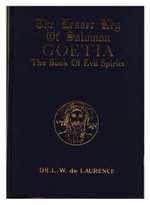
The Lesser Key of Solomon (Goetia)
Anonymous; L.W. de Laurence, 1916
The Lesser Key of Solomon, cataloguing 72 demons with their seals, ranks, and powers. The most widely circulated text of the Goetic tradition.
Also Notable
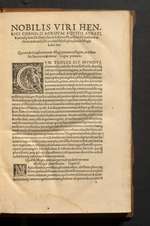
Three Books of Occult Philosophy
Heinrich Cornelius Agrippa, 1533
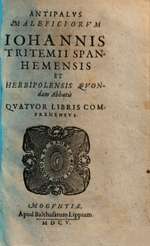
The Enemy of Witchcraft
Johannes Trithemius, 1508
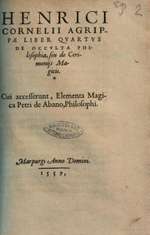
Magical Elements (Heptameron) and Agrippa's Fourth Book
Pietro d'Abano; Agrippa, 1559
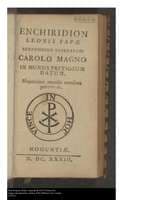
The Enchiridion of Pope Leo
Pseudo-Leo III, 1633First Translation
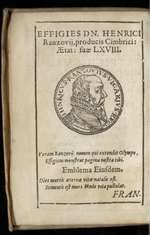
Philosophical Magic
Patrizi, Francesco|Zoroaster|Hermes Trismegistus, 1593First Complete Translation
The Key of Solomon
Rabin Abognazar / Barault, 1634
Demotic Magical Papyrus of London and Leiden, Vol. 3
F. Ll. Griffith & Herbert Thompson, 1904First Translation
King James: Daemonologie (1597 First Edition)
King James I of England, 1597
All Books
Browse Full Catalog→108 books in this collection
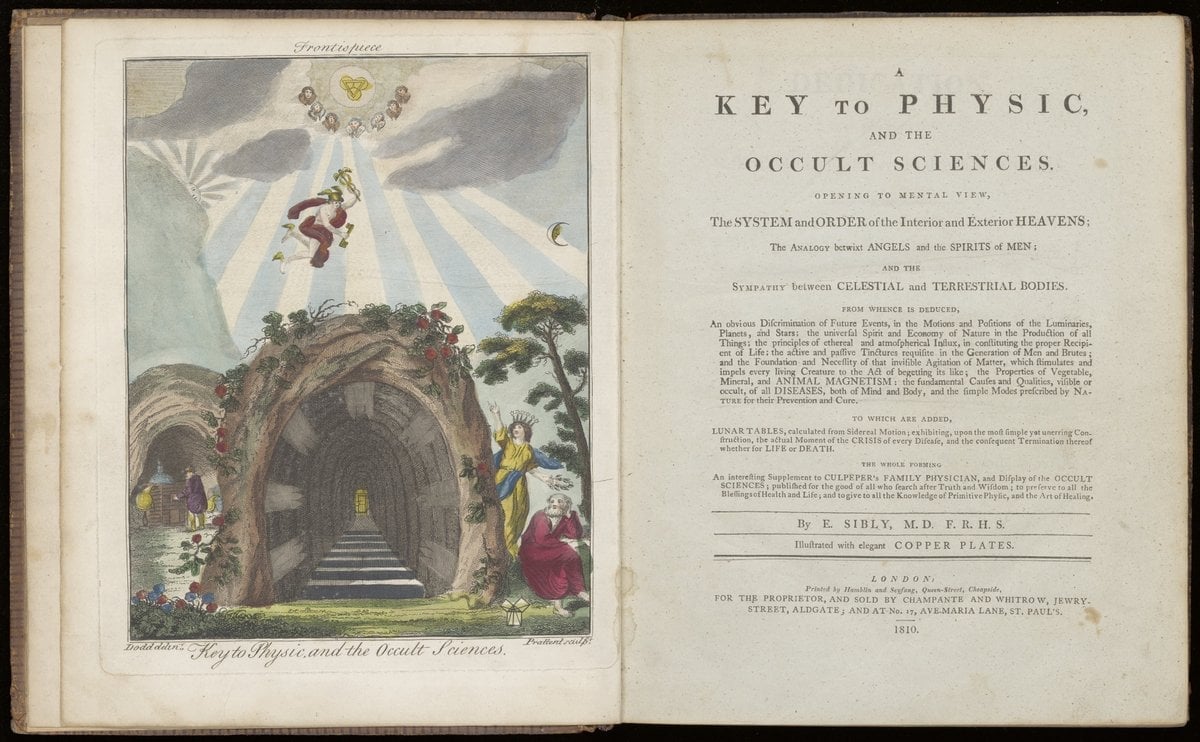
A key to physic, and the occult sciences
Sibly, Ebenezer
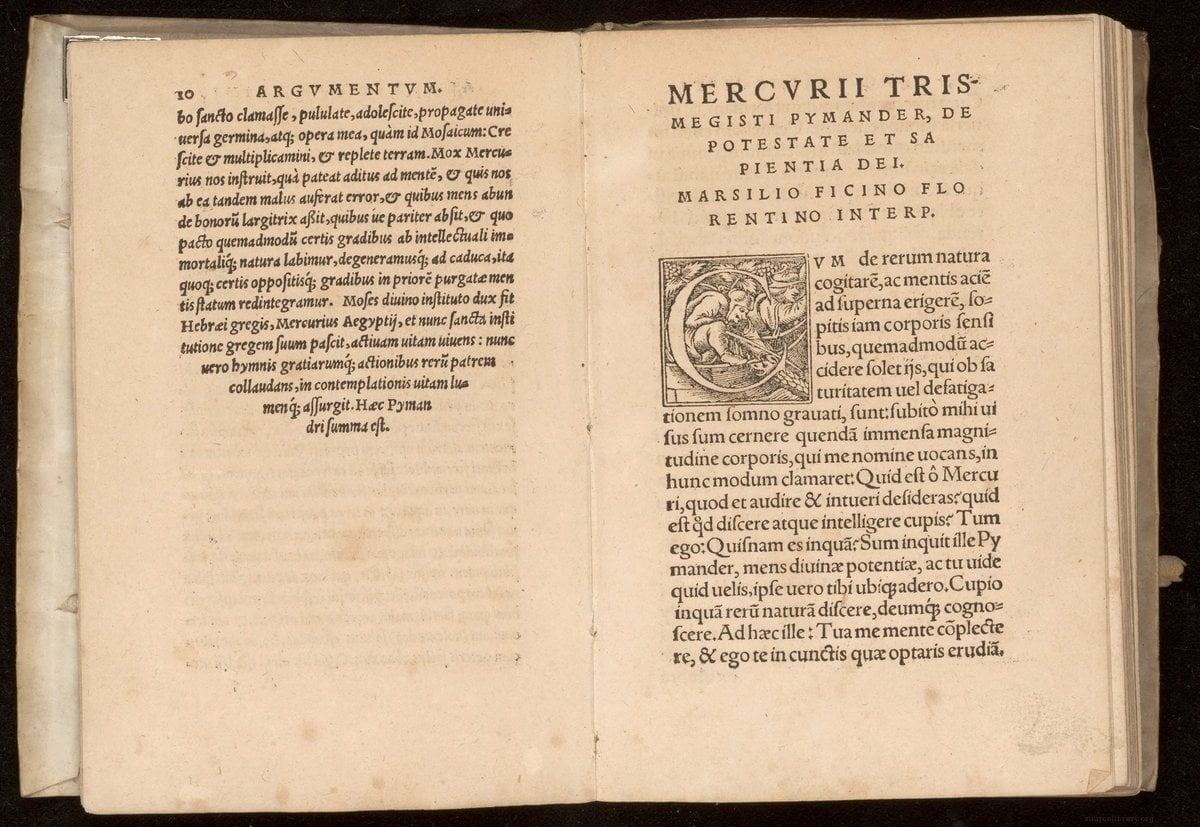
Pymander. Asclepius. On the Mysteries of the Egyptians. On Plato's Alcibiades, on the Soul and the Daemon. On Sacrifice.
Hermes Trismegistus|Jamblichus|Proclus
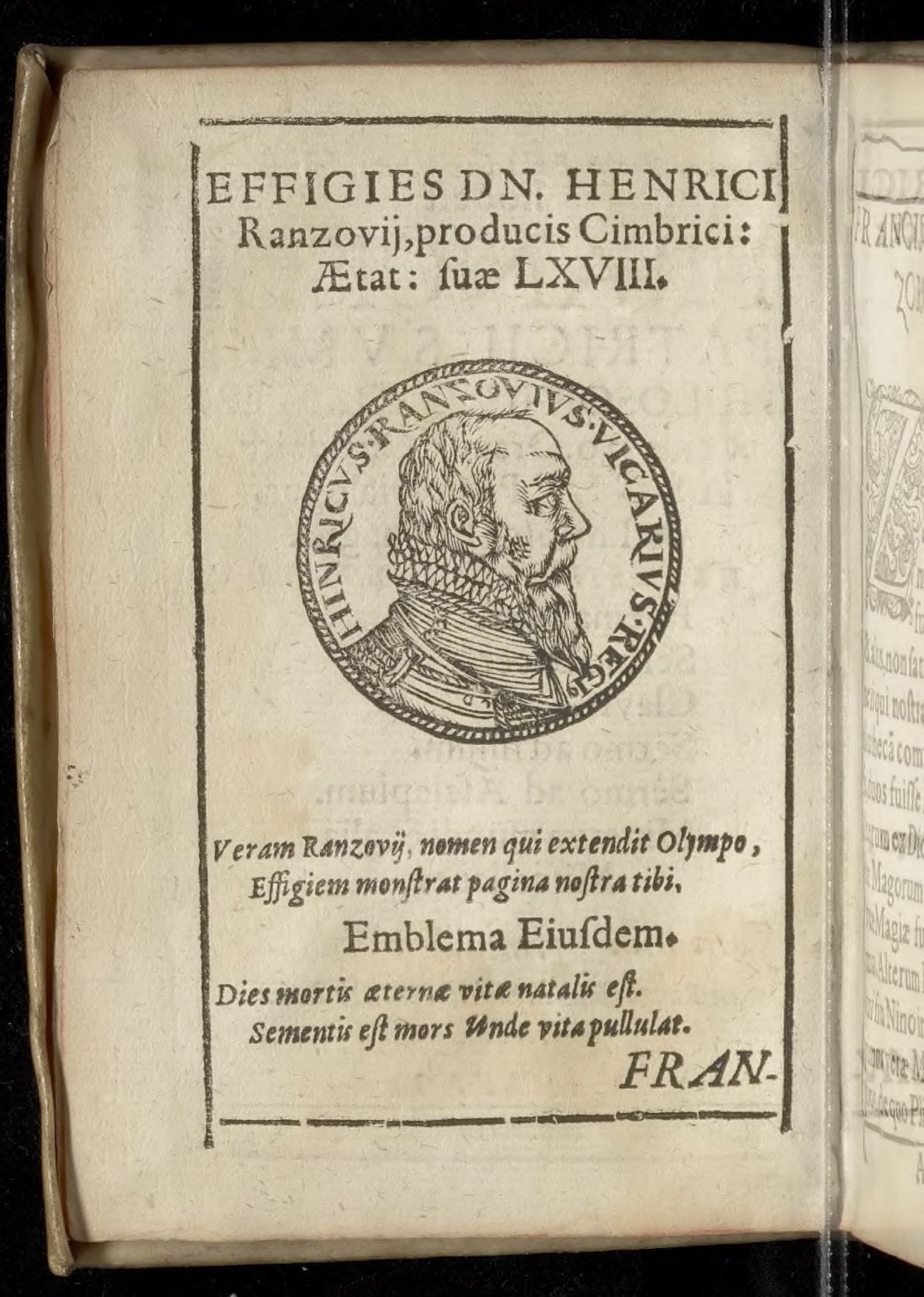
Philosophical Magic
Patrizi, Francesco|Zoroaster|Hermes Trismegistus
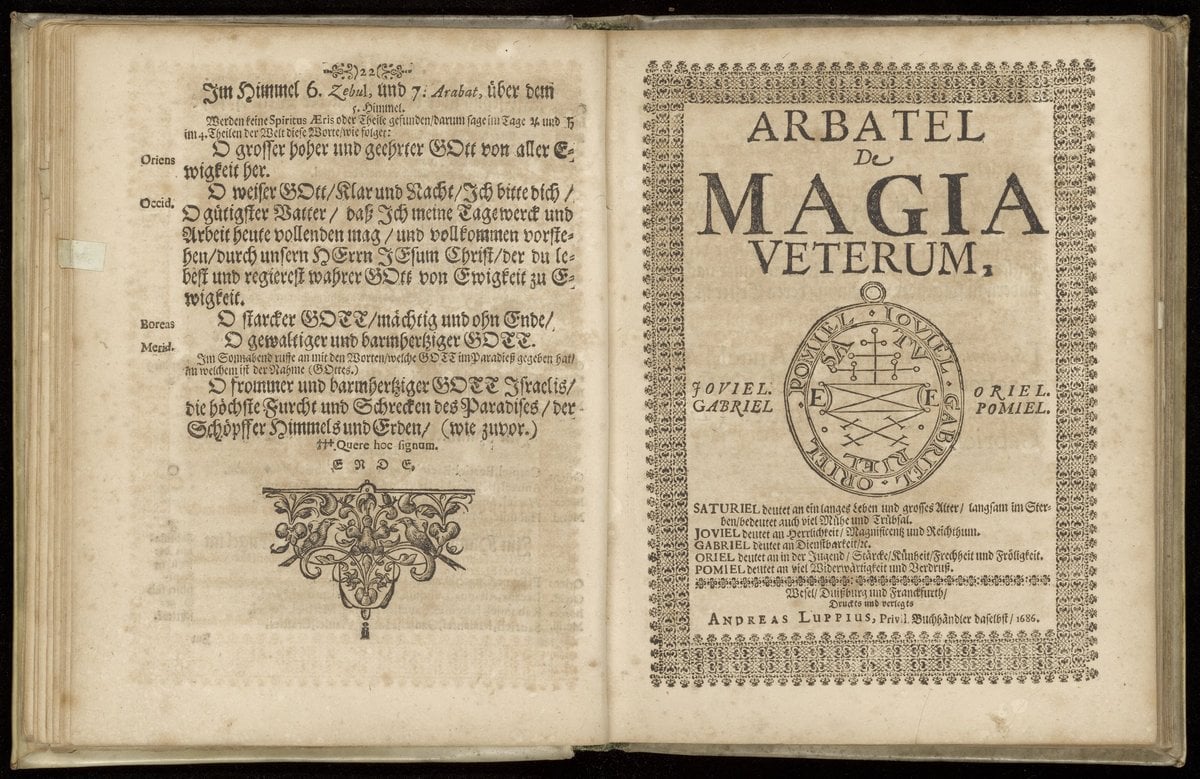
Arbatel: On the Magic of the Ancients
Anonymous
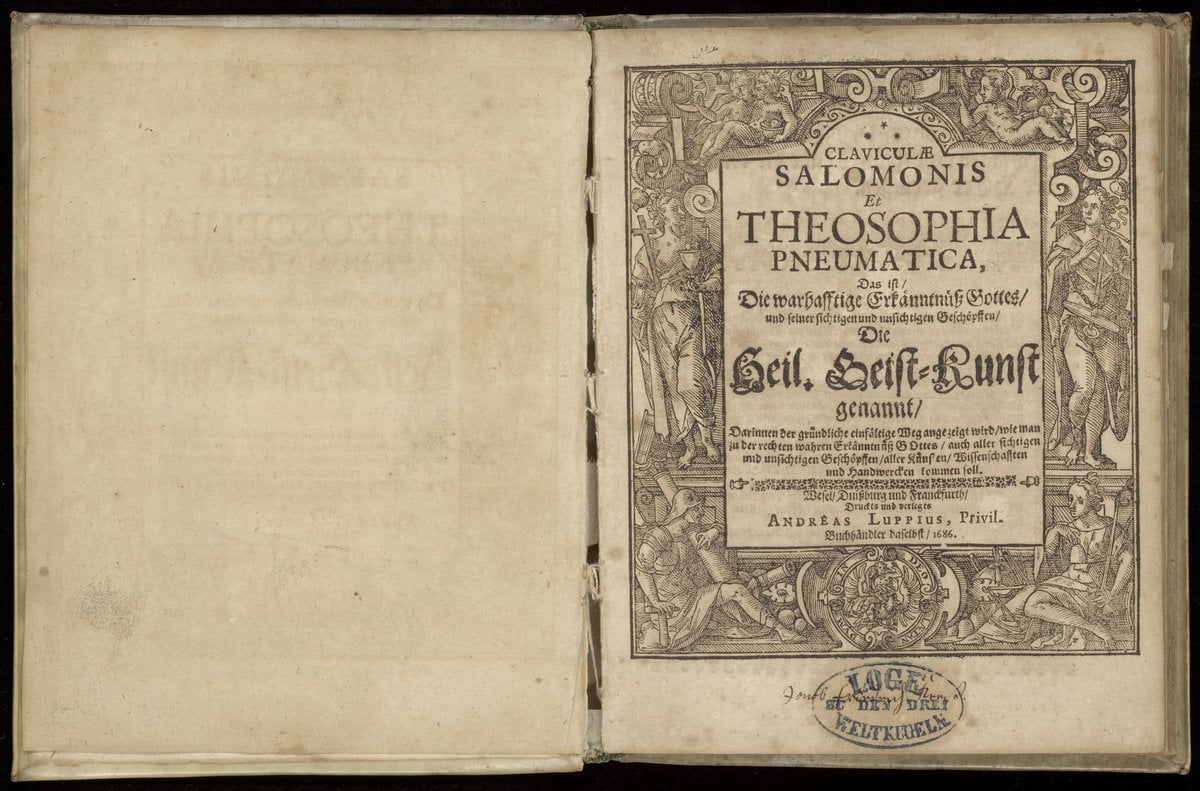
The Key of Solomon and Pneumatic Theosophy
Anonymous
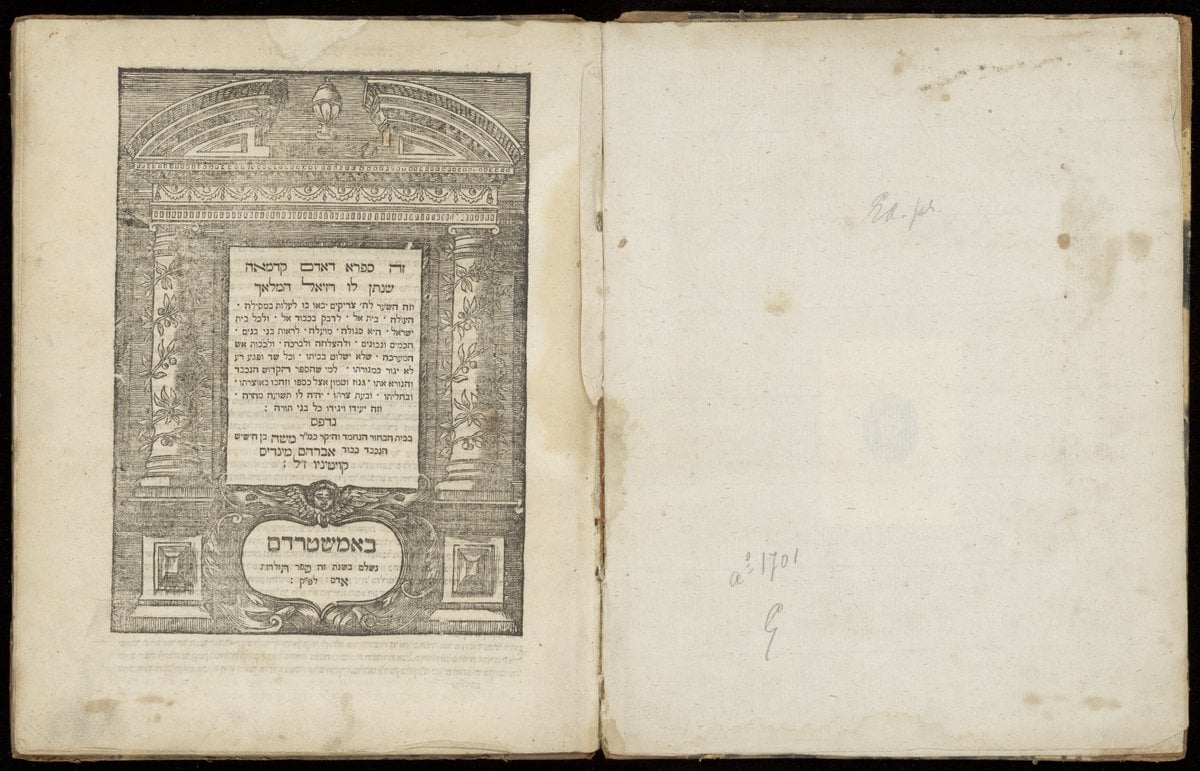
The Book of the Angel Raziel
Unknown
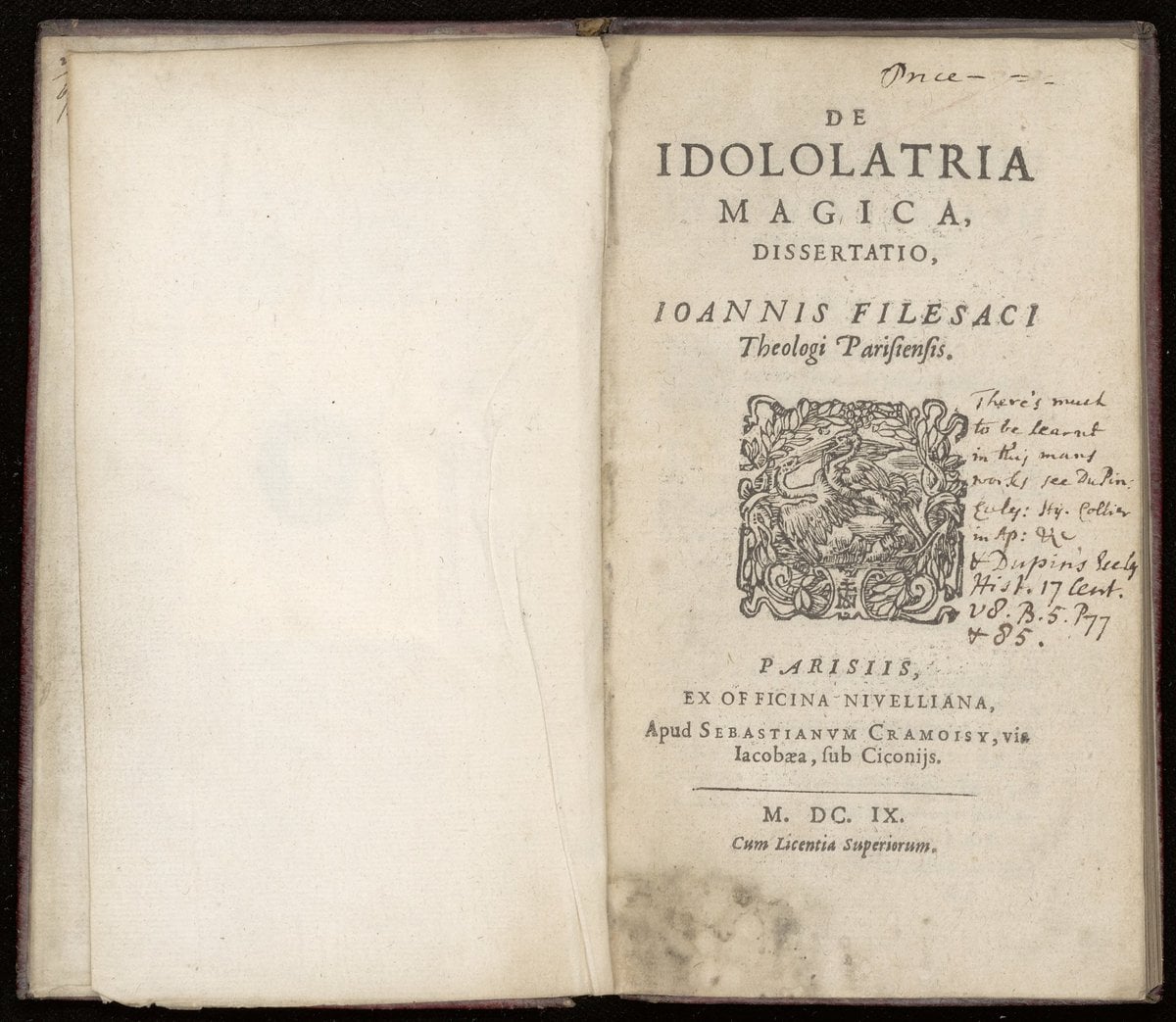
Dissertation on Magical Idolatry
Filesac, Jean
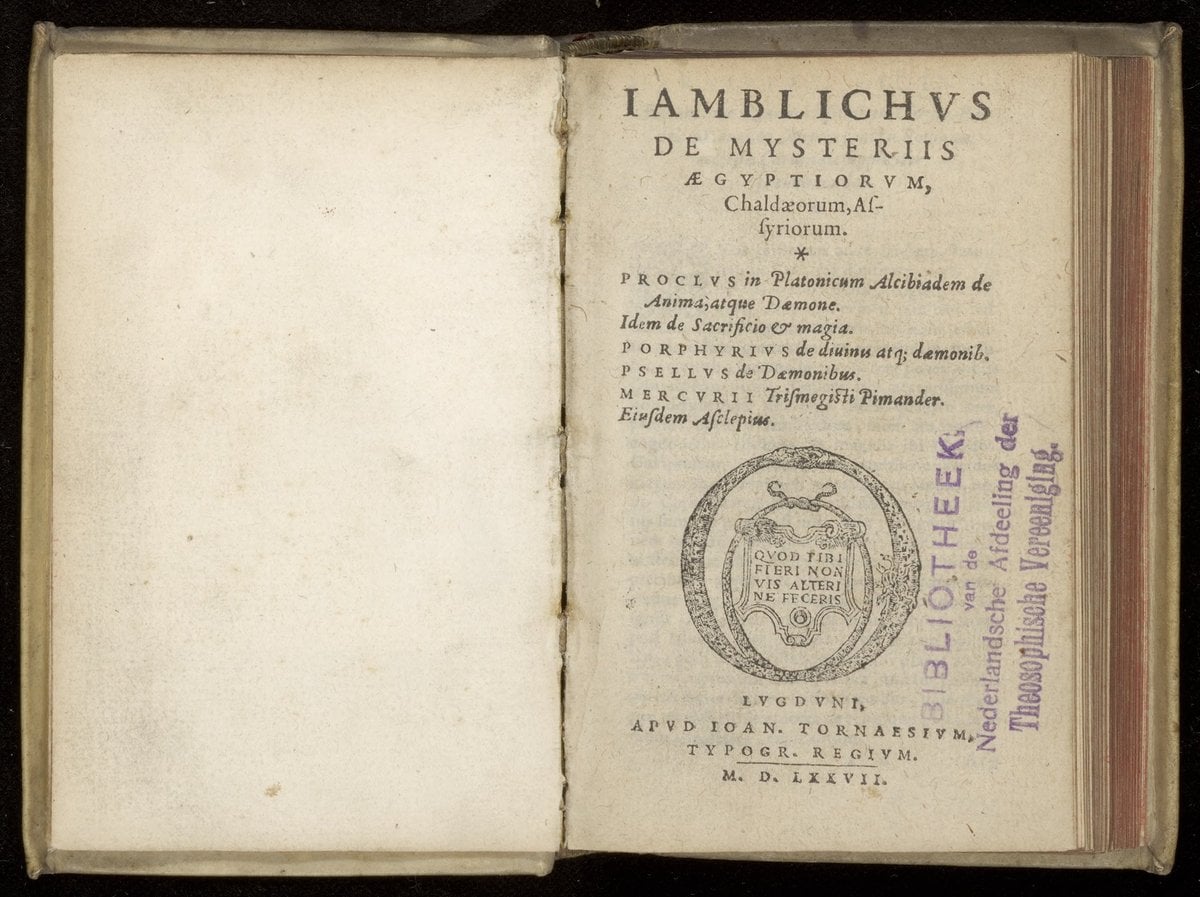
On the Mysteries of the Egyptians
Jamblichus|Proclus|Porphyrius|Psellus|Hermes Trismegistus
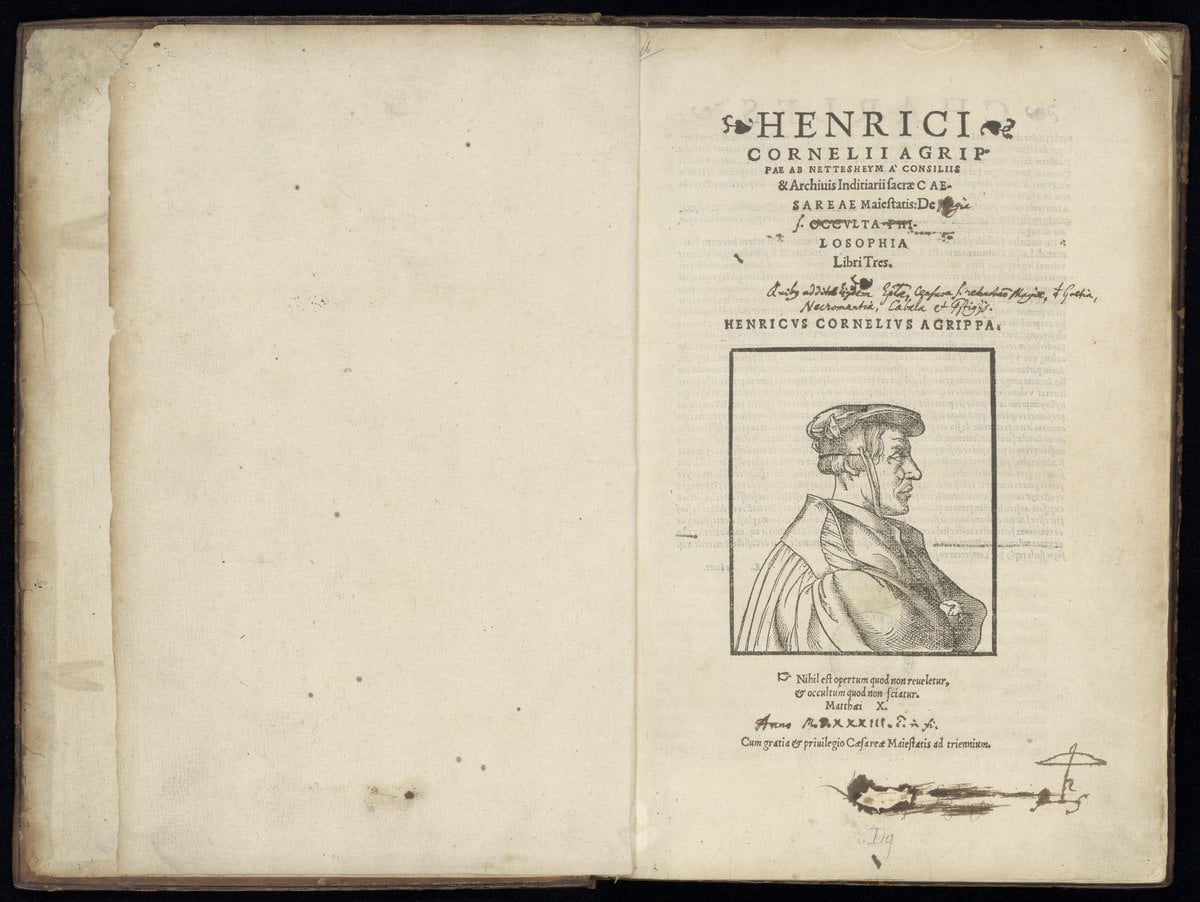
Three Books of Occult Philosophy
Agrippa, Henricus Cornelius
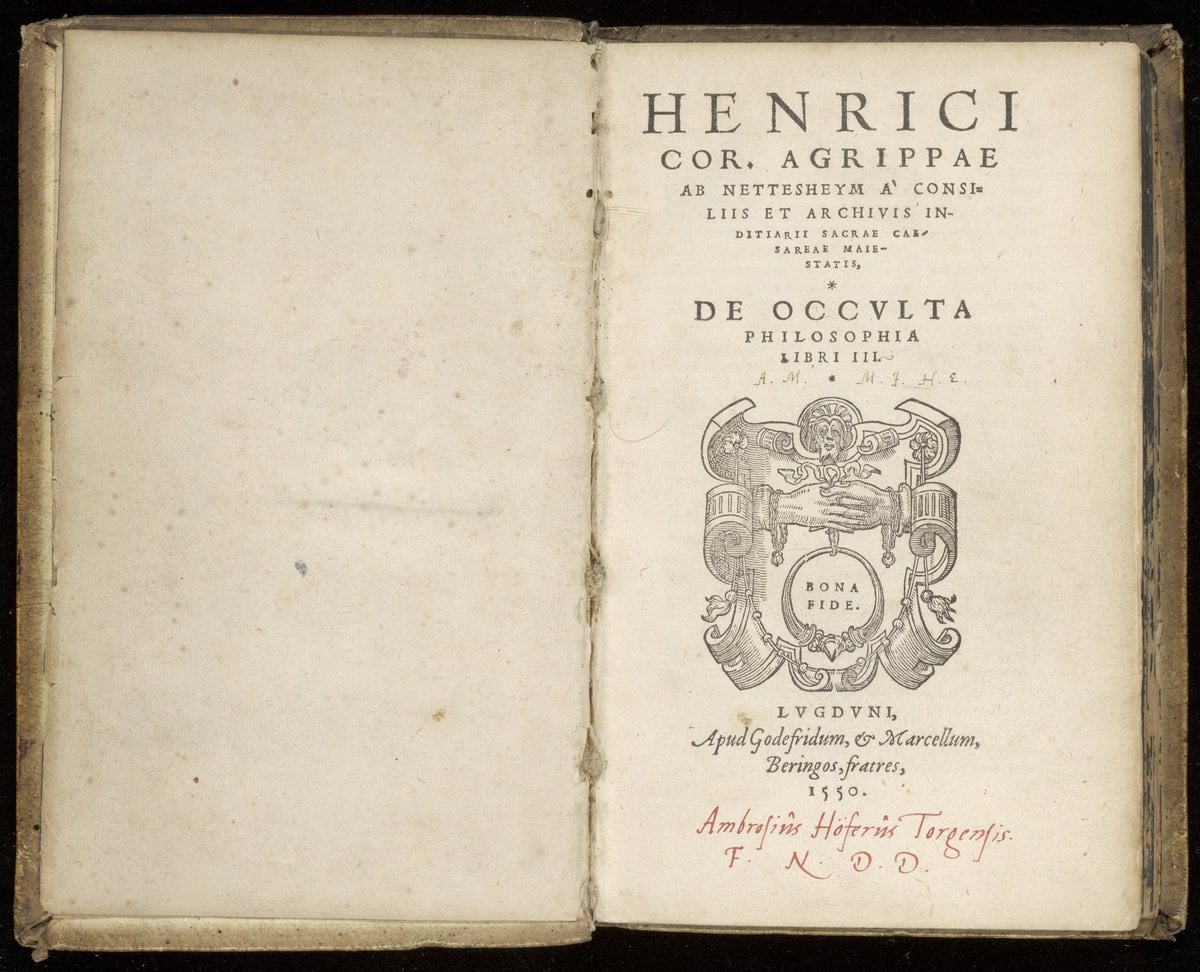
Three Books of Occult Philosophy
Agrippa, Henricus Cornelius
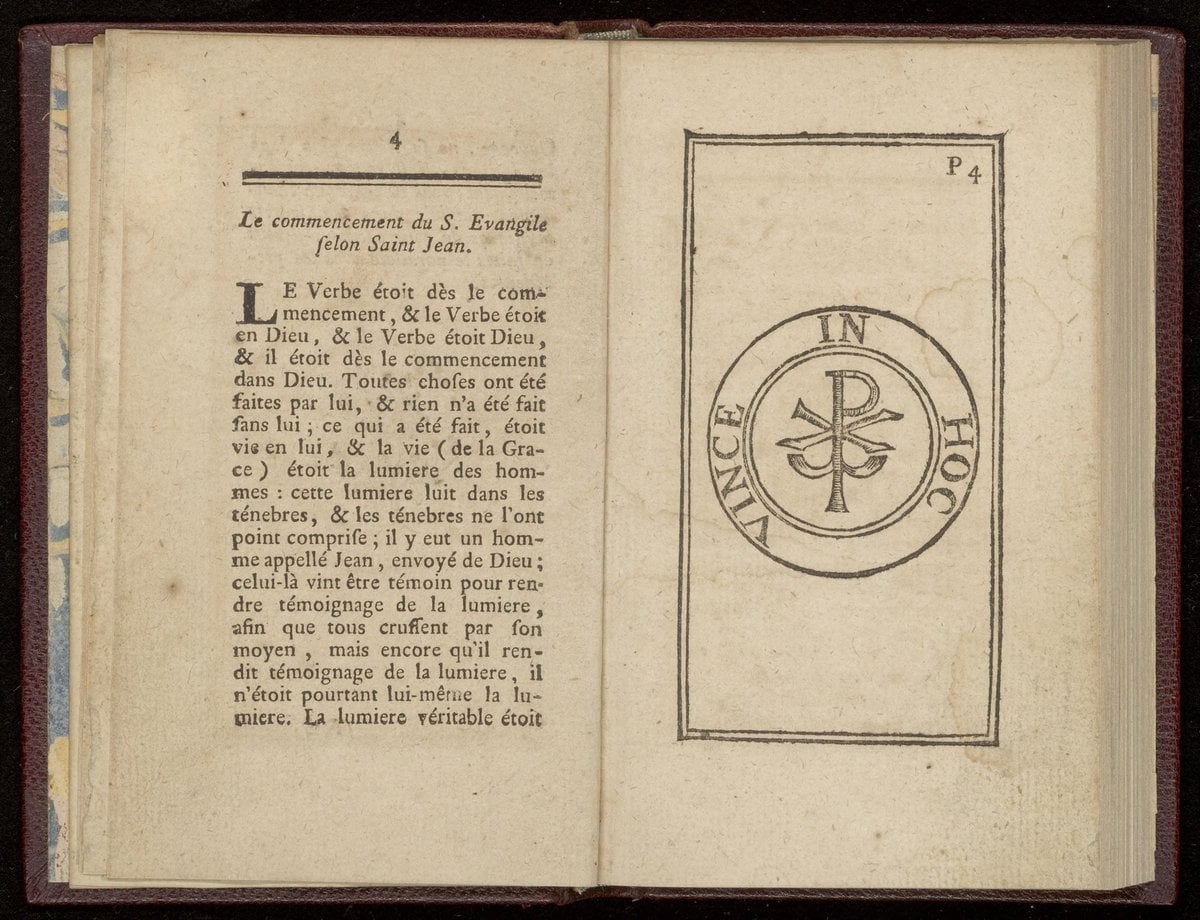
The Enchiridion of Pope Leo
Anonymous
Manuscripts for Friends of Secret Sciences
attr. Linden, Max Joseph von