


Illustrations
Browse all228 images extracted
This intricate engraving depicts an Egyptian obelisk inscribed with a series of symbolic hieroglyphs, crowned by the double-headed eagle of the Holy Roman Empire. Created during a period of intense fascination with ancient Egypt, the image serves as a political allegory for the wisdom and power of Emperor Ferdinand III, as indicated by the Latin text. The juxtaposition of ancient Egyptian forms with contemporary imperial symbols reflects the Baroque desire to connect modern rulers with the primordial wisdom of antiquity.
This woodcut diagram appears in Pico della Mirandola's 'Apologia', illustrating 'Questio XIII' regarding the hidden intelligence of the soul. The interlocking triangles symbolize the intersection of the divine and the human, reflecting Pico's efforts to reconcile different philosophical and mystical traditions during the Renaissance.
This woodcut portrait depicts the author, likely Albubather or Hermes Trismegistus, in a scholarly setting with a celestial globe. It serves as an authorial illustration for this 1485 treatise on astrology and nativities, emphasizing the intellectual and scientific nature of the work.
This circular emblem, titled 'SYMBOLA HORI', is taken from Athanasius Kircher's monumental work 'Oedipus Aegyptiacus' (1652–1654). It depicts the Egyptian deity Horus as an allegorical figure representing the manifest world and the divine triad. The figure holds a complex staff featuring a serpent and a bird, while a triangle and globe appear behind him, illustrating Kircher's syncretic interpretation of Egyptian mythology as a precursor to Christian and Hermetic truths.
This elaborate frontispiece depicts the mythological hero Oedipus confronting the Sphinx, symbolizing the scholar's quest to solve the riddles of ancient Egypt. Above them, winged personifications of Experience and Reason hold a list of languages and scientific disciplines, representing the polymathic approach of Athanasius Kircher. The background features idealized Egyptian architecture, reflecting the 17th-century European fascination with the mysterious origins of civilization.
This woodcut depicts the human figure as a microcosm, a central theme in Renaissance occult philosophy. Standing on a cube (representing the material world) and enclosed within a circle (representing the celestial realm), the figure holds pentagrams, symbolizing the harmony between the human form and the divine order of the universe. This illustration is famously associated with Heinrich Cornelius Agrippa's influential work on occult philosophy, illustrating how the human body reflects the proportions of the cosmos.

This woodcut portrait depicts the renowned philosopher Giovanni Pico della Mirandola (1463–1494). Appearing in the 1519 edition of his collected works, the image serves to memorialize the 'Phoenix of Wits' whose syncretic philosophy sought to reconcile diverse intellectual traditions.

This intricate engraving, titled 'Mathematica Hieroglyph,' presents a symbolic scene within a triangular frame, likely representing a divine or cosmic order. It features figures in stylized Egyptian attire, reflecting the early modern fascination with Aegyptiaca and the belief that ancient Egyptian symbols held deep mathematical and philosophical truths. Such imagery was central to the works of polymaths like Athanasius Kircher, who sought to decode the 'hieroglyphic' secrets of the universe.

This woodcut from Heinrich Cornelius Agrippa's 'De Occulta Philosophia' (1533) illustrates the human body as a perfectly proportioned microcosm, harmoniously inscribed within a square. Surrounded by symbolic attributes such as the all-seeing eye and the serpent, the figure represents the intersection of physical form and divine order. This imagery was central to Renaissance thought, bridging the gap between natural philosophy, geometry, and the spiritual realm.
All Books
Browse Full Catalog→47 books in this collection
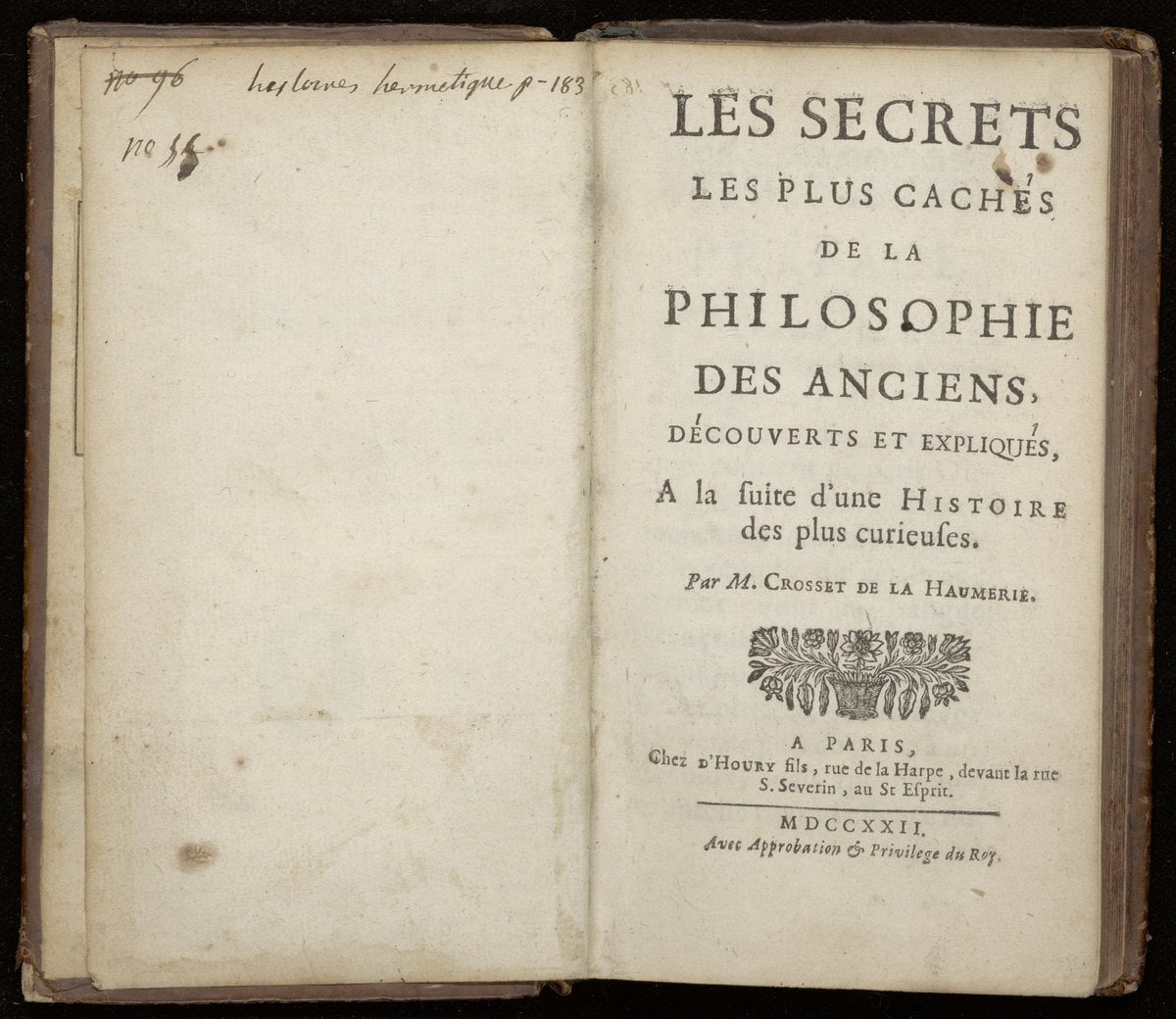
The Most Hidden Secrets of the Philosophy of the Ancients
attr. Colonne, François-Marie-Pompée
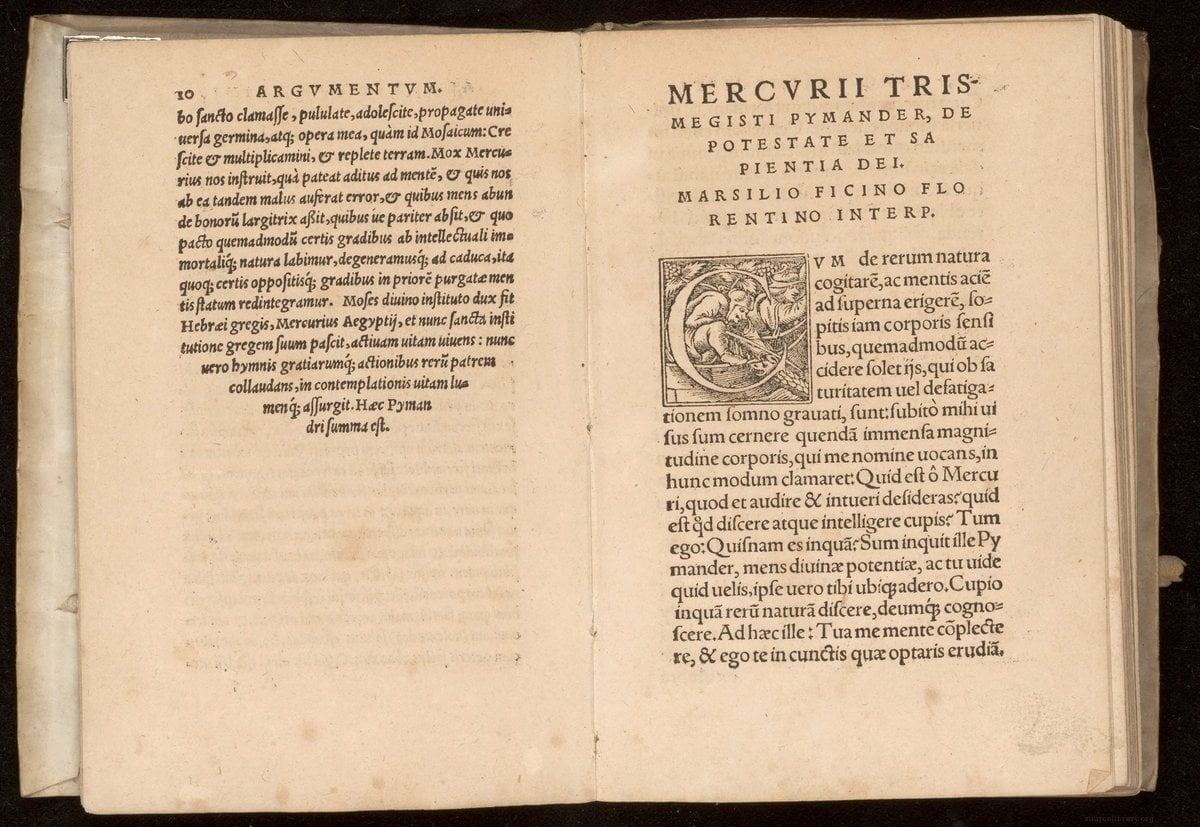
Pymander. Asclepius. On the Mysteries of the Egyptians. On Plato's Alcibiades, on the Soul and the Daemon. On Sacrifice.
Hermes Trismegistus|Jamblichus|Proclus
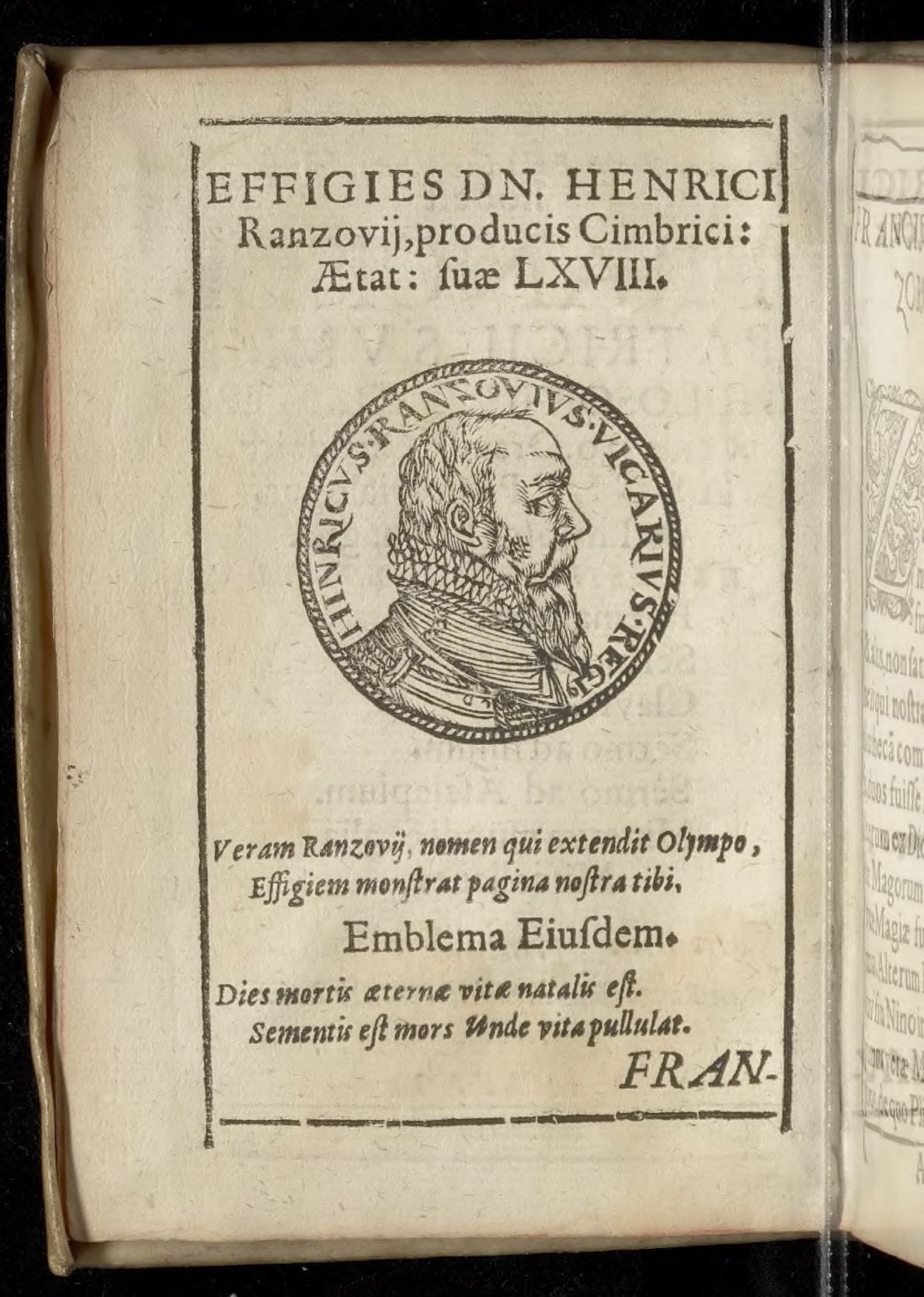
Philosophical Magic
Patrizi, Francesco|Zoroaster|Hermes Trismegistus
On Alchemy
Geber|Bacon, Roger|Richardus Anglicus|Calid|Hermes Trismegistus|Hortulanus
The Divine Pymander, Asclepius, and On the Mysteries
Hermes Trismegistus | Jamblichus | Proclus
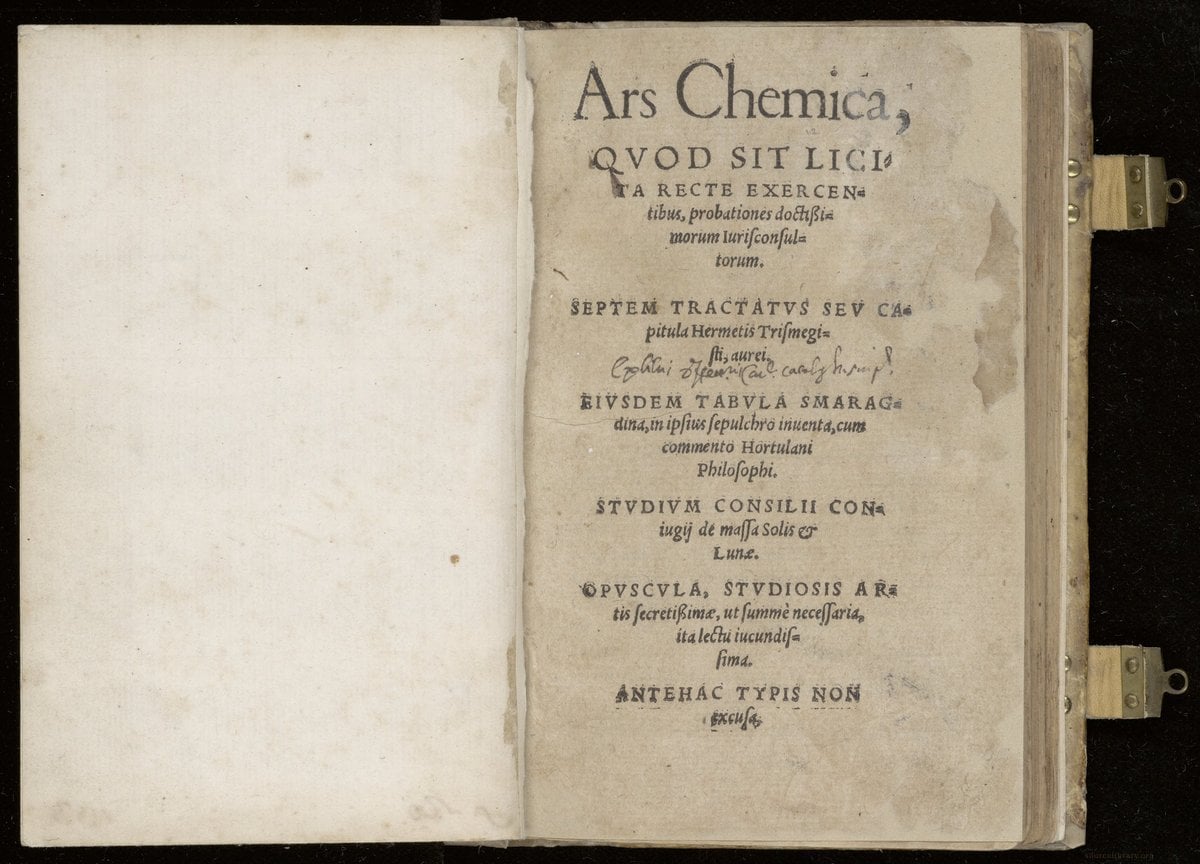
The Chemical Art
Hermes Trismegistus
The Little Key of Hermetic Science
Anonymous
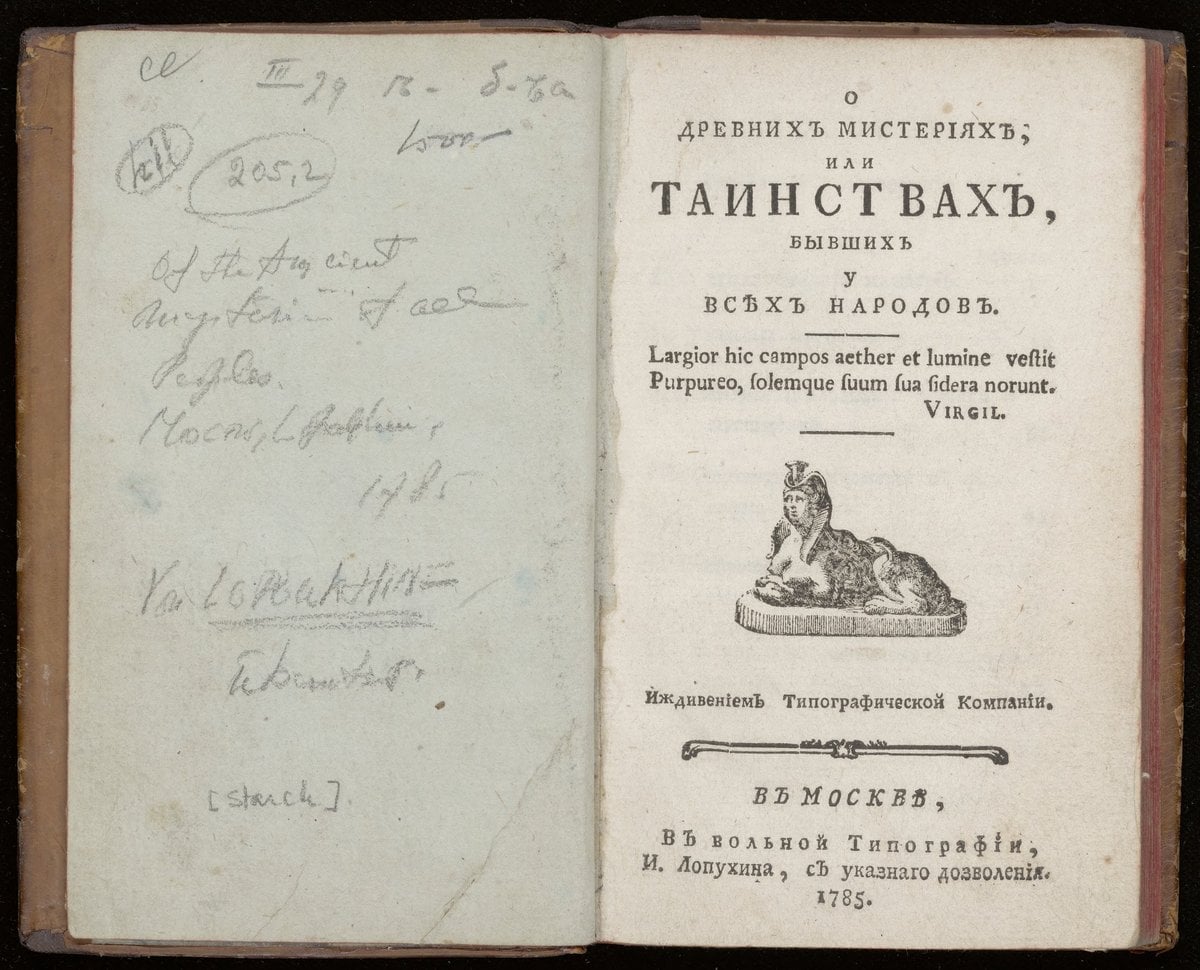
Of the Ancient Mysteries
attr. Starck, Johann August von
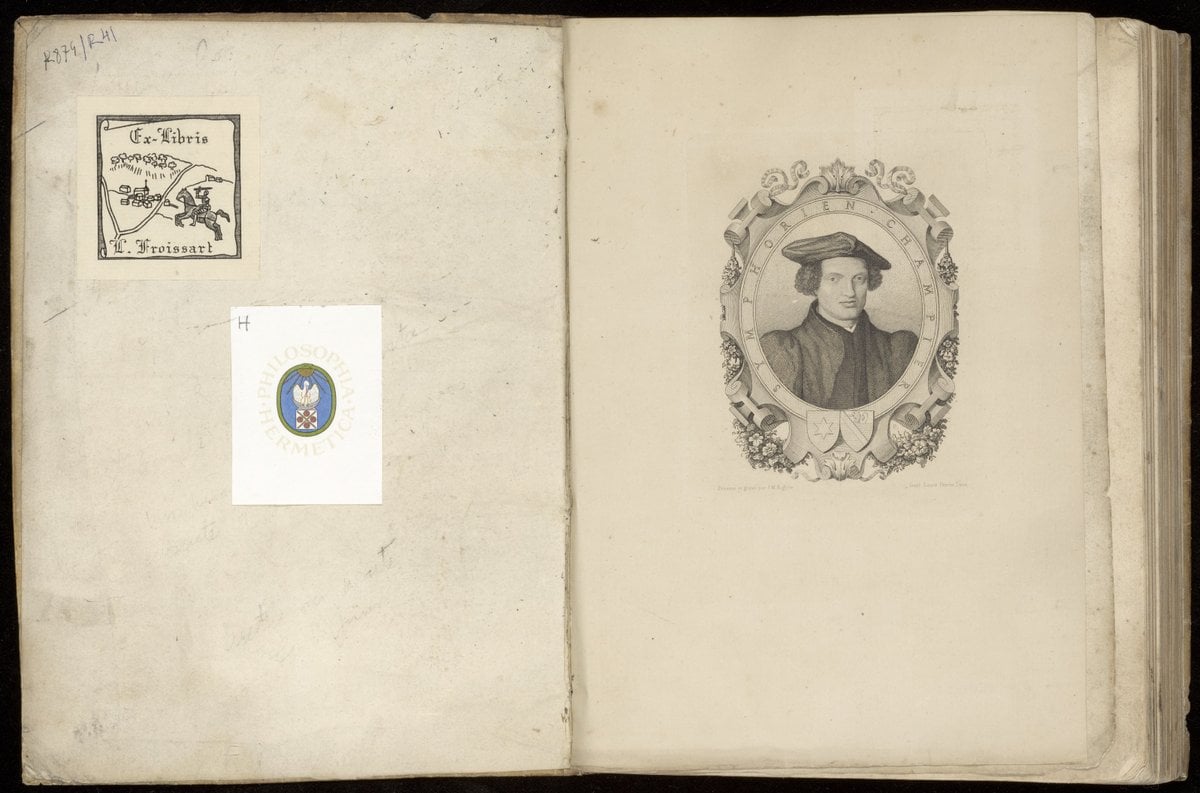
Book on the Fourfold Life
Champier, Symphorien
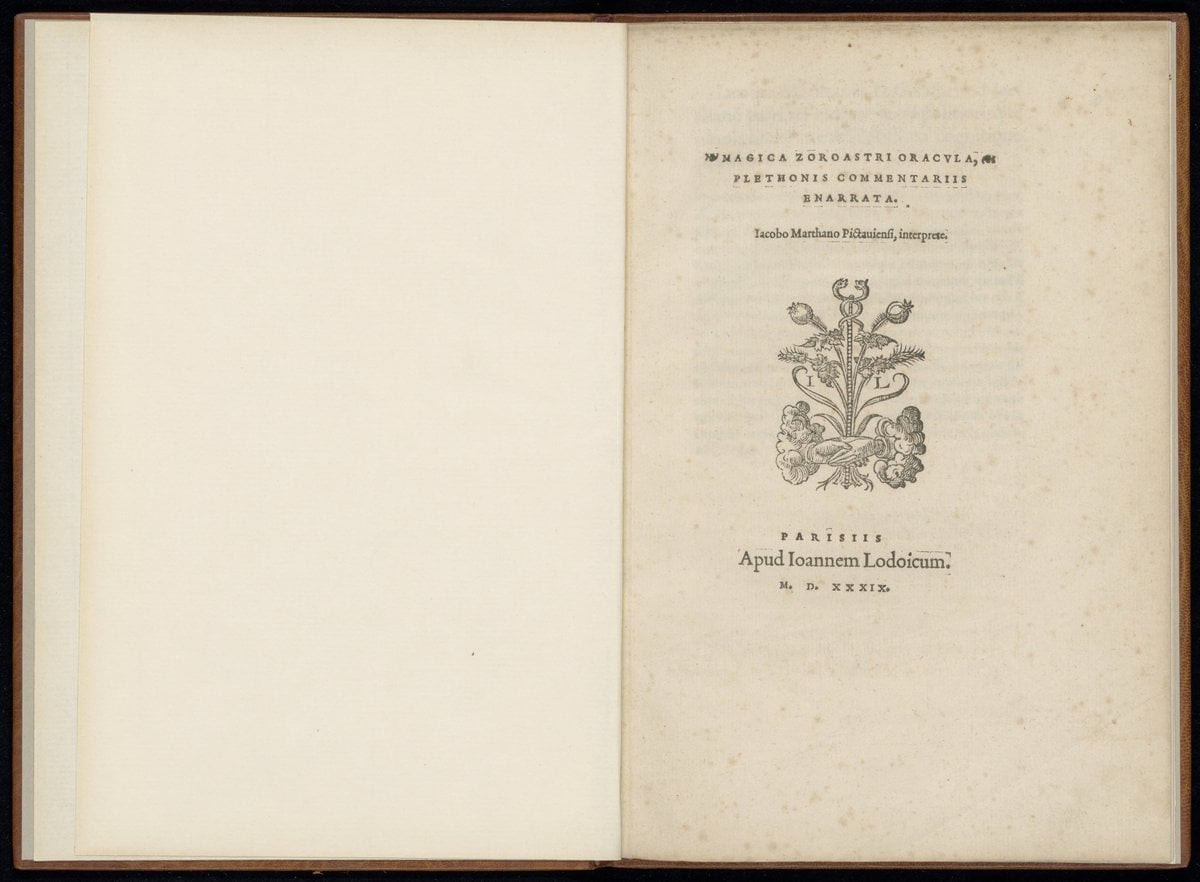
The Chaldean Oracles
Zoroaster
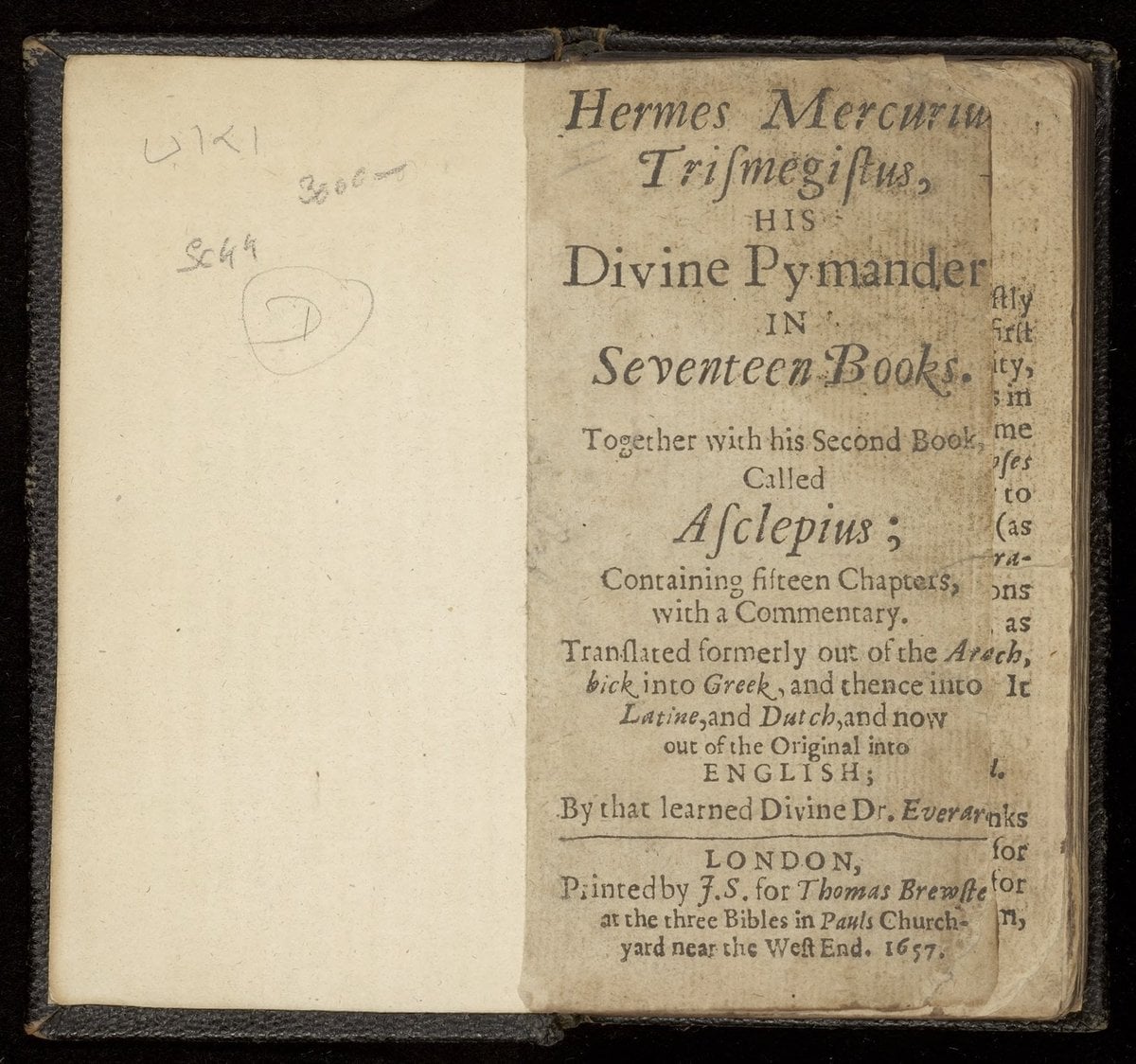
Divine Pymander. Asclepius
Hermes Trismegistus
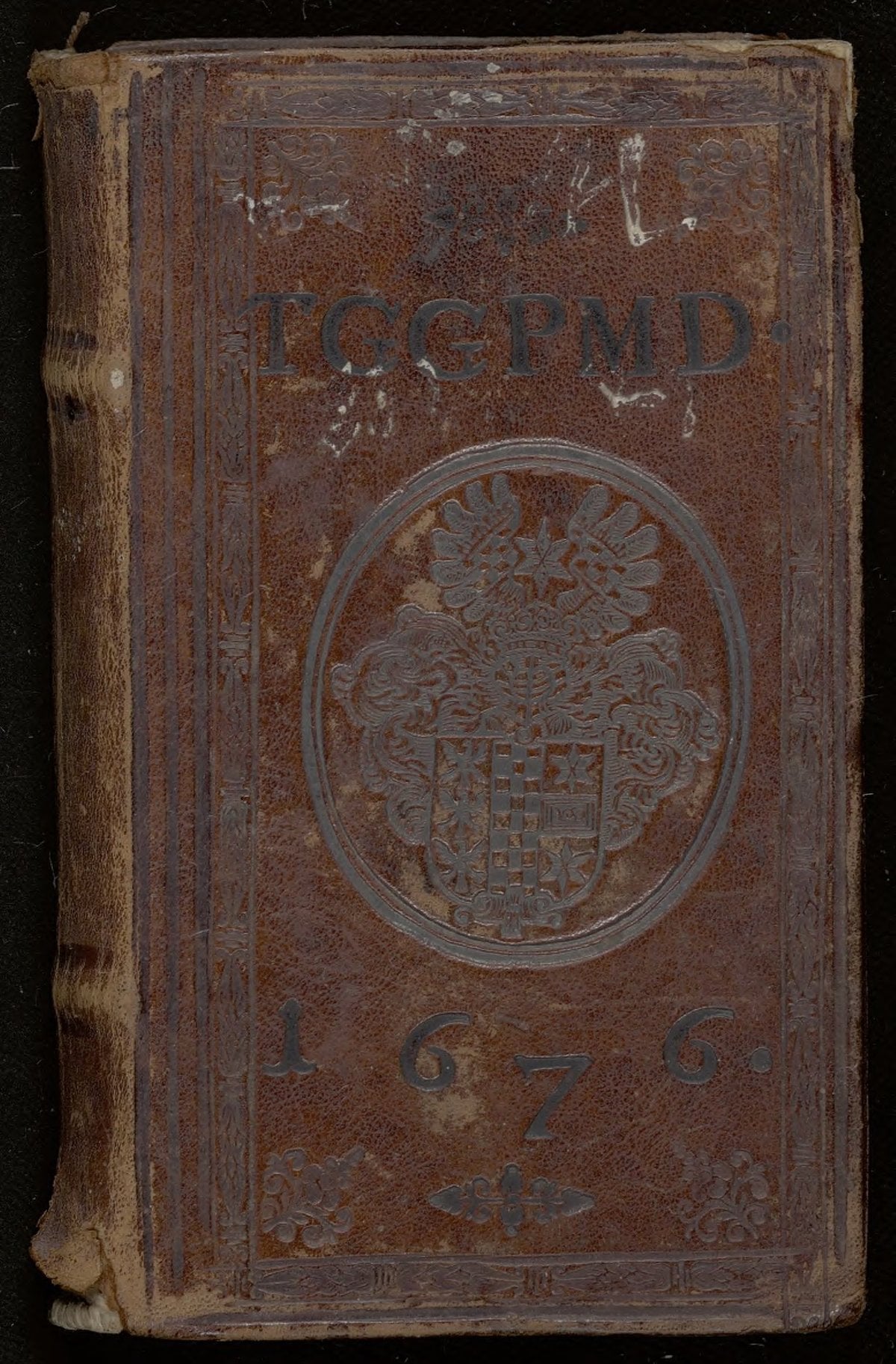
Memorable Things, or Secrets of Every Kind
Mizaldus, Antonius
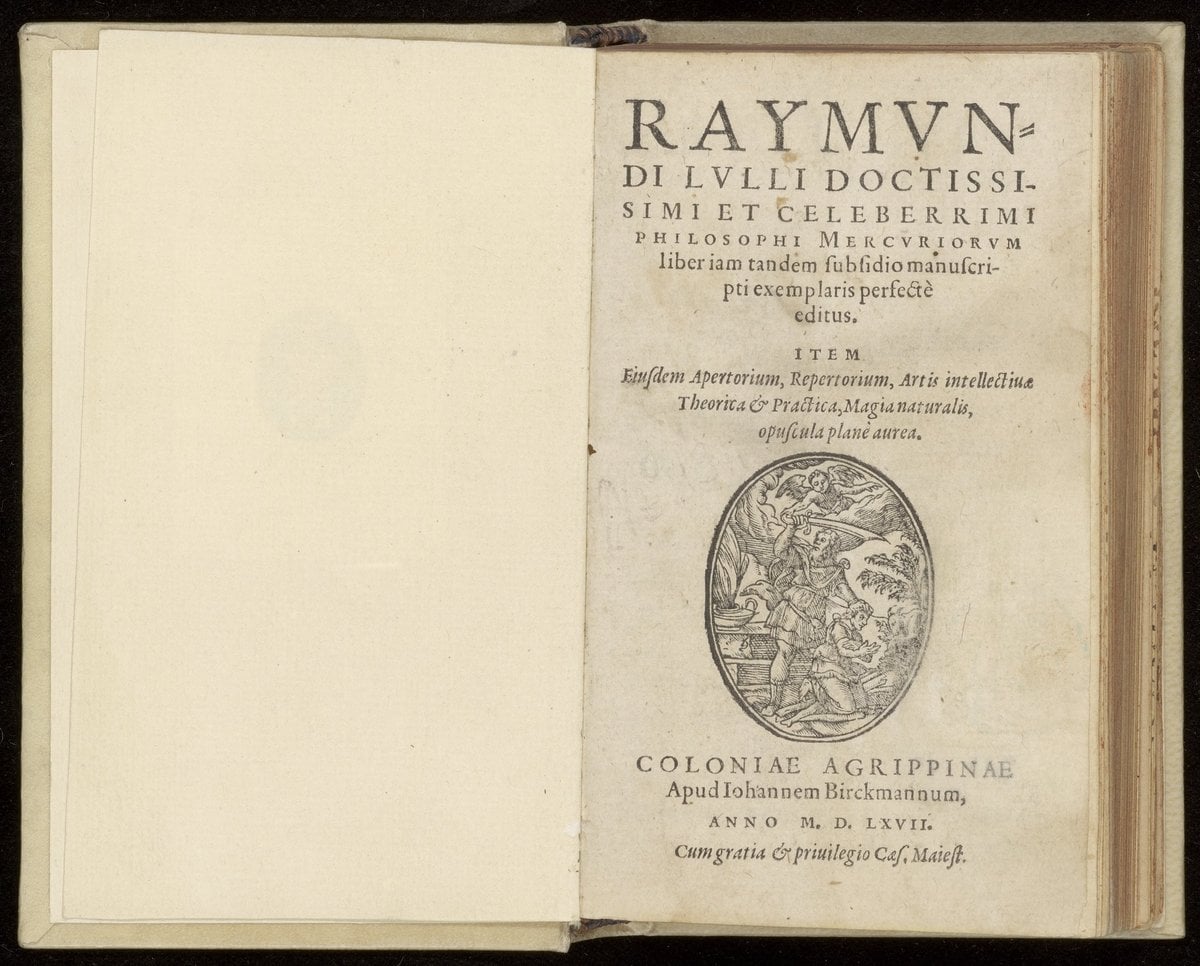
Book of Mercuries
Lull, Ramón
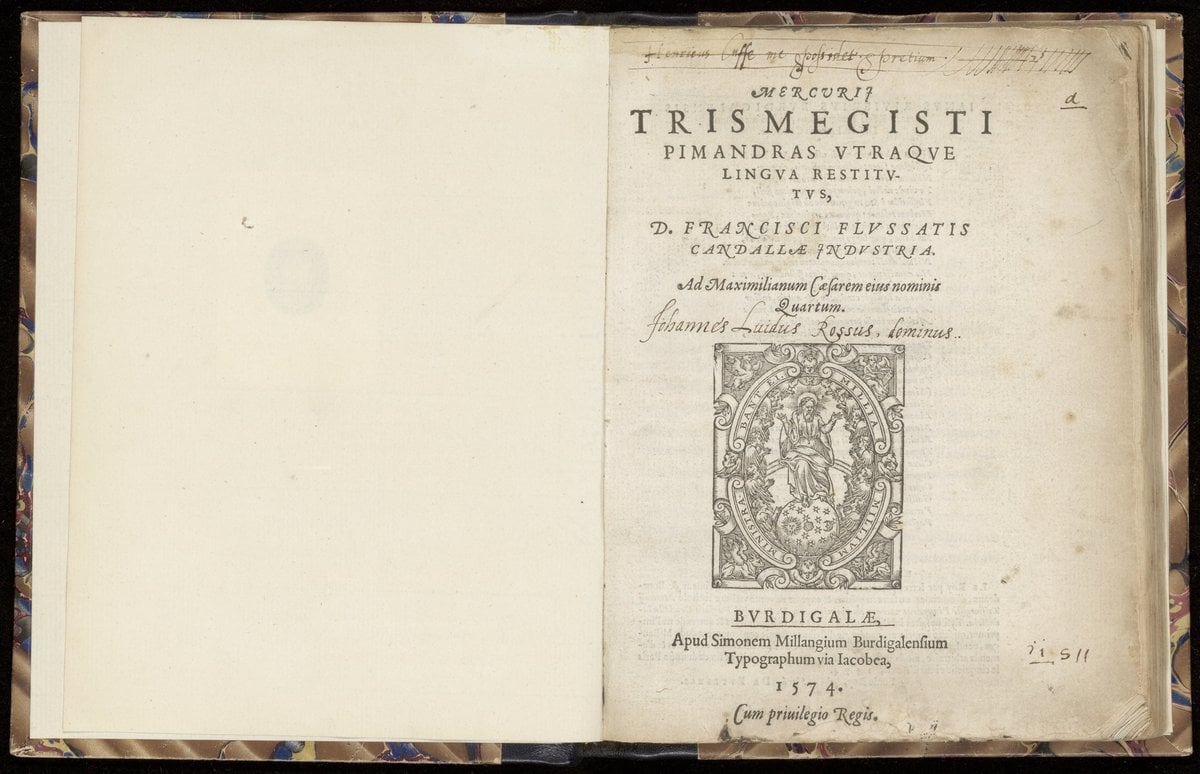
Poimandres
Hermes Trismegistus